menu

Wet Carpet & Padding in Riverside – Expert Diagnosis and Removal Before Mold Takes Hold

Liberty Water Damage Restoration Riverside identifies hidden moisture in soaked carpeting and underlay, removes contaminated materials correctly, and prevents secondary damage before it starts.

Slider Image 1
Slider Image 2
Slider Image 3
Slider Image 4
Slider Image 5
Slider Image 7
Slider Image 8
Slider Image 9
Slider Image 10
Slider Image 11

Why Wet Carpet and Padding Create Hidden Health Risks in Riverside Homes

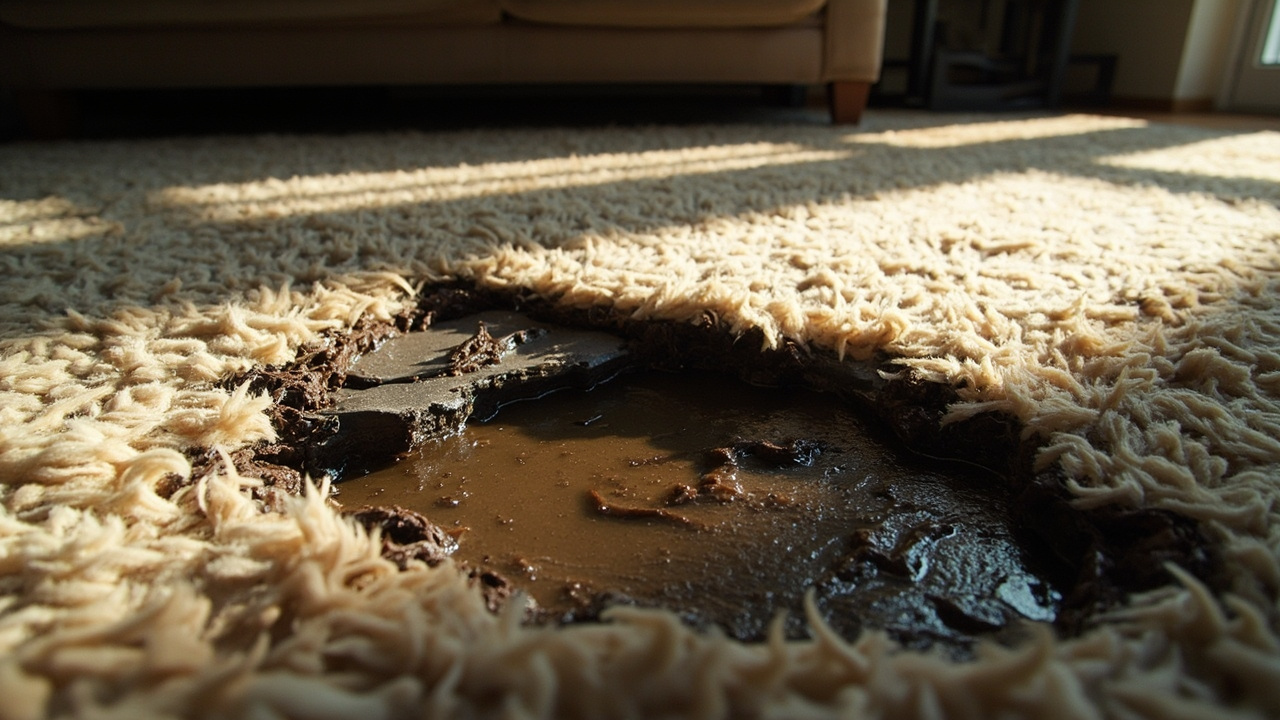
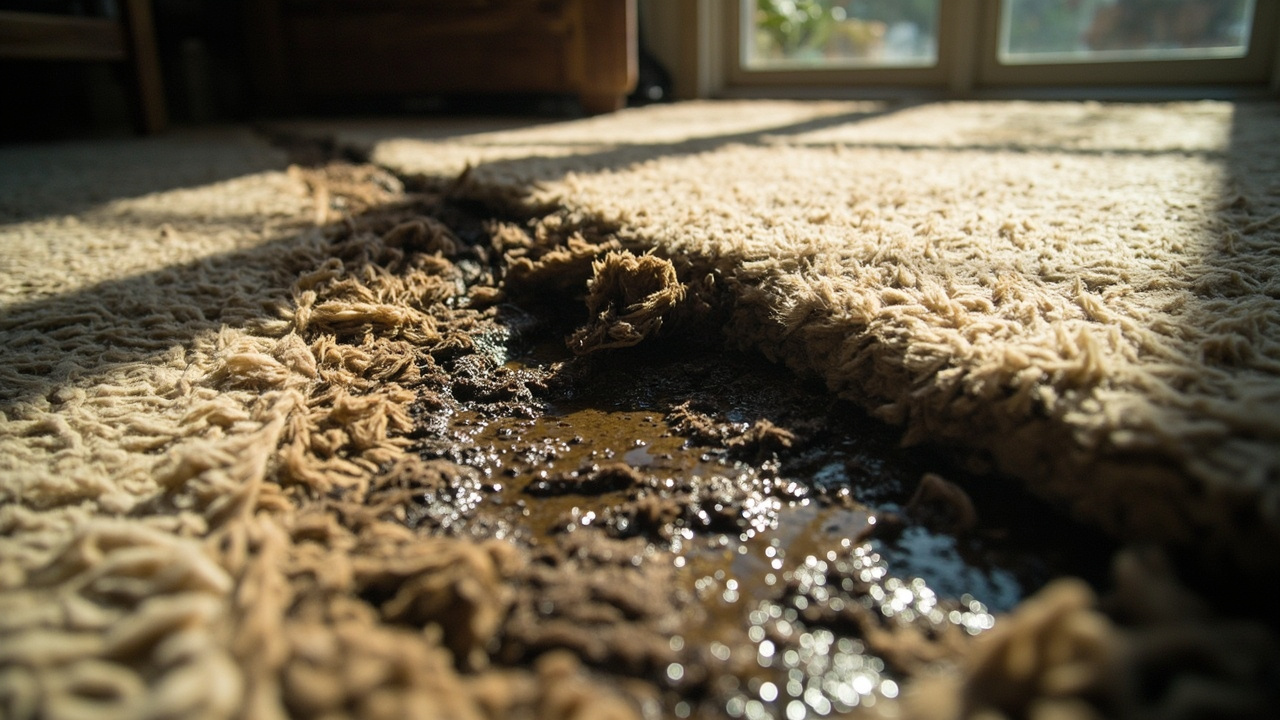
When water damage strikes a Riverside property, saturated carpet and cushion become more than an eyesore. They turn into breeding grounds for mold, bacteria, and structural decay. You might see surface water disappear within hours, but the flooded carpet and underpad beneath hold moisture for days or weeks. That hidden wetness spreads to baseboards, drywall, and subfloors.

Riverside's warm climate accelerates microbial growth. Within 24 to 48 hours, wet carpet underlayment begins supporting mold colonies. The organic fibers in carpet padding act like sponges, trapping contaminated water from sewage backups, storm runoff, or appliance failures. You cannot simply dry the surface and call it resolved.

Many homeowners try shop vacuums or fans. These methods extract surface water but leave the cushion damp. The padding remains compressed and waterlogged. As humidity rises inside the home, musty odors develop. Allergic reactions and respiratory irritation follow. Children and elderly residents face the highest risk.

Water damaged carpet and pad also hide structural problems. Moisture migrates through seams and tack strips into the subfloor. Wood swells, warps, and loses integrity. Concrete slabs develop efflorescence and trapped moisture pockets. By the time you notice buckling or discoloration, the damage extends far beyond the visible carpet.

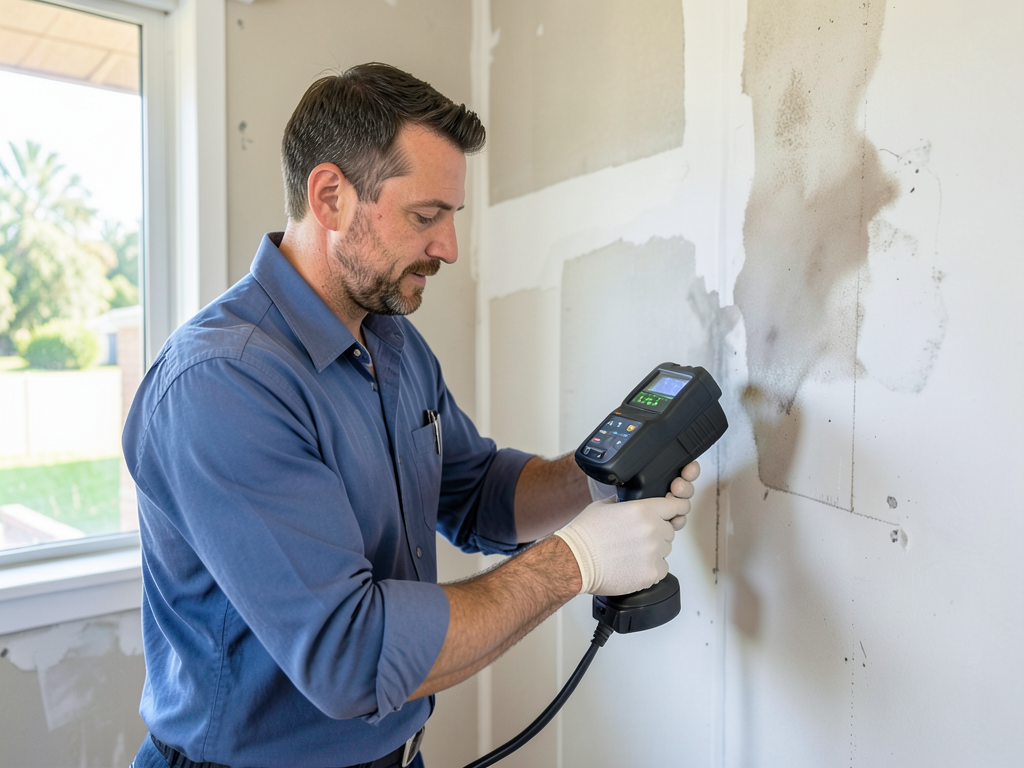
Proper assessment requires moisture meters, thermal imaging, and an understanding of how water moves through carpet systems. You need to know whether the padding can be salvaged or must be discarded. Most importantly, you need to act before mold spores colonize the space and turn a water problem into a health crisis.

Why Wet Carpet and Padding Create Hidden Health Risks in Riverside Homes
How Professional Water Extraction and Padding Removal Stop the Damage Cycle

How Professional Water Extraction and Padding Removal Stop the Damage Cycle

Removing soaked carpeting and underlay correctly requires more than pulling up wet material. Liberty Water Damage Restoration Riverside uses truck-mounted extraction units that generate high-pressure suction to pull water from deep within carpet fibers and padding. Standard equipment cannot match this extraction force.

We begin with moisture mapping. Infrared cameras identify wet zones hidden under furniture or behind walls. Moisture meters measure saturation levels in the carpet, padding, and subfloor. This data determines whether padding can be dried in place or must be removed. In most cases involving Category 2 or Category 3 water, the padding gets discarded. Contaminated materials cannot be sanitized effectively.

Once we identify the affected areas, we pull back the carpet carefully to avoid tearing or stretching. Tack strips remain in place when possible. The carpet gets lifted, inspected, and either cleaned or removed based on contamination level. Padding comes out in sections to prevent cross-contamination. We bag and dispose of wet materials according to local waste regulations.

After removal, we treat the subfloor with antimicrobial agents. Concrete slabs get sealed if moisture readings remain elevated. Wood subfloors receive focused drying using air movers and dehumidifiers. We monitor drying progress with daily moisture readings until the subfloor reaches equilibrium moisture content.

The carpet itself gets evaluated separately. If the water source was clean and the carpet is salvageable, we clean and dry it off-site or in place using specialized methods. If contamination is present, replacement becomes necessary. We coordinate with your insurance adjuster to document the loss and justify the scope of work. The goal is to return your space to a safe, dry condition without cutting corners that lead to callback issues.

What Happens When We Remove Wet Carpet and Padding from Your Property

Wet Carpet & Padding in Riverside – Expert Diagnosis and Removal Before Mold Takes Hold
01

Moisture Assessment and Documentation

We measure moisture levels in the carpet, padding, and subfloor using calibrated meters and thermal imaging cameras. This data tells us how far the water has spread and whether the padding must be removed or can be dried. We photograph all affected areas and document findings for your insurance claim. You get a clear picture of the scope before any work begins.
02

Carpet and Padding Removal

We pull back the carpet from tack strips and inspect the underpad for contamination and saturation. Wet padding gets removed in sections and bagged for disposal. Carpet is rolled, transported, or discarded based on water category and condition. Tack strips and baseboards remain protected. The subfloor gets exposed for inspection and treatment. We remove only what is necessary to prevent mold growth and structural damage.
03

Subfloor Drying and Treatment

After padding removal, we apply antimicrobial treatments to the subfloor and begin focused drying. Air movers and dehumidifiers run continuously while we monitor moisture levels daily. Once the subfloor reaches safe moisture content, we provide documentation for reinstallation or replacement. You move forward with a dry, sanitized surface and no hidden moisture waiting to cause future problems.

Why Riverside Property Owners Trust Local Expertise for Carpet Water Damage

Riverside sits in a region where summer heat and occasional winter storms create unique challenges for water damage restoration. Properties near the Santa Ana River or in low-lying neighborhoods face higher flood risk. Older homes in the Wood Streets Historic District often have outdated plumbing and subfloor materials that complicate drying efforts. You need a restoration team familiar with these local conditions.

Liberty Water Damage Restoration Riverside has worked in every corner of the city. We know how concrete slab foundations in newer subdivisions respond differently to water exposure than raised wood foundations in older homes. We understand how Riverside's warm, dry climate speeds up mold growth when moisture gets trapped in enclosed spaces. That knowledge shapes our approach to every job.

Local building codes require specific moisture thresholds before carpet can be reinstalled. We test and document those readings to keep your project compliant. We also coordinate with local insurance adjusters who know our work and trust our documentation. This relationship reduces claim disputes and speeds up approvals.

When you hire a restoration company from outside the area, they lack familiarity with Riverside's soil conditions, flood zones, and construction styles. They treat every job the same. We adapt our methods to the specific challenges your property faces. That localization means fewer surprises, faster turnaround, and better long-term results.

We also maintain relationships with local flooring contractors, plumbers, and mold remediators. If your water damage requires additional trades, we coordinate the work to keep the project moving. You get a single point of contact instead of juggling multiple vendors. Trust comes from knowing the people who show up at your door understand Riverside and have a reputation to protect here.

What You Can Expect When We Handle Your Wet Carpet Emergency

Rapid Response and Immediate Water Extraction

Time matters when carpeting and padding are soaked. We dispatch crews to Riverside properties within hours of your call. Our trucks carry extraction equipment, moisture meters, and drying tools. We begin water removal immediately to reduce the spread of damage. You do not wait days for an assessment. We arrive, evaluate the situation, and start mitigation work on the spot. The faster we extract water, the less padding and subfloor material you lose to contamination and mold growth.

Detailed Moisture Mapping and Scope Development

After initial extraction, we map moisture levels throughout the affected area. Thermal imaging reveals hidden water in walls, under baseboards, and in subfloor cavities. Moisture meters provide precise readings for carpet, padding, and structural materials. We explain what the data means and outline the necessary work. You get a written scope that details what materials must be removed, what can be dried, and how long the process will take. This transparency prevents scope creep and surprise charges later.

Thorough Drying and Final Verification

We do not rely on timelines alone to determine when drying is complete. Our crews take daily moisture readings and adjust equipment placement as needed. Dehumidifiers and air movers run until the subfloor reaches equilibrium moisture content. We provide final documentation showing all affected areas have returned to safe moisture levels. This verification protects you from future mold claims and ensures the space is ready for carpet reinstallation or replacement. You get proof that the job was done right.

Post-Restoration Monitoring and Guidance

After we complete drying and removal, we provide guidance on next steps. If carpet replacement is necessary, we recommend local flooring contractors familiar with our work. If your insurance company requests additional documentation, we supply detailed reports and photos. We also offer follow-up moisture checks to confirm no hidden dampness remains. You are not left to guess whether the problem is truly resolved. Our relationship continues until you are confident the space is dry, safe, and ready for use.

Frequently Asked Questions

You Have Questions,
We Have Answers

Is carpet padding ruined if it gets wet? +

Yes, carpet padding is usually ruined once saturated. Padding acts like a sponge and absorbs water quickly. Once wet, it traps moisture against the subfloor, creating the perfect environment for mold growth and structural damage. Most padding materials break down when wet and lose their cushioning properties. In Riverside's warm climate, this moisture accelerates bacterial growth within hours. Professional extraction can sometimes save padding if you act within 24 hours and the water is clean, but contaminated water from sewage or flooding always requires full removal and replacement to protect your home.

How to dry out wet carpet padding? +

Pull back the carpet and remove the wet padding immediately. Use a wet vacuum to extract standing water from both the padding and subfloor. Position industrial fans and dehumidifiers to circulate air underneath the lifted carpet. In Riverside's dry climate, air movement is critical. Open windows to increase ventilation. Check moisture levels with a meter every few hours. If padding remains damp after 48 hours, replacement is necessary to prevent mold. The subfloor must also dry completely before installing new padding. Professional equipment speeds this process and prevents long-term damage.

Is carpet ruined if it gets wet? +

Not always. Carpet survival depends on water type, saturation time, and response speed. Clean water from a supply line caught within 24 hours can often be saved with professional extraction and drying. Synthetic carpets handle moisture better than natural fibers. However, contaminated water from sewage or outdoor flooding ruins carpet immediately. In Riverside homes, even clean water left longer than 48 hours leads to mold growth, odor, and fiber breakdown. Wool and natural fiber carpets rarely survive any significant water exposure. Professional assessment determines salvageability based on these factors.

Can mold grow under carpet padding? +

Absolutely. Mold thrives under carpet padding because moisture gets trapped between the padding and subfloor with limited air circulation. This dark, damp space is ideal for spore growth. In Riverside's warm temperatures, mold can colonize within 24 to 48 hours of water exposure. You cannot see mold growing underneath until it spreads significantly. The padding holds moisture longer than carpet, feeding continuous growth. Even after the carpet surface feels dry, padding underneath often remains wet. This hidden mold releases spores into your indoor air and damages the subfloor beneath.

How quickly can mold grow under wet carpet? +

Mold can start growing under wet carpet within 24 to 48 hours in Riverside's climate. Warm indoor temperatures and trapped moisture accelerate spore germination. Some aggressive mold species begin colonizing in as little as 12 hours if conditions are ideal. The padding underneath creates a perfect environment because it stays wet longer than the carpet surface. Once mold establishes itself, it spreads rapidly throughout the padding and into the subfloor. This is why immediate water extraction is critical. After 72 hours, mold contamination becomes extensive and requires professional remediation.

How to dry out carpet and underlay? +

Remove furniture and pull back the carpet to expose both layers. Extract standing water with a wet vacuum or professional extractor. Position high-velocity fans to blow air directly under the lifted carpet and across the underlay. Run a commercial dehumidifier to remove moisture from the air. In Riverside, opening windows helps if outdoor humidity is low. Elevate the carpet on blocks or racks to maximize airflow underneath. Check moisture levels with a meter every 12 hours. Complete drying typically takes three to five days with proper equipment. Replace padding if it stays damp beyond 48 hours.

Will damp carpet dry on its own? +

No. Damp carpet will not dry properly on its own in a timeframe that prevents damage. Without professional extraction and airflow, moisture remains trapped in padding and backing for days or weeks. In Riverside homes, this leads to guaranteed mold growth, permanent odors, and subfloor damage. Even if the surface feels dry, moisture underneath continues causing problems. Ambient air movement is insufficient to remove water from dense carpet fibers and padding. You need targeted extraction, commercial fans, and dehumidification. Waiting for natural drying costs more in repairs than immediate professional intervention.

What are signs of mold in carpet? +

Watch for musty or earthy odors that intensify when you walk on the carpet. Visible discoloration appears as black, green, or white patches, often along baseboards or in corners. The carpet may feel perpetually damp or clammy even days after water exposure. Allergy symptoms like sneezing, coughing, or eye irritation worsen indoors. You might notice dark staining on the carpet backing when lifted. In Riverside's dry climate, persistent dampness is a red flag. Bubbling or delamination of carpet backing indicates advanced growth. Any musty smell requires immediate investigation underneath the carpet.

Can carpet be saved after water damage? +

Sometimes, if you act fast. Carpet exposed to clean water for under 24 hours can often be saved with professional extraction, antimicrobial treatment, and thorough drying. Synthetic carpets survive better than natural fibers. However, padding almost always requires replacement. Contaminated water from sewage, flooding, or standing outdoor water ruins carpet permanently due to bacteria and toxins. In Riverside, response time is everything. After 48 hours, mold growth makes salvage unlikely. Professional assessment determines if restoration is cost-effective compared to replacement. Never attempt to save carpet with visible mold or persistent odor.

Is it okay to sleep in a room with wet carpet? +

No. Sleeping in a room with wet carpet exposes you to mold spores, bacteria, and elevated humidity that affects breathing and sleep quality. Even if mold is not visible yet, spores begin releasing within 24 hours in Riverside's temperatures. The moisture increases indoor humidity, making the room uncomfortable and promoting respiratory irritation. Children and people with allergies or asthma face higher risks. Wet carpet also attracts pests. Move to another room until the carpet and padding are professionally dried or replaced. Your health is not worth the convenience of staying put.

How Riverside's Proximity to the Santa Ana River Increases Carpet Flooding Risk

Riverside's location along the Santa Ana River creates seasonal flood risk for properties in low-lying areas and older neighborhoods. Winter storms and upstream releases can cause sudden water intrusion into homes and businesses. When floodwater enters a structure, it saturates carpeting and underlay with contaminated water carrying silt, bacteria, and debris. This Category 3 water cannot be cleaned from padding. Immediate removal and disposal become necessary to protect occupants from health hazards. Homes near Fairmount Park and the Riverside Downtown Historic District face the highest exposure during storm events.

Riverside building codes and insurance requirements demand specific moisture thresholds before carpet can be reinstalled after water damage. Liberty Water Damage Restoration Riverside understands these local standards and provides documentation that satisfies adjusters and inspectors. Our crews have worked in every Riverside ZIP code and know how different foundation types and soil conditions affect water damage. This local expertise means faster approvals, fewer disputes, and restoration work done right the first time. When your property floods, you need a team that knows Riverside.
Water Damage Restoration Services in The Riverside Area

We are dedicated to serving the entire Riverside area and its neighboring communities with fast and reliable water damage restoration services. Whether you’re a resident or a business owner, our team is ready to respond to your call. Use the map below to see our service area, or call us directly to confirm if we can dispatch a team to your location for an immediate emergency response.

Address:
Liberty Water Damage Restoration Riverside, 11801 Pierce St, Riverside, CA, 92505

Additional Services We Offer

Our news updates

Latest Articles & News from The Blogs

Why your ice maker line is a ticking time bomb for your kitchen floor Ice maker supply lines are one…

Why your ice maker line is a ticking time bomb for your kitchen floor

Why your ice maker line is a ticking time bomb for your kitchen floor Ice maker supply lines are one…

How to spot the signs of a chimney leak before it ruins your Riverside living room

How to spot the signs of a chimney leak before it ruins your Riverside living room Your chimney is more…

The most common plumbing mistakes Riverside DIYers make that lead to floods

The most common plumbing mistakes Riverside DIYers make that lead to floods DIY plumbing projects in Riverside often start with…

Contact Us

Water does not wait, and neither should you. Call Liberty Water Damage Restoration Riverside at (951) 309-5499 right now for immediate water extraction and carpet padding removal. We dispatch crews fast and work directly with your insurance.