


Palm Springs sits in the low desert where extreme heat meets sudden monsoon downpours. This climate swing creates unique water damage risks that most property owners underestimate. Summer temperatures exceeding 110 degrees stress plumbing systems and AC condensate lines. When these fail during peak heat, water pours into walls and ceilings while you're at work or traveling.
Desert soil here lacks natural drainage. Clay deposits beneath many neighborhoods in the Movie Colony and Deepwell areas trap water under foundations after rare but intense rainstorms. Flash flooding overwhelms storm drains along Indian Canyon Drive and Ramon Road within minutes. Water enters through garage doors, window wells, and foundation cracks faster than you can react.
Older properties near the Tennis Club and Old Las Palmas feature original plumbing from the 1950s and 60s. These galvanized pipes corrode from mineral-heavy Colorado River water. They burst without warning, flooding entire rooms before you discover the damage. Modern construction in developments near the Vista Chino corridor uses PEX and copper, but thermal expansion during summer heat cycles still causes fitting failures.
The combination of extreme heat, hard water, intense but rare rainfall, and both vintage and modern construction creates constant water damage threats across Palm Springs. Response time determines whether you face a cleanup bill or a complete reconstruction project.
We built our reputation responding to water emergencies across Riverside and San Bernardino counties when other companies close their phones. Our dispatch center operates around the clock because water damage does not wait for business hours. When your call comes in at 3 AM on Sunday, our certified technicians leave for your Palm Springs property within minutes, not hours.
Most restoration companies send one technician with a wet vac and some fans. We arrive with truck-mounted extraction systems, commercial dehumidifiers, thermal imaging cameras, and moisture meters that find hidden water before it breeds mold. Our crews train on IICRC standards for water damage restoration, applied structural drying, and mold remediation. We follow science-based protocols, not guesswork.
Insurance companies complicate water damage claims with documentation requirements and coverage disputes. We photograph every stage of damage, document moisture readings, and communicate directly with adjusters using their language. This coordination speeds up approvals and gets your claim paid faster. We work with every major carrier operating in California and understand policy differences between flood, pipe burst, and sewage backup coverage.
Palm Springs property owners face pressure to dry and restore quickly before mold takes hold in wall cavities. Our project managers stay on site throughout extraction and drying, monitoring progress every six hours. We test moisture levels until structures reach dry standards, then verify with final readings. You get documentation proving the job is done right, protecting your property value and your health. We do not rush jobs or leave early. We finish what we start.

Our phones never go to voicemail. When you call with a water emergency in Palm Springs, you reach a live person who dispatches certified technicians immediately. We arrive on site within 60 minutes for most Coachella Valley locations, equipped to stop damage progression and begin extraction the moment we walk through your door.

Every crew member holds current certification in water damage restoration and applied structural drying from the Institute of Inspection Cleaning and Restoration Certification. We follow industry protocols for extraction, drying, and antimicrobial treatment. This certification guarantees insurance companies accept our work and protects you from liability if secondary damage occurs.
We communicate directly with your insurance adjuster, providing detailed documentation, moisture readings, and progress photos they need to approve your claim. This coordination speeds up the approval process and maximizes your coverage. We understand policy language and know what documentation carriers require before they issue payment for water damage restoration work.
We serve Palm Springs, Desert Hot Springs, Cathedral City, and the entire Coachella Valley from our Riverside operations base. Our technicians know local construction methods, understand desert climate challenges, and respond quickly across the region. When water damage strikes your Palm Springs property, we arrive with the equipment and experience to stop it fast.
Water damage restoration requires more than extracting standing water and setting up fans. Proper remediation follows a science-based protocol that removes moisture from every building material, prevents microbial growth, and restores your property to pre-loss condition. Liberty Water Damage Restoration Riverside provides complete water removal services from initial emergency response through final reconstruction.
Our service range covers every type of water intrusion Palm Springs properties face. Burst pipes, roof leaks, appliance failures, sewage backups, and flash flood damage each require different extraction methods, drying protocols, and antimicrobial treatments. We classify water damage by contamination level and adjust our approach accordingly. Clean water from supply lines gets different treatment than gray water from washing machines or black water from sewage systems.
We separate our water damage mitigation work into three core service categories based on urgency, contamination level, and restoration complexity. Emergency extraction and drying services stop damage progression immediately. Structural drying and dehumidification remove hidden moisture from walls, floors, and ceilings using thermal imaging and scientific monitoring. Content restoration and reconstruction services restore your belongings and rebuild damaged structures once drying is complete. This phased approach ensures nothing gets missed and prevents costly callbacks for mold growth or structural issues.
When water floods your Palm Springs property, immediate extraction prevents damage from spreading through walls, floors, and furnishings. Our truck-mounted extraction systems remove standing water in minutes, not hours. We pull water from carpets, padding, and subflooring before it saturates structural materials. Emergency board-up and roof tarping services protect your property from additional weather damage while restoration proceeds. This rapid response limits total damage and reduces your final restoration costs.
Removing standing water is just the first step. Water absorbed into drywall, insulation, framing, and concrete requires commercial dehumidifiers and air movers positioned according to psychrometric principles. We monitor moisture levels in all affected materials using calibrated meters, adjusting equipment placement until readings reach dry standards. Thermal imaging cameras reveal hidden moisture pockets behind walls and under floors that standard inspections miss. This scientific approach prevents mold growth and structural deterioration that appear weeks after inadequate drying.
After structures reach certified dry standards, restoration rebuilds your property to pre-loss condition. We remove damaged drywall, insulation, and flooring, then reconstruct using quality materials that match your existing finishes. Content restoration services clean and restore salvageable belongings using specialized techniques for furniture, documents, electronics, and personal items. We coordinate with your insurance adjuster throughout reconstruction, providing detailed documentation that speeds claim approval and gets you back into your space faster.
Palm Springs properties face water damage threats that differ from typical California cities. The desert climate creates unique challenges that require specialized knowledge and fast response. Extreme temperature swings stress plumbing systems and building materials. Low humidity makes residents underestimate how quickly mold grows once water intrusion occurs. Many homeowners and property managers discover water damage only after it spreads through multiple rooms or causes ceiling collapse.
Older properties in established neighborhoods contain plumbing and roofing systems that fail without warning. Modern homes in newer developments use materials that react poorly to moisture exposure in desert heat. Commercial properties along Palm Canyon Drive and Highway 111 face unique challenges from roof-mounted AC systems and high customer traffic that spreads water damage quickly. Understanding these location-specific threats helps property owners recognize problems early and respond before damage becomes catastrophic.
The seasonal nature of Palm Springs occupancy complicates water damage detection. Many properties sit empty for months while owners live elsewhere. A small leak turns into major damage when no one is present to notice and respond. Property management companies juggle multiple locations and miss subtle signs like musty odors or ceiling stains. By the time someone discovers the damage, mold has colonized wall cavities and water has destroyed flooring, cabinetry, and furnishings.
Intense monsoon storms overwhelm drainage systems within minutes, sending water through garage doors, window wells, and foundation cracks. Properties in low-lying areas near storm channels experience repeated flooding when brief but heavy rainfall exceeds what desert soil can absorb. This contaminated water carries debris and requires professional extraction and sanitization to prevent health hazards from bacterial growth.
Summer temperatures exceeding 110 degrees cause thermal expansion in plumbing systems. Copper and PEX fittings fail at connection points, spraying water inside walls for hours before anyone notices. Winter freezes, though rare, burst exposed pipes on north-facing walls and outdoor spigots. Hard Colorado River water accelerates corrosion in older galvanized pipes that burst without warning, flooding rooms in minutes.
Air conditioning systems run continuously through brutal Palm Springs summers. Condensate drain lines clog with algae and overflow into attics, ceilings, and walls. Refrigerant line condensation drips onto insulation and drywall. These slow leaks saturate building materials over weeks, breeding mold inside wall cavities before visible damage appears. Attic insulation holds moisture against wooden framing, causing rot that compromises structural integrity.
Older neighborhoods around downtown Palm Springs have sewer lines installed in the 1950s and 60s. Tree roots infiltrate clay pipes, causing blockages that send sewage back through floor drains and toilets. This black water contamination requires immediate professional cleanup and antimicrobial treatment. Contents exposed to sewage usually cannot be salvaged. Structural materials need removal and replacement to eliminate health hazards from bacteria and pathogens.
Water damage emergencies create panic. You need fast answers and immediate action, not voicemail or callbacks. When you contact Liberty Water Damage Restoration Riverside, you reach a live person who understands water damage cleanup urgency. Our intake specialists ask specific questions about your situation to dispatch the right equipment and crew size to your Palm Springs location.
We provide realistic timelines from the first phone call. You learn when our crew will arrive, what equipment they bring, how long extraction takes, and what the drying process involves. This transparency eliminates surprises and helps you coordinate with insurance, family, or tenants. Our project managers remain your single point of contact throughout restoration, answering questions and updating you on progress without making you chase down information.
The water damage restoration process follows IICRC protocols that ensure thorough moisture removal and prevent secondary damage. We do not rush jobs or declare structures dry based on visual inspection alone. Scientific moisture monitoring continues until materials reach established dry standards verified by calibrated meters. You receive documentation showing moisture readings throughout the process, proving work was completed correctly. This documentation protects your property value and satisfies insurance requirements.
Your call triggers immediate dispatch of certified technicians who arrive within 60 minutes for most Palm Springs locations. We call you when the crew leaves our facility and again when they arrive on site. Our project manager walks you through the extraction and drying plan before work begins, explaining what to expect each day. You get daily updates on moisture readings and projected completion dates. We answer your calls and texts promptly, keeping you informed without requiring you to chase down information.
Our crews arrive with truck-mounted extraction systems, commercial dehumidifiers, air movers, thermal imaging cameras, and calibrated moisture meters. We follow IICRC protocols for water classification, extraction depth, equipment placement, and drying verification. This professional approach achieves thorough drying faster than portable equipment and prevents mold growth from incomplete moisture removal. You see IICRC certification cards from every technician who works on your property, guaranteeing trained professionals handle your restoration.
We photograph all damage before extraction begins and document moisture readings throughout the drying process. You receive a detailed report showing initial moisture content, daily readings, and final verification that structures reached dry standards. This documentation satisfies insurance adjusters and protects you if questions arise later about work quality. We communicate directly with your carrier, providing technical information they need to approve your claim without delays or disputes over coverage.
Water damage restoration follows a proven three-phase process that stops damage progression, removes all moisture, and restores your property completely. This structured approach prevents missed areas and ensures every material reaches certified dry standards.
Our crew inspects all affected areas using thermal imaging cameras that reveal hidden water behind walls and under floors. We classify water damage by contamination level and identify all saturated materials. Truck-mounted extraction systems remove standing water within minutes. We extract water from carpets, padding, and subflooring using high-powered vacuums that pull moisture other equipment leaves behind. Emergency board-up and content protection services prevent additional damage while restoration proceeds.
Commercial dehumidifiers and air movers position according to psychrometric calculations that optimize drying speed. We monitor moisture content in all affected materials every six hours, adjusting equipment placement based on readings. Drywall, insulation, framing, and concrete each require different drying times. Our technicians test moisture levels using calibrated meters until all materials reach dry standards established by IICRC protocols. This scientific approach prevents mold growth and structural damage from incomplete drying.
Once structures reach certified dry standards, we remove damaged materials and begin reconstruction. Drywall, insulation, flooring, and trim get replaced using quality materials that match your existing finishes. Content restoration services clean and restore salvageable belongings. Final moisture testing verifies all materials remain within acceptable ranges. You receive complete documentation showing the restoration was performed correctly, satisfying insurance requirements and protecting your property value.
Professional water damage restoration follows protocols established by the Institute of Inspection Cleaning and Restoration Certification. These science-based standards determine how water damage gets classified, what extraction methods work for different situations, and when materials reach certified dry condition. Insurance companies require IICRC-certified work because these protocols prevent secondary damage from inadequate drying.
Water damage falls into three categories based on contamination level. Category 1 is clean water from supply lines or rainwater that has not contacted contaminated surfaces. Category 2 gray water contains some contamination from appliances, washing machines, or toilet overflow without feces. Category 3 black water is grossly contaminated from sewage, flooding, or water that contacted contaminated surfaces. Each category requires different handling, extraction, and antimicrobial treatment protocols.
IICRC standards also classify structural damage into four classes based on evaporation rate and affected materials. Class 1 affects limited areas with minimal absorption. Class 2 involves entire rooms with significant carpet and cushion saturation. Class 3 includes ceiling, wall, insulation, and subfloor saturation from overhead sources. Class 4 requires specialty drying for hardwood, concrete, or stone that absorbs water slowly. Palm Springs properties often experience Class 2 and Class 3 damage from burst pipes or roof leaks that saturate insulation and drywall before discovery.
Proper restoration balances extraction speed with material protection. Aggressive extraction damages delicate surfaces but slow extraction allows mold growth. IICRC protocols specify equipment placement, air movement calculations, and temperature control that optimize drying speed while protecting materials. Commercial dehumidifiers must achieve specific grains per pound targets based on material type and saturation level. This scientific approach achieves thorough drying in days rather than weeks while preventing over-drying that cracks drywall or warps wood.
Desert climate affects drying strategies in Palm Springs. Low ambient humidity means dehumidifiers work efficiently, but extreme heat requires temperature management to prevent material damage during drying. Thermal imaging cameras locate moisture pockets in concrete slab foundations and stucco exterior walls where visual inspection fails. These detection tools prevent callbacks for mold growth from hidden moisture that standard meters miss.
IICRC standards classify water by contamination level from Category 1 clean water through Category 3 black water. This classification determines extraction methods, antimicrobial treatment, and what contents can be salvaged. Sewage backups and flood water always qualify as Category 3, requiring specialized cleanup protocols and disposal of contaminated materials. Proper classification protects your health and ensures insurance coverage for appropriate remediation work.
Water damage restoration costs depend on water volume, contamination level, affected square footage, and material types involved. Class 3 damage affecting multiple rooms with ceiling saturation costs more than Class 1 damage limited to flooring. Sewage contamination requires more extensive material removal than clean water damage. Insurance typically covers sudden and accidental water damage but excludes gradual leaks or maintenance failures. Proper documentation from certified restoration companies maximizes coverage.
Most water damage drying projects take three to five days when commercial equipment operates continuously. Concrete, hardwood, and Class 4 materials may require seven to ten days. Drying time depends on material saturation, structural class, and ambient conditions. We monitor moisture levels every six hours and adjust equipment until readings reach dry standards. Rushing this process causes mold growth and structural damage. Proper drying takes as long as materials need to reach safe moisture content.
California insurance carriers require IICRC-certified technicians for water damage restoration work. This certification guarantees work follows industry standards and protects carriers from liability for secondary damage. Certified companies provide documentation that satisfies insurance requirements for claim approval. Hiring non-certified contractors risks claim denial and leaves you financially responsible for additional damage from improper drying. Always verify IICRC certification before authorizing water damage restoration work.
This video explains water damage restoration services for Palm Springs properties including emergency water extraction, structural drying protocols, and complete reconstruction after flooding, burst pipes, or sewage backups. Learn about IICRC certification standards, moisture monitoring procedures, insurance claim documentation, and why desert climate creates unique water damage challenges. Liberty Water Damage Restoration Riverside provides 24/7 emergency response throughout the Coachella Valley with certified technicians and professional equipment for water removal, dehumidification, and complete property restoration.
Liberty Water Damage Restoration Riverside serves the complete Palm Springs area from our Riverside operations base. Our crews respond quickly throughout the Coachella Valley, reaching most locations within 60 minutes of your call. We understand the unique water damage challenges different Palm Springs neighborhoods face based on construction era, elevation, and proximity to flood channels.
Historic neighborhoods like Old Las Palmas and the Movie Colony feature mid-century architecture with original plumbing systems from the 1950s and 60s. These properties face frequent burst pipe emergencies from corroded galvanized lines and aging copper plumbing stressed by hard Colorado River water. Homes near the Tennis Club and Deepwell developments sit on clay soil that traps water under foundations during rare but intense rainstorms. These areas need immediate response to prevent foundation water intrusion that leads to extensive interior damage.
Properties along the Vista Chino corridor and near Palm Springs International Airport represent newer construction with modern plumbing and building materials. These homes face different challenges including AC condensate leaks, washing machine hose failures, and refrigerator line breaks. Desert-area construction often lacks the weatherproofing common in wetter climates, allowing monsoon rains to penetrate through wall penetrations and roof flashing.
Commercial properties concentrated along Palm Canyon Drive, Highway 111, and Indian Canyon Drive experience high-traffic water damage from restroom overflows, roof leaks, and failed water heaters that flood multiple tenant spaces. These businesses need fast response to minimize closure time and revenue loss. We coordinate with property managers and business owners to restore operations quickly while documenting damage thoroughly for insurance claims.
The south Palm Springs area near the boundary with Cathedral City and the neighborhoods east toward Rancho Mirage face similar water damage risks but with response time challenges from distance. Our Riverside location provides faster emergency service than companies based in Los Angeles or Orange County. We maintain full equipment inventory on every truck, eliminating delays from returning to base for supplies. Whether you own property in Tahquitz River Estates, Andreas Hills, or the Las Palmas neighborhood, our crews arrive prepared to begin extraction and drying immediately.
Seasonal residents and property management companies throughout Palm Springs trust us for emergency response when properties sit empty for months. We coordinate with local access services, maintain communication through the entire restoration process, and provide detailed photo documentation for owners living elsewhere. This remote coordination capability makes us the preferred restoration company for second homes and investment properties across the Coachella Valley.
Water damage restoration in Palm Springs takes 3-5 days for minor incidents and 1-3 weeks for extensive damage. The timeline depends on several factors. Water category affects duration. Clean water dries faster than contaminated water. Affected materials matter. Drywall dries quicker than hardwood floors. The extent of damage influences time. A single room restores faster than multiple floors. Palm Springs' dry climate helps. Low humidity speeds up drying compared to coastal areas. Your restoration company will provide a specific timeline after inspection. They assess your situation and create a restoration schedule.
Water damage restoration expenses in Palm Springs vary based on damage severity and affected areas. Several factors influence your final bill. Water category affects pricing. Clean water costs less to remediate than sewage backup. Affected square footage matters. Larger areas require more equipment and labor. Materials impact expenses. Removing tile differs from removing carpet. Insurance coverage changes your out-of-pocket amount. Most policies cover sudden water damage. Your restoration company provides a detailed estimate after inspection. They document everything for your insurance claim. Get multiple quotes to compare services and pricing in your area.
Most Palm Springs homeowners insurance policies cover sudden and accidental water damage. Your coverage depends on the water source. Burst pipes and appliance malfunctions are typically covered. Flood damage requires separate flood insurance. Gradual damage from neglected maintenance gets denied. Your policy excludes wear and tear. Review your specific policy for coverage details. Deductibles apply to water damage claims. You pay this amount before insurance covers the rest. Document everything with photos and videos. Call your insurance company immediately after discovering damage. Your restoration company helps with the claims process and provides necessary documentation.
Water damage restoration in Palm Springs takes 3-5 days for minor incidents and 1-3 weeks for extensive damage. The timeline depends on several factors. Water category affects duration. Clean water dries faster than contaminated water. Affected materials matter. Drywall dries quicker than hardwood floors. The extent of damage influences time. A single room restores faster than multiple floors. Palm Springs' dry climate helps. Low humidity speeds up drying compared to coastal areas. Your restoration company will provide a specific timeline after inspection. They assess your situation and create a restoration schedule.
Water damage restoration expenses in Palm Springs vary based on damage severity and affected areas. Several factors influence your final bill. Water category affects pricing. Clean water costs less to remediate than sewage backup. Affected square footage matters. Larger areas require more equipment and labor. Materials impact expenses. Removing tile differs from removing carpet. Insurance coverage changes your out-of-pocket amount. Most policies cover sudden water damage. Your restoration company provides a detailed estimate after inspection. They document everything for your insurance claim. Get multiple quotes to compare services and pricing in your area.
Most Palm Springs homeowners insurance policies cover sudden and accidental water damage. Your coverage depends on the water source. Burst pipes and appliance malfunctions are typically covered. Flood damage requires separate flood insurance. Gradual damage from neglected maintenance gets denied. Your policy excludes wear and tear. Review your specific policy for coverage details. Deductibles apply to water damage claims. You pay this amount before insurance covers the rest. Document everything with photos and videos. Call your insurance company immediately after discovering damage. Your restoration company helps with the claims process and provides necessary documentation.
You need emergency water damage restoration in Palm Springs when water actively flows in your home. Call immediately if you see standing water covering floors. Ceiling leaks require urgent attention. Water dripping from above indicates serious problems. Sewage backups demand immediate response. Contaminated water poses health risks. Appliance floods need fast action. Dishwasher or washing machine failures spread water quickly. Burst pipes require emergency service. Water flows freely until professionals arrive. Wait times matter. Water damages materials within 24 hours. Mold begins growing within 48 hours. Quick response prevents secondary damage and reduces restoration time and expense.
Water damage mitigation stops ongoing damage and prevents it from worsening. Mitigation happens first. Technicians extract standing water and place drying equipment. They remove wet materials and protect undamaged areas. Mitigation reduces your total loss. Restoration comes next. This rebuilds your property to pre-damage condition. Restoration includes repairs and reconstruction. Technicians replace drywall, flooring, and damaged materials. They paint and restore finishes. Palm Springs restoration companies provide both services. Mitigation happens within hours of your call. Restoration begins after complete drying. Understanding both processes helps you know what to expect during your project.
Staying in your Palm Springs home during water damage restoration depends on the damage extent and location. Minor damage to one room allows you to stay. You access other areas normally. Extensive damage requires temporary relocation. Multiple affected rooms make staying difficult. Safety concerns force evacuation. Exposed electrical systems pose risks. Contaminated water requires you to leave. Sewage and bacteria create health hazards. Air quality matters. High humidity and equipment noise reduce comfort. Your restoration company assesses your situation. They recommend staying or leaving based on safety and practicality. Many homeowners insurance policies cover temporary housing expenses.
Palm Springs water damage companies prepare for monsoon season flooding with specialized equipment and protocols. They monitor weather forecasts and staff accordingly. Quick response teams deploy during storm events. Companies use truck-mounted extractors for large-scale flooding. They bring industrial dehumidifiers to handle high humidity. Technicians assess contamination levels in floodwater. Monsoon flooding often contains debris and contaminants. Companies remove affected materials following safety protocols. They treat remaining structures with antimicrobials. Monsoon preparation includes sandbag placement and preventive services. Your local company understands Palm Springs weather patterns. They coordinate with multiple properties during widespread flooding events.
Palm Springs water damage restoration companies use specialized equipment designed for desert climate conditions. Industrial air movers create airflow across wet surfaces. These fans speed up evaporation rates. Commercial dehumidifiers remove moisture from the air. They work efficiently in low-humidity environments. Moisture meters detect hidden water in walls and floors. Infrared cameras identify wet areas behind surfaces. Truck-mounted extractors remove standing water quickly. HEPA air scrubbers filter airborne contaminants and prevent cross-contamination. Injection drying systems target water trapped in walls. Professional companies maintain and calibrate all equipment regularly. They bring backup equipment to ensure continuous operation.
Call a water damage restoration company in Palm Springs within one hour of discovering a leak. Time matters more than you think. Water absorbs into porous materials immediately. Drywall wicks moisture within minutes. Wood flooring warps within hours. The first 24 hours determine your total damage. Quick action prevents secondary problems. Mold spores activate within 48 hours in wet conditions. Structural damage worsens as water spreads. Your insurance company expects prompt mitigation. Delayed response affects coverage. Palm Springs restoration companies offer 24/7 emergency service. They dispatch teams immediately. Fast response reduces restoration time and total expenses.
Professional water damage restoration in Palm Springs significantly reduces mold growth risk when done properly. Mold needs moisture to grow. Thorough drying eliminates this requirement. Restoration companies monitor moisture levels throughout the process. They ensure materials reach acceptable dryness before closing walls. Antimicrobial treatments prevent mold on affected surfaces. HEPA filtration removes airborne mold spores during restoration. Complete restoration includes humidity control. Palm Springs' dry climate helps but doesn't eliminate risk. Hidden moisture in walls or under floors creates mold problems. Professional restoration finds and dries these areas. Your company should provide moisture readings and documentation proving complete drying.
You need emergency water damage restoration in Palm Springs when water actively flows in your home. Call immediately if you see standing water covering floors. Ceiling leaks require urgent attention. Water dripping from above indicates serious problems. Sewage backups demand immediate response. Contaminated water poses health risks. Appliance floods need fast action. Dishwasher or washing machine failures spread water quickly. Burst pipes require emergency service. Water flows freely until professionals arrive. Wait times matter. Water damages materials within 24 hours. Mold begins growing within 48 hours. Quick response prevents secondary damage and reduces restoration time and expense.
Water damage mitigation stops ongoing damage and prevents it from worsening. Mitigation happens first. Technicians extract standing water and place drying equipment. They remove wet materials and protect undamaged areas. Mitigation reduces your total loss. Restoration comes next. This rebuilds your property to pre-damage condition. Restoration includes repairs and reconstruction. Technicians replace drywall, flooring, and damaged materials. They paint and restore finishes. Palm Springs restoration companies provide both services. Mitigation happens within hours of your call. Restoration begins after complete drying. Understanding both processes helps you know what to expect during your project.
Staying in your Palm Springs home during water damage restoration depends on the damage extent and location. Minor damage to one room allows you to stay. You access other areas normally. Extensive damage requires temporary relocation. Multiple affected rooms make staying difficult. Safety concerns force evacuation. Exposed electrical systems pose risks. Contaminated water requires you to leave. Sewage and bacteria create health hazards. Air quality matters. High humidity and equipment noise reduce comfort. Your restoration company assesses your situation. They recommend staying or leaving based on safety and practicality. Many homeowners insurance policies cover temporary housing expenses.
Palm Springs water damage companies prepare for monsoon season flooding with specialized equipment and protocols. They monitor weather forecasts and staff accordingly. Quick response teams deploy during storm events. Companies use truck-mounted extractors for large-scale flooding. They bring industrial dehumidifiers to handle high humidity. Technicians assess contamination levels in floodwater. Monsoon flooding often contains debris and contaminants. Companies remove affected materials following safety protocols. They treat remaining structures with antimicrobials. Monsoon preparation includes sandbag placement and preventive services. Your local company understands Palm Springs weather patterns. They coordinate with multiple properties during widespread flooding events.
Palm Springs water damage restoration companies use specialized equipment designed for desert climate conditions. Industrial air movers create airflow across wet surfaces. These fans speed up evaporation rates. Commercial dehumidifiers remove moisture from the air. They work efficiently in low-humidity environments. Moisture meters detect hidden water in walls and floors. Infrared cameras identify wet areas behind surfaces. Truck-mounted extractors remove standing water quickly. HEPA air scrubbers filter airborne contaminants and prevent cross-contamination. Injection drying systems target water trapped in walls. Professional companies maintain and calibrate all equipment regularly. They bring backup equipment to ensure continuous operation.
Call a water damage restoration company in Palm Springs within one hour of discovering a leak. Time matters more than you think. Water absorbs into porous materials immediately. Drywall wicks moisture within minutes. Wood flooring warps within hours. The first 24 hours determine your total damage. Quick action prevents secondary problems. Mold spores activate within 48 hours in wet conditions. Structural damage worsens as water spreads. Your insurance company expects prompt mitigation. Delayed response affects coverage. Palm Springs restoration companies offer 24/7 emergency service. They dispatch teams immediately. Fast response reduces restoration time and total expenses.
Professional water damage restoration in Palm Springs significantly reduces mold growth risk when done properly. Mold needs moisture to grow. Thorough drying eliminates this requirement. Restoration companies monitor moisture levels throughout the process. They ensure materials reach acceptable dryness before closing walls. Antimicrobial treatments prevent mold on affected surfaces. HEPA filtration removes airborne mold spores during restoration. Complete restoration includes humidity control. Palm Springs' dry climate helps but doesn't eliminate risk. Hidden moisture in walls or under floors creates mold problems. Professional restoration finds and dries these areas. Your company should provide moisture readings and documentation proving complete drying.
We are dedicated to serving the entire Riverside area and its neighboring communities with fast and reliable water damage restoration services. Whether you’re a resident or a business owner, our team is ready to respond to your call. Use the map below to see our service area, or call us directly to confirm if we can dispatch a team to your location for an immediate emergency response.
Address:
Palm Springs, CA, 92262

How hydrostatic pressure from Riverside's wet soil can force water through your foundation\n\nHeavy rains in Riverside's Inland Empire create a hidden threat to your home's foundation. When water saturates the clay-heavy soil around your property…
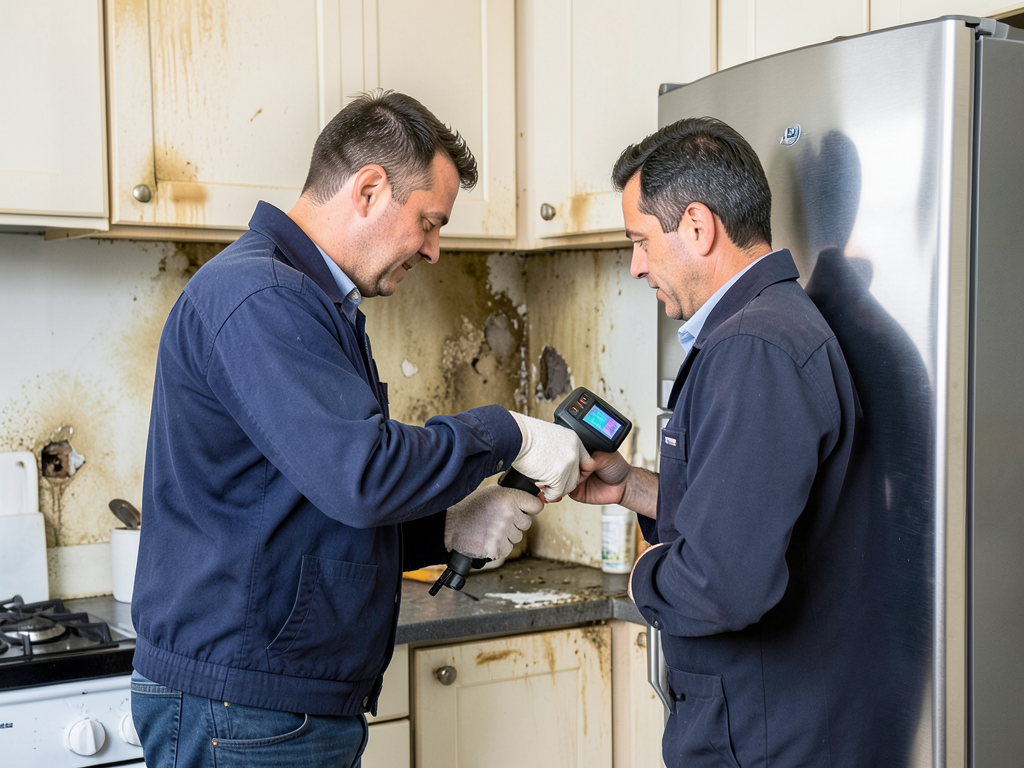
Why your ice maker line is a ticking time bomb for your kitchen floor Ice…
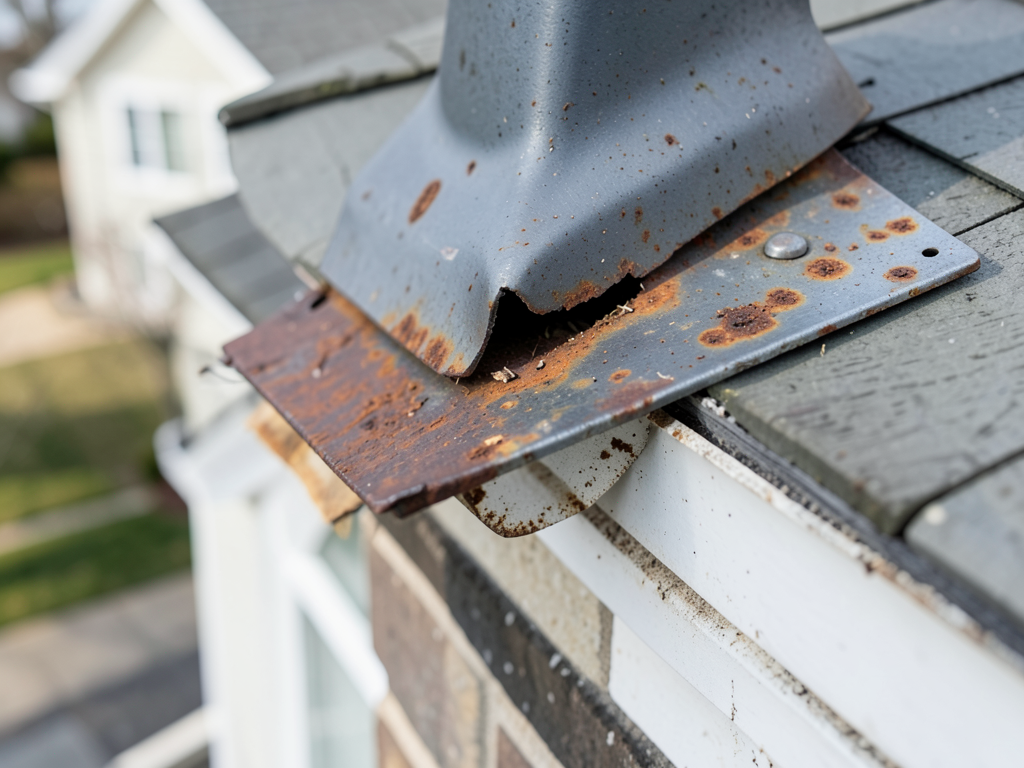
How to spot the signs of a chimney leak before it ruins your Riverside living…
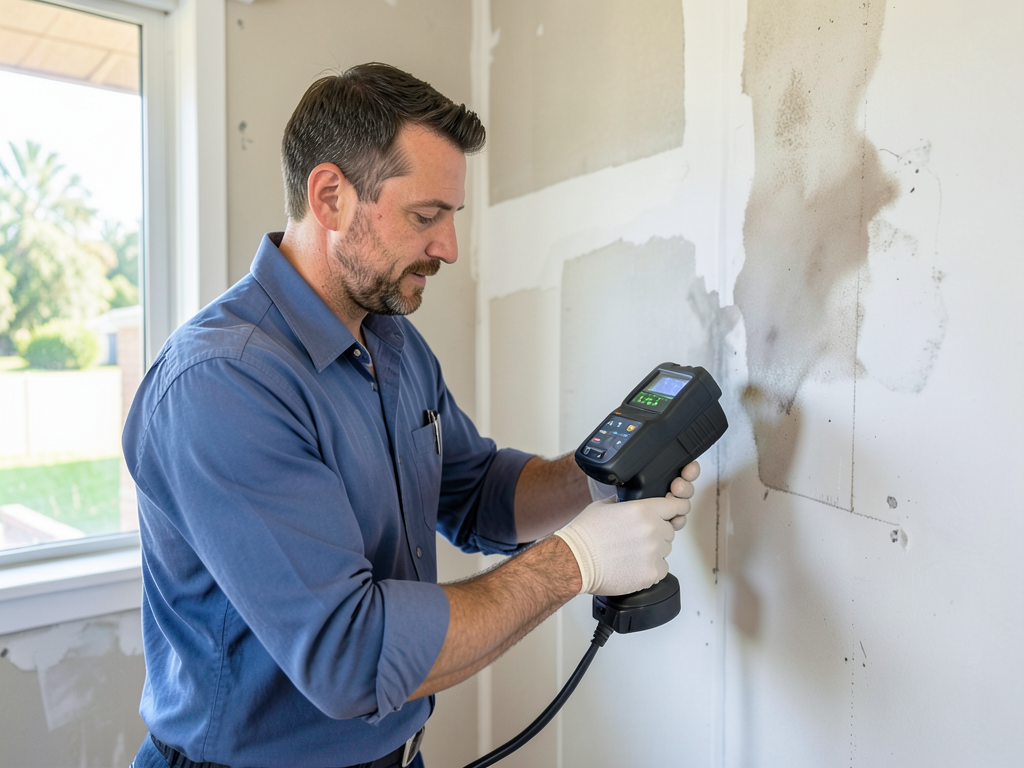
The most common plumbing mistakes Riverside DIYers make that lead to floods DIY plumbing projects…
Stop water damage before it destroys your Palm Springs property. Our certified crews respond 24/7 with professional extraction and drying equipment. Call (951) 309-5499 right now for immediate dispatch and stop damage from spreading.