menu

Water Stains on Drywall in Riverside – Expert Diagnosis Stops Hidden Mold and Structural Damage

We identify the true source behind brown water spots, moisture discoloration, and ceiling stains in Riverside homes, stopping water damage before it spreads into your walls and framing.

Slider Image 1
Slider Image 2
Slider Image 3
Slider Image 4
Slider Image 5
Slider Image 7
Slider Image 8
Slider Image 9
Slider Image 10
Slider Image 11

Why Water Stains on Drywall Are a Bigger Problem in Riverside Than You Think

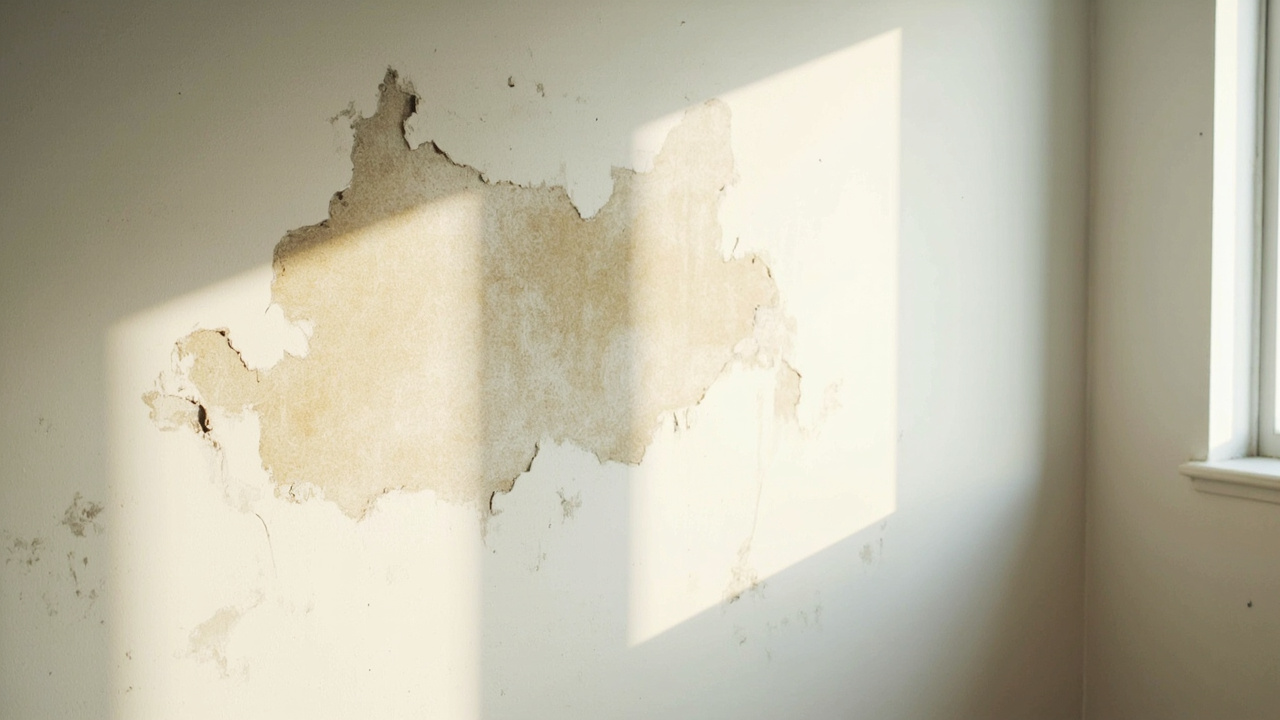
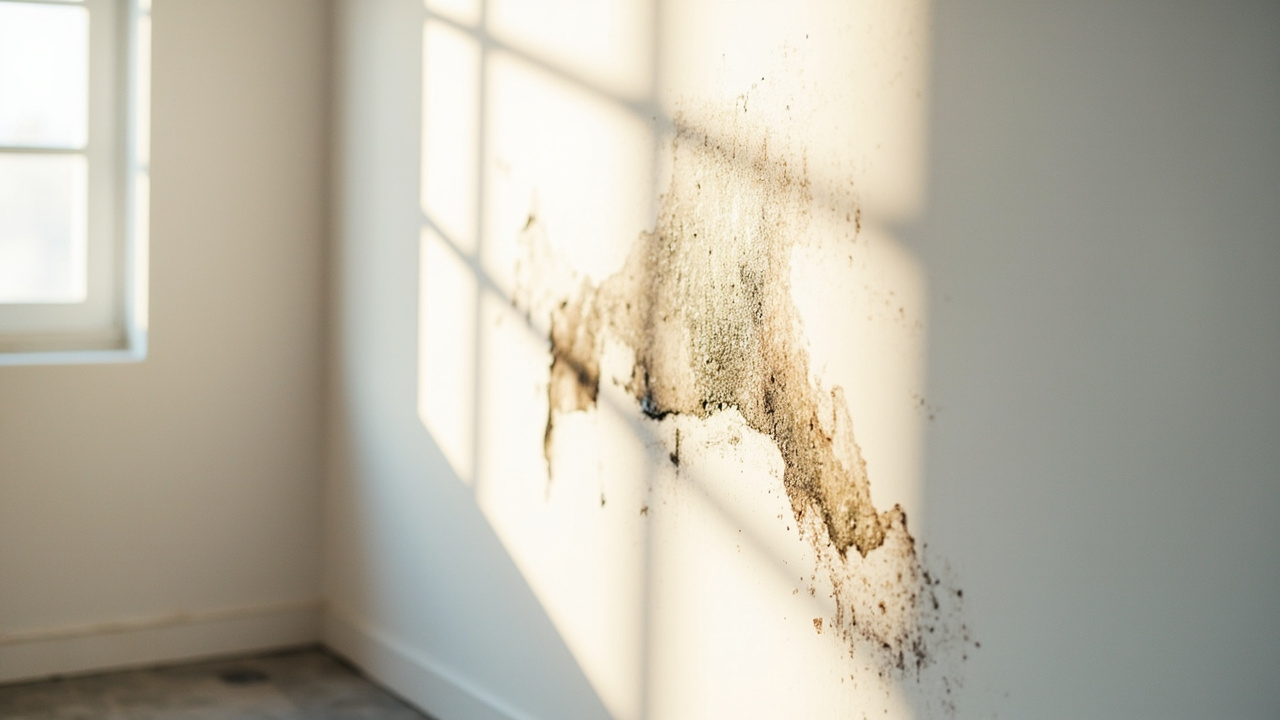
You notice brown water spots on walls after a rainstorm. A few days later, yellow stains on drywall appear in the corner of your bedroom. You hope it will dry out on its own. It will not.

Riverside sits at the base of the Santa Ana River watershed, where seasonal rain combined with aged housing stock creates a perfect environment for hidden water intrusion. When moisture discoloration on sheetrock appears, the visible stain is just the surface. Behind that gypsum board, water has already soaked into the wood framing, insulation, and wall cavities. Riverside's Mediterranean climate means weeks of dry heat between storms, which allows mold spores to colonize before you even see the next wet patch on plasterboard.

Most homes in the greater Riverside metro were built between 1950 and 1990. Original plumbing, roof flashing, and stucco exteriors are now past their service life. A water mark on the ceiling is not a cosmetic issue. It signals a roof leak, failed supply line, or compromised vapor barrier. The longer you wait, the more the drywall softens, the studs rot, and mold spreads into adjacent rooms.

Water stains do not appear randomly. They follow the path of least resistance. A small roof penetration funnels water down a rafter. A pinhole leak in a supply line soaks insulation for weeks before it saturates the drywall enough to show. By the time you see brown water spots on walls, the damage has already compounded. You need a trained water damage technician to trace the source, document the spread, and prevent secondary damage.

Why Water Stains on Drywall Are a Bigger Problem in Riverside Than You Think
How We Trace the Source and Stop the Spread

How We Trace the Source and Stop the Spread

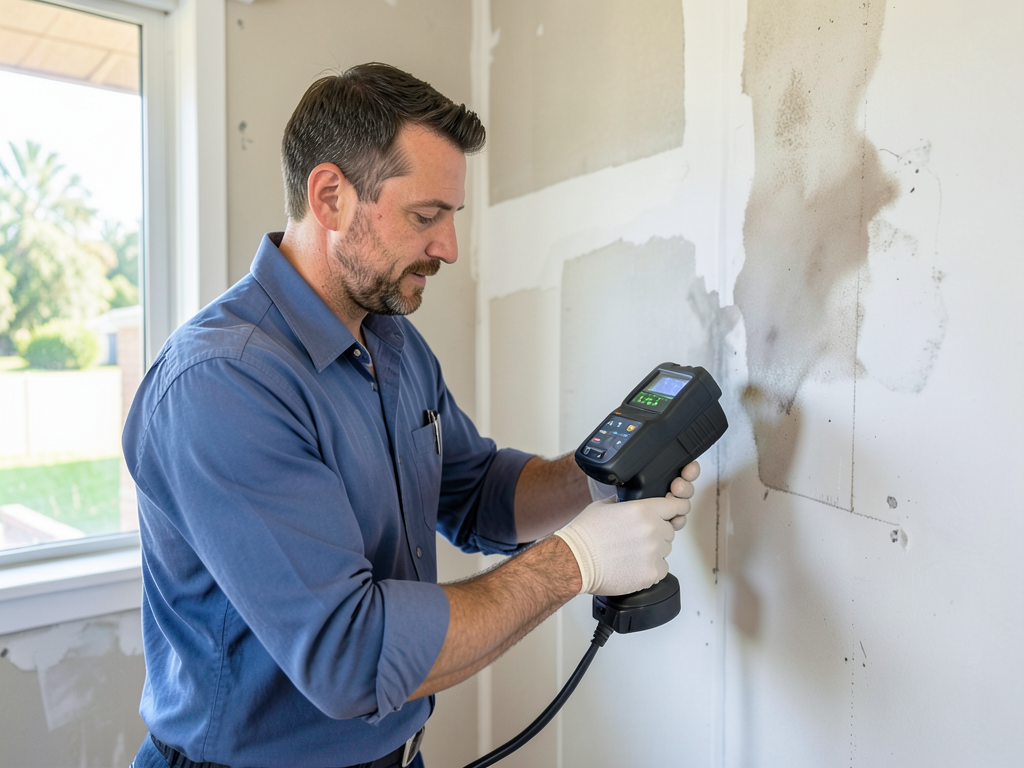
Liberty Water Damage Restoration Riverside does not patch stains and call it done. We use thermal imaging cameras to map temperature differentials behind walls. Wet insulation reads colder than dry material. We use moisture meters with deep-sensing probes to measure moisture content in framing lumber and gypsum board at multiple depths. Surface readings tell you nothing about what is happening six inches inside the wall cavity.

Once we map the moisture spread, we trace the source. A ceiling stain might originate from a roof valley two rooms away. A wall stain near a bathroom could be a failed wax ring on the toilet or a cracked drain line inside the wall. We inspect attic spaces for roof penetrations, check crawlspaces for leaking supply lines, and examine exterior stucco for cracks that funnel rainwater into the wall assembly.

After identifying the source, we assess the extent of damage. We use a borescope to inspect inside wall cavities without demolition. If framing lumber shows soft spots or visible mold growth, we document it with photos and moisture readings. This documentation becomes critical for insurance claims and repair scoping.

We then extract standing water with truck-mounted extractors, remove water-damaged materials like soaked insulation and deteriorated drywall, and set up commercial dehumidifiers and air movers to dry the framing and subfloor. We monitor humidity levels and moisture content daily until readings return to baseline. Only then do we authorize reconstruction. Drying too quickly causes wood to warp. Drying too slowly allows mold to colonize.

This process takes days, not hours, because structural drying follows physics, not wishful thinking.

What Happens After You Call Us About a Water Stain

Water Stains on Drywall in Riverside – Expert Diagnosis Stops Hidden Mold and Structural Damage
01

Source Investigation

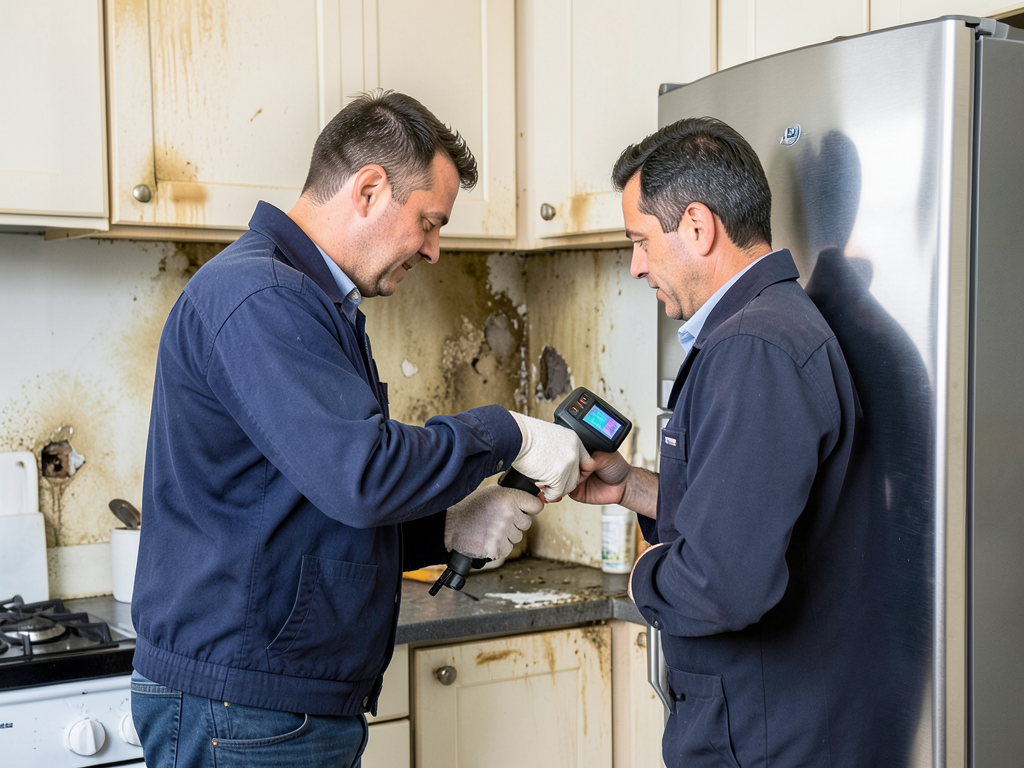
We arrive with thermal imaging and moisture detection tools to trace where the water originates. A ceiling stain might point to a roof leak, but the actual breach could be six feet away. We inspect attics, crawlspaces, and plumbing penetrations to confirm the upstream failure. This prevents treating the symptom while the source keeps feeding moisture into your walls.
02

Controlled Demolition

Once we confirm the extent of saturation, we remove compromised materials. Wet drywall loses structural integrity and harbors mold. Soaked insulation acts like a sponge, keeping framing lumber wet for weeks. We cut clean lines, bag materials, and expose framing to air movement. This allows us to dry the structure properly and inspect for hidden damage like rotted studs or corroded pipes.
03

Structural Drying

We deploy commercial dehumidifiers and high-velocity air movers positioned to create airflow through wall cavities and across exposed framing. We monitor daily with moisture meters and humidity sensors. When readings stabilize at baseline levels and no new moisture appears, we document the dry-down and clear the space for reconstruction. This phase determines whether you get a lasting repair or a mold problem three months later.

Why Riverside Homeowners Choose Local Water Damage Specialists

Riverside is not San Diego or Los Angeles. Our housing stock, climate patterns, and building materials require specific knowledge. Most homes in the Riverside area use stucco over wood framing with minimal vapor barriers. When water intrudes through a crack in the stucco, it spreads laterally between the paper backing and the sheathing before it saturates the drywall. A technician unfamiliar with this assembly will miss the lateral spread and leave wet material inside the wall.

Liberty Water Damage Restoration Riverside has worked in neighborhoods from Canyon Crest to La Sierra, Alessandro Heights to Hawarden Hills. We know which tract homes used aluminum wiring and polybutylene plumbing. We know which roofing systems fail first during Santa Ana wind events. We know which HVAC configurations create condensation problems in attic ducts during summer months. That local knowledge translates into faster diagnosis and fewer costly surprises during mitigation.

We also understand how local insurance adjusters evaluate water damage claims in Riverside County. We document moisture readings in a format that aligns with IICRC standards, photograph affected areas with scale references, and provide detailed scopes that prevent lowball estimates. When your adjuster questions the need for wall removal or asks why insulation replacement is necessary, we provide data-backed justification rooted in local building science.

You also need a water damage company that can respond quickly. A stain that appears on Monday will spread by Friday if the source remains active. We dispatch from our Riverside location, not from Orange County or San Bernardino, which means we arrive in under 90 minutes for most calls in the greater metro area.

What to Expect When You Hire Us for Water Stain Repair

Response Time and Availability

We answer calls seven days a week and dispatch a technician within 90 minutes for emergency situations where water remains active. For non-emergency stain evaluation, we schedule an inspection within 24 hours. Speed matters because active leaks compound damage every hour. A slow drip inside a wall can saturate an entire stud bay in three days. We prioritize stopping the source, containing the moisture, and preventing secondary damage before addressing cosmetic repairs.

Inspection and Moisture Mapping

Our initial evaluation includes thermal imaging to identify temperature anomalies, moisture meter readings at multiple depths, and visual inspection of likely failure points like roof valleys, plumbing penetrations, and exterior cladding. We provide a written moisture map showing affected areas, moisture content percentages, and the suspected source. This document guides the mitigation scope and serves as baseline data for insurance claims. You receive photos, meter readings, and a clear explanation of what failed and why.

Drying and Restoration Quality

We do not rush structural drying to meet a timeline. We monitor daily and adjust equipment placement based on humidity readings and airflow patterns. When moisture content in framing lumber drops below 15 percent and ambient humidity stabilizes, we document the dry-down and authorize reconstruction. Our reconstruction partners install matching textures, prime stain-blocking paint on all new drywall, and ensure fastener patterns meet code for shear wall assemblies. The finished repair blends seamlessly with the existing wall surface.

Post-Mitigation Monitoring

After reconstruction, we offer a 30-day callback to verify no new moisture has appeared. If the water source was traced to a plumbing or roofing issue, we confirm the upstream repair resolved the problem. We provide care instructions to help you monitor for recurring symptoms like musty odors, soft drywall, or new discoloration. Water damage repair is only successful if the source remains fixed and the structure remains dry. We provide the documentation and follow-up to ensure both.

Frequently Asked Questions

You Have Questions,
We Have Answers

How do you get water stains out of drywall? +

You cannot simply remove water stains without addressing the source first. Stop the leak, then dry the area completely using fans or dehumidifiers. Once dry, apply a stain-blocking primer like Kilz or BIN to seal the discoloration. Standard paint will not cover water stains. The tannins and minerals bleed through. After priming, you can repaint to match your wall. If the drywall feels soft or crumbles, it needs replacement. Riverside's low humidity helps with drying, but hidden moisture behind drywall can linger longer than you think.

How to tell if water is leaking behind drywall? +

Look for visible signs like discoloration, bubbling paint, or soft spots on the drywall. Feel the wall for coolness or dampness, especially near baseboards or corners. A musty odor signals trapped moisture. You can use a moisture meter to detect hidden water behind the surface. Check for warping or sagging drywall, which means prolonged saturation. In Riverside homes, older plumbing or roof leaks during rare heavy rains often cause hidden seepage. If you suspect a leak, act fast. Water spreads quickly through wall cavities and can weaken framing.

Are water stains permanent on walls? +

Water stains are not permanent if you treat them correctly. The visible stain is mineral deposits and tannins left after water evaporates. A stain-blocking primer seals these marks before repainting. However, if you ignore the source leak, stains will return. If the drywall has absorbed too much water, the paper backing deteriorates and the stain becomes structural damage, not cosmetic. At that point, you need replacement, not paint. In Riverside's dry climate, surface stains dry faster, but trapped moisture behind walls can cause ongoing issues if not properly remediated.

Is drywall ruined once it gets wet? +

Drywall is ruined once it stays wet for more than 48 hours. The gypsum core disintegrates and the paper backing becomes a breeding ground for mold. Surface moisture from minor splashes dries without damage, but soaked drywall loses structural integrity. You will see sagging, crumbling, or soft spots. Even after drying, compromised drywall cannot support weight or hold paint. Riverside homes with older drywall or poor ventilation face faster degradation. If you catch the water within 24 hours and dry it thoroughly, you may salvage the material. Otherwise, cut it out and replace it.

Can I paint over water stains on drywall? +

No. Painting over water stains without primer guarantees the stain will bleed through. Water deposits contain tannins and minerals that penetrate latex or oil-based paint. You must apply a stain-blocking primer first. Use shellac-based or oil-based primers like Kilz or Zinsser BIN. These seal the stain completely. Let the primer dry fully, then apply your finish coat. Also, confirm the leak is fixed and the drywall is completely dry. Riverside's low humidity helps drying, but painting over damp drywall traps moisture and invites mold growth behind your fresh paint job.

How to get rid of a water stain on a wall? +

First, fix the water source. Let the wall dry completely using fans, dehumidifiers, or natural airflow. Riverside's dry air accelerates surface drying, but moisture trapped inside wall cavities takes longer. Once dry, apply a stain-blocking primer to seal the discoloration. Standard paint will not work. The stain will bleed through. After priming, repaint with your finish color. If the drywall feels soft, spongy, or crumbles when touched, you need to cut out the damaged section and install new drywall. Do not skip the primer step or the stain returns within weeks.

How Riverside's Aging Housing Stock and Seasonal Rain Patterns Increase Water Stain Risks

Riverside's housing boom between 1950 and 1985 created thousands of tract homes with stucco exteriors, composition shingle roofs, and minimal attic ventilation. These homes are now 40 to 70 years old. Original roof flashings have cracked, stucco has developed hairline fractures, and galvanized supply lines have corroded from the inside. When winter storms roll through the Inland Empire, water finds every weak point. A home near the Santa Ana River or in the Box Springs Mountain foothills faces additional risk from wind-driven rain and runoff saturation. Brown water spots on walls are not random. They signal a specific failure in an aging building envelope.

Liberty Water Damage Restoration Riverside has worked with local insurance adjusters, city building inspectors, and Riverside County code officials on hundreds of water damage claims. We understand local permit requirements for structural repairs and how Riverside's climate influences drying timelines. When you hire a local company, you get technicians who recognize the difference between a failed shower pan in a 1970s tract home and a roof-to-wall transition failure in a custom hillside property near Victoria Avenue. That specificity saves time, reduces costs, and ensures the repair addresses the root cause.
Water Damage Restoration Services in The Riverside Area

We are dedicated to serving the entire Riverside area and its neighboring communities with fast and reliable water damage restoration services. Whether you’re a resident or a business owner, our team is ready to respond to your call. Use the map below to see our service area, or call us directly to confirm if we can dispatch a team to your location for an immediate emergency response.

Address:
Liberty Water Damage Restoration Riverside, 11801 Pierce St, Riverside, CA, 92505

Additional Services We Offer

Our news updates

Latest Articles & News from The Blogs

Why your ice maker line is a ticking time bomb for your kitchen floor Ice maker supply lines are one…

Why your ice maker line is a ticking time bomb for your kitchen floor

Why your ice maker line is a ticking time bomb for your kitchen floor Ice maker supply lines are one…

How to spot the signs of a chimney leak before it ruins your Riverside living room

How to spot the signs of a chimney leak before it ruins your Riverside living room Your chimney is more…

The most common plumbing mistakes Riverside DIYers make that lead to floods

The most common plumbing mistakes Riverside DIYers make that lead to floods DIY plumbing projects in Riverside often start with…

Contact Us

Call Liberty Water Damage Restoration Riverside at (951) 309-5499 right now. We will dispatch a technician to trace the source, map the damage, and provide a clear repair plan before the stain spreads into adjacent walls.