menu

Basement Waterproofing Guide for Riverside Homeowners – Proven Foundation Protection Methods That Stop Water Before It Ruins Your Investment

Learn the exact basement sealing techniques and foundation waterproofing methods that prevent water infiltration in Riverside's unique soil conditions, from drainage solutions to interior membrane systems that protect your home year-round.

Slider Image 1
Slider Image 2
Slider Image 3
Slider Image 4
Slider Image 5
Slider Image 7
Slider Image 8
Slider Image 9
Slider Image 10
Slider Image 11

Why Riverside Basements Face Constant Water Pressure

Riverside sits in a river valley with high seasonal water tables that create hydrostatic pressure against foundation walls. This geological reality means your basement faces a persistent threat from groundwater seeking any crack or seam to exploit.

The alluvial soil composition throughout the greater Riverside metro area creates unpredictable drainage patterns. Sandy loam in some neighborhoods drains quickly, while clay pockets near downtown trap moisture against foundations. This variability makes generic waterproofing solutions ineffective.

When residents search for how to waterproof a basement, they often find national advice that ignores local conditions. The freeze-thaw cycles we experience from December through February expand existing cracks in concrete, turning minor seepage into major flooding within a single season.

Riverside's older housing stock, particularly in the historic Wood Streets neighborhood, features rubble foundations never designed for modern waterproofing standards. These masonry walls need specialized basement sealing techniques that preserve structural integrity while creating water barriers.

Understanding wet basement solutions starts with recognizing that water takes the path of least resistance. Foundation waterproofing methods must address both active water intrusion through walls and passive vapor transmission through concrete pores. Missing either component guarantees failure.

The Santa Ana River's proximity to residential areas increases ambient groundwater levels during wet years. Properties within two miles of the riverbed experience elevated risk, requiring more aggressive leaky basement repair approaches than homes on higher ground near Sycamore Canyon.

Why Riverside Basements Face Constant Water Pressure
The Complete Waterproofing Methodology That Actually Works

The Complete Waterproofing Methodology That Actually Works

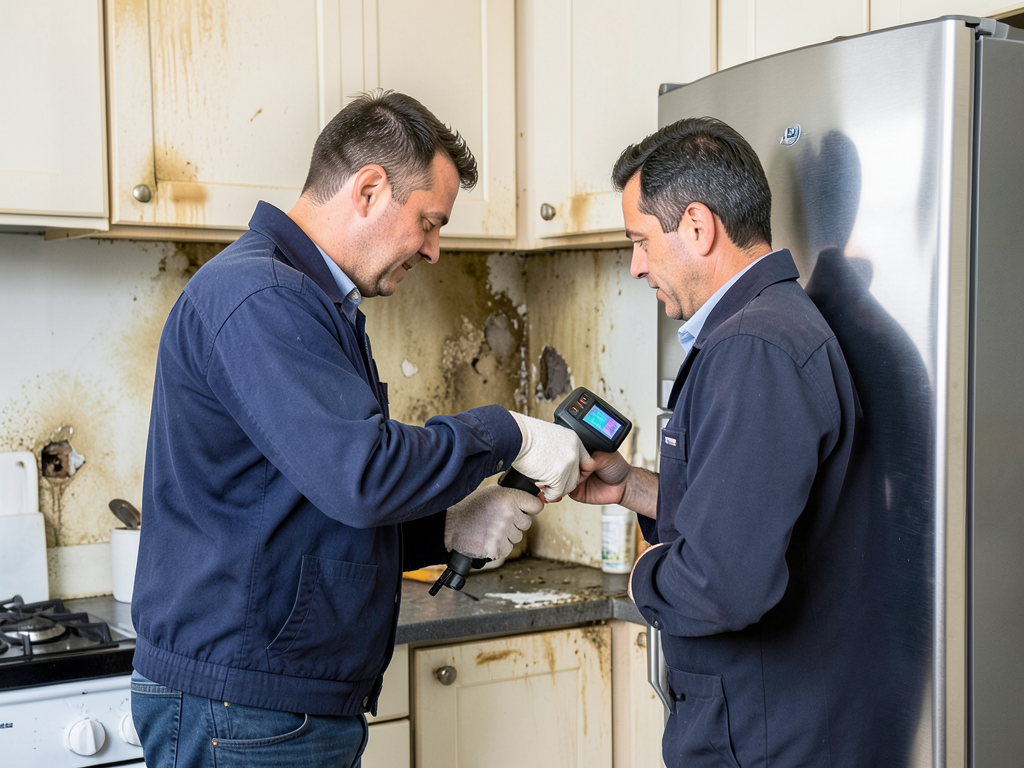
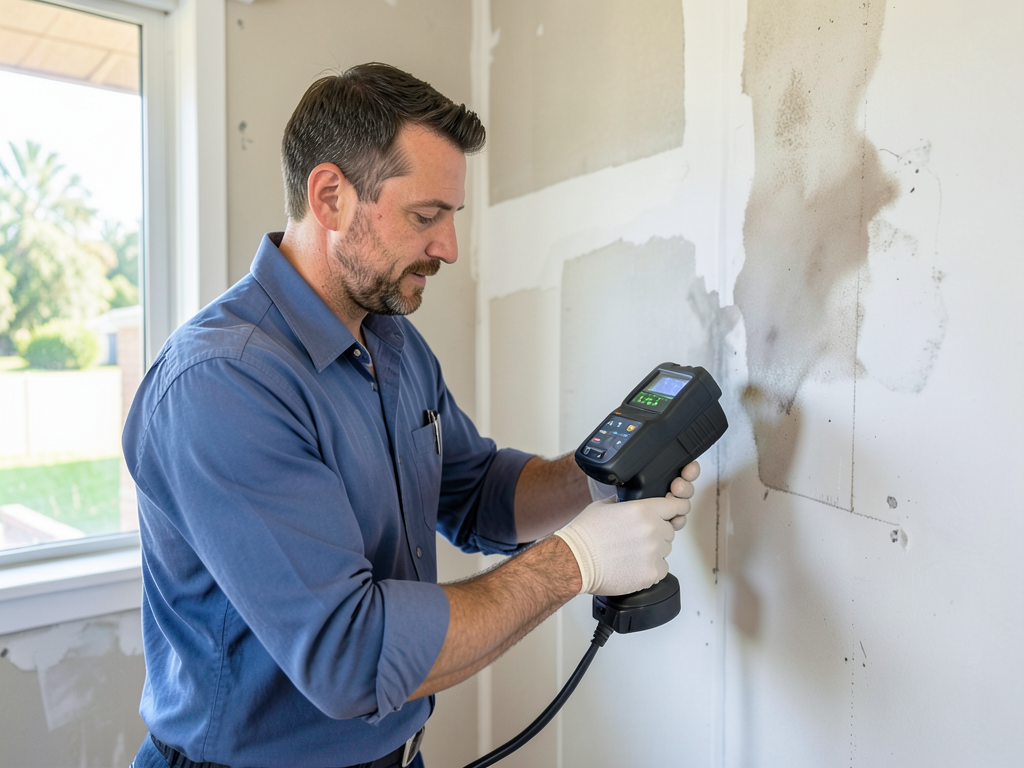
Effective foundation waterproofing methods begin with comprehensive moisture mapping. Thermal imaging reveals hidden water pathways inside wall cavities, while calcium chloride testing measures vapor emission rates through concrete slabs. These diagnostics determine whether you need exterior excavation, interior drainage, or both.

Exterior waterproofing involves excavating to the footer, applying rubberized asphalt emulsion or bentonite clay panels directly to foundation walls, and installing perimeter drain tile systems. This approach stops water at the source before it contacts your foundation. The excavation also allows inspection and repair of footer cracks and compromised mortar joints.

Interior basement sealing techniques work when exterior access is impossible due to adjacent structures or hardscaping. This method installs a sub-floor perimeter drainage channel that collects water before it surfaces, directing it to a sump basin with redundant pump systems. Epoxy crack injection and crystalline waterproofing compounds seal active leaks in walls.

The vapor barrier component addresses humidity infiltration through concrete pores. Cementitious waterproofing membranes bond molecularly with concrete, creating a barrier that blocks water molecules while allowing the wall to breathe. This prevents the efflorescence and spalling that plague basements treated with simple paint-on sealers.

Proper grading and downspout management complete the system. You need a minimum six-inch drop over the first ten feet from your foundation, with extensions that discharge at least eight feet from the house. French drains in low spots prevent surface water from pooling near basement walls.

Liberty Water Damage Restoration Riverside evaluates all water sources during assessment, from plumbing leaks to condensation patterns, ensuring the waterproofing strategy addresses your specific infiltration points rather than applying a one-size approach that wastes money.

What Happens During Your Basement Waterproofing Project

Basement Waterproofing Guide for Riverside Homeowners – Proven Foundation Protection Methods That Stop Water Before It Ruins Your Investment
01

Initial Water Source Investigation

The diagnostic phase maps every moisture entry point using infrared cameras, moisture meters, and visual inspection of cracks, joints, and penetrations. This assessment determines whether hydrostatic pressure, surface water, or plumbing failures cause your wet basement problems. Soil percolation testing around the foundation reveals drainage capacity, while interior humidity monitoring identifies condensation issues separate from actual leaks. This data drives the specific waterproofing strategy rather than guessing at solutions.
02

System Design and Preparation

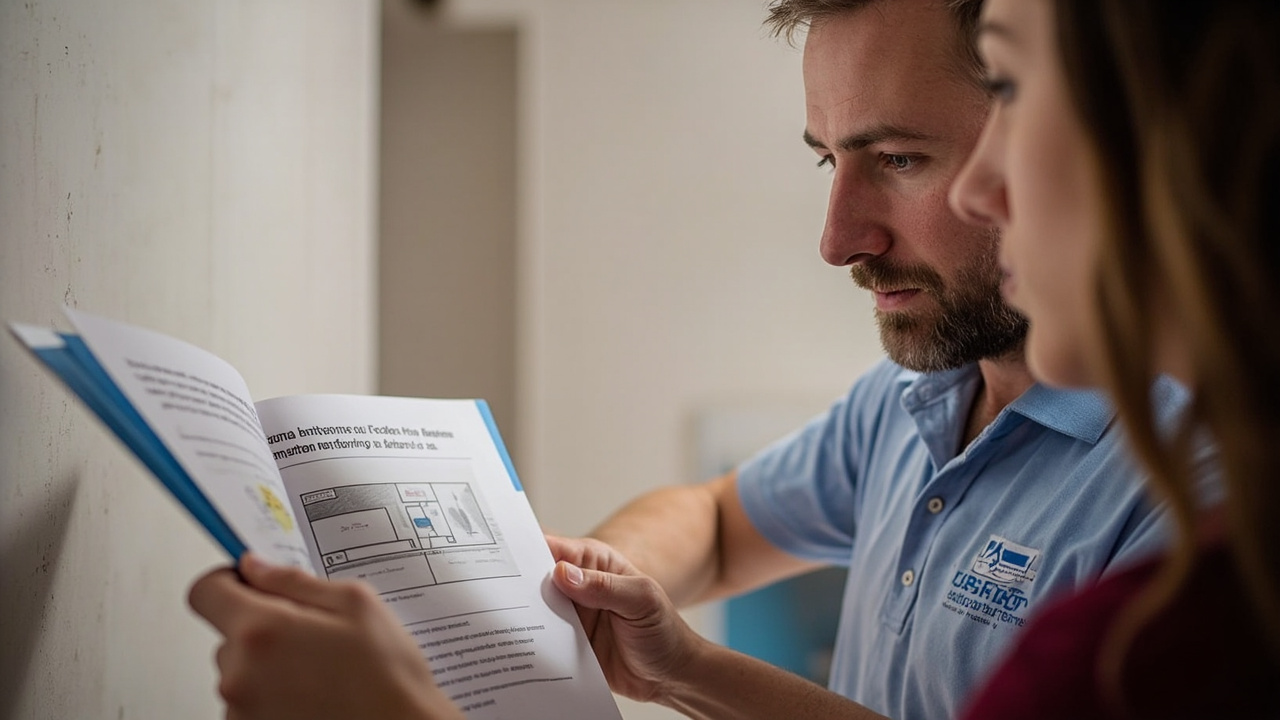
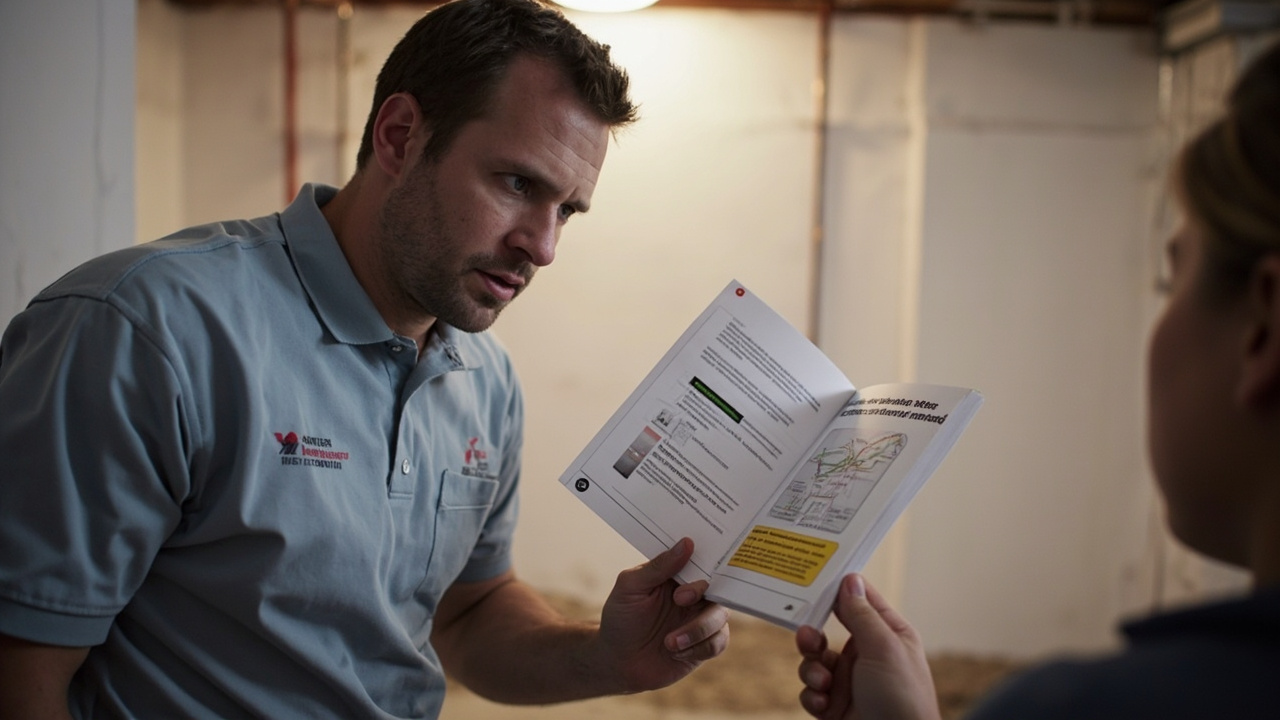
Based on diagnostic findings, the project plan specifies interior drainage installation, exterior membrane application, or combined approaches. Preparation includes removing stored items from work areas, protecting utilities, and establishing contamination barriers if mold exists. For exterior work, excavation pathways are marked to avoid irrigation lines and utility conduits. Material staging ensures uninterrupted workflow once installation begins. You receive a detailed timeline showing daily progress milestones, from concrete removal to final restoration, so you know exactly what happens each day.
03

Installation and Performance Testing

Installation proceeds according to the engineered plan, whether that involves excavating perimeter walls, cutting concrete for interior channels, or injecting polyurethane into active cracks. Each waterproofing layer undergoes flood testing before concealment to verify proper function. Sump pump systems receive battery backup and alarm integration. Final restoration returns your basement to usable condition with new concrete, vapor barriers, and dehumidification recommendations. You receive maintenance protocols and monitoring guidelines to ensure long-term performance of your waterproofing investment.

Why Local Expertise Matters for Riverside Foundation Protection

National waterproofing chains apply standardized methods that ignore Riverside's specific geological challenges. They install the same interior drain systems in sandy soil that drains naturally as they do in clay that requires aggressive exterior membranes. This cookie-cutter approach wastes money on unnecessary work or fails to address the actual problem.

Liberty Water Damage Restoration Riverside understands how the Santa Ana River influences groundwater patterns throughout the valley. We know which neighborhoods near Fairmount Park experience seasonal water table elevation and which areas near Arlington have stable drainage year-round. This local knowledge determines whether your property needs temporary sump capacity or permanent exterior waterproofing.

Riverside's building codes require specific approaches for basement renovations in flood zones near the river. We navigate these permitting requirements while ensuring waterproofing systems meet or exceed structural standards. Working with local inspectors regularly means faster approval and fewer revision cycles that delay project completion.

The architectural diversity across Riverside demands customized solutions. A 1920s Craftsman foundation in the historic district requires different treatment than a 1980s tract home in Canyon Crest. We preserve the character of older homes while implementing modern waterproofing technology that does not compromise structural elements or historical integrity.

Our material suppliers stock products proven effective in Southern California's climate rather than solutions designed for Midwest humidity or Northeast freeze cycles. This regional focus ensures longer-lasting results because the products match local environmental stresses.

When complications arise during installation, like discovering rubble fill in old foundations or encountering abandoned cisterns, local experience provides immediate solutions rather than project-stopping surprises. We have seen virtually every foundation type in Riverside and know how to adapt waterproofing methods to unexpected conditions.

What Your Basement Waterproofing Project Includes

Project Timeline and Scheduling

Interior drainage projects typically require three to five days depending on basement perimeter length and concrete thickness. Exterior excavation extends timelines to one to two weeks based on access challenges and soil conditions. Weather delays affect exterior work during rainy periods, but interior projects proceed year-round. You receive a detailed schedule before work begins showing daily milestones from concrete cutting to final restoration. Most homeowners remain in their homes during installation, though basement access is restricted in active work zones. Emergency waterproofing for active flooding can begin within hours of your call, with temporary measures in place the same day while permanent solutions are scheduled.

Comprehensive Moisture Assessment

The initial evaluation examines all potential water sources from foundation to roofline. Thermal imaging identifies hidden moisture pathways inside walls and under flooring. Moisture meters quantify water content in concrete, wood, and drywall to distinguish active leaks from residual dampness. Exterior inspection evaluates grading, downspouts, and surface drainage patterns. Interior assessment checks sump pump function, identifies crack patterns indicating structural movement, and tests for sewer backup risks. You receive a written report with photos documenting all findings, moisture readings at specific locations, and recommendations ranked by priority. This diagnostic process typically takes two to three hours and costs apply toward your project if you proceed with recommended repairs.

Permanent Water Control Systems

Installed waterproofing systems provide measurable performance rather than hopeful sealing. Interior perimeter drains capture water before it surfaces on your floor, directing it to sump basins with primary and battery backup pumps that handle power outages. Exterior membranes create a continuous barrier from footer to grade line with proper termination details that prevent water migration around edges. Crack injection uses expanding polyurethane or epoxy that bonds stronger than surrounding concrete, stopping active leaks within minutes of application. Vapor barriers reduce humidity transmission through concrete by more than ninety percent. Dehumidification systems maintain optimal moisture levels below sixty percent relative humidity, preventing mold growth and musty odors even during humid summer months.

Ongoing Monitoring and Maintenance

Waterproofing systems require periodic inspection to maintain effectiveness. Sump pumps need annual testing of float switches, check valves, and discharge lines. Battery backup systems require replacement every three to five years depending on usage frequency. Exterior drain tile benefits from periodic jetting to clear root intrusion and sediment buildup. Interior drainage channels should be inspected annually for debris that could impede water flow. We provide maintenance checklists specifying inspection intervals and warning signs that indicate service needs. Many homeowners opt for annual inspection contracts that include pump testing, drainage verification, and moisture monitoring to catch small issues before they become expensive repairs. These preventive visits extend system life and maintain optimal performance throughout seasonal weather variations.

Frequently Asked Questions

You Have Questions,
We Have Answers

What is the best waterproofing method for basements? +

The best waterproofing method combines exterior and interior strategies. Exterior waterproofing involves excavation to apply a waterproof membrane directly to foundation walls and installing a perimeter drainage system. This stops water before it enters. Interior methods include installing a sump pump system and interior drainage channels to manage water that penetrates. In Riverside, where seasonal rains can shift soil and create hydrostatic pressure against foundations, a dual approach works best. Exterior waterproofing is ideal for new construction or major renovations. Interior systems provide effective solutions when excavation is not feasible. Professional assessment determines the right method for your specific foundation conditions.

How much does it cost to waterproof a 1000 sq ft basement? +

Basement waterproofing costs vary widely based on the method chosen and existing damage. Factors affecting price include foundation condition, soil type, drainage needs, and whether you choose exterior or interior waterproofing. Exterior excavation and membrane application typically costs more than interior drainage systems. Sump pump installation, crack repairs, and vapor barriers add to total expenses. In Riverside, clay soil conditions may require additional drainage work. Professional inspections identify specific issues before pricing. Minor crack sealing costs less than full perimeter drainage systems. Request detailed estimates from multiple contractors. Avoid low-ball quotes that skip necessary steps. Quality waterproofing protects your investment long-term.

What are common waterproofing mistakes? +

Common waterproofing mistakes include applying only interior paint or sealant without addressing the water source. This traps moisture inside walls and causes damage. Installing gutters without proper grading leaves water pooling near foundations. Skipping proper drainage around the foundation perimeter allows hydrostatic pressure to build. Using Drylok or similar products over active leaks creates a false sense of security. Ignoring crack repairs before waterproofing allows continued water entry. In Riverside, failing to account for expansive clay soil movement leads to repeated foundation cracks. DIY fixes without professional diagnosis often waste money treating symptoms instead of causes. Poor sump pump sizing or backup power leaves you vulnerable during heavy rains.

Why not use Drylok on basement walls? +

Drylok and similar masonry paints create a surface barrier but do not solve water intrusion problems. Water finding its way through foundation walls will push against the Drylok coating, causing it to fail, peel, or blister. The product traps moisture inside the wall assembly, promoting mold growth and concrete deterioration you cannot see. Drylok works only on damp walls, not active leaks or hydrostatic pressure situations. In Riverside, where soil movement and seasonal rains create foundation stress, surface coatings provide false protection. Proper waterproofing addresses water at the source through drainage, not cosmetic coverage. Use Drylok only after fixing underlying water problems, never as a primary waterproofing solution.

How Riverside's River Valley Geography Creates Unique Basement Waterproofing Challenges

The Santa Ana River's historic flood plain extends beneath much of central Riverside, creating elevated groundwater tables that fluctuate seasonally. During El Niño wet cycles, the water table can rise within six feet of the surface in low-lying areas near downtown and the Eastside neighborhoods. This hydrostatic pressure pushes water through any weakness in foundation walls, making exterior membrane waterproofing essential rather than optional. The alluvial soil deposited by ancient river meanders creates unpredictable permeability patterns where sandy pockets drain quickly while adjacent clay lenses trap water against foundations. Properties near Box Springs Mountain face different challenges with granite bedrock close to the surface, limiting drainage and creating perched water tables after heavy rains.

Water Damage Restoration Services in The Riverside Area

We are dedicated to serving the entire Riverside area and its neighboring communities with fast and reliable water damage restoration services. Whether you’re a resident or a business owner, our team is ready to respond to your call. Use the map below to see our service area, or call us directly to confirm if we can dispatch a team to your location for an immediate emergency response.

Address:
Liberty Water Damage Restoration Riverside, 11801 Pierce St, Riverside, CA, 92505

Additional Services We Offer

Our news updates

Latest Articles & News from The Blogs

Why your ice maker line is a ticking time bomb for your kitchen floor Ice maker supply lines are one…

Why your ice maker line is a ticking time bomb for your kitchen floor

Why your ice maker line is a ticking time bomb for your kitchen floor Ice maker supply lines are one…

How to spot the signs of a chimney leak before it ruins your Riverside living room

How to spot the signs of a chimney leak before it ruins your Riverside living room Your chimney is more…

The most common plumbing mistakes Riverside DIYers make that lead to floods

The most common plumbing mistakes Riverside DIYers make that lead to floods DIY plumbing projects in Riverside often start with…

Contact Us

Stop worrying about the next rainstorm flooding your basement. Call Liberty Water Damage Restoration Riverside at (951) 309-5499 for a comprehensive moisture assessment. We identify your specific water sources and design waterproofing solutions that actually work for Riverside foundations, not generic fixes that fail.