


San Jacinto sits in the San Jacinto Valley where desert heat meets seasonal mountain runoff, creating unique water intrusion challenges for local properties. Winter storms rolling off the San Jacinto Mountains dump heavy rainfall that overwhelms aging drainage systems in older neighborhoods near downtown and around Mt. San Jacinto College. Clay soil common throughout the valley compacts during dry months and swells when saturated, pushing hydrostatic pressure against foundation walls in areas like Valle Vista and Soboba.
Summer monsoons bring flash flooding that backs up storm drains along Ramona Boulevard and State Street, sending water into garages and ground-floor rooms. Homes built before 1990 near the Ramona Expressway often lack proper grading, channeling rainwater toward foundations instead of away. The region's hard water deposits mineral buildup in supply lines and water heaters, increasing rupture risk as pipes age. When temperatures drop below freezing in January and February, exposed pipes in attics and crawl spaces burst as homeowners forget that desert nights get cold enough to freeze standing water in uninsulated spaces.
We've extracted water from hundreds of San Jacinto properties since establishing our Riverside County operation, building relationships with insurance adjusters who handle claims throughout the valley. Our technicians live in Riverside County and reach San Jacinto addresses faster than companies dispatching crews from Orange County or Los Angeles. We know which neighborhoods flood during monsoons, which streets have outdated plumbing, and which subdivisions suffer from poor lot grading.
Other restoration companies send salespeople first and work crews later. We send certified technicians with truck-mounted extraction equipment immediately. Our rapid response teams carry moisture meters, infrared cameras, and air movers on every truck, so assessment and mitigation start the moment we arrive. We don't wait for equipment rentals or schedule follow-up visits to begin actual water removal.
Insurance coordination separates us from competitors who treat claims as your problem. We photograph damage, document affected materials, and communicate directly with your adjuster using Xactimate software they recognize and trust. Most claims get approved faster because we speak the language adjusters understand and provide documentation they need for file completion. You sign one authorization form, and we handle the rest.
Our drying protocol follows IICRC S500 standards, not shortcuts. We measure moisture content in walls, floors, and subfloors twice daily until readings match unaffected areas. Corners don't get cut because incomplete drying leads to mold growth we'll get called back to remediate. We do it right the first time because our reputation in San Jacinto depends on properties that stay dry after we leave.

Our dispatch center sends the closest available crew when you call, and technicians arrive at San Jacinto addresses within one hour. Every response vehicle carries extraction equipment, moisture detection tools, and containment barriers. We start water removal immediately, not after scheduling a later appointment. Fast response prevents secondary damage that doubles restoration costs.

We bill your insurance company directly after you sign a standard assignment of benefits form. Our estimators use Xactimate software to write scopes adjusters approve without lengthy negotiations. You pay only your deductible while we handle claim documentation, supplemental requests, and payment collection. Most San Jacinto homeowners never write a check beyond their deductible amount.
Every technician completing water restoration at your San Jacinto property holds current IICRC Water Restoration Technician certification. They follow documented drying protocols, measure moisture content with calibrated meters, and maintain detailed logs adjusters require for claims. Certified technicians know when to remove materials versus when to dry in place, saving you money on unnecessary demolition.
We've restored properties throughout San Jacinto's neighborhoods and understand valley-specific challenges. Our crews know which areas flood during monsoons, where clay soil causes foundation seepage, and how older homes near downtown lack proper moisture barriers. Local expertise means faster diagnosis and targeted solutions for problems common to San Jacinto properties.
Water intrusion damages San Jacinto homes in different ways depending on the source, volume, and affected materials. A burst supply line flooding a kitchen requires different equipment and procedures than sewage backing up through floor drains or rainwater seeping through foundation cracks. Liberty Water Damage Restoration Riverside provides specialized services for every water emergency, from immediate extraction to complete structural drying and repairs.
Our service categories address distinct water damage scenarios San Jacinto homeowners face. Emergency water removal stops active flooding and extracts standing water before it saturates structural materials. Structural drying uses industrial dehumidifiers and air movers to remove moisture from walls, floors, and building cavities. Complete restoration rebuilds damaged areas after drying is complete, returning your property to pre-loss condition with new drywall, flooring, and finishes.
Each service category requires specific equipment, expertise, and protocols. We don't send the same crew to handle every water emergency. Technicians dispatched to your San Jacinto property bring tools and experience matched to your specific water damage situation, whether that's extracting three inches of floodwater from a finished basement or drying out water-soaked wall cavities after a pipe rupture.
When standing water covers your floors, every minute increases damage to structural materials and personal property. Our emergency extraction service removes water immediately using truck-mounted pumps that extract hundreds of gallons per minute. Technicians pull up soaked carpeting, move furniture to dry areas, and deploy containment barriers to prevent water migration into unaffected rooms. We extract water from crawl spaces, basements, and ground-level areas before it saturates wall cavities or seeps into subfloors, stopping damage progression.
Removing standing water is only the first step. Structural materials hold moisture in wall cavities, beneath flooring, and inside building assemblies where air circulation can't reach. Our structural drying service uses commercial dehumidifiers pulling 10-20 gallons of moisture daily from the air, combined with air movers forcing circulation into damp cavities. Technicians monitor moisture content twice daily with pin and pinless meters, adjusting equipment placement until readings match unaffected areas. Complete drying prevents mold growth and material deterioration.
After extraction and drying, damaged materials need replacement to return your San Jacinto home to pre-loss condition. Our restoration service rebuilds water-damaged areas with new drywall, insulation, flooring, baseboards, and paint. Licensed contractors handle plumbing repairs, electrical work, and structural fixes required by the damage scope. We coordinate all trades, order materials, and schedule work to minimize disruption. Most homeowners receive one bill covering water removal through final restoration, simplifying insurance claims and reducing stress.
San Jacinto's climate and housing characteristics create specific water intrusion patterns we see repeatedly across the valley. Desert temperature swings stress plumbing systems as pipes expand during 100-degree afternoons and contract when nighttime temperatures drop 40 degrees. Homes built during San Jacinto's rapid growth in the 1980s and 1990s often used building techniques that don't hold up well against valley weather patterns.
Clay soil throughout the region compounds foundation issues. Dry soil shrinks away from foundations during summer, creating gaps where rainwater channels directly against concrete walls when winter storms arrive. Older neighborhoods near downtown and around Valle Vista have decades of soil compaction and settling that redirects water toward structures instead of away from them. Flash flooding during monsoon season overwhelms storm drains along major corridors like Ramona Boulevard, backing water into low-lying properties. These recurring problems require immediate response to prevent minor water intrusion from becoming major structural damage.
San Jacinto's hard water deposits mineral buildup inside water heaters and supply lines, weakening pipe walls and pressure relief valves. When a water heater fails in a garage or interior closet, it releases 40 to 50 gallons instantly. Supply line ruptures behind washing machines or under sinks spray water continuously until someone shuts off the main valve. These sudden failures flood rooms in minutes, saturating drywall, cabinets, and flooring before homeowners realize what happened.
Summer monsoons drop intense rainfall in short bursts that overwhelm drainage systems designed for typical desert precipitation. Water sheets across streets and yards, finding any opening into garages, ground-level rooms, and crawl spaces. Properties in low-lying areas or with poor lot grading get hit hardest. Storm drains along Ramona Expressway and State Street back up during heavy rainfall, pushing water toward nearby homes. Flash flood water carries dirt, debris, and contaminants requiring thorough cleaning beyond simple extraction.
Clay soil expands when saturated, pushing hydrostatic pressure against foundation walls. Older homes lack proper exterior waterproofing, allowing moisture to seep through concrete cracks and porous block walls. Basements and crawl spaces in areas near Mt. San Jacinto College show recurring dampness after winter rains. Water wicking through foundations saturates bottom wall plates and insulation, creating mold growth in hidden spaces. Foundation seepage requires exterior drainage corrections alongside interior drying for permanent solutions.
Desert sun degrades roofing materials faster than in moderate climates. Asphalt shingles crack and curl after years of 100-degree temperatures, creating gaps where rain penetrates roof decking. Tile roofs common throughout San Jacinto lose fasteners as wood expands and contracts with temperature swings. Water entering through compromised roofing saturates attic insulation, runs down wall cavities, and appears as ceiling stains or interior drips far from the actual leak source. Roof leaks require both emergency drying and roofing repairs to prevent recurrence.
Water emergencies create stress and confusion. Homeowners don't know what to do first, what can be saved, or how long restoration takes. Our response protocol eliminates uncertainty by following the same systematic approach at every San Jacinto property. Technicians arrive prepared to assess damage, stop water intrusion, extract standing water, and begin drying immediately.
You won't wait days for equipment or deal with multiple companies handling different restoration phases. Our crews bring everything needed for complete water removal and structural drying on the first visit. We handle insurance notifications, document damage for claims, and coordinate directly with adjusters familiar with our work. Most San Jacinto homeowners report feeling immediate relief once our team takes control of the situation, explains what happens next, and begins fixing the problem. Clear communication and systematic execution make an overwhelming situation manageable.
The responding technician identifies and stops the water source, whether that means shutting off supply valves, placing tarps over roof leaks, or coordinating with plumbers for emergency repairs. They inspect all affected areas with moisture meters and thermal cameras to map water migration, including hidden saturation in wall cavities and under flooring. You receive a verbal damage assessment within 30 minutes of arrival, explaining what's damaged, what can be saved, and what the restoration process involves for your specific situation.
Technicians extract all standing water using truck-mounted pumps or portable extractors depending on water volume and location. They remove soaked materials that can't be saved, pull up wet carpeting, and move furniture to dry areas or into storage. Industrial dehumidifiers and air movers get positioned throughout affected rooms to begin moisture removal from structural materials. Our team documents equipment placement, initial moisture readings, and damaged materials with photos adjusters need for insurance claims filed the same day.
Technicians return daily to measure moisture content in walls, floors, and affected materials using calibrated meters. They adjust equipment placement, add dehumidifiers to stubborn areas, and document drying progress in detailed logs. Drying continues until moisture readings in affected materials match readings from unaffected areas of your home. Most San Jacinto properties reach complete dryness in three to five days depending on materials affected and saturation extent. We don't remove equipment early to meet schedules. Equipment stays until scientific measurements confirm complete drying.
Water restoration follows a proven sequence that stops damage progression, removes moisture completely, and rebuilds affected areas to pre-loss condition. Skipping steps or rushing timelines leads to hidden moisture, mold growth, and structural problems appearing months after the initial damage.
Our dispatch center sends the closest available crew when you call, arriving at San Jacinto properties within 60 minutes. Technicians stop active water intrusion, extract standing water, and establish containment to prevent damage spreading into unaffected rooms. They document damage with photos and moisture readings, inventory affected contents, and coordinate with your insurance company. Emergency mitigation happens immediately to prevent secondary damage that increases claim costs and restoration time.
Commercial dehumidifiers and air movers run continuously to extract moisture from structural materials. Technicians visit daily to measure moisture content in walls, floors, subfloors, and building cavities using pin-type and pinless meters. They adjust equipment placement based on moisture readings and add capacity to areas not drying at expected rates. Detailed logs track moisture reduction until readings match unaffected areas. Drying continues until scientific measurements confirm complete moisture removal, typically three to five days.
After complete drying verification, licensed contractors rebuild damaged areas with new materials. This includes drywall replacement, insulation installation, flooring repairs, baseboard and trim work, and painting. Plumbers and electricians handle system repairs if water damaged mechanical components. We coordinate all trades, order materials, and schedule work to complete restoration efficiently. Most San Jacinto homeowners return to fully restored properties within two weeks of the initial water damage, with one bill covering extraction through final repairs.
Professional water restoration follows documented standards established by the Institute of Inspection, Cleaning and Restoration Certification. The IICRC S500 Standard provides science-based protocols for water damage assessment, classification, and restoration. These standards separate legitimate restoration companies from operators taking shortcuts that lead to mold growth, structural deterioration, and failed insurance claims.
Water damage gets classified by contamination level and affects different materials in specific ways. Category 1 water from supply lines requires basic extraction and drying. Category 2 water from washing machine overflows or toilet tanks contains contaminants requiring antimicrobial treatment. Category 3 water from sewage backups or flood water demands specialized cleaning, disposal of porous materials, and extensive decontamination. San Jacinto properties experience all three categories depending on water source.
Drying protocols measure moisture content in affected materials against psychrometric principles that account for temperature, humidity, and air movement. Dehumidifiers must have adequate capacity for the space being dried. Air movers need proper placement to force circulation into wall cavities and beneath flooring. Moisture meters require daily calibration and documentation. Insurance adjusters trained in these standards expect restoration companies to follow them precisely. Companies that don't use proper protocols get caught during claim audits, leaving homeowners responsible for denied portions of claims. We follow IICRC standards because they work and because adjusters approve claims based on compliant documentation.
California requires contractors performing water damage restoration to hold appropriate licenses for work being performed. Structural repairs need a general contractor license. Plumbing and electrical work require specific trade licenses. Mold remediation in excess of 10 square feet requires IICRC Applied Microbial Remediation certification. Our company maintains all required licensing and certification so San Jacinto homeowners don't face code violations or insurance complications from unlicensed work.
The IICRC S500 Standard establishes moisture reduction goals based on material type and saturation level. Wood framing must dry to 15 percent moisture content or less. Concrete and masonry need moisture vapor emission rates below four pounds per 1,000 square feet per 24 hours. Drywall requires complete drying to prevent paper facing deterioration and mold growth. We measure all affected materials against these benchmarks using calibrated meters and don't remove equipment until readings meet standards.
Restoration costs depend on water volume, affected materials, contamination level, and required repairs. Emergency extraction averages $3 to $7 per square foot. Structural drying runs $2 to $5 per square foot daily until complete. Reconstruction costs match local building rates for drywall, flooring, and finish work. Category 3 sewage cleanup costs more than clean water extraction due to disposal requirements and antimicrobial treatment. Most San Jacinto homeowners pay only their insurance deductible while coverage handles remaining costs.
Structural drying takes three to five days for most San Jacinto properties when proper equipment capacity is deployed. Concrete foundations and slabs dry slower than wood framing. Flooded basements and crawl spaces require longer drying periods than ground-level rooms. High humidity during summer monsoons extends drying time compared to dry winter months. Attempting to speed the process by removing equipment early leads to hidden moisture and mold growth weeks later. Complete drying takes as long as physics requires.
California requires water damage restoration companies to hold a Class C-61 Limited Specialty license or General B Contractor license for structural repairs. Plumbing work needs a C-36 license. Electrical repairs require a C-10 license. Companies without proper licensing can't pull permits or provide warranty protection. Insurance companies often deny claims involving unlicensed contractors. We maintain all required California contractor licenses so San Jacinto homeowners receive code-compliant work covered by liability insurance and warranty protection.
Professional water damage restoration company explains emergency response, extraction procedures, structural drying protocols, and complete restoration services for San Jacinto properties. Video covers local water damage challenges including monsoon flooding, foundation seepage from clay soil, burst plumbing failures, and roof leak remediation. Includes information on IICRC S500 drying standards, insurance claim coordination, typical restoration timelines, and why San Jacinto Valley properties require specialized water mitigation approaches for desert climate conditions.
Liberty Water Damage Restoration Riverside serves the entire San Jacinto Valley from our Riverside County location, reaching properties throughout San Jacinto faster than companies dispatching from Los Angeles or Orange County. We respond to water emergencies in downtown San Jacinto near City Hall and the historic district along Main Street, where older homes face plumbing failures and foundation seepage from aging infrastructure. Properties around Mt. San Jacinto College and the neighborhoods between Esplanade Avenue and Ramona Boulevard call us for monsoon flooding and burst water heaters common to 1980s construction.
Valle Vista residents northeast of downtown experience flash flooding during summer storms when water sheets off hillsides and overwhelms drainage along San Jacinto Avenue and Ramona Expressway. We've extracted flood water from dozens of properties in this area and understand how poor lot grading channels water toward homes instead of toward storm drains. Soboba Springs and the developments near the Soboba Casino face unique challenges from clay soil that swells during winter rains, pushing hydrostatic pressure against foundations and causing seepage in crawl spaces and basements.
The neighborhoods west of State Street toward Hemet see recurring problems with roof leaks as desert sun degrades asphalt shingles and loosens tile roofing fasteners. Homes in this area built during the 1990s housing boom often lack proper attic ventilation, trapping heat that accelerates roofing material deterioration. When winter storms arrive, compromised roofing allows water penetration that saturates attic insulation and runs down wall cavities into living spaces.
Our crews know San Jacinto's street grid, which areas flood during monsoons, and where older infrastructure creates recurring water damage risks. This local knowledge means faster response times and targeted solutions based on neighborhood-specific challenges. We've worked with insurance adjusters on hundreds of San Jacinto claims and built relationships that help move your claim through approval faster than companies without established valley presence.
Water damage restoration in San Jacinto takes 3 to 7 days for most residential projects. Simple water extraction and drying finish in 3 to 5 days. Extensive damage requiring structural repairs or mold remediation needs 1 to 2 weeks. The timeline depends on water source, affected area size, and material saturation levels. San Jacinto's dry climate helps speed drying times compared to humid regions. Your restoration team will provide a specific timeline after inspecting your property and measuring moisture levels in walls, floors, and ceilings.
Water damage restoration pricing in San Jacinto varies based on damage severity and affected square footage. Minor incidents involving one room typically represent lower investment. Extensive flooding affecting multiple rooms or requiring structural repairs represents higher investment. Your final amount depends on water category, extraction needs, drying equipment required, and repair scope. Most San Jacinto restoration companies offer free inspections and provide detailed estimates before starting work. Ask for itemized quotes to understand what services you're paying for and compare options from multiple providers.
Homeowners insurance in San Jacinto typically covers sudden and accidental water damage like burst pipes or appliance malfunctions. Your policy usually excludes gradual damage from neglected maintenance or flood damage requiring separate flood insurance. Review your policy declarations page to understand your coverage limits and deductibles. Document all damage with photos and keep repair receipts. Contact your insurance company within 24 hours of discovering water damage. Many San Jacinto restoration companies work directly with adjusters to streamline the claims process and help you maximize your coverage benefits.
Water damage restoration in San Jacinto takes 3 to 7 days for most residential projects. Simple water extraction and drying finish in 3 to 5 days. Extensive damage requiring structural repairs or mold remediation needs 1 to 2 weeks. The timeline depends on water source, affected area size, and material saturation levels. San Jacinto's dry climate helps speed drying times compared to humid regions. Your restoration team will provide a specific timeline after inspecting your property and measuring moisture levels in walls, floors, and ceilings.
Water damage restoration pricing in San Jacinto varies based on damage severity and affected square footage. Minor incidents involving one room typically represent lower investment. Extensive flooding affecting multiple rooms or requiring structural repairs represents higher investment. Your final amount depends on water category, extraction needs, drying equipment required, and repair scope. Most San Jacinto restoration companies offer free inspections and provide detailed estimates before starting work. Ask for itemized quotes to understand what services you're paying for and compare options from multiple providers.
Homeowners insurance in San Jacinto typically covers sudden and accidental water damage like burst pipes or appliance malfunctions. Your policy usually excludes gradual damage from neglected maintenance or flood damage requiring separate flood insurance. Review your policy declarations page to understand your coverage limits and deductibles. Document all damage with photos and keep repair receipts. Contact your insurance company within 24 hours of discovering water damage. Many San Jacinto restoration companies work directly with adjusters to streamline the claims process and help you maximize your coverage benefits.
Choose a San Jacinto water damage restoration company with IICRC certification and 24/7 emergency response. Check online reviews on Google and Yelp for recent customer feedback. Ask about their response time and equipment availability. Request references from past San Jacinto clients. Verify they have experience with your specific damage type. Compare detailed written estimates from at least three companies. Ask about their drying process, moisture monitoring protocols, and completion timeline. Choose a company that communicates clearly and answers your questions without pressure tactics.
The water damage restoration process in San Jacinto starts with emergency contact and inspection within hours. Technicians assess damage severity and identify the water source. They extract standing water using pumps and vacuums. Industrial dehumidifiers and air movers dry affected materials over several days. Teams monitor moisture levels daily until readings reach normal. They remove unsalvageable materials like soaked drywall or insulation. Antimicrobial treatments prevent mold growth. Final steps include repairs, reconstruction, and cleaning. The process follows IICRC standards to ensure thorough drying and prevent future problems.
Staying in your San Jacinto home during restoration depends on damage severity and affected areas. Minor water damage confined to one room usually allows you to stay. Extensive flooding affecting multiple rooms or your kitchen and bathrooms makes staying difficult. Safety concerns like electrical hazards or Category 3 water contamination require temporary relocation. Loud drying equipment running 24/7 disrupts sleep and daily routines. Your restoration company will assess safety and recommend whether staying is practical. Many San Jacinto homeowners stay with family or use temporary housing while major work completes.
Call for water damage restoration in San Jacinto within 24 hours of discovering water. Water spreads quickly through porous materials like drywall, carpet, and insulation. Mold spores begin growing within 24 to 48 hours in wet conditions. Immediate response limits damage spread and reduces restoration time and expense. San Jacinto restoration companies offer 24/7 emergency service for urgent situations. The first 48 hours determine how much you save. Document damage with photos before calling. Quick action protects your home's structural integrity and prevents health hazards.
Mold grows after water damage when moisture remains in materials beyond 48 hours. San Jacinto's warm climate creates ideal conditions for mold growth when humidity levels rise. Porous materials like drywall, insulation, and carpet trap moisture and feed mold spores. Poor ventilation in closed rooms allows humidity to accumulate. Incomplete drying leaves hidden moisture in wall cavities and under flooring. Category 2 or 3 water introduces bacteria and organic matter that accelerates mold growth. Professional drying equipment and moisture monitoring prevent mold by removing all water quickly and thoroughly.
Most San Jacinto water damage restoration companies work directly with insurance adjusters to simplify your claims process. They document damage with photos and detailed reports for your insurer. Experienced companies understand policy language and coverage limits. They provide itemized estimates that match insurance requirements. Some companies bill your insurance directly after you pay your deductible. They communicate with adjusters throughout the restoration to justify necessary work. This partnership reduces your stress and paperwork. Ask potential companies about their insurance experience and whether they handle claims documentation for San Jacinto homeowners.
San Jacinto water damage restoration uses commercial-grade equipment for efficient drying. Truck-mounted extractors remove standing water from carpets and floors. Submersible pumps handle deep flooding in basements or crawl spaces. Industrial dehumidifiers pull moisture from air and materials. High-velocity air movers create airflow across wet surfaces to speed evaporation. Moisture meters and thermal imaging cameras detect hidden water in walls and ceilings. Air scrubbers with HEPA filters remove airborne contaminants and odors. This professional equipment dries your home faster and more thoroughly than household fans and dehumidifiers.
Choose a San Jacinto water damage restoration company with IICRC certification and 24/7 emergency response. Check online reviews on Google and Yelp for recent customer feedback. Ask about their response time and equipment availability. Request references from past San Jacinto clients. Verify they have experience with your specific damage type. Compare detailed written estimates from at least three companies. Ask about their drying process, moisture monitoring protocols, and completion timeline. Choose a company that communicates clearly and answers your questions without pressure tactics.
The water damage restoration process in San Jacinto starts with emergency contact and inspection within hours. Technicians assess damage severity and identify the water source. They extract standing water using pumps and vacuums. Industrial dehumidifiers and air movers dry affected materials over several days. Teams monitor moisture levels daily until readings reach normal. They remove unsalvageable materials like soaked drywall or insulation. Antimicrobial treatments prevent mold growth. Final steps include repairs, reconstruction, and cleaning. The process follows IICRC standards to ensure thorough drying and prevent future problems.
Staying in your San Jacinto home during restoration depends on damage severity and affected areas. Minor water damage confined to one room usually allows you to stay. Extensive flooding affecting multiple rooms or your kitchen and bathrooms makes staying difficult. Safety concerns like electrical hazards or Category 3 water contamination require temporary relocation. Loud drying equipment running 24/7 disrupts sleep and daily routines. Your restoration company will assess safety and recommend whether staying is practical. Many San Jacinto homeowners stay with family or use temporary housing while major work completes.
Call for water damage restoration in San Jacinto within 24 hours of discovering water. Water spreads quickly through porous materials like drywall, carpet, and insulation. Mold spores begin growing within 24 to 48 hours in wet conditions. Immediate response limits damage spread and reduces restoration time and expense. San Jacinto restoration companies offer 24/7 emergency service for urgent situations. The first 48 hours determine how much you save. Document damage with photos before calling. Quick action protects your home's structural integrity and prevents health hazards.
Mold grows after water damage when moisture remains in materials beyond 48 hours. San Jacinto's warm climate creates ideal conditions for mold growth when humidity levels rise. Porous materials like drywall, insulation, and carpet trap moisture and feed mold spores. Poor ventilation in closed rooms allows humidity to accumulate. Incomplete drying leaves hidden moisture in wall cavities and under flooring. Category 2 or 3 water introduces bacteria and organic matter that accelerates mold growth. Professional drying equipment and moisture monitoring prevent mold by removing all water quickly and thoroughly.
Most San Jacinto water damage restoration companies work directly with insurance adjusters to simplify your claims process. They document damage with photos and detailed reports for your insurer. Experienced companies understand policy language and coverage limits. They provide itemized estimates that match insurance requirements. Some companies bill your insurance directly after you pay your deductible. They communicate with adjusters throughout the restoration to justify necessary work. This partnership reduces your stress and paperwork. Ask potential companies about their insurance experience and whether they handle claims documentation for San Jacinto homeowners.
San Jacinto water damage restoration uses commercial-grade equipment for efficient drying. Truck-mounted extractors remove standing water from carpets and floors. Submersible pumps handle deep flooding in basements or crawl spaces. Industrial dehumidifiers pull moisture from air and materials. High-velocity air movers create airflow across wet surfaces to speed evaporation. Moisture meters and thermal imaging cameras detect hidden water in walls and ceilings. Air scrubbers with HEPA filters remove airborne contaminants and odors. This professional equipment dries your home faster and more thoroughly than household fans and dehumidifiers.
We are dedicated to serving the entire Riverside area and its neighboring communities with fast and reliable water damage restoration services. Whether you’re a resident or a business owner, our team is ready to respond to your call. Use the map below to see our service area, or call us directly to confirm if we can dispatch a team to your location for an immediate emergency response.
Address:
San Jacinto, CA, 92583

How hydrostatic pressure from Riverside's wet soil can force water through your foundation\n\nHeavy rains in Riverside's Inland Empire create a hidden threat to your home's foundation. When water saturates the clay-heavy soil around your property…
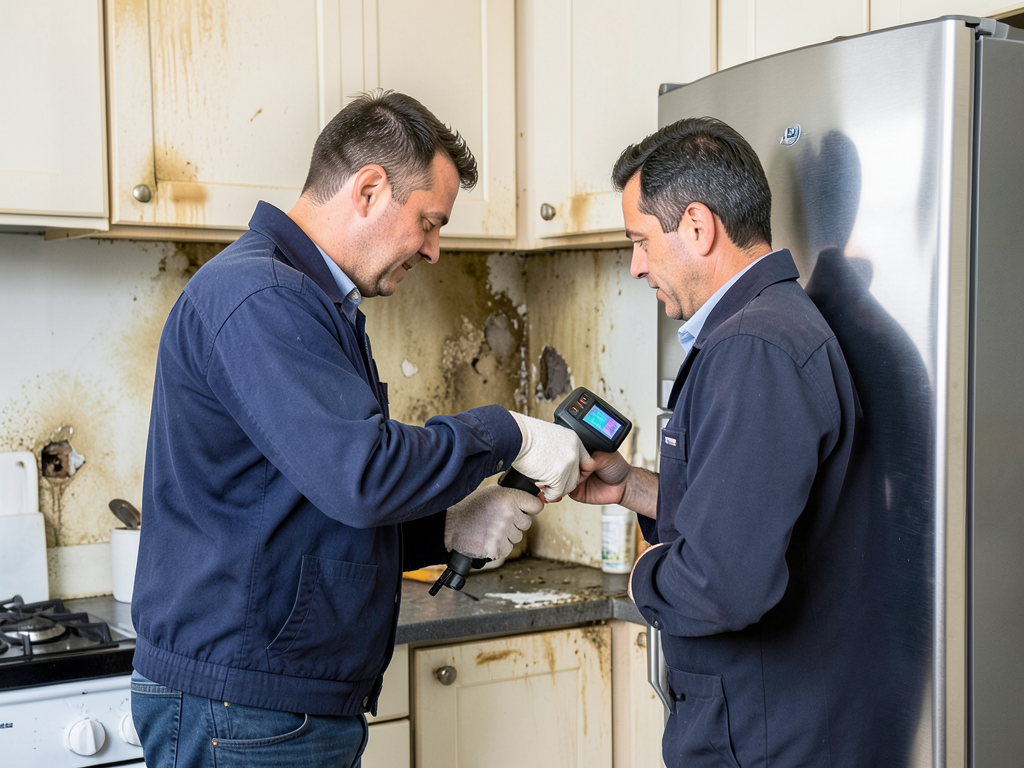
Why your ice maker line is a ticking time bomb for your kitchen floor Ice…
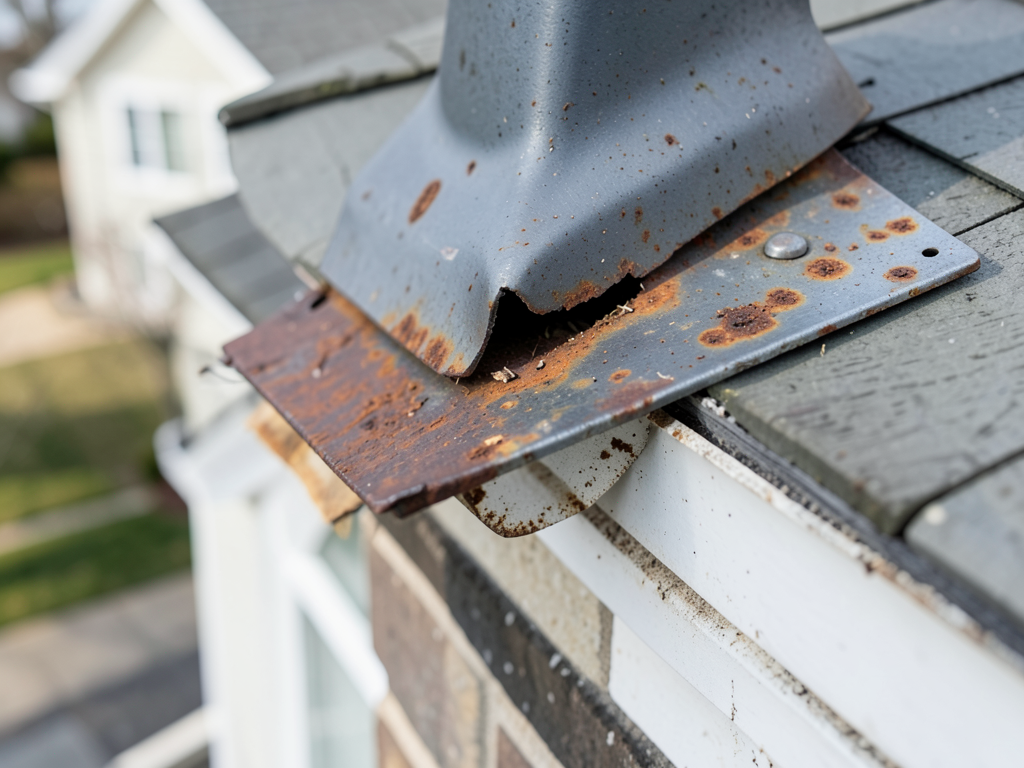
How to spot the signs of a chimney leak before it ruins your Riverside living…
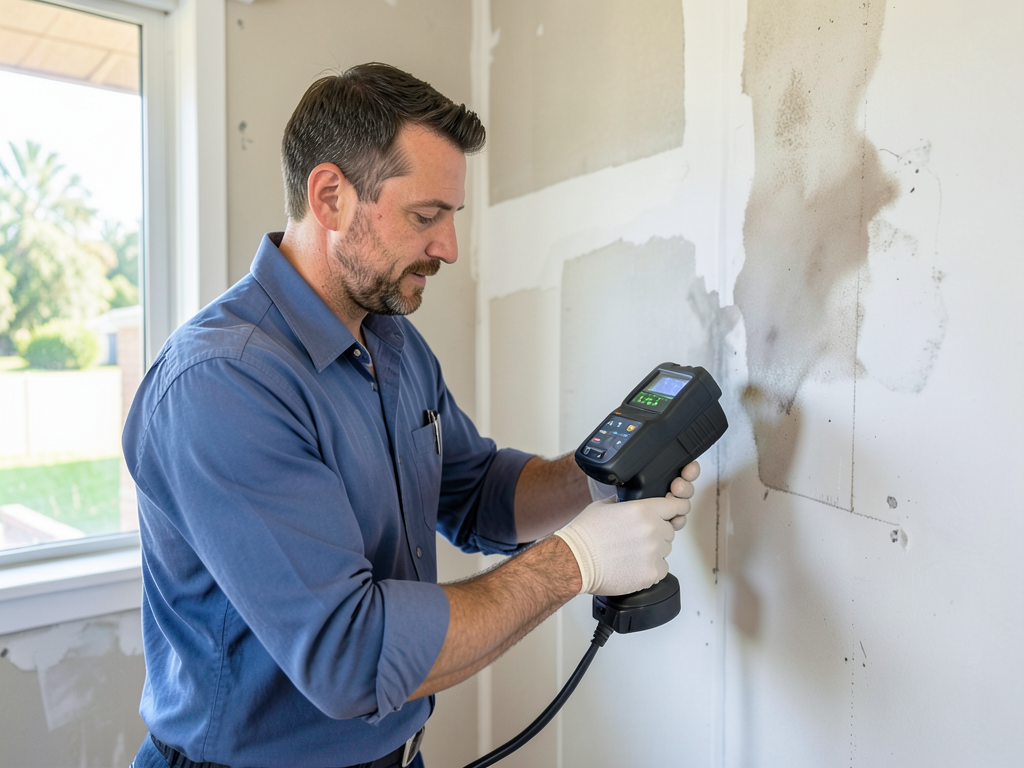
The most common plumbing mistakes Riverside DIYers make that lead to floods DIY plumbing projects…
Water damage worsens every hour. Call Liberty Water Damage Restoration Riverside at (951) 309-5499 right now for 60-minute emergency response anywhere in San Jacinto. Our crews are dispatched immediately with extraction equipment and drying tools to stop damage and begin restoration today.