

menu

Allergic Reactions in Home in Riverside – Expert Diagnosis and Complete Mold Removal

If you're sneezing, wheezing, or struggling with unexplained respiratory issues at home, hidden mold from water damage could be the culprit. Liberty Water Damage Restoration Riverside provides thorough indoor air quality testing and allergic reactions in home remediation to eliminate water damage allergy triggers at the source.

Slider Image 1
Slider Image 2
Slider Image 3
Slider Image 4
Slider Image 5
Slider Image 7
Slider Image 8
Slider Image 9
Slider Image 10
Slider Image 11

Why Your Riverside Home is Making You Sick

You wake up with a scratchy throat. Your eyes water when you walk into the laundry room. Your kids cough more at home than at school. These are not normal seasonal allergies. You are likely experiencing household mold allergies caused by hidden moisture intrusion.

Riverside sits at the intersection of humid inland air patterns and cooler coastal influences. This temperature fluctuation creates condensation inside walls, attics, and crawl spaces. When moisture sits undetected for weeks or months, mildew and mold colonies take root. You do not always see it. You breathe it first.

Indoor mold symptoms include persistent coughing, nasal congestion, skin rashes, and chronic fatigue. These water damage allergy triggers worsen when you run the air conditioner or heater because HVAC systems pull spores from damp areas and distribute them throughout your home. The problem compounds in older Riverside neighborhoods near the Santa Ana River corridor, where homes built on raised foundations experience seasonal groundwater intrusion. Clay soil absorbs water during winter rains, then expands and pushes moisture through foundation cracks.

Mildew allergic reactions are not just uncomfortable. Prolonged mold exposure symptoms include respiratory infections, asthma attacks, and immune system suppression. If multiple family members feel worse indoors than outdoors, you do not have a mystery illness. You have a water damage problem that requires professional intervention.

Ignoring these signs allows mold colonies to spread behind drywall, under flooring, and inside HVAC ductwork. The longer you wait, the more expensive and invasive the remediation becomes.

Why Your Riverside Home is Making You Sick
How We Eliminate Mold and Restore Healthy Indoor Air

How We Eliminate Mold and Restore Healthy Indoor Air

Most homeowners try bleach, fans, and prayers. That does not work. Surface cleaning kills visible mold but leaves the root structure intact. Within days, spores regenerate. You need source elimination, not cosmetic fixes.

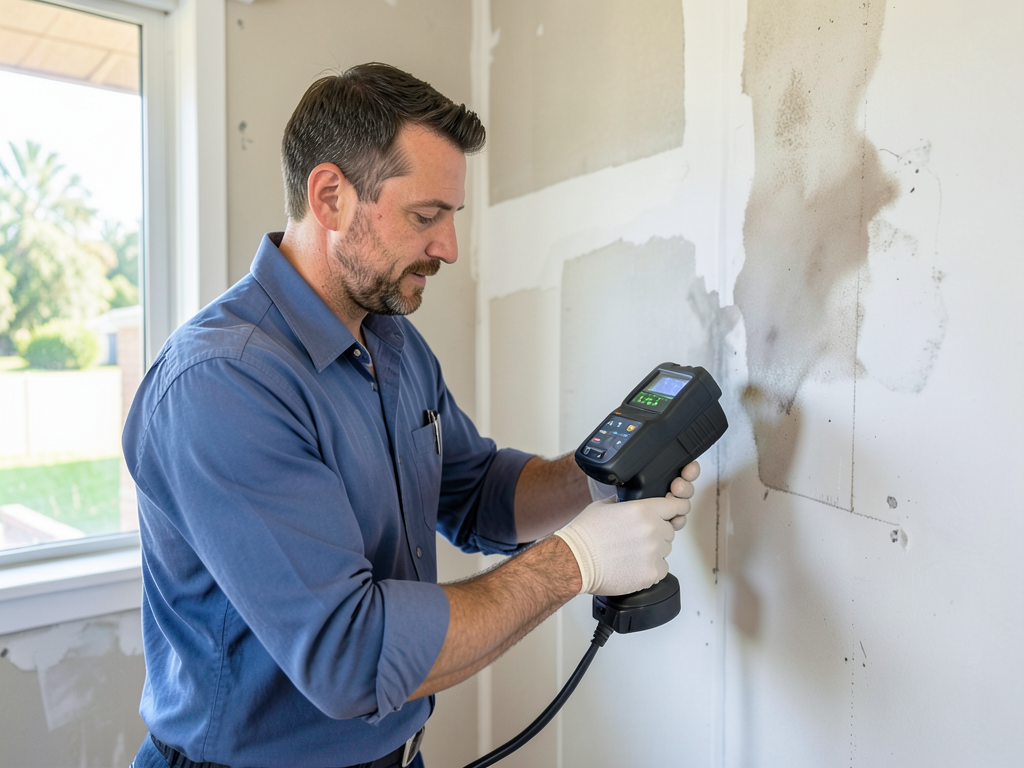
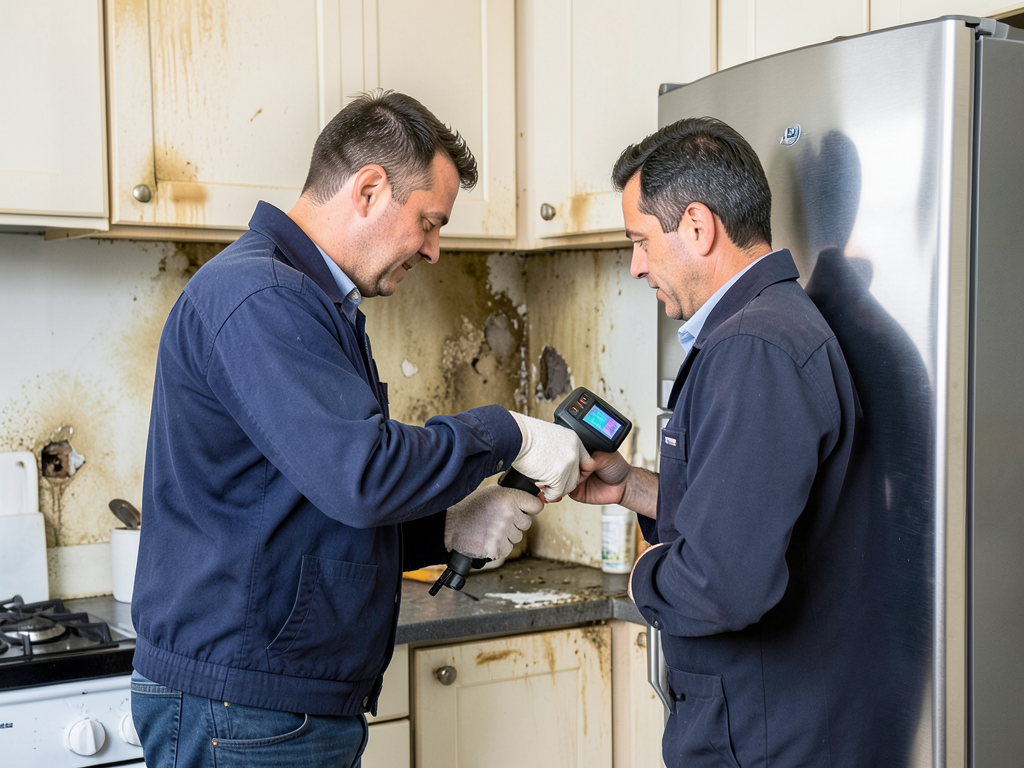
We start with thermal imaging and moisture mapping. Infrared cameras reveal hidden water intrusion behind walls and under floors. Moisture meters measure exact saturation levels in wood framing, drywall, and insulation. This data tells us where water entered, how far it traveled, and which building materials are compromised.

Next, we establish containment zones using polyethylene barriers and negative air pressure. HEPA filtration prevents cross-contamination while we remove affected materials. We do not just cut out moldy drywall and call it done. We trace the moisture path back to the original failure point, whether it is a leaking supply line, faulty flashing, or compromised vapor barrier.

All porous materials with active mold growth get removed and disposed of per IICRC S520 standards. This includes drywall, insulation, carpeting, and baseboards. Semi-porous materials like wood framing get treated with antimicrobial solutions and dried to below 15 percent moisture content using commercial dehumidifiers and air movers.

We then sanitize all structural surfaces with EPA-registered biocides that kill remaining spores and prevent regrowth. HVAC ducts get cleaned and sealed to stop spore recirculation. Finally, we verify clearance with post-remediation air quality testing. If spore counts remain elevated, we continue treatment until your indoor air meets or exceeds outdoor baseline levels.

This is not a weekend DIY project. Mold remediation requires controlled negative air environments, proper PPE, and an understanding of building science. Mistakes spread contamination and make you sicker.

What Happens When You Call Us About Allergic Reactions

Allergic Reactions in Home in Riverside – Expert Diagnosis and Complete Mold Removal
01

Emergency Air Quality Assessment

Within two hours of your call, our technician arrives with thermal imaging equipment and air sampling tools. We interview you about symptom patterns, identify high-risk areas like bathrooms and basements, and conduct a visual inspection. Air samples get sent to an independent lab for spore identification and concentration analysis. You receive a detailed report within 48 hours showing exactly what you are breathing and where it is coming from.
02

Containment and Source Removal

We seal off affected rooms with plastic sheeting and create negative air pressure using HEPA-filtered air scrubbers. This prevents spores from spreading during demolition. All contaminated materials get bagged and removed according to California health codes. We then treat structural components with antimicrobial solutions and dry everything to manufacturer-specified moisture levels. The goal is complete elimination of water damage allergy triggers, not just surface cleaning.
03

Clearance Testing and Prevention

After remediation, we conduct final air quality testing to confirm spore counts have returned to safe levels. You get a clearance certificate documenting that your home meets indoor air quality standards. We then identify the original moisture source and recommend permanent solutions, whether it is regrading drainage, repairing plumbing, or installing vapor barriers. Our goal is to solve the problem once so you never deal with mold exposure symptoms again.

Why Riverside Homeowners Trust Our Mold Remediation Process

You need someone who understands how Riverside homes fail. Most mold problems here trace back to three sources: foundation moisture from expansive clay soil, roof leaks during winter storms, and plumbing failures in homes built before 1980 with galvanized supply lines.

We have worked in every Riverside neighborhood from Historic Downtown to Canyon Crest and Orangecrest. We know that homes near the Santa Ana River experience seasonal groundwater fluctuations. We know that houses built on raised pier-and-beam foundations in Wood Streets often have inadequate crawl space ventilation. We know that stucco homes in Arlanza and Casa Blanca develop moisture intrusion at improperly flashed windows.

This local knowledge matters because generic mold remediation misses the root cause. If we do not fix why water entered your home, you will hire us again in six months. We combine immediate remediation with long-term building envelope improvements. That might mean installing French drains to redirect groundwater, replacing deteriorated plumbing risers, or adding attic ventilation to prevent condensation.

We also work directly with your insurance carrier. Most homeowners policies cover sudden and accidental water damage, which includes the resulting mold growth if addressed promptly. We document everything with photos, moisture readings, and detailed scope-of-work reports. Our estimates follow Xactimate pricing, which adjusters recognize and approve faster than handwritten quotes.

You will not get upsold on unnecessary treatments. If your mold problem is minor and containable with localized drying and surface treatment, we tell you. But if testing reveals widespread contamination requiring full remediation, we explain exactly why and show you the data. You make informed decisions, not fear-based ones.

What to Expect During Mold Remediation in Your Riverside Home

Response Time and Availability

We dispatch technicians within two hours for emergency calls. Mold does not wait, and neither should you. Our teams work evenings and weekends because allergic reactions do not respect business hours. Initial air quality testing takes 60 to 90 minutes. Lab results return within 48 hours. Full remediation timelines depend on contamination extent, but most residential projects take three to seven days from containment setup to final clearance testing. We coordinate with your schedule to minimize disruption.

Comprehensive Indoor Air Quality Testing

We use Andersen spore trap air samplers and surface swabs to identify mold species and concentration levels. Samples get analyzed by independent certified labs, not in-house technicians. You receive detailed reports showing spore counts per cubic meter, comparisons to outdoor baseline levels, and identification of allergenic species like Aspergillus, Penicillium, and Stachybotrys. This data drives our remediation protocol and provides documentation for insurance claims. We explain results in plain language so you understand exactly what you are dealing with.

Complete Restoration of Living Space

Remediation is only half the job. After mold removal and antimicrobial treatment, we rebuild affected areas to pre-loss condition. That includes drywall replacement, texture matching, priming, and painting. Flooring gets reinstalled. Baseboards and trim get replaced. We coordinate with licensed electricians and plumbers if systems were damaged. You get your home back in move-in condition, not torn apart with exposed studs. All reconstruction work follows current California building codes, which often means upgrades from original construction standards.

Long-Term Prevention Plans

We provide a written prevention plan identifying vulnerabilities in your home. This includes recommendations for drainage improvements, plumbing upgrades, HVAC maintenance, and moisture monitoring. Many clients schedule annual inspections with thermal imaging to catch problems before they escalate. We also offer humidity monitoring solutions for high-risk homes near the Santa Ana River or in areas with poor soil drainage. The goal is to make this your last mold remediation, not your first of many.

Frequently Asked Questions

You Have Questions,
We Have Answers

What in my house is giving me allergies? +

Common culprits include dust mites in bedding and carpets, mold from water intrusion or high humidity, pet dander, cockroach droppings, and pollen tracked inside. In Riverside, seasonal pollen from local grasses and trees often enters homes through windows and HVAC systems. Check for hidden mold in bathrooms, under sinks, and around windows where condensation occurs. Riverside's dry climate can stir up dust, while occasional humidity spikes create mold growth conditions. Inspect air filters, crawl spaces, and attic insulation. Water damage from leaks or plumbing issues often triggers mold colonies that release spores into your air, causing persistent allergic reactions.

How do I find out what I'm allergic to in my house? +

Start by eliminating suspects one at a time. Remove bedroom carpets, wash all bedding in hot water, and encase pillows in allergen-proof covers. Schedule an allergy skin test or blood test with your doctor to identify specific triggers. Hire a professional indoor air quality specialist to test for mold spores, dust mite levels, and volatile organic compounds. In Riverside homes, water damage often hides behind walls or under flooring. A moisture meter can detect hidden leaks. Professional mold testing identifies species and concentration levels. Document when symptoms worsen to correlate with specific rooms or activities, helping pinpoint the source.

How to stop a nasal allergy attack? +

Rinse your nasal passages immediately with saline spray or a neti pot to flush out allergens. Take an antihistamine quickly to block histamine release. Close windows and turn on air conditioning to filter incoming air. Run a HEPA air purifier in the room you occupy. Avoid rubbing your eyes or nose, which spreads allergens. In Riverside's dry conditions, use a humidifier cautiously to prevent nasal tissue drying, but keep humidity below 50 percent to discourage mold growth. Apply a cold compress to your face to reduce sinus swelling. If breathing becomes difficult, seek medical attention immediately.

Why do I suddenly have allergies in my home? +

Sudden allergies often result from cumulative exposure crossing your immune system's threshold. Recent water damage, a new leak, or rising humidity creates mold colonies you were not exposed to before. Riverside residents sometimes experience this after winter rains when moisture infiltrates walls or attics. New furniture, carpets, or renovations release volatile organic compounds and dust. Aging HVAC systems circulate more dust and mold spores. Pest infestations introduce new allergens. Hormonal changes, stress, or illness can also lower your tolerance. Inspect your home for recent moisture problems, leaks, or construction that could explain the timing.

What is causing my allergies to flare up in my house so bad I can't breathe? +

Severe reactions often point to hidden mold growth from water damage or persistent leaks. In Riverside homes, roof leaks, plumbing failures, or foundation cracks allow moisture intrusion. Mold spores become airborne and trigger intense respiratory responses. Check crawl spaces, attics, and behind appliances for black, green, or white patches. Musty odors confirm active colonies. Dust mite populations explode in humid conditions. Cockroach infestations in walls release potent allergens. If you cannot breathe comfortably, evacuate the space and consult a doctor. Professional water damage restoration removes moisture sources and eliminates mold contamination, restoring safe air quality.

What are the symptoms of being allergic to mold? +

Mold allergy symptoms include persistent sneezing, runny or stuffy nose, itchy eyes, throat irritation, coughing, and wheezing. Some people develop skin rashes or hives after contact. Asthma sufferers experience chest tightness and difficulty breathing. Fatigue, headaches, and sinus pressure are common. In Riverside homes with water damage, prolonged mold exposure causes chronic symptoms that worsen indoors and improve outside. Black mold produces mycotoxins that trigger severe reactions. Symptoms mimic colds but persist for weeks without fever. If you suspect mold, inspect areas with previous leaks, condensation, or high humidity. Professional mold remediation eliminates the source and stops symptoms.

What is the most common indoor allergy? +

Dust mites cause the most common indoor allergies. These microscopic insects thrive in bedding, upholstered furniture, and carpets, feeding on dead skin cells. Riverside's occasional humidity spikes create ideal conditions. Dust mite waste contains proteins that trigger sneezing, congestion, and asthma attacks. Pet dander ranks second, clinging to fabrics and circulating through HVAC systems. Mold spores follow closely, especially in homes with water damage or poor ventilation. Cockroach allergens affect urban areas. Pollen tracked indoors also contributes. Controlling dust mites requires washing bedding weekly in hot water, using allergen-proof covers, and maintaining low indoor humidity.

Can I test my house for allergies? +

Yes. Hire a certified indoor air quality specialist to conduct professional testing. They collect air samples to measure mold spore counts, identify species, and detect dust mite allergen levels. Surface samples confirm visible mold growth. Moisture meters detect hidden water intrusion behind walls or under flooring. In Riverside, many water damage restoration companies offer air quality testing as part of moisture inspections. DIY mold test kits provide basic screening but lack accuracy. Professional testing delivers lab-verified results that guide remediation. Testing after water damage confirms whether mold developed and whether air quality meets safe standards before reoccupying spaces.

Do air purifiers help allergies? +

HEPA air purifiers effectively capture airborne allergens like dust, pollen, pet dander, and mold spores. They filter particles as small as 0.3 microns, reducing triggers that cause sneezing and congestion. Place purifiers in bedrooms and living areas where you spend the most time. They work best in sealed rooms with closed windows. In Riverside, purifiers help during high pollen seasons and wildfire smoke events. Air purifiers do not remove allergen sources like dust mites in carpets or mold behind walls. Combine purifiers with regular cleaning, humidity control, and addressing water damage for maximum relief.

How to calm an allergy flare up? +

Take an antihistamine immediately to block the allergic response. Remove yourself from the trigger source if possible. Rinse your nasal passages with saline spray to flush allergens. Apply a cold compress to reduce facial swelling and sinus pressure. Drink water to thin mucus. Avoid rubbing your eyes or nose. In Riverside homes, turn on air conditioning to filter air and reduce pollen infiltration. Run a HEPA purifier in the room. Rest in a clean space with minimal dust and fabrics. If symptoms include difficulty breathing, chest tightness, or throat swelling, seek emergency medical care immediately.

Why Riverside's Climate and Older Housing Stock Create Hidden Mold Risks

Riverside experiences dramatic temperature swings between day and night, especially during spring and fall. When warm inland air meets cooler evening temperatures, condensation forms inside wall cavities and attic spaces. This moisture accumulation is invisible until mold colonies establish. Homes built before 1970 often lack proper vapor barriers, allowing moisture migration through concrete slabs and uninsulated walls. The clay-heavy soil common throughout Riverside absorbs winter rainwater and expands, pushing hydrostatic pressure against foundation walls. This creates hairline cracks that allow groundwater seepage into crawl spaces and basements, feeding mold growth in areas you never see until allergic reactions force you to investigate.

Liberty Water Damage Restoration Riverside has worked in every neighborhood from La Sierra to Eastside and understands how local construction methods impact long-term moisture control. We know that post-war tract homes in Arlanza often have inadequate attic ventilation. We know that stucco homes in Downtown Riverside require regular inspection of weep screed and through-wall flashing. We know that homes near Fairmount Park and the riverbed experience higher humidity levels year-round. This local expertise means we identify and fix the actual cause of your water damage allergy triggers, not just treat the symptoms. When you hire us, you get a team that knows Riverside building science.
Water Damage Restoration Services in The Riverside Area

We are dedicated to serving the entire Riverside area and its neighboring communities with fast and reliable water damage restoration services. Whether you’re a resident or a business owner, our team is ready to respond to your call. Use the map below to see our service area, or call us directly to confirm if we can dispatch a team to your location for an immediate emergency response.

Address:
Liberty Water Damage Restoration Riverside, 11801 Pierce St, Riverside, CA, 92505

Additional Services We Offer

Our news updates

Latest Articles & News from The Blogs

Why your ice maker line is a ticking time bomb for your kitchen floor Ice maker supply lines are one…

Why your ice maker line is a ticking time bomb for your kitchen floor

Why your ice maker line is a ticking time bomb for your kitchen floor Ice maker supply lines are one…

How to spot the signs of a chimney leak before it ruins your Riverside living room

How to spot the signs of a chimney leak before it ruins your Riverside living room Your chimney is more…

The most common plumbing mistakes Riverside DIYers make that lead to floods

The most common plumbing mistakes Riverside DIYers make that lead to floods DIY plumbing projects in Riverside often start with…

Contact Us

Your home should not make you sick. Call Liberty Water Damage Restoration Riverside at (951) 309-5499 right now for emergency air quality testing. We dispatch technicians within two hours and provide detailed lab reports within 48 hours. Stop guessing. Get answers and get healthy.