menu

Visible Mold Growth on Walls in Riverside – Expert Diagnosis and Safe Removal Within 24 Hours

When you spot black mold patches on sheetrock or fungal growth spreading across painted surfaces, you need accurate testing and professional containment fast. We identify the moisture source, remove contaminated materials safely, and restore air quality in your Riverside home.

Slider Image 1
Slider Image 2
Slider Image 3
Slider Image 4
Slider Image 5
Slider Image 7
Slider Image 8
Slider Image 9
Slider Image 10
Slider Image 11

Why Mold Spreads So Quickly on Riverside Walls

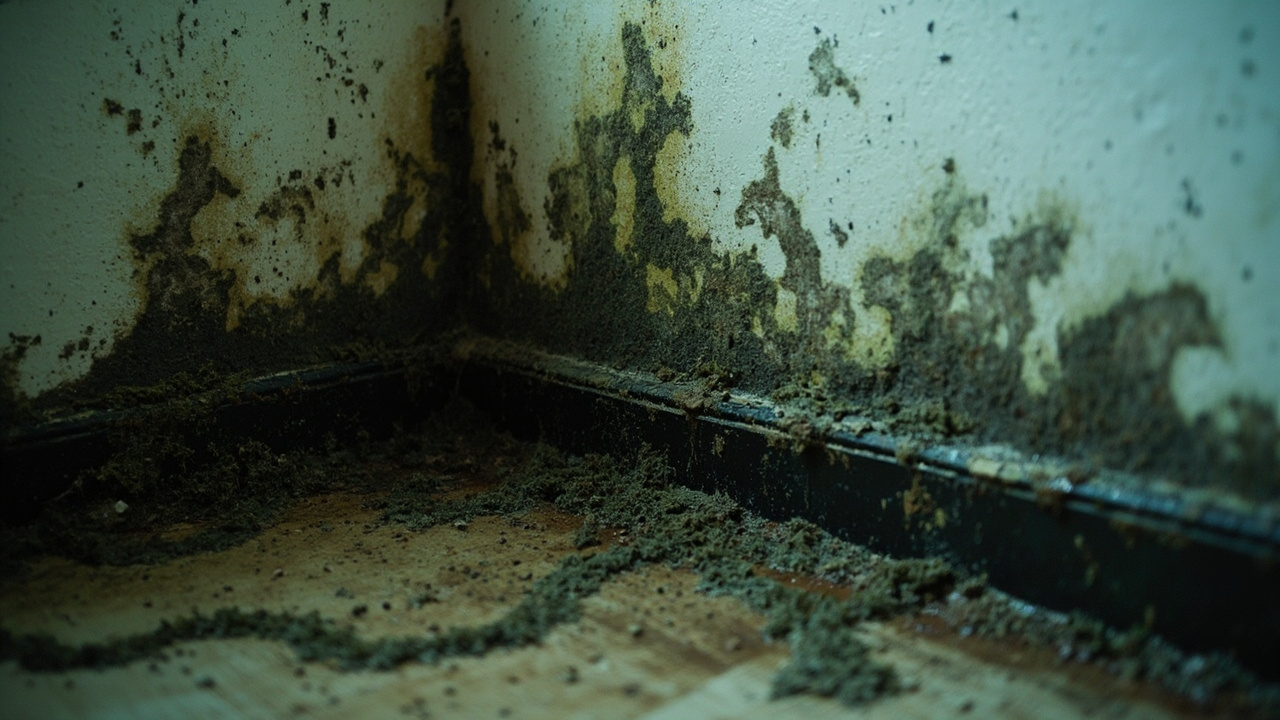
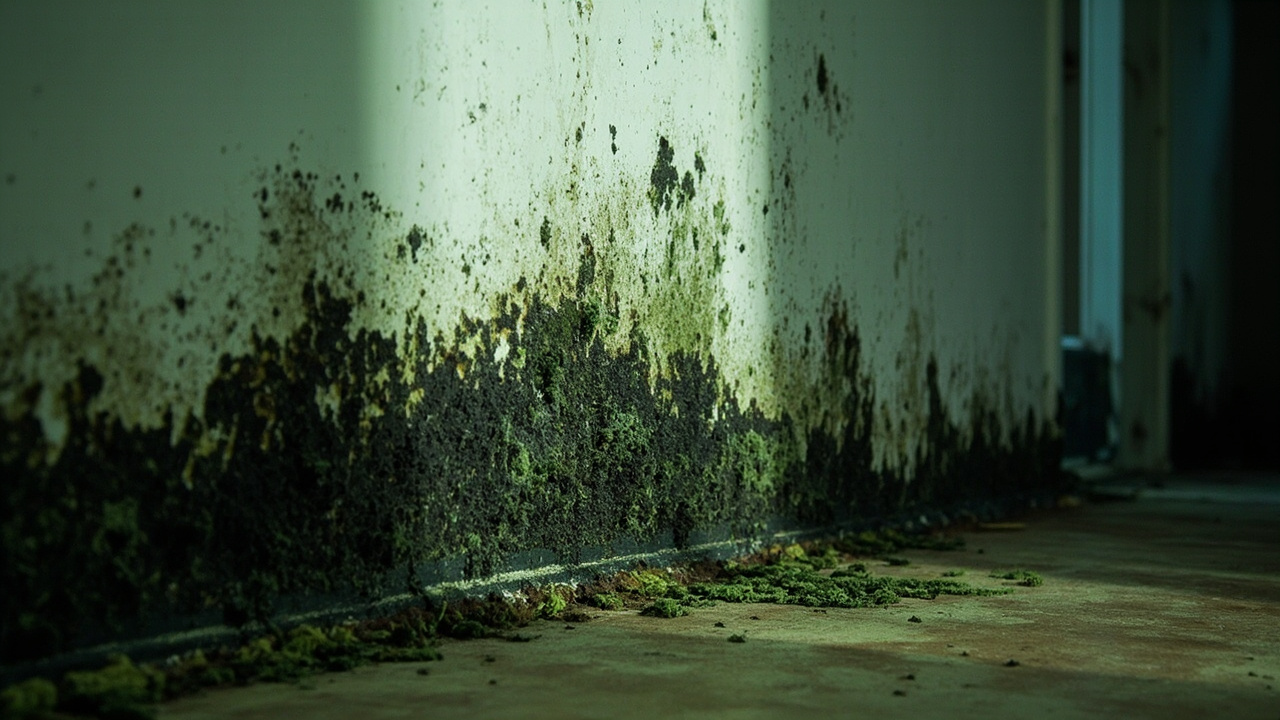
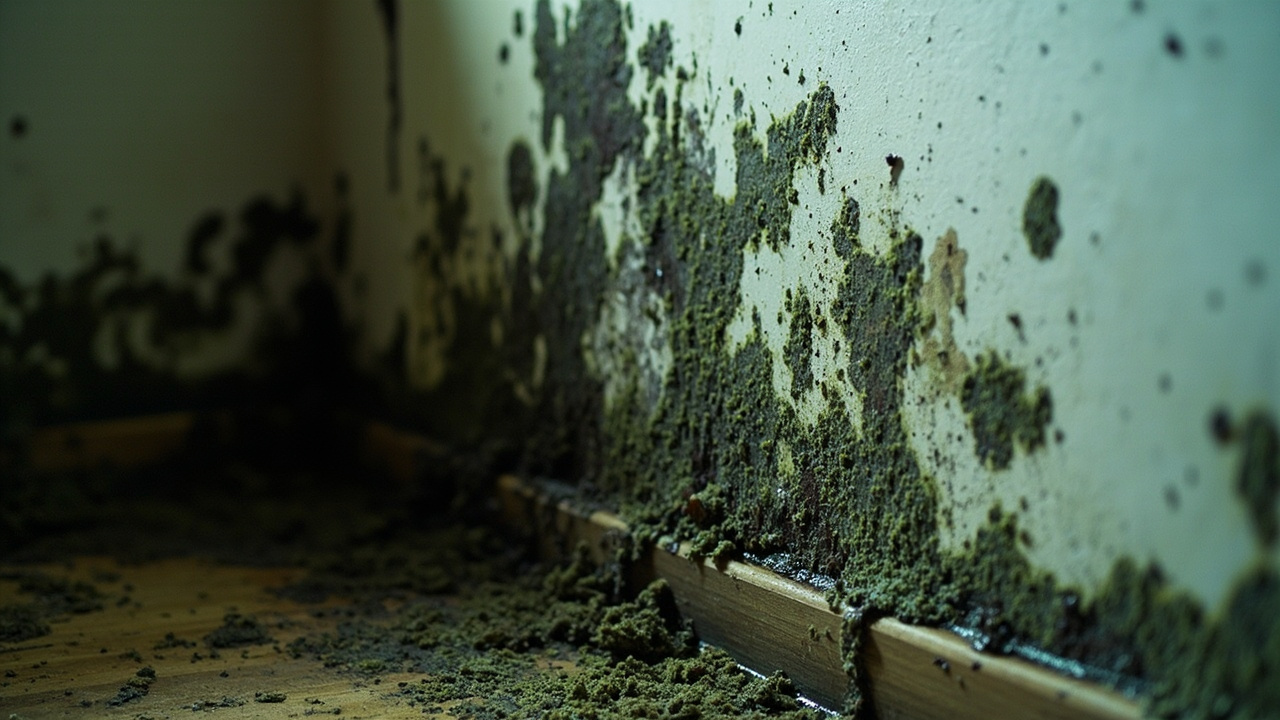
You walk into a room and see it. Dark spots spreading across the drywall. A fuzzy patch near the baseboard. Maybe a musty smell you cannot ignore anymore. Visible mold growth on walls does not appear overnight, but once you notice it, the problem has already taken root behind the surface.

Riverside's combination of summer heat and winter moisture creates ideal conditions for mold. When morning fog settles against exterior walls or a slow plumbing leak saturates insulation, spores colonize fast. Black mold spots on drywall often signal hidden water intrusion from roof valleys, failed window seals, or condensation inside wall cavities. The painted surface you see is just the front edge of a deeper infestation.

Homes near the Santa Ana River corridor experience higher humidity during cooler months. Properties with stucco exteriors and poor drainage trap moisture against sheathing. Once fungal growth on wall surfaces becomes visible, the drywall's paper backing is already compromised. Spores spread through HVAC ducts. Family members start coughing. You worry about property value and health risks.

Visible mildew on painted walls is not a cosmetic issue you can wipe away. Mold patches on sheetrock indicate moisture saturation levels above 20 percent, the threshold where cellulose materials support active fungal colonies. The longer a wall mold infestation persists, the deeper it penetrates framing and insulation. Containment becomes more complex. Removal costs increase.

You need a team that understands building science, not just surface cleaning. We trace moisture to its origin, remove contaminated materials under negative air pressure, and verify clearance with post-remediation testing.

Why Mold Spreads So Quickly on Riverside Walls
How We Remove Mold Without Spreading Contamination

How We Remove Mold Without Spreading Contamination

Mold remediation is not about spraying bleach on drywall. It requires containment protocols, controlled demolition, and verified air quality. We follow IICRC S520 standards for every project in Riverside, from single-room outbreaks to whole-structure infestations.

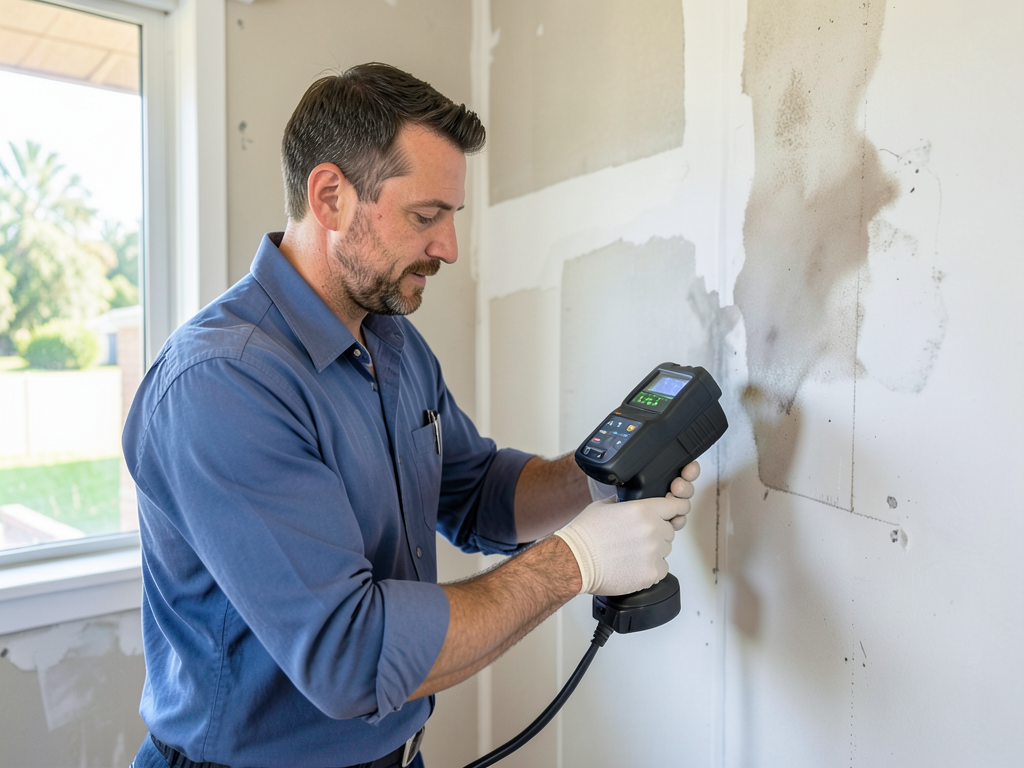
We start with moisture mapping using thermal imaging and pin-type meters. Mold grows where relative humidity exceeds 60 percent or materials stay wet for 48 hours. We measure moisture content in drywall, studs, and insulation to define the contaminated zone. Air sampling identifies spore concentrations and species. This data determines the scope of removal and whether occupants need temporary relocation.

Containment comes next. We seal doorways with polyethylene barriers and create negative air pressure using HEPA-filtered air scrubbers. This prevents spores from migrating into clean areas during demolition. We remove drywall in controlled sections, bag materials at the point of origin, and dispose of them as contaminated waste.

After removal, we treat framing with antimicrobial solutions and verify dryness. Studs must register below 15 percent moisture content before reconstruction. We run hydroxyl generators or ozone machines to neutralize airborne spores, then conduct clearance testing. A third-party lab analyzes air samples to confirm spore counts match outdoor baselines.

Reconstruction begins only after clearance. We install mold-resistant drywall in high-risk areas like bathrooms and exterior walls. We apply vapor barriers where needed and ensure proper ventilation. The goal is not just removing visible growth, but eliminating the conditions that allowed it to thrive. Liberty Water Damage Restoration Riverside handles every phase, from testing through final paint.

What Happens During Your Mold Inspection and Removal

Visible Mold Growth on Walls in Riverside – Expert Diagnosis and Safe Removal Within 24 Hours
01

Initial Assessment and Testing

We inspect all affected rooms with thermal cameras and moisture meters to identify hidden saturation. Air samples and surface swabs go to a certified lab for species identification and spore count analysis. You receive a detailed report showing contamination levels, moisture sources, and recommended scope of work before any demolition begins.
02

Containment and Safe Removal

Our crew seals the work area with plastic barriers and establishes negative air pressure using HEPA air scrubbers. We remove contaminated drywall, insulation, and baseboards in controlled sections, bagging materials immediately to prevent cross-contamination. Framing gets treated with antimicrobial solutions, then dried to acceptable moisture levels. All waste leaves your property in sealed containers.
03

Clearance Testing and Restoration

After antimicrobial treatment and drying, we conduct post-remediation air sampling. A third-party lab verifies spore counts meet clearance standards. Once cleared, we rebuild with mold-resistant materials, apply primer and paint, and restore trim. You get lab reports confirming your indoor air quality matches outdoor baselines, plus documentation for insurance claims or future property transactions.

Why Riverside Homeowners Trust Our Mold Remediation Expertise

Mold remediation requires more than equipment. It requires understanding how water moves through California's stucco-clad homes, where condensation forms in dual-pane windows, and how Riverside's temperature swings create dew points inside wall cavities. We have spent years diagnosing moisture problems in neighborhoods from Canyon Crest to La Sierra, and we know the building styles that trap humidity.

Many homes in Riverside were built between 1960 and 1990 with minimal vapor barriers and outdated plumbing. Cast iron drain lines corrode. Galvanized supply pipes leak slowly inside walls. These hidden moisture sources feed mold colonies for months before symptoms appear. We find the root cause, not just the visible symptom.

Our technicians hold IICRC certifications in water damage restoration and applied microbial remediation. We understand the difference between surface mildew and deep fungal penetration. We know when to remove drywall versus when encapsulation is appropriate. We work directly with insurance adjusters to document damage and justify scope, so you do not fight claim denials alone.

Liberty Water Damage Restoration Riverside operates under California contractor standards and follows OSHA safety protocols. We carry liability coverage and workers' compensation because mold removal involves risks. Disturbing colonies without containment spreads spores. Using incorrect chemicals creates toxic residues. We do the job safely and correctly the first time.

You also get transparent communication. We explain findings in plain language, provide written estimates before starting work, and update you as conditions change. If we discover additional damage during demolition, we stop and discuss options before proceeding. No surprise bills. No scope creep. Just honest remediation from a local team that will be here next year if you need us again.

What You Can Expect When You Call Us About Wall Mold

Fast Response and Scheduling

We arrive for initial inspections within 24 hours of your call, often the same day if you contact us in the morning. Mold does not wait, and neither should you. We schedule around your availability and complete most inspections in 60 to 90 minutes. If air sampling is required, lab results return within three business days. Emergency containment for active leaks or sewage backups starts immediately. We do not make you wait while spores spread.

Thorough Inspection and Testing

Our inspection includes visual assessment, moisture mapping with calibrated meters, and thermal imaging to detect hidden saturation. We take air samples from affected rooms and outdoor baselines for comparison. Surface samples identify mold species. You receive a written report detailing moisture levels, contamination extent, and lab results. We explain what the data means and outline recommended remediation steps. No guesswork. No overstated scopes. Just accurate diagnosis based on measurable evidence.

Complete Removal and Restoration

Remediation projects range from single-day surface treatments to multi-day structural removals, depending on contamination depth. We remove only what testing shows is affected, not entire rooms unnecessarily. After containment and demolition, we dry the structure to below 15 percent moisture content, then rebuild with mold-resistant drywall and moisture barriers. Paint-grade finishes leave rooms ready for occupancy. You get a clean, dry space backed by clearance testing that confirms air quality meets health standards.

Post-Remediation Support and Documentation

You receive all lab reports, moisture logs, and photographic documentation for your records. These reports matter for insurance claims, property disclosures, and peace of mind. We provide a written summary of work performed, materials removed, and clearance results. If future moisture problems arise, we offer follow-up inspections at reduced rates. We also consult on preventive measures like improved ventilation, dehumidification, and drainage corrections to stop recurrence. You are never left wondering if the problem is truly resolved.

Frequently Asked Questions

You Have Questions,
We Have Answers

What to do if I see mold on my wall? +

Stop touching the mold. Open windows if you can, but avoid disturbing the spores. Take photos for documentation. If the affected area exceeds ten square feet, or if mold appears near HVAC systems or in hidden wall cavities, call a certified mold remediation specialist. Riverside homes often face hidden moisture from older plumbing or poor attic ventilation, which means visible mold may signal a bigger problem. Small patches on non-porous surfaces like tile can be cleaned with bleach solution, but porous materials like drywall need professional removal to prevent regrowth.

Can mold make a baby cough? +

Yes, mold exposure can trigger respiratory symptoms in infants, including persistent coughing, wheezing, and throat irritation. Babies have developing immune systems and smaller airways, making them more vulnerable to airborne spores. If your baby develops a cough alongside visible mold in your Riverside home, remove them from the environment immediately and consult a pediatrician. Indoor mold thrives in Riverside's fluctuating humidity, especially during cooler months when homes are sealed tight. Address the mold source quickly. Professional testing can identify the species and contamination level to protect your child's health.

Can mold cause twitching? +

Mold exposure rarely causes muscle twitching directly, but mycotoxins from certain species like Stachybotrys can affect neurological function in sensitive individuals. Symptoms may include tremors, tingling, or involuntary movements alongside headaches and fatigue. If you experience twitching after discovering mold in your Riverside home, see a doctor and document your exposure history. Indoor air quality testing can identify toxin levels. Most twitching resolves after removing the mold source and improving ventilation. Focus on eliminating moisture sources like leaking pipes or faulty HVAC systems common in Riverside's older housing stock.

What does toxic mold look like on walls? +

Toxic mold, often Stachybotrys chartarum, appears as dark black or greenish-black patches with a slimy or powdery texture. It typically grows on cellulose materials like drywall, wood, or paper after prolonged water exposure. You may notice a musty, earthy odor before you see growth. Not all black mold is toxic, but all mold needs removal. Riverside homes with roof leaks or poor crawl space ventilation are vulnerable. If you find dark mold clusters, avoid disturbing them. Professional testing identifies the species and guides safe remediation to protect your household.

What kills mold permanently on walls? +

No single product kills mold permanently. You must eliminate the moisture source first. For non-porous surfaces, scrub with detergent and water, then apply a biocide like diluted bleach or hydrogen peroxide. For porous materials like drywall or carpet, removal is often necessary because spores penetrate deep. Riverside's dry climate helps, but hidden moisture from plumbing leaks or condensation fuels regrowth. Professional remediation uses antimicrobial treatments, HEPA air scrubbers, and moisture barriers. Without fixing the water problem, whether from leaking pipes or poor ventilation, mold will return.

Will mold go away if it dries out? +

No. Drying stops active growth, but mold spores remain dormant and viable. They reactivate when moisture returns. Dead mold still triggers allergic reactions and releases mycotoxins. Visible mold must be physically removed, not just dried out. Riverside homes may seem dry, but seasonal humidity shifts, irrigation overspray, or hidden plumbing leaks create pockets of dampness. Even dried mold colonies on walls or in crawl spaces pose health risks. Proper remediation includes removing contaminated materials, treating surfaces with antimicrobials, and controlling humidity below 60 percent to prevent recurrence.

What are the first signs of mold sickness? +

Early mold sickness symptoms include persistent nasal congestion, sneezing, itchy or watery eyes, and throat irritation. You may experience coughing, wheezing, or skin rashes. Headaches and fatigue are common, especially after spending time indoors. These symptoms often worsen in the room where mold is present. Riverside residents sometimes mistake mold symptoms for seasonal allergies. If symptoms improve when you leave your home and return when you come back, suspect mold exposure. Document your symptoms and inspect your home for visible growth, musty odors, or water damage. Early intervention prevents long-term health complications.

How do I tell if mold is in my lungs? +

You cannot self-diagnose mold in your lungs. Symptoms of pulmonary mold exposure include persistent cough, chest tightness, shortness of breath, and wheezing that does not improve with over-the-counter medication. In severe cases, individuals may cough up blood or develop fever. If you suspect lung involvement after mold exposure in your Riverside home, see a pulmonologist immediately. They may order chest X-rays, CT scans, or sputum cultures. Aspergillosis, a fungal lung infection, requires prescription antifungal medication. Remove yourself from the contaminated environment and address the mold source professionally.

Can I clean up mold myself? +

You can clean small mold patches, under ten square feet, on non-porous surfaces like tile or metal using detergent and water. Wear an N95 mask, gloves, and eye protection. Never mix bleach with ammonia. If mold appears on porous materials like drywall, insulation, or carpet, or if you have health conditions, hire a professional. Riverside homes with older construction may have hidden mold in wall cavities or attics. Improper cleanup spreads spores and worsens contamination. Professionals use containment barriers, HEPA filtration, and antimicrobial treatments to ensure safe, complete removal and prevent regrowth.

What are the mental symptoms of mold poisoning? +

Mold exposure can affect mental health, causing brain fog, difficulty concentrating, memory problems, and mood changes like anxiety or depression. Some individuals report feeling disoriented or experiencing unusual irritability. These symptoms result from mycotoxin exposure affecting neurological function and chronic inflammation. If you develop cognitive or emotional symptoms alongside visible mold in your Riverside home, document your exposure and consult a doctor familiar with environmental illness. Remove yourself from the contaminated space and pursue professional mold remediation. Mental symptoms typically improve after eliminating the mold source and improving indoor air quality through ventilation and filtration.

How Riverside's Microclimates and Older Housing Stock Amplify Mold Risks

Riverside sits at the intersection of coastal moisture and inland heat, creating daily temperature swings that generate condensation inside wall cavities. Morning fog from the Santa Ana River settles against north-facing walls. Summer humidity spikes during monsoon season. Homes near Victoria Avenue's historic district often have stucco exteriors with minimal moisture barriers, a construction standard from the 1920s through 1970s. These walls trap moisture against wood sheathing. When black mold spots on drywall appear in bedrooms or closets, the problem usually traces to failed exterior seals or attic condensation dripping into insulation. The longer visible mildew on painted walls goes untreated, the deeper fungal growth penetrates into framing and subflooring.

Riverside County environmental health guidelines require proper mold remediation protocols, especially in rental properties and homes with vulnerable occupants. Local building inspectors expect documentation during remodels if mold is discovered. Liberty Water Damage Restoration Riverside maintains relationships with local labs, insurance adjusters, and contractors who understand these standards. We provide the reports and certifications you need for compliance, resale disclosures, or tenant disputes. Choosing a remediation team that knows Riverside's building codes and climate patterns means faster approvals, accurate scopes, and work that holds up under scrutiny.
Water Damage Restoration Services in The Riverside Area

We are dedicated to serving the entire Riverside area and its neighboring communities with fast and reliable water damage restoration services. Whether you’re a resident or a business owner, our team is ready to respond to your call. Use the map below to see our service area, or call us directly to confirm if we can dispatch a team to your location for an immediate emergency response.

Address:
Liberty Water Damage Restoration Riverside, 11801 Pierce St, Riverside, CA, 92505

Additional Services We Offer

Our news updates

Latest Articles & News from The Blogs

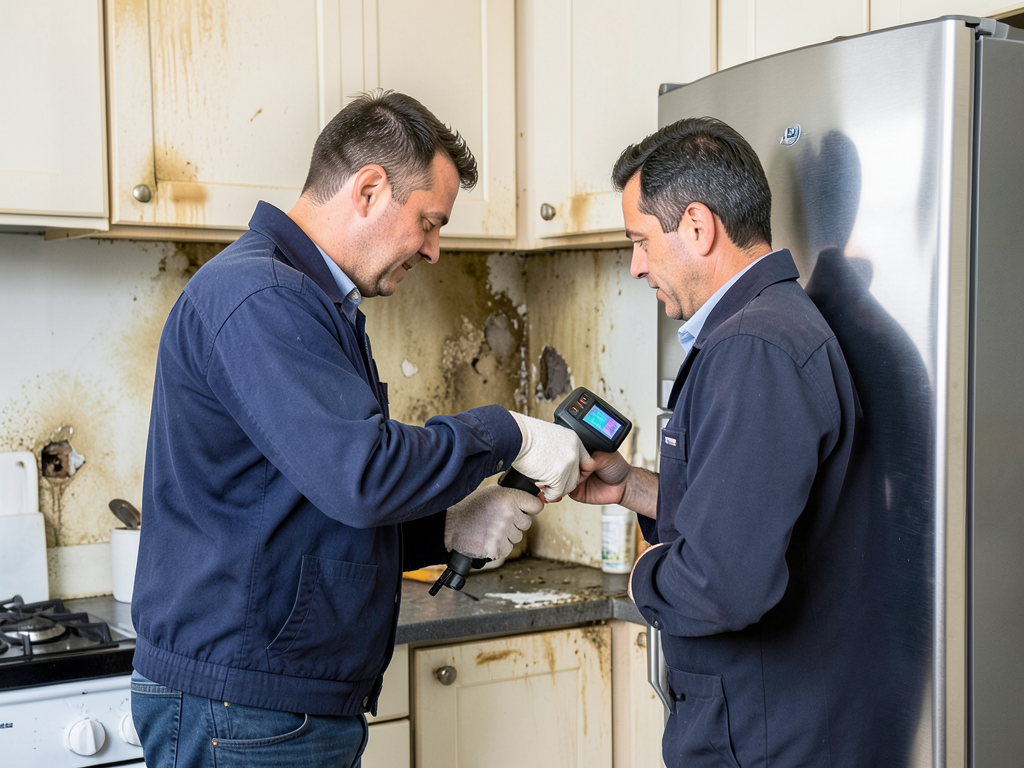
Why your ice maker line is a ticking time bomb for your kitchen floor Ice maker supply lines are one…

Why your ice maker line is a ticking time bomb for your kitchen floor

Why your ice maker line is a ticking time bomb for your kitchen floor Ice maker supply lines are one…

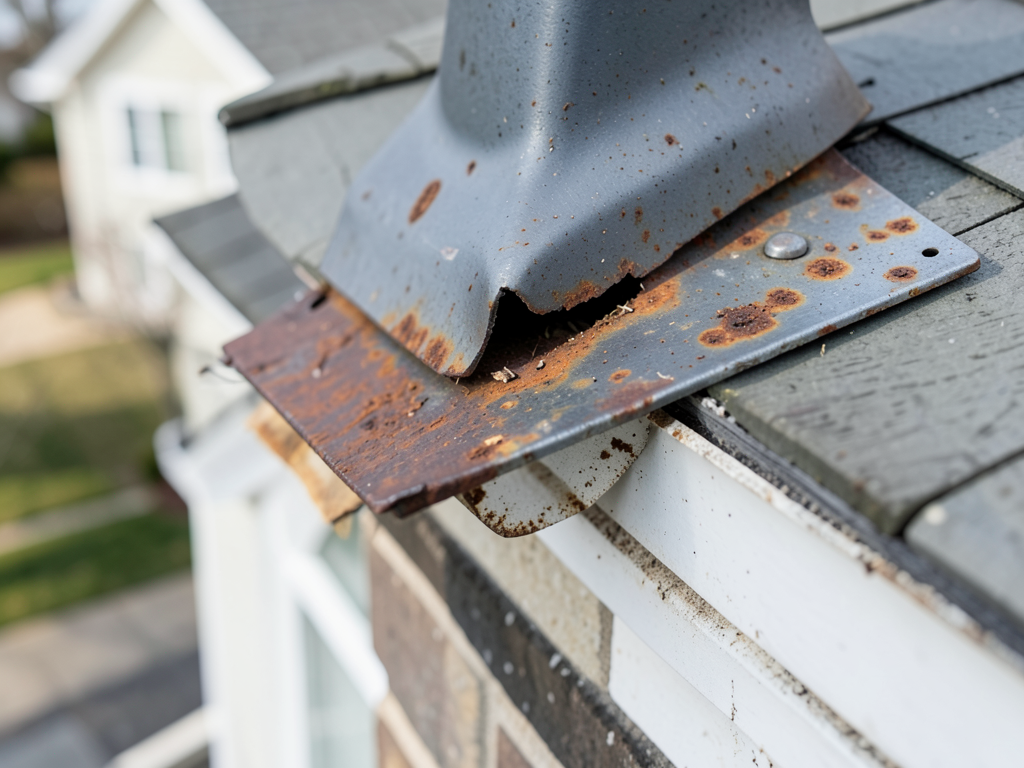
How to spot the signs of a chimney leak before it ruins your Riverside living room

How to spot the signs of a chimney leak before it ruins your Riverside living room Your chimney is more…

The most common plumbing mistakes Riverside DIYers make that lead to floods

The most common plumbing mistakes Riverside DIYers make that lead to floods DIY plumbing projects in Riverside often start with…

Contact Us

Do not let visible mold growth compromise your health or property value. Call (951) 309-5499 now for same-day inspection scheduling. We provide honest assessments, transparent pricing, and safe remediation backed by lab-verified results.