menu

How Long Does Drying Take? in Riverside | Get Your Timeline in 60 Minutes or Less

We answer your most critical question about water damage drying time with a free onsite assessment, giving you an exact structural drying duration based on your Riverside property's unique moisture levels, materials, and damage severity.

Slider Image 1
Slider Image 2
Slider Image 3
Slider Image 4
Slider Image 5
Slider Image 7
Slider Image 8
Slider Image 9
Slider Image 10
Slider Image 11

Why Riverside Homeowners Need Accurate Drying Timelines

You need to know how long this will take. Your family is displaced, your insurance company is asking questions, and you are watching the clock.

The truth is, water damage drying time in Riverside depends on factors most people do not consider. Our inland climate creates unique challenges. Summer temperatures exceed 100 degrees, which can cause rapid evaporation on surfaces while trapping moisture deep in wall cavities. Winter humidity spikes during our brief rainy season saturate materials faster than coastal areas experience.

The structural drying duration for a flooded kitchen differs completely from a slow toilet leak that went unnoticed for weeks. A burst pipe in a single-story ranch home dries differently than water cascading through a two-story Victorian in the Northside Historic District. Your flooring type matters. Your wall construction matters. The source of the water matters.

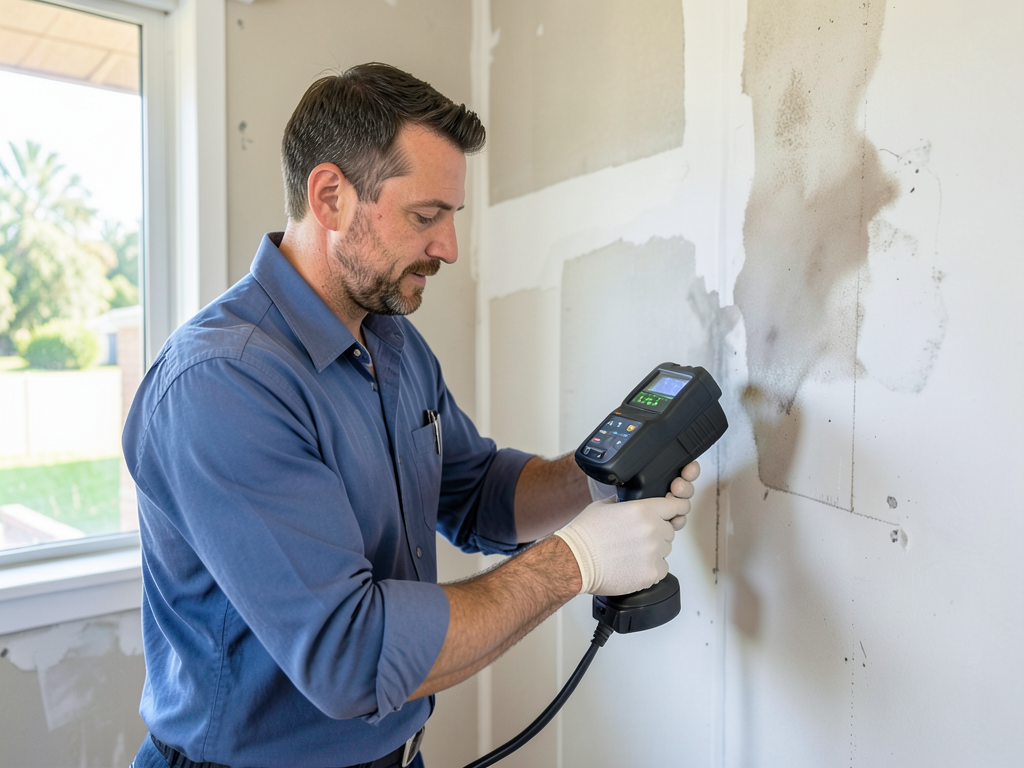
Most contractors give you a generic answer because they want your business. We measure moisture levels with thermal imaging cameras and hygrometers at multiple depths before we tell you anything. The time to dry out water damage in your property is not the same as your neighbor's, even if the damage looks identical from the outside.

Riverside's clay-heavy soil also affects foundation moisture. When exterior drainage pushes water against foundation walls, interior drying equipment must work against constant exterior pressure. This extends the water restoration drying timeline in ways that do not happen in sandy-soil regions.

You deserve facts, not estimates. The drying process length starts with accurate diagnostics.

Why Riverside Homeowners Need Accurate Drying Timelines
How We Calculate Your Exact Drying Timeline

How We Calculate Your Exact Drying Timeline

We do not guess. We measure.

Our technicians map your property room by room, documenting moisture content in structural materials using penetrating and non-penetrating sensors. We test drywall, subflooring, framing lumber, and concrete at multiple points. Each material has a different drying curve. Gypsum drywall releases moisture faster than OSB subflooring. Solid hardwood flooring behaves differently than engineered planks.

We create a psychrometric chart for your property. This plots the relationship between temperature, humidity, and moisture content in the air. By controlling these variables with commercial dehumidifiers and air movers, we accelerate evaporation without causing secondary damage. Too much heat warps hardwood. Too much airflow without dehumidification just moves wet air around.

Riverside homes built before 1980 often have different ventilation characteristics than modern construction. Older homes may have plaster walls over wood lath, which holds water differently than modern drywall. We adjust equipment placement and drying protocols based on your building's age and construction type.

Category 1 water from a clean source dries faster than Category 3 water contaminated with sewage. We classify the water source, measure the affected square footage, and calculate the grain depression required to reach your target dryness level. This determines equipment quantity and runtime.

You get a written drying plan with daily moisture readings. We show you the numbers dropping. When subfloor moisture content matches the manufacturer's installation specs, we stop. When wall cavities read below 15 percent moisture content, we approve reconstruction. No shortcuts.

What Happens During Your Drying Timeline

How Long Does Drying Take? in Riverside | Get Your Timeline in 60 Minutes or Less
01

Initial Moisture Mapping

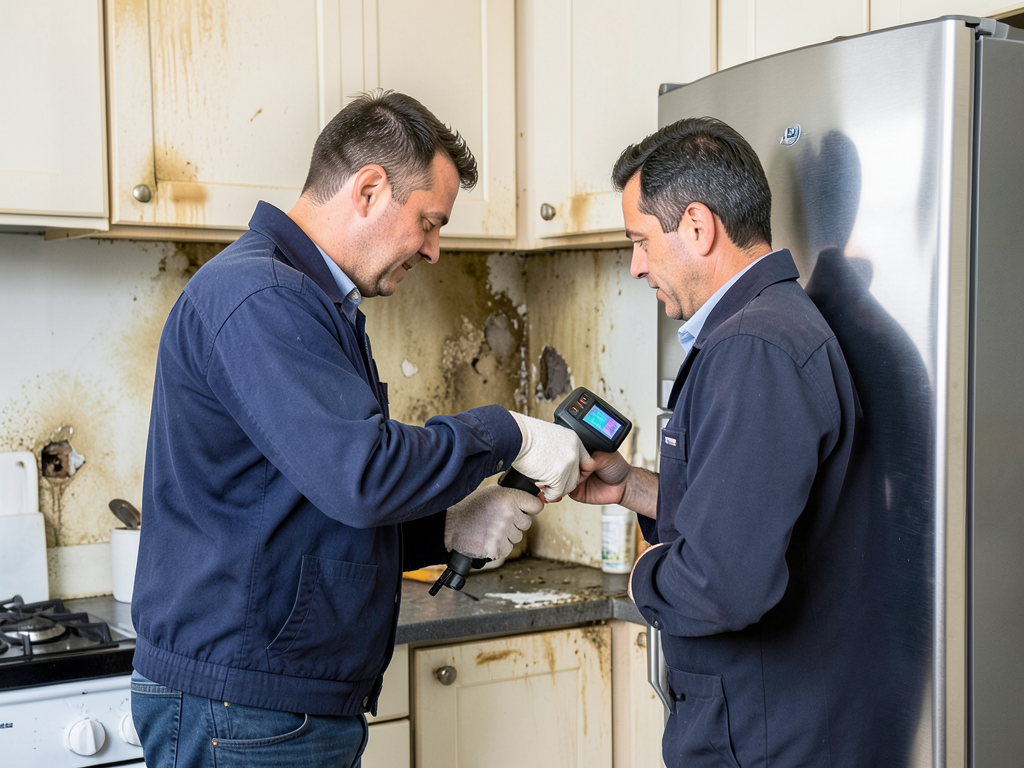
We document baseline moisture levels throughout all affected areas within the first hour of arrival. Our technicians use thermal cameras to identify hidden moisture in wall cavities and ceilings that you cannot see. We record readings in a digital log that tracks progress through the entire water restoration drying timeline, giving your insurance adjuster the documentation they require for claim approval.
02

Equipment Deployment and Monitoring

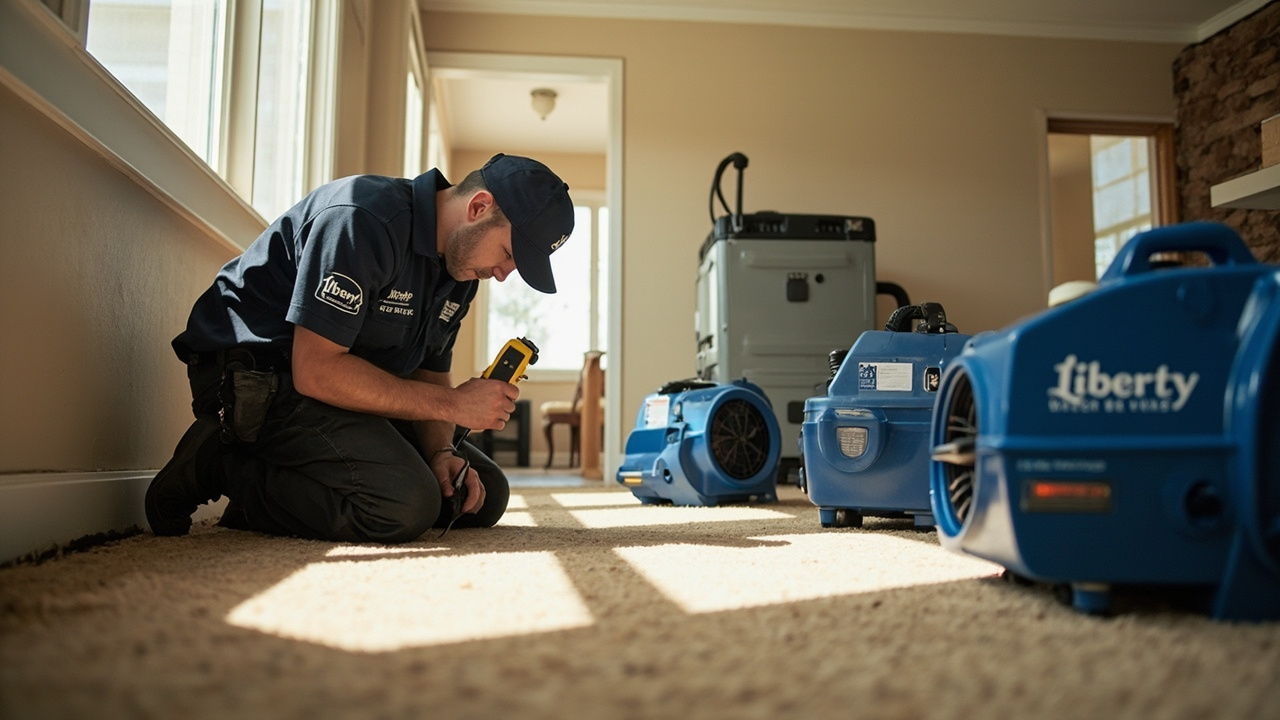
We position high-velocity air movers and commercial dehumidifiers based on your specific moisture map, not a generic room count. Our equipment runs continuously with remote monitoring that alerts us to power failures or humidity spikes. We visit your property daily to take fresh moisture readings and adjust equipment placement as drying progresses. You see measurable improvement every 24 hours.
03

Dry Standard Verification

We do not remove equipment until moisture readings match industry dry standards for your specific materials. Final verification includes testing previously wet areas against unaffected control areas in your home. You receive a completion certificate with documented proof that structural drying duration met IICRC S500 standards. This protects you from future mold liability and satisfies insurance requirements for claim closure.

Why Riverside Trusts Our Drying Expertise

We have dried properties in every Riverside neighborhood. From the Craftsman homes near Mount Rubidoux to the ranch houses in La Sierra, we understand how local construction styles affect drying performance.

Riverside building codes require specific moisture barriers in newer construction. We know which homes have vapor barriers under slab foundations and which do not. This changes our drying strategy completely. Homes near the Santa Ana River corridor face different humidity challenges than properties in the Arlington Heights area. Elevation matters. Proximity to the riverbed matters.

Our equipment inventory includes specialty tools for unique situations. Low-profile air movers fit under cabinets in galley kitchens. Desiccant dehumidifiers work in unheated spaces where refrigerant models fail. We carry enough equipment to dry a 3,000-square-foot home simultaneously rather than moving units from room to room and extending your timeline.

We communicate with your insurance adjuster directly. Most water damage claims in Riverside involve State Farm, Farmers, or Allstate. We know what documentation each carrier requires. We photograph moisture readings with date stamps. We provide daily logs. We explain why your specific water damage drying time differs from their estimating software.

You will not get surprise bills. We provide a drying estimate after initial assessment, and we stick to it unless we discover hidden damage that changes the scope. If we find moisture in a wall cavity that was not visible during inspection, we call you before we cut access holes.

Local expertise means we finish faster with better results.

What Your Drying Process Includes

Response Time and Assessment

We arrive within 60 minutes of your call for emergency water damage. Our initial assessment takes 45 to 90 minutes depending on property size. You receive a written drying plan before we leave, including estimated structural drying duration based on measured moisture levels. We start equipment placement immediately if you approve the scope. For insurance claims, we coordinate with your adjuster to begin emergency mitigation while approval processes, preventing additional damage that extends the water restoration drying timeline.

Daily Monitoring and Adjustments

Our technicians visit your property every 24 hours during active drying. We take fresh moisture readings at the same test points to track evaporation rates. If readings plateau, we adjust equipment placement or add capacity. We document temperature and relative humidity in each affected room. You receive text updates with current readings and projected completion dates. This daily verification ensures your time to dry out water damage stays on schedule without guessing or delays.

Documented Dry Certification

When moisture readings reach acceptable levels, we perform final verification testing. We compare affected areas against unaffected control areas in your home to confirm materials have returned to normal moisture content. You receive a completion certificate with before and after readings, equipment logs, and thermal images. This documentation proves the drying process length met industry standards, protecting you from future claims of incomplete drying or mold liability. Insurance companies require this proof for claim closure.

Post-Drying Consultation

After equipment removal, we walk through your property to discuss next steps. We identify which materials can be saved and which require replacement. We explain why certain areas dried faster than others. If you need reconstruction referrals, we connect you with licensed contractors familiar with Riverside building codes. We remain available for 30 days after completion if questions arise during your insurance settlement or reconstruction phase. Your final report includes recommendations for preventing future water damage based on what we discovered during drying.

Frequently Asked Questions

You Have Questions,
We Have Answers

How long does normal drying take? +

Water damage drying in Riverside typically takes 3 to 5 days for structural materials like drywall, flooring, and framing. The timeline depends on the extent of saturation, humidity levels, and airflow. Riverside's dry climate helps, but indoor moisture trapped in walls or subfloors requires professional-grade dehumidifiers and air movers. Hardwood floors may need 7 to 10 days. Concrete slabs can take weeks. We use moisture meters to track progress daily. Rushing the process risks mold growth within 24 to 48 hours. Complete drying ensures your home is safe for repairs and prevents long-term structural issues.

Is 40 minutes enough for a dryer? +

For water damage drying, 40 minutes is nowhere near sufficient. Industrial drying equipment runs continuously for days, not minutes. Air movers and dehumidifiers work together to remove moisture from walls, subfloors, and cavities. In Riverside, even with low ambient humidity, saturated building materials need extended drying cycles. We monitor moisture levels every 12 to 24 hours using thermal imaging and hygrometers. A single 40-minute session only addresses surface moisture. Deep saturation in drywall or insulation requires 72 hours minimum. Cutting corners on drying time leads to hidden mold, odors, and structural damage that costs more to fix later.

Is 30 minutes enough to dry clothes? +

Thirty minutes of drying time is inadequate for water damage restoration. Unlike laundry, building materials absorb water deeply into porous surfaces. Drywall, insulation, and subflooring hold moisture for days. In Riverside homes, especially those with stucco exteriors and older construction, trapped moisture spreads quickly. Professional drying involves strategic equipment placement running nonstop for 3 to 5 days. We measure moisture content in multiple locations, adjusting airflow and dehumidification as needed. Surface drying in 30 minutes is misleading. You need complete evaporation from all affected materials to prevent mold, warping, and odor. Shortcuts create bigger problems down the road.

Why is my dryer taking 3 hours? +

If your water damage drying is taking 3 hours instead of days, you are only addressing surface moisture. Proper structural drying in Riverside requires 72 to 120 hours of continuous equipment operation. Extended timelines happen when water reaches hidden cavities, crawl spaces, or gets trapped under flooring. Riverside's older homes with stucco and plaster walls absorb water differently than modern construction. High initial moisture readings, poor ventilation, or secondary damage from sewage or flooding extend drying time. We use moisture mapping to identify problem areas. Three hours scratches the surface. Complete drying protects your investment and prevents mold colonization.

Can overloading a dryer cause damage? +

Overloading drying equipment or affected areas slows evaporation and increases damage risk. Cramming too many air movers in one room without proper dehumidification raises humidity levels instead of lowering them. In Riverside, where indoor and outdoor humidity fluctuates, balanced equipment placement is critical. Overloading also stresses building materials. Rapid drying of hardwood floors without monitoring causes cupping or cracking. Too much heat on drywall can cause paint blistering. We calculate the correct number of air movers and dehumidifiers based on room size, moisture levels, and material type. Precision prevents additional damage and ensures efficient drying without overworking your structure.

Is it cheaper to air dry or use a dryer? +

Air drying is cheaper upfront but costs more in water damage scenarios. Relying on natural evaporation in Riverside takes weeks and invites mold growth within 24 to 48 hours. Professional drying equipment uses electricity, but it prevents tens of thousands in mold remediation, structural repairs, and health issues. Insurance typically covers professional drying costs after a water loss. Air drying also fails to reach hidden moisture in walls, subfloors, and insulation. Equipment rental without expertise wastes money on incomplete results. We balance energy efficiency with speed, using targeted airflow and dehumidification. The cost of proper drying is a fraction of the expense of ignoring it.

How to speed up a dryer? +

Speed up water damage drying by increasing airflow and reducing humidity simultaneously. Place air movers at 45-degree angles to surfaces, creating a vortex effect that accelerates evaporation. Pair them with commercial dehumidifiers rated for the square footage. In Riverside, open windows only if outdoor humidity is below 40 percent. Remove standing water immediately with extractors. Strip wet materials like carpet padding and baseboards to expose subflooring. Use thermal imaging to find hidden moisture pockets. Increase temperature slightly to boost evaporation rates without damaging materials. Professional equipment moves 10 times the air volume of box fans. We optimize placement based on moisture readings, not guesswork.

How long is too long for a dryer? +

Drying should never exceed 7 days for standard water damage in Riverside. If equipment runs longer, you are dealing with ongoing moisture intrusion, hidden leaks, or dense materials like concrete. Extended drying times increase mold risk and utility costs. Most residential water damage dries in 3 to 5 days with proper equipment. Hardwood and tile may need 7 days. Anything beyond that signals a problem. We re-inspect daily, adjusting equipment and investigating slow-drying areas. Prolonged drying often means water is still entering the structure or ventilation is insufficient. Time matters. The longer materials stay wet, the greater the secondary damage. We find the source and stop it.

How long do 3 loads of laundry take? +

Three separate water damage areas in Riverside can take 5 to 7 days to dry simultaneously with adequate equipment. Each area needs its own air movers and dehumidification capacity. Running equipment in sequence instead of parallel triples your timeline and mold risk. We calculate total affected square footage and moisture load, then deploy enough machines to handle all three zones at once. Shared dehumidifiers work if areas are connected, but isolated rooms need dedicated units. Drying three flooded bathrooms differs from three bedrooms due to tile versus carpet. We customize the approach based on materials, saturation levels, and airflow paths. Parallel drying saves time and money.

What's the quickest way to dry clothes? +

The quickest way to dry water damage in Riverside is professional extraction followed by strategic equipment placement. Remove standing water with truck-mounted extractors first. Strip saturated materials like carpet padding and drywall if needed. Position air movers to create cross-ventilation, pushing moisture toward dehumidifiers. Use axial fans for large spaces and centrifugal fans for tight areas. Run equipment 24/7 without breaks. Increase indoor temperature to 75 to 80 degrees to accelerate evaporation. Monitor moisture levels every 12 hours and adjust equipment as readings drop. DIY methods take weeks. Professional systems dry most homes in 3 to 5 days, preventing mold and structural damage.

How Riverside's Inland Climate Affects Your Water Damage Drying Time

Riverside sits 817 feet above sea level in an inland valley that experiences extreme temperature swings. Summer afternoons exceed 100 degrees while nights drop to the 60s. This temperature differential affects structural drying duration in ways coastal regions never experience. Hot daytime air accelerates surface evaporation, but cooler nights cause humidity to spike inside wall cavities where moisture remains trapped. Winter rainy seasons saturate materials faster because our clay soil prevents natural drainage. Properties near the Santa Ana River or in the historic downtown district face higher ambient humidity that extends the water restoration drying timeline compared to homes in drier foothill neighborhoods like La Sierra.

Riverside's building stock ranges from 1890s Victorian homes in the Heritage House district to modern construction in Orangecrest. Each era used different materials and building techniques that affect drying. Older homes often lack vapor barriers, use solid lumber framing that holds moisture longer, and have plaster walls over wood lath instead of modern drywall. We adjust our drying protocols based on your property's age and construction type because the time to dry out water damage in a 1920s Craftsman bungalow differs completely from a 2015 tract home. Local expertise matters when calculating accurate structural drying duration for Riverside properties.
Water Damage Restoration Services in The Riverside Area

We are dedicated to serving the entire Riverside area and its neighboring communities with fast and reliable water damage restoration services. Whether you’re a resident or a business owner, our team is ready to respond to your call. Use the map below to see our service area, or call us directly to confirm if we can dispatch a team to your location for an immediate emergency response.

Address:
Liberty Water Damage Restoration Riverside, 11801 Pierce St, Riverside, CA, 92505

Additional Services We Offer

Our news updates

Latest Articles & News from The Blogs

Why your ice maker line is a ticking time bomb for your kitchen floor Ice maker supply lines are one…

Why your ice maker line is a ticking time bomb for your kitchen floor

Why your ice maker line is a ticking time bomb for your kitchen floor Ice maker supply lines are one…

How to spot the signs of a chimney leak before it ruins your Riverside living room

How to spot the signs of a chimney leak before it ruins your Riverside living room Your chimney is more…

The most common plumbing mistakes Riverside DIYers make that lead to floods

The most common plumbing mistakes Riverside DIYers make that lead to floods DIY plumbing projects in Riverside often start with…

Contact Us

Stop guessing. Call Liberty Water Damage Restoration Riverside at (951) 309-5499 for a free onsite assessment. We measure your moisture levels and give you an accurate drying timeline within 60 minutes. Available 24 hours for emergency water damage.