menu

Steps to Take After a Flood in Riverside – Your Complete Recovery Checklist to Protect Your Home and Health

Get the exact post-flood recovery checklist Riverside homeowners need to prevent mold, structural damage, and insurance complications after water enters your property.

Slider Image 1
Slider Image 2
Slider Image 3
Slider Image 4
Slider Image 5
Slider Image 7
Slider Image 8
Slider Image 9
Slider Image 10
Slider Image 11

Why Riverside Floods Create Unique Recovery Challenges

When floodwater invades your home, you face a ticking clock. The Santa Ana River basin and Riverside's position along multiple flood zones mean heavy rain overwhelms storm drains fast. Water pushes into crawl spaces, seeps through foundation cracks common in our area's expansive clay soil, and saturates drywall within hours.

You need to know what to do after a house flood because standing water starts breeding mold colonies in 24 to 48 hours. The longer contaminated water sits on your flooring and inside wall cavities, the more your restoration costs climb. Riverside's warm climate accelerates bacterial growth in floodwater, which often carries sewage, pesticides, and chemicals from roadways.

Your immediate actions after flooding determine whether you save your belongings or lose them. Most homeowners waste critical hours trying to figure out their post-flood recovery checklist while hidden moisture migrates through building materials. Water damage clean up steps must happen in a specific order to prevent secondary damage.

The flood may have receded from your street, but moisture remains trapped in subflooring, insulation, and wall studs. You cannot see the damage spreading behind baseboards and under cabinets. Without proper extraction equipment and dehumidification, your home becomes a breeding ground for toxic mold that threatens your family's respiratory health.

This guide to handling flood damage walks you through each critical decision point. You will learn which steps protect your insurance claim, when to call professionals, and how to prevent the hidden damage that shows up months later.

Why Riverside Floods Create Unique Recovery Challenges
The Critical First 24 Hours After Floodwater Enters Your Home

The Critical First 24 Hours After Floodwater Enters Your Home

Speed determines everything in water damage scenarios. The first hour after you return to a flooded home requires careful safety checks before you enter. Turn off electrical power at the breaker box if you can access it safely. Floodwater conducts electricity and creates electrocution hazards until you confirm power is off.

Document everything with photos and video before you move a single item. Your insurance adjuster needs visual proof of water levels, damaged belongings, and affected areas. Walk through each room and record the extent of saturation. This documentation protects your claim from disputes later.

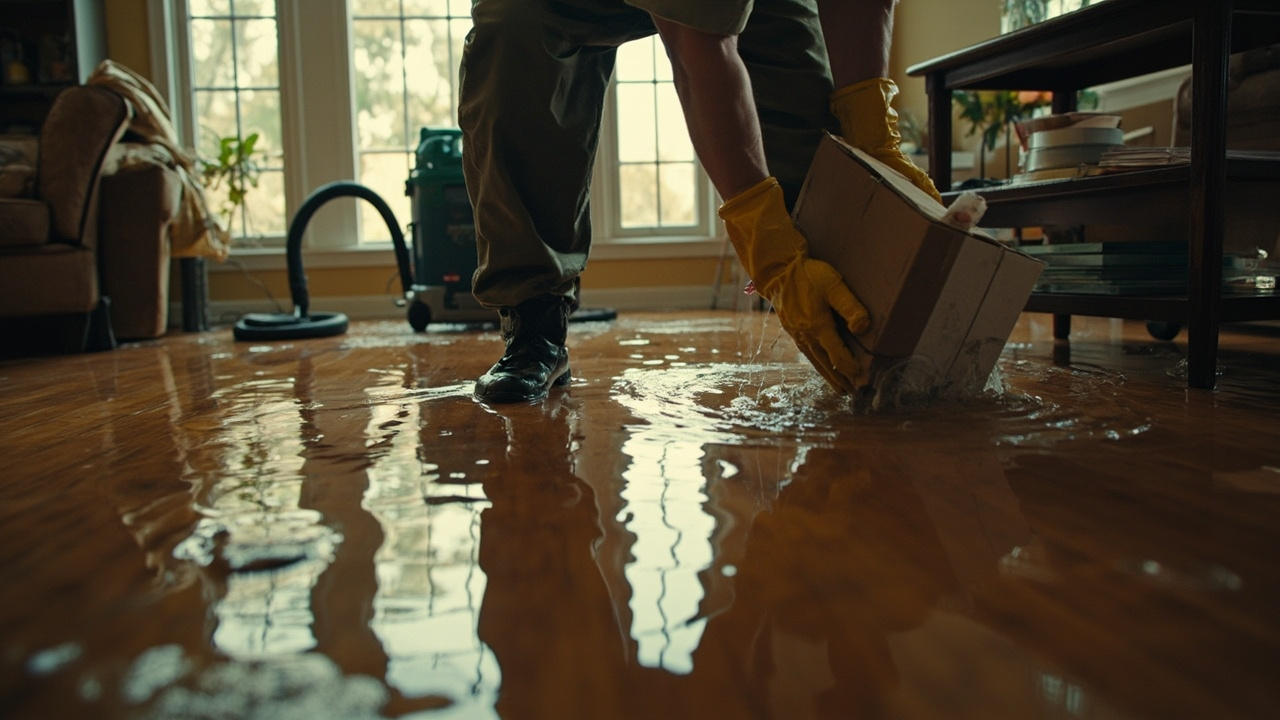
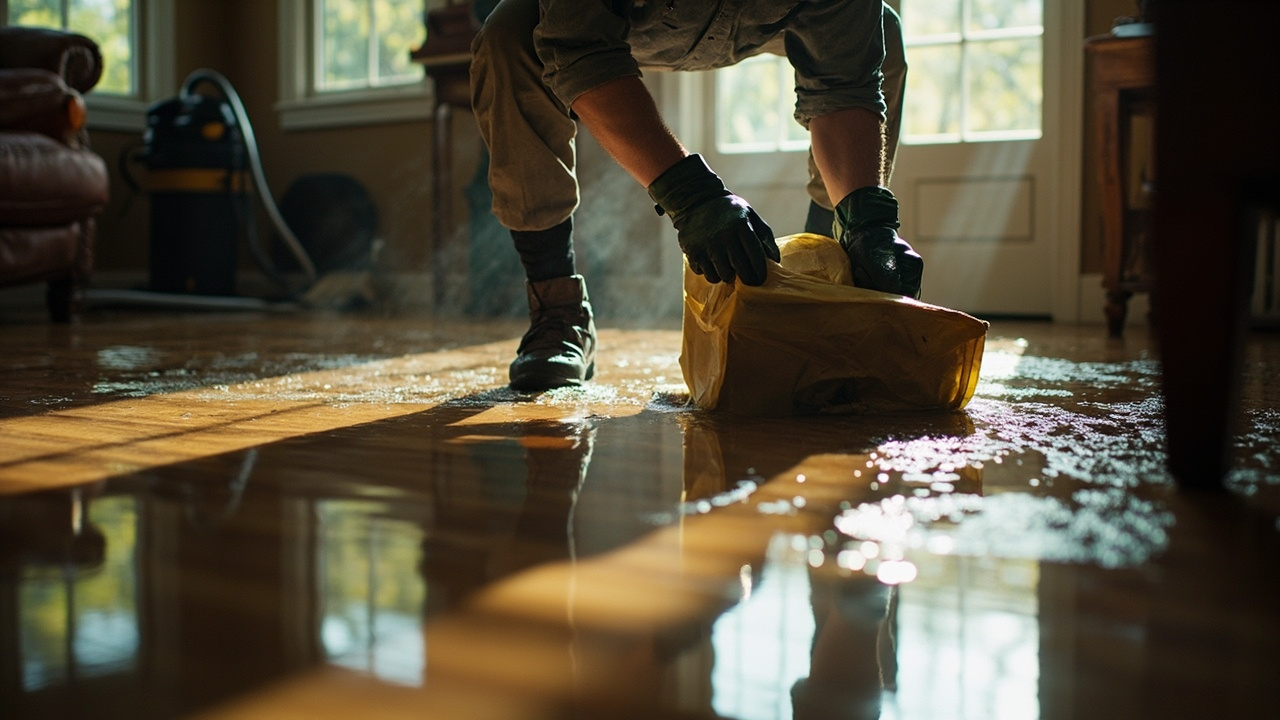
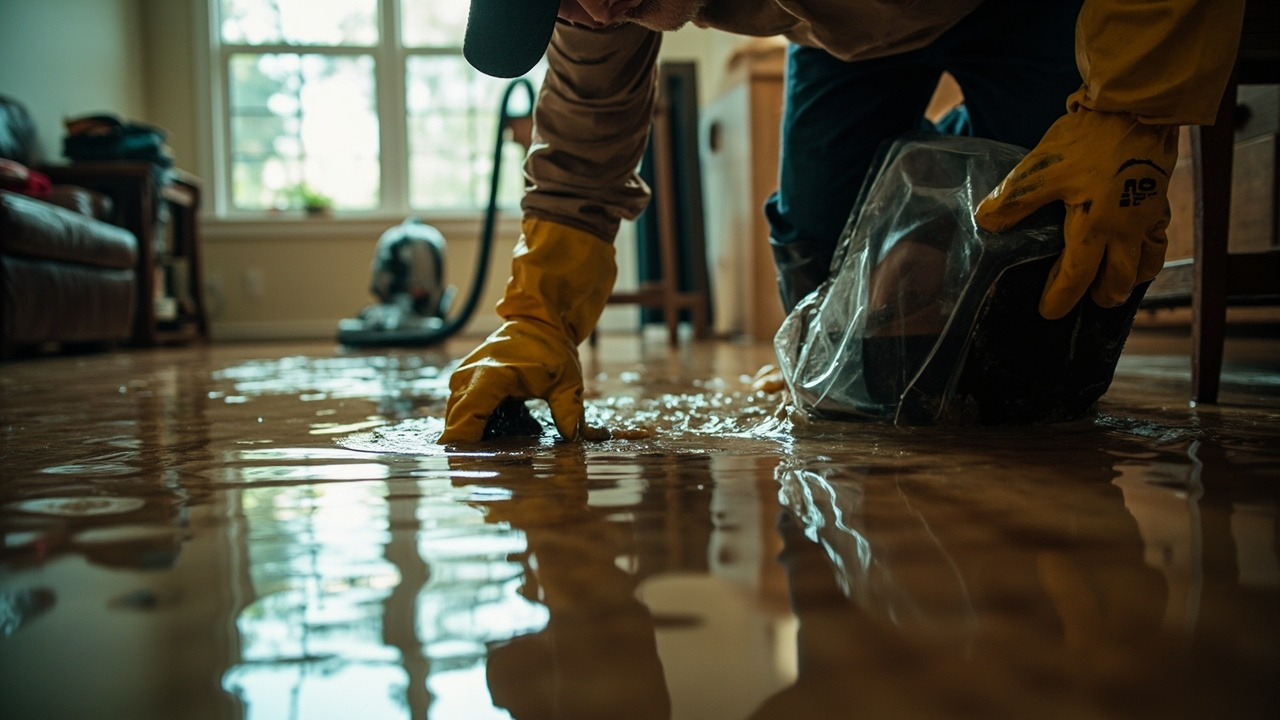
Start water extraction immediately. Standing water continues damaging materials every minute it remains. You need truck-mounted extractors that pull thousands of gallons per hour, not a wet vacuum from the hardware store. Professional extraction equipment removes water from carpet padding, concrete pores, and subflooring that household tools cannot reach.

Remove soaked materials that cannot be saved. Drywall wicks water upward through capillary action. You must cut out wet drywall at least 12 inches above the visible water line to stop contamination from spreading. Carpet padding holds water and contaminants, creating a bacterial reservoir under your feet. It must be discarded.

Set up industrial dehumidifiers and air movers within hours, not days. These machines create the airflow patterns and humidity control needed to dry structural materials before mold spores activate. A single box fan will not create enough air movement to dry wall cavities and under cabinets.

Liberty Water Damage Restoration Riverside responds with truck-mounted extraction units, commercial dehumidifiers, and thermal imaging cameras that detect hidden moisture in walls and ceilings. We map moisture levels and track drying progress with calibrated meters, ensuring complete drying before we close up walls.

Your Step-by-Step Flood Recovery Timeline

Steps to Take After a Flood in Riverside – Your Complete Recovery Checklist to Protect Your Home and Health
01

Emergency Safety Assessment

Before you step inside, we verify structural stability and check for electrical hazards, gas leaks, and sewage contamination. Our team identifies which areas are safe to enter and which require remediation before occupancy. We test water for contaminants and categorize the damage level, which directly impacts your restoration approach and insurance coverage requirements.
02

Water Extraction and Drying

We deploy truck-mounted extractors to remove standing water, then position commercial air movers and dehumidifiers to create controlled drying conditions. Our technicians use moisture meters to track drying progress in floors, walls, and structural members. We remove unsalvageable materials like soaked insulation and baseboards, exposing wall cavities for complete drying before mold can establish colonies.
03

Sanitization and Restoration Prep

Once materials reach acceptable moisture levels, we apply antimicrobial treatments to all affected surfaces. This prevents bacterial growth and deactivates mold spores that survived the drying process. We provide detailed moisture readings and photographic documentation for your insurance claim, then outline the reconstruction scope needed to return your home to pre-flood condition.

Why Riverside Homeowners Trust Local Flood Recovery Experts

Riverside's flooding patterns follow predictable paths tied to our geography. The Santa Ana River, Coyote Creek, and Tequesquan Creek all drain through residential areas when storm systems overwhelm capacity. Homes near Arlington, Northside, and the downtown historic district face recurring flood risks that out-of-town restoration companies do not understand.

We know which neighborhoods built on floodplain soil experience foundation seepage during winter storms. We recognize the difference between clean water from a burst pipe and category three floodwater contaminated with sewage and chemicals. This distinction changes our entire remediation protocol and affects your insurance coverage classification.

Local building codes in Riverside require specific procedures for flood-damaged structures. We work within city inspection requirements and understand permitting for wall reconstruction and electrical system repairs. When you hire a company unfamiliar with Riverside's municipal codes, you risk failed inspections that delay your return home.

Your insurance company requires documented proof of proper drying procedures. We provide moisture logs, thermal images, and equipment placement records that satisfy adjuster requirements. These documents protect you from claim denials based on improper mitigation efforts. We communicate directly with your insurance representative to streamline the approval process.

Liberty Water Damage Restoration Riverside maintains relationships with local plumbers, electricians, and contractors who understand flood restoration timelines. When your project requires coordinated trades, we manage the schedule so work proceeds without delays. You get one point of contact instead of juggling multiple vendors.

Flood damage creates health hazards beyond visible water. Contaminants from street runoff, lawn chemicals, and sewage create toxic conditions. Our team follows IICRC protocols for category two and three water intrusion, protecting your family from exposure to pathogens during cleanup. We contain work areas and use HEPA filtration to prevent cross-contamination into unaffected rooms.

What Happens When You Call for Flood Recovery Services

Immediate Response Time

We dispatch teams within 60 minutes of your call. Flood damage worsens exponentially with each passing hour, so our rapid response prevents secondary damage that doubles restoration costs. Our trucks carry extraction equipment, air movers, and dehumidifiers ready to deploy the moment we arrive. You will not wait days for equipment rental or scheduling availability. We work around the clock during flood events, knowing that delayed response means mold growth and structural deterioration you cannot reverse. Night and weekend calls receive the same priority as weekday emergencies.

Complete Damage Assessment

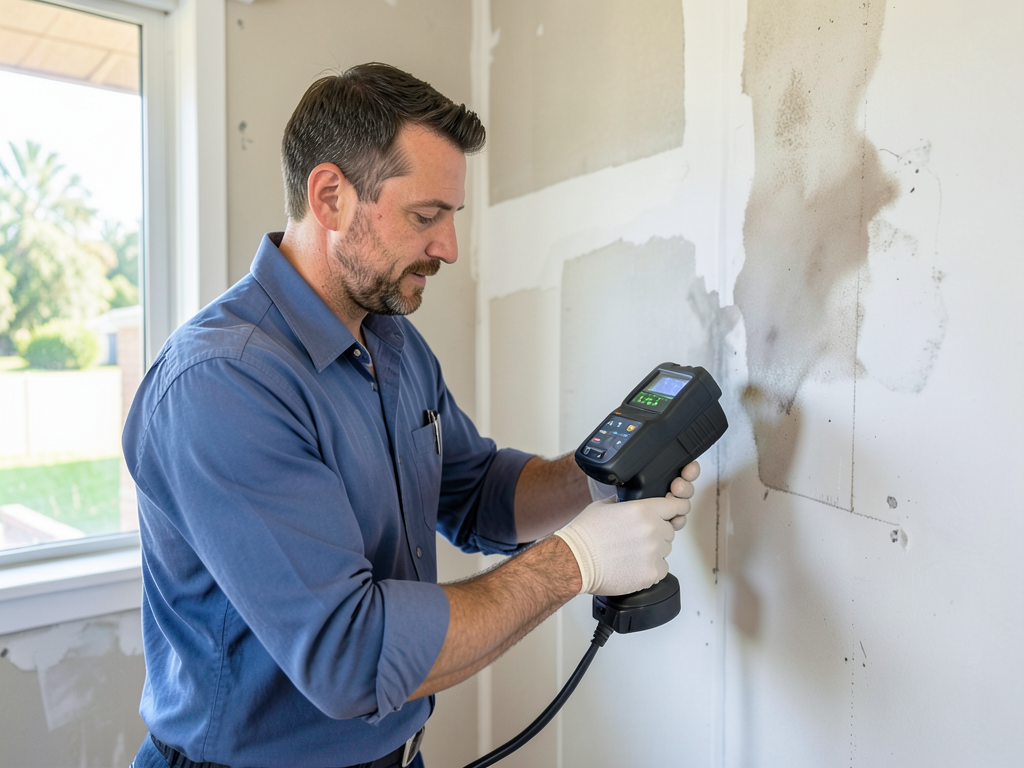
Our initial assessment maps every affected area using thermal imaging and moisture detection equipment. We test moisture levels in walls, under flooring, and inside cabinets to identify hidden saturation your eyes cannot detect. This assessment determines equipment placement, drying timelines, and which materials require removal versus restoration. We classify water contamination levels and document findings for your insurance claim. You receive a written scope of work explaining each step of the restoration process, material removal requirements, and projected timelines before work begins.

Monitored Drying Process

We do not guess when your home is dry. Our technicians take daily moisture readings and adjust equipment placement based on actual drying progress. Structural materials must reach specific moisture content levels before we consider them safe to close up. We track humidity levels, temperature, and airflow patterns to optimize drying conditions. This scientific approach prevents the premature removal of equipment that leaves hidden moisture pockets. Your home receives professional monitoring until every affected material meets industry drying standards verified by calibrated meters.

Post-Remediation Verification

After drying completes, we conduct final moisture testing and provide written certification of dry conditions. This documentation proves proper mitigation for your insurance company and protects you from future liability if mold appears. We explain ongoing monitoring steps you should take and provide guidance on reconstruction contractors if needed. Our relationship continues beyond equipment removal. If you notice issues during reconstruction, we return to verify moisture levels and ensure problems do not stem from incomplete drying. You receive support throughout your entire recovery process.

Frequently Asked Questions

You Have Questions,
We Have Answers

How Riverside's Santa Ana River Flooding Affects Your Recovery Timeline

The Santa Ana River watershed drains 2,650 square miles through Riverside, creating seasonal flooding that impacts thousands of homes. When heavy rainfall overwhelms the Prado Dam system upstream, water levels rise quickly in Arlington, La Sierra, and neighborhoods along Mission Inn Avenue. This river flooding differs from pipe bursts because it carries contaminated water classified as category three damage. Your cleanup protocol must include antimicrobial treatment and complete removal of porous materials like drywall and insulation. Riverside's clay-heavy soil compounds problems because saturated ground prevents water from draining away from foundations, creating ongoing seepage for days after visible flooding ends.

We work directly with Riverside's Building and Safety Division when flood damage requires permits for structural repairs or electrical work. Our familiarity with local inspection requirements prevents delays that extend your displacement timeline. We understand how Riverside's floodplain management ordinances affect reconstruction requirements in designated flood zones. This local knowledge matters when insurance adjusters question restoration approaches or dispute coverage. Our documentation follows both IICRC standards and Riverside municipal code requirements, protecting your claim from technical challenges that delay payment.
Water Damage Restoration Services in The Riverside Area

We are dedicated to serving the entire Riverside area and its neighboring communities with fast and reliable water damage restoration services. Whether you’re a resident or a business owner, our team is ready to respond to your call. Use the map below to see our service area, or call us directly to confirm if we can dispatch a team to your location for an immediate emergency response.

Address:
Liberty Water Damage Restoration Riverside, 11801 Pierce St, Riverside, CA, 92505

Additional Services We Offer

Our news updates

Latest Articles & News from The Blogs

Why your ice maker line is a ticking time bomb for your kitchen floor Ice maker supply lines are one…

Why your ice maker line is a ticking time bomb for your kitchen floor

Why your ice maker line is a ticking time bomb for your kitchen floor Ice maker supply lines are one…

How to spot the signs of a chimney leak before it ruins your Riverside living room

How to spot the signs of a chimney leak before it ruins your Riverside living room Your chimney is more…

The most common plumbing mistakes Riverside DIYers make that lead to floods

The most common plumbing mistakes Riverside DIYers make that lead to floods DIY plumbing projects in Riverside often start with…

Contact Us

Every hour you wait allows water to migrate deeper into your home's structure. Call Liberty Water Damage Restoration Riverside now at (951) 309-5499. Our team is ready to deploy extraction equipment and start protecting your property immediately.