menu

Cupping or Buckling Wood Floors in Riverside – Expert Diagnosis and Permanent Correction

We identify the moisture source causing your warped hardwood flooring, then restore structural stability to eliminate cupping or buckling wood floors before the damage spreads to subfloors or joists.

Slider Image 1
Slider Image 2
Slider Image 3
Slider Image 4
Slider Image 5
Slider Image 7
Slider Image 8
Slider Image 9
Slider Image 10
Slider Image 11

Why Riverside Homes Experience Warped Hardwood Flooring

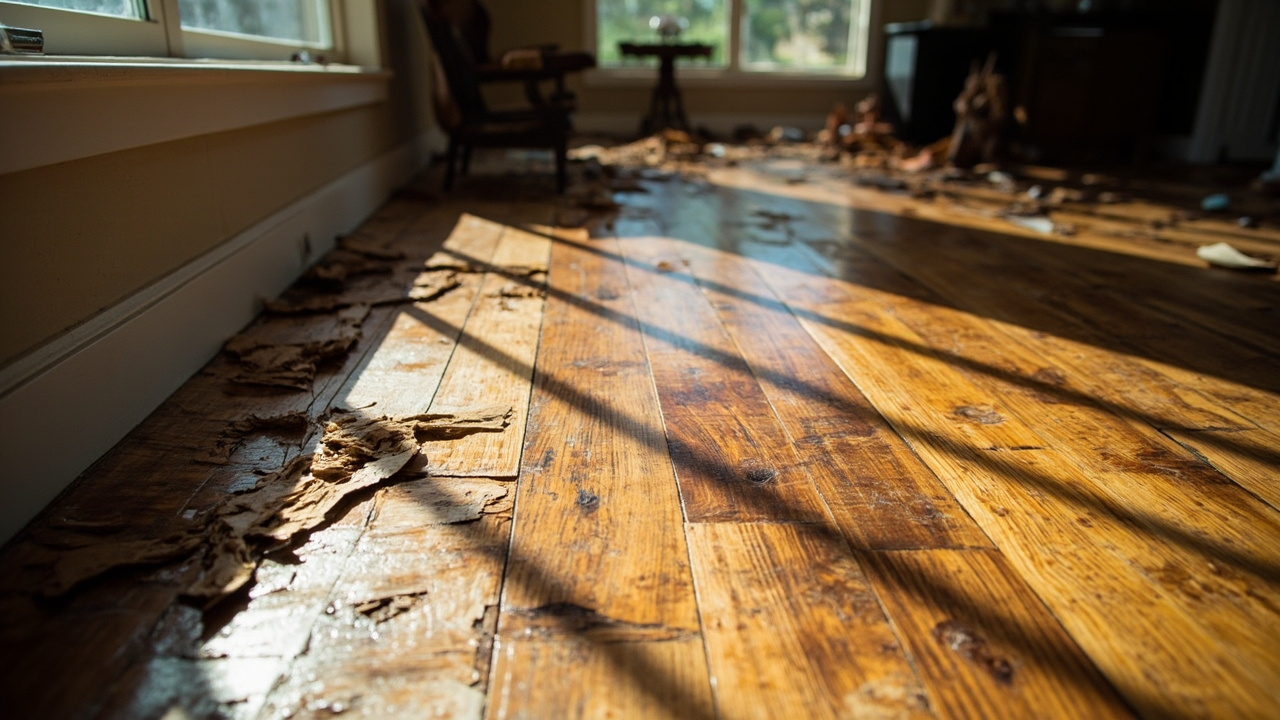
Riverside's proximity to the Santa Ana River and seasonal humidity swings create the perfect conditions for swollen wood planks. When moisture infiltrates hardwood flooring from below or above, the planks absorb water unevenly. The edges expand faster than the center, causing lifting floorboards that rise at the joints. You see peaking hardwood joints where boards crown upward, or cupping where edges lift while centers stay flat.

Most homeowners first notice raised wood floor edges in bathrooms, kitchens, or rooms adjacent to crawl spaces. The damage rarely stays isolated. Moisture migrates through subflooring, spreading to adjacent rooms within days. By the time you feel the uneven surface underfoot, the planks have already absorbed significant moisture.

Riverside's older homes often have shallow crawl spaces with inadequate vapor barriers. Winter rains saturate the ground beneath your home, releasing moisture vapor that rises into flooring cavities. Summer heat then accelerates evaporation, creating a cycle of expansion and contraction that destroys hardwood integrity.

Some buckling happens fast. A burst supply line or water heater failure floods a room in minutes, forcing planks to swell and lift within hours. Other cupping develops slowly over months as a hidden leak in a slab line or poorly vented crawlspace feeds moisture into the wood grain. Either way, the longer water sits, the deeper the damage penetrates. Subfloors rot, joists weaken, and mold colonizes the dark spaces between planks and underlayment.

You need more than fans and hope. You need moisture mapping, controlled drying, and subfloor assessment to determine if the planks can flatten or need replacement.

Why Riverside Homes Experience Warped Hardwood Flooring
How We Correct Cupping and Buckling in Hardwood Floors

How We Correct Cupping and Buckling in Hardwood Floors

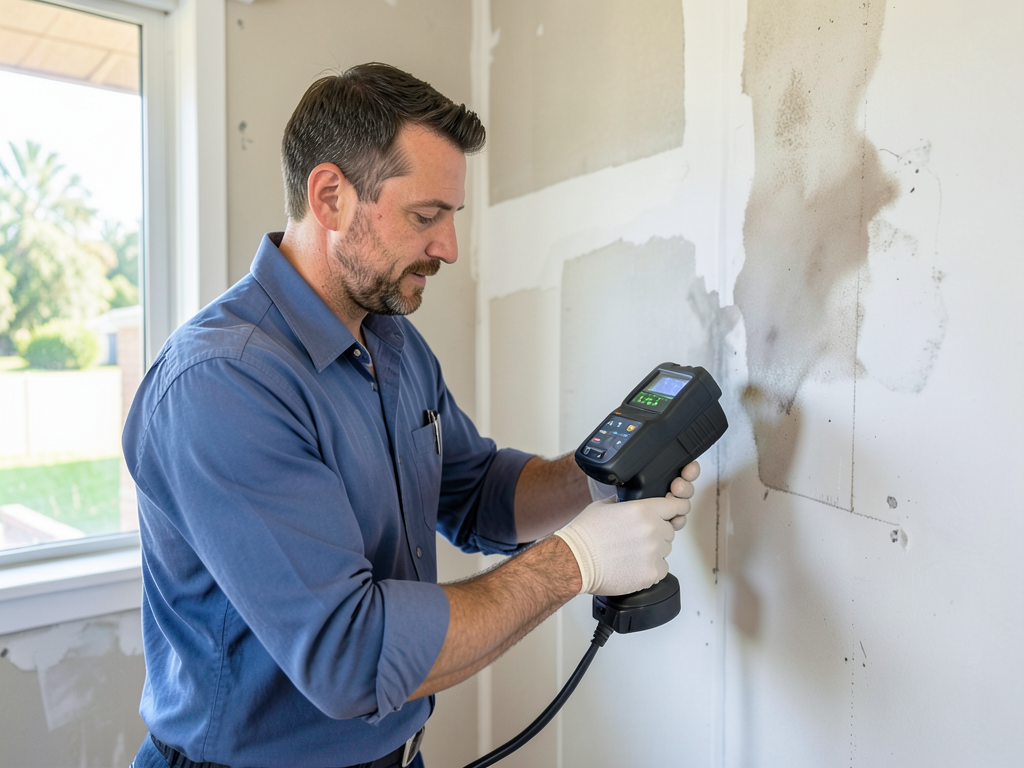
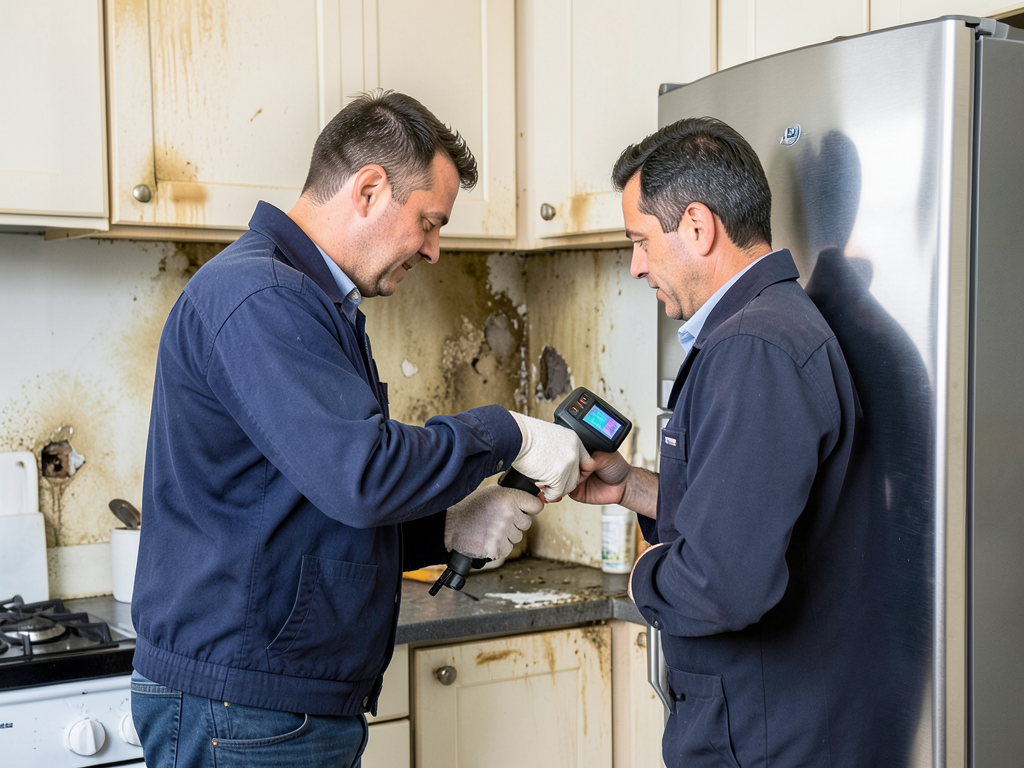
We start with moisture detection, not guessing. Pinless moisture meters scan the surface while penetrating probes measure moisture content deep in the plank. We map the affected area to find the wettest zones and identify the source. A thermal imaging camera reveals hidden moisture in subfloors and wall cavities that you cannot see.

Once we locate the source, we stop it. A leaking supply line gets capped, a failed wax ring gets replaced, or a crawl space gets sealed. Drying begins immediately. We do not open windows and hope. We use commercial dehumidifiers calibrated to your square footage and moisture load. Air movers create controlled airflow beneath and above the flooring, pulling moisture out of the wood grain without over-drying the surface.

We monitor moisture levels daily. Hardwood requires slow, controlled drying to avoid cracking or splitting. If we pull moisture too fast, the surface dries while the core stays wet, creating internal stress that cracks the planks. We adjust airflow and dehumidification based on real-time readings, bringing moisture content back to 6-9 percent, the safe range for Riverside's climate.

After drying, we assess the planks. Minor cupping often flattens as the wood releases moisture and returns to equilibrium. Severe buckling where planks have lifted more than a quarter inch usually requires removal and replacement. We check the subfloor for rot, sanding down high spots and replacing damaged sections. If the subfloor is compromised, the hardwood will never sit flat again, no matter how much you sand.

Liberty Water Damage Restoration Riverside handles the full correction, from moisture extraction to subfloor repair, so you get a flat, stable floor that stays flat.

What Happens When You Call About Warped Floors

Cupping or Buckling Wood Floors in Riverside – Expert Diagnosis and Permanent Correction
01

Moisture Assessment

We arrive with moisture detection equipment and map your floors room by room. Pinless meters scan the surface while penetrating probes measure moisture deep in the planks and subfloor. Thermal imaging reveals hidden water in cavities and wall bases. We identify the source, document the affected area, and calculate the moisture load to determine drying time and equipment needs.
02

Controlled Drying

We deploy commercial dehumidifiers and air movers to extract moisture from the wood grain and subfloor. Airflow is positioned to create circulation beneath the planks without over-drying the surface. We monitor moisture content daily, adjusting equipment placement and runtime based on readings. Hardwood dries slowly to prevent cracking. We target 6-9 percent moisture content, the stable range for Riverside's indoor climate.
03

Subfloor and Plank Repair

Once moisture levels stabilize, we remove planks that will not flatten and inspect the subfloor for rot or warping. Damaged sections are cut out and replaced with structurally sound material. We sand high spots flat, then reinstall or replace hardwood planks. Final moisture readings confirm the floor is dry and stable. You get a level surface ready for refinishing or immediate use.

Why Riverside Homeowners Trust Us With Wood Floor Damage

Riverside's mix of mid-century homes and newer construction requires different approaches. Older homes often have oak or maple floors nailed to plywood subfloors over shallow crawl spaces. Newer builds use engineered hardwood over concrete slabs with radiant heat. We adjust our drying methods based on your home's construction and the flooring type. Engineered hardwood has a thin veneer that cannot be sanded multiple times, so we prioritize drying over aggressive sanding. Solid hardwood tolerates more refinishing but requires slower moisture extraction to avoid cupping the opposite direction.

We know the common failure points in Riverside homes. Slab leaks are frequent in neighborhoods near the 91 and 60 interchange where older copper lines corrode under concrete. Crawl space moisture is a recurring issue in homes near the Arlanza and Eastside districts where groundwater sits close to the surface after winter rains. We have repaired flooring in bungalows near Mount Rubidoux and newer tract homes in Canyon Crest, so we understand the local variables that cause moisture intrusion.

Liberty Water Damage Restoration Riverside does not subcontract the drying or the repairs. The same team that assesses your floors completes the restoration. You deal with one crew, one timeline, and one point of contact from inspection to final walkthrough. We handle insurance documentation, including moisture logs and photo records that adjusters require for claims approval.

We also move fast when the damage is fresh. Cupping that develops over months is frustrating, but cupping from a sudden flood requires immediate response. We extract standing water, pull soaked padding, and begin drying within hours to minimize plank swelling and subfloor rot. Speed matters when moisture is actively spreading.

What You Can Expect From Floor Restoration

Response and Drying Timeline

We assess your floors the same day you call, often within hours if the damage is active. Drying equipment is placed immediately after we identify the moisture source and stop the water intrusion. Most hardwood floors require three to seven days of controlled drying depending on moisture content, plank thickness, and subfloor material. We check moisture levels daily and adjust equipment as needed. You receive a projected completion timeline after the initial assessment, and we update you if conditions change during drying.

Floor and Subfloor Inspection

We measure moisture content in multiple locations across the affected area, recording readings in the planks, subfloor, and adjacent materials. Thermal imaging shows us where water has migrated beyond the visible damage. We test for structural compromise in joists and beams if moisture has reached the framing. You get a written report detailing moisture levels, affected square footage, and repair recommendations. If the subfloor is sound and the planks are salvageable, we tell you. If replacement is necessary, we explain why and show you the evidence.

Final Floor Condition

After drying and repairs, your floor is structurally sound and level. Planks that flattened during controlled drying are sanded to remove surface irregularities and prepped for refinishing. Replaced sections match the surrounding wood species and grade. The subfloor is solid, with no soft spots or deflection. If you plan to refinish the entire floor, we coordinate timing so the surface is ready for staining and sealing. If you need the floor functional immediately, we ensure it is safe to walk on and furniture can be returned without risk of re-damaging the wood.

Prevention and Monitoring

We identify the conditions that caused the cupping and recommend corrections. That might mean improving crawl space ventilation, installing a vapor barrier, or repairing a chronic plumbing leak. We provide moisture readings for your records and suggest periodic checks if your home is in a high-risk area for groundwater intrusion or slab leaks. If the damage was covered by insurance, we supply all documentation your carrier needs for the claim. You also receive guidance on maintaining stable indoor humidity to prevent future warping, especially during Riverside's dry summer months when indoor moisture drops and planks contract.

Frequently Asked Questions

You Have Questions,
We Have Answers

What is the difference between cupping and buckling floors? +

Cupping happens when the edges of wood planks rise higher than the center, creating a concave shape. This occurs when moisture penetrates the bottom of the floor faster than the top. Buckling is more severe. The planks separate from the subfloor entirely and lift several inches, creating visible peaks or tent-like ridges. Buckling results from prolonged water exposure or extreme flooding, common after pipe bursts in older Riverside homes. Cupping is a moisture imbalance issue. Buckling is structural failure. Both require professional assessment, but buckling demands immediate intervention to prevent permanent damage.

Will cupped hardwood floors flatten out? +

Sometimes. If you catch cupping early and eliminate the moisture source, floors can flatten as they dry. This process takes weeks or months depending on humidity levels and wood species. Riverside's dry climate helps, but forced drying with fans or dehumidifiers can cause cracking. The key is controlled, gradual drying. If the wood was cupped for an extended period, the fibers may stay deformed. Professional moisture mapping determines if natural flattening is possible or if sanding and refinishing will be necessary after the wood stabilizes completely.

What does cupping look like on a wood floor? +

Cupped wood floors create a washboard effect across the surface. Run your hand perpendicular to the planks and you will feel the edges raised higher than the centers. Visually, the planks appear curved or dished when viewed from the side. Light reflects unevenly across cupped floors, creating shadows along plank edges. In severe cases, the cupping is visible from standing height. You might notice it first in high-traffic areas or near bathrooms and kitchens where water exposure is common. The texture feels uneven underfoot, especially noticeable when walking barefoot.

What does a buckled hardwood floor look like? +

A buckled floor shows dramatic lifting from the subfloor. Planks separate at the seams and rise several inches, creating peaks that run perpendicular to the wood grain. The surface looks warped and uneven, sometimes forming tent-like shapes. You cannot walk across buckled sections safely. The damage is obvious and severe. Buckling often occurs after significant water events like slab leaks or flooding, which Riverside homes experience during rare heavy rains or plumbing failures. The subfloor beneath is usually saturated. Buckled floors require immediate professional extraction and structural assessment.

Will buckled hardwood floors go back to normal? +

Rarely. Buckling indicates the wood absorbed massive amounts of water and the adhesive or fasteners failed. Even after drying, the planks remain distorted and the subfloor connection is compromised. The wood fibers compress and expand beyond their elastic limit. In most cases, buckled sections require removal and replacement. Attempting to flatten buckled floors without addressing subfloor damage creates future problems. Professional restoration involves moisture testing, subfloor inspection, and often partial floor replacement. The surrounding undamaged planks may be salvageable if dried properly and reinstalled correctly.

Can cupped hardwood floors be repaired? +

Yes, but success depends on severity and how quickly you act. Minor cupping often resolves with proper drying and humidity control. Moderate cupping may require professional sanding and refinishing after the wood stabilizes. Severe cupping might need plank replacement. The repair process starts with identifying and fixing the moisture source, whether it is a foundation issue, plumbing leak, or poor ventilation. Riverside's low humidity helps drying, but you must monitor moisture content with meters. Rushing repairs before the wood reaches equilibrium moisture content causes the problem to return.

How much does it cost to repair cupping wood floors? +

Repair costs vary based on damage severity, square footage, and wood type. Minor cupping correction through drying and monitoring costs less than extensive sanding or plank replacement. Most Riverside homeowners face costs ranging from inspection and moisture remediation to refinishing services. Factors affecting price include subfloor condition, whether planks need replacement, and finish type. Insurance may cover water damage repairs depending on the cause. Get multiple estimates and ensure contractors measure moisture levels before quoting work. Avoid companies that quote without proper assessment. The cheapest bid often creates bigger problems later.

What would cause hardwood floors to cup? +

Hardwood floors cup when moisture content differs between the top and bottom of planks. Common causes include water leaks beneath the floor, high subfloor moisture from concrete slabs, plumbing failures, or poor ventilation. In Riverside, irrigation systems placed too close to foundations push water under slabs. Improperly installed vapor barriers allow ground moisture to rise. Flooding from washing machine overflows or water heater failures saturates wood from below. High indoor humidity without ventilation creates imbalances. New concrete slabs release moisture for months, causing cupping if installers did not wait for proper curing.

Will a dehumidifier pull water from under the floor? +

A dehumidifier removes airborne moisture but does not extract standing water trapped beneath flooring. It helps dry the environment and pulls some moisture from exposed wood surfaces, but subfloor water requires direct extraction. If water sits between the flooring and subfloor, you need professional equipment like floor drying mats or injectidry systems that force air into the cavity. Dehumidifiers work as part of a complete drying strategy after extraction. In Riverside's dry climate, they speed surface drying but cannot replace proper water removal. Running one alone without addressing trapped moisture wastes time and money.

Is wood floor cupping permanent? +

Not always. Cupping permanence depends on exposure duration and wood response. Short-term cupping from minor leaks often reverses with proper drying. Long-term moisture exposure causes cellular damage that remains after drying. Some wood species recover better than others. Oak and maple handle moisture stress better than softer woods. If cupping persists after the floor reaches normal moisture content, sanding can level the surface, though you remove finish and some wood thickness. Persistent cupping after proper drying indicates you need professional refinishing. Ignoring it leads to finish cracking and plank splitting.

How Riverside's Seasonal Humidity Swings Cause Wood Floor Instability

Riverside experiences a 40-50 percent humidity swing between winter and summer. Winter rains saturate the ground and raise crawl space humidity, forcing moisture into hardwood from below. Summer heat drops indoor humidity to 20 percent or lower, pulling moisture out of the planks and causing them to contract. This cycle of expansion and contraction stresses the wood grain, creating cupping during wet months and gaps during dry months. Homes near the Santa Ana River or in low-lying areas like Arlanza face higher moisture exposure because groundwater sits closer to the surface, feeding vapor into crawl spaces year-round.

Liberty Water Damage Restoration Riverside understands the moisture dynamics specific to Inland Empire homes. We account for seasonal variables when drying hardwood, adjusting our equipment and timelines based on current outdoor humidity and temperature. We also recognize the construction differences between Riverside's older neighborhoods and newer developments, tailoring our approach to your home's age and foundation type. Local expertise matters because drying methods that work in coastal climates fail in Riverside's arid environment, where rapid moisture loss can crack planks as easily as excess water warps them.
Water Damage Restoration Services in The Riverside Area

We are dedicated to serving the entire Riverside area and its neighboring communities with fast and reliable water damage restoration services. Whether you’re a resident or a business owner, our team is ready to respond to your call. Use the map below to see our service area, or call us directly to confirm if we can dispatch a team to your location for an immediate emergency response.

Address:
Liberty Water Damage Restoration Riverside, 11801 Pierce St, Riverside, CA, 92505

Additional Services We Offer

Our news updates

Latest Articles & News from The Blogs

Why your ice maker line is a ticking time bomb for your kitchen floor Ice maker supply lines are one…

Why your ice maker line is a ticking time bomb for your kitchen floor

Why your ice maker line is a ticking time bomb for your kitchen floor Ice maker supply lines are one…

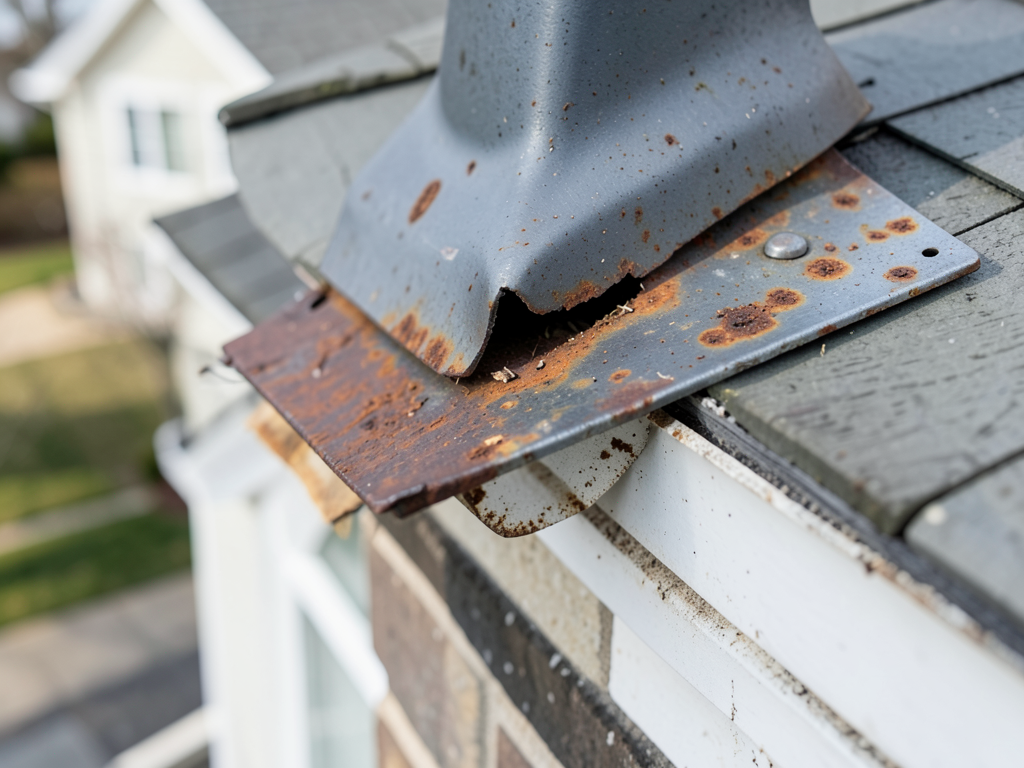
How to spot the signs of a chimney leak before it ruins your Riverside living room

How to spot the signs of a chimney leak before it ruins your Riverside living room Your chimney is more…

The most common plumbing mistakes Riverside DIYers make that lead to floods

The most common plumbing mistakes Riverside DIYers make that lead to floods DIY plumbing projects in Riverside often start with…

Contact Us

Warped hardwood spreads fast. Call Liberty Water Damage Restoration Riverside at (951) 309-5499 for same-day moisture assessment and controlled drying. We stop the damage and restore structural stability.