menu

How to Handle Insurance Claims in Riverside – Get Fast Claim Approval and Maximum Coverage for Water Damage

Learn the exact steps to document damage, communicate with adjusters, and navigate the water damage insurance claim process to maximize your payout and avoid common denials in Riverside.

Slider Image 1
Slider Image 2
Slider Image 3
Slider Image 4
Slider Image 5
Slider Image 7
Slider Image 8
Slider Image 9
Slider Image 10
Slider Image 11

Why Water Damage Claims Get Denied in Riverside

You walk into your home after a weekend at Lake Mathews and find standing water in your living room. You call your insurer, confident your policy covers this. Three weeks later, you get a denial letter citing "maintenance neglect" or "gradual damage."

This happens constantly in Riverside. Insurance companies look for any reason to reduce or reject water damage claims. They scrutinize photos, question timelines, and dispute causation. One missed detail during filing a water damage claim can cost you thousands.

Riverside's mix of older homes near downtown and newer construction in Canyon Crest creates unique claim challenges. Older galvanized pipes corrode faster in our hard water. Concrete slab foundations common in neighborhoods like La Sierra crack as soil shifts during dry months. Adjusters know these patterns and use them against you.

The water damage insurance claim process is not intuitive. You need to document everything immediately, understand your policy's actual coverage limits, and know what triggers automatic denials. Most homeowners wait too long to call professionals, giving insurers ammunition to claim the damage "progressed due to negligence."

Navigating water restoration claims requires understanding both restoration science and insurance language. You need moisture readings, thermal imaging documentation, and a clear chain of causation. Without this, even legitimate claims get stuck in review limbo or settled for pennies on the dollar.

Managing water mitigation claims means moving fast and speaking the adjuster's language. The goal is not just getting paid, but getting paid enough to actually restore your property to pre-loss condition.

Why Water Damage Claims Get Denied in Riverside
The Right Way to Document and File Your Water Damage Claim

The Right Way to Document and File Your Water Damage Claim

Filing a water damage claim correctly starts the second you discover moisture. Before you touch anything, take wide-angle photos and close-ups from multiple angles. Capture water lines on walls, ceiling stains, flooring damage, and the source if visible. Time-stamp everything.

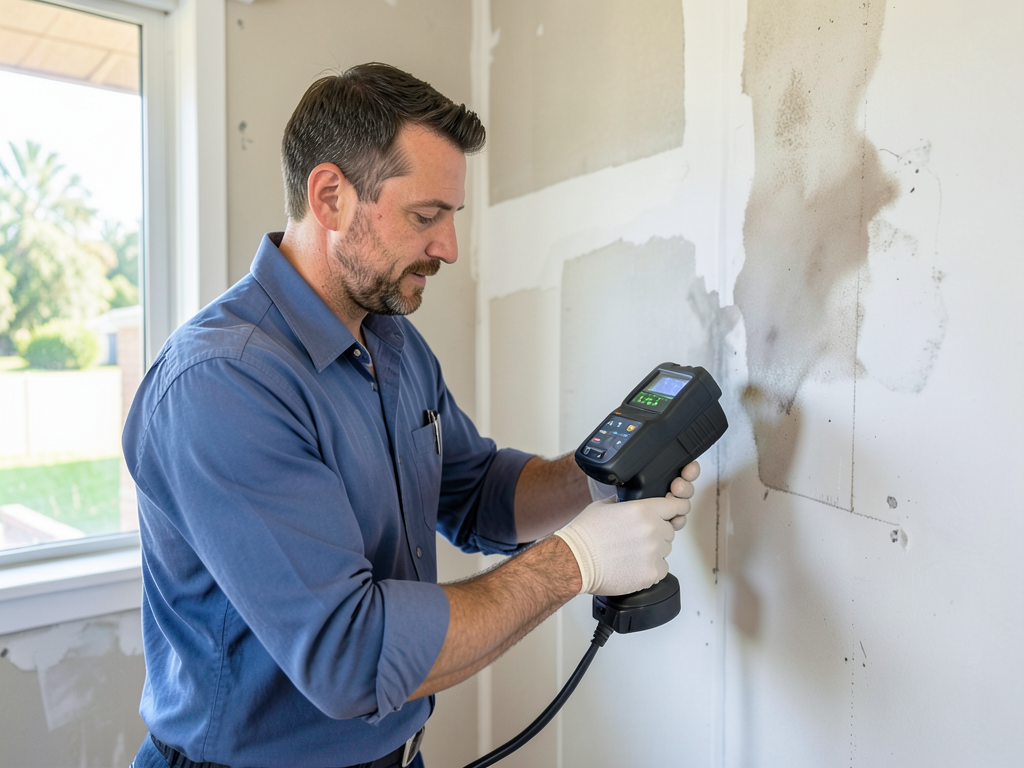
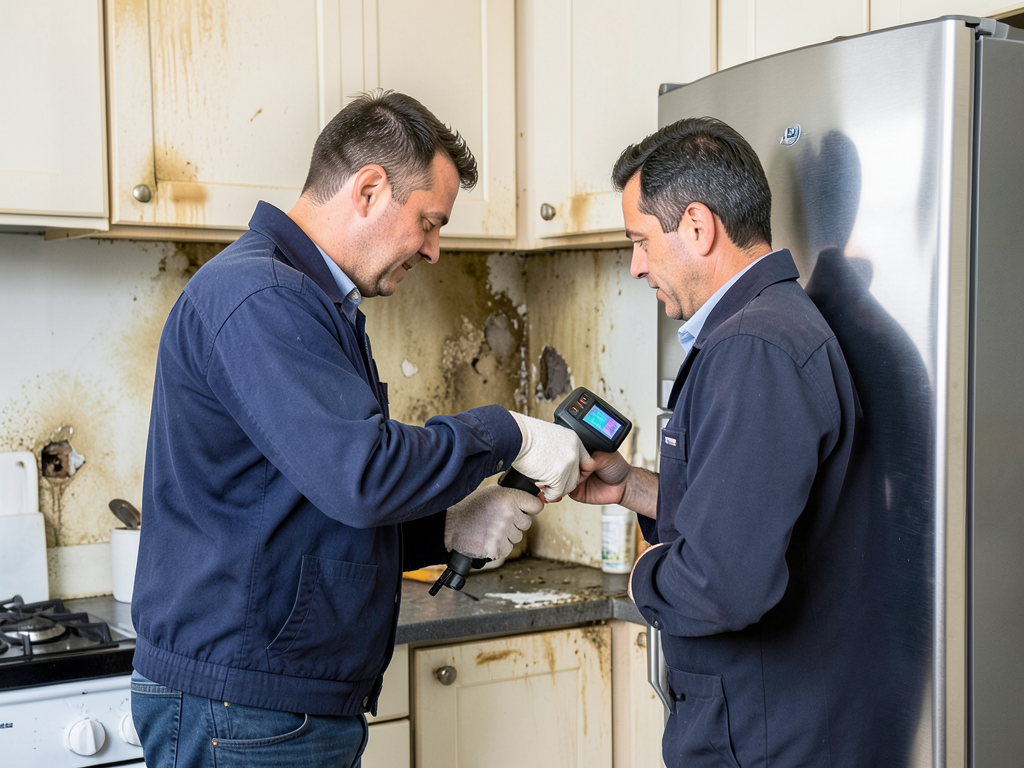
Call a restoration company before you call your insurer. This matters. Professional moisture mapping with thermal cameras and hygrometers creates objective documentation. You need dew point readings, moisture content percentages in materials, and a written assessment of affected areas. This is evidence an adjuster cannot dispute.

When you contact your insurance company, report only facts. State what you see, when you discovered it, and what immediate steps you took to stop further damage. Do not speculate about causes or admit to any maintenance delays. Your job is to report, not diagnose.

Request a copy of your full policy immediately. Read the water damage section. Most policies cover "sudden and accidental" water events but exclude gradual leaks or flood damage. Understanding this distinction shapes how you present your claim.

During the adjuster's visit, have your restoration company present. Adjusters work for the insurer, not you. Having a professional there ensures accurate damage assessment. They can identify hidden moisture in wall cavities, measure humidity levels in crawl spaces, and explain why materials need replacement versus surface drying.

Tips for water damage insurance claims include keeping a claim diary. Document every phone call, email, and visit. Note names, dates, and what was discussed. This paper trail protects you if disputes arise later.

Liberty Water Damage Restoration Riverside provides detailed loss documentation that speaks the insurance industry's language, giving you leverage during negotiations.

Your Path from Damage Discovery to Check in Hand

How to Handle Insurance Claims in Riverside – Get Fast Claim Approval and Maximum Coverage for Water Damage
01

Immediate Documentation

Within the first hour of discovering water damage, you create a visual record of everything affected. Take hundreds of photos, not dozens. Capture the water source, all standing water, stained materials, and damaged belongings. Use video to show the scope room by room. Call a certified restoration company to deploy moisture detection equipment and create a technical damage assessment with exact readings your adjuster cannot dismiss.
02

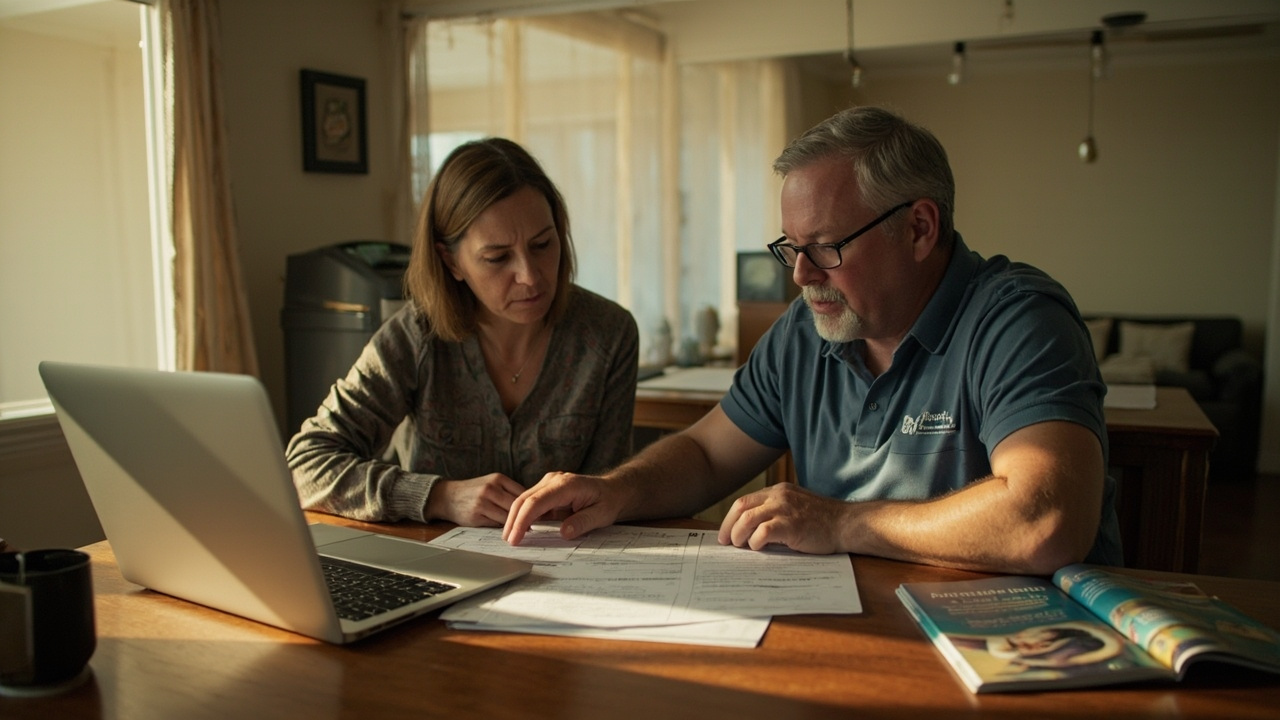
Professional Assessment and Reporting

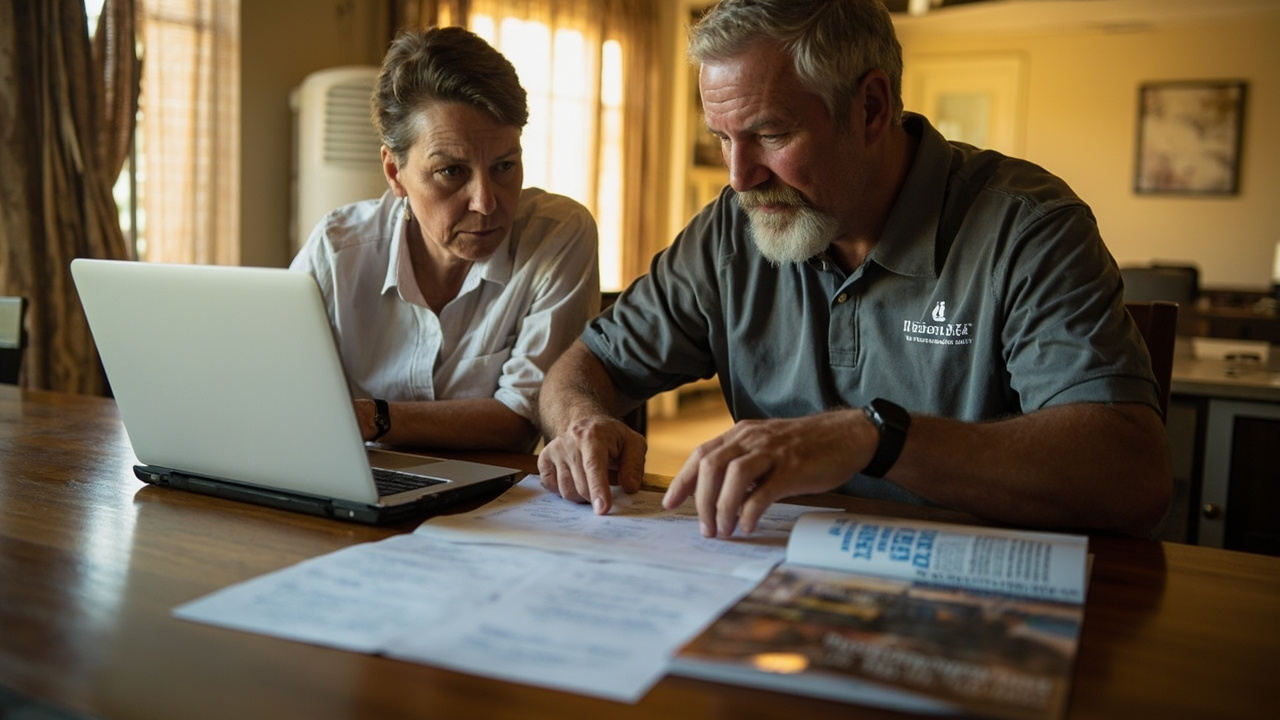
A restoration technician maps all moisture using infrared cameras and pin-type meters, documenting findings in a detailed report. This includes moisture content percentages, affected square footage, material categories, and equipment placement recommendations. You submit this professional assessment with your claim notification to your insurer. The technical language and objective data create a strong foundation that limits the adjuster's ability to undervalue your claim during their initial review.
03

Negotiation and Settlement

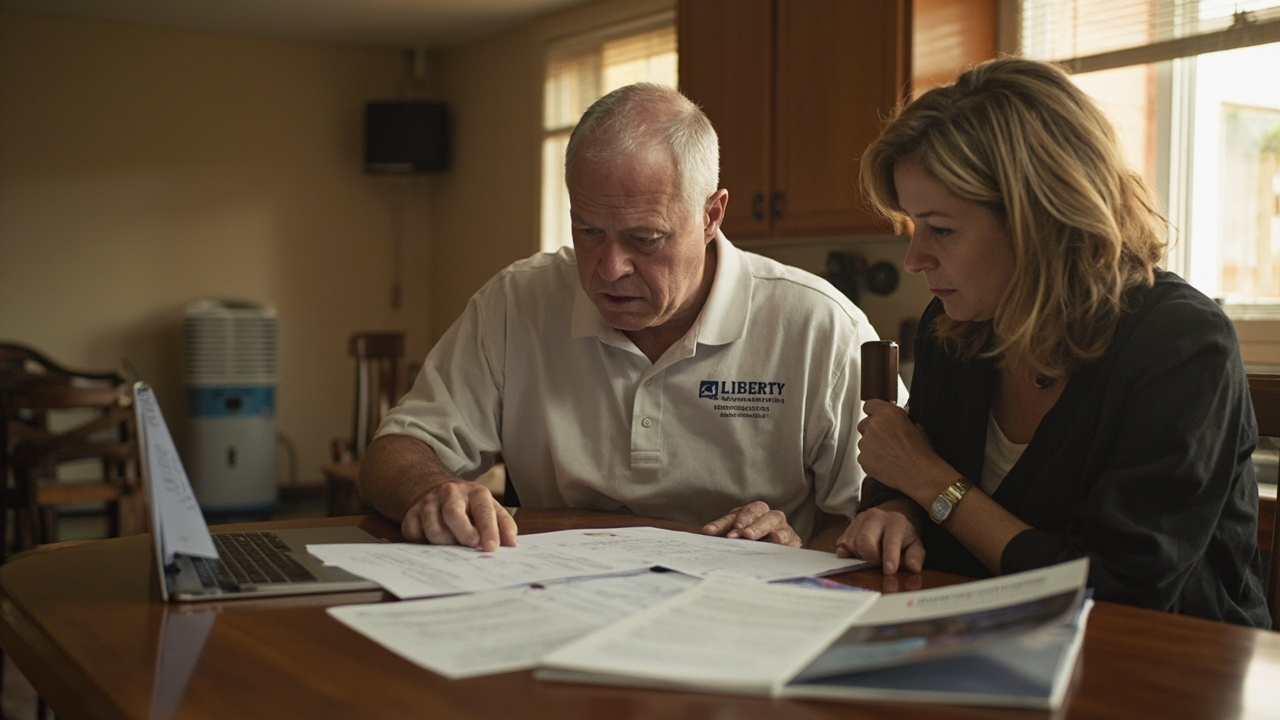
Your adjuster reviews the documentation and issues an estimate. This first offer is almost always low. You compare it against your restoration company's scope of work line by line. Where gaps exist, you provide supplemental documentation proving why additional work is necessary. This back-and-forth continues until you reach an agreed cash value. Once you sign the settlement, mitigation and reconstruction begin, with final payment released after completion verification.

Why Riverside Homeowners Trust Local Experts for Claim Support

Insurance adjusters handle hundreds of claims annually. They know every trick to minimize payouts. Facing them alone puts you at a massive disadvantage.

Local restoration companies in Riverside understand regional claim patterns. We know which insurers require specific documentation formats, which adjusters are reasonable versus combative, and which policy clauses get misinterpreted most often. This institutional knowledge matters during negotiation.

Riverside County building codes affect reconstruction costs, which affects your settlement amount. Homes built before 1978 may require lead-safe work practices. Properties in the historic district near the Mission Inn have additional restrictions. An adjuster from outside the area may not account for these factors, leaving you with an insufficient settlement for code-compliant repairs.

Our hard water in Riverside causes unique corrosion patterns in copper and galvanized pipes. When a pinhole leak develops, adjusters often claim it is "maintenance-related gradual damage" to deny coverage. A local expert can prove the failure was sudden by showing the corrosion pattern and comparing it to typical Riverside pipe aging rates, establishing the leak as an acute event covered by your policy.

Liberty Water Damage Restoration Riverside has worked with every major insurance carrier operating in this region. We know what documentation State Farm requires versus Farmers versus Allstate. We understand how to present evidence that meets each company's internal review standards.

When your adjuster low-balls the estimate, we provide detailed line-item justifications using local material and labor rates. We reference previous claims in Riverside to establish precedent for similar damage. This localized advocacy gets settlements increased by 30 to 60 percent on average compared to homeowners negotiating alone.

You need someone in your corner who speaks the language and knows the battlefield.

What Happens During the Insurance Claim Process

Response Timeline

You must notify your insurance company immediately after discovering water damage, typically within 24 to 48 hours per policy requirements. An adjuster gets assigned within one to three business days. They schedule an inspection within a week in most cases. However, claim approval and payment can take 30 to 90 days depending on complexity and whether disputes arise. Fast documentation speeds everything up. The quicker you provide complete evidence, the faster the adjuster can make a determination. Delays happen when homeowners submit incomplete information or when damage scope expands during mitigation, requiring supplemental claims.

The Adjuster's Inspection

The insurance adjuster visits your property to assess damage firsthand and verify your claim. They take their own photos, measure affected areas, and ask questions about when you discovered the problem and what caused it. Answer factually without speculation. They compare visible damage against your policy coverage and write an initial estimate. This inspection determines your settlement baseline. Having your restoration company present during this visit ensures nothing gets missed and technical details get communicated accurately. Adjusters appreciate working with professionals who document findings properly, which often results in more reasonable initial offers.

Settlement and Restoration

Once you agree on a settlement amount, your insurer issues payment, typically in two stages. You receive actual cash value upfront, which accounts for depreciation. After restoration completes, you submit receipts and get the recoverable depreciation, bringing you to replacement cost value if your policy includes this coverage. Quality restoration ensures code-compliant repairs that match pre-loss condition. Sloppy work gives insurers grounds to withhold final payment. Professional restoration companies guarantee work meets industry standards, satisfying your insurer's completion requirements and protecting your settlement.

Ongoing Claim Support

Complex water damage claims often require supplements as hidden damage emerges during mitigation. Mold behind drywall, subfloor rot, or structural issues may not be visible during the initial inspection. Your restoration company documents these findings and submits supplemental claims to your adjuster. This back-and-forth continues until all damage gets addressed. Some insurers require re-inspection for supplements. Good restoration partners handle this communication, providing the technical justification adjusters need to approve additional work. This support continues through final payment, ensuring you get every dollar your policy entitles you to for complete restoration.

Frequently Asked Questions

You Have Questions,
We Have Answers

How do you handle insurance claims? +

Start by reviewing your policy to understand coverage limits and exclusions. Document all damage with photos and videos immediately after the incident. Contact your insurer within 24 hours to file your claim. Keep receipts for temporary repairs and living expenses if you must relocate. In Riverside, water damage claims often involve burst pipes or storm flooding, so note the exact cause. Work with a licensed restoration company that communicates directly with adjusters. Never sign a settlement without understanding the full scope of repairs needed. Track all conversations with your insurer in writing.

What not to say during an insurance claim? +

Never admit fault or speculate about the cause of damage. Avoid phrases like "I think" or "maybe it happened." Do not exaggerate losses, but also do not downplay the severity. Never say the damage is "not that bad" or accept the first settlement offer without review. In Riverside, where seasonal storms can cause roof leaks, stick to factual statements. Do not agree to recorded statements without preparation. Avoid discussing prior claims or unrelated property issues. Let documentation and professional assessments speak for you instead of making casual comments.

What are the 3 D's of insurance claims? +

The 3 D's are Duty, Damage, and Denied. Duty means the insurer must honor the policy contract you paid for. Damage refers to covered losses you can prove with documentation. Denied happens when insurers reject claims, often citing policy exclusions or insufficient evidence. In Riverside, water damage claims face scrutiny over whether the cause was sudden or gradual. Insurers have a duty to investigate fairly, but you must document damage thoroughly. Many denials stem from poor documentation or missed filing deadlines. Understanding these principles helps you push back on unfair claim handling.

What is the 80% rule in insurance? +

The 80% rule requires you to insure your property for at least 80% of its replacement cost to avoid penalties. If you under-insure, the carrier will only pay a proportional amount of your claim, even for partial losses. In Riverside, where property values have climbed, many homeowners carry outdated coverage limits. If your home costs $400,000 to rebuild but you only carry $250,000 in coverage, you will face significant out-of-pocket expenses. Review your policy annually and adjust coverage to match current replacement costs, not market value.

What are the 5 P's of insurance? +

The 5 P's are People, Property, Protection, Peace of Mind, and Price. People refers to who the policy covers. Property defines what assets are insured. Protection outlines the types of covered perils like fire or water damage. Peace of Mind means financial security after a loss. Price involves premiums and deductibles. In Riverside, where flood risk exists near the Santa Ana River, understanding your property protection limits matters. Standard policies often exclude flood damage, requiring separate coverage. Review each element annually to confirm your policy matches your current needs and risks.

What's the biggest mistake people often make when dealing with an insurance claim? +

The biggest mistake is failing to document damage immediately and thoroughly. Riverside homeowners often wait too long to photograph water damage or dispose of damaged items before the adjuster arrives. Insurers can deny claims citing lack of proof. Another error is not reading your policy before filing. Many people assume coverage exists when exclusions apply. Accepting the first settlement offer without getting repair estimates also costs you money. Delaying temporary repairs can worsen damage, giving insurers reason to reduce payouts. Always act fast, document everything, and understand your coverage limits before engaging with adjusters.

What insurance adjusters won't tell you? +

Adjusters will not volunteer that you can dispute their valuation or hire a public adjuster to represent you. They will not tell you that initial settlement offers are negotiable or that you can request a re-inspection. In Riverside, where water damage restoration costs vary, adjusters may lowball estimates using outdated pricing. They will not explain all your policy benefits or mention bad faith laws that protect you. Adjusters work for the insurer, not you. Get independent repair estimates, read your policy carefully, and question any settlement that seems insufficient for proper restoration work.

What insurance denies most claims? +

Health insurers deny the most claims overall, but for property damage in Riverside, flood insurance through NEMA and budget homeowners carriers have high denial rates. These policies often contain strict exclusions and documentation requirements. Water damage claims face frequent denials when insurers argue the cause was gradual wear rather than sudden pipe failure. Carriers scrutinize mold claims heavily, often citing maintenance neglect. Always choose financially stable insurers with fair claims reputations. Review denial letters carefully. Many rejections stem from technicalities you can challenge with proper evidence and timely appeals.

How to win your insurance claim? +

Document everything before contacting your insurer. Take photos and videos of all damage from multiple angles. Hire a licensed contractor for detailed repair estimates. In Riverside, where water damage can escalate quickly, act within hours to mitigate losses. Read your policy to understand coverage and deadlines. Communicate with your insurer in writing to create a paper trail. Do not accept lowball offers without negotiation. If your claim is denied unfairly, file a complaint with the California Department of Insurance. Consider hiring a public adjuster or attorney for complex or large claims.

What are the three most common mistakes on a claim that will cause denials? +

The three most common mistakes are incomplete documentation, missing filing deadlines, and providing inconsistent information. Riverside homeowners often fail to photograph damage before cleanup begins, leaving no proof for adjusters. Missing your policy's notification deadline, often 24 to 72 hours, gives insurers grounds to deny coverage. Giving contradictory statements about when or how damage occurred raises red flags. Always take detailed photos immediately, report claims promptly, and keep your story factual and consistent. Review all forms before submission to catch errors that could delay or derail your claim approval.

How Riverside's Santa Ana Winds and Aging Infrastructure Complicate Water Damage Claims

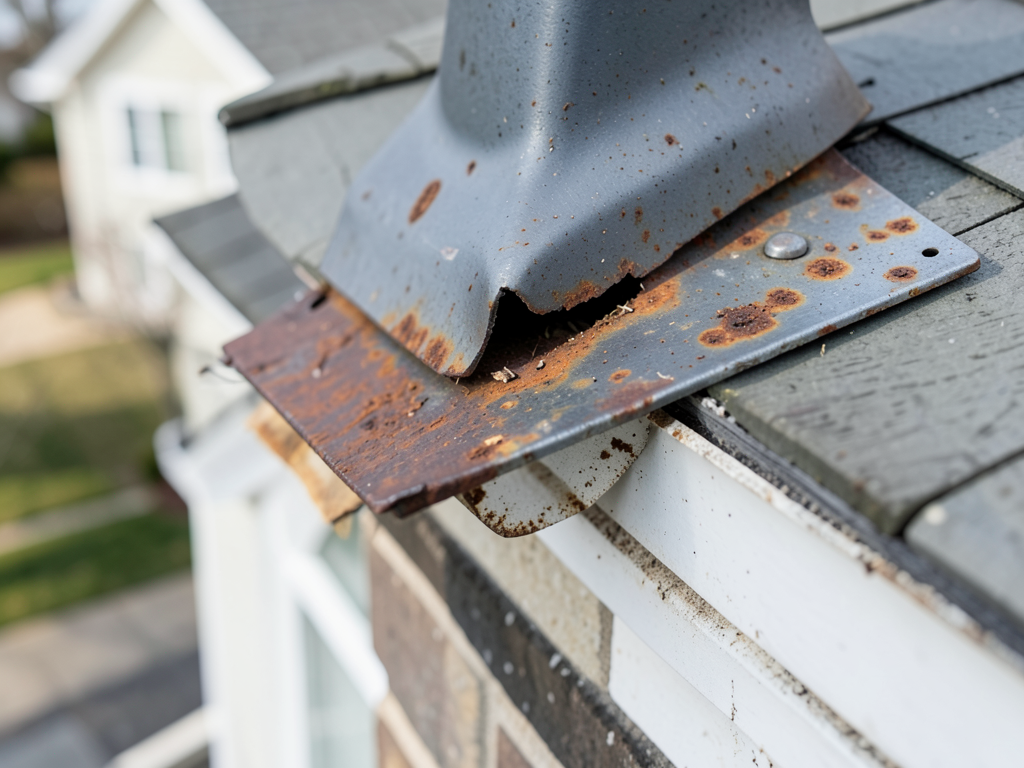
Riverside experiences seasonal Santa Ana wind events that damage roofing materials and flashings, creating entry points for water during winter rains. Adjusters often argue this is "wind damage" to shift claims to higher deductibles or exclude coverage entirely. Proving the water damage itself is the primary loss requires specific documentation. Additionally, many Riverside neighborhoods feature homes built in the 1950s through 1970s with original cast iron drain lines and galvanized supply pipes. These materials degrade predictably, yet insurers claim failures are "maintenance issues" rather than sudden pipe bursts. Managing water mitigation claims here means understanding how to present pipe failure evidence showing acute breakage versus gradual deterioration.

Local restoration companies in Riverside maintain relationships with adjusters who regularly work this region. They understand Inland Empire construction methods, typical policy interpretations by major carriers in California, and county-specific repair requirements. When disputes arise over covered versus excluded damage, local expertise provides the technical and regulatory knowledge to challenge unfair denials. Riverside building codes require permits for most structural repairs following water damage. Out-of-area adjusters often underestimate these costs. A local restoration partner ensures your settlement reflects actual repair expenses, not generic estimates that leave you underfunded.
Water Damage Restoration Services in The Riverside Area

We are dedicated to serving the entire Riverside area and its neighboring communities with fast and reliable water damage restoration services. Whether you’re a resident or a business owner, our team is ready to respond to your call. Use the map below to see our service area, or call us directly to confirm if we can dispatch a team to your location for an immediate emergency response.

Address:
Liberty Water Damage Restoration Riverside, 11801 Pierce St, Riverside, CA, 92505

Additional Services We Offer

Our news updates

Latest Articles & News from The Blogs

Why your ice maker line is a ticking time bomb for your kitchen floor Ice maker supply lines are one…

Why your ice maker line is a ticking time bomb for your kitchen floor

Why your ice maker line is a ticking time bomb for your kitchen floor Ice maker supply lines are one…

How to spot the signs of a chimney leak before it ruins your Riverside living room

How to spot the signs of a chimney leak before it ruins your Riverside living room Your chimney is more…

The most common plumbing mistakes Riverside DIYers make that lead to floods

The most common plumbing mistakes Riverside DIYers make that lead to floods DIY plumbing projects in Riverside often start with…

Contact Us

Do not let your insurance company minimize your claim. Call Liberty Water Damage Restoration Riverside at (951) 309-5499 now for professional documentation and claim support that maximizes your settlement and gets your property restored correctly.