
The most common plumbing mistakes Riverside DIYers make that lead to floods
DIY plumbing projects in Riverside often start with good intentions but end in costly water damage. From over-tightened connections to chemical drain cleaner disasters, these common mistakes can flood your home before you realize there’s a problem. Understanding these pitfalls could save you thousands in restoration costs and protect your property from the extensive damage that follows even a small leak. What to do when a pipe bursts in your Riverside home.
Why Riverside Homes Are Especially Vulnerable to DIY Plumbing Mistakes
Riverside’s unique combination of hard water from the Western Municipal Water District and aging plumbing infrastructure in neighborhoods like Canyon Crest and Orangecrest creates a perfect storm for DIY plumbing disasters. The mineral-rich water accelerates corrosion in galvanized pipes common in homes built before 1980, making connections more fragile than they appear. When combined with Riverside’s clay soil that shifts during summer heat waves, even a properly installed connection can fail within months. Top-rated water damage repair and restoration in Corona.
The Cost of a ‘Quick Fix’: Why Plumbing DIY Goes Wrong
What starts as a $50 repair can quickly escalate to a $10,000 restoration project when DIY plumbing goes wrong. A small drip behind a wall might seem harmless, but within 24-48 hours, mold begins growing according to EPA guidelines, and water can travel through building materials, causing structural damage that requires professional remediation. The hidden costs of DIY mistakes often include drywall replacement, flooring repair, and potential health hazards from mold exposure. EPA mold growth guidelines.
1. Over-tightening Connections: The Silent Leak Creator
Many DIYers believe that tighter is better when connecting pipes, but this common misconception leads to cracked fittings and compression ring failures. The proper torque for standard residential PEX connections is typically 1-2 inch-pounds, far less than most people apply. Over-tightening creates hairline fractures that may not leak immediately but can fail catastrophically weeks later, often when you’re away from home.
Warning Signs of Over-Tightened Connections
- Visible deformation of pipe fittings
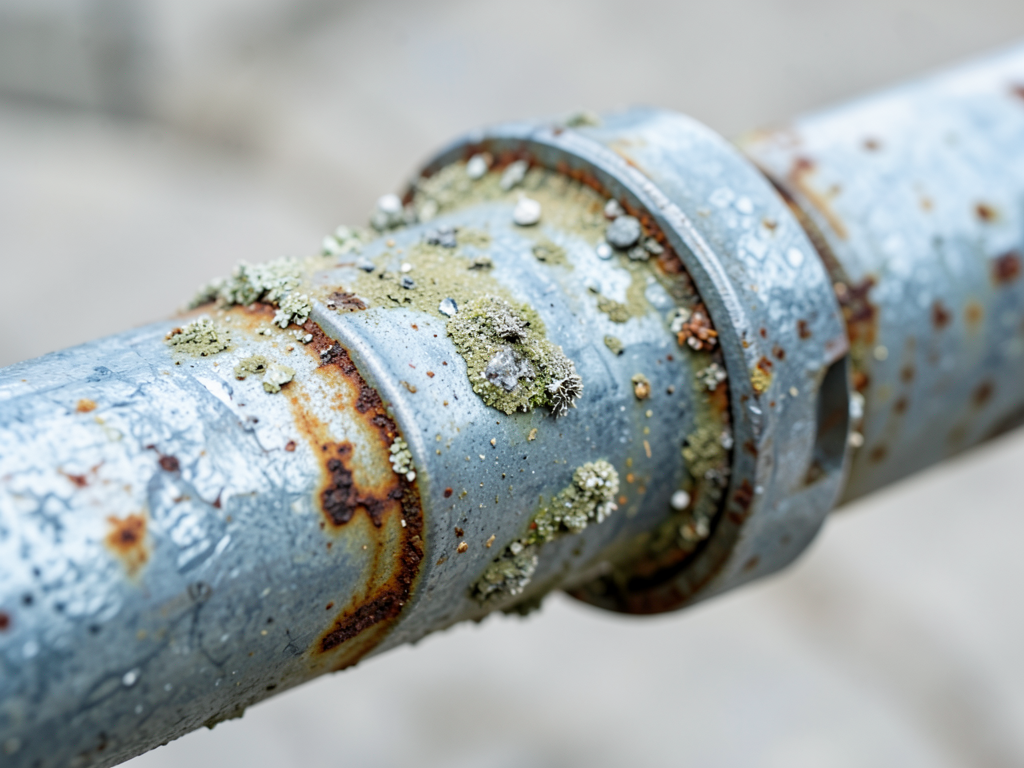
- White mineral deposits around connection points
- Unusual water pressure fluctuations
- Damp spots that appear and disappear
2. The Danger of Chemical Drain Cleaners
Chemical drain cleaners seem like an easy solution for clogged pipes, but they can cause more harm than good. These caustic chemicals generate heat that can soften PVC pipes and corrode metal ones. In Riverside’s hard water conditions, chemical cleaners react with mineral deposits, creating unpredictable chemical reactions that can damage pipes from the inside out. The EPA warns that these chemicals can also contaminate groundwater if they reach the main sewer line. Getting your Riverside water damage insurance claim approved.
3. Ignoring the Main Water Shut-Off Valve
Before starting any plumbing project, knowing the location of your main water shut-off valve is critical. In Riverside homes, this valve is often located near the water meter in a concrete box at the property line. During a plumbing emergency, you have seconds to prevent major flooding. Many DIYers discover too late that their shut-off valve is corroded or stuck, leaving them helpless as water pours into their home. Riverside water restoration teams that can be at your door in an hour.
4. Using the Wrong Tape or Sealant
Teflon tape and pipe dope serve different purposes, and using the wrong one can lead to leaks. For Riverside’s hard water conditions, white Teflon tape (thicker grade) provides better sealing than the standard thin tape. Pipe dope works better on metal-to-metal connections but can degrade rubber gaskets over time. The wrong choice here means a connection that works initially but fails within weeks.
5. Improper Pipe Support and Hanging
Pipes need proper support every 4-6 feet for horizontal runs and within 12 inches of fittings. Without adequate support, pipes can sag, creating stress points that lead to leaks. In Riverside’s temperature extremes, pipes expand and contract more than in milder climates, making proper support even more critical. DIY installations often skip support brackets to save time, but this shortcut guarantees future problems.
6. Mixing Pipe Materials Without Proper Transition
Connecting different pipe materials requires specific transition fittings. Galvanized to copper connections need dielectric unions to prevent galvanic corrosion, which accelerates in Riverside’s mineral-rich water. DIYers often use simple couplings, which work temporarily but create corrosion cells that can fail within months. The resulting leak might be small initially but can cause extensive damage before detection.
7. Skipping the Pressure Test
After any plumbing repair, a pressure test should run for at least 15-30 minutes. This test reveals slow leaks that might not show up during initial installation. Many DIYers skip this step, only to discover problems days or weeks later. A simple pressure gauge test could prevent the flooding that occurs when a slow leak becomes a major break under pressure. Emergency flood cleanup and restoration in Jurupa Valley.
8. Working Without Permits
Riverside County requires permits for most plumbing modifications, especially those involving water heaters, sewer lines, or structural changes. DIY work without permits can void insurance coverage if water damage occurs. Insurance companies often deny claims for unpermitted work, leaving homeowners responsible for thousands in restoration costs. The $100 permit fee is minimal compared to potential losses.
9. Underestimating the Complexity of Water Heater Installation
Water heater installation involves gas lines, electrical connections, and pressure relief valves. Incorrect installation can lead to explosions, carbon monoxide poisoning, or catastrophic flooding. Riverside’s building code requires specific earthquake strapping and proper venting that many DIYers overlook. The consequences extend beyond water damage to include serious safety hazards for your family.
10. Failing to Account for Riverside’s Soil Movement
Riverside’s expansive clay soil shifts significantly with moisture changes, putting stress on underground plumbing. DIY repairs that don’t account for this movement often fail within a year. Professional plumbers install flexible connections and use expansion joints in areas prone to soil movement. Ignoring this factor means your repair might work fine for months, then fail dramatically during the next rainy season.
The Point of No Return: When a Leak Becomes Water Damage
According to IICRC S500 standards, water damage becomes a restoration emergency when moisture penetrates building materials beyond the surface layer. This typically occurs within 24 hours for porous materials like drywall and wood. By this point, professional extraction and drying equipment becomes necessary to prevent structural damage and mold growth. DIY attempts at this stage often make the problem worse by spreading contamination or creating ideal conditions for mold. IICRC S500 water damage restoration standard.
Recognizing the Signs of Hidden Water Damage
Early detection can mean the difference between a simple repair and a major restoration project. Watch for these warning signs:
- Musty odors that persist despite cleaning
- Discoloration or bubbling on walls and ceilings
- Warping or buckling of flooring
- Unexplained increases in water bills
- Soft spots in drywall or wood surfaces
Riverside Emergency Response: Our 24/7 Restoration Process
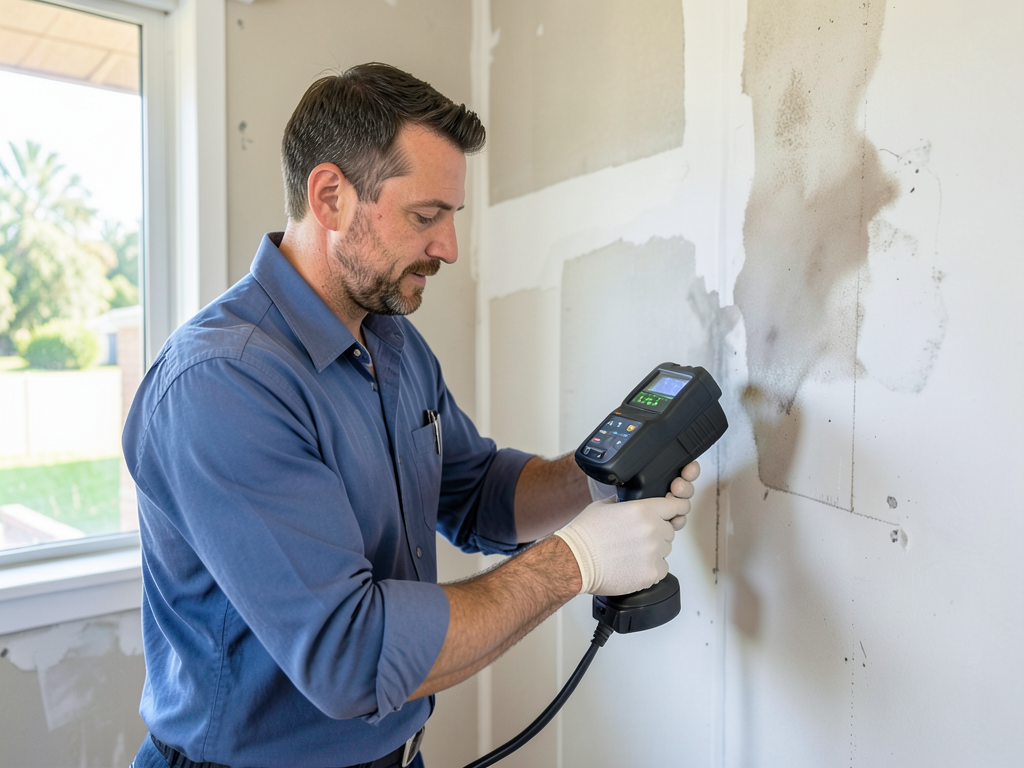
When DIY plumbing mistakes lead to flooding, Liberty Water Damage Restoration Riverside responds within 60 minutes to most areas including Woodcrest, La Sierra, and Arlington. Our certified technicians use commercial-grade moisture meters and thermal imaging to detect hidden water that DIY efforts miss. We follow IICRC S500 standards for water classification and restoration procedures, ensuring your home returns to pre-loss condition safely and efficiently.
Our process includes:
- Emergency water extraction using truck-mounted equipment
- Moisture mapping to identify all affected areas
- Antimicrobial treatment to prevent mold growth
- Professional drying with industrial air movers and dehumidifiers
- Daily monitoring until all materials reach acceptable moisture levels
Cost Comparison: DIY Mistake vs. Professional Repair
| Scenario | DIY Initial Cost | Professional Cost | Potential Damage Cost |
|---|---|---|---|
| Simple pipe repair | $50-100 | $200-400 | $5,000-15,000 |
| Water heater install | $300-500 | $800-1,500 | $10,000-25,000 |
| Drain clearing | $20-50 | $150-300 | $3,000-8,000 |
When to Call a Professional Plumber
Some plumbing tasks require professional expertise regardless of your DIY skills. Call a licensed plumber when:
- Working with gas lines or water heaters
- Modifying the main water supply line
- Installing new fixtures that require permits
- Dealing with sewer line issues
- Working in areas with electrical components nearby
Protecting Your Riverside Home from Plumbing Disasters
Prevention is always less expensive than restoration. Consider these protective measures:
- Install water leak detectors near water heaters and under sinks
- Schedule annual plumbing inspections for homes over 15 years old
- Know the location of your main water shut-off valve
- Replace old supply lines and angle stops before they fail
- Consider a whole-house water pressure regulator if pressure exceeds 80 PSI
Frequently Asked Questions
How quickly does mold grow after a plumbing leak?
Mold can begin growing within 24-48 hours of water exposure according to EPA guidelines. The warm, humid conditions in many Riverside homes accelerate this process, making quick response critical.
Will my homeowner’s insurance cover damage from a DIY plumbing mistake?
Coverage depends on your policy and whether permits were obtained. Many policies exclude damage from unpermitted work or negligence. Always check with your insurance provider before attempting major plumbing repairs.
What’s the difference between a plumber and a water damage restoration company?
Plumbers fix the source of water problems, while restoration companies handle the damage afterward. Restoration specialists are certified in water extraction, structural drying, and mold prevention according to IICRC standards.
Don’t Let a DIY Mistake Flood Your Home
Plumbing mistakes in Riverside homes can escalate from minor leaks to major disasters within hours. The combination of hard water, clay soil, and aging infrastructure makes professional expertise invaluable. While DIY projects can save money on simple tasks, knowing your limits could save your home from extensive damage.
If you’ve experienced flooding from a plumbing mistake or suspect hidden water damage, call (951) 309-5499 today to schedule your inspection. Our certified technicians serve Riverside, Jurupa Valley, Eastvale, and surrounding areas with 24/7 emergency response. Don’t wait until a small leak becomes a major restoration project.
Pick up the phone and call (951) 309-5499 before the next storm hits. Your home deserves professional protection from water damage.
You may also find this helpful. Why you should never ignore a small leak in your shower pan.
{
“@context”: “https://schema.org”,
“@type”: “BlogPosting”,
“headline”: “The most common plumbing mistakes Riverside DIYers make that lead to floods”,
“description”: “Riverside homeowners: learn the top DIY plumbing mistakes that cause floods. Discover how to prevent costly water damage and when to call Liberty Water Damage Restoration.”,
“wordCount”: 1660,
“datePublished”: “2026-06-10T11:02:00.000Z”,
“dateModified”: “2026-06-10T11:02:00.000Z”,
“inLanguage”: “en-US”,
“mainEntityOfPage”: {
“@type”: “WebPage”,
“@id”: “https://libertywaterdamagerestorationriverside.com”
},
“publisher”: {
“@type”: “LocalBusiness”,
“name”: “Liberty Water Damage Restoration Riverside”,
“url”: “https://libertywaterdamagerestorationriverside.com”
},
“author”: {
“@type”: “Organization”,
“name”: “Liberty Water Damage Restoration Riverside”,
“url”: “https://libertywaterdamagerestorationriverside.com”
},
“image”: {
“@type”: “ImageObject”,
“url”: “https://libertywaterdamagerestorationriverside.com/wp-content/uploads/2026/03/the-most-common-plumbing-mistakes-riverside-diyers-1.png”
}
}
{
“@context”: “https://schema.org”,
“@type”: “LocalBusiness”,
“name”: “Liberty Water Damage Restoration Riverside”,
“url”: “https://libertywaterdamagerestorationriverside.com”,
“address”: {
“@type”: “PostalAddress”,
“addressLocality”: “Riverside”
},
“areaServed”: {
“@type”: “City”,
“name”: “Riverside”
}
}
{
“@context”: “https://schema.org”,
“@type”: “FAQPage”,
“mainEntity”: [
{
“@type”: “Question”,
“name”: “How quickly does mold grow after a plumbing leak?”,
“acceptedAnswer”: {
“@type”: “Answer”,
“text”: “Mold can begin growing within 24-48 hours of water exposure according to EPA guidelines. The warm, humid conditions in many Riverside homes accelerate this process, making quick response critical.”
}
},
{
“@type”: “Question”,
“name”: “Will my homeowner’s insurance cover damage from a DIY plumbing mistake?”,
“acceptedAnswer”: {
“@type”: “Answer”,
“text”: “Coverage depends on your policy and whether permits were obtained. Many policies exclude damage from unpermitted work or negligence. Always check with your insurance provider before attempting major plumbing repairs.”
}
},
{
“@type”: “Question”,
“name”: “What’s the difference between a plumber and a water damage restoration company?”,
“acceptedAnswer”: {
“@type”: “Answer”,
“text”: “Plumbers fix the source of water problems, while restoration companies handle the damage afterward. Restoration specialists are certified in water extraction, structural drying, and mold prevention according to IICRC standards.”
}
}
]
}
{
“@context”: “https://schema.org”,
“@type”: “BreadcrumbList”,
“itemListElement”: [
{
“@type”: “ListItem”,
“position”: 1,
“name”: “Home”,
“item”: “https://libertywaterdamagerestorationriverside.com”
},
{
“@type”: “ListItem”,
“position”: 2,
“name”: “Blog”,
“item”: “https://libertywaterdamagerestorationriverside.com/blog”
},
{
“@type”: “ListItem”,
“position”: 3,
“name”: “The most common plumbing mistakes Riverside DIYers make that lead to floods”
}
]
}
{
“@context”: “https://schema.org”,
“@type”: “Service”,
“serviceType”: “Water Damage Restoration”,
“provider”: {
“@type”: “LocalBusiness”,
“name”: “Liberty Water Damage Restoration Riverside”,
“url”: “https://libertywaterdamagerestorationriverside.com”
},
“areaServed”: {
“@type”: “City”,
“name”: “Riverside”
},
“description”: “Riverside homeowners: learn the top DIY plumbing mistakes that cause floods. Discover how to prevent costly water damage and when to call Liberty Water Damage Restoration.”
}