menu

Commercial Sewage Cleanup in Riverside | Minimize Downtime with Industrial-Grade Black Water Extraction

When sewage contaminates your Riverside commercial property, every hour of closure costs you revenue. Our EPA-compliant commercial sewage remediation mobilizes within two hours to restore operations fast.

Slider Image 1
Slider Image 2
Slider Image 3
Slider Image 4
Slider Image 5
Slider Image 7
Slider Image 8
Slider Image 9
Slider Image 10
Slider Image 11

Sewage Contamination Threatens Business Operations in Riverside's Commercial Corridors

Riverside's aging commercial infrastructure along University Avenue and the downtown business district creates sewage backup risks that can shut down operations in minutes. When Category 3 black water floods your warehouse, retail space, or office building, you face immediate health code violations, employee safety concerns, and potential revenue loss that compounds by the hour.

Commercial sewer backup cleaning differs fundamentally from residential work. The volume of contaminated water in a 10,000-square-foot facility demands industrial extraction equipment and biohazard protocols that exceed OSHA standards. Many restoration companies lack the capacity or regulatory knowledge to handle large-scale commercial sewage removal properly.

The Santa Ana River corridor and historic downtown areas sit on clay-based soil that shifts during Riverside's dry season, stressing older sewer lines. When main lines crack or backflow preventers fail, raw sewage enters your property through floor drains, bringing E. coli, hepatitis pathogens, and chemical contaminants that saturate flooring, drywall, and inventory.

Delayed commercial sewage remediation allows Category 3 water to penetrate concrete slabs and HVAC systems. Within 48 hours, secondary contamination spreads through your facility, creating cross-contamination zones that expand cleanup scope and costs. The longer sewage sits, the more extensive the demolition required to meet California health department re-occupancy standards.

Your insurance adjuster will document the timeline between loss occurrence and professional intervention. Late response increases claim complexity and can trigger coverage disputes on items deemed salvageable if addressed promptly.

Sewage Contamination Threatens Business Operations in Riverside's Commercial Corridors
EPA-Compliant Industrial Sewage Cleanup Protocol

EPA-Compliant Industrial Sewage Cleanup Protocol

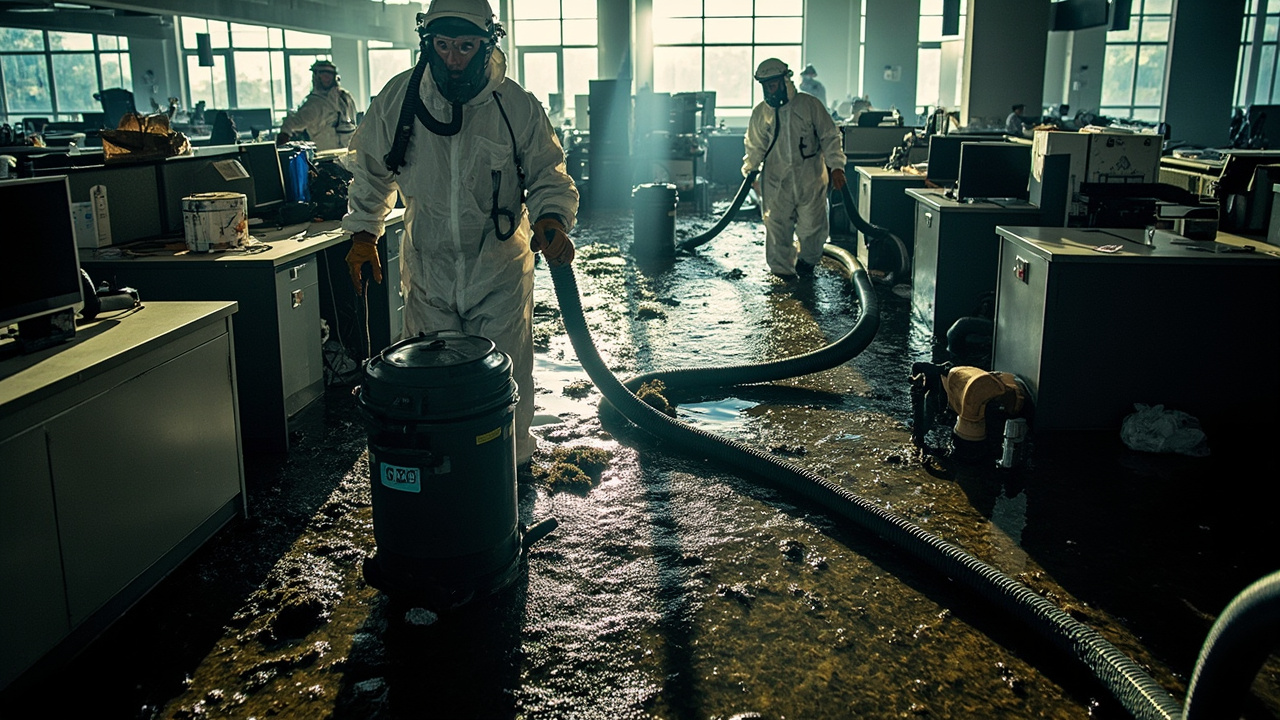
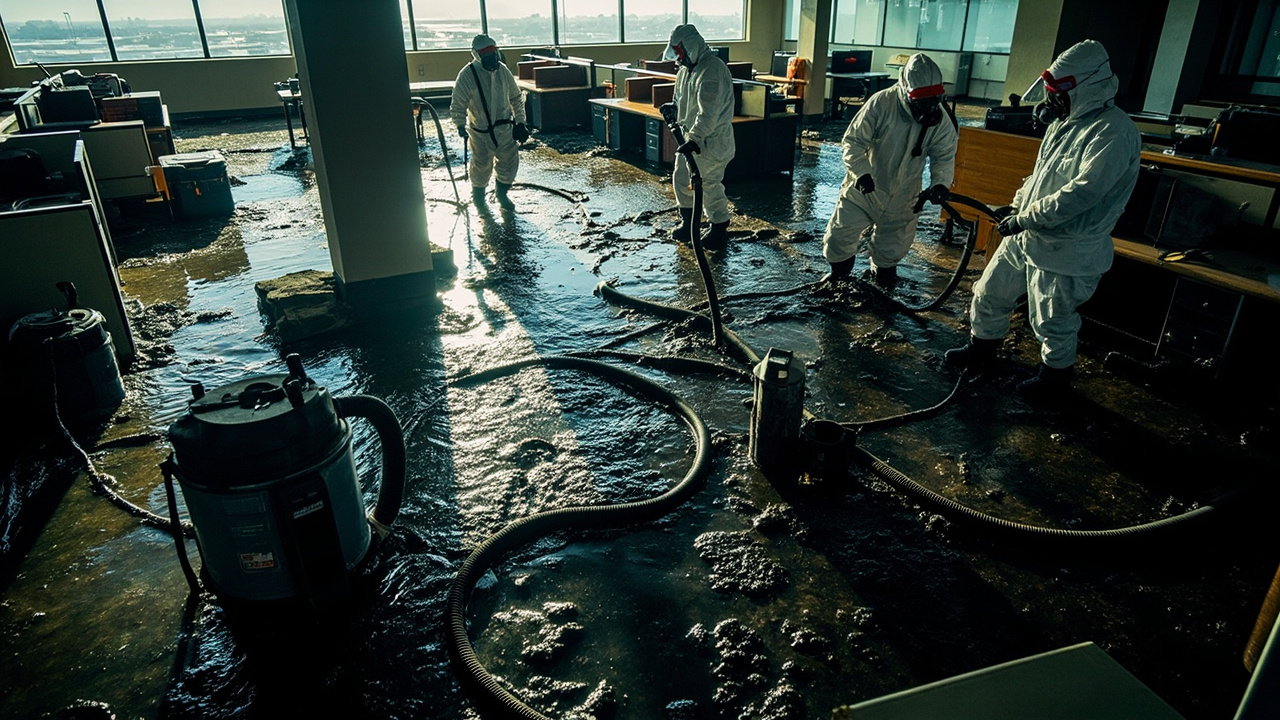
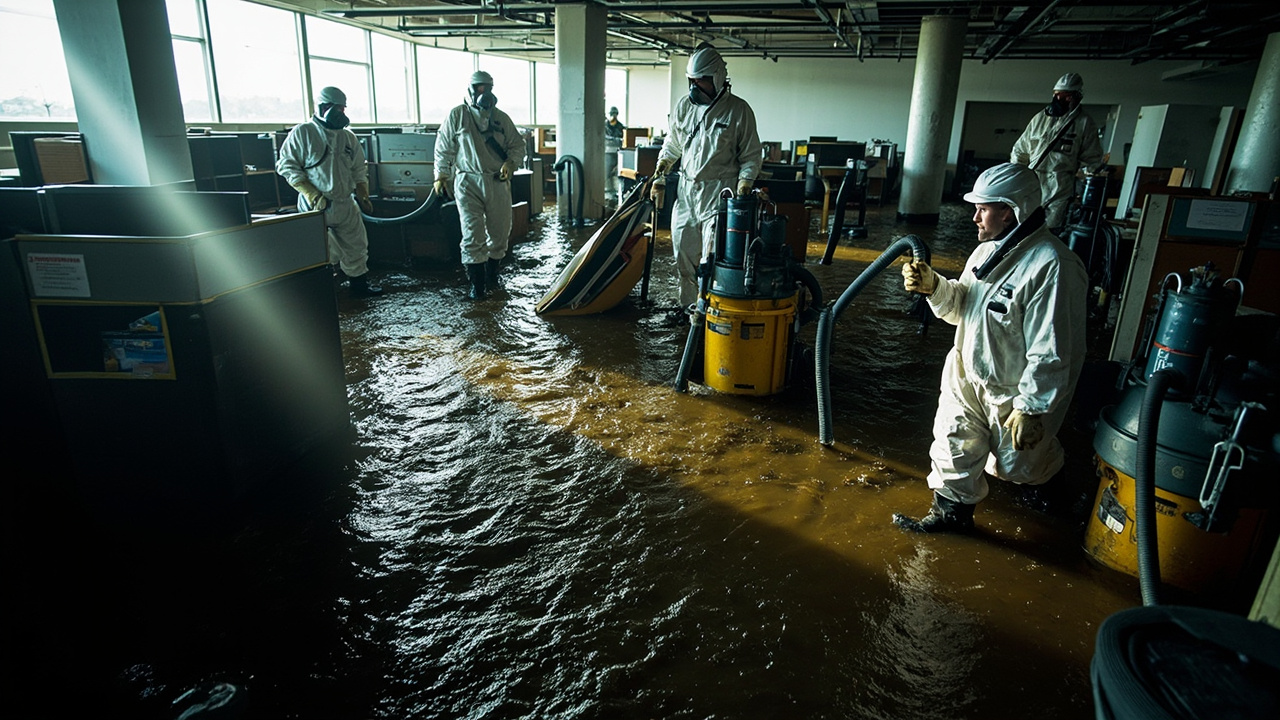
Liberty Water Damage Restoration Riverside deploys commercial black water extraction using truck-mounted pumps that remove 200 gallons per minute, not the portable extractors suited for residential jobs. We establish containment barriers to isolate contaminated zones while your unaffected areas remain operational, minimizing business interruption.

Our commercial sewage removal process starts with pathogen testing to identify specific biological hazards present in your facility. This determines the antimicrobial agents and PPE requirements for safe remediation. We follow IICRC S500 standards for Category 3 water, which mandate complete removal of porous materials like drywall, insulation, and carpet pad that contacted sewage.

Industrial sewage cleanup requires negative air pressure containment using HEPA-filtered air scrubbers that prevent airborne pathogen spread to clean areas. We apply EPA-registered disinfectants at commercial concentrations, not retail products, with contact times verified by third-party hygienists. All affected surfaces undergo ATP testing to confirm microbial reduction to safe levels before reconstruction begins.

We coordinate with Riverside County Environmental Health to ensure your facility meets re-entry standards. Our documentation includes chain-of-custody records for contaminated materials disposal at licensed biohazard facilities, not standard construction dumpsters. This paperwork protects you from regulatory violations and liability claims.

Commercial sewer backup cleaning in multi-tenant buildings requires coordination with adjacent businesses. We implement dust barriers and HVAC isolation to prevent cross-contamination, maintaining operational continuity for unaffected tenants while addressing the source property.

How Commercial Black Water Extraction Restores Your Facility

Commercial Sewage Cleanup in Riverside | Minimize Downtime with Industrial-Grade Black Water Extraction
01

Emergency Response and Containment

We arrive within two hours to stop sewage flow at the source and extract standing black water using truck-mounted pumps. Our crew establishes physical containment barriers with antimicrobial sheeting to isolate affected zones from operational areas. We document pre-loss conditions with photo and video evidence for your insurance claim, noting all contaminated assets and structural damage before beginning extraction work.
02

Contamination Assessment and Removal

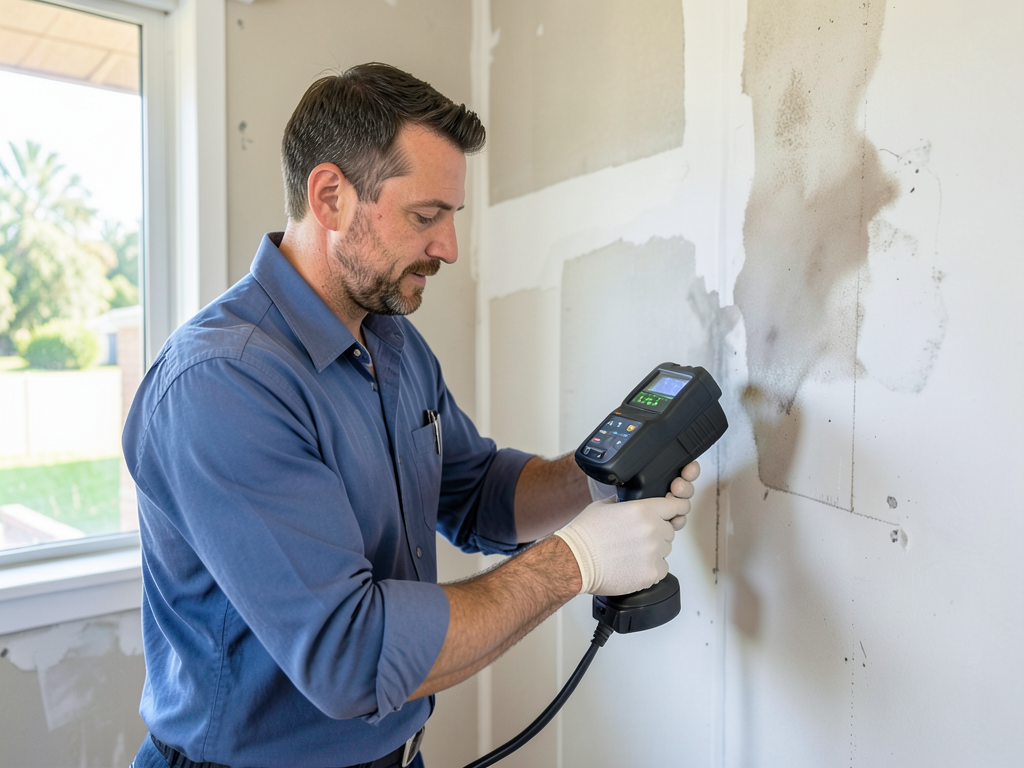
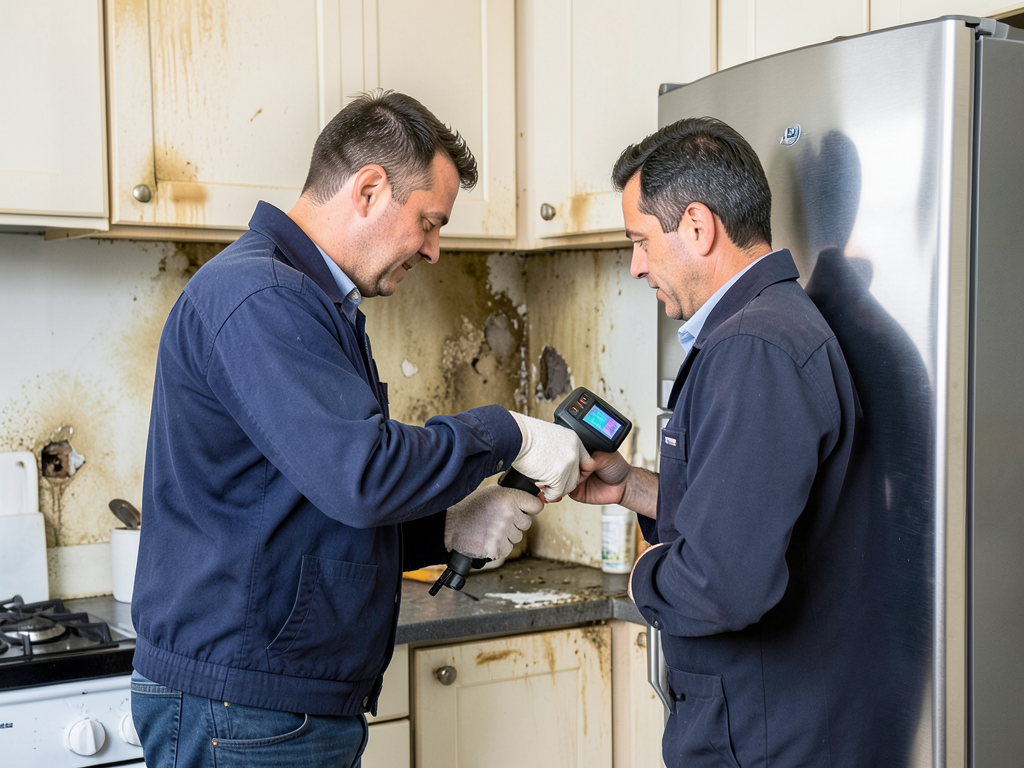
After extraction, we map contamination boundaries using moisture meters and infrared cameras to identify hidden saturation in wall cavities and subfloors. All Category 3-contacted porous materials get removed to bare structure, including flooring systems, base trim, and affected drywall sections. We test remaining structural components for pathogen levels to determine salvageability, applying antimicrobial treatments to surfaces that pass contamination thresholds.
03

Disinfection and Verification

We apply EPA-registered disinfectants at commercial concentrations to all affected surfaces, maintaining required contact times for pathogen elimination. Industrial dehumidifiers and air movers dry structural components to safe moisture levels before reconstruction. Third-party hygienists conduct ATP surface testing and air quality sampling to verify microbial reduction meets California health standards. You receive clearance documentation required for business re-occupancy and insurance settlement.

Why Riverside Businesses Choose Our Commercial Sewage Remediation

Commercial sewage cleanup in Riverside requires knowledge of local building codes that differ from Los Angeles County standards. The Riverside Municipal Code mandates specific backflow preventer installations and grease trap maintenance schedules for food service operations. We understand these regulations and coordinate inspections with city building officials to fast-track your re-occupancy permit.

Our equipment inventory includes industrial generators to power extraction and drying equipment when sewage damage coincides with electrical system compromise. Many restoration companies lack backup power capacity, forcing delays that extend your closure period. We maintain redundant equipment specifically for large commercial losses.

Riverside's commercial properties often house multiple business types in single structures. The Canyon Crest Town Centre and Riverside Plaza require restoration approaches that accommodate different operational needs. We coordinate with property managers to sequence work around tenant schedules, maintaining access to loading docks and common areas while performing commercial sewer backup cleaning in affected suites.

We work directly with commercial insurance adjusters familiar with Riverside property values and replacement costs. Our estimates align with Xactimate pricing specific to the 92501-92509 ZIP codes, reducing negotiation cycles that delay claim payment. This knowledge base comes from completing over 500 commercial water damage projects in Riverside County.

Liberty Water Damage Restoration Riverside maintains relationships with local commercial contractors for rapid reconstruction mobilization. When sewage damage requires structural repairs beyond restoration scope, we coordinate permit applications with the Riverside Building Department and schedule inspections to compress your overall project timeline.

Commercial Sewage Cleanup Service Details

Two-Hour Emergency Mobilization

Our commercial response teams deploy within two hours of your call, 24 hours daily including holidays. We maintain pre-staged equipment caches in Riverside to eliminate mobilization delays. Large-scale sewage events get priority dispatch with multiple crews and supervisory oversight from arrival through project completion. For multi-building properties, we can simultaneously address contamination in separate structures, reducing your overall downtime. Our project managers provide hourly updates during initial response and daily briefings throughout restoration, keeping stakeholders informed of progress and timeline adjustments.

Comprehensive Contamination Mapping

We conduct detailed facility assessments using thermal imaging and moisture detection equipment to identify all areas affected by sewage infiltration. This includes hidden contamination in wall cavities, beneath flooring systems, and within HVAC ductwork. Our technicians document findings with annotated facility drawings that become part of your insurance claim package. We collect surface samples for laboratory pathogen analysis when required by health departments or insurance carriers. This diagnostic phase typically completes within four hours of arrival, allowing immediate transition to extraction and containment work without waiting for test results.

Certified Contamination Clearance

Your facility receives third-party hygienist verification that all surfaces meet California Department of Public Health microbial standards before reconstruction begins. This independent testing protects you from future liability claims related to incomplete remediation. We provide sealed clearance certificates required by many commercial insurance policies and tenant lease agreements. All contaminated materials get manifested to licensed biohazard disposal facilities with documentation proving regulatory compliance. Your final deliverable includes a complete photo log showing pre-loss conditions, damage extent, remediation process, and post-cleaning verification results.

Post-Remediation Support

We coordinate with your commercial contractors during reconstruction to ensure proper material selection and installation methods that prevent future sewage intrusion. This includes backflow preventer upgrades and floor drain modifications that exceed minimum code requirements. For facilities with recurring sewer line issues, we provide consultation on permanent infrastructure solutions including sewage ejector pump systems and main line rehabilitation options. Our documentation package includes maintenance recommendations for grease traps, floor drains, and backwater valves specific to your operation type. We remain available for insurance adjuster questions and supplemental claim support throughout your settlement process.

Frequently Asked Questions

You Have Questions,
We Have Answers

How much does it cost to clean up sewage? +

Commercial sewage cleanup costs vary based on contamination level, affected square footage, and structural damage. Category 3 blackwater incidents involving raw sewage require complete demolition of porous materials, antimicrobial treatment, and air scrubbing. Expect costs to scale with business size and complexity. Multi-tenant buildings or facilities with suspended ceilings face higher remediation expenses. In Riverside, older commercial properties near the downtown corridor may require additional structural drying due to concrete slab foundations. Insurance typically covers sudden discharge events, but gradual seepage from deferred maintenance does not qualify. Document everything immediately for liability protection.

Does insurance cover sewage cleanup? +

Commercial policies generally cover sudden and accidental sewage backups, but exclude gradual damage from neglected maintenance. Your coverage depends on whether the incident resulted from a fortuitous event or preventable negligence. Sewer backup riders extend protection but carry separate deductibles. In Riverside, businesses near flood-prone areas should verify their policies address both sanitary sewer overflows and storm drain backflows. Business interruption coverage becomes critical when sewage forces temporary closure. Insurers require professional remediation with detailed documentation. Review your policy exclusions carefully because many standard plans limit sewage coverage to specific scenarios.

What is commercial sewage? +

Commercial sewage refers to wastewater generated by business operations, containing human waste, chemicals, and contaminated water from industrial processes. Unlike residential sewage, commercial systems handle higher volumes and diverse pollutants depending on the business type. Restaurants produce grease-laden wastewater. Medical facilities generate biohazardous waste. Manufacturing plants discharge chemical contaminants. In Riverside, commercial properties must comply with municipal pretreatment standards before discharging into the city sewer system. Category 3 blackwater from sewage backups poses severe health risks, requiring immediate professional remediation. Commercial sewage cleanup demands strict adherence to OSHA regulations and proper disposal protocols.

How often should sewage be cleaned? +

Preventive sewer line maintenance should occur annually for most commercial properties. High-use facilities like restaurants, medical centers, and multi-tenant buildings benefit from quarterly inspections and hydro-jetting. Regular camera inspections identify root intrusion, grease buildup, and structural defects before they cause catastrophic failures. In Riverside, older commercial districts with mature trees require more frequent root control. Clay pipe systems common in pre-1980 construction degrade faster and need proactive monitoring. Establish a documented maintenance schedule to protect against insurance claim denials. Reactive cleanup after a sewage backup costs significantly more than scheduled preventive service.

Is sewer jetting worth it? +

Sewer jetting delivers measurable ROI for commercial properties by removing grease, scale, and debris that cause recurring blockages. High-pressure water jetting clears obstructions without damaging pipes, unlike mechanical snaking. Restaurants and food service businesses should jet lines quarterly to prevent grease accumulation that violates municipal codes. In Riverside, commercial properties with aging infrastructure benefit from annual jetting to extend sewer line lifespan. The process reduces emergency callouts and minimizes business interruption. Documented jetting records prove due diligence during insurance claims and help maintain code compliance. Preventive jetting costs substantially less than emergency sewage cleanup.

Why is my sewer bill 200 dollars? +

A 200-dollar sewer bill typically reflects high water consumption, not the base sewer service charge. Commercial properties pay volumetric rates based on metered water use, assuming that water consumed eventually enters the sewer system. Check for concealed leaks, inefficient fixtures, or irrigation water incorrectly calculated in sewer charges. Riverside uses tiered billing, so high-use months trigger premium rates. Industrial discharge permits and surcharges for high-strength waste add costs. Multi-tenant properties divide charges among occupants. Review your bill for stormwater fees, which are separate line items. Contact Riverside Public Utilities to verify your rate classification matches your actual business use.

What is the average lifespan of a sewer line? +

Cast iron and clay sewer lines average 50 to 60 years, while PVC systems last 100 years or more. Actual lifespan depends on soil conditions, maintenance practices, and installation quality. In Riverside, expansive clay soils cause shifting that stresses rigid pipes and accelerates deterioration. Commercial properties built before 1980 likely have Orangeburg pipe or clay tile vulnerable to root intrusion and collapse. High-volume use in restaurants and medical facilities degrades lines faster than low-use office buildings. Regular camera inspections identify deterioration early, allowing planned replacement instead of emergency repairs during business hours.

How much does sewage insurance cost? +

Commercial sewer backup insurance riders typically cost 200 to 500 dollars annually, depending on coverage limits and property risk factors. Standalone policies for high-risk facilities cost more. Coverage limits range from 10,000 to 50,000 dollars per occurrence. In Riverside, businesses in flood-prone areas or properties with aging infrastructure pay premium rates. Insurers assess your maintenance records, building age, and claims history when pricing coverage. Business interruption riders add cost but protect against revenue loss during remediation. The expense proves minor compared to out-of-pocket sewage cleanup costs, which often exceed policy limits without adequate riders.

Are trenchless sewer repairs worth it? +

Trenchless sewer repairs justify their cost for commercial properties by eliminating excavation disruption, preserving landscaping, and reducing business downtime. Pipe lining or bursting typically costs 30 to 50 percent more than traditional dig-and-replace, but avoids parking lot demolition and sidewalk reconstruction. In Riverside, trenchless methods work well for properties with limited access or lines running beneath structures. The process completes in hours instead of days, minimizing revenue loss. Lined pipes resist root intrusion and corrosion. Evaluate soil stability and pipe condition first because severely collapsed lines may still require excavation.

What are the three types of sewage treatment? +

The three sewage treatment stages are primary, secondary, and tertiary treatment. Primary treatment uses physical settling to remove solids and floating materials. Secondary treatment employs biological processes where bacteria digest organic matter. Tertiary treatment applies advanced filtration, chemical disinfection, and nutrient removal to produce water safe for discharge or reuse. In Riverside, the Regional Water Quality Control Plant uses these processes to treat municipal sewage before releasing effluent into the Santa Ana River. Commercial facilities generating industrial wastewater may require onsite pretreatment before discharging into municipal systems. Understanding these processes helps businesses maintain regulatory compliance.

How Riverside's Aging Sewer Infrastructure Increases Commercial Contamination Risk

Riverside's downtown commercial district and University Avenue corridor contain sewer mains installed in the 1950s and 1960s, decades before current commercial development intensity. These clay and cast iron lines deteriorate under heavy use, creating backflow events during peak demand periods. The city's position at the Santa Ana River confluence means groundwater infiltration stresses aging infrastructure, particularly during winter months when water tables rise. Commercial properties in the 92501 and 92507 ZIP codes face elevated sewage backup frequency compared to newer developments in the eastern county areas served by modern PVC systems.

California Health and Safety Code Section 17920.3 imposes strict timelines for commercial sewage remediation, with penalties for businesses that delay proper cleanup. Riverside County Environmental Health conducts surprise inspections following reported sewage incidents, creating compliance urgency that many out-of-area restoration companies do not understand. Our relationship with local health inspectors streamlines your re-occupancy approval process. We also navigate Riverside's commercial permit requirements for demolition work exceeding 100 square feet, coordinating inspections that prevent work stoppages during critical remediation phases. This local regulatory knowledge prevents costly compliance failures that extend your business closure.
Water Damage Restoration Services in The Riverside Area

We are dedicated to serving the entire Riverside area and its neighboring communities with fast and reliable water damage restoration services. Whether you’re a resident or a business owner, our team is ready to respond to your call. Use the map below to see our service area, or call us directly to confirm if we can dispatch a team to your location for an immediate emergency response.

Address:
Liberty Water Damage Restoration Riverside, 11801 Pierce St, Riverside, CA, 92505

Additional Services We Offer

Our news updates

Latest Articles & News from The Blogs

How to protect your Wood Streets bungalow from root-related sewer backups Your Wood Streets bungalow sits among towering California pepper…

How to protect your Wood Streets bungalow from root-related sewer backups Your Wood Streets bungalow sits among towering California pepper…

Why using bleach on mold in your Riverside bathroom is actually a bad idea

Why using bleach on mold in your Riverside bathroom is actually a bad idea Mold in Riverside bathrooms poses serious…

Evaluating different types of moisture barriers for crawlspaces in the dampest parts of La Sierra

Evaluating different types of moisture barriers for crawlspaces in the dampest parts of La Sierra Homeowners in La Sierra face…

Contact Us

Every hour your Riverside commercial property remains contaminated costs revenue and increases remediation scope. Call (951) 309-5499 now for two-hour emergency response. Our industrial sewage cleanup crews deploy immediately with the equipment and regulatory knowledge to restore your facility fast.