menu

Mold Remediation & Removal in Riverside | Certified Containment & Air Quality Testing to Protect Your Property

We provide full-spectrum mold remediation services across Riverside's residential and commercial properties, using EPA-protocol containment barriers, HEPA filtration, and third-party clearance testing to restore safe indoor air quality.

Slider Image 1
Slider Image 2
Slider Image 3
Slider Image 4
Slider Image 5
Slider Image 7
Slider Image 8
Slider Image 9
Slider Image 10
Slider Image 11

Why Riverside Properties Face Persistent Mold Growth

Riverside's unique combination of Santa Ana wind events, proximity to the Santa Ana River corridor, and seasonal humidity swings creates conditions where mold spores thrive. When properties experience water intrusion from roof leaks, pipe bursts, or HVAC condensation issues, mold colonization can begin within 24 to 48 hours.

The older housing stock in neighborhoods like Mission Grove and Canyon Crest features plaster walls and pier-and-beam foundations that trap moisture in hidden cavities. Once mold takes hold behind drywall or under flooring, surface cleaning won't eliminate the problem. Mold decontamination requires proper containment, removal of affected materials, and treatment of structural components with antimicrobial solutions.

You might notice musty odors in bathrooms, dark staining along baseboards, or respiratory symptoms that worsen indoors. These are warning signs that mold has moved beyond surface growth into building materials. Professional mold removal addresses the root cause, not just visible symptoms.

Riverside's building codes require mold abatement work to follow California Department of Public Health guidelines when contamination exceeds 10 square feet. This means proper containment barriers, negative air pressure systems, and post-remediation verification testing. Cutting corners on mold mitigation leads to cross-contamination, liability issues, and failed clearance tests.

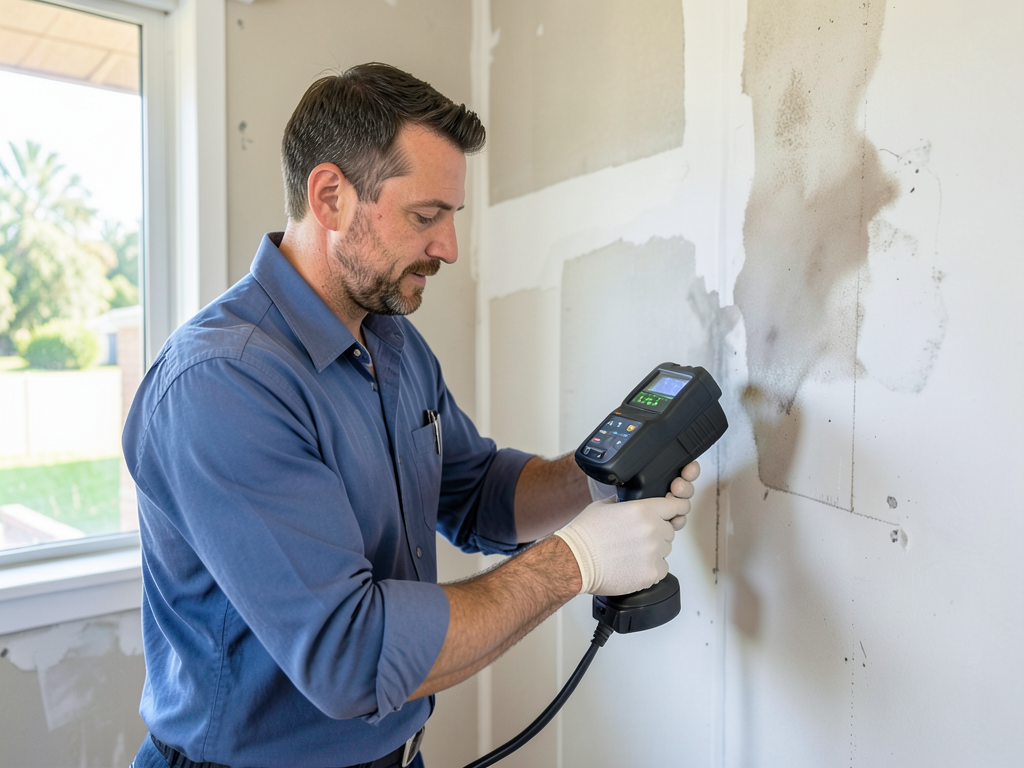
Liberty Water Damage Restoration Riverside uses moisture meters, thermal imaging, and air sampling to map the full extent of colonization before we begin mold cleanup services. You deserve a complete picture of what's growing in your property and a remediation plan that eliminates it permanently.

Why Riverside Properties Face Persistent Mold Growth
How We Execute Mold Remediation Using Containment Protocols

How We Execute Mold Remediation Using Containment Protocols

Mold remediation is not cleaning. It's a controlled demolition and decontamination process that prevents spore dispersal while removing colonized materials. We begin every project with moisture source identification because mold always returns if the water problem isn't fixed. This means inspecting HVAC drain pans, checking grading around foundations, and using moisture mapping to find hidden leaks in walls or under slabs.

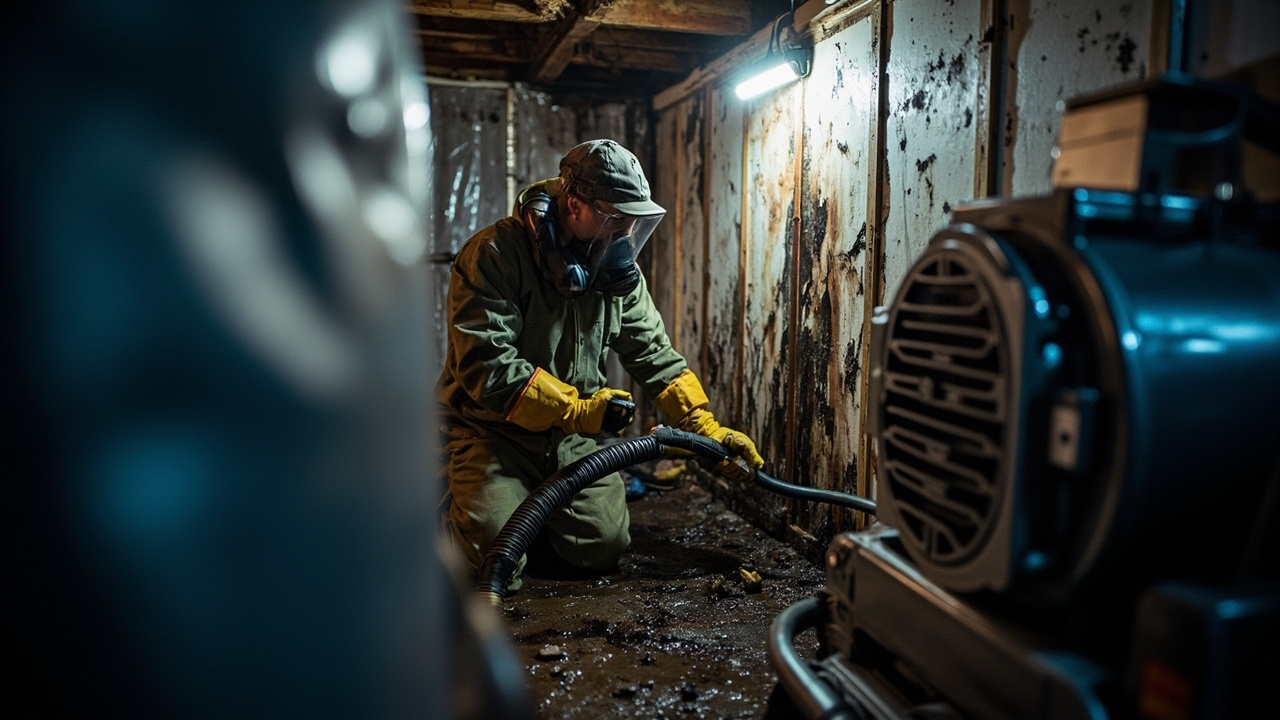
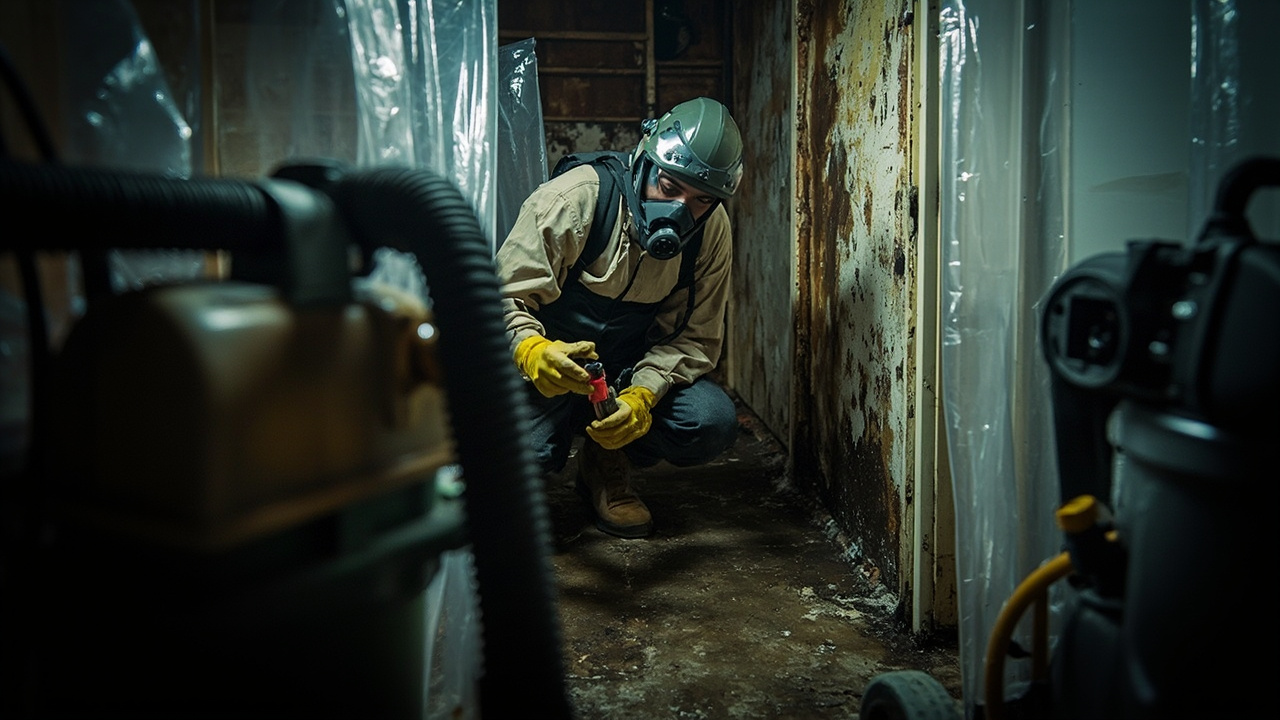
Once we've identified the moisture source, we establish physical containment using 6-mil polyethylene barriers sealed with spray adhesive. Critical containment includes a double-chamber decontamination zone where workers exit through HEPA-filtered negative air machines. These machines create 25 to 50 air changes per hour inside the work area, pulling contaminated air through three-stage filtration before exhausting outdoors.

We remove porous materials like drywall, insulation, and carpeting that show active growth. Semi-porous materials like wood framing get wire-brushed, HEPA-vacuumed, and treated with EPA-registered antimicrobial solutions. Non-porous surfaces like metal ductwork or concrete get cleaned with detergent solutions and encapsulated if warranted.

Our mold abatement process includes HEPA vacuuming all structural surfaces twice, applying antimicrobial treatments to inhibit regrowth, and running air scrubbers for 48 to 72 hours post-remediation. We don't rely on ozone generators or fogging systems that mask problems without removing colonization.

Before reconstruction begins, we coordinate third-party clearance testing through an independent industrial hygienist. This verifies that airborne spore counts have returned to baseline levels and surfaces pass visual inspection. Only after clearance do we release the space for repairs and rebuilding.

What Happens During Your Mold Remediation Project

Mold Remediation & Removal in Riverside | Certified Containment & Air Quality Testing to Protect Your Property
01

Inspection and Containment Setup

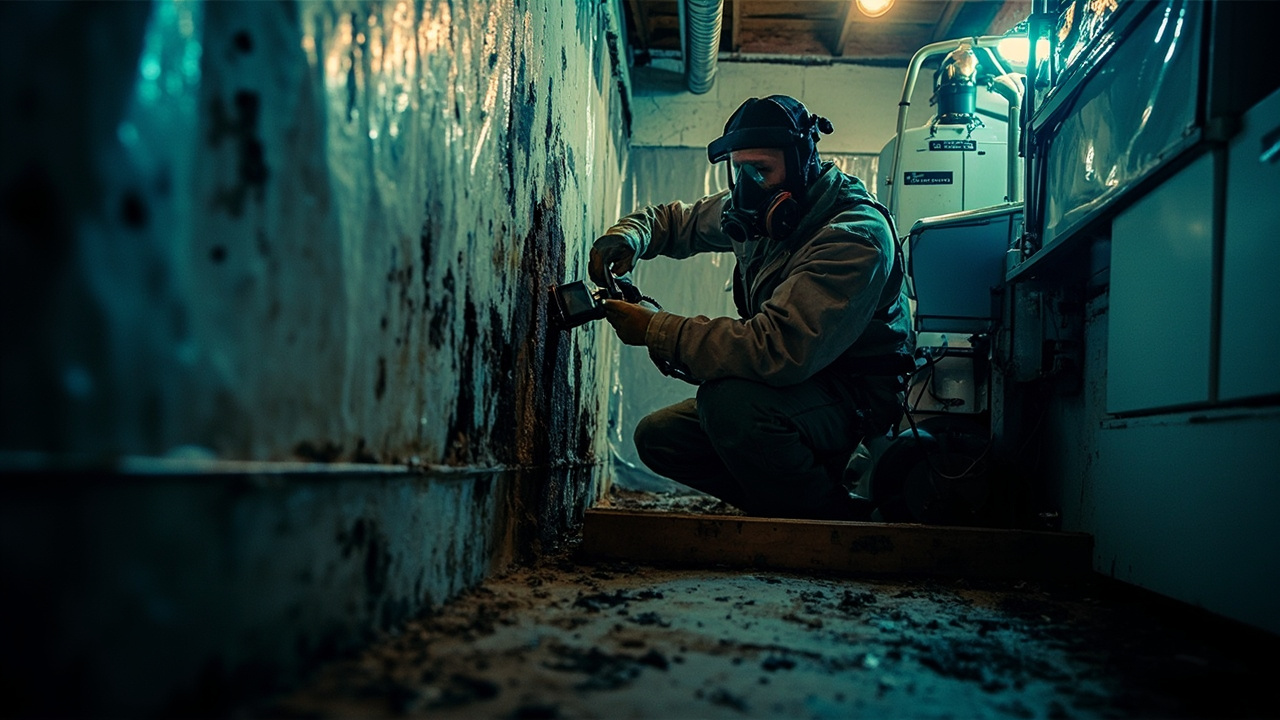
We conduct moisture mapping using penetrating and non-invasive meters to locate wet building materials. Air sampling establishes baseline spore counts in affected and control areas. We photograph all damage for documentation, then build containment barriers using polyethylene sheeting and negative air machines. This prevents cross-contamination to clean areas of your property while we work.
02

Controlled Material Removal

Workers in Tyvek suits and respirators remove colonized drywall, insulation, and finishes using controlled demolition methods. Materials get double-bagged inside containment before disposal. We HEPA-vacuum exposed framing, treat surfaces with antimicrobial solutions, and run air scrubbers continuously. Moisture sources get repaired during this phase. You'll see daily progress as contaminated materials exit and structural elements get cleaned.
03

Clearance Testing and Reconstruction

After final HEPA vacuuming and surface treatment, an independent hygienist performs clearance testing using air samples and surface swabs. Once spore counts return to normal background levels, we remove containment barriers and begin reconstruction. You receive a full remediation report with lab results, photos, and documentation for insurance claims or property transactions. Your indoor air quality returns to safe levels.

Why Riverside Property Owners Choose Liberty for Mold Mitigation

Riverside County has specific requirements for mold remediation projects based on California Health and Safety Code Section 26100. When contamination exceeds 10 square feet, work must follow state guidelines for containment, worker protection, and notification. We know these regulations because we work with them daily across residential and commercial properties in Riverside.

Our team understands how Riverside's building types affect mold growth patterns. Homes in Wood Streets feature balloon framing that allows mold to spread vertically through wall cavities. Mid-century properties in Arlanza often have cast iron drain pipes that corrode and leak behind walls. Commercial buildings near University Avenue have flat roofs with parapet walls where water pools and infiltrates through degraded membranes.

We've remediated mold in everything from historic Craftsman homes in Mount Rubidoux to multi-family complexes near Canyon Springs. This experience means we anticipate hidden damage before we open walls. We know where to look for secondary moisture sources and how local construction methods create vulnerability points.

Liberty Water Damage Restoration Riverside coordinates with industrial hygienists, insurance adjusters, and property managers to keep your project moving. We provide detailed scope documents with photo documentation that help insurance claims get approved faster. Our project managers communicate daily about progress, timeline changes, and any additional findings that affect your remediation plan.

You need a contractor who follows protocol, not shortcuts. We use containment barriers even on small projects because cross-contamination lawsuits cost more than doing it right the first time. Our negative air machines get calibrated regularly, and our HEPA vacuums get filter changes per manufacturer specifications. These details matter when clearance testing determines if remediation succeeded or failed.

What to Expect During Professional Mold Decontamination

Response Time and Project Duration

We respond within two hours for emergency moisture issues that require immediate containment. Initial inspection and moisture mapping happen the same day you call. Small residential projects under 50 square feet typically take three to five days from containment setup to clearance testing. Larger commercial projects can take one to three weeks depending on contamination extent, building occupancy requirements, and coordination with testing labs. We provide realistic timelines during inspection and update you when lab results or additional findings affect the schedule.

Assessment and Testing Protocols

Your inspection includes moisture mapping with both pin-type and infrared meters to find hidden water damage. We take air samples in affected rooms and control areas to establish baseline spore counts. Surface samples document colonization species and growth extent. You receive a written assessment explaining contamination levels, recommended scope of work, and estimated timeline. For properties with health-sensitive occupants or ongoing litigation, we coordinate with industrial hygienists who provide independent testing and protocol development before remediation begins.

Quality Standards and Verification

We follow IICRC S520 Standard for professional mold remediation, which establishes containment requirements, worker safety protocols, and cleaning procedures. Post-remediation verification includes visual inspection of all surfaces, HEPA vacuuming documentation, and antimicrobial treatment logs. Third-party clearance testing confirms airborne spore counts match or fall below control area baselines. You receive lab reports, before-and-after photos, and a certificate of completion that satisfies insurance requirements and property disclosure obligations. Reconstruction doesn't begin until clearance passes.

Post-Remediation Support and Prevention

After clearance testing confirms successful remediation, we provide recommendations for moisture control improvements that prevent recurrence. This includes dehumidification strategies, ventilation upgrades, and grading corrections specific to your property. We document moisture source repairs with photos and warranty information. If you experience new water damage within the remediated area, we return to assess whether it's related to original work or a new moisture event. Your remediation report stays on file for future reference if property transfers or insurance questions arise.

Frequently Asked Questions

You Have Questions,
We Have Answers

How much does it cost to remove mold? +

Mold removal costs in Riverside vary based on the extent of contamination and affected area size. Small jobs under 10 square feet may run a few hundred dollars, while larger infestations affecting multiple rooms or structural components cost significantly more. Factors include location accessibility, material removal requirements, air filtration needs, and post-remediation testing. Riverside's hot, dry climate can create hidden moisture pockets in HVAC systems and attics, complicating inspections. Insurance may cover mold removal if it results from a covered peril like a burst pipe. Always get a detailed written estimate after a professional inspection.

What is the difference between mold removal and mold remediation? +

Mold removal involves physically eliminating visible mold growth from surfaces. Mold remediation is a comprehensive process that addresses the root cause. Remediation includes containment to prevent spore spread, air filtration, moisture source elimination, removal of contaminated materials, antimicrobial treatment, and post-verification testing. In Riverside, where low humidity masks slow leaks behind stucco exteriors, remediation ensures hidden colonies are addressed. Simply removing visible mold without fixing the moisture problem guarantees regrowth. Professional remediation restores indoor air quality and prevents future contamination. Removal is a step within remediation, not a standalone solution.

How much does full mold remediation cost? +

Full mold remediation costs depend on contamination severity, square footage, and structural damage. Projects range from moderate investments for isolated bathroom mold to substantial costs for whole-home infestations requiring drywall removal, HVAC cleaning, and crawlspace treatment. Riverside homes with older plumbing or inadequate attic ventilation face higher costs when hidden moisture creates widespread growth. The price includes containment barriers, negative air machines, antimicrobial application, material disposal, and clearance testing. Delay increases costs exponentially as mold spreads. Most certified remediators provide free inspections and detailed project estimates before starting work.

Is professional mold removal worth it? +

Professional mold removal is worth it when health, safety, and property value are considered. Certified technicians use containment protocols and industrial equipment that prevent cross-contamination during removal. They identify hidden moisture sources that DIY efforts miss. In Riverside's real estate market, undisclosed mold problems torpedo sales and trigger legal disputes. Professional remediation includes documentation for insurance claims and future buyers. Improper DIY removal spreads spores throughout your home, worsening respiratory issues and contaminating HVAC systems. The investment protects your family's health and preserves your largest financial asset. Cutting corners creates bigger problems.

What kills mold permanently? +

Nothing kills mold permanently without eliminating the moisture source. Antimicrobial treatments and EPA-registered fungicides kill active colonies, but spores remain dormant everywhere. Mold returns when humidity exceeds 60 percent or water intrusion occurs. In Riverside, fixing the underlying issue matters most. Repair leaking irrigation systems, improve attic ventilation, redirect exterior drainage, and maintain HVAC systems. After treating contaminated areas with appropriate biocides, control indoor humidity below 50 percent. Porous materials like drywall and insulation often require removal rather than treatment. Permanent mold control demands moisture management, not just chemical application.

What are signs of mold exposure? +

Mold exposure symptoms include persistent coughing, wheezing, nasal congestion, throat irritation, and eye discomfort. Some Riverside residents experience headaches, fatigue, skin rashes, or difficulty concentrating. Individuals with asthma or compromised immune systems face severe reactions. You might notice a musty odor before seeing visible growth. Symptoms worsen indoors and improve when you leave the property. Black mold produces mycotoxins causing more serious neurological effects. Children and elderly individuals show heightened sensitivity. If multiple household members develop unexplained respiratory issues simultaneously, schedule a professional mold inspection. Document symptoms for medical providers and potential insurance claims.

Can I remediate mold myself? +

You can handle small mold patches under 10 square feet on non-porous surfaces using proper safety precautions. Wear an N95 respirator, gloves, and eye protection. Seal the area with plastic sheeting and use exhaust fans venting outdoors. Clean with detergent solution, not bleach on porous materials. However, larger infestations, hidden mold in walls or HVAC systems, and growth following sewage backups require professional remediation in Riverside. DIY efforts often spread spores and miss the moisture source. If you have respiratory conditions or the mold returns after cleaning, call certified remediators who follow IICRC S520 standards.

Why is mold remediation so expensive? +

Mold remediation costs reflect specialized equipment, containment protocols, safety requirements, and disposal fees. Certified technicians use negative air machines with HEPA filtration, antimicrobial foggers, moisture meters, and infrared cameras. Containment barriers prevent spore spread during removal. In Riverside, projects often require structural drying equipment and post-remediation testing by independent laboratories. Contaminated materials need proper disposal following environmental regulations. Technicians carry liability insurance and follow OSHA safety standards. The process demands specialized training and expensive equipment that DIY approaches lack. Proper remediation prevents recurring growth and protects your home's structural integrity and resale value.

How long should you stay out of house after mold remediation? +

You can typically return home within 24 to 48 hours after mold remediation completion, once clearance testing confirms spore levels are normal. The timeline depends on project scope and ventilation effectiveness. Riverside's dry climate helps accelerate drying after antimicrobial treatment. Your remediator should provide a clearance report from an independent hygienist verifying safe air quality. Sensitive individuals, especially those with asthma or mold allergies, may want to wait an additional day. Keep windows open and run HVAC systems to circulate fresh air. If strong chemical odors persist, extend your absence. Never return before receiving written clearance documentation.

What to do if you can't afford mold remediation? +

If you cannot afford full remediation immediately, prioritize containment to prevent spread. Seal affected areas with plastic sheeting and stop using contaminated spaces. Fix the moisture source first, whether a leaking pipe or poor ventilation. In Riverside, some homeowners insurance policies cover mold resulting from sudden water damage. Review your policy and file a claim promptly. Contact local non-profits or Riverside County health services for low-income assistance programs. Some remediators offer payment plans. For small areas, carefully attempt DIY removal using proper safety equipment. Document everything with photos. Delaying professional treatment increases costs exponentially as contamination spreads.

How Riverside's Santa Ana Winds and River Corridor Humidity Drive Mold Growth

Riverside sits at the intersection of two climate extremes. Santa Ana wind events create rapid humidity drops that cause building materials to expand and contract, opening cracks in stucco and separating flashing details. When winter rains return, these openings channel water into wall cavities. The Santa Ana River corridor adds localized humidity during summer months, especially in properties near Fairmount Park and Riverside Plaza. This seasonal moisture cycling creates ideal conditions for mold colonization in attics, crawl spaces, and exterior wall assemblies. Professional mold decontamination in Riverside must address both acute water damage and chronic moisture exposure patterns unique to this microclimate.

Riverside County Environmental Health Services provides guidance on mold assessment and remediation, but enforcement varies by project scope and building occupancy. We work within these local regulatory frameworks while following state-level California Department of Public Health standards. Our familiarity with Riverside's older housing stock means we anticipate how balloon framing, plaster walls, and pier-and-beam foundations trap moisture differently than modern construction. When you choose local expertise for mold cleanup services, you get contractors who understand how Riverside's building types, climate patterns, and municipal requirements intersect. We coordinate with local industrial hygienists and maintain relationships with county health inspectors to ensure your project meets all applicable standards.
Water Damage Restoration Services in The Riverside Area

We are dedicated to serving the entire Riverside area and its neighboring communities with fast and reliable water damage restoration services. Whether you’re a resident or a business owner, our team is ready to respond to your call. Use the map below to see our service area, or call us directly to confirm if we can dispatch a team to your location for an immediate emergency response.

Address:
Liberty Water Damage Restoration Riverside, 11801 Pierce St, Riverside, CA, 92505

Additional Services We Offer

Our news updates

Latest Articles & News from The Blogs

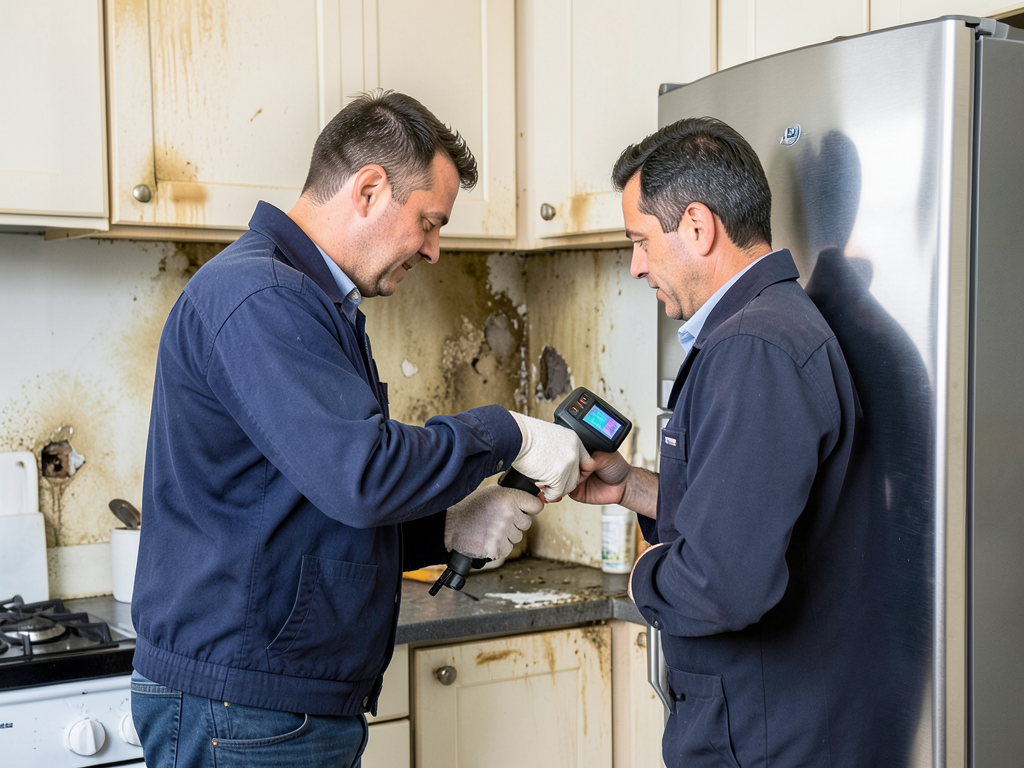
Why your ice maker line is a ticking time bomb for your kitchen floor Ice maker supply lines are one…

Why your ice maker line is a ticking time bomb for your kitchen floor

Why your ice maker line is a ticking time bomb for your kitchen floor Ice maker supply lines are one…

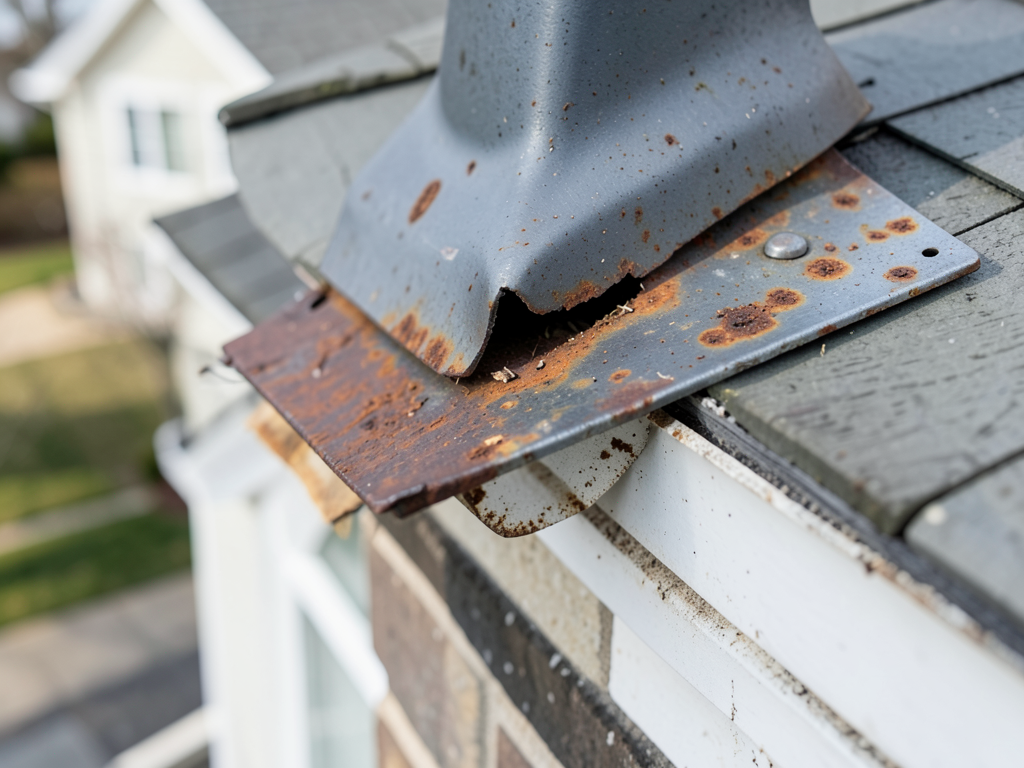
How to spot the signs of a chimney leak before it ruins your Riverside living room

How to spot the signs of a chimney leak before it ruins your Riverside living room Your chimney is more…

The most common plumbing mistakes Riverside DIYers make that lead to floods

The most common plumbing mistakes Riverside DIYers make that lead to floods DIY plumbing projects in Riverside often start with…

Contact Us

Mold colonization accelerates every day moisture remains in building materials. Call Liberty Water Damage Restoration Riverside now at (951) 309-5499 for same-day inspection and containment setup. We provide transparent scope documents and coordinate clearance testing to restore your property safely.