menu

Risks of DIY Water Cleanup in Riverside – Why Amateur Extraction Can Destroy Your Property and Health

Understanding the dangers of DIY water damage restoration protects Riverside homeowners from structural failure, toxic mold colonization, and electrical hazards that appear days after you think the problem is solved.

Slider Image 1
Slider Image 2
Slider Image 3
Slider Image 4
Slider Image 5
Slider Image 7
Slider Image 8
Slider Image 9
Slider Image 10
Slider Image 11

Why DIY Water Cleanup Fails in Riverside's Unique Climate

You mop up the standing water, run a few fans, and assume the problem is solved. Three weeks later, you smell mildew in the walls. By six weeks, you see black patches spreading across drywall. This pattern repeats across Riverside because our semi-arid climate creates a false sense of security. Low humidity outdoors does not mean water evaporates from inside wall cavities or subflooring.

The dangers of DIY water damage restoration become clear when you understand moisture migration. Water travels through capillary action into wood framing, insulation batts, and concrete slab edges. Surface drying means nothing if residual moisture stays trapped in structural layers. Riverside's older housing stock, particularly homes built before 1980 in neighborhoods near the Historic District, often lacks vapor barriers. Water seeps into plaster lath systems and adobe-reinforced walls where you cannot see it.

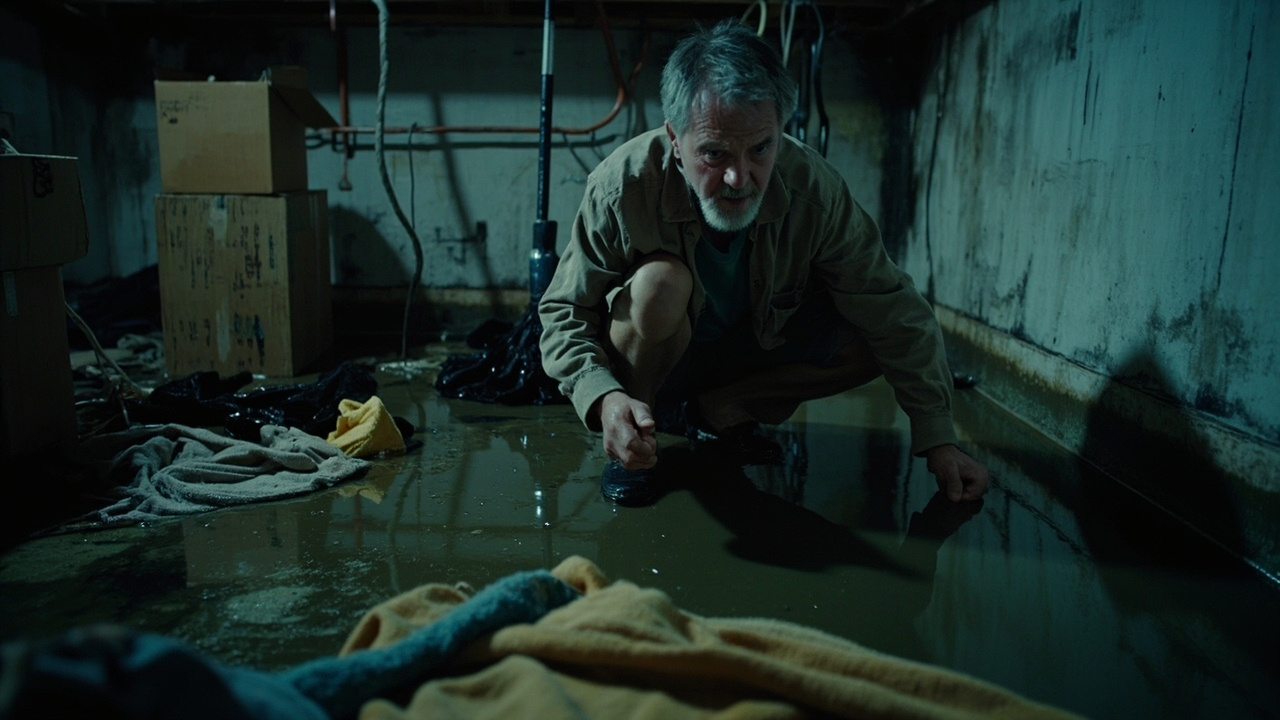
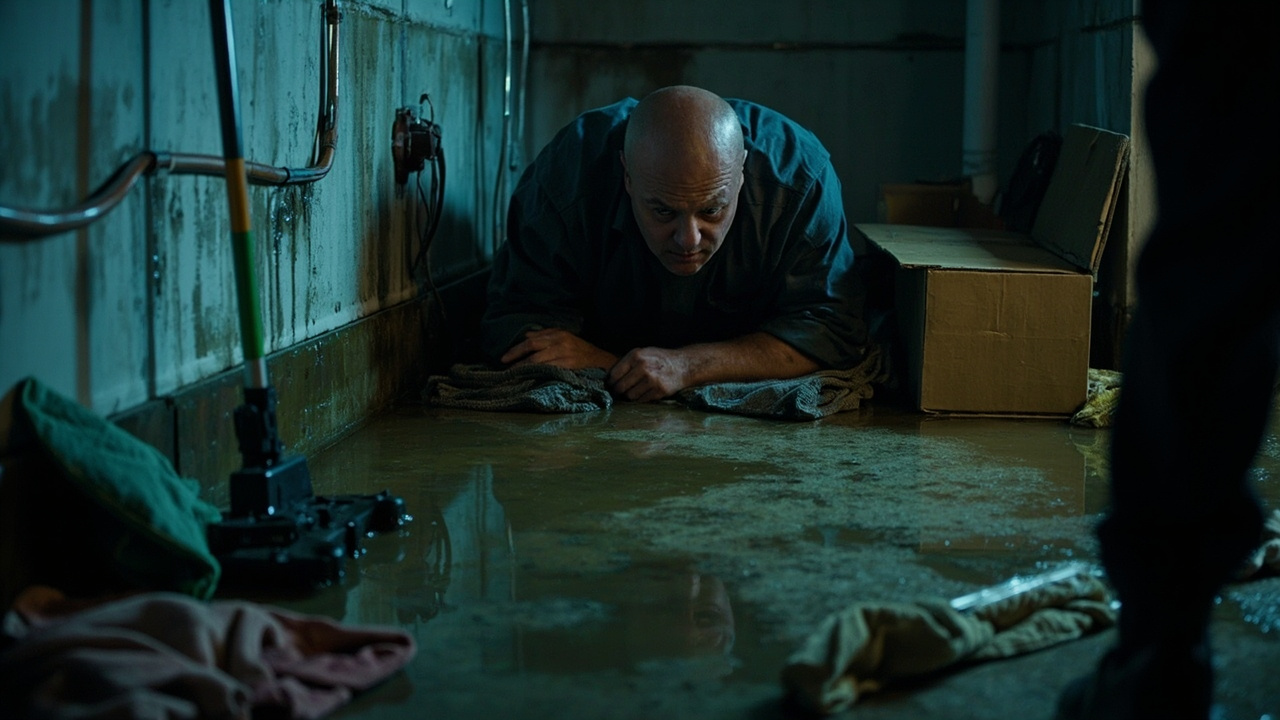
The hazards of do-it-yourself water removal extend beyond mold. Wet electrical systems create electrocution risks. Soaked drywall loses structural integrity and can collapse without warning. Subfloor delamination causes tile and hardwood to buckle weeks after you think you fixed everything. You rent a wet vac from the hardware store, but commercial extraction equipment pulls 10 times more water from padding and subflooring. You miss the moisture meter readings that reveal hidden saturation.

The consequences of amateur water cleanup compound over time. Insurance adjusters document improper mitigation. Your claim gets reduced or denied because you did not follow protocol. Secondary damage becomes your financial burden. What started as a $2,000 professional restoration job becomes a $15,000 reconstruction project because you tried to save money.

Why DIY Water Cleanup Fails in Riverside's Unique Climate
How Professional Water Extraction Prevents Hidden Damage

How Professional Water Extraction Prevents Hidden Damage

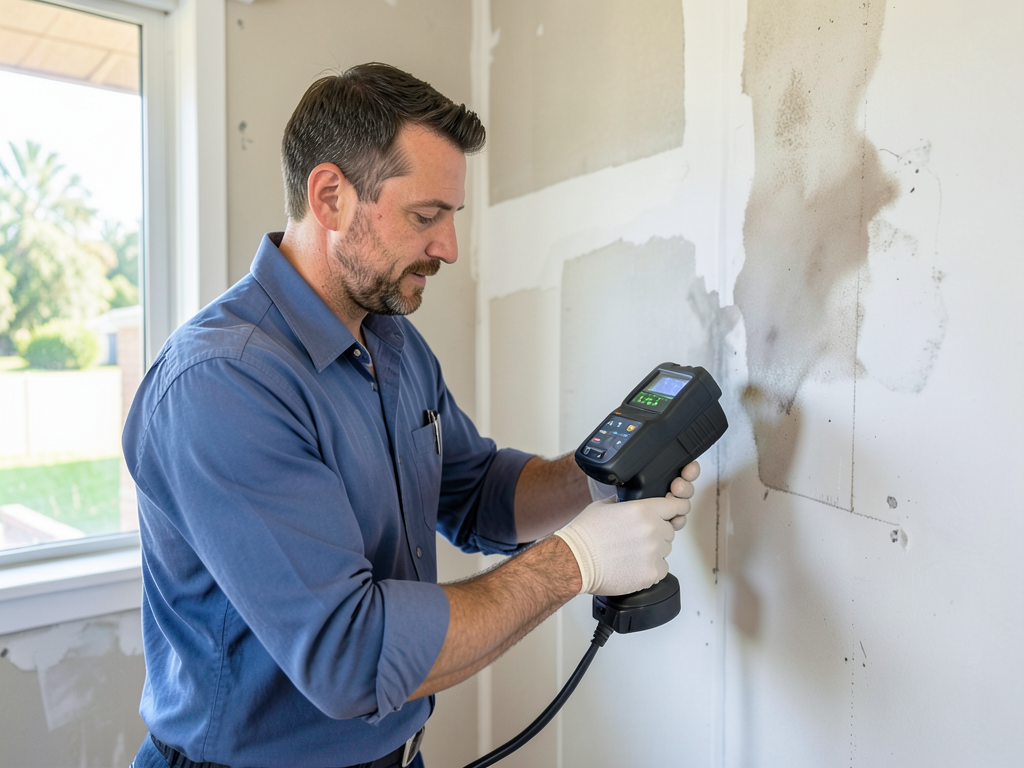
Professional water damage restoration follows IICRC S500 standards, which define proper drying goals based on material type and contamination category. We do not guess. We measure. Moisture meters and thermal imaging cameras identify wet areas invisible to the naked eye. Truck-mounted extractors remove water at rates measured in gallons per minute, not cups per hour like shop vacs.

The hidden risks of self-managed water mitigation become obvious when you understand psychrometrics. Drying is not about air movement. It is about vapor pressure differential and grains per pound calculations. We measure temperature, relative humidity, and dew point to calculate drying potential. You cannot do this with a box fan and an open window. Dehumidifiers must match the cubic footage and moisture load. Residential units from the hardware store process 50 pints per day. Our commercial units process 200 pints per day and include condensate pumps for continuous operation.

We establish containment barriers to prevent cross-contamination when dealing with Category 2 or Category 3 water. You do not know the difference. Category 1 water from a supply line is clean initially, but becomes Category 2 after 48 hours of contact with building materials. Sewage backups are always Category 3 and require antimicrobial treatment and disposal protocols.

Structural drying requires controlled demo. We remove baseboards to ventilate wall cavities. We pull carpet and pad within hours to prevent delamination and microbial amplification. We document moisture content daily using penetrating probes and non-invasive sensors. The pitfalls of DIY water extraction include stopping too early. Materials need three to five days of monitored drying to reach equilibrium moisture content. You stop when it looks dry. We stop when the data confirms it.

What Happens When You Call Liberty Water Damage Restoration Riverside

Risks of DIY Water Cleanup in Riverside – Why Amateur Extraction Can Destroy Your Property and Health
01

Emergency Contact and Assessment

You call (951) 309-5499 and reach a live person, not an answering service. We dispatch a certified technician to your Riverside property within 60 minutes for emergency calls. The technician performs a room-by-room moisture survey using thermal imaging and penetrating moisture meters. We identify the water source, classify the contamination category, and calculate the affected square footage. You receive a detailed scope of work before we start extraction.
02

Water Extraction and Containment

Truck-mounted extractors remove standing water and saturated padding within the first four hours. We establish drying chambers using air movers and commercial dehumidifiers positioned based on airflow mapping. Negative air pressure prevents moisture migration to unaffected areas. We remove non-salvageable materials like soaked insulation and delaminated subflooring. Antimicrobial treatments are applied to affected surfaces if contamination is present. You get daily updates with moisture readings and photo documentation for your insurance claim.
03

Monitoring and Verification

We visit your property daily to record moisture levels until all materials reach dry standard per IICRC guidelines. Wood framing must drop below 15 percent moisture content. Concrete must fall below 4.5 percent using a calibrated probe. We provide a final moisture report with readings from every affected area. This documentation proves proper mitigation to your insurance carrier and protects you from future liability if mold appears from incomplete drying by another contractor.

Why Riverside Property Owners Trust Liberty Water Damage Restoration

We work in Riverside neighborhoods from Canyon Crest to La Sierra every week. We know which streets flood during winter storms when the Santa Ana River backs up. We understand how homes in the Arlington Heights area built on raised foundations have different moisture problems than slab-on-grade construction near Victoria Avenue. Local knowledge matters when minutes determine whether you save hardwood floors or replace them.

Our technicians hold IICRC Water Damage Restoration certifications, not weekend training certificates. We invest in continuing education on new drying technologies and building science principles. You get technicians who understand Riverside's building code requirements for reconstruction and who communicate directly with adjusters from the insurance companies that handle most claims in this area.

We document everything. Before photos, moisture maps, daily logs, thermal images, and final verification reports create a complete record. Insurance companies trust our documentation because it follows industry standards. You avoid claim disputes and delays. When you hire Liberty Water Damage Restoration Riverside, you hire a company that understands the consequences of amateur water cleanup because we fix those failures every month.

We do not upsell unnecessary services. If your drywall can be saved, we save it. If your subflooring needs replacement, we explain why with moisture data and structural assessment. Transparency builds trust. We have restored properties in Riverside since our founding, and our reputation depends on honest assessments and quality work. You get the same thorough approach whether we are drying out a 900-square-foot bungalow near Downtown or a 4,000-square-foot home in Wood Streets.

What You Can Expect From Professional Water Damage Restoration

Response Time and Availability

We answer emergency calls 24 hours a day, seven days a week. When a pipe bursts at 2 a.m. or your water heater floods your garage on Sunday morning, you reach a trained professional immediately. Our average response time for Riverside properties is under 90 minutes from your call to technician arrival. Speed matters because every hour of delayed extraction adds to structural damage and increases restoration expenses. We arrive with truck-mounted equipment and begin water removal within minutes of assessment. You do not wait days for an appointment or get shuffled to a call center in another state.

Comprehensive Damage Assessment

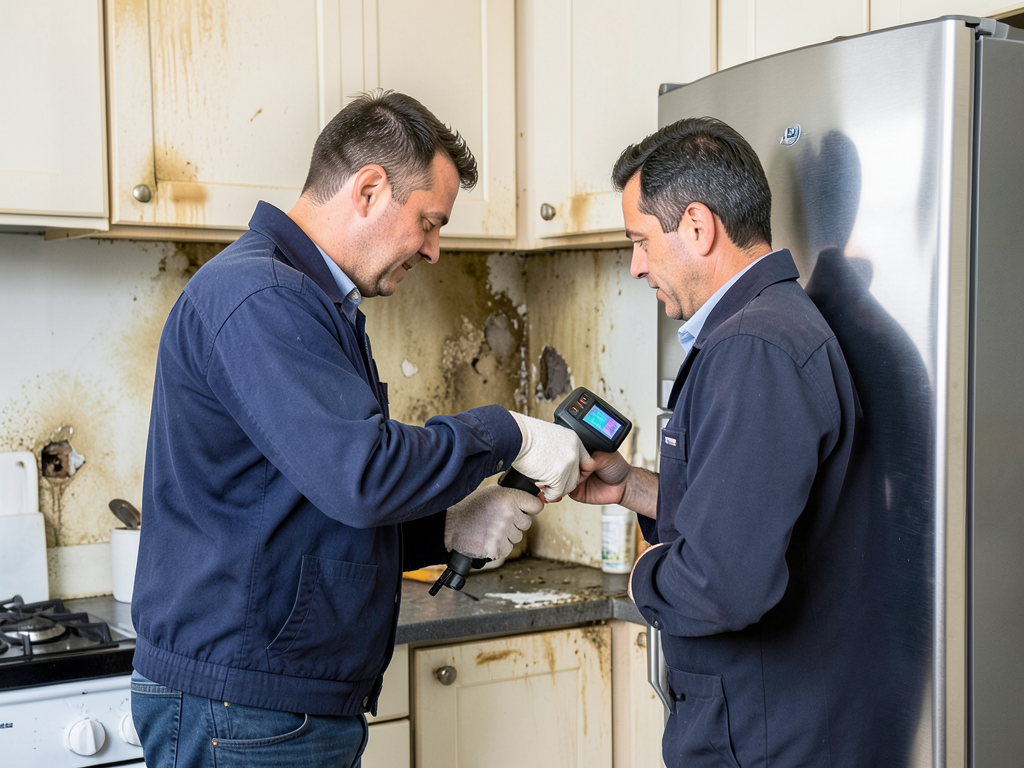
Our initial assessment uses thermal imaging cameras that detect temperature differentials indicating moisture intrusion behind walls and under flooring. Penetrating moisture meters measure water content in wood framing and concrete. We test humidity levels and calculate vapor pressure to design effective drying strategies. You receive a written scope detailing affected materials, contamination classification, and estimated drying time. This assessment forms the basis of your insurance claim and prevents surprises during restoration. We identify hidden damage you would miss, like wet insulation in wall cavities or moisture wicking up drywall from soaked baseboards.

Restoration Quality and Standards

We dry structures to IICRC S500 standards, which means materials reach scientifically verified moisture levels that prevent microbial growth. Wood framing drops below 15 percent. Drywall falls below 1 percent using a non-invasive meter. Concrete slabs dry to below 4.5 percent using calibrated probes. We do not rely on touch or appearance. Numbers define success. You receive documentation proving every affected area reached dry standard. This protects you if mold appears later from incomplete drying by a previous occupant or another contractor. Quality restoration prevents recurring problems and maintains your property value.

Insurance Coordination and Documentation

We work directly with your insurance adjuster to streamline the claims process. Our estimates follow Xactimate pricing, which most carriers use as their standard. We provide detailed photo documentation, moisture logs, equipment placement diagrams, and daily progress reports. This comprehensive documentation reduces claim disputes and speeds approval. You avoid the stress of translating technical restoration work into insurance language. We handle communication with adjusters, explain coverage questions, and advocate for proper scope if the initial estimate misses hidden damage. Many Riverside homeowners discover their DIY cleanup attempts void coverage because they did not follow proper mitigation protocols. Professional documentation protects your claim.

Frequently Asked Questions

You Have Questions,
We Have Answers

Can you do water remediation yourself? +

You can handle minor water cleanup yourself if the source is clean and the affected area is small. Wipe up spills, run fans, and dry surfaces quickly. However, most water damage in Riverside homes involves hidden moisture in walls, subfloors, or crawlspaces. DIY methods miss these pockets. You lack professional extraction equipment, moisture meters, and thermal imaging cameras. If water sits longer than 24 hours, mold starts growing. Structural damage worsens. Electrical hazards increase. For anything beyond a small, surface-level spill, professional restoration prevents costly mistakes and protects your family's health.

Can mold from water damage make you sick? +

Yes. Mold releases spores and mycotoxins that trigger respiratory problems, allergic reactions, and infections. You may experience coughing, wheezing, throat irritation, or skin rashes. People with asthma or weakened immune systems face serious risks. In Riverside's warm climate, mold grows fast after water damage. Black mold, Stachybotrys, produces toxic compounds linked to chronic fatigue and neurological issues. Children and elderly residents are especially vulnerable. If you smell musty odors or see visible growth after a water event, do not attempt DIY removal. Professional testing identifies mold types and ensures safe remediation.

How long can drywall be wet before mold? +

Mold can start growing on wet drywall within 24 to 48 hours. Riverside's inland heat and humidity accelerate this timeline. Drywall is porous and absorbs water quickly. Once saturated, the paper backing becomes a food source for mold spores already present in the air. You may not see surface growth immediately, but colonies form inside wall cavities. By day three, spores multiply rapidly. Structural integrity weakens. Attempting to dry drywall yourself without proper equipment often fails because moisture remains trapped. Professional extraction and controlled drying prevent hidden mold and costly drywall replacement.

How long does it take for water to damage foundation? +

Water damages foundations faster than most homeowners realize. Surface erosion begins within hours as water pools around footings. Within days, hydrostatic pressure builds against basement walls, causing cracks. Riverside homes on expansive clay soils face additional risks. Saturated soil expands and contracts, shifting foundations over weeks. Persistent leaks or poor drainage cause settling, bowing walls, and structural instability within months. DIY fixes like grading adjustments or waterproofing paint fail to address subsurface water. You need professional assessment using levels, crack monitors, and soil analysis to prevent catastrophic foundation failure and preserve home value.

Can I safely remove black mold myself? +

No. Black mold removal requires containment, negative air pressure, HEPA filtration, and proper disposal. Disturbing colonies releases millions of toxic spores into your home's air. DIY attempts spread contamination to unaffected rooms. You lack protective equipment like respirators and Tyvek suits. Scrubbing with bleach does not kill mold roots in porous materials. It pushes spores deeper and creates invisible growth. Riverside's dry climate makes airborne spores travel farther. Professional remediators follow IICRC protocols, test air quality post-remediation, and guarantee safe environments. Your health and your family's safety are not worth the DIY risk.

What is the safest method to purify water at home? +

This question confuses water purification with water damage restoration. For drinking water, boiling kills pathogens. Filters remove contaminants. However, flood water or sewage backups in Riverside homes contain bacteria, chemicals, and biological waste. No home purification method makes this water safe for cleanup without protective gear. Contaminated water soaks into flooring, drywall, and insulation. DIY cleanup exposes you to E. coli, hepatitis, and other diseases. Professional restoration teams use antimicrobial treatments, industrial disinfectants, and proper waste disposal. Do not confuse purifying drinking water with safely remediating structural water damage.

What are the 10 warning signs of mold toxicity? +

Watch for persistent fatigue, brain fog, headaches, and dizziness. Respiratory symptoms include chronic coughing, shortness of breath, and sinus congestion. Skin irritation, rashes, and itchy eyes occur frequently. You may experience muscle aches, joint pain, or numbness. Digestive issues like nausea or appetite loss appear in severe cases. Mood changes, anxiety, and memory problems signal neurological effects. If multiple family members show symptoms after water damage in your Riverside home, mold toxicity is likely. Do not wait for all ten signs. Professional air quality testing identifies mold species and concentration levels before health damage becomes permanent.

How long before water damage becomes mold? +

Mold begins growing within 24 to 48 hours after water intrusion. Riverside's warm temperatures speed up this process. Initial growth remains microscopic, but colonies expand rapidly. By 72 hours, visible patches appear on drywall, wood, and fabrics. Porous materials like insulation and carpet padding harbor hidden mold that DIY methods miss. The longer water sits, the deeper mold penetrates. Within a week, remediation costs multiply. Structural materials require replacement instead of drying. Professional extraction and drying within the first 24 hours prevent mold entirely. Waiting turns a manageable water loss into a health hazard.

Can mold behind drywall affect you? +

Yes. Mold behind drywall releases spores through electrical outlets, baseboards, and HVAC vents. You breathe these spores without seeing the source. Hidden mold produces musty odors and degrades indoor air quality. Riverside homes with stucco exteriors trap moisture in wall cavities, creating perfect mold environments. Symptoms include respiratory issues, headaches, and fatigue. Thermal imaging and moisture meters detect hidden growth before walls show visible damage. Cutting open drywall yourself spreads contamination. Professional remediation includes containment barriers, negative air machines, and post-removal air testing. Invisible mold is just as dangerous as visible growth.

Does running the AC help with mold? +

Running AC helps reduce humidity, which slows mold growth. However, AC alone does not remove existing mold or dry saturated materials. Riverside's dry climate helps, but indoor moisture from water damage exceeds what AC systems handle. If mold is already present, AC systems can spread spores throughout your home via ductwork. Evaporator coils and drain pans become contamination sources. You need professional drying equipment like commercial dehumidifiers and air movers that extract moisture from walls and subfloors. AC is a preventive tool for normal humidity control, not a remediation solution after water damage occurs.

Why Riverside's Aging Infrastructure Creates DIY Water Cleanup Disasters

Riverside's water distribution system includes pipes installed in the 1940s and 1950s. Galvanized steel supply lines corrode from the inside, creating pinhole leaks that spray water into wall cavities for hours before you notice reduced pressure or ceiling stains. Homes near Mount Rubidoux and along Magnolia Avenue often have cast iron drain lines that fail suddenly, flooding crawl spaces with contaminated water. The dangers of DIY water damage restoration multiply when you do not recognize Category 3 contamination and expose your family to pathogens. Our semi-arid climate means many Riverside residents lack experience with water damage. You treat a sewer backup like a clean water spill because it looks clear. Professional assessment prevents dangerous mistakes.

Liberty Water Damage Restoration Riverside understands local construction methods that impact drying strategies. We know which neighborhoods have homes with plaster over wood lath that holds moisture for weeks. We recognize pier and beam foundations common in older Riverside areas that require crawl space drying. We understand how stucco exteriors trap moisture against wood framing if weep screeds are blocked. Local expertise means faster identification of problem areas and appropriate equipment deployment. We work with Riverside building inspectors who review reconstruction permits and know their expectations for water-damaged structures. Choosing local restoration professionals means working with technicians who understand your specific property challenges, not a national franchise following generic protocols.
Water Damage Restoration Services in The Riverside Area

We are dedicated to serving the entire Riverside area and its neighboring communities with fast and reliable water damage restoration services. Whether you’re a resident or a business owner, our team is ready to respond to your call. Use the map below to see our service area, or call us directly to confirm if we can dispatch a team to your location for an immediate emergency response.

Address:
Liberty Water Damage Restoration Riverside, 11801 Pierce St, Riverside, CA, 92505

Additional Services We Offer

Our news updates

Latest Articles & News from The Blogs

Why your ice maker line is a ticking time bomb for your kitchen floor Ice maker supply lines are one…

Why your ice maker line is a ticking time bomb for your kitchen floor

Why your ice maker line is a ticking time bomb for your kitchen floor Ice maker supply lines are one…

How to spot the signs of a chimney leak before it ruins your Riverside living room

How to spot the signs of a chimney leak before it ruins your Riverside living room Your chimney is more…

The most common plumbing mistakes Riverside DIYers make that lead to floods

The most common plumbing mistakes Riverside DIYers make that lead to floods DIY plumbing projects in Riverside often start with…

Contact Us

Call (951) 309-5499 right now for 24-hour emergency water extraction in Riverside. Every hour you wait increases restoration expenses and structural damage. Our certified technicians arrive within 90 minutes with professional extraction equipment and moisture detection technology you cannot rent.