menu

Categories of Water in Riverside – Know What You're Dealing With Before It's Too Late

Understanding water damage categories and contamination levels helps Riverside property owners make informed decisions about safety, proper remediation protocols, and insurance claims when disaster strikes.

Slider Image 1
Slider Image 2
Slider Image 3
Slider Image 4
Slider Image 5
Slider Image 7
Slider Image 8
Slider Image 9
Slider Image 10
Slider Image 11

Why Water Category Classification Matters in Riverside Properties

Not all water damage is the same. The Institute of Inspection Cleaning and Restoration Certification established three distinct water damage categories based on contamination levels. These classifications determine everything from safety protocols to restoration methods to insurance coverage.

Riverside's position along the Santa Ana River and proximity to the Box Springs Mountains creates unique water intrusion risks. Flash flooding during winter storms can push contaminated runoff into homes. Aging infrastructure in historic neighborhoods like Mission Grove and Canyon Crest means sewer backups happen more frequently than residents expect. The region's hard water also accelerates pipe corrosion, leading to sudden failures that release water of varying contamination levels into living spaces.

Category 1 water originates from sanitary sources like supply lines or rainwater. Category 2 contains significant contamination from sources like washing machines or dishwashers. Category 3, also called black water, poses serious health risks from sewage, flooding, or standing water that has incubated bacteria.

The category determines your safety risk and the required response. Category 1 water can degrade to Category 2 within 48 hours if left standing. Category 2 becomes Category 3 in similar timeframes. Temperature and humidity in Riverside can accelerate this degradation process.

Property owners who misidentify water quality classifications put themselves and their families at risk. They also jeopardize insurance claims by using incorrect remediation methods. Understanding these IICRC water categories is not academic. It's practical safety information that protects health and assets.

Why Water Category Classification Matters in Riverside Properties
How Professional Teams Identify and Handle Different Water Contamination Levels

How Professional Teams Identify and Handle Different Water Contamination Levels

Professionals use specific protocols to identify types of water contamination. We start with source identification. A broken supply line indicates Category 1. A toilet overflow with feces present is Category 3. A leaking water heater falls somewhere in between based on age and maintenance history.

Visual inspection reveals contamination indicators. Clear water without debris or odor suggests Category 1. Discoloration, particulate matter, or chemical odors signal Category 2. Sewage presence, dark water, or strong biological odors confirm Category 3.

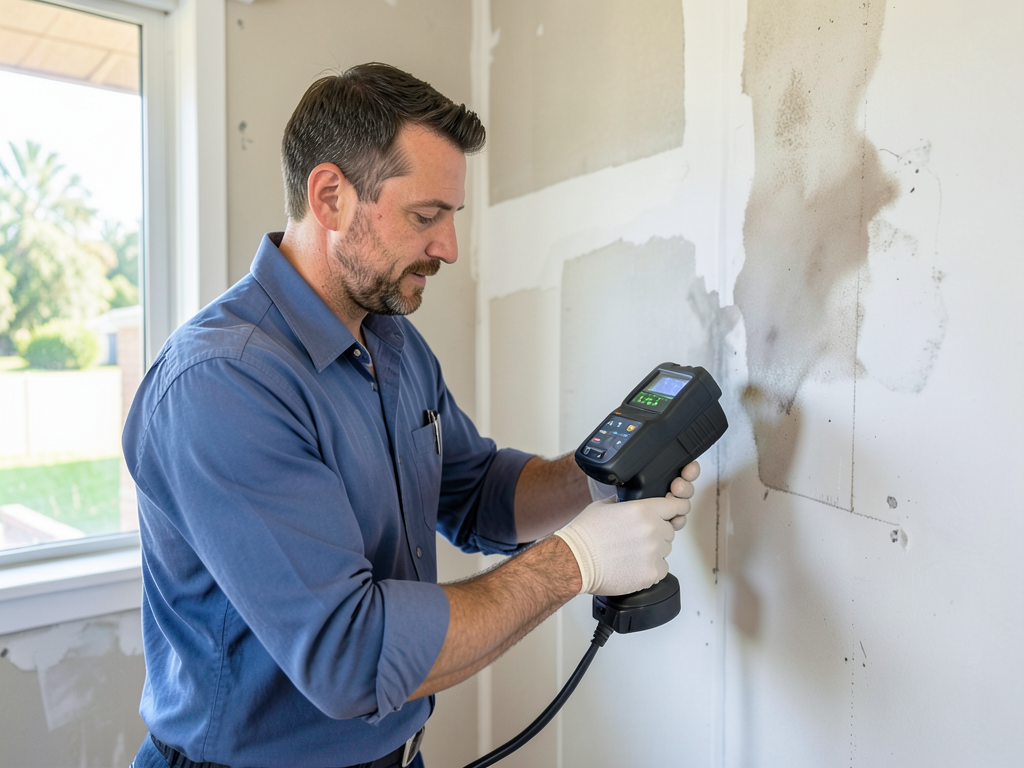
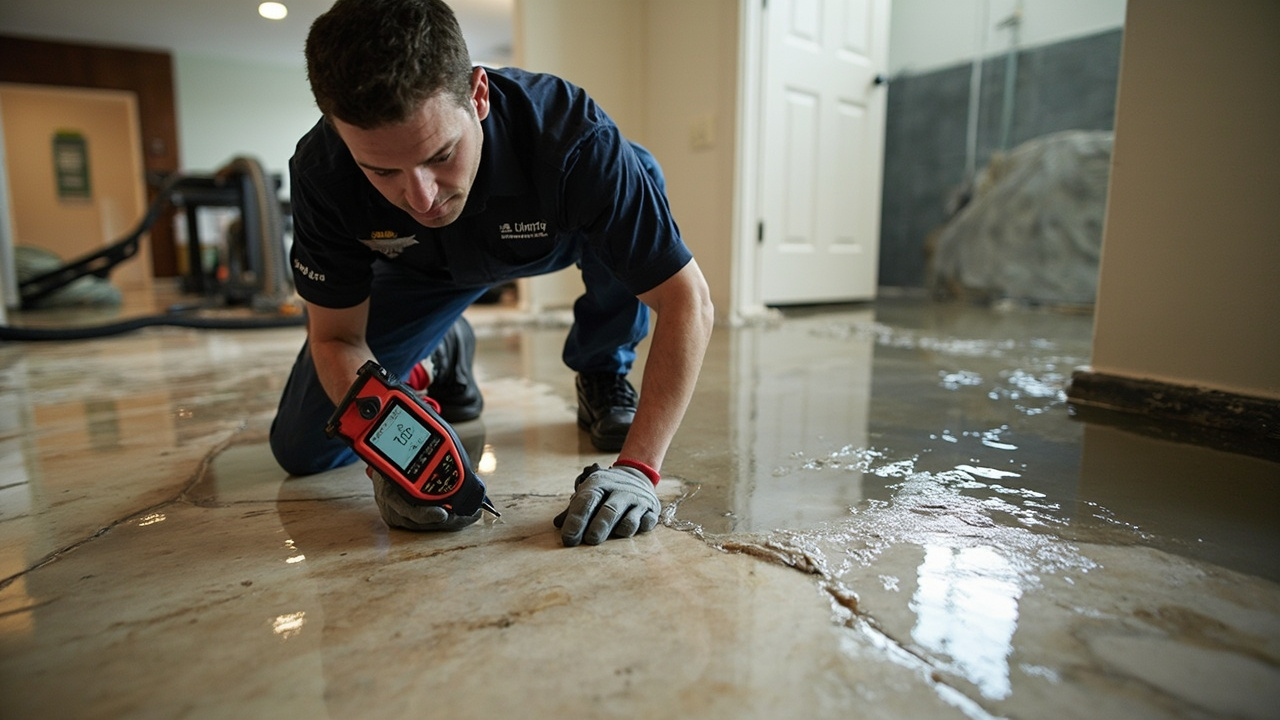
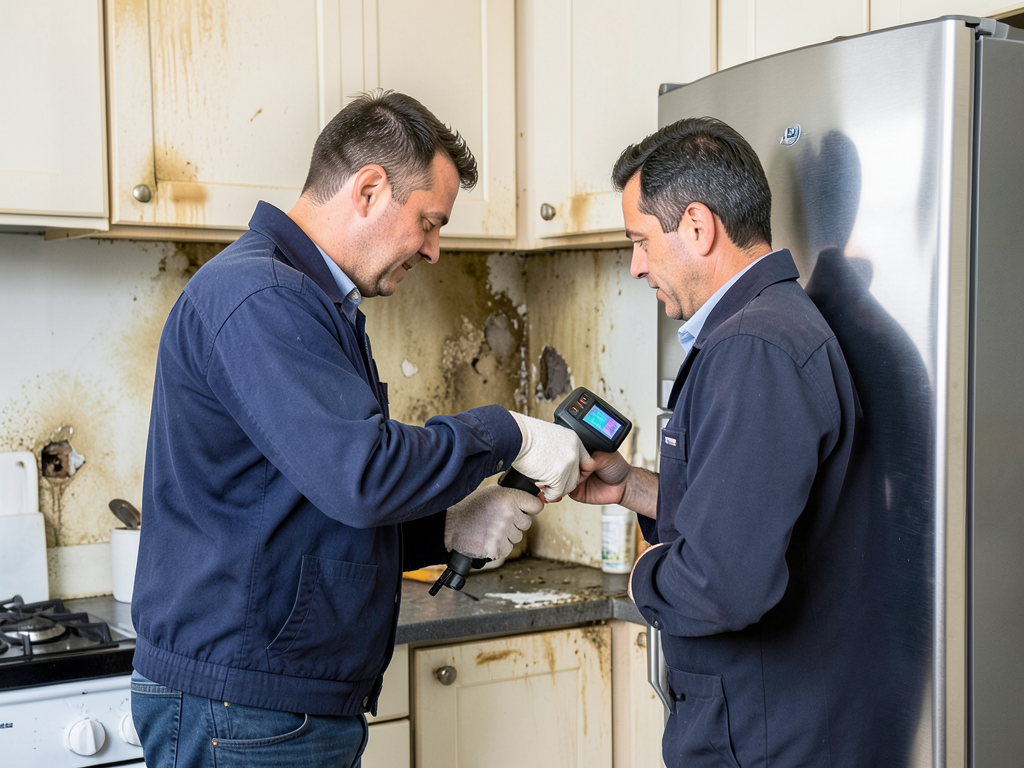
Testing equipment measures contamination levels when visual assessment is insufficient. We analyze pH levels, total dissolved solids, and bacterial presence. This data determines personal protective equipment requirements and disposal protocols.

Handling procedures change dramatically between categories. Category 1 allows for standard extraction and drying. Porous materials like drywall and insulation can often be saved with proper drying. Category 2 requires antimicrobial treatment and more aggressive material removal. Category 3 demands full protective gear, complete removal of all porous materials, and extensive decontamination of structural elements.

Liberty Water Damage Restoration Riverside follows IICRC S500 standards for all water damage categories. We document contamination levels with photos and testing results for insurance purposes. Our technicians understand that Category 1 water in a Riverside attic during August heat can reach Category 2 status within hours due to temperature acceleration of bacterial growth.

Cross-contamination prevention is critical. We establish containment barriers, use separate equipment for different categories, and follow strict decontamination protocols between jobs. This prevents spreading contamination from one property to another.

What Happens When You Call About Water Category Assessment

Categories of Water in Riverside – Know What You're Dealing With Before It's Too Late
01

Source and Category Identification

Our team arrives within hours to identify the water source and assign the correct IICRC category. We document the intrusion point, assess visible contamination indicators, and determine if category degradation has occurred. This classification drives every subsequent decision about safety protocols, material removal, and restoration methods. You receive a clear explanation of what category applies and why it matters for your specific situation.
02

Contamination Level Testing

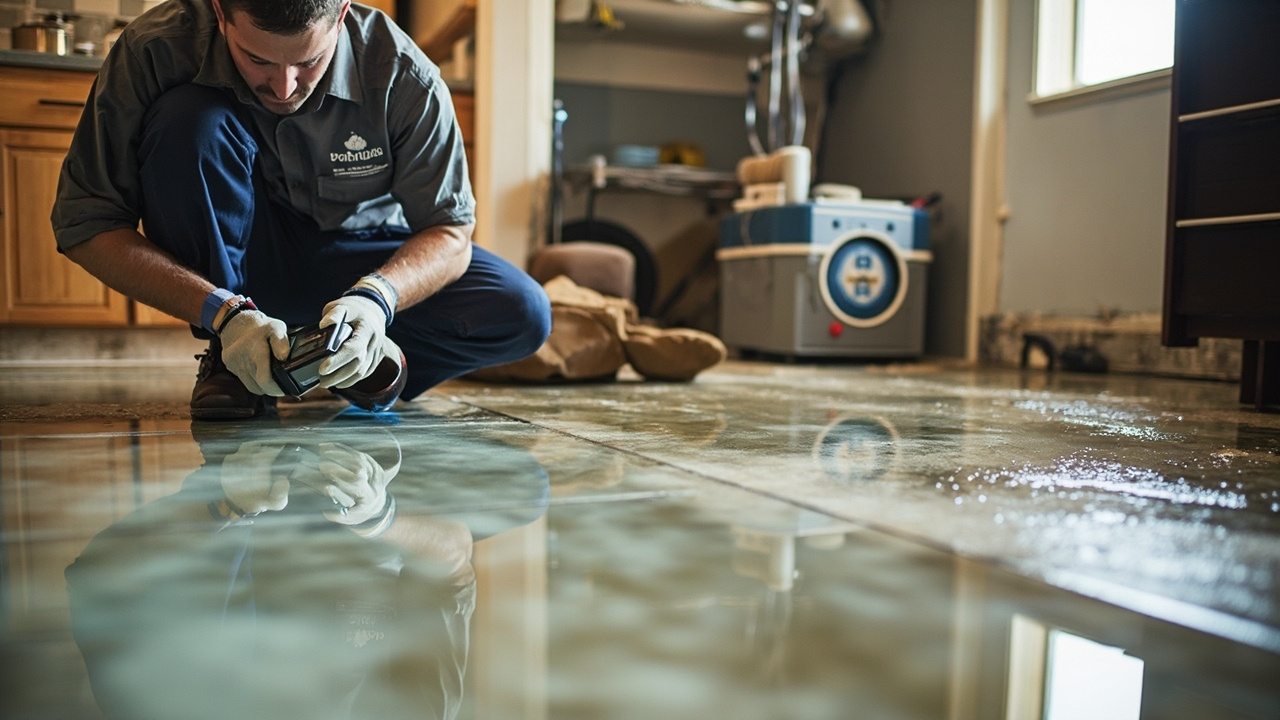
When visual inspection is insufficient, we conduct water quality testing using calibrated instruments. We measure bacterial presence, pH levels, and total dissolved solids. This data confirms the category assignment and identifies specific contaminants present. Testing is particularly important for aging Riverside properties where water may have contacted deteriorated materials or sat for extended periods before discovery. Results inform personal protective equipment requirements and disposal methods.
03

Documentation and Protocol Implementation

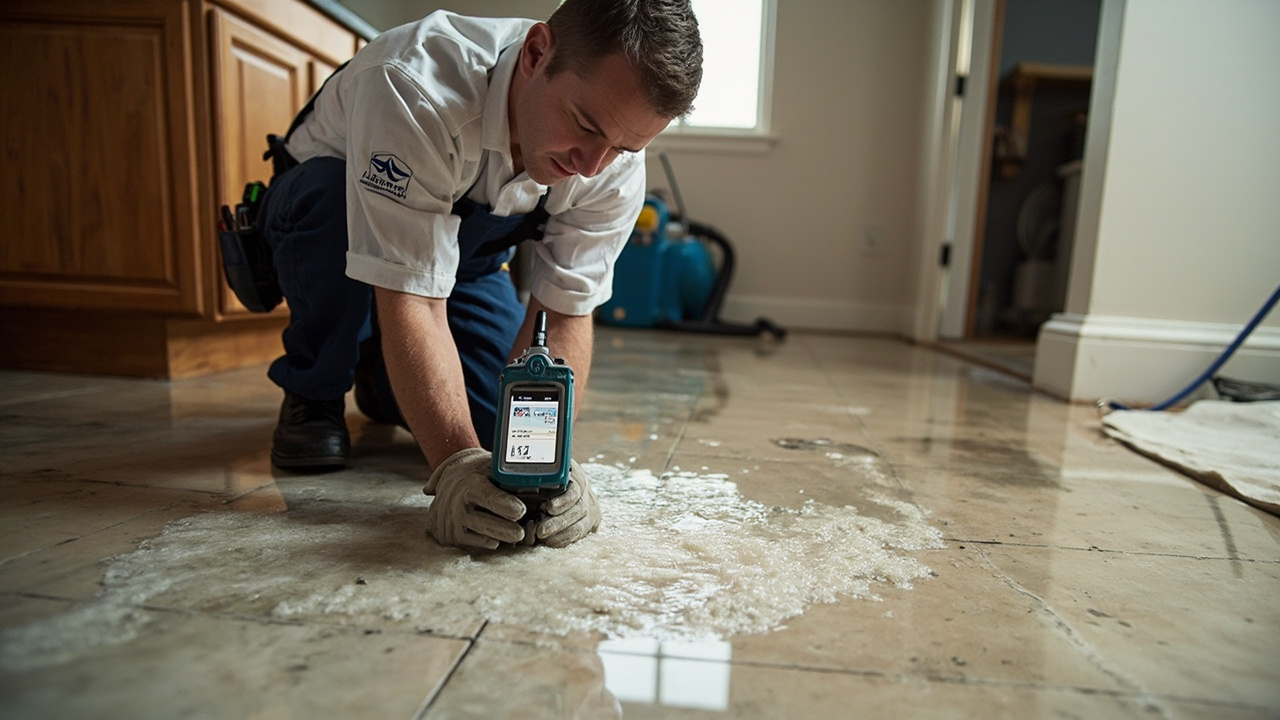
We photograph all affected areas, record moisture readings, and document the assigned water category with supporting evidence. This documentation goes to your insurance carrier with our scope of work. We then implement category-specific extraction, removal, and decontamination protocols. You receive a copy of all documentation showing proper procedures were followed according to industry standards. This protects your claim and ensures complete contamination removal.

Why Riverside Property Owners Trust Local Water Damage Category Expertise

Generic restoration companies treat all water the same. That approach fails in Riverside where water sources vary dramatically by neighborhood and season.

Properties near the Santa Ana River face flooding risks that introduce agricultural runoff and debris. Homes in older areas like Arlington Heights deal with galvanized pipe failures that release rust-contaminated water. Canyon Crest properties with original 1960s plumbing experience sudden category changes when old drain lines crack and mix with supply water.

We understand these local patterns. We know that winter storm flooding in Riverside often starts as Category 1 rainwater but quickly becomes Category 2 or 3 as it picks up contaminants from streets, yards, and crawl spaces. We recognize that the city's hard water accelerates pipe degradation, making supposedly clean supply line breaks potentially more contaminated than expected.

California regulations add complexity to water damage categories. State environmental laws govern disposal of contaminated materials. Local building codes in Riverside County dictate when permits are required for water damage repairs. Insurance carriers in this market expect specific documentation protocols that differ from other states.

Liberty Water Damage Restoration Riverside maintains relationships with local building inspectors and insurance adjusters. We understand what Riverside County requires for permit compliance. We know which local carriers demand third-party testing for Category 3 claims and which accept photo documentation.

This local knowledge prevents costly mistakes. Misclassifying water categories leads to inadequate remediation, health hazards, and denied insurance claims. Using incorrect disposal methods for contaminated materials results in environmental violations. Our team prevents these problems by applying both industry standards and local expertise to every assessment.

What to Expect During Professional Water Category Assessment

Rapid Response Timeframes

We arrive within two hours for emergency category assessment in Riverside. Time matters because water categories degrade rapidly in our climate. Category 1 water becomes Category 2 within 48 hours under normal conditions, faster in summer heat. Our quick response provides accurate classification before degradation occurs. This protects your health and strengthens insurance claims by documenting initial conditions. We operate 24/7 because water damage does not wait for business hours. Night and weekend availability ensures you get proper category identification when you need it.

Comprehensive Source Assessment

Our technicians trace water to its origin point and evaluate all contributing factors. We inspect pipe age, water heater condition, appliance connections, and drainage systems. We check for cross-contamination where clean water contacted contaminated surfaces during intrusion. Riverside's older housing stock means we often find multiple contributing sources. We test moisture content in walls, floors, and ceilings to map the full extent of damage. You receive a detailed explanation of what category applies, why we assigned it, and what changes if conditions worsen.

Category-Specific Remediation Plans

The assigned category determines our remediation approach. Category 1 damage allows us to save more materials through specialized drying. Category 2 requires antimicrobial treatment and selective material removal. Category 3 demands complete removal of all porous materials and extensive decontamination. We provide written protocols specific to your category with explanations of why certain steps are necessary. You understand exactly what happens, what gets removed, and why those decisions protect your property value and family health. No surprises or unexplained procedures.

Post-Remediation Verification

We conduct final testing to confirm all contamination has been eliminated and moisture levels have returned to normal. Category 2 and 3 jobs receive antimicrobial verification testing. We provide documentation showing your property meets IICRC standards for the specific category addressed. This documentation is critical for insurance claim closure and future property transactions. We also educate you on prevention strategies specific to your property's vulnerabilities. Riverside homes with older plumbing receive different recommendations than newer construction. You leave understanding how to spot early warning signs of future water category issues.

Frequently Asked Questions

You Have Questions,
We Have Answers

What are the 5 types of water? +

In water damage restoration, professionals categorize water by contamination level, not a five-type system. The industry standard recognizes three categories: Category 1 (clean water from supply lines), Category 2 (gray water with contaminants like washing machine discharge), and Category 3 (black water containing sewage or flood water). Riverside homeowners should understand these distinctions because Category 3 water, common after Santa Ana River flooding or sewer backups, requires specialized containment and disposal protocols. The classification determines the restoration approach, protective equipment needed, and which materials must be removed versus salvaged.

What are the three categories of water? +

Water damage falls into three categories based on contamination. Category 1 is clean water from broken pipes or supply lines. Category 2 is gray water containing chemical or biological contaminants, such as dishwasher overflow or washing machine discharge. Category 3 is black water, grossly contaminated with sewage, flood water, or standing water that has promoted bacterial growth. Riverside's older neighborhoods near downtown often experience Category 3 events during heavy rains when aging sewer systems back up. Each category requires escalating safety protocols, and water can escalate from Category 1 to Category 3 within 48 hours if left untreated.

What is category 1, 2, and 3 water? +

Category 1 water originates from sanitary sources like broken water supply lines, faucets, or toilet tanks. It poses no immediate health threat but requires prompt extraction to prevent mold growth. Category 2 water contains contaminants that may cause discomfort or illness if ingested, such as washing machine overflow or aquarium leaks. Category 3 water is grossly unsanitary, containing pathogenic agents from sewage, rising flood water, or ground surface water entering buildings. In Riverside, Category 3 events frequently occur near the Santa Ana River corridor during winter storms. Restoration professionals use different protocols, protective equipment, and disposal methods for each category.

What are the different water categories? +

The water damage restoration industry recognizes three distinct categories. Category 1 represents clean water from sanitary sources like supply lines or rainwater. Category 2 indicates gray water with contaminants that could cause discomfort, such as sump pump failures or appliance discharge. Category 3 designates black water containing sewage, flood water, or other grossly unsanitary sources. Riverside properties built before 1980 face higher Category 3 risks due to aging plumbing and cast iron sewer lines common in the Arlington and Magnolia Center areas. These categories determine restoration procedures, which materials can be saved, and required safety equipment during cleanup.

What are the 7 types of water? +

There is no seven-type water classification in professional water damage restoration. The industry standard uses three categories based on contamination level: Category 1 (clean water), Category 2 (gray water), and Category 3 (black water). You may encounter references to different water classes, which describe the rate of evaporation and affected materials rather than contamination. Riverside restoration professionals follow IICRC standards that focus on these three contamination categories plus four classes of water damage. Understanding the correct classification system helps property owners communicate effectively with restoration teams and insurance adjusters during emergency situations.

What are category 5 waters? +

There is no Category 5 water in professional restoration standards. The industry uses a three-category system: Category 1 (clean), Category 2 (gray), and Category 3 (black). This classification focuses on contamination level and health risk. You may be confusing water categories with water damage classes, which describe evaporation rates and affected materials. Riverside restoration teams follow IICRC guidelines that recognize only three contamination categories. Understanding the correct terminology helps when filing insurance claims after water damage events. If you experience flooding or sewage backup in Riverside, focus on determining whether the water is Category 1, 2, or 3 to communicate effectively with professionals.

What are the four classes of water? +

Water damage classification includes four classes based on evaporation rate and affected materials. Class 1 involves minimal water absorption in rooms with low-permeability materials like concrete. Class 2 affects an entire room with significant moisture absorption in carpets and walls. Class 3 represents the fastest evaporation rate, saturating walls, ceilings, insulation, and subfloors. Class 4 requires specialty drying for low-permeability materials like hardwood, plaster, or concrete. Riverside homes with stucco exteriors and concrete slab foundations often experience Class 4 scenarios. These classes differ from water categories, which measure contamination. Both systems help restoration professionals determine equipment needs and drying timeframes.

What are all the types of waters? +

Water damage professionals classify water by contamination level, not by multiple types. The three standard categories are Category 1 (clean water from sanitary sources), Category 2 (gray water containing contaminants), and Category 3 (black water from sewage or flooding). Additionally, professionals use four classes to describe evaporation rates and affected materials. Riverside properties may also encounter groundwater intrusion during seasonal flooding near the Santa Ana River or Alessandro Boulevard corridors. While municipal water, rain, and sewage represent different origins, restoration professionals focus on contamination category and damage class to determine proper treatment protocols, safety equipment, and salvageability of affected materials.

What are the classification of waters? +

Water classification in restoration follows two systems. The first system uses three contamination categories: Category 1 (clean water from supply lines), Category 2 (gray water with contaminants), and Category 3 (black water from sewage or flooding). The second system uses four classes based on evaporation rates and material saturation. Riverside restoration professionals must consider both systems when assessing damage. Category determines safety protocols and disposal requirements. Class determines drying equipment and timeline. Water can escalate from Category 1 to Category 3 within 48 hours if untreated, which frequently occurs in Riverside's summer heat when temperatures exceed 100 degrees and bacterial growth accelerates rapidly.

What are the 4 categories of water use? +

The four categories of water use refer to consumption purposes: domestic use for drinking and sanitation, agricultural irrigation, industrial processes, and environmental applications like wetlands. This differs from water damage restoration categories. In restoration, professionals classify water by contamination: Category 1 (clean), Category 2 (gray), and Category 3 (black). Riverside residents should understand restoration categories when dealing with property damage. A burst water heater produces Category 1 water, while Santa Ana River flooding creates Category 3 conditions. The contamination category determines restoration procedures, protective equipment requirements, and insurance coverage, making proper classification critical for effective claims processing and safe remediation.

How Riverside's River Proximity and Infrastructure Age Impact Water Contamination Risks

Riverside's location along the Santa Ana River creates elevated risks for Category 3 water intrusion during winter storms. Flash flooding pushes contaminated runoff from streets, agricultural areas, and wildlife habitats into low-lying properties. Historic neighborhoods like Mission Grove and Wood Streets contain sewer lines installed 60 to 80 years ago. These aging systems experience backups that introduce Category 3 sewage into homes without warning. The city's hard water accelerates pipe corrosion throughout the region, turning routine supply line breaks into Category 2 events when rust and biofilm enter the water stream. Understanding these local risk factors helps property owners recognize when professional category assessment is necessary rather than attempting cleanup themselves.

Riverside County building codes require specific permits for water damage repairs exceeding certain thresholds, but those thresholds change based on water category. Category 3 damage almost always triggers permit requirements due to contamination concerns. Local insurance carriers in the Inland Empire region have specific documentation expectations that differ from coastal California markets. They want clear category assignment with supporting photos, moisture readings, and sometimes third-party testing. Liberty Water Damage Restoration Riverside maintains current knowledge of local permit requirements and insurance protocols. We work directly with Riverside County inspectors and local adjusters daily. This local expertise ensures your remediation meets all regulatory requirements while maximizing insurance coverage.
Water Damage Restoration Services in The Riverside Area

We are dedicated to serving the entire Riverside area and its neighboring communities with fast and reliable water damage restoration services. Whether you’re a resident or a business owner, our team is ready to respond to your call. Use the map below to see our service area, or call us directly to confirm if we can dispatch a team to your location for an immediate emergency response.

Address:
Liberty Water Damage Restoration Riverside, 11801 Pierce St, Riverside, CA, 92505

Additional Services We Offer

Our news updates

Latest Articles & News from The Blogs

Why your ice maker line is a ticking time bomb for your kitchen floor Ice maker supply lines are one…

Why your ice maker line is a ticking time bomb for your kitchen floor

Why your ice maker line is a ticking time bomb for your kitchen floor Ice maker supply lines are one…

How to spot the signs of a chimney leak before it ruins your Riverside living room

How to spot the signs of a chimney leak before it ruins your Riverside living room Your chimney is more…

The most common plumbing mistakes Riverside DIYers make that lead to floods

The most common plumbing mistakes Riverside DIYers make that lead to floods DIY plumbing projects in Riverside often start with…

Contact Us

Do not guess about water contamination levels. Incorrect assumptions put your health at risk and jeopardize insurance coverage. Call Liberty Water Damage Restoration Riverside now at (951) 309-5499 for professional category assessment. We respond within two hours to identify your water type and implement proper protocols.