


Coachella sits in a flood zone most residents don't know exists. The Whitewater River Stormwater Channel runs along the northern edge of town, and when summer monsoons hit, runoff from the Santa Rosa Mountains floods properties near Avenue 50 and Cesar Chavez Street within minutes. Clay hardpan soil common throughout the eastern Coachella Valley prevents water absorption, sending flash floods directly into homes in neighborhoods like Pueblo Viejo and Las Palmitas.
Swamp coolers dominate residential cooling here, and their constant water circulation creates hidden leak risks. A failed float valve can dump 50 gallons into an attic before anyone notices. Add temperatures reaching 120 degrees, and moisture trapped in walls breeds mold within 48 hours. Older manufactured homes in the area south of Highway 86 lack vapor barriers, making water intrusion particularly destructive.
Agricultural irrigation from surrounding date groves and citrus farms raises the water table. Properties near Dillon Road experience seasonal groundwater seepage through foundation slabs. When combined with hard water mineral deposits, this creates perfect conditions for structural damage that standard restoration companies miss without proper moisture mapping equipment.
We run extraction equipment designed for desert climate challenges, not generic restoration protocols. Our truck-mounted systems pull water from clay soil environments where portable units fail. We understand how Coachella's temperature extremes affect drying times. At 115 degrees, surface moisture evaporates fast but drives deeper into wall cavities, creating hidden mold growth standard companies miss with basic moisture meters.
Our teams know the difference between swamp cooler leaks and roof damage. We've restored hundreds of properties in the eastern Coachella Valley and recognize the specific failure patterns in manufactured homes common to this area. We work directly with farmers and agricultural property owners who face irrigation-related flooding, understanding the insurance documentation requirements for commercial agricultural claims.
We maintain staging equipment in Riverside County, putting industrial dehumidifiers, air scrubbers, and thermal imaging cameras on your property within an hour of your call. Our technicians hold IICRC Water Damage Restoration certification and understand California-specific mold remediation protocols under Title 8 Section 341.15. We coordinate with local adjusters from Farmers, State Farm, and Allstate who handle most Coachella Valley homeowner policies.
Every restoration follows structured drying protocols with daily moisture readings documented for your insurance claim. We don't leave until moisture levels match ANSI/IICRC S500 standards, preventing callback issues that plague cheaper restoration outfits. Our work comes with verifiable completion certificates that satisfy underwriter requirements and protect your claim settlement.

We dispatch from our Riverside County staging location with truck-mounted extraction equipment already loaded. When flash floods hit neighborhoods near the Whitewater Channel or swamp coolers fail during triple-digit heat, we arrive before water spreads into subflooring. Fast response prevents the secondary damage that doubles restoration costs.

Standard moisture meters miss water trapped behind tile, under vinyl flooring, and inside wall cavities. Our FLIR thermal cameras map temperature differentials that reveal hidden saturation in the clay-backed walls common to Coachella construction. We find every moisture pocket before mold colonizes, eliminating the contamination issues that require full rebuilds.
We photograph damage progression, document moisture readings twice daily, and provide detailed loss reports that satisfy adjuster requirements. Our estimates align with Xactimate pricing software used by every major carrier. We've worked hundreds of claims in Riverside County and know exactly what documentation prevents claim delays or denials.
Coachella's extreme heat creates drying challenges other regions don't face. Surface evaporation drives moisture deeper into building materials, requiring specialized dehumidification protocols. We adjust equipment placement and airflow based on valley-specific humidity patterns and temperature swings, ensuring complete structural drying that prevents long-term damage.
Water damage restoration requires different approaches depending on the water source, contamination level, and how long moisture has been present. We handle everything from clean water extraction after supply line failures to category 3 sewage contamination from septic backups common in areas without city sewer connections.
Our service range covers immediate emergency water removal, structural drying using industrial dehumidification systems, mold remediation following IICRC S520 protocols, and full reconstruction once the drying process completes. We bring truck-mounted extraction units that remove thousands of gallons in hours, not days. Our thermal imaging identifies moisture in places you can't see, and our air scrubbers prevent cross-contamination during the restoration process.
Whether you're dealing with flash flood damage near the Whitewater Channel, a failed water heater in your manufactured home, or irrigation seepage affecting your foundation, we match the right equipment and protocol to your specific situation. Every project gets daily moisture monitoring with documentation for your insurance claim, and we don't consider the job complete until moisture readings meet industry standards for your climate zone.
When flooding starts, every minute increases damage spread and restoration costs. Our truck-mounted extraction systems remove standing water from carpets, pad, and subflooring faster than portable units. We pull moisture from tile grout, concrete slabs, and the clay soil under your foundation. Emergency board-up and tarp services protect your property from additional damage while extraction continues. We respond 24/7 across Coachella Valley with equipment staged for immediate deployment, not equipment we have to source after you call.
Removing standing water is step one. Drying the structure prevents mold, wood rot, and material failure. We place industrial dehumidifiers and air movers based on psychrometric calculations specific to Coachella's desert climate. Thermal imaging tracks moisture migration through drywall, insulation, and framing. We monitor readings twice daily and adjust equipment until all materials reach dry standard. This process typically runs five to seven days depending on saturation levels and building materials involved.
Mold colonizes within 48 hours in Coachella's heat. If water damage went unnoticed or previous restoration failed to dry completely, we handle contamination removal following California Title 8 requirements. We establish containment barriers with negative air pressure, remove affected materials, treat surfaces with antimicrobial solutions, and verify clearance with post-remediation testing. Our technicians hold proper certifications for mold remediation work, and we provide documentation that satisfies disclosure requirements if you sell your property later.
Coachella's unique combination of desert climate, agricultural surroundings, and aging infrastructure creates water damage situations you won't find in other regions. Flash flooding from monsoon storms overwhelms the valley's drainage capacity. Swamp coolers fail during peak summer heat when you need them most. Irrigation systems serving surrounding date groves leak into residential foundations. Older manufactured homes lack proper moisture barriers, making even minor leaks catastrophic.
These aren't theoretical problems. We respond to these exact scenarios every week across the eastern Coachella Valley. Properties near the Whitewater River Stormwater Channel flood during heavy rain. Homes south of Highway 86 experience groundwater seepage when the agricultural water table rises. Supply lines fail in extreme heat, and residents don't discover the damage until water bills spike or floors start buckling. Each situation requires specific restoration protocols based on water category, contamination level, and how long moisture has been present.
Summer monsoons dump inches of rain in minutes, faster than clay hardpan soil can absorb. Water rushes through neighborhoods near Avenue 50, flooding garages and ground-floor living spaces. We extract standing water, remove contaminated materials, and dry structures before mold takes hold. Fast response is critical because floodwater carries sediment and bacteria that create health hazards.
Failed float valves dump water into attics and wall cavities. Residents don't notice until ceilings stain or drywall buckles. These leaks run for days, saturating insulation and framing. We remove soaked insulation, dry structural lumber, and treat affected areas to prevent mold. Swamp cooler damage is particularly common in older manufactured homes where roof penetrations weren't properly sealed.
Properties near agricultural land experience foundation moisture from irrigation runoff and rising water tables. Water wicks through concrete slabs, damaging flooring and baseboards. We use specialized drying mats and injection systems to pull moisture from concrete and treat the source of intrusion. This problem requires different equipment than standard water damage because the moisture source is constant and external.
Extreme temperature swings stress pipes and connections. Water heaters fail, washing machine hoses burst, and supply lines crack under pressure. These failures flood homes quickly, often when residents are away. We respond immediately to stop the water source, extract standing water, and begin structural drying. Quick action prevents the secondary damage that turns a simple leak into a full remodel.
Water damage creates panic. Your home is flooding, belongings are soaking, and you don't know who to call or what happens next. We remove that uncertainty immediately. When you call our emergency line, you reach a trained dispatcher who asks specific questions about your situation, not a voicemail system. We confirm your location, identify the water source if you know it, and dispatch our nearest crew while you're still on the phone.
Our team arrives with extraction equipment, moisture detection tools, and containment supplies already loaded. We don't show up to assess and then leave to get equipment. The technician who arrives is the same person who completes your restoration, not a sales rep who hands you off to subcontractors. You get a clear explanation of what we're going to do, how long it takes, and what it costs before work starts. We contact your insurance company directly if you want us to, or we provide documentation you can submit yourself. Every step follows a structured protocol designed to dry your property completely and prevent the mold growth and structural damage that happen when restoration is rushed or incomplete.
We dispatch within minutes of your call with truck-mounted extraction units and industrial dehumidifiers already loaded. You won't wait hours for us to gather equipment or fit you into tomorrow's schedule. Our crews stage throughout Riverside County specifically to reach Coachella Valley properties fast. When we arrive, we immediately begin water removal while explaining the full restoration process. You get action, not estimates and appointments for later.
We photograph all damage before starting work and document the restoration process with daily moisture readings and progress photos. You receive copies of everything for your records and insurance claim. If you want us to work directly with your adjuster, we handle that communication and provide estimates in the Xactimate format all carriers use. If you prefer to manage your own claim, we give you exactly what you need to submit.
We don't remove equipment based on timelines or guesswork. Drying continues until moisture meters confirm all materials meet ANSI/IICRC S500 standards for your climate zone. You receive a completion certificate with final moisture readings that proves restoration was done correctly. This documentation protects you if mold appears later or if you sell your property and need to disclose previous water damage and professional remediation.
Every water damage situation is different, but the restoration process follows the same proven sequence. We stop the damage, remove the water, and dry the structure completely.
We locate the water source and stop it if possible. Our team assesses damage extent using moisture meters and thermal imaging to map saturation you can't see. We categorize the water type (clean, gray, or black) to determine proper handling protocols. Truck-mounted extractors remove standing water from all affected areas. We document everything with photos and notes for your insurance claim before moving any materials or starting demolition.
Industrial dehumidifiers and air movers run continuously to pull moisture from building materials. We calculate equipment placement based on room size, saturation levels, and outdoor humidity conditions specific to Coachella's desert climate. Technicians return daily to take moisture readings and adjust equipment positioning. Drying typically takes five to seven days depending on materials affected and how long water was present before we started extraction.
We take final moisture readings across all affected areas and compare them to dry standards for your material types and climate zone. Once verified dry, we remove equipment and begin restoration work if needed. This includes replacing drywall, flooring, baseboards, or other materials that were removed during the drying process. You receive completion documentation with all moisture readings and photos showing the restoration meets industry standards.
Water damage restoration isn't just removing water and hoping things dry out. Professional restoration follows strict protocols established by the Institute of Inspection Cleaning and Restoration Certification. The IICRC S500 Standard guides every decision we make about equipment placement, drying times, and when a structure is safe to rebuild.
Water gets classified into three categories based on contamination level. Category 1 is clean water from supply lines or rainwater before it contacts building materials. Category 2 is gray water containing some contamination like washing machine overflow or toilet bowl water without feces. Category 3 is black water from sewage, flooding that contacted soil, or any water that sat for more than 48 hours and became contaminated. Each category requires different handling protocols, and misclassifying water creates liability and health risks.
Materials get rated by how easily they release moisture. Class 1 materials like concrete and hardwood have low porosity and dry slowly. Class 4 materials like hardwood floors, plaster, and specialty materials require specialized drying techniques. Coachella's clay hardpan soil falls into Class 4, requiring injection systems and drying mats that standard equipment can't handle.
California adds its own requirements through Title 8 Section 341.15, which governs mold investigation and remediation. Any mold remediation over 10 square feet requires specific containment protocols, air filtration, and clearance testing. Cutting corners on these requirements creates legal exposure if someone gets sick or if you try to sell your property later without proper disclosure.
We follow every protocol exactly because your insurance claim, your health, and your property value depend on documented compliance. Cheap restoration companies skip steps to move faster and charge less. Those shortcuts show up months later when mold appears, floors buckle from incomplete drying, or your insurance company denies your claim because restoration wasn't documented properly.
Category 1 clean water becomes Category 2 within hours of contacting building materials. Category 2 becomes Category 3 after 48 hours or if it contacts soil or sewage. Misclassifying water means using wrong protocols, creating health risks and liability. We test and document water category before starting any extraction or handling contaminated materials.
Materials aren't dry just because they feel dry. Wood framing must reach below 15% moisture content. Concrete slabs need to hit specific relative humidity levels based on what flooring goes back down. We use penetrating moisture meters and thermal imaging to verify complete drying, not surface readings that miss trapped moisture in wall cavities and subflooring.
Coachella's low humidity helps surface drying but drives moisture deeper into materials. We adjust dehumidification and airflow based on psychrometric calculations that account for outdoor temperature and humidity. Rushing the process leaves trapped moisture that causes mold and material failure. Complete structural drying typically requires five to seven days with proper equipment and monitoring.
Title 8 Section 341.15 requires containment, negative air pressure, proper disposal, and clearance testing for mold remediation over 10 square feet. Our technicians hold required certifications, and we document every step for your records. This protects you from liability if you sell your property later and must disclose previous mold contamination and professional remediation.
Professional explanation of water damage restoration challenges specific to Coachella, California. Covers flash flood risks from desert monsoons, swamp cooler failure patterns, irrigation seepage from agricultural surroundings, and clay hardpan soil drainage issues. Details IICRC water damage restoration protocols, moisture classification standards, structural drying processes, and California mold remediation requirements. Explains thermal imaging moisture detection, extraction equipment selection, and insurance documentation for water damage claims in the eastern Coachella Valley.
Liberty Water Damage Restoration Riverside maintains response capability throughout the eastern Coachella Valley, with particular focus on communities facing unique water damage risks. We regularly serve properties in Pueblo Viejo, where older manufactured homes and proximity to agricultural irrigation create frequent moisture intrusion issues. The Las Palmitas neighborhood sees flash flooding during summer monsoons when runoff from the Santa Rosa Mountains overwhelms the valley's drainage capacity.
Properties along the northern edge of Coachella near the Whitewater River Stormwater Channel face the highest flood risk in the area. When heavy rain hits, water rushes through this corridor faster than the ground can absorb it, flooding homes and businesses within minutes. We've responded to dozens of emergency calls in this zone and know exactly how water flows through these neighborhoods during storm events.
South of Highway 86 toward the Salton Sea, the water table rises seasonally from agricultural runoff, creating groundwater seepage through foundation slabs. Homes in this area require specialized moisture barrier installation and foundation waterproofing that standard restoration companies don't handle. We work regularly with property owners near Dillon Road and Avenue 50 who face ongoing moisture management challenges from the high water table.
The area around Cesar Chavez Street contains a mix of residential and agricultural properties where irrigation system failures create water damage scenarios you won't find in typical suburban settings. We understand the insurance complexities of agricultural property claims and the documentation requirements for commercial policies. Our teams know the difference between residential restoration and the larger-scale mitigation required for farming operations.
We also serve surrounding communities including Thermal to the southeast, Mecca along the eastern shore, and the unincorporated areas between Coachella and Indio. Each area presents distinct challenges based on soil composition, building age, and proximity to water sources. Our staging location in Riverside County puts us within an hour of any property in the eastern valley, and we maintain relationships with local adjusters who handle claims throughout this region.
Most water damage restoration teams in Coachella offer 24/7 emergency response and arrive within 60 to 90 minutes of your call. Response time depends on your location within Coachella and the company's current workload. The first hour after water damage occurs is critical for preventing secondary damage like mold growth and structural issues. When you contact a restoration company, they will dispatch a team immediately to assess the damage, stop the water source, and begin emergency water extraction. Quick response directly impacts the success of restoration efforts.
Water damage restoration expenses in Coachella vary based on the extent of damage, water category, affected square footage, and required services. Minor incidents involving one room typically fall on the lower end of the spectrum, while extensive flooding affecting multiple rooms or stories requires more resources. The water source matters too. Clean water from a broken pipe differs from contaminated water requiring specialized treatment. Your insurance policy often covers sudden and accidental water damage. Request detailed estimates from multiple Coachella restoration companies to compare pricing structures and services included.
Water damage restoration in Coachella homes typically takes three to seven days for standard projects. Minor water damage affecting one room might complete in two to three days. Extensive flooding requiring structural repairs and mold remediation extends the timeline to two or three weeks. The restoration process includes water extraction, drying and dehumidification, cleaning and sanitizing, and final repairs. Your home's construction materials, humidity levels, and the amount of standing water affect drying time. Professionals use moisture meters to confirm complete drying before declaring the job finished.
Most water damage restoration teams in Coachella offer 24/7 emergency response and arrive within 60 to 90 minutes of your call. Response time depends on your location within Coachella and the company's current workload. The first hour after water damage occurs is critical for preventing secondary damage like mold growth and structural issues. When you contact a restoration company, they will dispatch a team immediately to assess the damage, stop the water source, and begin emergency water extraction. Quick response directly impacts the success of restoration efforts.
Water damage restoration expenses in Coachella vary based on the extent of damage, water category, affected square footage, and required services. Minor incidents involving one room typically fall on the lower end of the spectrum, while extensive flooding affecting multiple rooms or stories requires more resources. The water source matters too. Clean water from a broken pipe differs from contaminated water requiring specialized treatment. Your insurance policy often covers sudden and accidental water damage. Request detailed estimates from multiple Coachella restoration companies to compare pricing structures and services included.
Water damage restoration in Coachella homes typically takes three to seven days for standard projects. Minor water damage affecting one room might complete in two to three days. Extensive flooding requiring structural repairs and mold remediation extends the timeline to two or three weeks. The restoration process includes water extraction, drying and dehumidification, cleaning and sanitizing, and final repairs. Your home's construction materials, humidity levels, and the amount of standing water affect drying time. Professionals use moisture meters to confirm complete drying before declaring the job finished.
Homeowners insurance in Coachella typically covers sudden and accidental water damage like burst pipes, appliance malfunctions, and roof leaks from storms. Your policy usually excludes flood damage, which requires separate flood insurance, and gradual damage from neglected maintenance. Review your policy's water damage provisions and deductibles before filing a claim. Document everything with photos and videos. Contact your insurance company immediately after discovering damage. Many Coachella restoration companies work directly with insurance adjusters and help navigate the claims process to maximize your coverage.
You need professional water damage restoration in Coachella if you notice standing water, watermarks on walls or ceilings, warped or buckling floors, peeling paint, musty odors, or visible mold growth. Discolored patches on walls indicate hidden moisture. Increased humidity levels and condensation on windows suggest ongoing water problems. Soft or spongy spots on floors signal structural damage. If water damage affects multiple rooms or comes from contaminated sources like sewage, call professionals immediately. Small leaks you ignore today become major restoration projects tomorrow.
You might stay in your Coachella home during water damage restoration if the affected area is small and isolated. When damage affects bathrooms, kitchens, or multiple rooms, temporary relocation becomes necessary. Safety concerns like contaminated water, electrical hazards, or extensive mold growth require you to leave. Restoration equipment creates noise and disruption throughout the day. Discuss your situation with the restoration team during their initial assessment. They will recommend whether you should stay or relocate based on the damage extent, required work, and your family's health considerations.
Water damage restoration companies in Coachella use industrial-grade equipment designed for rapid water removal and drying. Truck-mounted and portable extraction units remove standing water. Commercial air movers create airflow to speed evaporation. Industrial dehumidifiers remove moisture from the air and materials. Moisture meters and thermal imaging cameras detect hidden water in walls and floors. Air scrubbers with HEPA filters remove airborne contaminants and odors. Professionals also use antimicrobial treatments to prevent mold growth. This specialized equipment works faster and more effectively than consumer-grade options.
Choose a water damage restoration company in Coachella by verifying their credentials, experience, and local reputation. Check online reviews on multiple platforms. Ask for references from recent Coachella customers. Confirm they offer 24/7 emergency response and arrive quickly. Request a detailed written estimate explaining all services and timelines. Verify they use professional-grade equipment and employ trained technicians. Ask about their experience with insurance claims if you plan to file. Compare at least three companies before deciding. A reputable company answers your questions thoroughly and inspects your property before providing estimates.
Waiting too long to start water damage restoration in Coachella leads to severe consequences. Mold begins growing within 24 to 48 hours in moist environments. Water weakens structural elements like drywall, wood framing, and flooring, requiring costly replacements instead of repairs. Contaminated water spreads bacteria throughout your home. Standing water damages personal belongings, furniture, and electronics beyond repair. Secondary damage always costs more to fix than immediate restoration. Delays also complicate insurance claims since policies expect prompt action to mitigate damage. Address water damage immediately to protect your health and property.
Many water damage restoration companies in Coachella provide mold removal services as part of comprehensive restoration. Since water damage and mold growth connect directly, these companies train technicians in both disciplines. They assess mold growth during the initial inspection, contain affected areas, remove contaminated materials, treat surfaces with antimicrobial solutions, and verify complete remediation. Some companies specialize exclusively in water damage and refer mold projects to specialists. Ask your restoration company about their mold remediation capabilities and experience. Addressing mold quickly prevents health problems and additional property damage.
Homeowners insurance in Coachella typically covers sudden and accidental water damage like burst pipes, appliance malfunctions, and roof leaks from storms. Your policy usually excludes flood damage, which requires separate flood insurance, and gradual damage from neglected maintenance. Review your policy's water damage provisions and deductibles before filing a claim. Document everything with photos and videos. Contact your insurance company immediately after discovering damage. Many Coachella restoration companies work directly with insurance adjusters and help navigate the claims process to maximize your coverage.
You need professional water damage restoration in Coachella if you notice standing water, watermarks on walls or ceilings, warped or buckling floors, peeling paint, musty odors, or visible mold growth. Discolored patches on walls indicate hidden moisture. Increased humidity levels and condensation on windows suggest ongoing water problems. Soft or spongy spots on floors signal structural damage. If water damage affects multiple rooms or comes from contaminated sources like sewage, call professionals immediately. Small leaks you ignore today become major restoration projects tomorrow.
You might stay in your Coachella home during water damage restoration if the affected area is small and isolated. When damage affects bathrooms, kitchens, or multiple rooms, temporary relocation becomes necessary. Safety concerns like contaminated water, electrical hazards, or extensive mold growth require you to leave. Restoration equipment creates noise and disruption throughout the day. Discuss your situation with the restoration team during their initial assessment. They will recommend whether you should stay or relocate based on the damage extent, required work, and your family's health considerations.
Water damage restoration companies in Coachella use industrial-grade equipment designed for rapid water removal and drying. Truck-mounted and portable extraction units remove standing water. Commercial air movers create airflow to speed evaporation. Industrial dehumidifiers remove moisture from the air and materials. Moisture meters and thermal imaging cameras detect hidden water in walls and floors. Air scrubbers with HEPA filters remove airborne contaminants and odors. Professionals also use antimicrobial treatments to prevent mold growth. This specialized equipment works faster and more effectively than consumer-grade options.
Choose a water damage restoration company in Coachella by verifying their credentials, experience, and local reputation. Check online reviews on multiple platforms. Ask for references from recent Coachella customers. Confirm they offer 24/7 emergency response and arrive quickly. Request a detailed written estimate explaining all services and timelines. Verify they use professional-grade equipment and employ trained technicians. Ask about their experience with insurance claims if you plan to file. Compare at least three companies before deciding. A reputable company answers your questions thoroughly and inspects your property before providing estimates.
Waiting too long to start water damage restoration in Coachella leads to severe consequences. Mold begins growing within 24 to 48 hours in moist environments. Water weakens structural elements like drywall, wood framing, and flooring, requiring costly replacements instead of repairs. Contaminated water spreads bacteria throughout your home. Standing water damages personal belongings, furniture, and electronics beyond repair. Secondary damage always costs more to fix than immediate restoration. Delays also complicate insurance claims since policies expect prompt action to mitigate damage. Address water damage immediately to protect your health and property.
Many water damage restoration companies in Coachella provide mold removal services as part of comprehensive restoration. Since water damage and mold growth connect directly, these companies train technicians in both disciplines. They assess mold growth during the initial inspection, contain affected areas, remove contaminated materials, treat surfaces with antimicrobial solutions, and verify complete remediation. Some companies specialize exclusively in water damage and refer mold projects to specialists. Ask your restoration company about their mold remediation capabilities and experience. Addressing mold quickly prevents health problems and additional property damage.
We are dedicated to serving the entire Riverside area and its neighboring communities with fast and reliable water damage restoration services. Whether you’re a resident or a business owner, our team is ready to respond to your call. Use the map below to see our service area, or call us directly to confirm if we can dispatch a team to your location for an immediate emergency response.
Address:
Coachella, CA, 92236

How hydrostatic pressure from Riverside's wet soil can force water through your foundation\n\nHeavy rains in Riverside's Inland Empire create a hidden threat to your home's foundation. When water saturates the clay-heavy soil around your property…
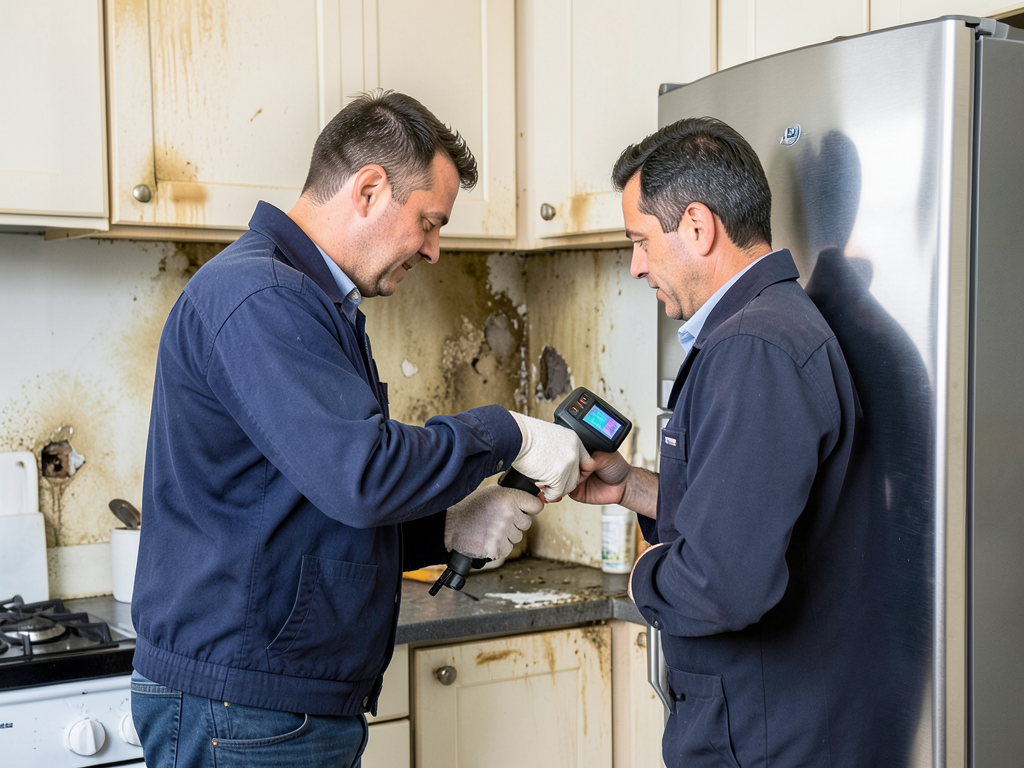
Why your ice maker line is a ticking time bomb for your kitchen floor Ice…
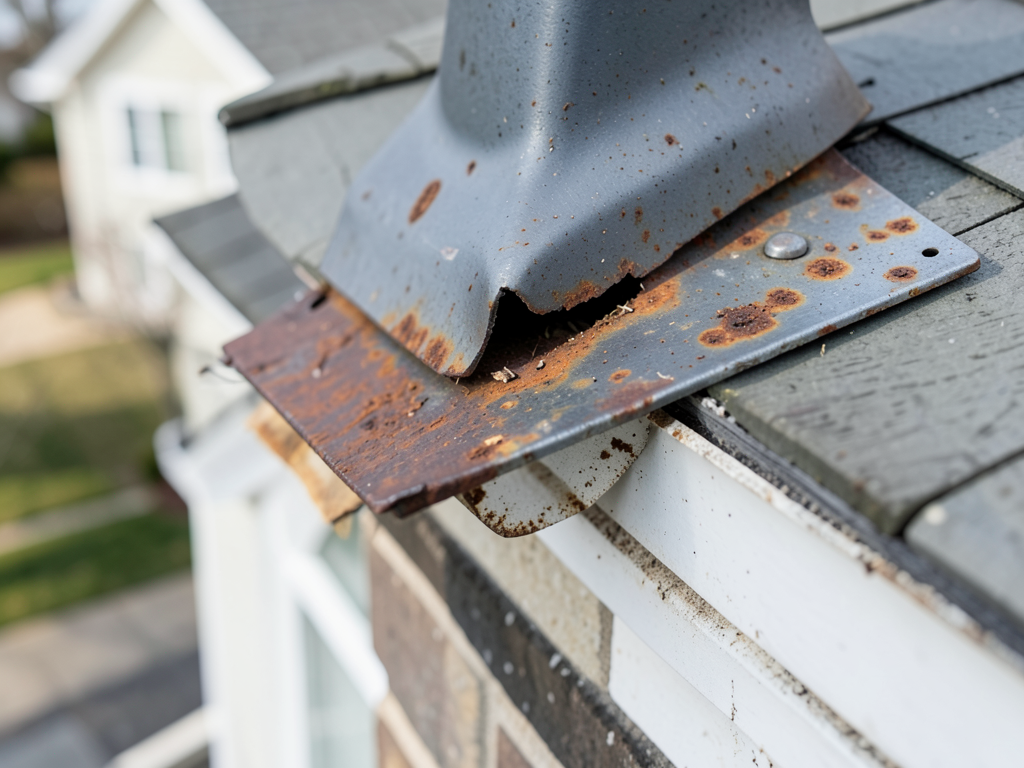
How to spot the signs of a chimney leak before it ruins your Riverside living…
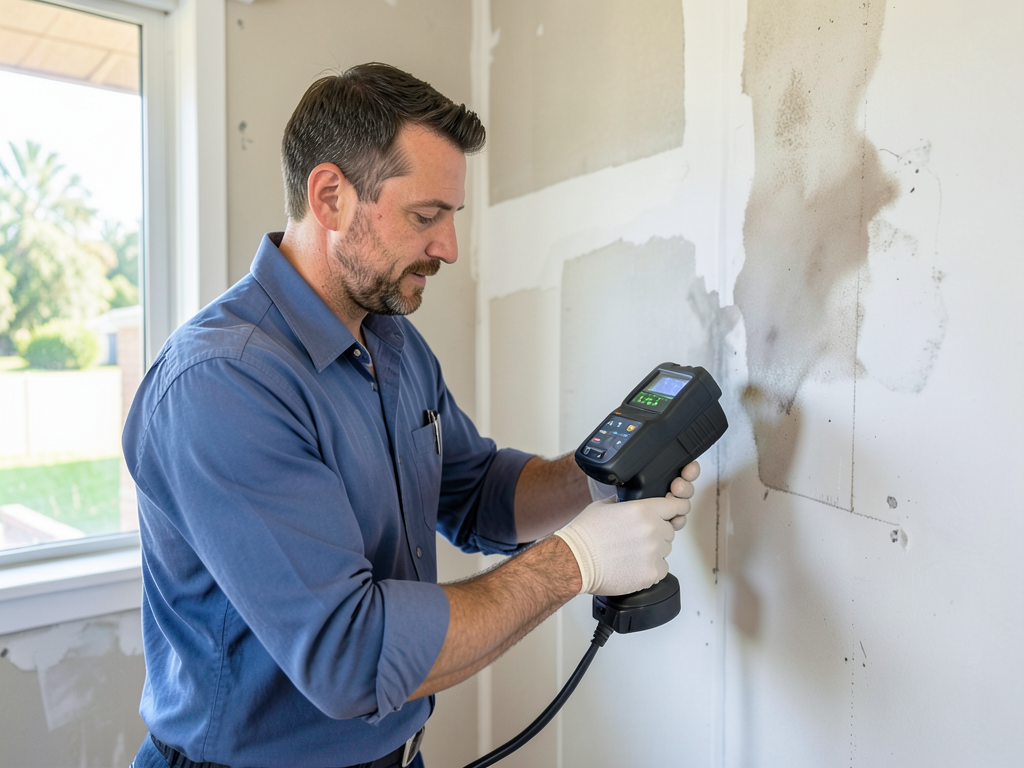
The most common plumbing mistakes Riverside DIYers make that lead to floods DIY plumbing projects…
Every minute water sits increases restoration costs and mold risk. Call Liberty Water Damage Restoration Riverside now at (951) 309-5499 for immediate dispatch. We respond 24/7 across Coachella Valley with extraction equipment ready.