menu

Condensation on Windows & Walls in Riverside – Get Expert Diagnosis Before Mold Takes Hold

Liberty Water Damage Restoration Riverside identifies the root cause of condensation on windows and walls, stopping mold growth and structural damage before it spreads through your property.

Slider Image 1
Slider Image 2
Slider Image 3
Slider Image 4
Slider Image 5
Slider Image 7
Slider Image 8
Slider Image 9
Slider Image 10
Slider Image 11

Why Riverside Homes Battle Persistent Window Sweating and Wall Moisture

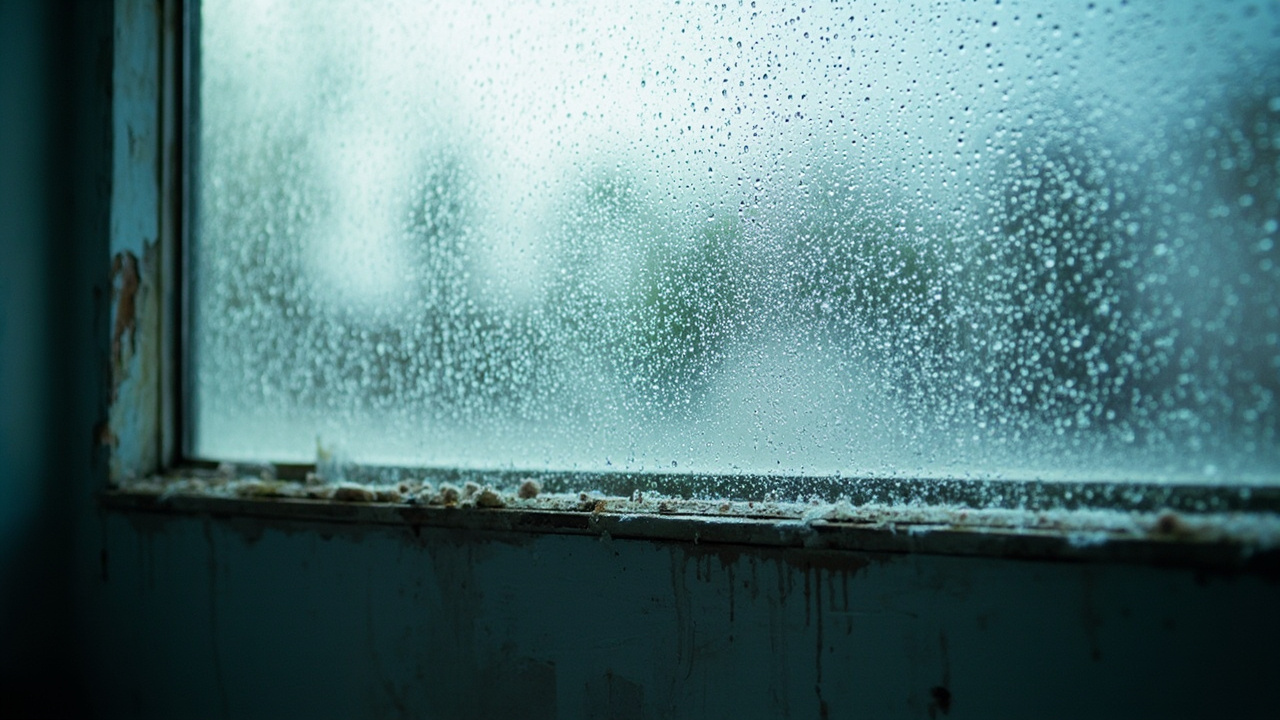
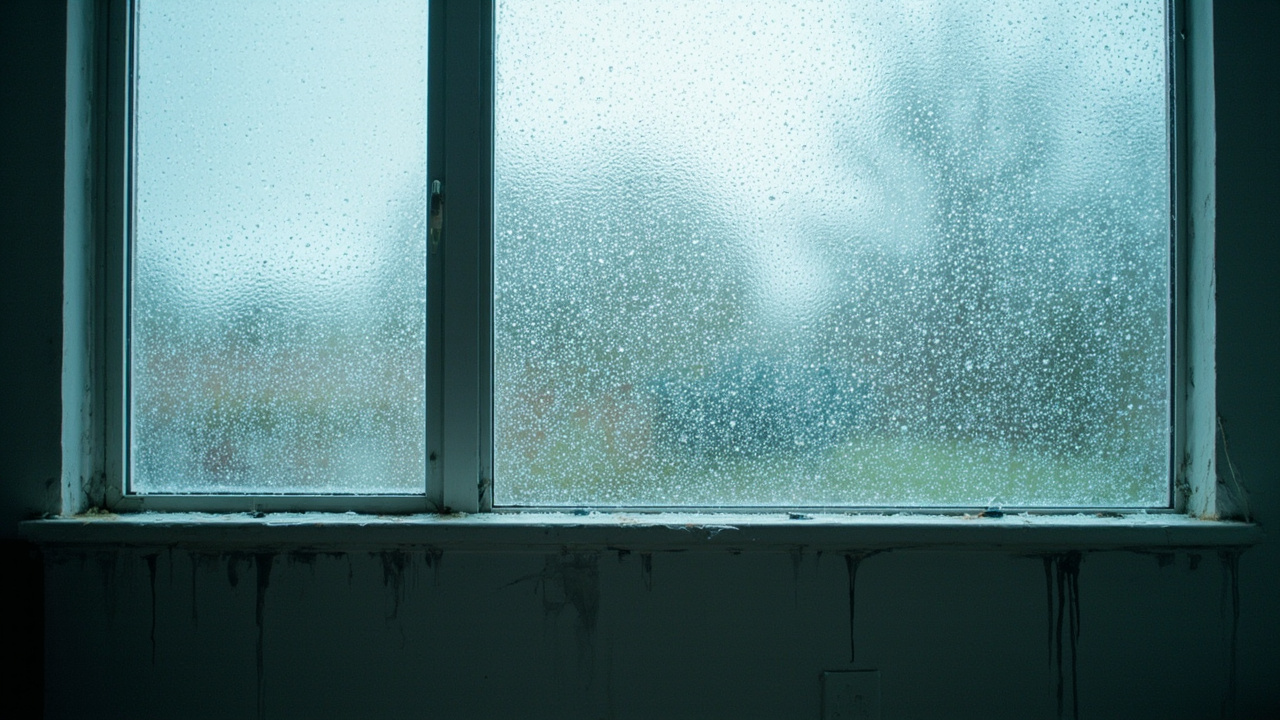
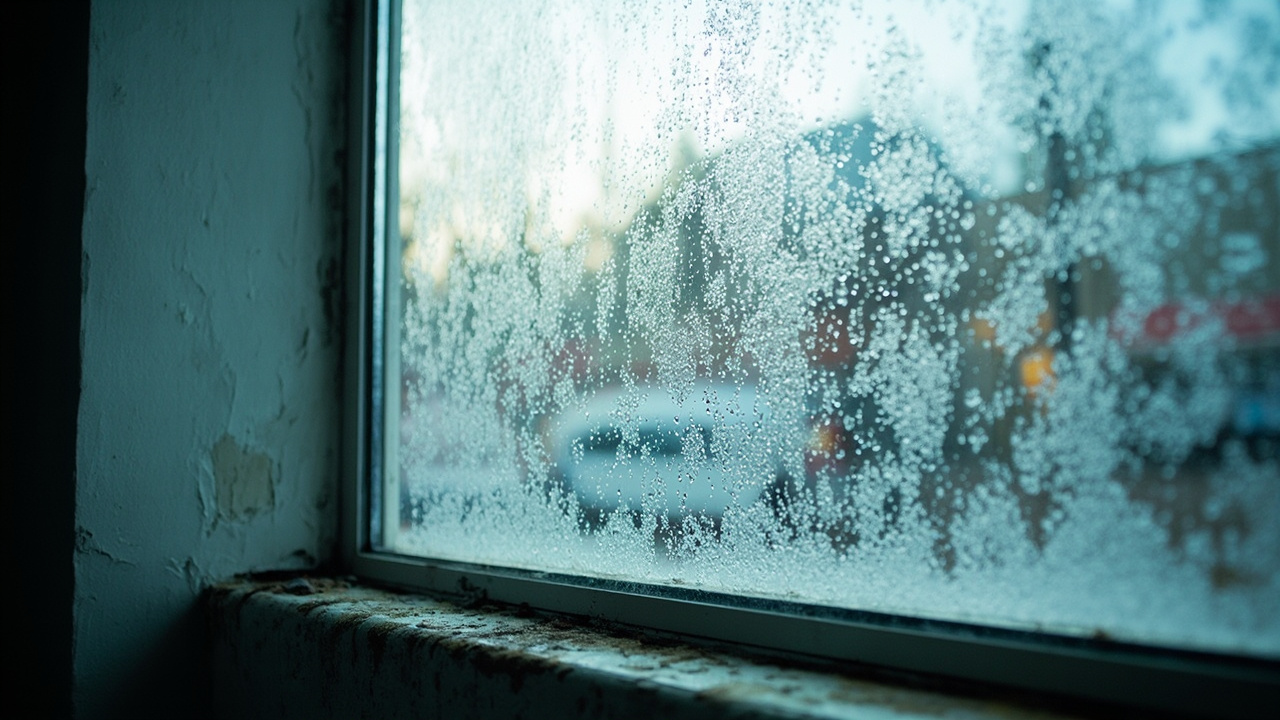
You wake up to find interior glass condensation pooling on your windowsills. By afternoon, damp drywall patches appear near corners and exterior walls. This is not just a cosmetic nuisance. Riverside's unique climate creates perfect conditions for moisture buildup on walls and weeping window panes.

The Inland Empire sees dramatic temperature swings between day and night, especially during winter months. When warm indoor air meets cold window glass or poorly insulated exterior walls, water vapor condenses into liquid. Add Riverside's occasional high humidity from Santa Ana wind patterns, and you have a recipe for chronic condensation problems.

Many homes in established Riverside neighborhoods like Canyon Crest and Victoria were built before modern vapor barrier standards. These older structures lack proper insulation in wall cavities, allowing cold spots where moisture collects. Newer developments in Orangecrest and Alessandro Heights may have better insulation, but poor ventilation or HVAC sizing issues create the same result.

Window sweating signals a bigger problem. That visible moisture on glass is also forming inside your walls where you cannot see it. Drywall absorbs water like a sponge. Within 48 hours, mold spores colonize damp surfaces. Within weeks, wood framing begins to rot. The longer you wait, the more expensive the fix becomes.

This is not a DIY problem. Running a dehumidifier or wiping down windows treats the symptom, not the cause. You need a professional assessment to identify whether your condensation stems from ventilation failure, insulation gaps, plumbing leaks, or HVAC imbalance.

Why Riverside Homes Battle Persistent Window Sweating and Wall Moisture
How We Diagnose and Eliminate Condensation at the Source

How We Diagnose and Eliminate Condensation at the Source

Most restoration companies treat condensation like a surface issue. They dry out the visible moisture and leave. We dig deeper because window sweating is a symptom of environmental imbalance inside your structure.

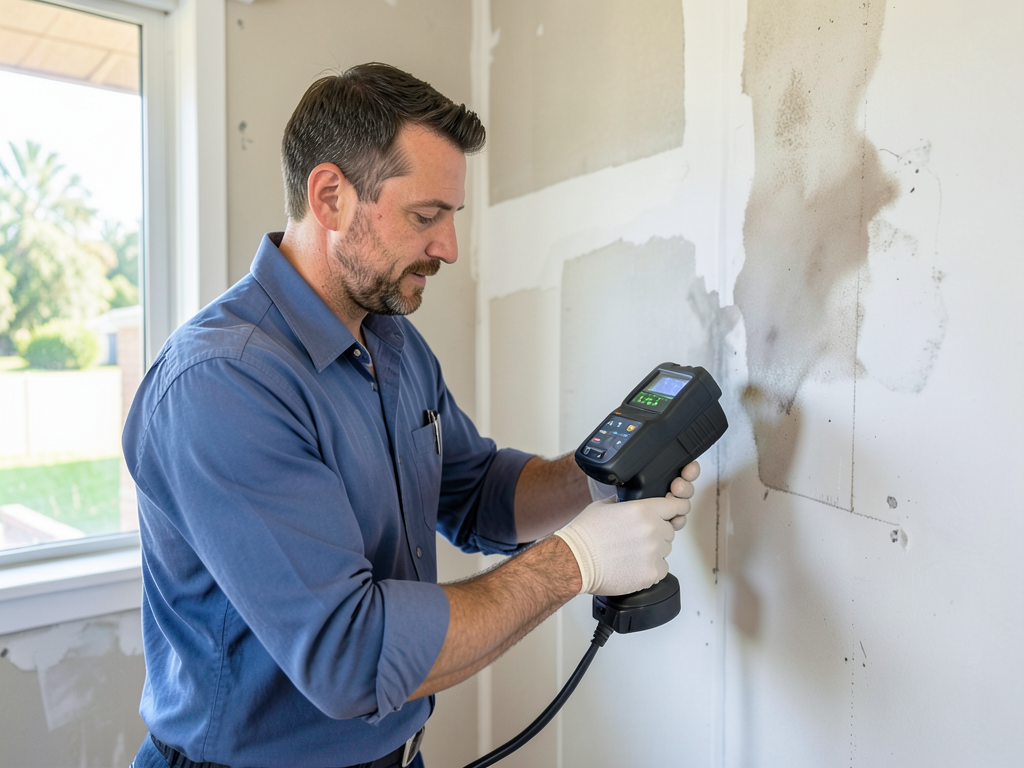
Our first step is a comprehensive moisture mapping using thermal imaging cameras and hygrometers. We measure relative humidity in every room and identify temperature differentials between interior surfaces and ambient air. This shows us where cold spots exist and why moisture condenses in those specific locations.

We inspect your HVAC system next. An oversized air conditioner short cycles, cooling air without removing humidity. An undersized system runs constantly, creating negative pressure that pulls humid outdoor air through gaps in your building envelope. Both scenarios cause condensation problems. We test airflow, duct sealing, and thermostat cycling to rule out mechanical causes.

Next, we examine your building envelope. We check attic insulation depth and condition, looking for compression or gaps around penetrations. We inspect wall cavities using moisture meters to detect hidden dampness. We evaluate window and door seals for air leakage. We check bathroom and kitchen exhaust fans to ensure they vent outside, not into attic spaces.

For homes with crawl spaces, we inspect vapor barriers and ground moisture. For slab foundations common in Riverside, we check for hydrostatic pressure or capillary action wicking moisture through concrete.

Once we identify the root cause, we create a remediation plan. This might involve improving ventilation, upgrading insulation, sealing air leaks, or adjusting your HVAC system. If mold has already colonized damp surfaces, we follow IICRC S520 mold remediation standards to remove contaminated materials and treat affected areas with antimicrobial solutions.

What Happens During Your Condensation Assessment

Condensation on Windows & Walls in Riverside – Get Expert Diagnosis Before Mold Takes Hold
01

Initial Moisture Investigation

We arrive with thermal imaging equipment and moisture detection tools to map every area where condensation forms. You show us the weeping window panes and damp drywall patches you have noticed. We document baseline humidity levels and surface temperatures in affected rooms. This data establishes the severity of your moisture problem and identifies hidden issues behind walls or ceilings.
02

System and Structure Evaluation

We evaluate your HVAC performance, insulation quality, and ventilation capacity. Our technicians check for duct leaks, inadequate insulation, and exhaust fan failures. We use blower door tests when necessary to measure air infiltration rates. This step reveals whether your condensation stems from mechanical failure, building envelope weakness, or lifestyle factors like overcrowding or cooking without proper ventilation.
03

Customized Remediation Plan

You receive a detailed report explaining why condensation forms in your specific property and what fixes will eliminate it. We prioritize solutions based on cost effectiveness and impact. Some homes need ventilation upgrades. Others require insulation improvements or HVAC adjustments. We provide clear next steps, whether that means our team performs the work or you coordinate with specialized contractors for HVAC or insulation trades.

Why Riverside Property Owners Trust Our Condensation Expertise

Condensation problems confuse most homeowners because the visible moisture is not the actual problem. The problem is the environmental imbalance causing that moisture. Generic restoration companies dry out your walls and disappear. They do not fix the conditions creating the condensation in the first place.

Liberty Water Damage Restoration Riverside approaches condensation as a building science problem. Our technicians understand psychrometrics, the study of air and moisture relationships. We know how Riverside's climate affects indoor environments. We understand how modern building codes in California address vapor barriers and thermal breaks.

We have worked in every Riverside neighborhood from the historic homes in Mount Rubidoux to the newer builds in Sycamore Canyon. Older properties in Wood Streets or Northside often lack wall insulation entirely. Mid-century homes in Arlington have single-pane aluminum windows that act as condensation magnets. Newer homes in Harveston may have adequate insulation but suffer from builder-grade ventilation systems that cannot handle occupancy loads.

We coordinate with HVAC contractors, insulation specialists, and window replacement companies when your solution requires trades outside our scope. We do not try to be everything. We focus on diagnosing the moisture problem correctly so you invest in the right fix the first time.

Our assessment saves you money by preventing misdirected repairs. We have seen homeowners spend thousands replacing windows when the real issue was attic ventilation. We have seen others rip out drywall unnecessarily when adjusting their dehumidifier settings would have solved the problem.

You get honest answers based on building science, not sales pressure. If your condensation requires a simple fix, we tell you. If it requires significant investment, we explain why and prioritize the most impactful improvements first.

What Your Condensation Assessment Includes

Response Time and Availability

We schedule condensation assessments within 48 hours of your call. While condensation is not typically an emergency like a burst pipe, delaying your assessment allows mold growth to progress. Most evaluations take two to three hours depending on property size and complexity. We work around your schedule, including evenings and weekends. You receive a preliminary verbal assessment onsite, followed by a detailed written report within 24 hours explaining our findings and recommended solutions.

Comprehensive Diagnostic Process

Our assessment includes thermal imaging, moisture meter readings, humidity measurement, and visual inspection of all suspected areas. We test HVAC airflow and duct integrity. We inspect attics, crawl spaces, and wall cavities. We photograph evidence of moisture damage and mold growth. We ask about your lifestyle factors like cooking habits, occupancy levels, and thermostat settings because human behavior affects indoor humidity. You get a complete picture of why condensation forms in your specific property, not generic guesses.

Accurate Problem Identification

You receive clear answers about whether your condensation stems from insulation deficiency, ventilation failure, HVAC problems, or building envelope leakage. Our report explains the root cause in plain language without technical jargon overload. We show you exactly where moisture enters or forms. We explain how Riverside's climate contributes to your specific issue. If we find mold growth, we document its extent and explain remediation requirements. You leave the assessment understanding your problem completely.

Follow-Up and Solution Implementation

If your solution involves water damage restoration or mold remediation, we provide a detailed scope of work and timeline. If your solution requires HVAC repair or insulation upgrades, we refer you to qualified local contractors and coordinate scheduling if needed. We follow up 30 days after any remediation work to verify condensation has stopped. We provide guidance on maintaining proper humidity levels and preventing recurrence. You get ongoing support, not a one-time diagnosis with no accountability.

Frequently Asked Questions

You Have Questions,
We Have Answers

How to stop condensation on windows and walls? +

Stop condensation by improving ventilation and controlling indoor humidity. Run exhaust fans in bathrooms and kitchens during and after use. Open windows periodically to circulate fresh air, even in Riverside's cooler months. Keep indoor humidity between 30-50% using a dehumidifier if needed. Ensure furniture sits a few inches away from exterior walls to allow airflow. Check weather stripping and seal air leaks around windows. Use insulated window treatments or storm windows to raise interior glass temperature. If condensation persists despite these steps, you may have hidden moisture sources or insulation problems that need professional inspection.

Does condensation always indicate a problem? +

Not always. Light condensation on windows during cold mornings in Riverside is normal, especially if you run humidifiers or have many indoor plants. It becomes a problem when moisture appears daily, soaks window frames, drips down walls, or causes musty odors. Excessive condensation signals humidity levels that can trigger mold growth, wood rot, and structural damage. If you notice peeling paint, dark stains, or soft drywall near windows, the moisture has crossed from normal to damaging. Occasional condensation requires monitoring. Persistent or heavy condensation demands action to protect your home from water damage and health hazards.

Is it normal to have condensation on the inside of house windows? +

Interior window condensation is common but not ideal. It happens when warm, humid indoor air contacts cold glass surfaces. In Riverside homes, this occurs most during winter when heating systems run and outdoor temperatures drop overnight. Single-pane windows and poorly insulated frames are especially prone to condensation. While a little moisture during temperature extremes is typical, daily condensation indicates high indoor humidity that risks mold growth and structural damage. You should address the root cause, whether inadequate ventilation, excess moisture sources, or poor window performance, rather than accepting it as normal.

Does condensation on windows mean the house is too cold? +

Not necessarily. Condensation happens when warm, moisture-laden air meets cold surfaces. Your house temperature matters less than the temperature difference between indoor air and window glass. A warm Riverside home with high humidity will show more condensation than a cooler home with controlled moisture levels. Poor window insulation causes cold glass even when your home feels comfortable. If you maintain reasonable heating and still see heavy condensation, the problem is high indoor humidity or inadequate window performance, not insufficient warmth. Check your thermostat settings, but focus more on humidity control and ventilation.

Should I wipe condensation off windows? +

Yes, wipe condensation promptly to prevent immediate damage. Use a clean, absorbent cloth to remove moisture from glass, frames, and sills. Leaving water sitting encourages mold growth, stains window frames, damages wood sills, and can seep into walls. However, wiping treats the symptom, not the cause. You must also reduce indoor humidity and improve ventilation. In Riverside homes prone to morning condensation, make wiping windows part of your routine while addressing underlying moisture issues. Check for water pooling on sills or running down walls, which signals a more serious problem requiring professional moisture assessment.

What to put on walls to stop condensation? +

Apply anti-condensation paint or thermal insulation coatings to walls prone to moisture. These specialized paints contain insulating additives that raise surface temperature and prevent condensation. Ensure walls have proper insulation between studs, as cold wall surfaces attract moisture from indoor air. Install vapor barriers on the warm side of insulation during construction or remodeling. For existing walls, use breathable interior finishes that resist moisture absorption. In Riverside's climate, exterior walls facing north or shaded areas need particular attention. Address ventilation and humidity control first, as coatings alone cannot solve excessive moisture problems without proper airflow.

Does condensation on windows mean poor insulation? +

Often, yes. Poor insulation allows cold outdoor temperatures to penetrate walls and window frames, creating cold interior surfaces where condensation forms. Single-pane windows, missing wall insulation, and thermal bridging through framing all contribute to condensation problems. However, inadequate insulation is just one factor. You can have excellent insulation and still get condensation if indoor humidity is too high or ventilation is poor. In Riverside, older homes built before modern insulation standards commonly show condensation issues. If windows fog heavily while walls stay dry, the windows themselves need upgrading more than adding wall insulation.

What are signs of excessive condensation? +

Watch for water droplets on windows every morning, foggy glass that never clears, damp window sills or frames, musty odors near windows or in corners, dark spots or mold growth on walls or ceilings, peeling paint or wallpaper, warped window frames, and visible water stains below windows. In Riverside homes, check closets on exterior walls and bathrooms without exhaust fans. Feel walls near windows for dampness. Excessive condensation often appears first in bedrooms and bathrooms where humidity concentrations are highest. If you see multiple signs, you have a moisture problem that risks structural damage and requires immediate attention.

Will a dehumidifier get rid of condensation? +

Yes, when used correctly. A dehumidifier removes excess moisture from indoor air, preventing the high humidity that causes condensation. Size the unit for your space and maintain humidity between 30-50%. Run it continuously in problem areas until moisture stabilizes. In Riverside's variable climate, you may need dehumidification primarily during cooler months when heating systems run. However, a dehumidifier treats symptoms, not sources. Identify why humidity is high. Fix plumbing leaks, improve bathroom ventilation, and address drainage issues. Combine dehumidification with proper ventilation and moisture source elimination for lasting results.

How to stop condensation on windows overnight in winter? +

Lower indoor humidity before bed by running exhaust fans and avoiding late-evening showers. Crack a window slightly in bedrooms to introduce cold, dry outside air. Close interior doors to prevent humid air from other rooms reaching cold windows. Use insulated curtains or cellular shades, but leave them open slightly to allow warm air circulation across glass. Run ceiling fans on low to keep air moving. Set thermostats consistently rather than dropping temperatures at night, which increases condensation risk. In Riverside's winter climate, these steps reduce overnight condensation. Persistent problems require professional moisture assessment and possible window upgrades.

How Riverside's Inland Empire Climate Creates Year-Round Condensation Challenges

Riverside sits in a unique microclimate where hot summer days reach 100 degrees, yet winter nights drop into the 30s. This temperature variability stresses your building envelope constantly. During winter months, cold exterior walls and windows create condensation when indoor heating raises humidity from cooking, showering, and breathing. Summer brings a different problem when air conditioning overcools interior surfaces while outdoor humidity from summer monsoon moisture occasionally spikes. Homes near the Santa Ana River or along Mission Inn Avenue face additional moisture challenges from landscaping irrigation and aging infrastructure.

Liberty Water Damage Restoration Riverside has diagnosed condensation problems in properties throughout Riverside County for years. We understand how local building codes have evolved and which construction periods correlate with specific moisture vulnerabilities. We know that homes built before 1980 in neighborhoods like La Sierra often lack adequate insulation. We recognize that properties in newer developments like Sycamore Highlands may have modern insulation but suffer from undersized ventilation systems. Our familiarity with Riverside construction patterns helps us diagnose your condensation problem faster and more accurately than out-of-area contractors.
Water Damage Restoration Services in The Riverside Area

We are dedicated to serving the entire Riverside area and its neighboring communities with fast and reliable water damage restoration services. Whether you’re a resident or a business owner, our team is ready to respond to your call. Use the map below to see our service area, or call us directly to confirm if we can dispatch a team to your location for an immediate emergency response.

Address:
Liberty Water Damage Restoration Riverside, 11801 Pierce St, Riverside, CA, 92505

Additional Services We Offer

Our news updates

Latest Articles & News from The Blogs

Why your ice maker line is a ticking time bomb for your kitchen floor Ice maker supply lines are one…

Why your ice maker line is a ticking time bomb for your kitchen floor

Why your ice maker line is a ticking time bomb for your kitchen floor Ice maker supply lines are one…

How to spot the signs of a chimney leak before it ruins your Riverside living room

How to spot the signs of a chimney leak before it ruins your Riverside living room Your chimney is more…

The most common plumbing mistakes Riverside DIYers make that lead to floods

The most common plumbing mistakes Riverside DIYers make that lead to floods DIY plumbing projects in Riverside often start with…

Contact Us

Call (951) 309-5499 now to schedule your condensation assessment. We will identify why moisture forms on your windows and walls, then explain exactly how to fix it. Do not wait for mold to colonize your drywall.