menu

Water Mitigation vs Restoration in Riverside – Know the Difference Before You Call

Understanding water damage mitigation vs restoration protects your property investment and prevents costly mistakes during flood cleanup and structural repairs in Riverside homes and businesses.

Slider Image 1
Slider Image 2
Slider Image 3
Slider Image 4
Slider Image 5
Slider Image 7
Slider Image 8
Slider Image 9
Slider Image 10
Slider Image 11

Most Riverside Property Owners Don't Know the Critical Difference

When water invades your Riverside property, you face two distinct phases of response. The difference between water mitigation and restoration determines whether you stop the damage now or pay for it later.

Riverside sits in a flood zone where the Santa Ana River can overflow during winter storms. Heavy rains hit our region between December and March, saturating the ground and causing flash flooding in neighborhoods near Victoria Avenue and Canyon Crest. When water enters your building, you need mitigation first. This is emergency response. Water mitigation means stopping active water intrusion, extracting standing water, and preventing further damage. It happens in the first 24 to 48 hours.

Water remediation vs restoration is another common confusion point. Remediation overlaps with mitigation but focuses more on contamination removal. Restoration comes after. This is repair work. You cannot start restoration while water is still pooling in your crawlspace or saturating drywall.

The split between mitigation vs reconstruction is time-based. Mitigation is urgent. Reconstruction is planned. Many Riverside homes built before 1980 have concrete slab foundations that crack from soil expansion during wet seasons. When groundwater seeps through those cracks, mitigation stops the water. Restoration fixes the foundation damage afterward.

Water cleanup vs water repair highlights the same timeline. Cleanup is immediate extraction and drying. Repair is rebuilding what the water destroyed. You need both, but in the correct order. Calling for restoration before mitigation is complete wastes money and causes secondary damage like mold growth in wall cavities.

Most Riverside Property Owners Don't Know the Critical Difference
How Water Damage Mitigation and Restoration Work as a Two-Phase System

How Water Damage Mitigation and Restoration Work as a Two-Phase System

Water damage mitigation vs restoration is not either-or. They are sequential phases of the same recovery process.

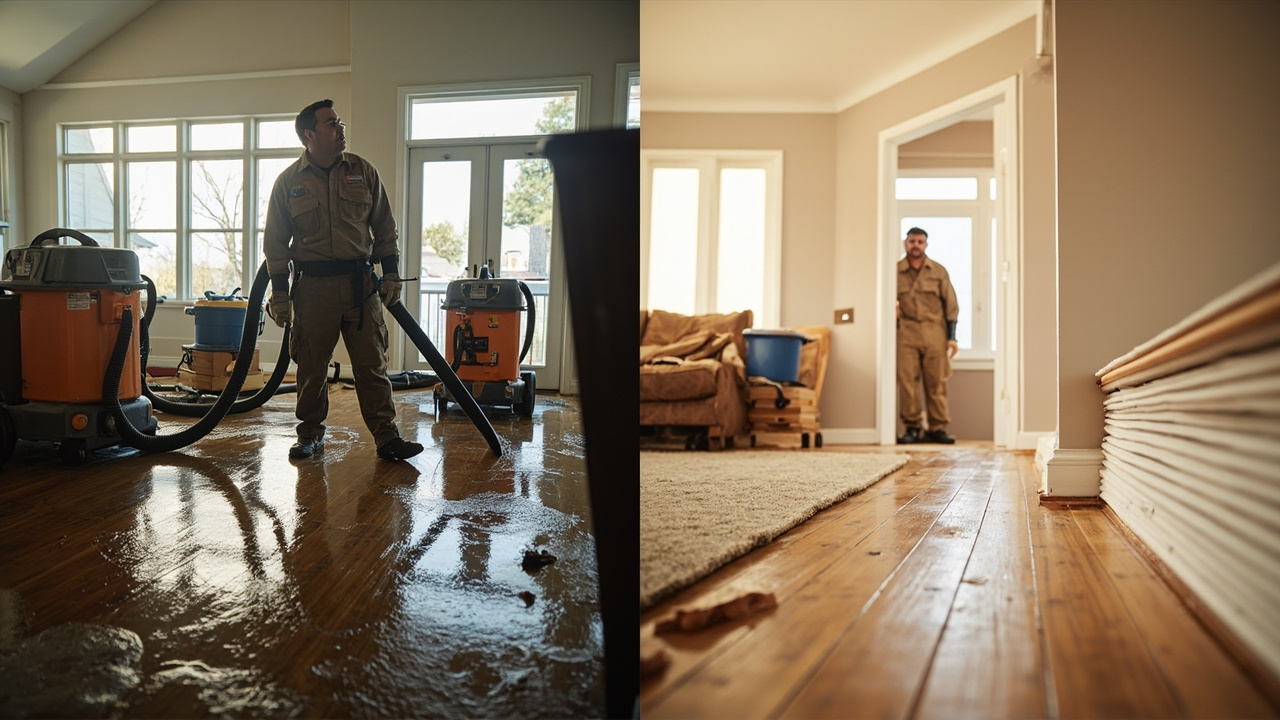
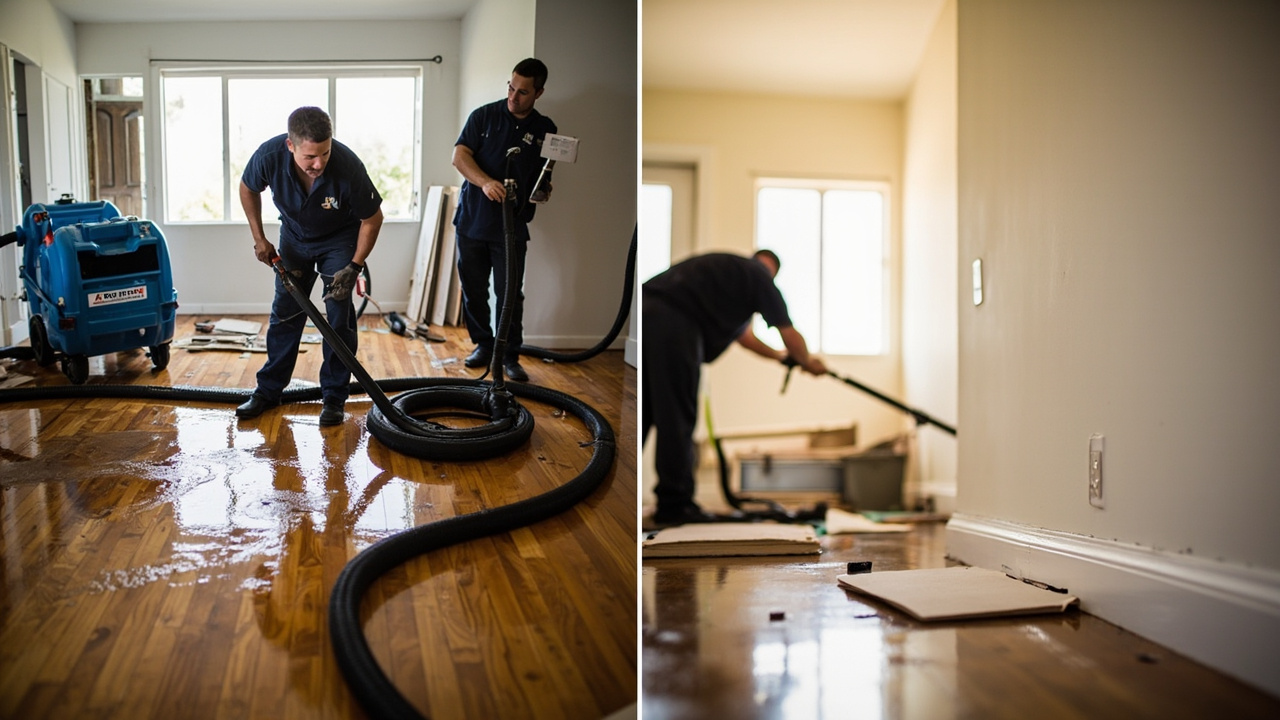
Mitigation begins the moment you call Liberty Water Damage Restoration Riverside. We arrive with truck-mounted extractors, industrial dehumidifiers, and moisture meters. Our goal is water removal and moisture control. We pull water from carpets, padding, and subflooring using extraction wands. We place air movers to accelerate evaporation. We inject desiccant materials into wall cavities to absorb trapped moisture. This phase lasts two to seven days depending on saturation depth and material type.

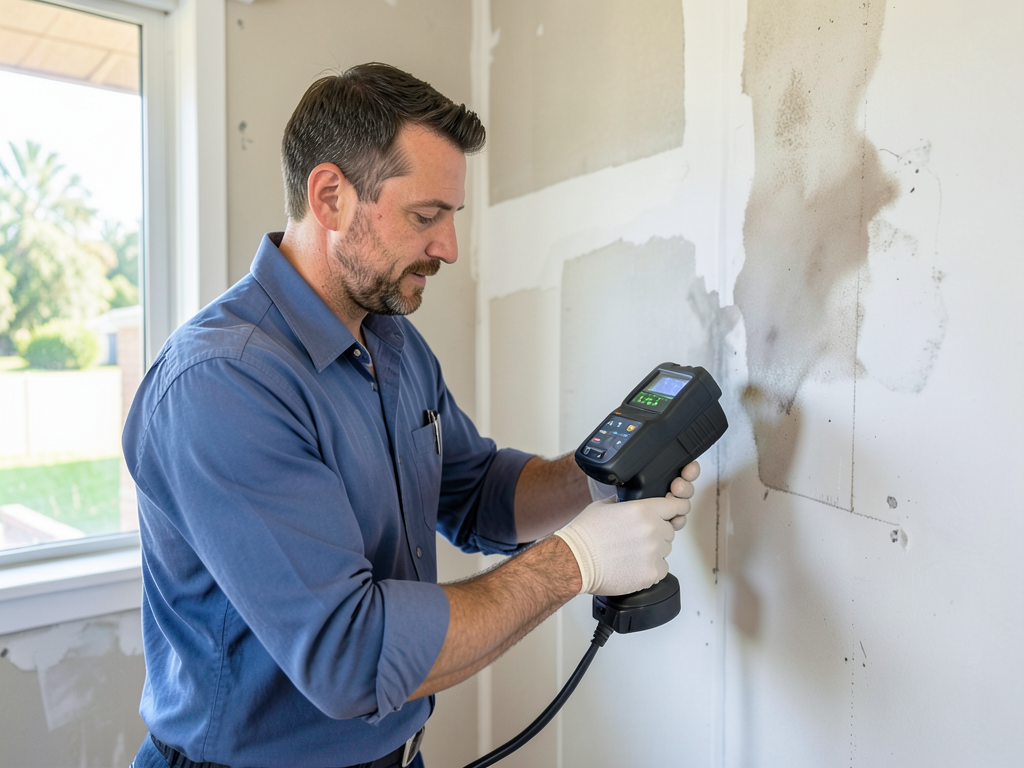
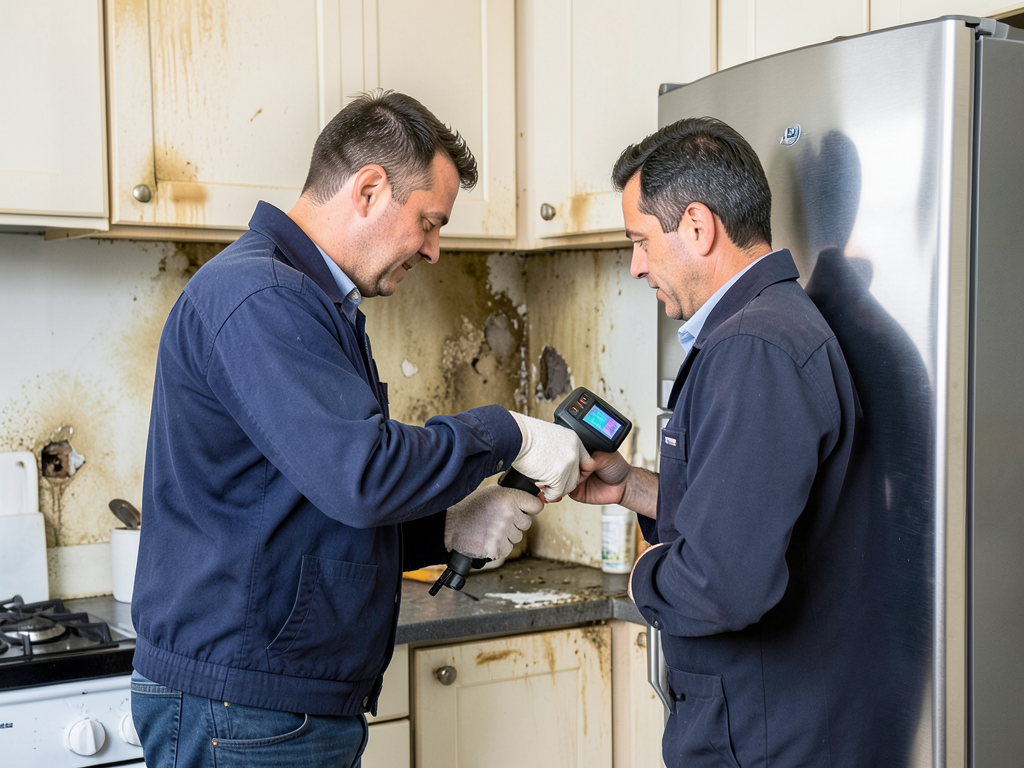
During mitigation, we document moisture levels using thermal imaging cameras and pin-type meters. Drywall holds moisture longer than vinyl flooring. Wood framing in older Riverside bungalows near Mount Rubidoux retains water in the grain, requiring extended drying time. We monitor daily psychrometric readings to confirm the structure has reached equilibrium with ambient conditions. Only then does mitigation end.

Restoration begins after final moisture readings confirm the space is dry. Now we rebuild. We remove unsalvageable drywall and insulation. We treat framing with antimicrobial solutions to prevent mold colonization. We install new drywall, tape seams, apply texture, and paint. We replace baseboards, door casings, and damaged flooring. If the water event compromised electrical outlets or HVAC ductwork, we coordinate with licensed subcontractors to bring systems back to code.

The difference between water mitigation and restoration is this: mitigation saves what can be saved. Restoration replaces what cannot. Both require different equipment, different expertise, and different timelines. Skipping mitigation accelerates material degradation. Skipping restoration leaves visible damage and reduces property value.

What Happens When You Call for Water Damage Help

Water Mitigation vs Restoration in Riverside – Know the Difference Before You Call
01

Emergency Mitigation Response

We deploy within 60 minutes of your call to Riverside properties. Our crew assesses the water source, stops active intrusion if possible, and begins extraction. We map the affected area with moisture detection tools and document baseline readings. This is water mitigation. Speed matters because every hour of standing water increases structural absorption and microbial risk. We work through the night if needed to remove free water and start controlled drying.
02

Controlled Structural Drying

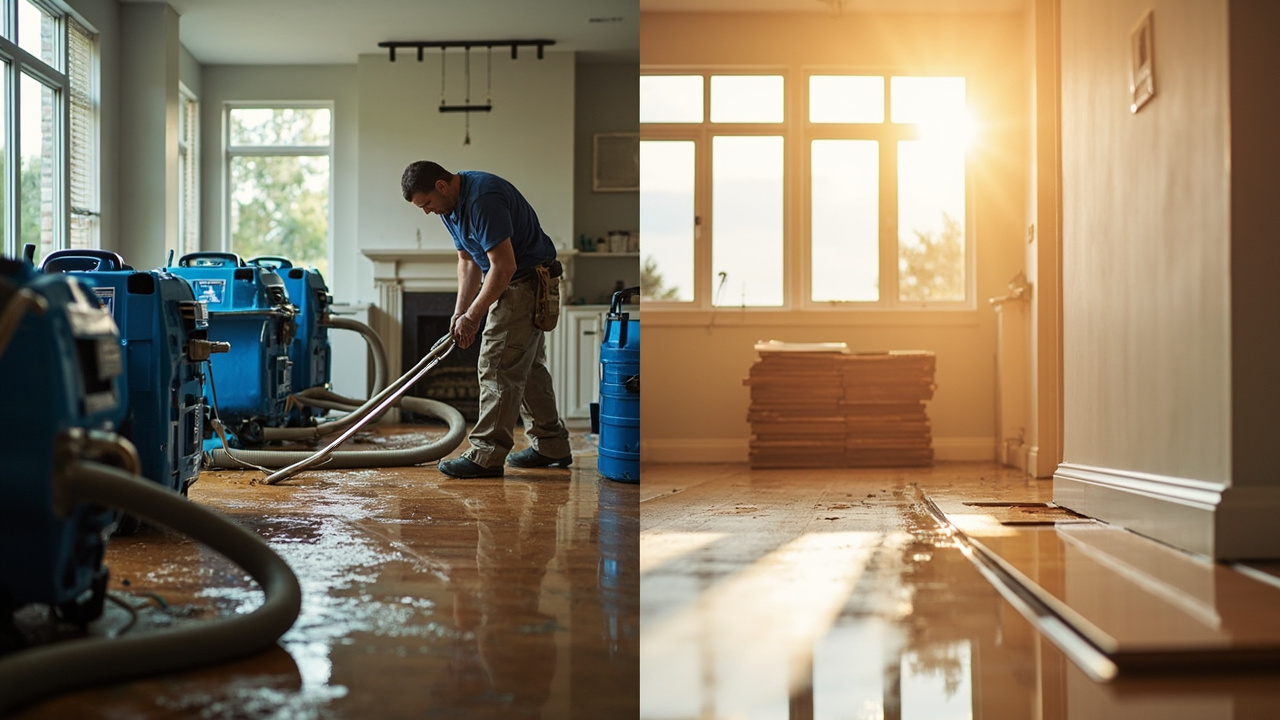
After extraction, we position dehumidifiers and air movers to target hidden moisture in walls, ceilings, and subfloors. We monitor daily moisture content using calibrated meters and adjust equipment placement based on drying progress. This phase separates water cleanup vs water repair. Cleanup is technical. We calculate grain depression and vapor pressure to optimize drying conditions. Most Riverside homes reach target moisture levels in three to five days under active drying protocols.
03

Restoration and Rebuild

Once the structure is confirmed dry, we transition to restoration. We remove damaged materials, treat exposed framing, and begin reconstruction. This includes drywall replacement, flooring installation, trim work, and paint. We coordinate with your insurance adjuster and provide detailed scope documentation. The difference between mitigation vs reconstruction is clear at this stage. Reconstruction is visible repair. Mitigation was invisible prevention. Both are necessary to return your property to pre-loss condition.

Why Riverside Property Owners Trust Local Water Damage Expertise

Riverside has unique water damage risks that out-of-area contractors miss. Our teams know how the Box Springs Mountain foothills channel rainwater runoff into residential areas along Central Avenue. We know how the Inland Empire's high summer temperatures create attic condensation that drips into insulation during monsoon humidity spikes. We know how the historic neighborhoods near the Mission Inn have cast iron sewer lines that corrode and leak sewage into crawlspaces.

Water remediation vs restoration requires local building code knowledge. Riverside enforces Title 24 energy standards that mandate insulation R-values and vapor barrier installation during reconstruction. If we replace drywall, we must match current code requirements, not original 1970s construction standards. We pull permits when needed and coordinate inspections with the city's building and safety division.

Liberty Water Damage Restoration Riverside operates with IICRC-certified technicians trained in water damage restoration protocols. We use moisture mapping software that integrates with insurance claim platforms, reducing adjuster delays. We understand the difference between water mitigation and restoration from both a technical and a claims perspective. Insurance companies separate mitigation costs from restoration costs in their estimates. Mitigation is usually covered under emergency services provisions. Restoration falls under dwelling or contents coverage depending on what was damaged.

We also know Riverside's real estate market. Properties near UC Riverside or the Riverside Plaza command high resale values. Incomplete water damage repairs lower appraisals and scare buyers. We restore properties to market-ready condition, not just functional condition. That distinction matters when you sell or refinance. Choosing local expertise means faster response, better communication, and results that match the expectations of Riverside buyers, lenders, and inspectors.

What to Expect During Mitigation and Restoration in Riverside

Response Time and Availability

We answer emergency calls 24 hours a day, seven days a week. Riverside water damage does not wait for business hours. Pipe bursts happen at 2 a.m. Roof leaks appear during weekend storms. We dispatch crews within 60 minutes to properties in Riverside, Corona, Moreno Valley, and surrounding Inland Empire areas. Mitigation begins the moment we arrive. Restoration schedules depend on drying completion but typically start within one week of the initial water event. We coordinate with your insurance timeline to minimize claim delays and out-of-pocket expenses.

Assessment and Moisture Mapping

Our initial assessment identifies the water source, category of contamination, and extent of saturation. We use thermal imaging to detect moisture trapped behind walls and under flooring. We classify water damage by IICRC S500 standards. Category 1 is clean water from supply lines. Category 2 is gray water from appliances. Category 3 is black water from sewage or flooding. Each category requires different mitigation protocols. We provide a written scope within 24 hours that separates water damage mitigation vs restoration costs. This document supports your insurance claim and sets clear expectations for project duration.

Quality of Repairs and Materials

Restoration quality depends on material selection and installation standards. We match existing finishes when possible. If your Riverside home has original wood baseboards or custom tile, we source comparable replacements. We do not cut corners with builder-grade substitutes. Drywall seams are taped with three-coat application and sanded smooth. Paint is color-matched using spectrophotometry to blend with adjacent walls. Flooring transitions are flush and professional. The difference between water cleanup vs water repair shows in the details. Cleanup is functional. Repair is aesthetic. We deliver both.

Post-Restoration Support and Monitoring

After restoration is complete, we provide final moisture readings and photographic documentation. We explain how to monitor for recurring issues like slow leaks or condensation. If your water damage was caused by a roof leak or foundation crack, we recommend permanent repairs to prevent future events. We do not warranty against new damage from unresolved structural issues, but we do stand behind our restoration workmanship. If paint fails or drywall seams crack due to installation error, we return and correct it. Most Riverside homeowners never need a callback because we get it right the first time.

Frequently Asked Questions

You Have Questions,
We Have Answers

What is the difference between water restoration and mitigation? +

Water mitigation stops damage in its tracks. It includes extraction, drying, and containment to prevent further harm after a flood or leak. Water restoration is the rebuild phase. It repairs drywall, replaces flooring, and returns your Riverside home to pre-loss condition. Mitigation happens first, usually within 24 to 48 hours. Restoration follows once everything is dry and stable. Think of mitigation as emergency response and restoration as reconstruction. Both are necessary after water damage, but they serve distinct purposes in the recovery timeline.

What is the difference between restoration and remediation of water? +

Water restoration and remediation are often confused, but they differ. Restoration rebuilds and repairs structural damage caused by water. It includes replacing drywall, repainting, and installing new flooring. Remediation addresses contamination or hazards like mold, sewage, or Category 3 water. If your Riverside property suffers sewage backup, you need remediation to remove biohazards before restoration begins. Remediation ensures the space is safe. Restoration makes it livable again. Both may be required depending on water type and exposure duration.

What is mitigation and restoration? +

Mitigation reduces immediate damage and prevents escalation. It involves water extraction, dehumidification, and containment. Restoration rebuilds what was damaged. It includes structural repairs, painting, and material replacement. In Riverside, mitigation often begins within hours of a pipe burst or appliance leak. Restoration starts after drying is complete and the space is safe. Mitigation is reactive and urgent. Restoration is planned and methodical. You cannot skip mitigation and jump to restoration without risking mold growth or structural compromise.

What is included in water mitigation? +

Water mitigation includes emergency water removal, structural drying, moisture monitoring, and containment. Technicians use pumps, extractors, air movers, and dehumidifiers to pull water from carpets, subflooring, and walls. They monitor moisture levels daily to confirm dryness. In Riverside, mitigation also addresses humidity control due to Southern California's dry climate, which can mask hidden moisture pockets. Mitigation includes antimicrobial treatment if contamination is present. The goal is stabilization. Mitigation stops damage progression so restoration work can begin safely.

What is the average cost of water mitigation? +

Water mitigation costs range widely based on water volume, affected square footage, and contamination level. Small localized leaks may cost a few hundred dollars. Whole-home flooding in Riverside properties can reach several thousand. Factors include extraction complexity, drying time, and equipment needed. Category 3 water or sewage contamination increases costs due to safety protocols. Most homeowners insurance policies cover mitigation costs if the damage is sudden and accidental. Get a detailed estimate before work begins and confirm coverage with your insurer.

Do you mitigate or remediate mold? +

You remediate mold, not mitigate it. Mold remediation removes contamination and treats affected materials. It includes containment, HEPA filtration, antimicrobial application, and disposal of porous materials like drywall. Mitigation refers to water damage control. However, water mitigation prevents mold by drying structures quickly. In Riverside, mold can develop within 24 to 48 hours in damp conditions. If you see visible mold growth after water damage, you need professional remediation. Address water intrusion fast to avoid needing mold services later.

Does homeowners insurance cover water restoration? +

Homeowners insurance typically covers water restoration if damage results from a sudden, accidental event like a burst pipe or appliance failure. Gradual damage from neglect or maintenance issues is usually excluded. Flood damage requires separate flood insurance, which is critical for Riverside properties near the Santa Ana River or in FEMA flood zones. Review your policy for water damage endorsements and exclusions. Document damage immediately with photos and contact your insurer before starting work. Most policies cover mitigation and restoration but have specific claim filing windows.

Is restoration the same as remediation? +

Restoration and remediation are not the same. Restoration repairs and rebuilds structures damaged by water, fire, or storms. It returns the property to its original condition. Remediation removes hazards like mold, asbestos, or contaminated water. Remediation addresses safety. Restoration addresses aesthetics and function. In Riverside, remediation happens first if contamination is present. Restoration follows once the space is safe and dry. Some companies offer both services, but they require different certifications, equipment, and protocols.

What are the three types of remediation? +

The three types of remediation are mold remediation, asbestos remediation, and lead remediation. Mold remediation removes fungal contamination and treats affected materials. Asbestos remediation safely removes hazardous insulation or flooring in older Riverside homes. Lead remediation addresses lead-based paint or plumbing in properties built before 1978. Each type follows strict EPA and OSHA guidelines. Remediation protects occupants from health risks. It requires specialized training, containment, and disposal. Water damage can trigger mold remediation if moisture is not controlled within 24 to 48 hours.

What are the 4 types of mitigation? +

The four types of mitigation are water mitigation, fire mitigation, mold mitigation, and storm mitigation. Water mitigation stops flood or leak damage through extraction and drying. Fire mitigation reduces smoke and soot damage after flames are extinguished. Mold mitigation prevents fungal growth by controlling moisture and humidity. Storm mitigation includes board-up services and temporary tarping after wind or hail damage. In Riverside, water and mold mitigation are most common due to plumbing failures and irrigation leaks. Each type requires immediate response to minimize loss and protect property value.

Why Riverside's Seasonal Flooding Makes Mitigation vs Restoration Knowledge Critical

Riverside receives most of its annual rainfall between December and March, with occasional atmospheric river storms dumping several inches in 24 hours. The Santa Ana River basin floods low-lying areas near Riverside Avenue and Arlington Avenue. Properties in the Arlanza and La Sierra neighborhoods experience groundwater intrusion through foundation slabs and basement walls. When floodwater enters your property, the difference between water mitigation and restoration becomes life-or-death for your building materials. Mitigation within the first 48 hours prevents category 1 water from degrading into category 2 or 3 contamination as bacteria and mold colonize saturated surfaces. Riverside's warm climate accelerates microbial growth, making rapid mitigation non-negotiable.

Riverside enforces building codes through the Community and Economic Development Department. Any restoration work that includes structural changes, electrical repairs, or plumbing modifications requires permits and inspections. Liberty Water Damage Restoration Riverside maintains working relationships with city inspectors and understands local permit requirements. We know which repairs trigger plan checks and which fall under minor repair exemptions. This local knowledge prevents project delays and ensures your restoration passes final inspection. Choosing a contractor unfamiliar with Riverside's permitting process can result in failed inspections, red tags, and expensive rework. Local expertise matters when water damage mitigation vs restoration crosses into regulated construction activity.
Water Damage Restoration Services in The Riverside Area

We are dedicated to serving the entire Riverside area and its neighboring communities with fast and reliable water damage restoration services. Whether you’re a resident or a business owner, our team is ready to respond to your call. Use the map below to see our service area, or call us directly to confirm if we can dispatch a team to your location for an immediate emergency response.

Address:
Liberty Water Damage Restoration Riverside, 11801 Pierce St, Riverside, CA, 92505

Additional Services We Offer

Our news updates

Latest Articles & News from The Blogs

Why your ice maker line is a ticking time bomb for your kitchen floor Ice maker supply lines are one…

Why your ice maker line is a ticking time bomb for your kitchen floor

Why your ice maker line is a ticking time bomb for your kitchen floor Ice maker supply lines are one…

How to spot the signs of a chimney leak before it ruins your Riverside living room

How to spot the signs of a chimney leak before it ruins your Riverside living room Your chimney is more…

The most common plumbing mistakes Riverside DIYers make that lead to floods

The most common plumbing mistakes Riverside DIYers make that lead to floods DIY plumbing projects in Riverside often start with…

Contact Us

Water damage does not wait. Whether you need emergency mitigation or complete restoration, Liberty Water Damage Restoration Riverside responds fast. Call (951) 309-5499 now for immediate dispatch and expert water damage recovery.