


Corona sits in a unique position where rapid temperature swings and seasonal weather patterns create perfect conditions for water damage events. Summer monsoons dump inches of rain in hours, overwhelming drainage systems in older neighborhoods like Corona Del Mar and El Cerrito. Flash flooding rushes down from the Santa Ana Mountains, pooling in low-lying areas near the Santa Ana River basin.
Winter brings its own challenges. Older homes in the Historic Civic Center district have aging pipe systems that crack during cold snaps. Clay-rich soil throughout Corona expands when wet and contracts when dry, creating foundation movement that breaks sewer lines and shifts plumbing connections. Properties near the Green River Golf Course and along areas close to Prado Basin face seasonal groundwater intrusion.
Corona's building boom means many homes were built quickly in the 1990s and 2000s with materials that degrade faster in heat. Roof penetrations crack, stucco develops hairline fractures, and water finds every weak point. When pipes burst or appliances fail, water spreads through drywall and insulation before homeowners notice. The dry climate makes residents less vigilant about leaks until significant damage occurs. By the time you see ceiling stains or smell mustiness, water has been present for days or weeks.
When water invades your Corona property, you need a crew that knows exactly what to do and does it fast. Liberty Water Damage Restoration Riverside operates across Riverside County with teams ready to deploy to Corona within the hour. We understand that water damage creates panic. Our job is to take control of the situation immediately so you can breathe.
We arrived in Corona during the 2019 floods when the Santa Ana River threatened dozens of properties. While other companies stayed in their comfort zones, we brought industrial pumps and dehumidifiers to homes that had never flooded before. That experience taught us how Corona properties respond to water intrusion and what it takes to save structures before mold sets in.
Our technicians carry IICRC certification in water damage remediation and applied structural drying. That means we follow science-based protocols for moisture detection and removal, not guesswork. We use thermal imaging cameras to find hidden water behind walls and moisture meters to confirm when materials are truly dry. Most companies pull equipment too early to save costs. We leave gear running until readings hit acceptable levels.
Insurance companies trust our documentation because we photograph everything, track moisture readings daily, and provide detailed scope reports that justify necessary repairs. We know what State Farm, Farmers, and Allstate require for claims approval. We speak their language and handle the paperwork so you do not fight for coverage while your home sits damaged. Corona homeowners choose us because we show up fast, work until the job is done right, and do not leave you dealing with insurance adjusters alone.

Our Corona crews receive dispatch alerts within minutes of your call. We operate 24/7 with trucks loaded and ready. When water is actively flooding your home at 2 AM, we arrive with extraction pumps running before sunrise. Fast response prevents thousands in additional damage by stopping water spread immediately.

We handle direct billing with major insurance carriers serving Corona. Our detailed documentation includes photos, moisture readings, and scope reports that meet adjuster requirements. You do not fight for coverage. We speak insurance language and know what they need to approve claims fast so restoration starts immediately.
Every Liberty technician holds Water Damage Restoration certification from the Institute of Inspection Cleaning and Restoration Certification. We follow science-based drying protocols, not shortcuts. Our moisture detection equipment and monitoring procedures ensure your Corona property is completely dry before we remove equipment, preventing mold growth.
We know Corona construction methods, from older homes in the Civic Center to newer builds near South Corona. We understand how local clay soil affects foundations and how summer heat accelerates mold growth. This knowledge means faster diagnosis and proper remediation specific to how Corona properties respond to water damage.
Water damage happens in dozens of ways, and each scenario requires different equipment and expertise. Liberty Water Damage Restoration Riverside provides complete water removal services from initial emergency response through final reconstruction. We handle everything so you work with one company, not multiple contractors who point fingers when problems arise.
Our service range covers every category of water damage defined by industry standards. Category 1 clean water from supply line breaks requires different handling than Category 3 sewage backups. We bring appropriate equipment and safety protocols for each situation. Whether you face burst pipes, appliance failures, roof leaks, or flood damage, our Corona crews respond with the right tools and training.
We start with emergency water extraction using truck-mounted pumps that remove thousands of gallons per hour. Next comes structural drying with commercial dehumidifiers and air movers positioned based on moisture readings and airflow patterns. After drying, we handle necessary demolition of damaged materials, antimicrobial treatment to prevent mold, and complete reconstruction to return your property to pre-loss condition. This integrated approach means faster completion and better results because one team manages the entire project from water removal through final repairs.
When water floods your Corona property, every minute increases damage. Our emergency crews arrive within an hour carrying truck-mounted extraction pumps that remove standing water fast. We identify the source, stop active flooding, and begin water removal immediately. Submersible pumps handle deep flooding in basements or crawl spaces. We move furniture to prevent further damage, pull wet carpets, and document everything for insurance. Emergency response prevents secondary damage by removing water before it spreads through walls and floors. Our goal is damage containment within the first four hours.
After water extraction, structural drying removes moisture trapped in building materials. We position industrial dehumidifiers and high-velocity air movers based on psychrometric calculations and moisture readings. Thermal imaging cameras detect hidden water behind walls and under flooring. We monitor moisture levels twice daily using penetrating and non-invasive meters, tracking progress until materials reach acceptable dryness standards. This process typically takes three to five days depending on materials affected. Proper structural drying prevents mold growth and preserves your Corona home's structural integrity. We do not pull equipment early to save costs.
Once your property is completely dry, we handle all reconstruction needed to return it to pre-damage condition. Our crews remove unsalvageable materials like water-damaged drywall, insulation, and flooring. We treat affected areas with antimicrobial solutions to prevent mold. Then we rebuild using quality materials that match your existing finishes. This includes drywall installation, texture matching, painting, flooring replacement, and trim work. Working with one company for the entire process means faster completion and clear accountability. You avoid the nightmare of coordinating multiple contractors while living in a damaged home.
Corona's climate and construction patterns create specific water damage scenarios that catch property owners off guard. Understanding these common problems helps you recognize warning signs before minor issues become catastrophes. Many Corona residents do not realize they have water damage until they see visible stains or smell mold, by which time remediation costs multiply.
Summer monsoons drop heavy rain that overwhelms gutters and downspouts on Corona homes. Water pools against foundations and finds entry points through cracks in stucco or gaps around windows. Older neighborhoods with mature landscaping often have tree roots that invade sewer lines, causing backups during heavy use. Winter pipe bursts strike when overnight temperatures drop and poorly insulated pipes freeze in attics or exterior walls.
The rapid temperature swings Corona experiences cause building materials to expand and contract, creating stress fractures in concrete slabs and gaps in plumbing connections. Homes built during the 1990s construction boom now reach the age where water heaters, washing machine hoses, and dishwasher connections fail without warning. These appliances fail when you are at work or asleep, flooding homes for hours before discovery. Understanding these patterns helps Corona property owners take preventive action and recognize damage early.
Copper and galvanized pipes in older Corona homes corrode from the inside, weakening until water pressure causes catastrophic failure. These breaks dump hundreds of gallons per hour into walls, ceilings, and floors. Winter freezing compounds the problem when water expands inside pipes and splits seams. Supply line failures require immediate shutoff at the main valve and fast water extraction to prevent structural damage.
Tree roots invade aging sewer lines in established Corona neighborhoods, creating blockages that cause toilets and drains to back up into homes. Category 3 water contains harmful bacteria and requires specialized cleaning protocols. Our crews wear protective equipment and use EPA-registered disinfectants to sanitize affected areas. Sewage cleanup demands fast response to prevent contamination spread and protect occupant health.
Water heaters, washing machines, and dishwashers fail without warning after years of service. A cracked water heater tank can flood a garage with 40 gallons before you notice. Washing machine supply hoses burst under constant pressure. Dishwasher leaks seep under cabinets for months, rotting subfloors and creating mold growth behind kickplates. These hidden leaks cause extensive damage because water spreads unseen for extended periods.
Summer monsoons hit Corona with intense rainfall that finds every weakness in roof systems. Missing tiles, cracked flashing around chimneys, and deteriorated roof penetrations allow water intrusion. Flat roofs on commercial buildings pond water that seeps through aging membranes. Gutters overflow and dump water against foundations. Flash flooding near the Santa Ana River basin inundates properties in low-lying areas with muddy water requiring specialized cleanup.
Water damage creates chaos and panic. You need someone to take control immediately and tell you exactly what happens next. From your first call to final reconstruction completion, Liberty Water Damage Restoration Riverside follows a clear process designed to reduce your stress and protect your property.
When you call our Corona emergency line, you speak with a real person who understands water damage, not an answering service reading a script. We ask targeted questions about your situation to dispatch the right equipment and crew size. Within minutes, our nearest team receives your address and begins driving to your property. We call you with an estimated arrival time so you are not left wondering when help arrives.
Our technicians arrive in marked trucks carrying industrial equipment. They introduce themselves, assess the damage, and explain what needs to happen immediately. We respect your property and work efficiently to minimize disruption. Throughout the drying process, we communicate daily about moisture readings, equipment adjustments, and timeline expectations. After drying completes, we provide a detailed reconstruction estimate and begin repairs as soon as you approve. You always know what is happening, what comes next, and what it costs.
You reach a water damage specialist immediately when you call, not a voicemail. We ask about your emergency, identify immediate dangers like active flooding or electrical hazards, and dispatch crews while still on the phone. You receive text updates with technician names, arrival times, and contact information. Throughout the project, you have direct phone access to your project manager who answers questions and explains each phase as work progresses.
We photograph damage before starting work and document every step of the remediation process. You receive copies of all moisture readings, equipment logs, and progress photos. Our detailed reports meet insurance company requirements for claims processing. We communicate directly with your adjuster, providing technical information they need to approve coverage. You do not chase paperwork or fight for reimbursement. We handle documentation so you focus on getting back to normal.
One company manages your entire project from water extraction through final reconstruction. You avoid coordinating multiple contractors or dealing with gaps in accountability. We create a clear timeline, explain what happens at each phase, and keep your project moving forward. Before we consider a job complete, we walk through your property with you to ensure everything meets your satisfaction. We stand behind our work with clear warranties on reconstruction.
Every water damage situation is unique, but successful restoration follows a proven sequence. We do not skip steps or rush timelines to move to the next job. This process protects your property and prevents problems down the road.
Our crew arrives and immediately identifies the water source, stops active flooding, and begins extraction. We use truck-mounted pumps for standing water, submersible pumps for deep flooding, and wet vacuums for remaining moisture. While extracting water, we assess damage to building materials and contents. We move furniture away from wet areas, pull soaked carpets, and remove wet padding. Everything gets documented with photos and written descriptions for insurance. This emergency phase typically takes two to four hours depending on flood extent.
After removing standing water, we position commercial dehumidifiers and air movers to dry building materials. We take baseline moisture readings in walls, floors, and ceilings using penetrating and non-invasive meters. Thermal imaging identifies hidden moisture. Equipment runs continuously while we monitor readings twice daily, adjusting airflow and dehumidification as materials dry. This phase takes three to seven days depending on materials affected and initial moisture levels. We do not remove equipment until readings confirm complete dryness.
Once your property is completely dry, we begin reconstruction. We remove unsalvageable materials like soggy drywall and insulation, then treat exposed framing with antimicrobial solutions. Our crews install new drywall, match existing texture, paint, replace flooring, and reinstall trim. We use quality materials that match your existing finishes. Throughout reconstruction, you see daily progress. Before completion, we walk through your property together to ensure everything meets your standards. Your home returns to pre-damage condition.
Water damage restoration requires more than fans and dehumidifiers. Effective drying follows scientific principles based on psychrometrics, the study of air and moisture relationships. Liberty Water Damage Restoration Riverside technicians hold IICRC Water Damage Restoration certification, which teaches these principles and how to apply them in real-world scenarios.
When water soaks building materials in your Corona home, it exists in two states. Free water is visible standing water or saturation you can feel. Bound water is moisture absorbed into porous materials like drywall, insulation, and wood framing. Free water extracts easily with pumps and vacuums. Bound water requires controlled evaporation using temperature, airflow, and humidity management.
We measure moisture content using penetrating meters that insert probes into materials and non-invasive meters that scan surfaces. These readings tell us exactly how wet materials are and track drying progress. We also measure temperature, relative humidity, and dew point using psychrometers. This data determines optimal equipment placement and settings. Simply running fans does not guarantee drying. Air movers must create proper airflow patterns across wet surfaces to promote evaporation. Dehumidifiers must have sufficient capacity to process moisture being released into the air.
Corona's dry climate helps, but it also creates challenges. Low humidity can make homeowners think materials are drier than they actually are. Our meters reveal moisture hidden deep in wall cavities and under flooring where mold develops if left untreated. We follow IICRC S500 Standard and Reference Guide for Professional Water Damage Restoration, which establishes science-based protocols for drying different materials. Category 1 clean water from supply lines allows saving materials that Category 3 sewage water requires removing. We know the difference and follow appropriate procedures.
Insurance companies recognize IICRC standards as the industry benchmark. Our detailed documentation showing compliance with these standards supports claims and prevents disputes about necessary work. We do not guess about drying timelines or pull equipment prematurely. We follow moisture readings and proven science to ensure your Corona property is truly dry before closing out the project.
The Institute of Inspection Cleaning and Restoration Certification establishes industry standards for water damage remediation. Their S500 Standard defines proper procedures for assessment, water removal, drying, and documentation. All Liberty technicians complete IICRC Water Damage Restoration certification, learning psychrometric principles and proper equipment use. This training ensures your Corona property receives scientifically sound remediation that prevents mold and structural damage.
Water damage remediation costs depend on several variables. Water category determines safety requirements and materials that must be removed. Category 3 sewage requires protective equipment and disposal protocols that increase labor costs. Affected area square footage drives equipment needs and drying time. Materials impacted matter because hardwood floors cost more to dry than carpet. Hidden moisture in walls requires opening drywall for access. Most insurance policies cover sudden water damage, significantly reducing out-of-pocket expenses.
Complete structural drying takes three to seven days on average for typical Corona water damage scenarios. Factors affecting timeline include initial moisture levels, materials affected, and ambient conditions. Concrete and hardwood hold moisture longer than drywall. High humidity slows evaporation. We cannot accelerate drying beyond physical limits without risking incomplete moisture removal. Equipment stays in place until meter readings confirm materials reach acceptable moisture content, preventing mold growth after we leave.
California requires water damage restoration companies to carry proper licensing and insurance. Liberty Water Damage Restoration Riverside maintains general liability insurance and workers compensation coverage protecting Corona property owners from liability. Our technicians undergo background checks and drug screening. We follow OSHA safety protocols on job sites. These requirements protect you from unlicensed operators who lack insurance and training, leaving you liable for injuries or substandard work.
Professional overview of water damage restoration processes in Corona, California. Liberty Water Damage Restoration Riverside explains emergency water extraction, structural drying techniques using IICRC protocols, moisture detection equipment, and complete reconstruction services. Covers water damage categories, drying timelines, insurance coordination, and restoration science specific to Corona's climate and construction patterns. Educational content for property owners facing flooding, pipe bursts, appliance failures, and storm damage.
Liberty Water Damage Restoration Riverside provides emergency water damage response throughout Corona and surrounding Riverside County areas. Our central location allows rapid deployment to every Corona neighborhood, from established communities near the Historic Civic Center to newer developments in South Corona.
We regularly respond to water emergencies throughout Corona Del Mar, where older homes face pipe failures and sewer line issues common to properties built in the 1960s and 70s. The tree-lined streets and mature landscaping create beautiful neighborhoods but also root intrusion problems in aging sewer laterals. We know these homes and understand their plumbing vulnerabilities.
East Corona near the Green River Golf Course presents different challenges. Homes in this area often sit in slightly lower elevations where seasonal drainage issues cause foundation seepage during heavy rains. We have worked with numerous properties in this region managing groundwater intrusion and preventing recurring moisture problems through proper drainage solutions and foundation waterproofing.
The El Cerrito neighborhood features diverse housing stock from different construction eras. Older ranch homes have different water damage patterns than newer two-story construction. We adapt our approach based on building methods and materials used in each property. South Corona developments built in the last two decades face appliance failures as water heaters, washing machines, and dishwashers reach end-of-life simultaneously across entire neighborhoods.
Our service area extends beyond Corona city limits to nearby communities along Highway 91 and Interstate 15. We respond to Norco properties dealing with well water issues and rural flooding. Riverside residents along the Santa Ana River corridor face unique flood risks we understand from years of experience. Corona residents near the Prado Basin Regional Park area know seasonal water table fluctuations that affect crawl spaces and basements.
Whether you own property in the historic downtown Corona area, newer subdivisions near Dos Lagos, or anywhere throughout Riverside County, Liberty Water Damage Restoration Riverside provides the same rapid response and expert remediation. We know Corona's geography, construction patterns, and the specific water damage challenges facing different neighborhoods. This local knowledge means faster diagnosis and more effective solutions for your property.
Water damage restoration costs in Corona vary based on the source, extent, and classification of damage. A small Category 1 leak might run $1,000 to $4,000, while sewage backups or extensive flooding can reach $10,000 or more. Factors include square footage affected, structural drying needs, antimicrobial treatment, and content restoration. Most Corona homeowners insurance policies cover sudden, accidental water damage like burst pipes but exclude gradual leaks or flood events. Get a detailed estimate with moisture mapping and thermal imaging before work begins. Restoration companies in the Inland Empire should offer direct insurance billing.
Yes. Professional water damage restoration in Corona prevents mold growth, structural decay, and costly secondary damage that worsen fast in our warm, dry climate. DIY efforts miss hidden moisture in walls, subfloors, and crawlspaces. Within 48 hours, mold colonies establish. Within weeks, wood framing can warp or rot. Restoration firms use moisture meters, industrial dehumidifiers, and air movers to dry structures completely. Insurance typically covers professional mitigation costs for covered losses. The alternative? Mold remediation, foundation repairs, and replacement of flooring or drywall later, which costs far more than immediate professional drying.
Document everything immediately. Take photos and videos of all damage before touching anything. In Corona, stop the water source if safe, then call your insurer within 24 hours. Keep all receipts for emergency repairs, tarps, or hotel stays. Request a detailed estimate from your restoration company with line-item pricing. Never sign a contractor agreement that assigns your entire claim payment. Get multiple estimates if your adjuster lowballs. Ask your restoration company about direct billing and supplemental claims if hidden damage appears during demo. Save damaged items until your adjuster inspects them.
Water damage restoration costs in Corona vary based on the source, extent, and classification of damage. A small Category 1 leak might run $1,000 to $4,000, while sewage backups or extensive flooding can reach $10,000 or more. Factors include square footage affected, structural drying needs, antimicrobial treatment, and content restoration. Most Corona homeowners insurance policies cover sudden, accidental water damage like burst pipes but exclude gradual leaks or flood events. Get a detailed estimate with moisture mapping and thermal imaging before work begins. Restoration companies in the Inland Empire should offer direct insurance billing.
Yes. Professional water damage restoration in Corona prevents mold growth, structural decay, and costly secondary damage that worsen fast in our warm, dry climate. DIY efforts miss hidden moisture in walls, subfloors, and crawlspaces. Within 48 hours, mold colonies establish. Within weeks, wood framing can warp or rot. Restoration firms use moisture meters, industrial dehumidifiers, and air movers to dry structures completely. Insurance typically covers professional mitigation costs for covered losses. The alternative? Mold remediation, foundation repairs, and replacement of flooring or drywall later, which costs far more than immediate professional drying.
Document everything immediately. Take photos and videos of all damage before touching anything. In Corona, stop the water source if safe, then call your insurer within 24 hours. Keep all receipts for emergency repairs, tarps, or hotel stays. Request a detailed estimate from your restoration company with line-item pricing. Never sign a contractor agreement that assigns your entire claim payment. Get multiple estimates if your adjuster lowballs. Ask your restoration company about direct billing and supplemental claims if hidden damage appears during demo. Save damaged items until your adjuster inspects them.
Stop the water source if safe. Turn off the main water valve for plumbing failures. Unplug electronics in wet areas. Move valuables to dry locations. Do not enter standing water if electrical outlets are submerged. Call a licensed water damage restoration company in Corona immediately. Time matters. Within hours, water migrates into drywall, insulation, and subfloors. Open windows if safe, but do not use household fans, which can spread mold spores. Document everything with photos. Contact your insurance company within 24 hours. Professional extraction and drying equipment must start within 48 hours.
Usually, yes, if the damage is sudden and accidental. Corona homeowners policies cover burst pipes, appliance malfunctions, roof leaks from storm damage, and accidental overflows. They exclude gradual damage from slow leaks, poor maintenance, or flood events. Flood insurance requires a separate policy through FEMA. Most restoration companies in the Inland Empire work directly with your insurer and handle claims paperwork. Review your policy for coverage limits and deductibles. Document damage immediately. Your insurer pays for mitigation, drying, and repairs minus your deductible, but not for preventable neglect.
Servpro typically completes water damage drying in Corona within three to five days for standard residential jobs, depending on the extent of saturation and materials affected. Extraction starts within hours of the call. Structural drying with air movers and dehumidifiers runs continuously. Moisture readings are taken daily. Reconstruction after drying adds one to three weeks. However, response times and project timelines vary by franchise and workload. Any licensed restoration company in Corona should provide a clear timeline upfront. Always confirm insurance billing procedures and get a written estimate before work begins.
Water damage restoration costs reflect specialized equipment, labor intensity, and the speed required to prevent catastrophic secondary damage. Industrial extractors, commercial dehumidifiers, air movers, moisture meters, and thermal cameras are expensive to own and operate. Technicians work around the clock. In Corona, drying must start within 48 hours or mold takes hold, requiring separate remediation. Structural drying is not just mopping up. It involves controlled airflow, humidity monitoring, and removal of wet materials. Insurance companies understand this. Restoration prevents far greater expenses like mold, foundation damage, and complete replacements.
Mold growth begins within 24 to 48 hours in Corona's warm climate. Spores are always present. They need only moisture, oxygen, and an organic food source like drywall or wood. Visible colonies appear within 72 hours if materials stay wet. Hidden mold in wall cavities, under flooring, or in crawlspaces develops even faster. Professional restoration companies use moisture meters and thermal imaging to find hidden saturation. Once materials dry completely, mold cannot grow. This is why immediate extraction and dehumidification are critical. Waiting even two days can turn a water damage event into a mold remediation project.
Call a licensed water damage restoration company in Corona immediately after discovering water intrusion from burst pipes, appliance failures, sewage backups, or roof leaks. Do not wait to see if materials dry on their own. Hidden moisture in walls, subfloors, and insulation causes mold and structural damage within 48 hours. If you cannot stop the water source, call emergency services first. If standing water exceeds one inch, if sewage is involved, or if you smell mildew, professional equipment is required. Restoration firms offer 24/7 emergency response. Time is your enemy. Every hour increases costs and damage.
Never exaggerate, but never downplay damage either. Do not speculate about the cause or admit fault. Avoid saying the leak was ongoing or that you delayed calling. Never agree to a settlement amount on the spot. Do not sign anything without reading it. Stick to facts. Describe what you saw and when you discovered it. Do not discuss previous claims unless asked directly. In Corona, adjusters sometimes lowball estimates. Get your own documentation with photos, moisture readings, and a licensed contractor estimate. Your restoration company can advocate for you. You are entitled to full covered repairs.
Stop the water source if safe. Turn off the main water valve for plumbing failures. Unplug electronics in wet areas. Move valuables to dry locations. Do not enter standing water if electrical outlets are submerged. Call a licensed water damage restoration company in Corona immediately. Time matters. Within hours, water migrates into drywall, insulation, and subfloors. Open windows if safe, but do not use household fans, which can spread mold spores. Document everything with photos. Contact your insurance company within 24 hours. Professional extraction and drying equipment must start within 48 hours.
Usually, yes, if the damage is sudden and accidental. Corona homeowners policies cover burst pipes, appliance malfunctions, roof leaks from storm damage, and accidental overflows. They exclude gradual damage from slow leaks, poor maintenance, or flood events. Flood insurance requires a separate policy through FEMA. Most restoration companies in the Inland Empire work directly with your insurer and handle claims paperwork. Review your policy for coverage limits and deductibles. Document damage immediately. Your insurer pays for mitigation, drying, and repairs minus your deductible, but not for preventable neglect.
Servpro typically completes water damage drying in Corona within three to five days for standard residential jobs, depending on the extent of saturation and materials affected. Extraction starts within hours of the call. Structural drying with air movers and dehumidifiers runs continuously. Moisture readings are taken daily. Reconstruction after drying adds one to three weeks. However, response times and project timelines vary by franchise and workload. Any licensed restoration company in Corona should provide a clear timeline upfront. Always confirm insurance billing procedures and get a written estimate before work begins.
Water damage restoration costs reflect specialized equipment, labor intensity, and the speed required to prevent catastrophic secondary damage. Industrial extractors, commercial dehumidifiers, air movers, moisture meters, and thermal cameras are expensive to own and operate. Technicians work around the clock. In Corona, drying must start within 48 hours or mold takes hold, requiring separate remediation. Structural drying is not just mopping up. It involves controlled airflow, humidity monitoring, and removal of wet materials. Insurance companies understand this. Restoration prevents far greater expenses like mold, foundation damage, and complete replacements.
Mold growth begins within 24 to 48 hours in Corona's warm climate. Spores are always present. They need only moisture, oxygen, and an organic food source like drywall or wood. Visible colonies appear within 72 hours if materials stay wet. Hidden mold in wall cavities, under flooring, or in crawlspaces develops even faster. Professional restoration companies use moisture meters and thermal imaging to find hidden saturation. Once materials dry completely, mold cannot grow. This is why immediate extraction and dehumidification are critical. Waiting even two days can turn a water damage event into a mold remediation project.
Call a licensed water damage restoration company in Corona immediately after discovering water intrusion from burst pipes, appliance failures, sewage backups, or roof leaks. Do not wait to see if materials dry on their own. Hidden moisture in walls, subfloors, and insulation causes mold and structural damage within 48 hours. If you cannot stop the water source, call emergency services first. If standing water exceeds one inch, if sewage is involved, or if you smell mildew, professional equipment is required. Restoration firms offer 24/7 emergency response. Time is your enemy. Every hour increases costs and damage.
Never exaggerate, but never downplay damage either. Do not speculate about the cause or admit fault. Avoid saying the leak was ongoing or that you delayed calling. Never agree to a settlement amount on the spot. Do not sign anything without reading it. Stick to facts. Describe what you saw and when you discovered it. Do not discuss previous claims unless asked directly. In Corona, adjusters sometimes lowball estimates. Get your own documentation with photos, moisture readings, and a licensed contractor estimate. Your restoration company can advocate for you. You are entitled to full covered repairs.
We are dedicated to serving the entire Riverside area and its neighboring communities with fast and reliable water damage restoration services. Whether you’re a resident or a business owner, our team is ready to respond to your call. Use the map below to see our service area, or call us directly to confirm if we can dispatch a team to your location for an immediate emergency response.
Address:
Corona, CA, 92882

How hydrostatic pressure from Riverside's wet soil can force water through your foundation\n\nHeavy rains in Riverside's Inland Empire create a hidden threat to your home's foundation. When water saturates the clay-heavy soil around your property…
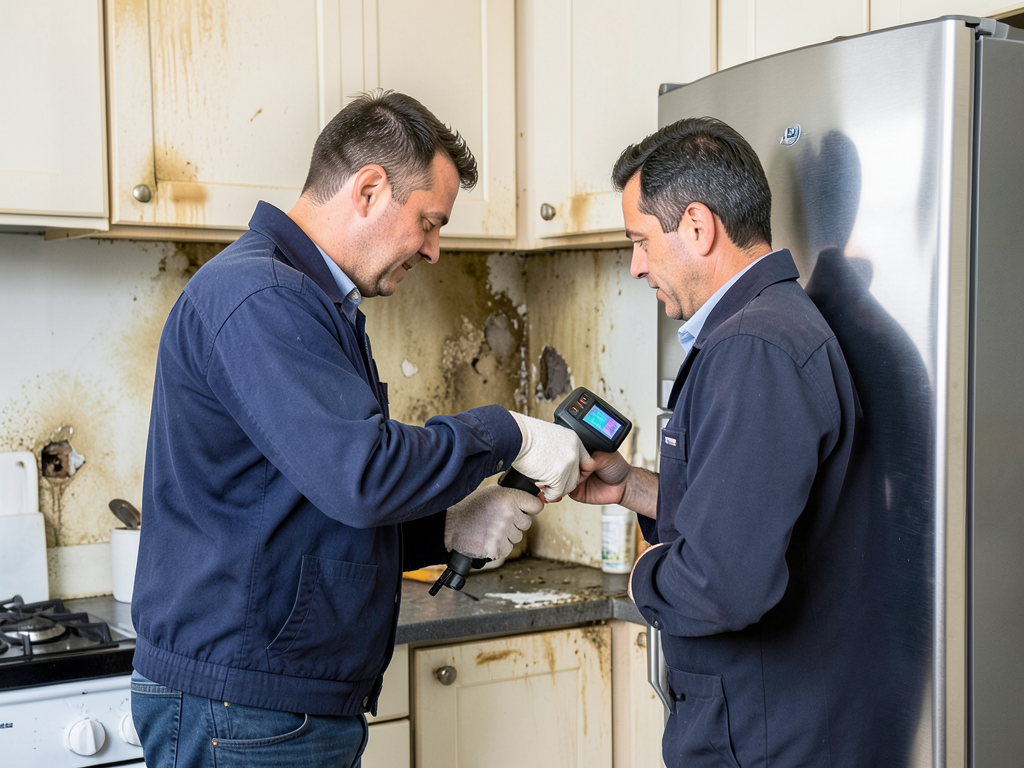
Why your ice maker line is a ticking time bomb for your kitchen floor Ice…
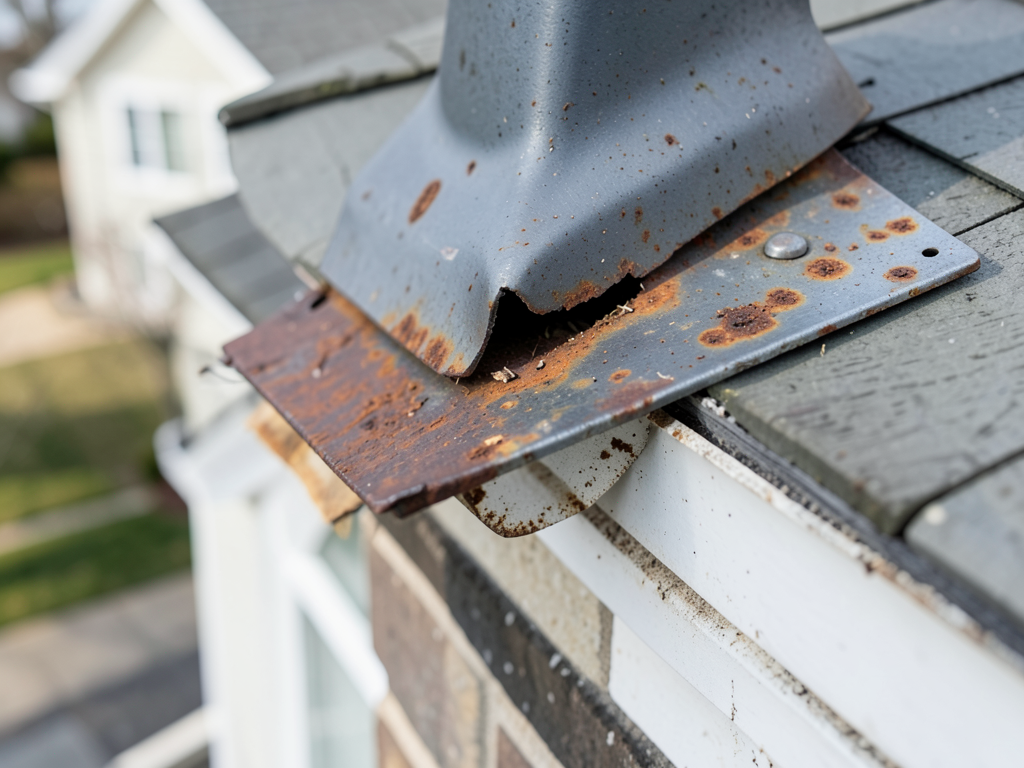
How to spot the signs of a chimney leak before it ruins your Riverside living…
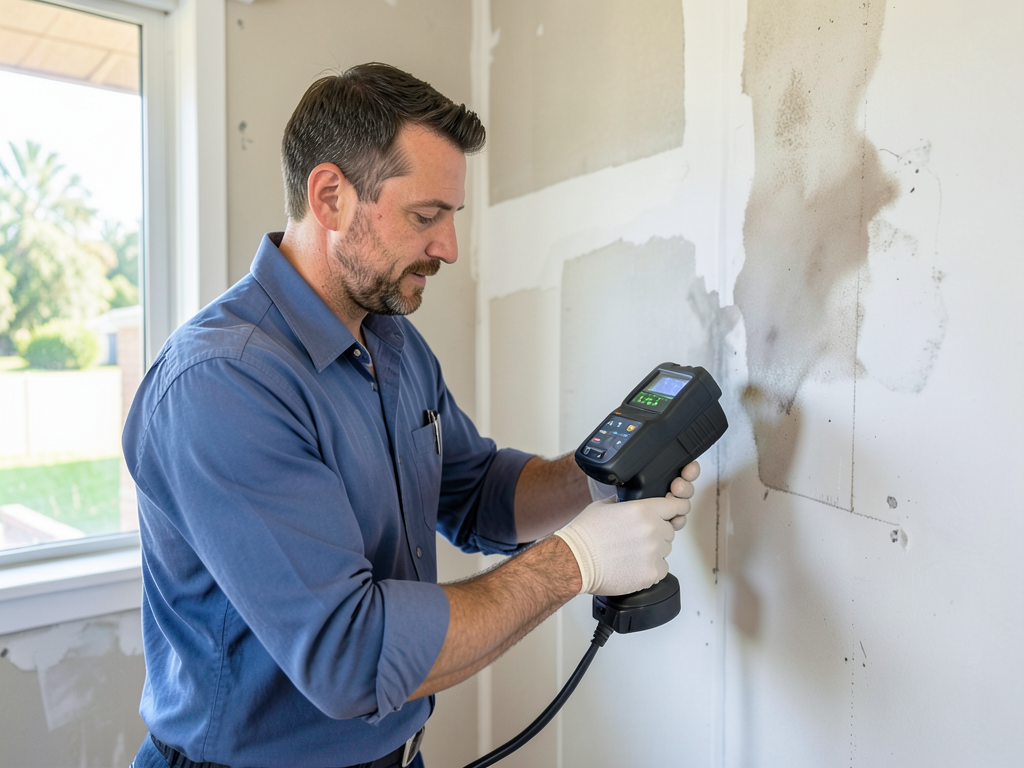
The most common plumbing mistakes Riverside DIYers make that lead to floods DIY plumbing projects…
Water damage spreads fast. Every minute counts. Our Corona crews are ready to respond 24/7 with equipment and expertise to stop flooding, extract water, and start drying your property immediately. Call (951) 309-5499 now for emergency dispatch. We answer live, arrive fast, and work with your insurance.