menu

Fire Damage Safety Checklist in Riverside – Protect Your Family from Hidden Post-Fire Hazards

After the flames are out, toxic residue, compromised structures, and hidden water damage threaten your property. Our fire damage safety checklist ensures you take the right post-fire safety steps to prevent injury, illness, and secondary damage across Riverside.

Slider Image 1
Slider Image 2
Slider Image 3
Slider Image 4
Slider Image 5
Slider Image 7
Slider Image 8
Slider Image 9
Slider Image 10
Slider Image 11

Why Post-Fire Safety Matters More in Riverside's Older Housing Stock

You survived the fire. Now comes the part nobody prepares you for. The structure looks stable, but you smell something acrid. Your throat burns. The walls feel damp in places that never got wet before.

Riverside's housing inventory includes thousands of pre-1980 homes built with materials that become toxic when burned. Asbestos insulation, lead paint, and treated lumber release carcinogens when exposed to fire. The ash settles into carpets and ductwork. Water from firefighting efforts saturates wood framing and drywall, creating conditions for rapid mold growth within 48 hours.

Many Riverside residents underestimate the post-fire hazard checklist because the visible damage seems contained. They walk through charred rooms without respiratory protection. They touch soot-covered surfaces with bare hands. They assume the fire department's clearance means the property is safe for occupancy.

It does not. The fire recovery safety guide begins with understanding that fire damage creates layers of contamination. Combustion byproducts coat every surface. Suppression water carries ash deep into porous materials. Structural components weaken in ways not visible to the untrained eye.

After fire safety precautions require methodical assessment before you step inside. The air quality must be tested. Structural integrity must be verified by professionals who understand load-bearing compromises. Electrical systems need inspection because wiring insulation melts at temperatures lower than structural failure points.

The fire damage safety protocol starts with keeping everyone out until qualified restoration professionals complete the initial assessment. Your family's health depends on following post-fire safety steps in the correct sequence, not rushing back into a contaminated environment because insurance pressure or emotional attachment clouds judgment.

Why Post-Fire Safety Matters More in Riverside's Older Housing Stock
How Professional Fire Damage Assessment Protects Your Property Investment

How Professional Fire Damage Assessment Protects Your Property Investment

Fire damage restoration requires different expertise than water damage alone. The heat alters material properties. The smoke penetrates cavities firefighters never accessed. The suppression water introduces contamination you cannot see.

Liberty Water Damage Restoration Riverside begins every fire recovery with air quality testing using photoionization detectors and particle counters. We measure volatile organic compounds released by burned synthetics. We test for carbon monoxide levels in enclosed spaces. We document particulate matter concentrations before anyone enters without proper respiratory protection.

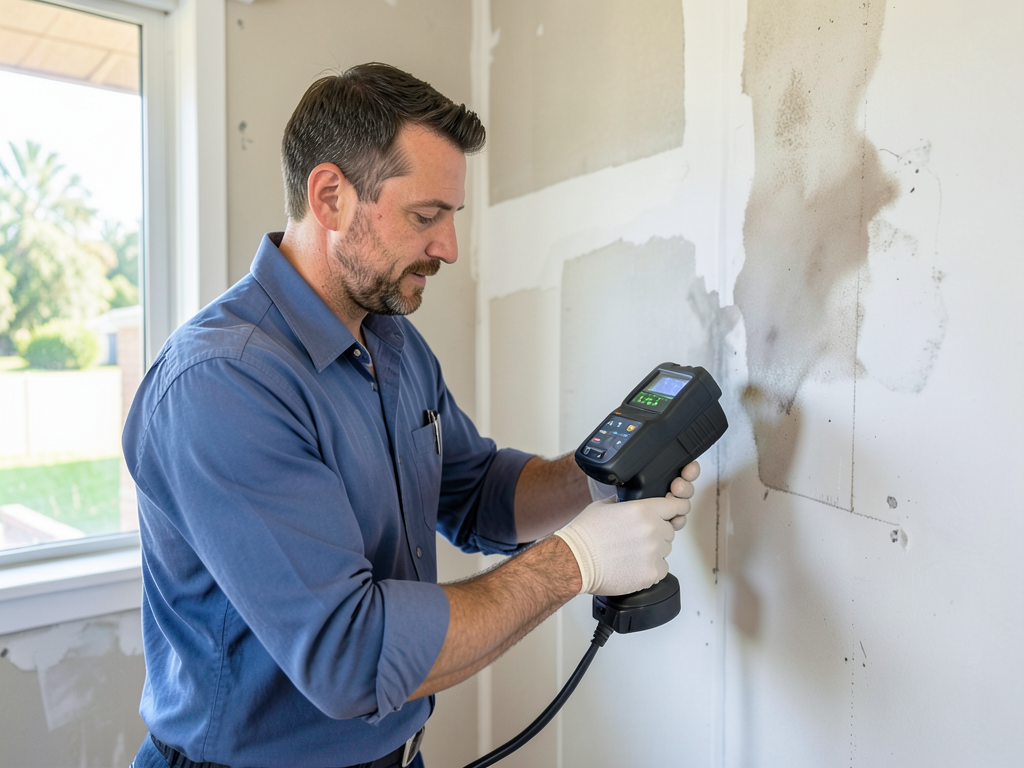
Our structural assessment goes beyond visual inspection. We use moisture meters to map water intrusion patterns through walls and subfloors. We probe ceiling joists and rafters for loss of load capacity. We test electrical panels for short circuits caused by insulation failure. We examine HVAC systems for soot contamination that spreads toxins every time the system runs.

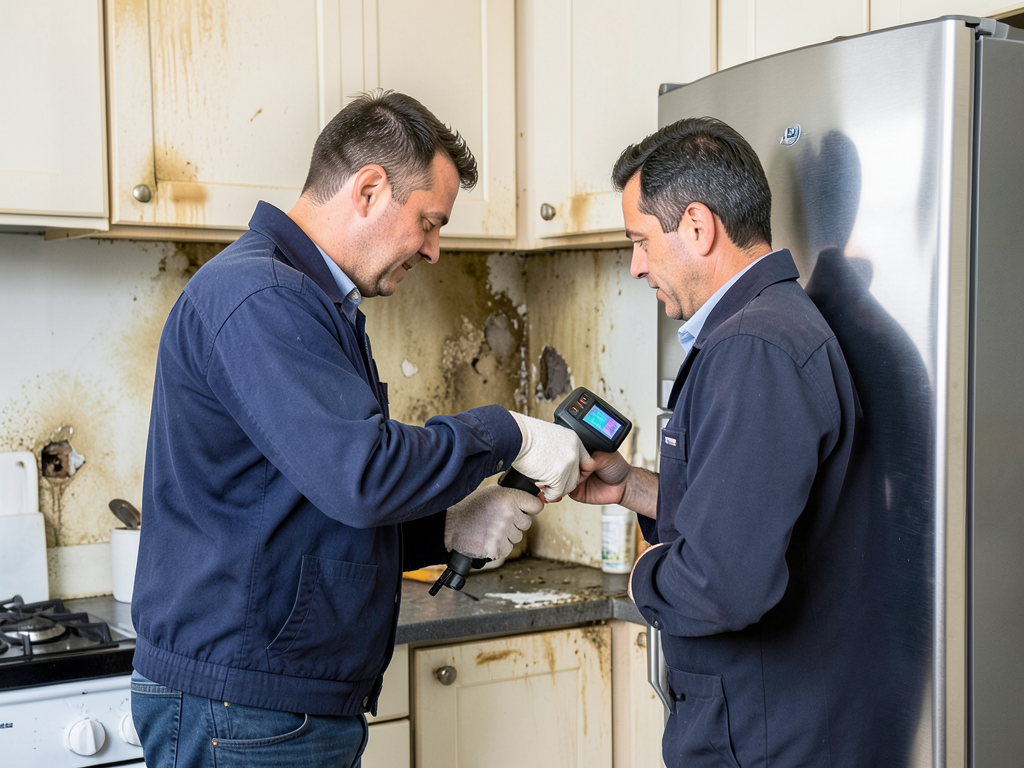
The thermal imaging cameras we deploy reveal heat signatures invisible to standard inspection. We locate smoldering materials inside walls. We identify compromised insulation that lost its R-value. We map temperature differentials that indicate structural voids where fire traveled unseen.

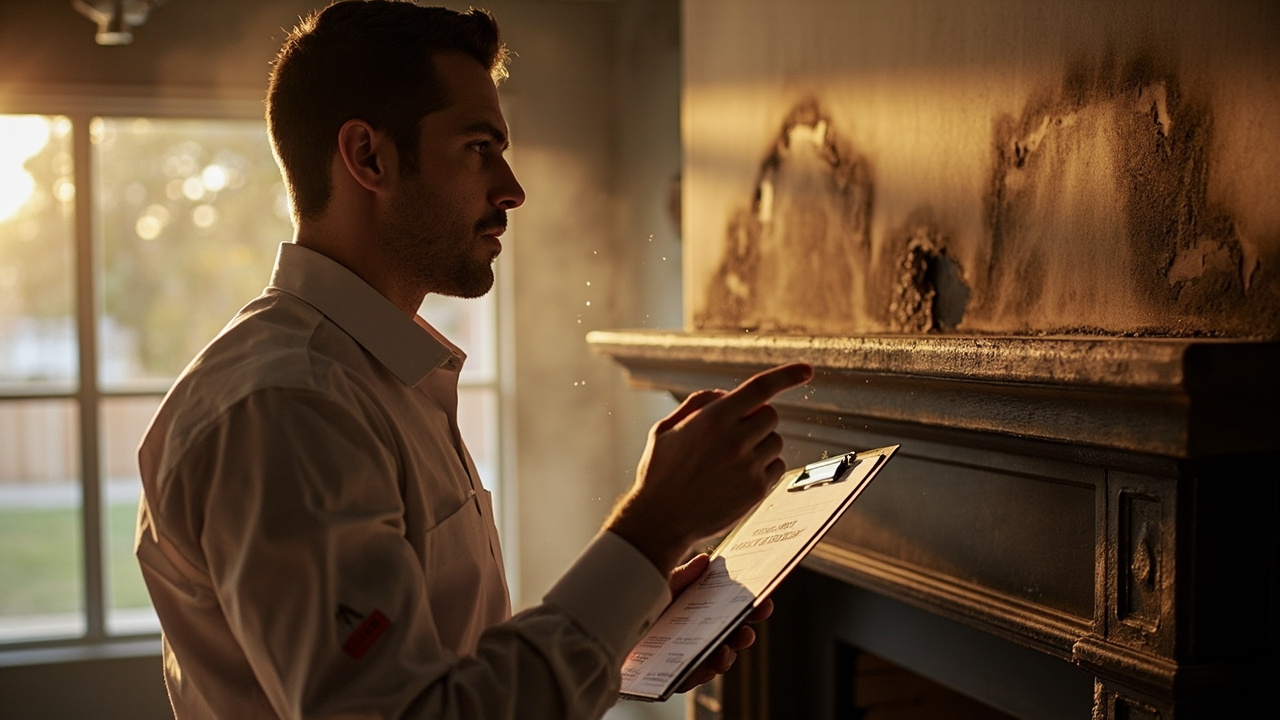
We document everything with photographs, moisture readings, and air quality data because insurance adjusters require proof of contamination extent. We create detailed scopes of work that separate immediate safety hazards from secondary restoration needs. We identify materials requiring removal versus those salvageable through specialized cleaning.

The fire recovery safety guide we provide gives you a clear timeline. Immediate hazards get addressed first. Water extraction prevents additional damage. Structural stabilization comes before content cleaning. The sequence matters because skipping steps compounds problems and increases costs.

What Happens During Your Fire Damage Safety Assessment

Fire Damage Safety Checklist in Riverside – Protect Your Family from Hidden Post-Fire Hazards
01

Initial Site Evaluation

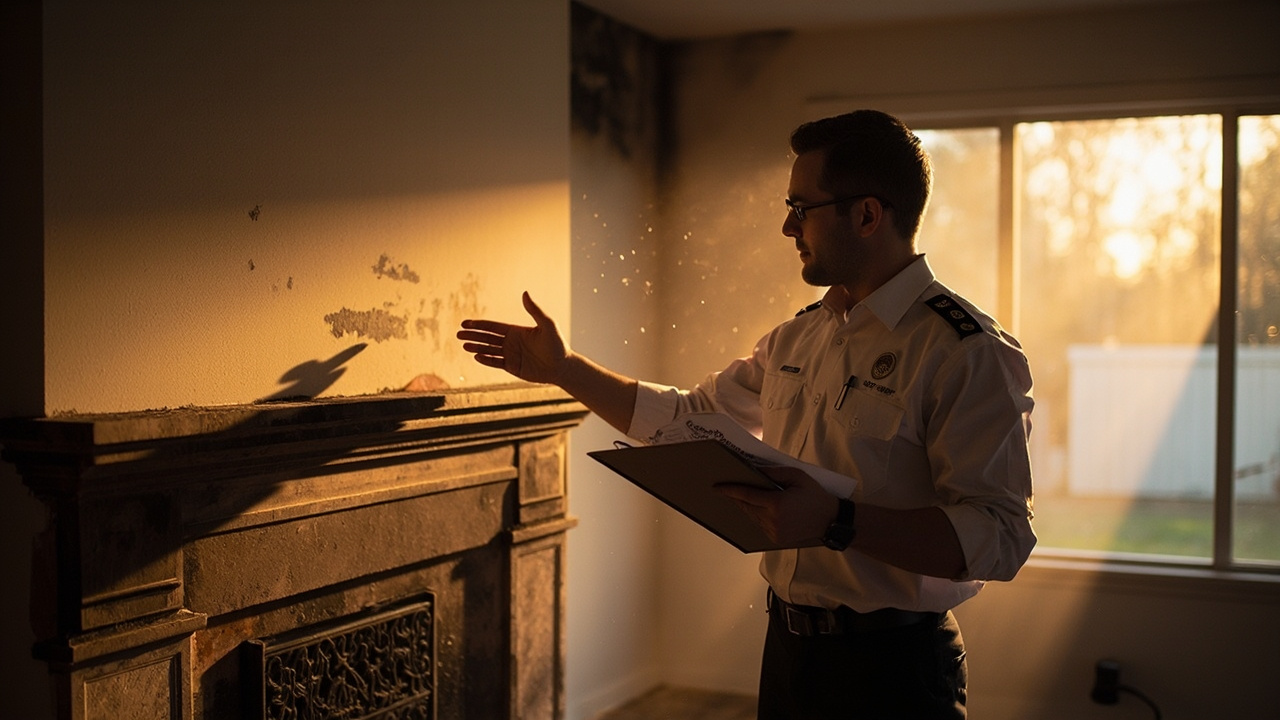
We arrive in full protective equipment and establish safety perimeters before entering. Our technicians test air quality at entry points and document visible hazards. We photograph conditions from multiple angles and note areas requiring immediate attention. We verify utilities are disconnected and assess whether the structure is safe for detailed inspection. This initial walkthrough typically takes 30 to 45 minutes and determines our approach for comprehensive assessment.
02

Contamination Mapping and Testing

We use thermal imaging to identify hidden fire extension and moisture intrusion patterns. Our technicians take air samples in affected and unaffected areas to measure contamination spread. We test surfaces for acidic residue from combustion byproducts. We probe wall cavities and ceiling spaces to locate water saturation from suppression efforts. We document soot distribution and identify materials requiring specialized cleaning versus removal. This phase provides the data needed for accurate restoration planning.
03

Safety Protocol Documentation

We provide you with a detailed fire damage safety checklist specific to your property. This includes areas safe for limited access, spaces requiring professional cleaning before entry, and zones completely off-limits until structural repairs occur. We outline proper protective equipment if you need to retrieve essential items. We explain ventilation requirements and timeline expectations. You receive written documentation suitable for insurance claims and a clear action plan for returning your property to safe, habitable condition.

Why Riverside Property Owners Trust Our Fire Recovery Expertise

Fire damage restoration in Riverside requires understanding how our climate affects recovery timelines. The dry heat accelerates moisture evaporation but also bakes smoke odor deeper into porous materials. The temperature swings between day and night cause materials to expand and contract, worsening structural compromises from fire exposure.

We have restored fire-damaged properties throughout Riverside's diverse neighborhoods. The craftsman homes near Mount Rubidoux present different challenges than the stucco ranch houses in Arlington Heights. The historic structures downtown require approaches that preserve architectural integrity while removing contamination. The newer developments in Orangecrest use engineered lumber products that respond differently to fire and water than traditional framing.

Our technicians understand Riverside's building codes and permitting requirements for fire damage repairs. We know which repairs require inspection and which fall under emergency restoration exemptions. We coordinate with city officials to ensure your property meets code compliance during reconstruction. We document everything to support insurance claims and future sale disclosures.

The post-fire safety steps we recommend are based on testing, not guesswork. We have relationships with certified industrial hygienists who provide third-party air quality verification. We work with structural engineers when load-bearing members show signs of compromise. We coordinate with licensed electricians and plumbers to ensure utility systems are safe before restoration begins.

Riverside property owners choose Liberty Water Damage Restoration Riverside because we treat fire recovery as a safety issue first and a restoration project second. We do not rush you back into contaminated spaces to meet arbitrary timelines. We provide honest assessments about what can be saved versus what requires replacement. We communicate clearly about processes, timelines, and expected outcomes throughout recovery.

What to Expect During Fire Damage Safety Assessment and Restoration

Emergency Response Timing

We respond to fire damage calls within two hours across the Riverside metro area. Our initial safety assessment begins immediately upon arrival and typically takes 45 minutes to two hours depending on property size and damage extent. We provide preliminary findings before leaving the site so you understand immediate hazards and next steps. Detailed written reports with testing data and restoration recommendations are delivered within 24 hours. We understand the urgency of securing your property and beginning recovery, but we never compromise safety for speed. Our 24/7 availability means you get professional assessment when you need it, not when it fits a business schedule.

Comprehensive Safety Evaluation

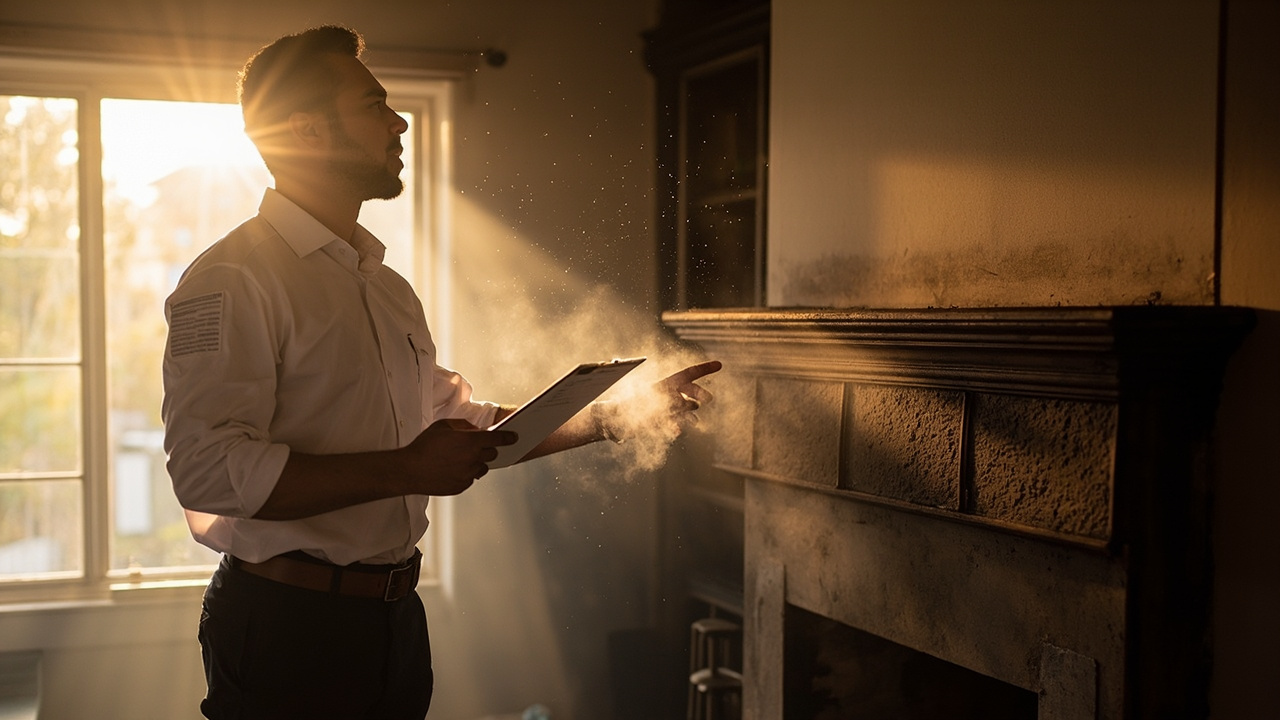
Our fire damage assessment includes air quality testing for carbon monoxide, volatile organic compounds, and particulate matter. We perform moisture mapping to locate water intrusion from suppression efforts. We conduct structural integrity checks on framing members, roof decking, and floor systems. We inspect electrical panels and wiring for heat damage and short circuit potential. We examine HVAC systems for soot contamination. We test surfaces for acidic residue that causes ongoing corrosion. We provide detailed photography and thermal imaging documentation. You receive a written fire recovery safety guide specific to your property, outlining safe zones, restricted areas, and required remediation before occupancy.

Restoration Quality Standards

We follow Institute of Inspection Cleaning and Restoration Certification standards for fire and smoke damage restoration. Our work includes complete removal of contaminated materials that cannot be safely cleaned, HEPA vacuuming of all surfaces before detailed cleaning begins, and application of odor counteractants and sealers appropriate to material type. We verify air quality meets acceptable levels before declaring spaces safe for occupancy. We provide documentation of all testing results and cleaning methods used. The goal is not just removing visible damage but ensuring your property is genuinely safe for your family. We stand behind our work with detailed post-restoration testing that confirms contamination removal.

Post-Restoration Support and Monitoring

Fire damage creates ongoing concerns even after initial restoration is complete. We provide guidance on monitoring for odor return, moisture reappearance, and other signs of incomplete remediation. We offer follow-up air quality testing at 30 and 90 days post-restoration to verify long-term safety. We maintain detailed records of all work performed, materials used, and testing results for future reference or property sale disclosures. We are available to answer questions as you reoccupy the space and notice things that concern you. Our relationship does not end when the restoration work is finished. We remain a resource for fire recovery questions and provide referrals to contractors for rebuilding phases outside our scope of work.

Frequently Asked Questions

You Have Questions,
We Have Answers

What is the 30/30/30 rule for fire? +

The 30/30/30 rule helps assess fire severity in structures. If you see 30-foot flames, hear fire 30 feet away, or feel heat from 30 feet, the fire is too dangerous for amateur response. This rule applies to Riverside properties, where dry Santa Ana winds can accelerate structure fires faster than coastal areas. Evacuate immediately and call 911. After firefighters extinguish the blaze, professional fire damage assessment becomes critical. Structural integrity, hidden ember damage in attics, and smoke penetration through HVAC systems require expert evaluation before re-entry. Fire restoration specialists document damage for insurance and identify hazards residents cannot see.

What are the 5 basic fire safety practices? +

The five basic fire safety practices include working smoke detectors on every level, clear escape routes with two exits per room, a family meeting point outside, practicing escape drills twice yearly, and keeping fire extinguishers accessible. In Riverside, where older homes in historic neighborhoods may lack modern safety features, these practices become more critical. After a fire, these same principles guide safe re-entry decisions. Professional fire damage teams check electrical systems, structural stability, and air quality before residents return. Even small fires compromise air quality through particulate matter and off-gassing from burned materials, requiring thorough cleaning and ventilation assessment.

What are the 4 P's of fire safety? +

The four P's of fire safety are Prevention, Planning, Practice, and Performance. Prevention means eliminating ignition sources and maintaining electrical systems. Planning involves creating escape routes and identifying assembly points. Practice means regular fire drills. Performance refers to executing your plan during an actual emergency. For Riverside homeowners, prevention includes clearing brush during fire season and maintaining defensible space around structures. After fire damage occurs, these same P's guide restoration. Professionals plan mitigation sequences, practice safety protocols during cleanup, and perform thorough decontamination to prevent secondary damage from soot acids and smoke residue that corrode metals and etch glass.

What are the 5 E's of fire safety? +

The five E's of fire safety are Education, Enforcement, Engineering, Emergency Response, and Evaluation. Education teaches fire prevention. Enforcement ensures code compliance. Engineering designs fire-resistant structures. Emergency Response provides rapid firefighting capability. Evaluation assesses outcomes and improves protocols. In Riverside, with its mix of historic and modern construction, engineering standards vary significantly. After fire incidents, restoration teams evaluate structural damage using these principles. They assess whether fire loads exceeded design specifications, identify compromised load-bearing members, and determine if modern building codes require upgrades during reconstruction. Professional evaluation prevents future losses and ensures insurance documentation meets requirements.

What are the 3 P's of fire safety? +

The three P's of fire safety are Prevent, Plan, and Practice. Prevent fires through proper maintenance and hazard elimination. Plan escape routes and communication strategies. Practice drills so responses become automatic during stress. Riverside's dry climate and seasonal winds make prevention especially important during summer and fall months. After fire damage, these principles guide safe recovery. Prevention means securing the structure against further loss. Planning involves sequencing restoration tasks correctly. Practicing safety protocols during demolition and cleaning protects workers and occupants. Restoration professionals follow strict safety checklists because fire-damaged structures hide dangers like weakened floors, toxic residues, and compromised electrical systems that pose injury risks.

What is the 4% rule in fire? +

The 4% rule in fire safety refers to maximum allowable flame spread ratings for interior finish materials in commercial buildings. Materials must limit flame spread to 4% or less in critical areas like exit corridors. This rating comes from ASTM E84 testing. For Riverside commercial properties, compliance matters during reconstruction after fire damage. Restoration teams must know local building codes because fire damage often triggers requirements to upgrade non-conforming materials. Insurance adjusters scrutinize whether replacements meet current standards. Residential properties face fewer restrictions, but professional restoration ensures all materials meet safety baselines, preventing future fire propagation through walls and ceilings.

What are the 4 golden rules of fire safety? +

The four golden rules of fire safety are: sound the alarm immediately, evacuate the building, call emergency services, and never re-enter until cleared by authorities. These rules prevent injuries during Riverside fires, where rapid response time from Riverside Fire Department stations can mean the difference between contained damage and total loss. After firefighters leave, the fourth rule remains critical. Fire-damaged structures contain hidden dangers including structural instability, airborne toxins, and reignition risks from smoldering materials in walls. Professional fire restoration teams conduct thorough safety assessments before authorizing occupancy. They test air quality, shore up compromised structures, and remove hazardous debris following strict protocols.

What are the 8 most important things in fire safety? +

The eight most important things in fire safety include working smoke detectors, fire extinguishers, clear exits, escape plans, meeting points, emergency contacts, regular drills, and property maintenance. For Riverside residents, property maintenance means managing vegetation during fire season and inspecting chimneys before winter use. After fire damage, these eight elements guide recovery priorities. Restoration professionals address immediate safety threats first, then document damage for insurance, followed by securing the property against weather and theft. They establish controlled access, test utilities before restoration, and monitor air quality throughout cleanup. Each step follows safety checklists because fire damage creates cascading hazards that worsen without proper intervention.

What is 5S in fire safety? +

5S in fire safety is a workplace organization method: Sort, Set in Order, Shine, Standardize, and Sustain. Sort means removing unnecessary combustibles. Set in Order organizes materials to prevent ignition hazards. Shine involves cleaning to eliminate fire fuels. Standardize creates consistent safety protocols. Sustain maintains these practices long-term. While developed for industrial settings, 5S principles apply to Riverside fire damage restoration sites. Professionals sort salvageable items from debris, set up organized work zones, clean contaminated surfaces systematically, standardize safety procedures across crews, and sustain quality control throughout projects. This methodology prevents additional damage during restoration and ensures thorough smoke and soot removal from affected structures.

What is the 4 triangle of fire? +

The fire triangle consists of three elements needed for combustion: fuel, oxygen, and heat. Remove any element and fire stops. A fourth element, chemical reaction, creates the fire tetrahedron, a more complete model. Understanding this helps Riverside property owners prevent fires and aids restoration after damage occurs. Fire restoration professionals apply this knowledge when assessing damage patterns. They identify fuel sources that fed the fire, evaluate oxygen flow through structures that influenced burn patterns, and determine heat levels that affected different materials. This analysis guides restoration decisions because heat intensity determines whether materials need replacement or cleaning, affecting project scope and insurance claims.

Why Riverside's Wildfire Risk Makes Fire Damage Safety Protocols Essential

Riverside sits at the intersection of urban development and wildland interface, making fire risk a constant concern. The Santa Ana winds that whip through Box Springs Mountain and the hills surrounding Lake Mathews create conditions that turn small fires into neighborhood threats within minutes. These wind-driven fires generate intense heat that causes more severe structural damage than typical residential fires. The post-fire safety precautions required after wildfire exposure differ from those needed after electrical or kitchen fires because of the extreme temperatures and extensive smoke migration these events produce. Properties near Sycamore Canyon and the Riverside National Cemetery face elevated risk during fire season, making advance knowledge of fire damage safety protocols critical for residents.

Riverside's building codes have evolved to address fire risk, but thousands of properties were constructed before current fire-resistant standards took effect. Older homes in neighborhoods like Arlington, Casa Blanca, and Eastside lack the fire breaks and resistant materials now required in new construction. When these properties experience fire damage, the restoration process must account for both the immediate contamination and the opportunity to improve fire resistance during rebuilding. Local restoration professionals who understand Riverside's specific fire code requirements, permit processes, and insurance claim procedures provide value beyond basic cleanup. They navigate the intersection of safety, compliance, and insurance coverage that determines whether your fire recovery happens smoothly or becomes a prolonged battle with adjusters and city officials.
Water Damage Restoration Services in The Riverside Area

We are dedicated to serving the entire Riverside area and its neighboring communities with fast and reliable water damage restoration services. Whether you’re a resident or a business owner, our team is ready to respond to your call. Use the map below to see our service area, or call us directly to confirm if we can dispatch a team to your location for an immediate emergency response.

Address:
Liberty Water Damage Restoration Riverside, 11801 Pierce St, Riverside, CA, 92505

Additional Services We Offer

Our news updates

Latest Articles & News from The Blogs

Why your ice maker line is a ticking time bomb for your kitchen floor Ice maker supply lines are one…

Why your ice maker line is a ticking time bomb for your kitchen floor

Why your ice maker line is a ticking time bomb for your kitchen floor Ice maker supply lines are one…

How to spot the signs of a chimney leak before it ruins your Riverside living room

How to spot the signs of a chimney leak before it ruins your Riverside living room Your chimney is more…

The most common plumbing mistakes Riverside DIYers make that lead to floods

The most common plumbing mistakes Riverside DIYers make that lead to floods DIY plumbing projects in Riverside often start with…

Contact Us

Do not enter a fire-damaged property without professional assessment. Call Liberty Water Damage Restoration Riverside at (951) 309-5499 for immediate safety evaluation. We respond 24/7 across Riverside and provide detailed fire recovery safety protocols to protect your family and property.