
How to spot the signs of a chimney leak before it ruins your Riverside living room
Your chimney is more than a decorative feature. In Riverside homes, especially those built before 2000 in neighborhoods like Canyon Crest and Orangecrest, failing chimney flashing can let water seep into your living room ceiling before you even notice a problem. The combination of Santa Ana winds and intense summer heat causes sealants to crack faster than in cooler climates, creating entry points for water during seasonal storms. What to do when a pipe bursts in your Riverside home.
Chimney leaks are deceptive because the damage often starts inside your attic or behind your drywall. By the time you see a water stain on your ceiling, the structural framing may already be compromised. This guide will show you exactly what to look for and when to call for professional help before the damage spreads. Top-rated water damage repair and restoration in Corona.
Top 5 symptoms of a leaking chimney flashing
Water follows the path of least resistance. When your chimney flashing fails, that path leads straight into your home. Here are the five most common signs that your chimney is leaking: Riverside water restoration teams that can be at your door in an hour.
- Water stains on the ceiling or walls near the fireplace – These often appear as yellowish-brown rings that grow larger after rainstorms
- Dampness or moisture inside the firebox – You might notice wet ashes or a musty smell when you open the damper
- Sounds of dripping during Riverside rainstorms – A ticking or dripping sound in your ceiling near the chimney
- Discolored masonry or “efflorescence” (white salt deposits) – White powdery residue on brick surfaces indicates water is moving through the masonry
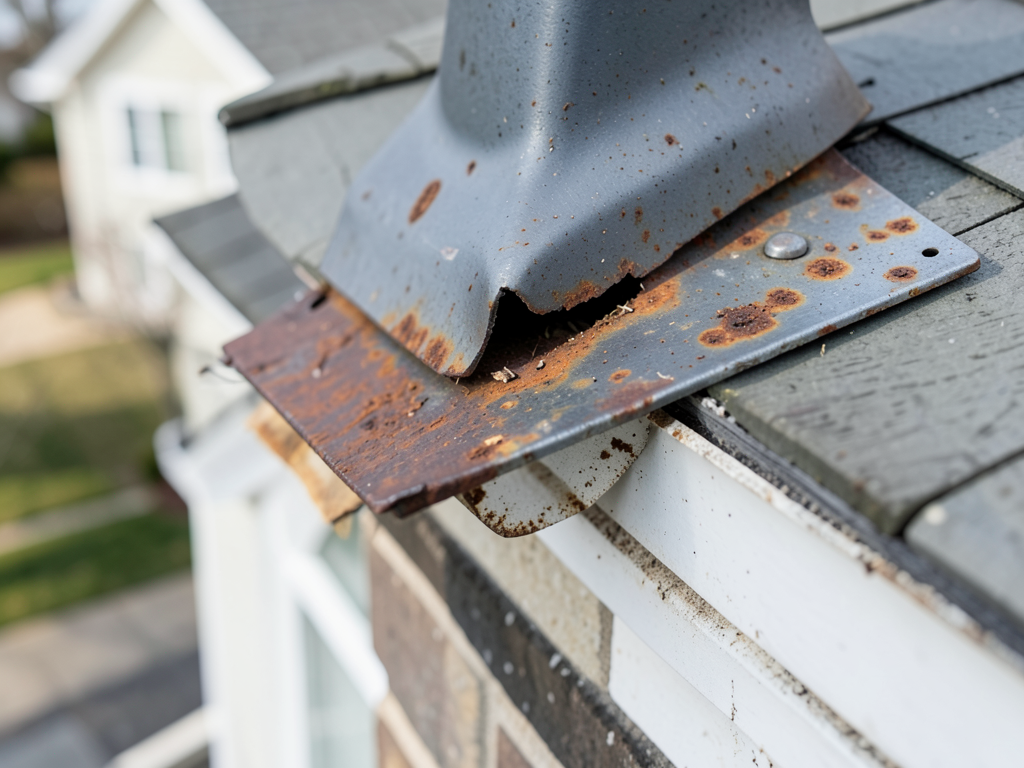
- Visible gaps or rusted metal around the chimney base – Flashing that has pulled away or shows signs of corrosion
Each of these symptoms points to water intrusion that requires immediate attention. The longer you wait, the more extensive the damage becomes.
What is chimney flashing and why it fails
Chimney flashing is the metal barrier that seals the gap between your chimney and roof. It consists of two main components: step flashing that integrates with the roof shingles and counter-flashing that embeds into the chimney mortar. This system creates a waterproof transition that should last 20-30 years under normal conditions.
In Riverside, however, normal conditions include extreme temperature swings. Daytime summer temperatures often exceed 100°F while winter nights can drop to freezing. This thermal cycling causes metal flashing to expand and contract, eventually breaking the sealant bond. Add the UV exposure from intense sun and you have a perfect recipe for premature failure. Getting your Riverside water damage insurance claim approved.
Step flashing vs counter-flashing
Step flashing consists of L-shaped metal pieces that overlap each shingle course and extend up the chimney side. Counter-flashing is embedded into the chimney mortar joints and folds down over the step flashing. Together they create a shingle-like pattern that directs water down and away from the chimney structure.
Common failure points include old caulking that becomes brittle in heat, rust that develops on galvanized metal after 15-20 years, and thermal expansion that separates the two flashing components. Even small gaps of 1/8 inch can allow significant water intrusion during heavy rains. EPA mold growth information.
Secondary damage: why symptoms lead to restoration needs
What starts as a small leak can escalate into major structural problems within days. According to the EPA, mold can begin growing within 24-48 hours of water exposure. Once established, mold colonies can spread through your attic insulation and into wall cavities, creating health hazards and expensive remediation requirements.
Water damage to ceiling joists and roof decking follows a predictable pattern. First, the wood absorbs moisture and swells. Then it begins to rot as fungi break down the cellulose structure. This process weakens the structural integrity of your home and can lead to ceiling collapse if left untreated.
The cost difference between flashing repair and structural restoration is substantial. A typical chimney flashing repair costs $500-$1,500. However, if water damage spreads to your attic and ceiling, restoration costs can easily exceed $10,000 when you factor in mold remediation, drywall replacement, and structural repairs.
The Riverside factor: Santa Ana winds and sun damage
Riverside’s unique climate accelerates chimney flashing deterioration compared to coastal or northern California areas. The Santa Ana winds, which typically occur in fall and winter, create positive pressure on your roof that can force water under compromised flashing. These winds often exceed 40 mph and carry debris that can damage roofing materials. California Building Code flashing requirements.
Summer heat in Riverside regularly reaches temperatures that exceed the manufacturer ratings for many roofing sealants. Standard silicone sealants rated for 200°F can fail when roof surface temperatures hit 180°F under direct sun. The UV radiation also breaks down the polymer chains in sealants, causing them to become brittle and crack.
Local building codes in Riverside County require specific installation methods for chimney flashing due to these climate challenges. The California Building Code Section 1507.4.4 mandates that flashing must extend at least 4 inches up the chimney face and be properly counter-flashed to prevent wind-driven rain infiltration.
DIY inspection vs professional assessment
You can perform a basic visual inspection from ground level using binoculars. Look for signs of rust, missing sealant, or flashing that appears to be pulling away from the chimney. However, many problems occur in areas you cannot see without climbing onto the roof.
Professional assessment involves using moisture meters to detect hidden water in ceiling joists and attic spaces. Technicians also use infrared cameras to identify temperature variations that indicate moisture presence behind walls. This diagnostic approach can find problems before they become visible to the naked eye.
If you notice any of the five symptoms mentioned earlier, it’s time to call for professional help. The cost of inspection is minimal compared to the potential damage from an active leak. Plus, if you catch the problem early, you may only need flashing repair rather than full restoration services.
Call (951) 309-5499 today to schedule your chimney inspection. Our technicians can identify problems before they cause expensive damage to your Riverside home.
Prevention and maintenance tips
Regular maintenance can extend the life of your chimney flashing by 5-10 years. Clean your chimney cap and surrounding area annually to prevent debris buildup that can trap moisture. Check the sealant around your flashing every spring and fall for signs of cracking or separation.
Consider having your flashing professionally inspected every 3-5 years, or after any major windstorm. Small repairs like re-caulking gaps or replacing damaged sections cost far less than emergency restoration services. Also, ensure your attic has proper ventilation to reduce moisture buildup that can accelerate flashing deterioration. Emergency flood cleanup and restoration in Jurupa Valley.
If your home is in a historic Riverside neighborhood like the Wood Streets, your chimney may have original flashing that’s nearing the end of its service life. These older systems often used materials that don’t hold up as well to modern climate conditions.
When to call for emergency help
Not all chimney leaks can wait for a scheduled appointment. Call for emergency service if you see active water dripping from your ceiling, notice bulging drywall that suggests trapped water, or smell strong musty odors that indicate active mold growth. These situations require immediate attention to prevent further damage.
During heavy rainstorms, check your attic for signs of water intrusion. Use a flashlight to look for wet spots on rafters or insulation near the chimney. Even small amounts of water can indicate a developing problem that needs professional assessment.
Remember that water damage spreads quickly. What might seem like a minor issue can escalate to major structural problems within 24-48 hours. Don’t wait until you have extensive damage to call for help.
Pick up the phone and call (951) 309-5499 before the next storm hits. Our emergency teams are ready to protect your Riverside home from water damage.
Frequently Asked Questions
How much does chimney flashing repair cost in Riverside?
Chimney flashing repair typically costs between $500 and $1,500 in Riverside, depending on the extent of damage and materials needed. Simple sealant replacement is on the lower end, while complete flashing system replacement costs more.
Can I repair chimney flashing myself?
DIY flashing repair is possible for minor sealant issues, but proper installation requires roofing experience and specialized tools. Incorrect repairs can trap water rather than divert it, causing more damage. For anything beyond basic caulking, professional installation is recommended.
How long does chimney flashing last in Riverside’s climate?
Standard chimney flashing lasts 15-20 years in Riverside due to intense UV exposure and temperature extremes. High-quality materials and proper installation can extend this to 25-30 years. Annual inspections help identify problems before they cause interior damage.
Will my insurance cover chimney leak damage?
Most homeowners insurance policies cover sudden and accidental water damage from roof or chimney leaks. However, damage from lack of maintenance or gradual deterioration is typically not covered. Check your specific policy or call (951) 309-5499 for help understanding your coverage options.
What’s the difference between flashing repair and water damage restoration?
Flashing repair stops the water intrusion source by fixing the roof/chimney seal. Water damage restoration involves removing damaged materials, drying affected areas, and repairing structural damage already caused by the leak. Both services are often needed together when leaks go undetected for extended periods.
{
“@context”: “https://schema.org”,
“@type”: “BlogPosting”,
“headline”: “How to spot the signs of a chimney leak before it ruins your Riverside living room”,
“description”: “Learn the top 5 signs of chimney flashing leaks in Riverside homes. Discover how Santa Ana winds and sun damage cause hidden water damage before it destroys your ceiling.”,
“wordCount”: 1583,
“datePublished”: “2026-06-11T10:50:00.000Z”,
“dateModified”: “2026-06-11T10:50:00.000Z”,
“inLanguage”: “en-US”,
“mainEntityOfPage”: {
“@type”: “WebPage”,
“@id”: “https://libertywaterdamagerestorationriverside.com”
},
“publisher”: {
“@type”: “LocalBusiness”,
“name”: “Liberty Water Damage Restoration Riverside”,
“url”: “https://libertywaterdamagerestorationriverside.com”
},
“author”: {
“@type”: “Organization”,
“name”: “Liberty Water Damage Restoration Riverside”,
“url”: “https://libertywaterdamagerestorationriverside.com”
},
“image”: {
“@type”: “ImageObject”,
“url”: “https://libertywaterdamagerestorationriverside.com/wp-content/uploads/2026/03/how-to-spot-the-signs-of-a-chimney-leak-before-it-1.png”
}
}
{
“@context”: “https://schema.org”,
“@type”: “LocalBusiness”,
“name”: “Liberty Water Damage Restoration Riverside”,
“url”: “https://libertywaterdamagerestorationriverside.com”,
“address”: {
“@type”: “PostalAddress”,
“addressLocality”: “Riverside”
},
“areaServed”: {
“@type”: “City”,
“name”: “Riverside”
}
}
{
“@context”: “https://schema.org”,
“@type”: “FAQPage”,
“mainEntity”: [
{
“@type”: “Question”,
“name”: “How much does chimney flashing repair cost in Riverside?”,
“acceptedAnswer”: {
“@type”: “Answer”,
“text”: “Chimney flashing repair typically costs between $500 and $1,500 in Riverside, depending on the extent of damage and materials needed. Simple sealant replacement is on the lower end, while complete flashing system replacement costs more.”
}
},
{
“@type”: “Question”,
“name”: “Can I repair chimney flashing myself?”,
“acceptedAnswer”: {
“@type”: “Answer”,
“text”: “DIY flashing repair is possible for minor sealant issues, but proper installation requires roofing experience and specialized tools. Incorrect repairs can trap water rather than divert it, causing more damage. For anything beyond basic caulking, professional installation is recommended.”
}
},
{
“@type”: “Question”,
“name”: “How long does chimney flashing last in Riverside’s climate?”,
“acceptedAnswer”: {
“@type”: “Answer”,
“text”: “Standard chimney flashing lasts 15-20 years in Riverside due to intense UV exposure and temperature extremes. High-quality materials and proper installation can extend this to 25-30 years. Annual inspections help identify problems before they cause interior damage.”
}
},
{
“@type”: “Question”,
“name”: “Will my insurance cover chimney leak damage?”,
“acceptedAnswer”: {
“@type”: “Answer”,
“text”: “Most homeowners insurance policies cover sudden and accidental water damage from roof or chimney leaks. However, damage from lack of maintenance or gradual deterioration is typically not covered. Check your specific policy or call (951) 309-5499 for help understanding your coverage options.”
}
},
{
“@type”: “Question”,
“name”: “What’s the difference between flashing repair and water damage restoration?”,
“acceptedAnswer”: {
“@type”: “Answer”,
“text”: “Flashing repair stops the water intrusion source by fixing the roof/chimney seal. Water damage restoration involves removing damaged materials, drying affected areas, and repairing structural damage already caused by the leak. Both services are often needed together when leaks go undetected for extended periods.”
}
}
]
}
{
“@context”: “https://schema.org”,
“@type”: “BreadcrumbList”,
“itemListElement”: [
{
“@type”: “ListItem”,
“position”: 1,
“name”: “Home”,
“item”: “https://libertywaterdamagerestorationriverside.com”
},
{
“@type”: “ListItem”,
“position”: 2,
“name”: “Blog”,
“item”: “https://libertywaterdamagerestorationriverside.com/blog”
},
{
“@type”: “ListItem”,
“position”: 3,
“name”: “How to spot the signs of a chimney leak before it ruins your Riverside living room”
}
]
}
{
“@context”: “https://schema.org”,
“@type”: “Service”,
“serviceType”: “Water Damage Restoration”,
“provider”: {
“@type”: “LocalBusiness”,
“name”: “Liberty Water Damage Restoration Riverside”,
“url”: “https://libertywaterdamagerestorationriverside.com”
},
“areaServed”: {
“@type”: “City”,
“name”: “Riverside”
},
“description”: “Learn the top 5 signs of chimney flashing leaks in Riverside homes. Discover how Santa Ana winds and sun damage cause hidden water damage before it destroys your ceiling.”
}