
menu

Disaster Recovery Planning in Riverside – Protect Your Business From Multi-Day Downtime and Revenue Loss

Liberty Water Damage Restoration Riverside builds custom disaster restoration planning protocols that keep your facility operational when water emergencies strike, reducing business interruption and protecting your bottom line across Riverside's commercial corridors.

Slider Image 1
Slider Image 2
Slider Image 3
Slider Image 4
Slider Image 5
Slider Image 7
Slider Image 8
Slider Image 9
Slider Image 10
Slider Image 11

Why Riverside Facilities Need Pre-Loss Planning Before the Next Water Event

Your Riverside facility faces specific water damage risks that most business owners overlook until it's too late. The Santa Ana River corridor runs through the heart of the city's commercial zones, creating flood exposure for industrial parks along Van Buren Boulevard and the warehousing districts near Interstate 215. When you combine aging infrastructure in Downtown Riverside with Southern California's sporadic but intense winter storms, the result is predictable: unexpected water intrusion that halts operations.

Most commercial properties lack a documented response protocol. When a sprinkler malfunction floods your Arlington Avenue office at 2 AM or a roof breach soaks your inventory during seasonal rains, you're making critical decisions under pressure without a framework. That delay costs you hours or days of revenue while you scramble to find contractors, notify insurers, and coordinate emergency response.

Business continuity planning starts with understanding your facility's unique vulnerabilities. Pre-loss planning identifies your critical systems, documents your asset locations, establishes vendor relationships before you need them, and creates a clear chain of command. This preparation transforms a chaotic emergency into a managed response.

Riverside's commercial real estate market includes everything from historic buildings near Mission Inn Avenue to modern distribution centers in the Hunter Industrial Park. Each property type presents different risks. Older structures may have outdated plumbing and drainage systems. Newer facilities often house sensitive electronics and inventory that can't tolerate moisture exposure. Without facility contingency planning tailored to your specific operation, you're gambling with your business continuity every time weather patterns shift or building systems age another year.

Why Riverside Facilities Need Pre-Loss Planning Before the Next Water Event
How We Build Commercial Emergency Response Planning That Actually Works

How We Build Commercial Emergency Response Planning That Actually Works

Generic disaster recovery planning fails when real emergencies hit because it doesn't account for your facility's specific layout, operations, or priorities. Liberty Water Damage Restoration Riverside develops pre-loss planning documentation through on-site facility assessments that map your vulnerabilities and critical assets.

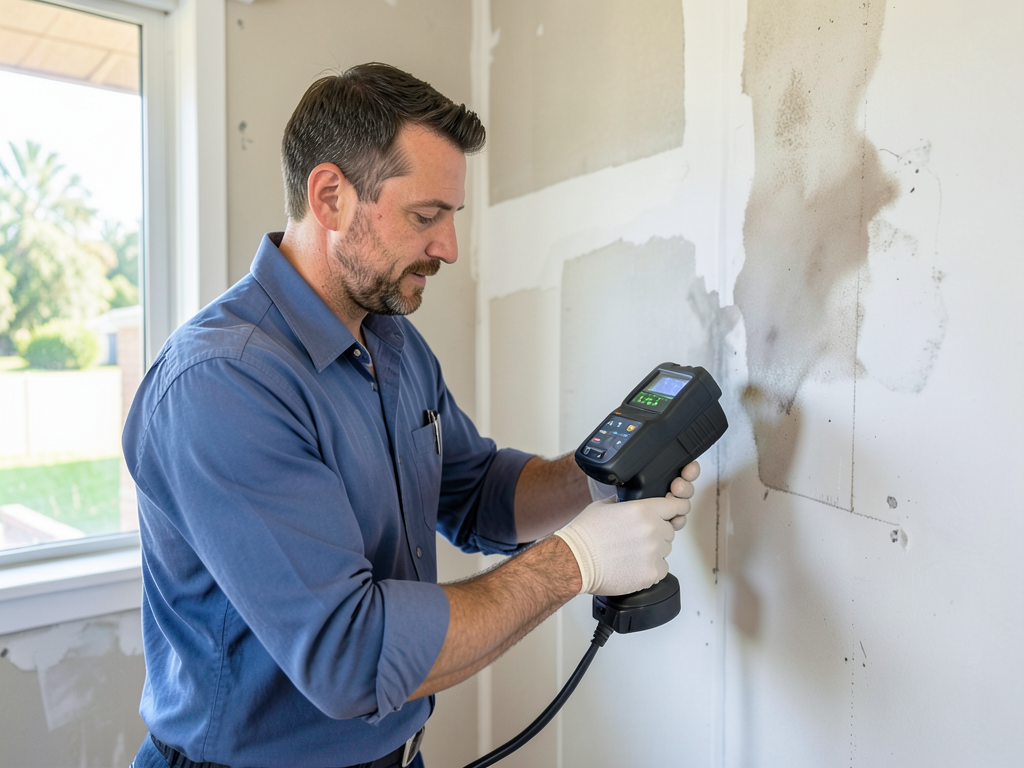
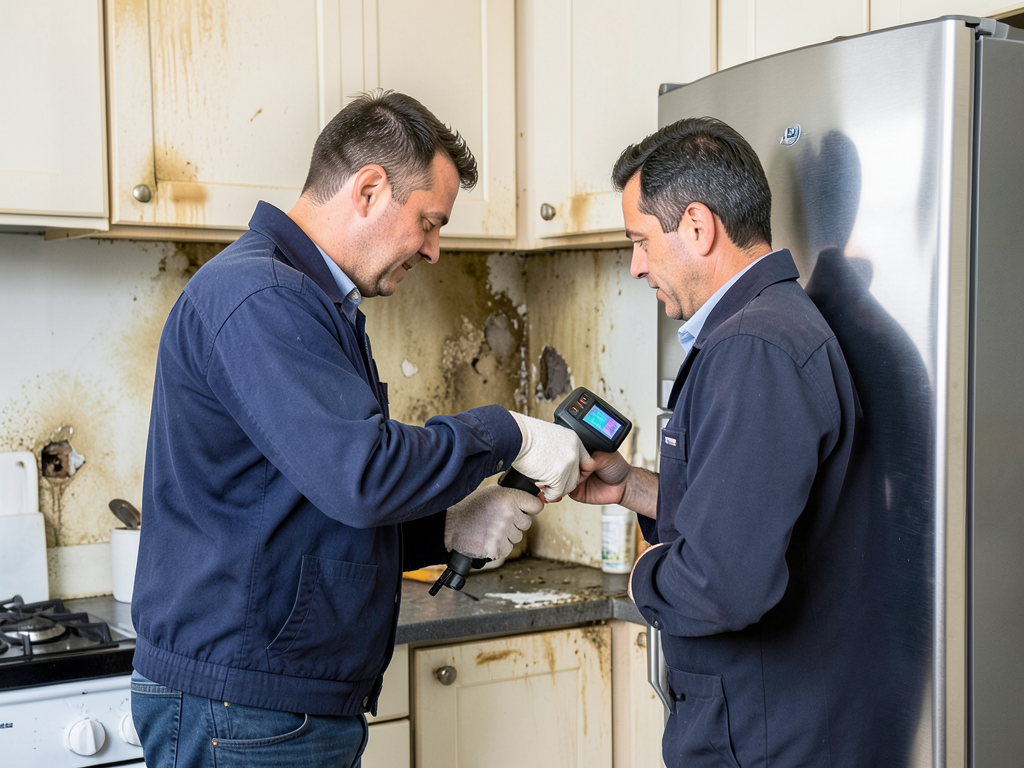
We start by walking your property with your management team. We document water supply locations, identify potential failure points in your plumbing and HVAC systems, note the location of sensitive equipment and inventory, and map your electrical panels and shut-off valves. This creates a facility-specific response guide that emergency crews can follow immediately.

Your disaster restoration planning includes detailed contact protocols. We establish who gets notified first, who has authority to approve emergency work, and how to reach key personnel after hours. We pre-qualify your property with our restoration crews so they understand your layout before an emergency, eliminating the learning curve when minutes matter.

The technical components matter. We evaluate your existing drainage systems, roof integrity, and potential backflow risks. For facilities near the Santa Ana River or in lower-elevation areas of Riverside, we assess flood vulnerability and recommend mitigation strategies. We document your HVAC system configuration because improper shutdown during water events can spread contamination through ductwork.

Commercial emergency response planning also addresses your insurance requirements. We review your policy coverage limits, document pre-existing conditions to avoid disputes, and establish direct billing relationships when possible. This financial preparation prevents the cash flow disruptions that force some businesses to close permanently after major water events.

The result is a bound response manual and digital documentation that lives with your facility management team and our dispatch system. When water damage occurs, response begins within the first phone call because the planning work is already complete.

What Happens When You Implement Pre-Loss Planning

Disaster Recovery Planning in Riverside – Protect Your Business From Multi-Day Downtime and Revenue Loss
01

Facility Vulnerability Assessment

Our team conducts a comprehensive walk-through of your Riverside property, documenting all water supply sources, potential failure points, drainage systems, and critical assets. We photograph key infrastructure, map utility shut-offs, and identify areas where water intrusion would cause maximum operational disruption. This assessment creates the foundation for your customized response protocol and helps you understand exactly where your facility is most vulnerable to water damage events.
02

Response Protocol Development

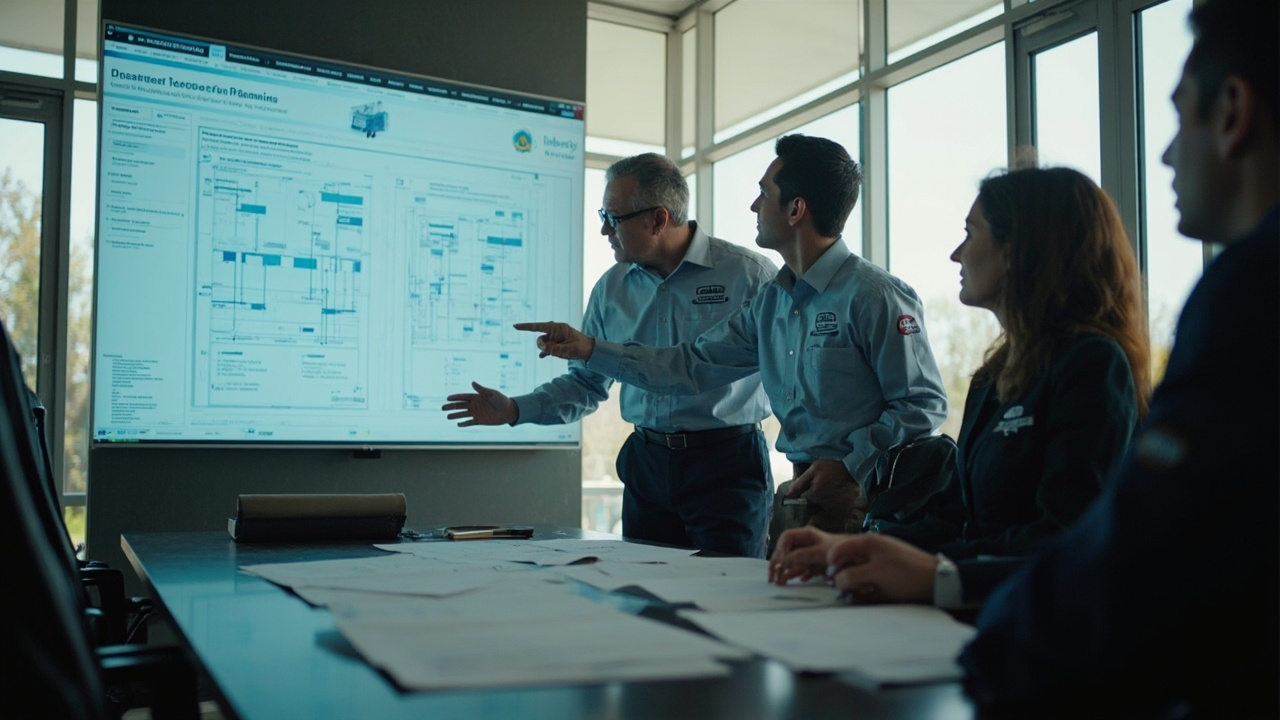
We build a detailed action plan that outlines immediate response steps for different water damage scenarios, from burst pipes to roof failures to flooding. This includes emergency contact sequences, equipment shutdown procedures, vendor notification protocols, and insurance documentation requirements. Your protocol assigns specific responsibilities to your team members and establishes clear decision-making authority. We integrate this plan with our 24/7 dispatch system so response begins the moment you call, with crews who already understand your facility layout and operational priorities.
03

Ongoing Plan Maintenance

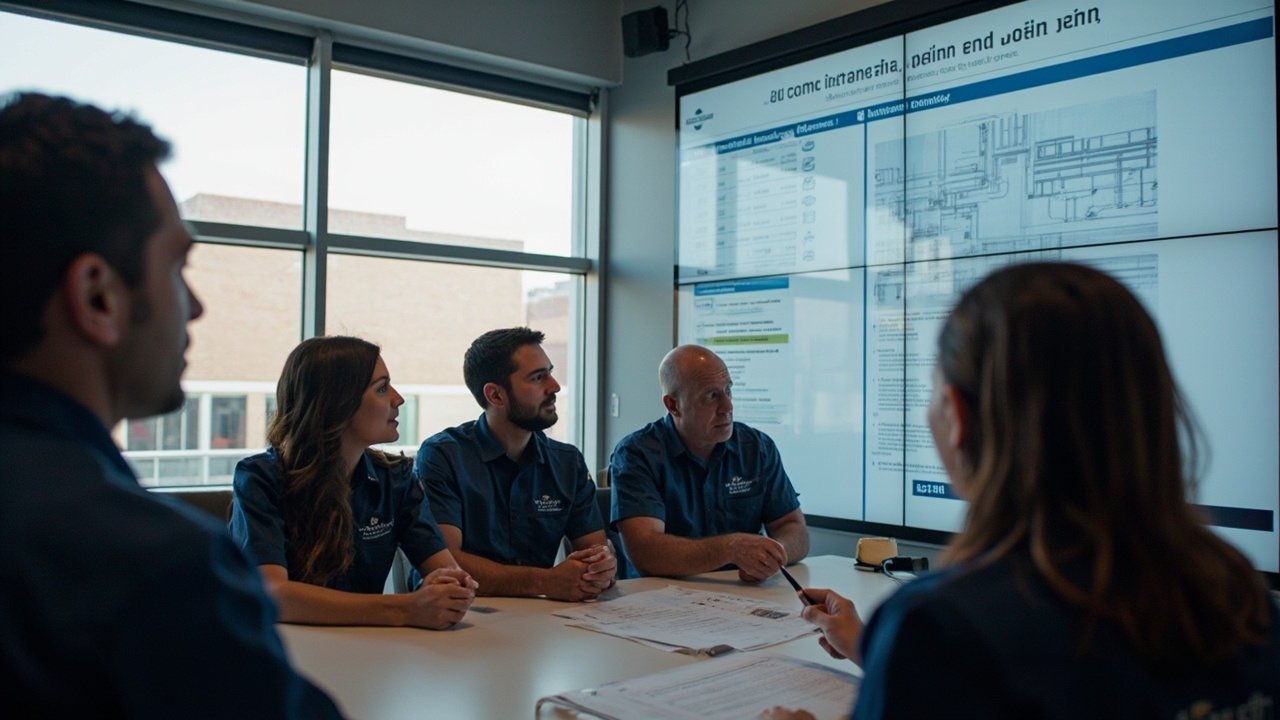
Business continuity planning requires regular updates as your facility changes. We schedule annual reviews to update contact information, document facility modifications, reassess vulnerabilities, and conduct response drills with your team. This maintenance ensures your disaster restoration planning stays current with your operations. We also provide quarterly check-ins to address any concerns and refresh your team's familiarity with emergency procedures. The goal is maintaining response readiness year-round, not just creating a document that sits in a drawer.

Why Riverside Businesses Choose Local Expertise for Emergency Planning

Effective facility contingency planning requires intimate knowledge of local conditions and response infrastructure. Liberty Water Damage Restoration Riverside has worked throughout the city's commercial zones, from the industrial properties along Jurupa Avenue to the office complexes in University Avenue corridor. We understand how Riverside's seasonal weather patterns create specific risks and how local building codes affect commercial properties.

Our response teams know the fastest routes through Riverside's commercial districts at any hour. When your Arlington facility needs emergency service at 3 AM, we're not consulting GPS or learning your neighborhood. We know which streets flood during winter storms, where traffic bottlenecks occur, and how to reach your property quickly regardless of conditions.

We maintain established relationships with local commercial contractors, environmental testing labs, and insurance adjusters who work regularly in Riverside County. This network activates immediately when your disaster restoration planning moves from preparation to execution. You don't wait for out-of-area vendors to mobilize or for unfamiliar contractors to learn local requirements.

Local expertise also means understanding Riverside's commercial building stock. We've worked in the historic structures downtown where plumbing systems date back decades and in modern facilities with complex building management systems. This experience informs better pre-loss planning because we've seen how different building types respond to water damage.

Your business continuity planning also benefits from our knowledge of local permitting and code enforcement. When emergency repairs require permits or when restoration work must meet specific commercial building standards, we navigate those requirements efficiently. We know the inspectors, understand the submittal processes, and can expedite approvals when your facility needs to reopen quickly.

The relationship extends beyond emergency response. We're available for facility walk-throughs when you're evaluating new properties, for consultation on preventive maintenance programs, and for training your staff on water damage awareness. This ongoing local presence makes us a partner in your risk management strategy, not just a vendor you call during emergencies.

What Your Disaster Recovery Planning Includes

Response Time and Availability

Pre-loss planning dramatically reduces response time because the preparation work is complete before emergency strikes. When you contact our dispatch center, your facility information loads immediately. Our crews know your property layout, understand your priorities, and can begin mitigation work without orientation delays. We maintain 24/7 availability specifically for clients with documented disaster restoration planning in place. Your designated emergency contacts reach our direct response line, not a general answering service. This streamlined communication means faster equipment deployment and quicker damage control, which directly reduces your business interruption time and limits secondary damage that expands during delayed response.

Facility Assessment and Documentation

Your initial facility assessment takes approximately two to four hours depending on property size and complexity. We document every relevant detail using digital photography, facility mapping software, and written protocols. You receive a complete response manual in both physical and digital formats that includes annotated facility plans, contact lists, equipment inventories, and step-by-step emergency procedures. This documentation gets updated annually or whenever your facility undergoes significant changes. We also provide your insurance carrier with a copy of your pre-loss documentation, which streamlines claims processing if water damage occurs. This thorough assessment identifies vulnerabilities you can address proactively, often preventing damage before it happens.

Operational Continuity Results

Commercial facilities with documented business continuity planning experience measurably shorter downtime after water damage events. The pre-established vendor relationships, clear decision authority, and understood response procedures eliminate the confusion that extends recovery timelines. Your team knows exactly what actions to take immediately, which systems to shut down, and who to contact. Our crews arrive with facility-specific knowledge and begin mitigation work without delay. This preparation typically reduces downtime by 40 to 60 percent compared to facilities responding without pre-loss planning. For businesses where every hour of closure represents significant revenue loss, this time savings directly impacts your bottom line and can mean the difference between a manageable disruption and a business-threatening event.

Plan Updates and Training

Your disaster recovery planning remains effective only if it stays current with your operations. We schedule annual plan reviews at no additional cost to update contact information, document facility changes, and reassess vulnerability factors. These reviews take approximately one hour and ensure your response protocols reflect your current operations. We also offer optional emergency response training for your facility management team, covering immediate damage mitigation techniques, proper equipment shutdown procedures, and effective communication during crisis situations. This training transforms your front-line staff into informed first responders who can begin damage control before our crews arrive. We provide updated documentation after each review and maintain digital backups of your current plans in our response system.

Frequently Asked Questions

You Have Questions,
We Have Answers

What are the 5 steps of disaster recovery planning? +

The five steps are: risk assessment, business impact analysis, strategy development, plan documentation, and testing. Start by identifying threats specific to Riverside, like seismic activity or Santa Ana wind-driven fires. Assess which operations are mission-critical. Develop recovery strategies that prioritize business continuity. Document protocols, contact lists, and vendor agreements. Test the plan quarterly to identify gaps. Riverside businesses face unique risks from wildfire smoke impacting HVAC systems and potential earthquake damage to infrastructure. Your plan must account for regional utility failures and supply chain disruptions along the I-15 and SR-91 corridors.

What is disaster and recovery planning? +

Disaster and recovery planning is the structured process businesses use to maintain operations during and after disruptive events. It identifies critical functions, establishes recovery time objectives, and documents procedures to restore operations. For Riverside commercial properties, this means preparing for wildfires, earthquakes, water main breaks, and HVAC failures during extreme heat. The plan addresses data backup, alternative work locations, vendor continuity, and communication protocols. Effective planning reduces downtime, protects revenue, and limits liability. It transforms reactive crisis management into proactive business resilience, ensuring you meet contractual obligations and maintain client trust during regional emergencies.

What are the 4 pillars of disaster recovery? +

The four pillars are preparedness, response, recovery, and mitigation. Preparedness involves training staff and documenting procedures. Response addresses immediate actions during the event, like activating emergency protocols or evacuating facilities. Recovery focuses on restoring operations to normal capacity. Mitigation reduces future risk through infrastructure improvements or policy changes. Riverside businesses must consider earthquake retrofitting for older buildings, fire-resistant landscaping, and backup power for summer heat waves. Each pillar requires specific documentation, assigned responsibilities, and regular drills. Strong pillars prevent minor incidents from becoming business-ending catastrophes, especially in high-risk commercial zones near the Santa Ana River.

What are the 5 P's of disaster? +

The five P's are planning, preparedness, prevention, protection, and performance. Planning establishes your framework and objectives. Preparedness ensures resources and training are in place. Prevention identifies actions to reduce risk exposure. Protection safeguards critical assets, data, and personnel. Performance measures how effectively your plan functions during actual events. Riverside businesses should focus prevention efforts on fire hardening, seismic bracing, and water intrusion barriers. Protection includes offsite data backup and redundant communication systems. Performance reviews after regional incidents like the 2020 wildfires reveal gaps in supplier continuity and evacuation protocols. Each P builds organizational resilience.

What are the 4 C's of disaster recovery? +

The four C's are command, communication, coordination, and control. Command establishes clear leadership during emergencies. Communication ensures stakeholders receive timely, accurate information. Coordination aligns internal teams with external partners like emergency services or vendors. Control maintains operational discipline and prevents chaos. For Riverside commercial facilities, this means designating incident commanders, establishing redundant communication channels beyond cell networks, coordinating with Riverside Fire Department for evacuation routes, and controlling access to damaged areas. The four C's prevent confusion during high-stress events, reduce liability, and accelerate recovery. They transform crisis response from reactive scrambling into organized execution.

What is a DRP checklist? +

A DRP checklist is a systematic inventory of critical tasks, contacts, and resources needed during disaster recovery. It includes emergency contact lists, vendor agreements, data backup locations, insurance policy numbers, and step-by-step recovery procedures. Riverside businesses should include local utility emergency numbers, alternative workspace locations outside the wildfire risk zone, and equipment vendors who can deliver quickly via Ontario or Los Angeles. The checklist prevents decision paralysis during emergencies. Update it quarterly to reflect staff changes, new vendors, or operational shifts. Physical and digital copies should be stored offsite. A functional checklist reduces recovery time by 40 percent.

What makes a good disaster recovery plan? +

A good plan is tested, documented, and specific to your operations. It identifies recovery time objectives for each business function, assigns clear responsibilities, and includes vendor contacts with guaranteed response times. For Riverside facilities, address seismic vulnerabilities in masonry buildings, wildfire smoke infiltration protocols, and extreme heat contingencies. The plan must be accessible offsite and updated after every test or actual event. Good plans balance thoroughness with usability. Avoid generic templates. Instead, map actual workflows, document specific equipment dependencies, and establish measurable recovery benchmarks. Annual tabletop exercises with department heads reveal weaknesses before disasters strike.

How much does a DRP cost? +

Professional DRP development ranges from several thousand dollars for small businesses to over $50,000 for complex industrial operations. Costs depend on facility size, regulatory requirements, and operational complexity. Riverside businesses face additional costs for seismic assessments and wildfire mitigation planning. Implementation expenses include backup systems, offsite storage, staff training, and annual testing. However, downtime costs far exceed planning costs. A single day of lost operations can cost mid-sized businesses $10,000 to $100,000 in lost revenue and productivity. Insurance premiums often decrease with documented plans. Consider it liability protection and business continuity insurance, not an expense.

What is the DRP process? +

The DRP process begins with risk assessment and business impact analysis. Identify which operations generate revenue or fulfill contractual obligations. Establish recovery time objectives for each function. Document step-by-step recovery procedures, including data restoration, equipment replacement, and workspace alternatives. Assign specific responsibilities to trained personnel. Test the plan through tabletop exercises and full-scale drills. Update documentation quarterly or after organizational changes. For Riverside operations, integrate regional risks like earthquake damage to I-15 infrastructure or utility failures during heat waves. The process is cyclical, requiring continuous improvement based on test results and actual incident reviews.

What are the 4 P's of disaster? +

The four P's are planning, preparation, practice, and performance. Planning creates the framework and objectives. Preparation assembles resources, trains staff, and establishes vendor relationships. Practice involves drills, tabletop exercises, and simulation testing. Performance measures effectiveness during real incidents and identifies improvement areas. Riverside businesses should practice evacuation routes accounting for wildfire traffic congestion on SR-91. Preparation includes stockpiling replacement HVAC filters for smoke events and establishing mutual aid agreements with nearby facilities. Performance reviews after regional disasters reveal whether your communication protocols functioned and if recovery time objectives were realistic. Each P reinforces organizational resilience.

How Riverside's Flood Zones and Seasonal Storms Impact Commercial Facility Contingency Planning

Riverside's location along the Santa Ana River creates specific flood exposure for commercial properties in low-lying areas near the riverbed and throughout the Arlington and La Sierra neighborhoods. The city sits at elevations ranging from 700 to 1,400 feet, with commercial zones concentrated in lower-elevation areas where water naturally flows during Southern California's intense but infrequent winter storms. Many businesses operate in older industrial buildings constructed before modern drainage standards, creating additional vulnerability. Effective facility contingency planning in Riverside must account for these flood risks, document elevation-specific vulnerabilities, and establish rapid-response protocols that activate before predicted storm events. Properties near the 91 and 60 freeway corridors face particular risk because these transportation routes follow natural drainage patterns.

Commercial property owners throughout Riverside County recognize that local expertise matters when developing commercial emergency response planning. Building codes and permitting requirements differ from neighboring counties, and insurance carriers often require documentation that meets specific California commercial property standards. Liberty Water Damage Restoration Riverside works regularly with local adjusters, understands County of Riverside permitting procedures, and maintains relationships with commercial contractors who can mobilize quickly when your disaster restoration planning moves from preparation to execution. Our experience spans every major commercial corridor in the city, from the Convention Center area to the industrial zones along Cridge Street, giving us facility-specific knowledge that improves response effectiveness when water damage occurs.
Water Damage Restoration Services in The Riverside Area

We are dedicated to serving the entire Riverside area and its neighboring communities with fast and reliable water damage restoration services. Whether you’re a resident or a business owner, our team is ready to respond to your call. Use the map below to see our service area, or call us directly to confirm if we can dispatch a team to your location for an immediate emergency response.

Address:
Liberty Water Damage Restoration Riverside, 11801 Pierce St, Riverside, CA, 92505

Additional Services We Offer

Our news updates

Latest Articles & News from The Blogs

Why your ice maker line is a ticking time bomb for your kitchen floor Ice maker supply lines are one…

Why your ice maker line is a ticking time bomb for your kitchen floor

Why your ice maker line is a ticking time bomb for your kitchen floor Ice maker supply lines are one…

How to spot the signs of a chimney leak before it ruins your Riverside living room

How to spot the signs of a chimney leak before it ruins your Riverside living room Your chimney is more…

The most common plumbing mistakes Riverside DIYers make that lead to floods

The most common plumbing mistakes Riverside DIYers make that lead to floods DIY plumbing projects in Riverside often start with…

Contact Us

Don't wait for water damage to disrupt your operations. Contact Liberty Water Damage Restoration Riverside at (951) 309-5499 to schedule your facility vulnerability assessment. We'll develop a customized disaster recovery plan that keeps your business running when emergencies strike.