


Moreno Valley sits in Riverside County's inland valley where hot, dry air and sudden temperature swings create unique water damage risks. Properties near Box Springs Mountain and along the Perris Valley corridor face intense summer heat that causes rapid evaporation, pushing moisture deep into wall cavities and subfloors where it breeds hidden mold colonies. Winter rainstorms overwhelm drainage systems in neighborhoods like Sunnymead Ranch and Morrison Highlands, causing flash flooding that saturates foundations. The region's expansive clay soil shifts during wet periods, cracking slab foundations and creating entry points for water intrusion.
Unlike coastal areas with constant humidity, Moreno Valley's arid conditions make residents underestimate water damage severity. A burst pipe or roof leak dries on the surface while moisture migrates into drywall, insulation, and framing lumber. Within 48 hours, mold spores colonize. Within a week, wooden structural members warp and weaken. Properties near Alessandro Boulevard and Cactus Avenue experience additional pressure from aging infrastructure and hard water that corrodes supply lines. The city's rapid development means many homes were built during construction booms with varying quality standards, making thorough water extraction and structural drying essential to prevent long-term damage in this challenging desert environment.
Liberty Water Damage Restoration Riverside has protected Moreno Valley properties for over a decade with 24/7 emergency response teams stationed throughout Riverside County. When disaster strikes at 2 AM, our crews arrive with truck-mounted extraction units and thermal imaging cameras, not estimates and delays. We operate differently than national franchise operations that subcontract local work to untrained crews. Every technician on our team holds IICRC Water Damage Restoration certification and receives ongoing training in advanced drying science, antimicrobial treatment, and structural stabilization.
Our Moreno Valley clients face a critical window where proper response prevents total loss. We dispatch within 30 minutes and typically arrive on-site in under an hour, immediately stopping water sources and beginning extraction. Our equipment inventory includes industrial dehumidifiers, air movers, moisture meters, and thermal imaging technology that reveals hidden water intrusion invisible to the naked eye. We document everything with photo evidence and moisture readings that satisfy insurance adjusters and prevent claim disputes.
What separates us from competitors is our direct insurance billing relationships and our willingness to advocate for proper scope of work. When adjusters try to minimize coverage, we provide detailed documentation proving the full extent of damage. We have worked with every major carrier operating in Riverside County and understand exactly what documentation they require. Our clients never face surprise bills or coverage gaps because we verify benefits before starting work and communicate throughout the restoration process. Moreno Valley property owners choose us because we combine emergency response speed with insurance expertise and complete restoration capability under one roof.

Our emergency dispatch teams operate from strategically located stations across Riverside County with fully equipped trucks ready to roll 24/7. When you call, we answer immediately and dispatch the closest crew to your Moreno Valley property. Most arrivals happen within 45 minutes, and we begin water extraction the moment we arrive, stopping damage progression before it spreads.

Every crew member holds Institute of Inspection, Cleaning and Restoration Certification with specialized training in water damage restoration, structural drying, and microbial remediation. We invest in continuous education because proper water extraction requires understanding building science, psychrometrics, and antimicrobial protocols. Certification means your restoration meets industry standards insurance companies recognize and trust.
We work directly with your insurance carrier, submitting detailed documentation, moisture readings, and photo evidence that supports complete coverage. Our team understands Riverside County claim procedures and has established relationships with major adjusters. You never face surprise denials or out-of-pocket expenses because we verify your benefits before starting work and handle all claim communication.
We understand how Moreno Valley's clay soil, desert climate, and building construction patterns affect water damage restoration. Our crews know which neighborhoods face foundation settlement issues, where aging infrastructure causes repeat flooding, and how local building codes impact repair requirements. This regional knowledge ensures we address the root cause, not just surface symptoms.
Liberty Water Damage Restoration Riverside provides full-spectrum water damage remediation services covering everything from initial emergency response through final reconstruction. Water intrusion events vary dramatically in cause and severity, requiring different technical approaches and equipment. A sewage backup demands biohazard protocols and antimicrobial treatment that a clean water supply line break does not. Storm flooding through windows requires different extraction methods than a slow roof leak that saturated attic insulation over months.
Our service structure addresses three distinct phases of water damage restoration. Emergency water removal stops active flooding and prevents additional damage. Structural drying eliminates hidden moisture that causes mold growth and wood rot. Complete restoration rebuilds damaged materials to pre-loss condition. Many Moreno Valley property owners make the mistake of hiring a plumber to fix the leak and assuming the problem is solved. Water damage cleanup extends far beyond the visible puddle. Moisture migrates into wall cavities, under flooring, and throughout HVAC ductwork. Without professional extraction equipment and structural drying protocols, you face mold outbreaks, warped framing, and compromised structural integrity within weeks. We handle every phase with certified crews and commercial-grade equipment that restores your property completely.
Our emergency response teams arrive with truck-mounted extraction units and portable pumps that remove standing water immediately. We identify the water source, stop active flooding, and extract water from carpets, padding, and subfloors using industrial wet vacuums and submersible pumps. Rapid water removal within the first 48 hours prevents mold colonization and reduces structural damage. We move furniture, remove wet contents, and document all damage with photos and moisture readings for insurance claims. This immediate intervention stops damage progression and begins the drying process.
After extraction, hidden moisture remains trapped in wall cavities, insulation, and building materials. Our IICRC-certified technicians use thermal imaging cameras and moisture meters to map water intrusion throughout the structure. We position commercial dehumidifiers and high-velocity air movers to create controlled airflow that pulls moisture from materials. Daily monitoring tracks drying progress with documented readings until all building materials return to normal moisture levels. This technical drying process prevents mold growth, stops wood rot, and protects structural integrity.
Once structures dry completely, we rebuild damaged areas to pre-loss condition. Our licensed contractors replace drywall, install new flooring, repaint walls, and reconstruct any structural elements compromised by water damage. We handle cabinet replacement, trim work, texture matching, and finish carpentry. Insurance coordination continues through this phase with detailed documentation of all repair work and materials. You work with one company from emergency through final walkthrough, eliminating coordination headaches and ensuring quality control throughout the entire water damage restoration process.
Moreno Valley's combination of desert climate, aging infrastructure, and rapid development creates specific water damage vulnerabilities that catch property owners off guard. The region experiences intense summer heat followed by winter rainstorms that stress plumbing systems and building envelopes. Properties built during the 1980s and 1990s construction boom now face aging supply lines, deteriorating roof membranes, and failing water heaters. Neighborhoods near Box Springs Mountain see additional pressure from elevation changes that increase water pressure in supply lines.
The clay-heavy soil throughout Moreno Valley expands during wet periods and contracts during drought, creating foundation movement that cracks slab foundations and breaks underground pipes. Many residents assume desert living means minimal water concerns, but the reality is that rapid temperature swings cause more plumbing failures than humid climates with stable conditions. Flash flooding during monsoon season overwhelms storm drains along Alessandro Boulevard and Iris Avenue, sending water into garages and crawl spaces. Understanding these regional threats helps property owners recognize warning signs before minor leaks become major restoration projects.
Aging copper and galvanized pipes corrode from Moreno Valley's hard water, developing pinhole leaks and catastrophic failures. Morning temperature drops cause rapid contraction that splits weakened pipes. A burst supply line releases gallons per minute, flooding rooms within minutes. Supply line failures happen without warning and require immediate shutoff and professional extraction to prevent structural damage and mold growth.
Water heaters last 8-12 years before tanks corrode and fail. When a 40-gallon tank ruptures, it releases its entire contents in minutes, flooding garages, utility rooms, and adjacent living spaces. Sediment buildup from hard water accelerates tank corrosion. Regular temperature cycling causes metal fatigue. Most failures happen overnight when no one is home to shut off the supply valve.
Desert sun deteriorates roof membranes and flashing, creating entry points for winter rains. Single-story homes with flat or low-slope roofs face pooling water that seeps through weakened areas. Monsoon storms drive rain sideways into vents and penetrations. Attic insulation absorbs water and transfers it to ceiling drywall, causing staining and collapse. Slow leaks go unnoticed for months, creating hidden mold colonies.
Expansive clay soil throughout Moreno Valley shifts during wet periods, cracking slab foundations and creating channels for water entry. Properties on hillsides near Box Springs Mountain face additional hydrostatic pressure during storms. Groundwater seeps through foundation cracks into living spaces, saturating carpets and baseboards. French drains and waterproofing systems fail over time, allowing seasonal intrusion that damages flooring and framing.
Water damage creates panic. You are watching water spread across your floors, soaking into walls, and destroying your belongings. When you call Liberty Water Damage Restoration Riverside, our emergency dispatch answers immediately and begins gathering critical information. We ask about the water source, the affected area size, and any safety concerns. We dispatch the closest crew while still on the phone with you. You receive an estimated arrival time and the crew leader's direct contact information.
Our technicians arrive in clearly marked vehicles with all extraction equipment already loaded. They enter your property, assess the situation, and begin water removal within minutes. No waiting for estimates or approval. We stop the damage first and document for insurance second. Throughout the restoration process, you work with the same project manager who explains each phase, answers questions, and provides daily progress updates. We respect your property, protect unaffected areas with containment barriers, and maintain job site cleanliness. Our goal is not just restoration but making a traumatic situation manageable through clear communication and professional execution.
When you call our emergency line, a trained dispatcher answers immediately and collects essential information about your water damage situation. We never send you to voicemail or ask you to wait for a callback. While gathering details, we simultaneously dispatch the nearest crew to your Moreno Valley location. You receive an estimated arrival time and direct contact information for your crew leader. Most arrivals happen within 45 minutes, and we begin water extraction the moment we assess the scene and ensure your safety.
Your assigned project manager explains the entire restoration process during the initial visit and remains your single point of contact through project completion. We document all damage with detailed photos and moisture readings, providing you with copies for insurance submission. You receive daily progress updates via phone or text based on your preference. We explain what equipment we are using, why we are using it, and how long each drying phase will take. No surprises, no hidden steps, no confusion about what happens next.
We contact your insurance carrier immediately and verify coverage before beginning work beyond emergency water extraction. Our team prepares detailed estimates with line-item breakdowns, moisture documentation, and photo evidence that adjusters require. We attend on-site inspections, explain technical findings, and advocate for complete restoration scope. You receive copies of all documentation submitted to your carrier. We handle claim communication and follow-up so you can focus on getting your life back to normal.
Water damage restoration follows a technical sequence that cannot be rushed or skipped. Each phase builds on the previous one, and cutting corners leads to mold growth, structural failure, and insurance claim disputes.
Our crew arrives with truck-mounted extraction units and immediately stops the water source. We remove standing water using industrial wet vacuums and submersible pumps, extract water from carpets and padding, and remove soaked contents to prevent further damage. We document the affected area with photos and initial moisture readings for insurance purposes. Rapid extraction within the first 24-48 hours prevents mold colonization and reduces overall restoration costs.
After visible water extraction, moisture remains trapped in walls, subfloors, and building materials. We position commercial dehumidifiers and air movers to create controlled airflow that pulls moisture from structural elements. Thermal imaging cameras reveal hidden wet areas invisible to the naked eye. Our technicians take daily moisture readings and adjust equipment placement until all materials return to normal levels, typically 3-5 days depending on saturation extent.
Once structures dry completely, our licensed contractors rebuild damaged areas. We replace drywall, install new flooring, repaint walls, and reconstruct any compromised structural elements. We match textures, finishes, and materials to existing conditions. Final walkthrough ensures you approve all work before project closeout. You receive documentation of completed repairs for insurance records and future property disclosure requirements.
Professional water damage restoration follows IICRC S500 Standard for Water Damage Restoration, which classifies water intrusion by contamination level and guides appropriate response protocols. Category 1 water originates from sanitary sources like supply lines and poses no immediate health threat. Category 2 water contains contamination that may cause discomfort or illness, such as washing machine discharge or toilet bowl overflow without feces. Category 3 water is grossly contaminated, including sewage backups, rising floodwater, and any standing water that has remained stagnant for 48+ hours. Proper classification determines extraction methods, disposal requirements, and antimicrobial treatment protocols.
Water damage class refers to evaporation rate based on affected materials. Class 1 affects minimal porous materials with slow evaporation. Class 2 affects an entire room with significant moisture wicking up walls. Class 3 involves fast evaporation from saturated ceilings, walls, insulation, and subfloors. Class 4 requires specialty drying for materials with very low permeance like hardwood, plaster, and concrete. Understanding both category and class determines equipment selection and drying goals.
Moreno Valley's low humidity and high temperatures create unique challenges. Desert air accelerates surface evaporation, making property owners think materials have dried when moisture remains trapped deep in wall cavities and subfloors. This hidden moisture migrates through building materials and colonizes mold within 48-72 hours. Professional drying requires controlled dehumidification that removes moisture from the air and building materials simultaneously, preventing moisture from redistributing to unaffected areas. Psychrometric calculations determine the specific humidity and temperature conditions needed to pull moisture from materials efficiently. Without commercial dehumidifiers and proper airflow design, surface drying masks ongoing structural damage.
The Institute of Inspection, Cleaning and Restoration Certification establishes restoration industry standards through the S500 Water Damage Restoration standard. This technical guide defines proper extraction procedures, drying goals, antimicrobial treatment protocols, and documentation requirements. IICRC-certified technicians receive training in building science, psychrometry, and moisture detection technology. Insurance companies recognize IICRC standards as the benchmark for proper restoration work, and following these protocols protects against claim disputes and coverage denials.
Water damage restoration costs depend on water category, affected square footage, structural damage extent, and required reconstruction. Emergency extraction typically costs less than complete structural drying and rebuilding. Category 3 sewage contamination requires biohazard disposal and antimicrobial treatment that increases costs significantly. Insurance coverage varies by policy, with flood damage excluded from standard homeowners policies. We provide detailed estimates with line-item breakdowns and work within your coverage limits whenever possible.
Structural drying typically takes 3-5 days depending on saturation extent, affected materials, and environmental conditions. Class 1 losses with minimal saturation dry faster than Class 4 losses involving hardwood floors and plaster walls. Our technicians monitor moisture levels daily and adjust equipment positioning to optimize drying efficiency. Attempting to accelerate drying by removing equipment prematurely leads to mold growth and material failure. Complete drying to documented moisture goals is required before reconstruction begins.
Mold spores colonize wet building materials within 48 hours in ideal conditions. Moreno Valley's warm temperatures accelerate growth rates compared to cooler climates. Proper water extraction and structural drying prevents mold by removing the moisture mold needs to grow. When contamination exists or materials remain wet beyond 48 hours, we apply EPA-registered antimicrobial treatments to affected surfaces. Severely contaminated materials require removal and disposal following California hazardous waste protocols to protect occupant health.
Professional water damage restoration contractor explains emergency water extraction, structural drying, and complete restoration processes for Moreno Valley properties. Covers IICRC standards, insurance coordination, mold prevention, and regional challenges specific to Riverside County's desert climate. Liberty Water Damage Restoration Riverside provides technical insights on water damage categories, drying science, and proper remediation protocols that prevent structural damage and protect property value.
Liberty Water Damage Restoration Riverside provides 24/7 emergency water damage services throughout Moreno Valley and the greater Riverside County area. Our response teams reach properties in Sunnymead Ranch within minutes, where older construction and mature landscaping create unique drainage challenges during winter storms. We serve residents near Box Springs Mountain where elevation changes increase water pressure in supply lines and cause more frequent pipe failures. The Morrison Highlands area sees us regularly for water heater failures and supply line bursts in homes built during the 1990s construction boom.
Properties along Alessandro Boulevard face storm drain overflow during heavy rain, and we have extracted flood water from dozens of garages and ground-floor units in this corridor. The Iris Avenue corridor contains a mix of residential and commercial properties where roof leaks and HVAC condensate line failures create ongoing restoration needs. We respond to calls in the Canyon Springs community where newer construction still faces water damage from installation defects and warranty-period failures. The Edgemont area near Moreno Valley College contacts us for both residential and student housing water emergencies.
Our coverage extends beyond Moreno Valley city limits to serve Riverside, Perris, and the unincorporated areas along Highway 60 and Interstate 215. We understand how the Perris Valley's clay soil affects foundation stability and how properties near the Santa Ana River face different flood risks than hillside homes. Distance from our dispatch locations never exceeds 30 minutes to any Moreno Valley address, and we maintain equipment inventory to handle multiple simultaneous emergencies across the region. Whether you own property in established neighborhoods south of Highway 60 or newer developments near Brodiaea Avenue, our crews know the fastest routes, understand local building patterns, and arrive prepared to stop water damage immediately. Moreno Valley property owners trust us because we are not just another contractor serving your area; we are restoration specialists who have worked in your neighborhood, understand your specific risks, and maintain the local presence to respond when disaster strikes at any hour.
Water damage restoration costs in Moreno Valley typically range from several hundred to several thousand dollars. The final price depends on the water source, affected square footage, damage severity, and structural materials impacted. Clean water from a supply line costs less to remediate than sewage backups. Hardwood floor drying differs from drywall replacement. Most restoration companies offer free inspections to assess your specific situation. Document everything with photos before cleanup begins. Your insurance adjuster needs detailed records to process claims accurately. Get multiple estimates but prioritize certified technicians with rapid response times over the lowest bid.
Yes. Professional water damage restoration prevents long-term structural problems and health hazards that cost far more to fix later. Water migrates into wall cavities, subfloors, and insulation within hours. Without proper extraction and drying, you face mold growth, wood rot, and compromised framing. Moreno Valley's warm climate accelerates microbial growth in damp materials. DIY efforts often miss hidden moisture pockets that industrial moisture meters detect. Professional restoration also creates documentation your insurance company requires for claims. The investment protects your property value and prevents respiratory issues from mold exposure down the road.
Stop the water source immediately if safe to do so. Turn off the main water supply for pipe bursts or close the valve for appliance leaks. Move furniture and valuables to dry areas. Do not use regular vacuums on standing water due to electrocution risk. Take photos and videos of all damage before touching anything for insurance documentation. Contact your insurance company and a certified water restoration company right away. In Moreno Valley's heat, mold can begin growing within 24 to 48 hours. Open windows if weather permits to increase airflow, but avoid using fans that might spread contaminated water droplets.
Water damage restoration costs in Moreno Valley typically range from several hundred to several thousand dollars. The final price depends on the water source, affected square footage, damage severity, and structural materials impacted. Clean water from a supply line costs less to remediate than sewage backups. Hardwood floor drying differs from drywall replacement. Most restoration companies offer free inspections to assess your specific situation. Document everything with photos before cleanup begins. Your insurance adjuster needs detailed records to process claims accurately. Get multiple estimates but prioritize certified technicians with rapid response times over the lowest bid.
Yes. Professional water damage restoration prevents long-term structural problems and health hazards that cost far more to fix later. Water migrates into wall cavities, subfloors, and insulation within hours. Without proper extraction and drying, you face mold growth, wood rot, and compromised framing. Moreno Valley's warm climate accelerates microbial growth in damp materials. DIY efforts often miss hidden moisture pockets that industrial moisture meters detect. Professional restoration also creates documentation your insurance company requires for claims. The investment protects your property value and prevents respiratory issues from mold exposure down the road.
Stop the water source immediately if safe to do so. Turn off the main water supply for pipe bursts or close the valve for appliance leaks. Move furniture and valuables to dry areas. Do not use regular vacuums on standing water due to electrocution risk. Take photos and videos of all damage before touching anything for insurance documentation. Contact your insurance company and a certified water restoration company right away. In Moreno Valley's heat, mold can begin growing within 24 to 48 hours. Open windows if weather permits to increase airflow, but avoid using fans that might spread contaminated water droplets.
Complete water damage restoration includes water extraction, structural drying, dehumidification, antimicrobial treatment, debris removal, and reconstruction. Technicians use moisture meters and thermal imaging to locate hidden water in walls and subfloors. Industrial air movers and commercial dehumidifiers dry affected materials to manufacturer specifications. Contaminated materials like soaked insulation get removed and disposed of properly. The team treats surfaces to prevent microbial growth. Final steps include repairing or replacing damaged drywall, flooring, baseboards, and paint. Reputable companies coordinate directly with your insurance adjuster and provide detailed documentation throughout the process for your claim.
Most homeowners insurance policies cover sudden and accidental water damage, like burst pipes or appliance failures. Coverage excludes gradual damage from neglected maintenance or flooding from external sources. Flood insurance requires a separate policy through the National Flood Insurance Program. Review your policy's specific exclusions and coverage limits before filing. Insurance typically covers restoration costs, temporary living expenses, and damaged belongings. Document everything with photos and keep all receipts. Your restoration company should provide detailed invoicing that breaks down labor, equipment, and materials for your adjuster. File claims promptly as delays can complicate approval.
Response times and project duration vary by company and damage severity. Most professional water restoration companies in Moreno Valley arrive within one to four hours for emergency calls. Initial water extraction takes several hours. Structural drying typically requires three to five days of continuous equipment operation, though severe damage may need seven to ten days. Reconstruction adds additional time depending on the scope of repairs. Companies monitor moisture levels daily using specialized meters until materials reach dry standards. Ask any restoration provider for specific timelines based on your situation during the initial inspection before committing to services.
The average homeowners insurance water damage claim in California ranges from three thousand to ten thousand dollars. Actual payouts depend on damage extent, policy coverage limits, deductibles, and whether the cause is covered. Minor leak claims may be under two thousand dollars, while major incidents involving multiple rooms or sewage exceed twenty thousand dollars. Your adjuster evaluates the claim based on restoration estimates, replacement costs for damaged belongings, and temporary housing if needed. Many Moreno Valley homeowners underestimate hidden damage in wall cavities and subfloors. Professional moisture assessments reveal the true scope before filing to ensure adequate compensation.
Permanent water damage shows through warped flooring, ceiling stains, peeling paint, buckled drywall, and persistent musty odors. Wood that remains soft or spongy after drying indicates structural compromise. Discoloration that does not fade after cleaning suggests deep material saturation. Visible mold growth means moisture persisted long enough for colonization. In Moreno Valley homes, check for separation between walls and baseboards or cracking in drywall seams. Use a moisture meter to confirm materials have returned to normal levels. Permanent damage requires replacement rather than drying. Early professional intervention prevents temporary water exposure from becoming permanent structural issues.
Call a water restoration company immediately when you discover standing water, ceiling leaks, or soaked building materials. Do not wait to see if things dry on their own. Contact professionals for any water damage larger than a small spill you can mop up within minutes. Hidden moisture behind walls or under flooring requires specialized detection equipment. If you smell musty odors or see discoloration after a leak, moisture remains trapped. Sewage backups and contaminated water require immediate professional treatment due to health hazards. Moreno Valley's warm temperatures accelerate mold growth, making rapid response critical for preventing secondary damage.
Insurance pays for water damage from covered perils like sudden pipe bursts, appliance malfunctions, roof leaks from storm damage, and accidental overflows. Policies exclude damage from lack of maintenance, gradual leaks, or flooding from external water sources. Your adjuster reviews the cause, policy terms, and damage documentation before approving payment. Most policies have deductibles you pay before coverage begins. Keep detailed records including photos, restoration invoices, and communication logs. If your claim gets denied, request written explanation and consider hiring a public adjuster. Working with restoration companies experienced in insurance processes improves claim success rates.
Complete water damage restoration includes water extraction, structural drying, dehumidification, antimicrobial treatment, debris removal, and reconstruction. Technicians use moisture meters and thermal imaging to locate hidden water in walls and subfloors. Industrial air movers and commercial dehumidifiers dry affected materials to manufacturer specifications. Contaminated materials like soaked insulation get removed and disposed of properly. The team treats surfaces to prevent microbial growth. Final steps include repairing or replacing damaged drywall, flooring, baseboards, and paint. Reputable companies coordinate directly with your insurance adjuster and provide detailed documentation throughout the process for your claim.
Most homeowners insurance policies cover sudden and accidental water damage, like burst pipes or appliance failures. Coverage excludes gradual damage from neglected maintenance or flooding from external sources. Flood insurance requires a separate policy through the National Flood Insurance Program. Review your policy's specific exclusions and coverage limits before filing. Insurance typically covers restoration costs, temporary living expenses, and damaged belongings. Document everything with photos and keep all receipts. Your restoration company should provide detailed invoicing that breaks down labor, equipment, and materials for your adjuster. File claims promptly as delays can complicate approval.
Response times and project duration vary by company and damage severity. Most professional water restoration companies in Moreno Valley arrive within one to four hours for emergency calls. Initial water extraction takes several hours. Structural drying typically requires three to five days of continuous equipment operation, though severe damage may need seven to ten days. Reconstruction adds additional time depending on the scope of repairs. Companies monitor moisture levels daily using specialized meters until materials reach dry standards. Ask any restoration provider for specific timelines based on your situation during the initial inspection before committing to services.
The average homeowners insurance water damage claim in California ranges from three thousand to ten thousand dollars. Actual payouts depend on damage extent, policy coverage limits, deductibles, and whether the cause is covered. Minor leak claims may be under two thousand dollars, while major incidents involving multiple rooms or sewage exceed twenty thousand dollars. Your adjuster evaluates the claim based on restoration estimates, replacement costs for damaged belongings, and temporary housing if needed. Many Moreno Valley homeowners underestimate hidden damage in wall cavities and subfloors. Professional moisture assessments reveal the true scope before filing to ensure adequate compensation.
Permanent water damage shows through warped flooring, ceiling stains, peeling paint, buckled drywall, and persistent musty odors. Wood that remains soft or spongy after drying indicates structural compromise. Discoloration that does not fade after cleaning suggests deep material saturation. Visible mold growth means moisture persisted long enough for colonization. In Moreno Valley homes, check for separation between walls and baseboards or cracking in drywall seams. Use a moisture meter to confirm materials have returned to normal levels. Permanent damage requires replacement rather than drying. Early professional intervention prevents temporary water exposure from becoming permanent structural issues.
Call a water restoration company immediately when you discover standing water, ceiling leaks, or soaked building materials. Do not wait to see if things dry on their own. Contact professionals for any water damage larger than a small spill you can mop up within minutes. Hidden moisture behind walls or under flooring requires specialized detection equipment. If you smell musty odors or see discoloration after a leak, moisture remains trapped. Sewage backups and contaminated water require immediate professional treatment due to health hazards. Moreno Valley's warm temperatures accelerate mold growth, making rapid response critical for preventing secondary damage.
Insurance pays for water damage from covered perils like sudden pipe bursts, appliance malfunctions, roof leaks from storm damage, and accidental overflows. Policies exclude damage from lack of maintenance, gradual leaks, or flooding from external water sources. Your adjuster reviews the cause, policy terms, and damage documentation before approving payment. Most policies have deductibles you pay before coverage begins. Keep detailed records including photos, restoration invoices, and communication logs. If your claim gets denied, request written explanation and consider hiring a public adjuster. Working with restoration companies experienced in insurance processes improves claim success rates.
We are dedicated to serving the entire Riverside area and its neighboring communities with fast and reliable water damage restoration services. Whether you’re a resident or a business owner, our team is ready to respond to your call. Use the map below to see our service area, or call us directly to confirm if we can dispatch a team to your location for an immediate emergency response.
Address:
Moreno Valley, CA, 92557

How hydrostatic pressure from Riverside's wet soil can force water through your foundation\n\nHeavy rains in Riverside's Inland Empire create a hidden threat to your home's foundation. When water saturates the clay-heavy soil around your property…
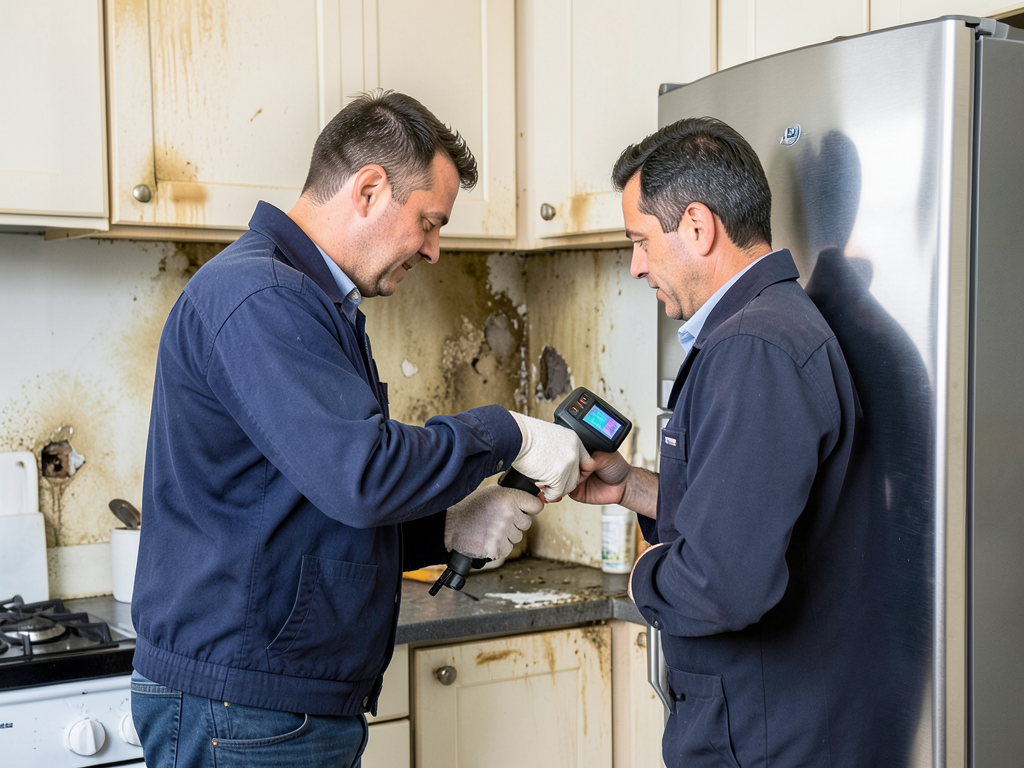
Why your ice maker line is a ticking time bomb for your kitchen floor Ice…
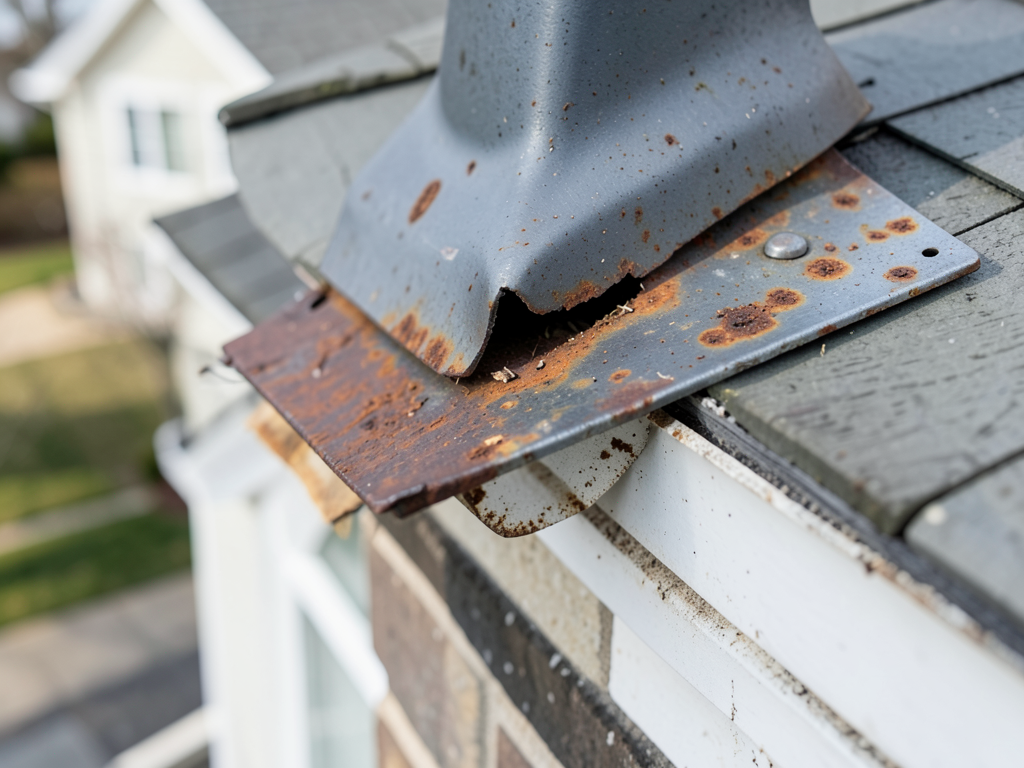
How to spot the signs of a chimney leak before it ruins your Riverside living…
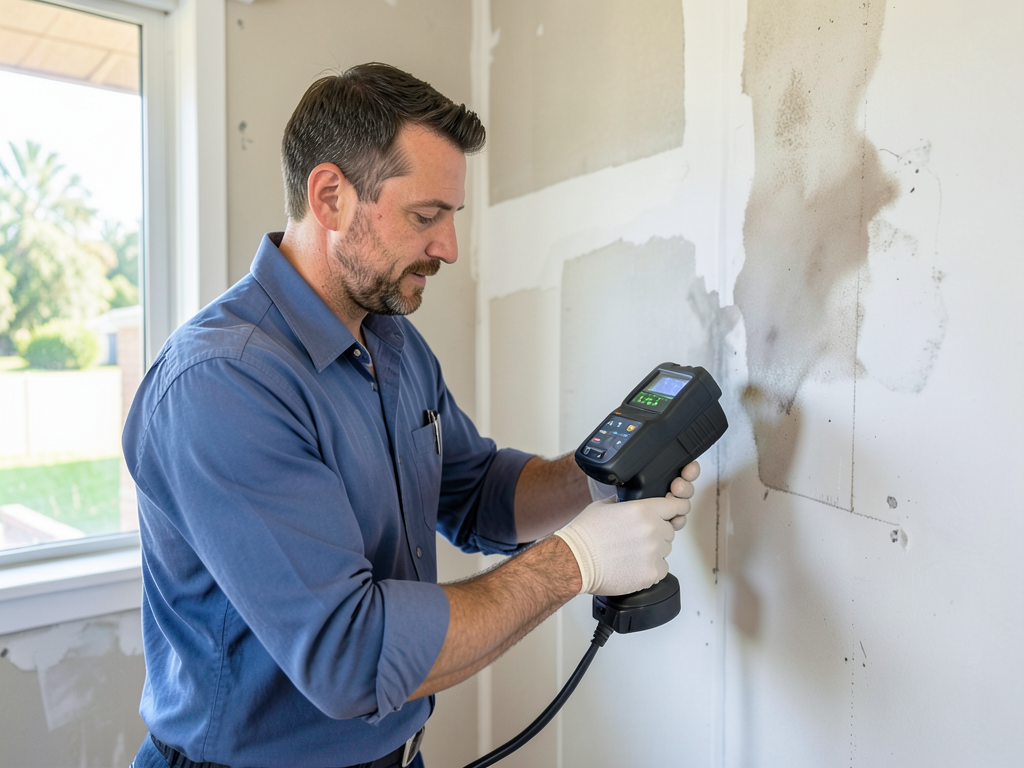
The most common plumbing mistakes Riverside DIYers make that lead to floods DIY plumbing projects…
Every minute of delay allows water to spread, mold to grow, and structural damage to worsen. Liberty Water Damage Restoration Riverside dispatches emergency crews 24/7 across Moreno Valley. Call (951) 309-5499 right now for immediate response and stop the damage before it becomes a total loss.