
What to expect during the first 24 hours of water damage restoration
When water floods your Riverside home or business, every minute counts. The first 24 hours after water damage occurs are critical for preventing secondary damage like mold growth, structural weakening, and electrical hazards. Understanding what happens during this crucial period helps you stay calm and make informed decisions while our professional team works to restore your property. What to do when a pipe bursts in your Riverside home.
Water damage restoration follows a systematic process designed to remove water quickly, dry affected areas thoroughly, and prevent long-term problems. Our Riverside-based team arrives within 60 minutes of your call, equipped with industrial-grade equipment and years of experience handling everything from burst pipes to storm flooding common in the Inland Empire. Top-rated water damage repair and restoration in Corona.
During the first 24 hours, we focus on emergency response, water extraction, initial drying, and damage assessment. This timeline shows you exactly what to expect at each stage of the process. Riverside water restoration teams that can be at your door in an hour.
Emergency Contact and Initial Assessment (0-2 Hours)
The moment you call (951) 309-5499, our dispatcher gathers critical information about your situation. We ask about the water source, affected areas, and any safety concerns like electrical hazards or structural damage. This information helps us dispatch the right equipment and personnel to your Riverside location. Getting your Riverside water damage insurance claim approved.
Our certified technicians arrive within 60 minutes, wearing personal protective equipment and carrying moisture detection tools. They begin with a comprehensive visual inspection and use thermal imaging cameras to identify hidden moisture behind walls and under flooring. This diagnostic process follows IICRC S500 standards, the industry benchmark for water damage restoration. IICRC S500 Standard.
During this initial assessment, we determine the water category (clean, gray, or black water) and class of damage (based on evaporation rate and affected materials). This classification guides our restoration strategy and safety protocols. For example, black water from sewage backups requires additional containment measures to prevent cross-contamination.. Read more about The difference between clean water and black water floods in your home.
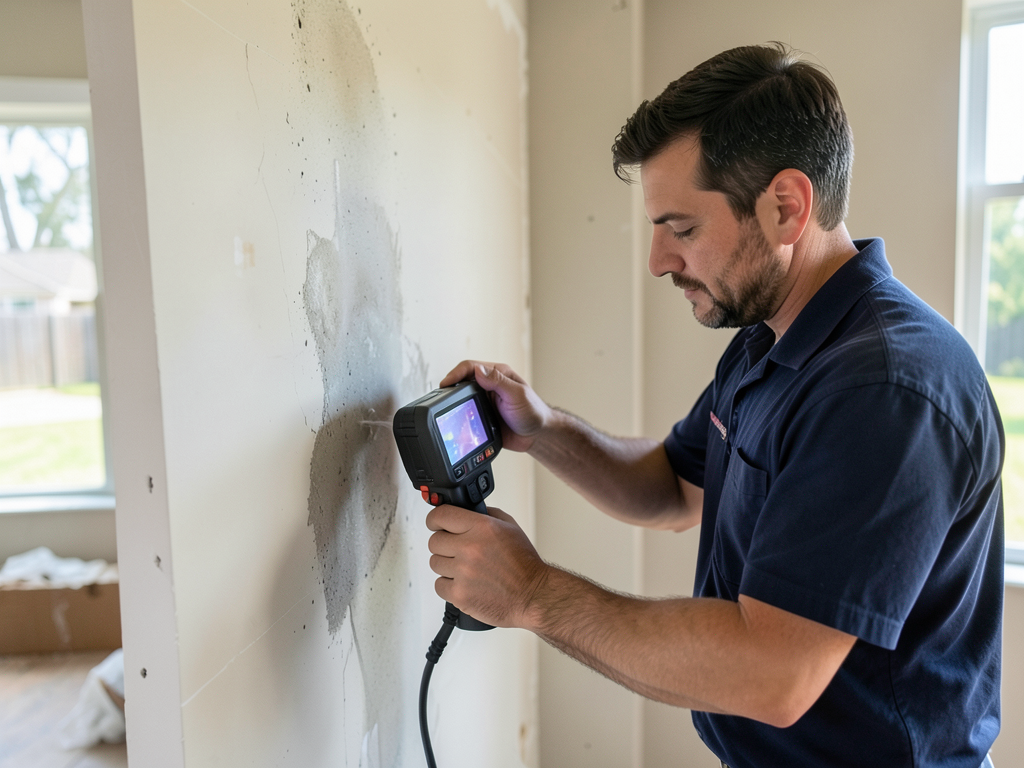
Technician using thermal imaging camera to detect hidden moisture behind drywall in a Riverside home
Water Extraction and Containment (2-6 Hours)
Once the assessment is complete, we immediately begin water extraction using powerful truck-mounted and portable extraction units. Our equipment can remove thousands of gallons of water per hour, significantly reducing drying time and preventing secondary damage to your Riverside property.. Read more about Is it safe to stay in your home during water damage restoration?.
We start with the most saturated areas and work systematically through your home or business. For carpeted areas, we use weighted extraction tools that compress the carpet while simultaneously removing water from both the surface and padding underneath. Hard surface floors require different techniques, including squeegee wands and specialized attachments.. Read more about Can your wet carpet be saved or should you replace it after a flood?.
During extraction, we establish containment barriers in affected areas to prevent the spread of contaminated water. This is especially important in Riverside’s older homes where water can travel through wall cavities and under flooring. We use 6-mil polyethylene sheeting and negative air pressure machines to create sealed work zones.
Our team also begins moving and blocking furniture to prevent staining and further damage. We place aluminum foil under furniture legs and use foam blocks to elevate items above wet surfaces. This protects your belongings while allowing thorough water removal underneath.
Initial Drying Setup (6-12 Hours)
After water extraction, we immediately deploy industrial-grade drying equipment. This phase is critical because Riverside’s climate, particularly during Santa Ana wind conditions, can affect drying times. We use a combination of air movers, dehumidifiers, and specialized drying systems based on the specific materials affected.. Read more about Protecting your Hunter Industrial Park warehouse from roof leak damage.
Air movers create high-velocity airflow across wet surfaces, accelerating evaporation. We position these units strategically to create a vortex effect that pushes moist air toward dehumidifiers. For hardwood floors, we use specialized floor drying systems that apply gentle heat and airflow from below to prevent warping and cupping.
Dehumidification is equally important. We use Low Grain Refrigerant (LGR) dehumidifiers that can remove moisture even in Riverside’s sometimes low-humidity conditions. These units work by drawing in moist air, cooling it to condense the water vapor, and then reheating and releasing dry air back into the space.
During this phase, we begin monitoring moisture levels using hygrometers and moisture meters. We track relative humidity, temperature, and moisture content in affected materials. This data helps us adjust our drying strategy and ensures we meet industry standards for complete drying.
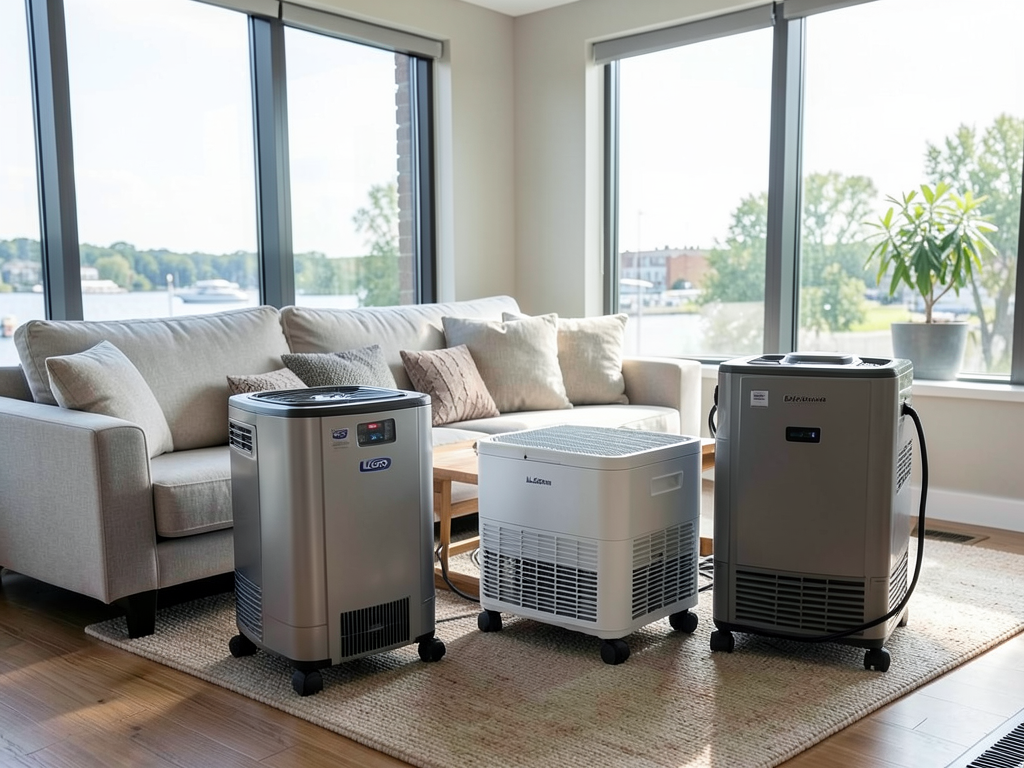
Industrial air movers and LGR dehumidifiers set up in a Riverside living room during the drying phase
Content Management and Initial Cleaning (12-18 Hours)
While drying equipment runs, our team begins content management. We inventory, document, and move salvageable items to unaffected areas of your property. For items that cannot be moved, we clean and sanitize them in place using antimicrobial treatments approved by the EPA for use in occupied spaces. EPA mold information.
This phase also includes initial cleaning of affected surfaces. We use specialized cleaning agents to remove dirt, debris, and potential contaminants brought in by the water. For Category 2 and 3 water damage, we apply hospital-grade disinfectants to prevent bacterial growth and odor development.
In Riverside homes, we pay special attention to areas prone to moisture retention, such as behind baseboards, under cabinets, and in wall cavities. We may need to remove baseboards or drill small holes in drywall to improve airflow and ensure complete drying of these hidden spaces.
We also begin the documentation process required for insurance claims. Our technicians take detailed photos, create moisture maps, and compile a comprehensive report of the damage and our initial response actions. This documentation proves invaluable when working with insurance adjusters.
Progress Monitoring and Plan Adjustment (18-24 Hours)
Throughout the first 24 hours, our team continuously monitors the drying process. We take moisture readings every few hours and adjust equipment placement based on the data. This scientific approach ensures we meet the specific drying goals for different materials found in Riverside homes.
For example, hardwood flooring requires moisture content below 12% for most species, while drywall should reach equilibrium moisture content with the surrounding air. We use penetrating moisture meters for wood and non-penetrating meters for other materials to track progress accurately.
If certain areas are not drying as expected, we may need to adjust our strategy. This could involve adding more equipment, changing the type of drying system used, or implementing more aggressive techniques like injection drying (forcing dry air into wall cavities through small access holes).
By the 24-hour mark, we can usually provide you with a preliminary assessment of the damage extent and a timeline for completion. Most residential water damage situations require 3-5 days of active drying, but this varies based on the severity of the damage and the materials affected.
Understanding Riverside’s Unique Water Damage Challenges
Water damage in Riverside presents unique challenges due to our local climate and building practices. Many homes in areas like Canyon Crest and Orangecrest were built on expansive clay soils, which can cause foundation shifting and pipe stress. This geological factor often leads to slab leaks that may go undetected for weeks.
Riverside’s Santa Ana wind conditions can actually help with drying by lowering relative humidity, but they can also accelerate evaporation in ways that cause secondary damage if not managed properly. Our technicians understand how to leverage these natural conditions while preventing problems like rapid moisture migration into unaffected areas.
Older neighborhoods near downtown Riverside often feature historic homes with plaster walls and hardwood flooring, which require specialized drying techniques different from modern construction. We maintain expertise in handling these unique architectural elements while preserving their historical integrity.
During monsoon season, flash flooding can overwhelm drainage systems in low-lying areas near the Santa Ana River. Our team maintains flood-specific equipment and follows Riverside County flood response protocols to handle these large-scale water events efficiently. Emergency flood cleanup and restoration in Jurupa Valley.
Moisture meter readings showing progress during the drying phase in a Riverside home
What You Should Do During the First 24 Hours
While our professional team handles the technical aspects of water damage restoration, there are several things you can do to help the process and protect your property. First and foremost, ensure everyone’s safety. If there’s any risk of electrical shock or structural collapse, evacuate immediately and wait for professionals.
If it’s safe to remain in your home, you can help by moving valuable items to dry areas, lifting curtains off wet floors, and opening cabinet doors to improve airflow. However, avoid using household fans or attempting DIY water extraction, as this can spread contamination or create electrical hazards.
Document the damage with photos and videos before we begin work. This documentation is valuable for insurance purposes and helps track the restoration progress. Also, gather any receipts for emergency expenses like temporary lodging or food, as these may be covered under your insurance policy.
Keep children and pets away from affected areas to prevent exposure to contaminated water and to allow our team to work efficiently. If you must walk through wet areas, wear protective footwear to avoid tracking water to unaffected parts of your home.
The Importance of Professional Restoration
Professional water damage restoration is not just about removing visible water. Hidden moisture can remain in wall cavities, under flooring, and in insulation for weeks or months if not properly addressed. This residual moisture creates ideal conditions for mold growth, which can begin within 24-48 hours in Riverside’s warm climate.
Our team follows IICRC S500 standards, which require specific moisture content levels and drying times based on the materials affected. We use scientific methods to verify complete drying rather than relying on visual inspection alone. This professional approach prevents the costly callbacks and health issues associated with incomplete restoration.
Additionally, professional restoration helps preserve your home’s value and prevents structural damage. Water can weaken wooden structural members, corrode metal fasteners, and compromise the integrity of building materials. Our comprehensive approach addresses these issues before they become major problems.
Insurance companies often require professional restoration to validate claims. Our detailed documentation and industry-standard procedures ensure your claim process goes smoothly and that you receive appropriate compensation for the damage and restoration work.
Looking Beyond the First 24 Hours
While the first 24 hours are critical, water damage restoration typically extends beyond this initial period. The complete drying process usually takes 3-5 days for most residential situations, though severe damage may require longer. During this time, our team continues monitoring moisture levels and adjusting equipment as needed.
After drying is complete, we move to the reconstruction phase if needed. This may include replacing damaged drywall, installing new flooring, or making structural repairs. We coordinate this work with your insurance company and keep you informed throughout the process.
We also provide recommendations for preventing future water damage, such as installing water detection systems, maintaining plumbing regularly, or improving drainage around your property. These preventive measures can save you from experiencing similar emergencies in the future.
Throughout the entire restoration process, we maintain clear communication with you, explaining each step and answering any questions you may have. Our goal is not just to restore your property but to give you peace of mind during a stressful situation.
Call Now for Immediate Response
Water damage waits for no one, and neither should your restoration team. If you’re experiencing flooding, leaks, or any water emergency in Riverside or the surrounding Inland Empire, don’t wait to call. The first 24 hours are crucial for preventing extensive damage and reducing restoration costs.
Pick up the phone and call (951) 309-5499 right now. Our certified technicians are standing by 24/7 to respond to your emergency. We’ll arrive within 60 minutes with the equipment and expertise needed to begin protecting your property immediately.
Remember, quick action can mean the difference between a simple cleanup and major reconstruction. Don’t let water damage escalate while you hesitate. Call (951) 309-5499 and let our professional team start the restoration process within the critical first 24 hours.
Frequently Asked Questions
How quickly should I call for water damage restoration?
Call immediately when you discover water damage. The first 24-48 hours are critical for preventing secondary damage like mold growth and structural weakening. Our team can be at your Riverside property within 60 minutes of your call.
Will my insurance cover water damage restoration?
Most homeowner’s insurance policies cover sudden and accidental water damage from sources like burst pipes or appliance failures. We work directly with all major insurance companies and can help you understand your coverage and navigate the claims process.
How long does the complete restoration process take?
The initial emergency response and water extraction typically takes 1-2 days. Complete drying usually requires 3-5 days, though severe damage may take longer. Reconstruction and repairs depend on the extent of the damage and can range from a few days to several weeks.
Is it safe to stay in my home during restoration?
This depends on the extent and type of water damage. For clean water damage affecting limited areas, you may be able to remain in unaffected parts of your home. However, for contaminated water or extensive damage, temporary relocation may be necessary for safety reasons.
What makes Riverside water damage restoration different?
Riverside’s unique climate, building practices, and soil conditions create specific challenges. We understand local factors like Santa Ana winds, expansive clay soils, and historic home construction. Our team follows Riverside County guidelines and maintains expertise in handling the particular issues common to Inland Empire properties.
{
“@context”: “https://schema.org”,
“@type”: “BlogPosting”,
“headline”: “What to expect during the first 24 hours of water damage restoration”,
“description”: “Learn the exact steps Liberty Water Damage Restoration Riverside takes in the critical first 24 hours after water damage strikes your home or business.”,
“wordCount”: 2252,
“datePublished”: “2026-03-23T08:23:00.000Z”,
“dateModified”: “2026-03-23T08:23:00.000Z”,
“inLanguage”: “en-US”,
“mainEntityOfPage”: {
“@type”: “WebPage”,
“@id”: “https://libertywaterdamagerestorationriverside.com”
},
“publisher”: {
“@type”: “LocalBusiness”,
“name”: “Liberty Water Damage Restoration Riverside”,
“url”: “https://libertywaterdamagerestorationriverside.com”
},
“author”: {
“@type”: “Organization”,
“name”: “Liberty Water Damage Restoration Riverside”,
“url”: “https://libertywaterdamagerestorationriverside.com”
},
“image”: {
“@type”: “ImageObject”,
“url”: “https://libertywaterdamagerestorationriverside.com/wp-content/uploads/2026/03/what-to-expect-during-the-first-24-hours-of-water-1.png”
}
}
{
“@context”: “https://schema.org”,
“@type”: “LocalBusiness”,
“name”: “Liberty Water Damage Restoration Riverside”,
“url”: “https://libertywaterdamagerestorationriverside.com”,
“address”: {
“@type”: “PostalAddress”,
“addressLocality”: “Riverside”
},
“areaServed”: {
“@type”: “City”,
“name”: “Riverside”
}
}
{
“@context”: “https://schema.org”,
“@type”: “FAQPage”,
“mainEntity”: [
{
“@type”: “Question”,
“name”: “How quickly should I call for water damage restoration?”,
“acceptedAnswer”: {
“@type”: “Answer”,
“text”: “Call immediately when you discover water damage. The first 24-48 hours are critical for preventing secondary damage like mold growth and structural weakening. Our team can be at your Riverside property within 60 minutes of your call.”
}
},
{
“@type”: “Question”,
“name”: “Will my insurance cover water damage restoration?”,
“acceptedAnswer”: {
“@type”: “Answer”,
“text”: “Most homeowner’s insurance policies cover sudden and accidental water damage from sources like burst pipes or appliance failures. We work directly with all major insurance companies and can help you understand your coverage and navigate the claims process.”
}
},
{
“@type”: “Question”,
“name”: “How long does the complete restoration process take?”,
“acceptedAnswer”: {
“@type”: “Answer”,
“text”: “The initial emergency response and water extraction typically takes 1-2 days. Complete drying usually requires 3-5 days, though severe damage may take longer. Reconstruction and repairs depend on the extent of the damage and can range from a few days to several weeks.”
}
},
{
“@type”: “Question”,
“name”: “Is it safe to stay in my home during restoration?”,
“acceptedAnswer”: {
“@type”: “Answer”,
“text”: “This depends on the extent and type of water damage. For clean water damage affecting limited areas, you may be able to remain in unaffected parts of your home. However, for contaminated water or extensive damage, temporary relocation may be necessary for safety reasons.”
}
},
{
“@type”: “Question”,
“name”: “What makes Riverside water damage restoration different?”,
“acceptedAnswer”: {
“@type”: “Answer”,
“text”: “Riverside’s unique climate, building practices, and soil conditions create specific challenges. We understand local factors like Santa Ana winds, expansive clay soils, and historic home construction. Our team follows Riverside County guidelines and maintains expertise in handling the particular issues common to Inland Empire properties.”
}
}
]
}
{
“@context”: “https://schema.org”,
“@type”: “BreadcrumbList”,
“itemListElement”: [
{
“@type”: “ListItem”,
“position”: 1,
“name”: “Home”,
“item”: “https://libertywaterdamagerestorationriverside.com”
},
{
“@type”: “ListItem”,
“position”: 2,
“name”: “Blog”,
“item”: “https://libertywaterdamagerestorationriverside.com/blog”
},
{
“@type”: “ListItem”,
“position”: 3,
“name”: “What to expect during the first 24 hours of water damage restoration”
}
]
}
{
“@context”: “https://schema.org”,
“@type”: “Service”,
“serviceType”: “Water Damage Restoration”,
“provider”: {
“@type”: “LocalBusiness”,
“name”: “Liberty Water Damage Restoration Riverside”,
“url”: “https://libertywaterdamagerestorationriverside.com”
},
“areaServed”: {
“@type”: “City”,
“name”: “Riverside”
},
“description”: “Learn the exact steps Liberty Water Damage Restoration Riverside takes in the critical first 24 hours after water damage strikes your home or business.”
}