
The difference between clean water and black water floods in your home
When water floods your Riverside home, the source determines everything: how fast you need to act, what health risks you face, and whether your insurance will cover the damage. Clean water from a broken pipe requires different handling than black water from a sewage backup. Understanding these differences can save your health, your home, and thousands in restoration costs. What to do when a pipe bursts in your Riverside home.
Clean water starts as safe supply water but becomes contaminated within 48-72 hours. Black water contains pathogens, sewage, and chemicals that pose immediate health hazards. The clock starts ticking the moment water enters your home, and Riverside’s warm climate accelerates mold growth to dangerous levels within 24-48 hours. Top-rated water damage repair and restoration in Corona.
The three categories of water damage in Riverside homes
The Institute of Inspection Cleaning and Restoration Certification (IICRC) defines three water categories based on contamination levels. Category 1 is clean water from supply lines. Category 2 is gray water with some contamination. Category 3 is black water with severe contamination and health risks. IICRC S500 Standard.
Category 1 clean water includes broken water supply lines, tub overflows, or rainwater entering through roof leaks. This water starts sanitary but becomes Category 2 gray water within 48 hours as bacteria multiply. Riverside’s hard water accelerates mineral buildup in pipes, making older neighborhoods like Woodcrest more susceptible to sudden pipe bursts. Getting your Riverside water damage insurance claim approved.
Category 2 gray water comes from washing machines, dishwashers, or toilet overflows without feces. This water contains detergents, food particles, and microorganisms. Gray water becomes black water within 48 hours as bacteria levels increase. The Santa Ana River’s seasonal flooding often introduces Category 2 water into Riverside basements during winter storms. Riverside water restoration teams that can be at your door in an hour.
Category 3 black water includes sewage backups, rising floodwaters, and toilet overflows with feces. This water contains bacteria, viruses, and parasites that cause serious illness. Black water requires immediate professional removal with specialized protective equipment. Riverside’s aging sewer infrastructure in downtown areas near University Avenue frequently causes black water backups during heavy rains. Emergency flood cleanup and restoration in Jurupa Valley.

Image description: Technician wearing full protective gear extracts black water from a Riverside basement using specialized pumps and antimicrobial treatments. Shows containment barriers and moisture meters.
Understanding water damage classes and drying requirements
Water damage classes describe how quickly water evaporates based on material porosity. Class 1 involves minimal water absorption in low-porosity materials like concrete. Class 2 affects entire rooms with carpet and padding. Class 3 involves saturated walls, ceilings, and insulation. Class 4 requires specialty drying for hardwood, concrete, and plaster.. Read more about Can your wet carpet be saved or should you replace it after a flood?.
Class 1 damage affects only part of a room with minimal absorption. A small supply line leak under a kitchen sink typically causes Class 1 damage. Drying takes 24-48 hours using air movers and dehumidifiers. Riverside homes with slab foundations often experience Class 1 damage from under-slab pipe leaks.. Read more about Dealing with ceiling leaks caused by AC condensation during a Riverside heatwave.
Class 2 damage affects entire rooms with carpet and padding. A washing machine overflow onto carpet creates Class 2 conditions. Water wicks up walls 12-24 inches. Drying requires 3-5 days with commercial equipment. Eastvale’s newer homes with open floor plans show Class 2 patterns when water spreads across tile and carpet.. Read more about Is it safe to stay in your home during water damage restoration?.
Class 3 damage saturates walls, ceilings, and insulation. A second-story bathroom leak causing ceiling collapse downstairs creates Class 3 conditions. Water may come from above, requiring removal of wet materials. Drying takes 5-7 days with aggressive equipment. Canyon Crest homes with vaulted ceilings often experience Class 3 damage from upstairs plumbing failures.. Read more about Cleaning up mud and water after a flash flood near Tequesquite Park.
Class 4 specialty drying involves hardwood, concrete, and plaster. These materials hold water deep in their structure. Water from a broken aquarium on hardwood floors creates Class 4 conditions. Drying requires 7+ days with low-grain refrigerant dehumidifiers. Riverside’s historic downtown homes with hardwood floors need Class 4 treatment after major leaks.. Read more about Emergency help for a major toilet overflow in your Northside Riverside home.
Common water damage sources specific to Riverside
Riverside’s unique climate and infrastructure create specific water damage patterns. The city’s hard water causes mineral buildup that weakens pipes from the inside. Homes built before 1980 in the Wood Streets area often have galvanized steel pipes that corrode and burst without warning.
Slab leaks occur when pipes under concrete foundations crack from soil movement or corrosion. Riverside’s expansive clay soils shift seasonally, putting pressure on buried pipes. A slab leak under your kitchen floor might go unnoticed for weeks, creating perfect conditions for mold growth in Riverside’s warm climate.
HVAC condensate line failures cause water damage during summer months. Riverside’s extreme heat makes air conditioning run constantly, producing gallons of condensation daily. When condensate drain lines clog or crack, water backs up into walls and ceilings. This creates hidden damage that homeowners discover only when ceilings start sagging.
Roof damage from Santa Ana winds introduces clean water that becomes contaminated. High winds tear off shingles, allowing rainwater to enter attics. Within 48 hours, this clean water becomes Category 2 as dust and insulation particles mix with it. Riverside homes near Mount Rubidoux often experience wind-driven rain damage during fall Santa Ana events.
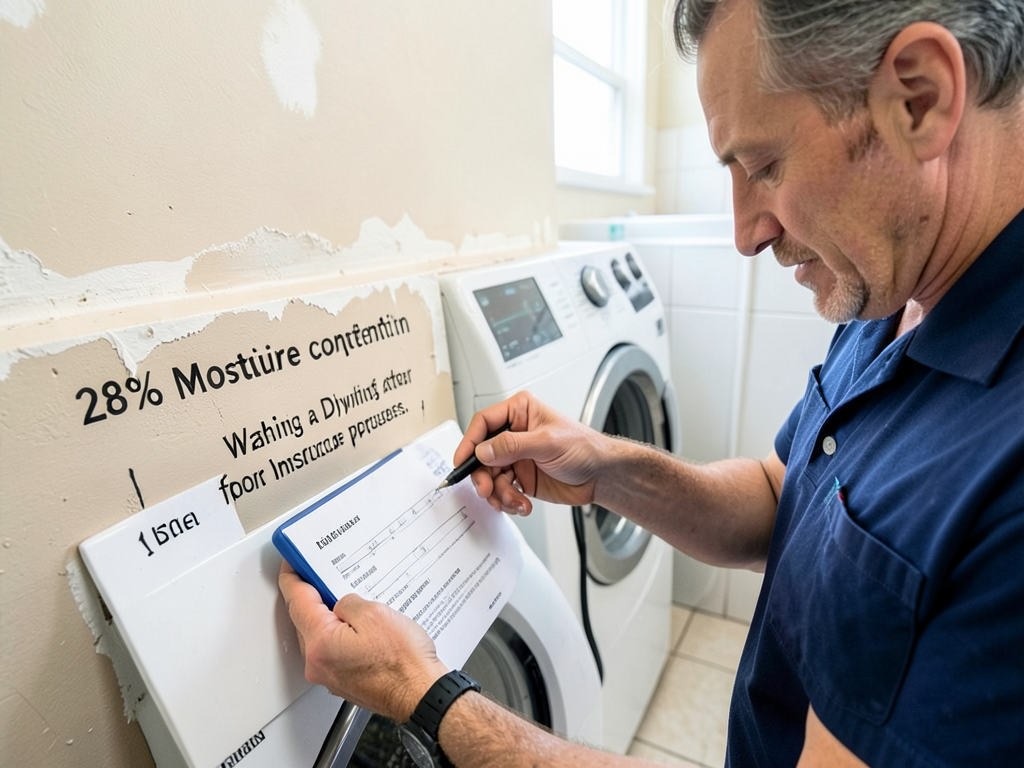
Image description: Moisture meter reading showing 28% moisture content in drywall after a washing machine overflow. Technician documents readings for insurance purposes in a Riverside laundry room.
Health risks and safety concerns by water category
Category 1 clean water poses minimal immediate health risks but creates perfect mold conditions. Riverside’s humidity levels between 40-60% allow mold spores to germinate within 24-48 hours. Even clean water requires prompt removal to prevent structural damage and mold growth that affects indoor air quality.
Category 2 gray water contains microorganisms that cause skin irritation and allergic reactions. Direct contact may cause rashes or gastrointestinal illness. Gray water sitting for more than 48 hours develops bacteria levels requiring professional remediation. Riverside’s warm temperatures accelerate bacterial growth in gray water compared to cooler climates.. Read more about Professional flood recovery for retail shops and stores in Canyon Springs.
Category 3 black water contains pathogens causing serious diseases including hepatitis, salmonella, and E. coli infections. This water requires full personal protective equipment including respirators, gloves, and chemical-resistant suits. Black water contamination spreads through cross-contamination, requiring containment barriers and specialized cleaning procedures. EPA mold guidelines.
Mold growth represents the biggest long-term health risk from any water damage. Riverside’s combination of heat and occasional humidity creates ideal mold conditions. Stachybotrys chartarum (black mold) grows on wet drywall within 72 hours. Mold exposure causes respiratory issues, especially in children, elderly, and those with compromised immune systems.
Insurance coverage differences by water category
Insurance policies treat water damage categories differently. Sudden pipe bursts causing Category 1 damage typically receive full coverage. Gradual leaks causing long-term damage often get denied as maintenance issues. Understanding your policy’s language helps determine coverage before filing claims.
Category 2 gray water damage from appliance failures usually receives coverage if sudden and accidental. Washing machine overflows or dishwasher leaks qualify if properly documented. However, repeated appliance failures may indicate maintenance issues that insurers exclude. Riverside homeowners should document appliance age and maintenance history.
Category 3 black water damage requires specific coverage. Standard policies exclude sewage backups unless you purchase additional riders. Riverside’s combined sewer system in older areas increases black water backup risks during heavy rains. Without proper coverage, black water cleanup costs thousands in professional remediation.
Flood damage from external sources requires separate National Flood Insurance Program policies. Riverside homes near the Santa Ana River or in designated flood zones need this coverage. Standard homeowners insurance excludes rising water from rivers, storm surges, or heavy rainfall accumulation.
Professional restoration process by water category
Category 1 clean water restoration focuses on rapid water removal and drying. Technicians extract standing water using truck-mounted vacuums. Air movers create airflow across wet surfaces. Dehumidifiers remove moisture from the air. Drying typically completes in 24-72 hours depending on Class and material types.
Category 2 gray water restoration adds decontamination steps. Technicians apply antimicrobial treatments to affected areas. Porous materials like carpet padding often require removal and replacement. Air quality testing ensures no harmful bacteria remain. Gray water restoration takes 3-5 days with additional cleaning steps.
Category 3 black water restoration requires full containment and demolition. Technicians establish negative air pressure to prevent cross-contamination. All porous materials including drywall, carpet, and insulation require removal. Structural framing gets antimicrobial treatment. Black water restoration takes 5-10 days with extensive demolition and reconstruction.
Throughout all categories, moisture monitoring guides the restoration timeline. Technicians use moisture meters to track drying progress. Thermal imaging cameras detect hidden moisture in walls and under floors. Riverside’s hard water deposits sometimes interfere with moisture meter readings, requiring multiple testing methods.
Emergency steps for Riverside homeowners
When water floods your home, safety comes first. Turn off electricity at the main panel if water contacts outlets or appliances. Riverside homes built before 1970 may have ungrounded wiring that poses electrocution risks in wet conditions. Never enter standing water without knowing the source.
Stop the water source if possible. Know your home’s main water shut-off valve location. Most Riverside homes have the valve near the front hose bib or in the garage. Turn the valve clockwise to stop water flow. If you cannot locate the valve, call a plumber immediately.
Document damage for insurance purposes. Take photos and videos before cleanup begins. Document the water source and affected areas. Riverside’s insurance companies often require professional documentation for Category 3 claims. Keep all receipts for emergency services and temporary housing if needed.
Start the drying process immediately. Remove standing water using wet vacuums or mops. Open windows for ventilation if humidity allows. Move wet items to dry areas. Riverside’s summer heat helps evaporation but also promotes mold growth, so balance ventilation with temperature control.
Preventing future water damage in Riverside homes
Regular plumbing inspections prevent sudden pipe failures. Riverside’s hard water causes scale buildup that narrows pipe diameters. Have a plumber inspect exposed pipes annually, especially in homes over 20 years old. Replace galvanized steel pipes before they fail catastrophically.
Maintain your roof to prevent wind-driven rain damage. Santa Ana winds reach 60+ mph in Riverside, tearing off loose shingles. Schedule annual roof inspections before fall wind season. Replace damaged shingles and ensure flashing around chimneys and vents remains sealed.
Install water detection devices near high-risk areas. Place sensors under washing machines, water heaters, and under sinks. Modern detectors send smartphone alerts when moisture appears. Riverside’s slab foundations make early leak detection critical since you cannot see under-floor leaks until damage appears.
Know your flood risk based on location. Riverside homes near the Santa Ana River or in low-lying areas face seasonal flooding risks. Check FEMA flood maps and consider flood insurance even if not in high-risk zones. A single flood event can cause tens of thousands in damage.
Comparison of water damage categories and classes
| Category | Source | Health Risk | Typical Response Time | Professional Equipment Needed |
|---|---|---|---|---|
| Category 1 | Clean supply water | Low | Within 48 hours | Wet vacuums, air movers |
| Category 2 | Gray water (appliances) | Moderate | Within 24 hours | Antimicrobial treatment |
| Category 3 | Black water (sewage) | High | Immediately | Full PPE, containment |
Comparison of water damage classes
| Class | Materials Affected | Evaporation Rate | Drying Time | Equipment Required |
|---|---|---|---|---|
| Class 1 | Low porosity (concrete) | Slowest | 24-48 hours | Air movers, dehumidifiers |
| Class 2 | Whole room (carpet) | Moderate | 3-5 days | Commercial air movers |
| Class 3 | Saturated materials | Fastest | 5-7 days | Dehumidifiers, air scrubbers |
| Class 4 | Specialty materials | Very slow | 7+ days | Low-grain dehumidifiers |
Frequently Asked Questions
How can I tell if water damage is clean or black water?
Clean water is clear and odorless, coming from supply lines or rain. Black water is dark, may have sewage odor, and often contains visible debris. When in doubt, treat all flood water as contaminated and call professionals. Riverside’s warm climate makes all water potentially hazardous after 48 hours.
How long before mold starts growing after water damage?
Mold begins growing within 24-48 hours in Riverside’s warm climate. Category 1 clean water becomes Category 2 gray water within 48 hours as bacteria multiply. Category 3 black water requires immediate professional removal. The sooner you start drying, the less likely you’ll face mold problems.
Does homeowners insurance cover all types of water damage?
No. Standard policies cover sudden pipe bursts (Category 1) but often exclude gradual leaks and flood damage. Sewage backups (Category 3) require additional coverage. Riverside homeowners should review policies annually and consider flood insurance if near the Santa Ana River or in low-lying areas.
Can I clean up water damage myself?
Category 1 clean water damage under 10 square feet might be DIY if addressed within 24 hours. However, all Category 2 and 3 damage requires professional remediation. Riverside’s climate accelerates contamination, making DIY cleanup risky for your health and potentially voiding insurance coverage.
How much does professional water damage restoration cost?
Costs vary by category and class. Category 1 Class 1 damage might cost $500-1,500. Category 3 Class 3 damage can exceed $10,000 with demolition and reconstruction. Riverside restoration companies provide free inspections and insurance billing assistance to help manage costs.
Image description: Moisture mapping of a Riverside home showing affected areas in red (high moisture), yellow (moderate), and green (dry). Demonstrates how water spreads beyond visible damage.
Call for immediate water damage help
Water damage doesn’t wait, and neither should you. Every hour increases contamination risks and restoration costs. Whether you’re dealing with clean water from a burst pipe or black water from a sewage backup, professional help makes the difference between quick recovery and long-term problems.
Riverside’s climate creates unique challenges for water damage restoration. Our team understands local building codes, insurance requirements, and the specific risks facing Inland Empire homes. We respond 24/7 with the equipment and expertise to handle any water damage category or class.
Don’t let water damage compromise your home’s safety and value. Call (951) 309-5499 now for emergency water damage restoration in Riverside and surrounding areas. Our certified technicians arrive within 60 minutes to assess damage, stop contamination spread, and begin the restoration process immediately.
Quick action prevents mold growth, structural damage, and health hazards. Call (951) 309-5499 today to schedule your inspection and protect your home from escalating water damage costs. We work directly with your insurance company to ensure proper documentation and maximum coverage for your claim.
- Ensure Safety First
Turn off electricity if water contacts outlets. Riverside homes may have ungrounded wiring posing electrocution risks.
- Stop the Water Source
Locate and turn off the main water valve. Most Riverside homes have valves near front hose bibs or in garages.
- Document Everything
Take photos and videos before cleanup. Riverside insurance companies require professional documentation for Category 3 claims.
- Start Drying Process
Remove standing water and ventilate. Riverside’s heat helps evaporation but also promotes mold growth within 48 hours.
- Call Professionals
Category 2 and 3 damage require immediate professional help. Call (951) 309-5499 for 24/7 emergency response in Riverside.
You may also find this helpful. Removing the damp and musty smells after a major Riverside flood.
{
“@context”: “https://schema.org”,
“@type”: “BlogPosting”,
“headline”: “The difference between clean water and black water floods in your home”,
“description”: “Learn the critical differences between clean water and black water floods in Riverside homes. Understand health risks, IICRC categories, and when to call emergency restoration.”,
“wordCount”: 2484,
“datePublished”: “2026-04-02T08:23:00.000Z”,
“dateModified”: “2026-04-02T08:23:00.000Z”,
“inLanguage”: “en-US”,
“mainEntityOfPage”: {
“@type”: “WebPage”,
“@id”: “https://libertywaterdamagerestorationriverside.com”
},
“publisher”: {
“@type”: “LocalBusiness”,
“name”: “Liberty Water Damage Restoration Riverside”,
“url”: “https://libertywaterdamagerestorationriverside.com”
},
“author”: {
“@type”: “Organization”,
“name”: “Liberty Water Damage Restoration Riverside”,
“url”: “https://libertywaterdamagerestorationriverside.com”
},
“image”: {
“@type”: “ImageObject”,
“url”: “https://libertywaterdamagerestorationriverside.com/wp-content/uploads/2026/03/the-difference-between-clean-water-and-black-water-1.png”
}
}
{
“@context”: “https://schema.org”,
“@type”: “LocalBusiness”,
“name”: “Liberty Water Damage Restoration Riverside”,
“url”: “https://libertywaterdamagerestorationriverside.com”,
“address”: {
“@type”: “PostalAddress”,
“addressLocality”: “Riverside”
},
“areaServed”: {
“@type”: “City”,
“name”: “Riverside”
}
}
{
“@context”: “https://schema.org”,
“@type”: “FAQPage”,
“mainEntity”: [
{
“@type”: “Question”,
“name”: “How can I tell if water damage is clean or black water?”,
“acceptedAnswer”: {
“@type”: “Answer”,
“text”: “Clean water is clear and odorless, coming from supply lines or rain. Black water is dark, may have sewage odor, and often contains visible debris. When in doubt, treat all flood water as contaminated and call professionals. Riverside’s warm climate makes all water potentially hazardous after 48 hours.”
}
},
{
“@type”: “Question”,
“name”: “How long before mold starts growing after water damage?”,
“acceptedAnswer”: {
“@type”: “Answer”,
“text”: “Mold begins growing within 24-48 hours in Riverside’s warm climate. Category 1 clean water becomes Category 2 gray water within 48 hours as bacteria multiply. Category 3 black water requires immediate professional removal. The sooner you start drying, the less likely you’ll face mold problems.”
}
},
{
“@type”: “Question”,
“name”: “Does homeowners insurance cover all types of water damage?”,
“acceptedAnswer”: {
“@type”: “Answer”,
“text”: “No. Standard policies cover sudden pipe bursts (Category 1) but often exclude gradual leaks and flood damage. Sewage backups (Category 3) require additional coverage. Riverside homeowners should review policies annually and consider flood insurance if near the Santa Ana River or in low-lying areas.”
}
},
{
“@type”: “Question”,
“name”: “Can I clean up water damage myself?”,
“acceptedAnswer”: {
“@type”: “Answer”,
“text”: “Category 1 clean water damage under 10 square feet might be DIY if addressed within 24 hours. However, all Category 2 and 3 damage requires professional remediation. Riverside’s climate accelerates contamination, making DIY cleanup risky for your health and potentially voiding insurance coverage.”
}
},
{
“@type”: “Question”,
“name”: “How much does professional water damage restoration cost?”,
“acceptedAnswer”: {
“@type”: “Answer”,
“text”: “Costs vary by category and class. Category 1 Class 1 damage might cost $500-1,500. Category 3 Class 3 damage can exceed $10,000 with demolition and reconstruction. Riverside restoration companies provide free inspections and insurance billing assistance to help manage costs.”
}
}
]
}
{
“@context”: “https://schema.org”,
“@type”: “HowTo”,
“name”: “Emergency Water Damage Steps”,
“step”: [
{
“@type”: “HowToStep”,
“position”: 1,
“name”: “Ensure Safety First”,
“text”: “Turn off electricity if water contacts outlets. Riverside homes may have ungrounded wiring posing electrocution risks.”
},
{
“@type”: “HowToStep”,
“position”: 2,
“name”: “Stop the Water Source”,
“text”: “Locate and turn off the main water valve. Most Riverside homes have valves near front hose bibs or in garages.”
},
{
“@type”: “HowToStep”,
“position”: 3,
“name”: “Document Everything”,
“text”: “Take photos and videos before cleanup. Riverside insurance companies require professional documentation for Category 3 claims.”
},
{
“@type”: “HowToStep”,
“position”: 4,
“name”: “Start Drying Process”,
“text”: “Remove standing water and ventilate. Riverside’s heat helps evaporation but also promotes mold growth within 48 hours.”
},
{
“@type”: “HowToStep”,
“position”: 5,
“name”: “Call Professionals”,
“text”: “Category 2 and 3 damage require immediate professional help. Call (951) 309-5499 for 24/7 emergency response in Riverside.”
}
],
“image”: “https://libertywaterdamagerestorationriverside.com/wp-content/uploads/2026/03/the-difference-between-clean-water-and-black-water-1.png”
}
{
“@context”: “https://schema.org”,
“@type”: “BreadcrumbList”,
“itemListElement”: [
{
“@type”: “ListItem”,
“position”: 1,
“name”: “Home”,
“item”: “https://libertywaterdamagerestorationriverside.com”
},
{
“@type”: “ListItem”,
“position”: 2,
“name”: “Blog”,
“item”: “https://libertywaterdamagerestorationriverside.com/blog”
},
{
“@type”: “ListItem”,
“position”: 3,
“name”: “The difference between clean water and black water floods in your home”
}
]
}
{
“@context”: “https://schema.org”,
“@type”: “Service”,
“serviceType”: “Water Damage Restoration”,
“provider”: {
“@type”: “LocalBusiness”,
“name”: “Liberty Water Damage Restoration Riverside”,
“url”: “https://libertywaterdamagerestorationriverside.com”
},
“areaServed”: {
“@type”: “City”,
“name”: “Riverside”
},
“description”: “Learn the critical differences between clean water and black water floods in Riverside homes. Understand health risks, IICRC categories, and when to call emergency restoration.”
}