
The hidden dangers of secondary water damage and how to stop it in its tracks
Secondary water damage occurs when moisture lingers in your home after the initial flood or leak has been addressed. This hidden moisture creates the perfect environment for mold growth structural warping and costly repairs that many Riverside homeowners never see coming. Understanding this invisible threat is your first line of defense against long-term property damage. EPA mold information.
What is secondary water damage and why does it matter
Secondary water damage develops when humidity levels remain elevated after the visible water has been removed. Unlike primary damage from direct contact with water secondary damage happens through air moisture absorption. Materials like drywall wood and insulation act like sponges drawing moisture from the surrounding air and creating conditions for mold to thrive within 24 to 48 hours. Top-rated water damage repair and restoration in Corona.
The problem intensifies in Riverside due to our unique climate patterns. During Santa Ana wind events homes often experience rapid temperature swings that cause condensation on cool surfaces. When warm moist air meets cold windows or walls the moisture settles creating hidden pockets of dampness behind walls and under floors. What to do when a pipe bursts in your Riverside home.
Common signs of secondary water damage in Riverside homes
Recognizing secondary damage early can save thousands in repairs. Watch for these warning signs after any water incident in your home: Riverside water restoration teams that can be at your door in an hour.
- Musty odors that persist even after cleaning
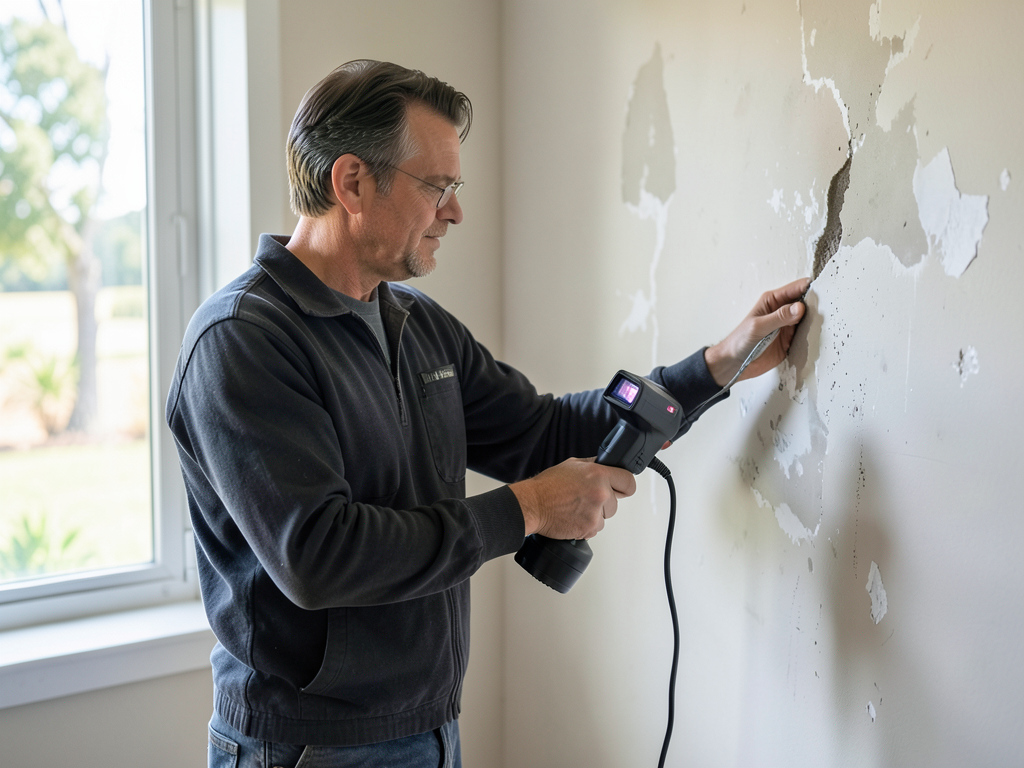
- Peeling paint or bubbling wallpaper
- Wood floors that cup or warp months after flooding
- Dark spots on ceilings or walls that appear gradually
- Increased allergy symptoms among family members
Many Riverside homeowners mistake these symptoms for aging or normal wear. The truth is these are clear indicators of ongoing moisture problems that require professional attention. Getting your Riverside water damage insurance claim approved.
The science behind moisture absorption and mold growth
Materials in your home fall into two categories when it comes to water damage. Non-porous surfaces like tile and sealed concrete resist moisture absorption. Porous materials like drywall wood and carpet readily absorb water vapor from the air. Hidden Moisture Detection.
According to the IICRC S500 Standard for Professional Water Damage Restoration ideal indoor relative humidity should stay between 30 and 50 percent. When humidity climbs above 60 percent for extended periods hygroscopic materials begin releasing moisture back into the air creating a dangerous cycle. IICRC S500 Standard.
Mold spores exist everywhere waiting for the right conditions to grow. The combination of moisture organic material and temperatures between 77 and 86 degrees creates perfect mold breeding grounds. In Riverside’s warm climate this temperature range is often exceeded making moisture control even more critical.
How Riverside’s climate accelerates secondary damage
Riverside’s Mediterranean climate creates unique challenges for water damage prevention. Our hot dry summers followed by occasional heavy winter rains cause materials to expand and contract repeatedly. This thermal cycling weakens building materials making them more susceptible to moisture intrusion.
During monsoon season humidity levels can spike above 70 percent even when outdoor temperatures remain high. This combination overwhelms standard dehumidification systems in many homes. The Santa Ana winds that sweep through the Inland Empire can also carry moisture-laden air from the coast creating unexpected humidity problems.. Read more about What to expect during the first 24 hours of water damage restoration.
Local building practices compound these issues. Many Riverside homes built in the 1970s and 1980s used materials and construction methods that don’t meet today’s moisture control standards. Without proper vapor barriers and adequate ventilation these homes are particularly vulnerable to secondary damage.
Professional moisture detection techniques we use
At Liberty Water Damage Restoration we employ advanced diagnostic tools to identify hidden moisture problems. Our thermal imaging cameras detect temperature variations that indicate moisture behind walls and under floors. These infrared scans reveal problem areas that would remain invisible to the naked eye.
We use penetrating moisture meters to measure moisture content deep within materials. A reading above 16 percent in wood or 20 percent in drywall indicates active moisture problems requiring intervention. Our hygrometers track relative humidity and dew point to understand the complete moisture picture in your home.
The process begins with a comprehensive inspection using these tools to map moisture levels throughout your property. We then create a targeted drying plan that addresses both visible and hidden moisture sources.
Effective drying strategies that prevent secondary damage
Professional water damage restoration relies on three key principles: air movement dehumidification and temperature control. Industrial air movers create high-velocity airflow that accelerates evaporation from wet surfaces. This process can remove up to 30 times more moisture than natural air circulation.. Read more about Protecting your Hunter Industrial Park warehouse from roof leak damage.
Low Grain Refrigerant (LGR) dehumidifiers work alongside air movers to capture the moisture vapor from the air. These commercial-grade units can remove 20 to 40 gallons of water per day compared to household dehumidifiers that handle only a few pints. The combination of rapid air movement and powerful dehumidification creates conditions where secondary damage cannot occur.
Temperature control plays a crucial role in the drying process. Warmer air holds more moisture allowing our equipment to extract water more efficiently. We carefully monitor and adjust temperatures to optimize drying without causing additional damage to building materials.
Insurance implications of secondary water damage
Secondary water damage often falls into a gray area with insurance coverage. Most policies cover sudden accidental water damage but exclude damage from gradual leaks or poor maintenance. This distinction becomes critical when dealing with secondary issues that develop weeks or months after the initial incident.. Read more about Dealing with a slow bathroom leak in your Arlanza home before it ruins the floor.
Insurance companies look for evidence of negligence when evaluating claims. If you fail to properly dry your property after a water event and mold develops later you may be denied coverage for the resulting damage. The key is documenting your response to the initial incident and taking reasonable steps to prevent secondary problems.
Professional water damage restoration companies provide detailed documentation of moisture levels drying progress and final conditions. This documentation becomes crucial evidence if you need to file an insurance claim for secondary damage that develops later.
DIY drying mistakes that worsen secondary damage
Many homeowners believe they can handle water damage with fans and household dehumidifiers. This approach often creates more problems than it solves. Standard fans lack the velocity needed to effectively move moisture from deep within materials. Household dehumidifiers simply cannot keep pace with the moisture load in a water-damaged space.
Another common mistake is stopping the drying process too early. Materials may feel dry to the touch while retaining significant moisture in their core. Without professional moisture meters you cannot verify when materials have reached safe drying levels.
Opening windows during high humidity conditions introduces more moisture rather than removing it. This practice can actually extend drying times and increase the risk of secondary damage. Professional restorers use outdoor humidity readings to determine when this approach might help versus when it would harm the drying process.
Preventing secondary damage in Riverside’s unique environment
Prevention starts with understanding your home’s vulnerabilities. Homes in Canyon Crest and Orangecrest often have slab foundations that can develop hidden moisture problems. The expansive clay soils common in Riverside County cause foundations to shift creating cracks where moisture can enter.
Regular HVAC maintenance prevents condensate line failures that cause secondary damage. These small leaks often go unnoticed until mold appears or materials begin to warp. Installing humidity monitors in problem areas like basements and crawl spaces provides early warning of developing moisture issues.
Proper landscaping directs water away from your foundation. Many Riverside homes experience secondary damage from irrigation systems that overwater or direct spray toward the house. Maintaining proper grading and using moisture sensors for irrigation can prevent these hidden moisture sources.
When to call a professional for secondary damage assessment
Certain situations demand immediate professional attention. If you notice musty odors within 48 hours of a water event you likely have active mold growth requiring professional remediation. Visible mold on more than a ten square foot area indicates a significant moisture problem that DIY approaches cannot address safely.
Structural concerns like sagging ceilings warped floors or cracking drywall suggest extensive moisture damage affecting your home’s integrity. These conditions pose safety risks and require professional assessment to determine the full extent of damage and necessary repairs.
Health concerns provide another critical indicator. If family members experience increased respiratory issues headaches or allergic reactions after water damage you may have hidden mold growth producing airborne contaminants. Professional testing can identify these hazards and guide appropriate remediation.
Protecting your investment through proactive moisture management
Your home represents your largest financial investment. Secondary water damage can reduce property values by 10 to 30 percent through structural deterioration and mold contamination. Taking proactive steps to manage moisture protects both your family’s health and your financial future.
Regular professional inspections identify developing moisture problems before they cause significant damage. These inspections use the same diagnostic tools employed during restoration to detect hidden moisture sources. Early intervention costs far less than repairing extensive secondary damage.
Understanding the relationship between water damage and secondary effects empowers you to make informed decisions about your property. Knowledge combined with professional expertise provides the best protection against the hidden dangers of secondary water damage.
Call (951) 309-5499 today to schedule your moisture assessment and protect your Riverside home from hidden water damage.
Frequently Asked Questions
How long does it take for secondary water damage to appear?
Secondary water damage can begin within 24 to 48 hours after the initial water event. Mold can start germinating in this timeframe while materials like wood and drywall begin absorbing moisture from elevated humidity levels. The damage often becomes visible within days to weeks depending on temperature and humidity conditions.
Can I prevent secondary water damage with fans and dehumidifiers?
Household fans and dehumidifiers have limited effectiveness against secondary water damage. Professional restoration uses industrial air movers and LGR dehumidifiers that remove moisture 20 to 40 times faster than consumer equipment. Without proper equipment and moisture monitoring you cannot verify when materials have reached safe drying levels.
Does homeowners insurance cover secondary water damage?
Coverage varies by policy and circumstances. Most policies cover sudden accidental damage but exclude gradual damage from poor maintenance. If secondary damage results from failing to properly address initial water damage you may be denied coverage. Professional documentation of your response to the initial incident strengthens your claim position.
What humidity level prevents secondary water damage?
Maintain indoor relative humidity between 30 and 50 percent to prevent secondary water damage. Levels above 60 percent allow hygroscopic materials to absorb moisture from the air creating conditions for mold growth and material deterioration. Use hygrometers to monitor humidity and address sources of excess moisture promptly.
How do I know if I have hidden moisture in my walls?
Hidden moisture reveals itself through musty odors peeling paint bubbling wallpaper and gradually appearing dark spots on walls or ceilings. Professional thermal imaging and moisture meters can detect moisture behind walls without destructive testing. If you notice these signs after any water event professional assessment is recommended.
You may also find this helpful. Why wet insulation needs to be replaced after a Riverside house flood.
{
“@context”: “https://schema.org”,
“@type”: “BlogPosting”,
“headline”: “The hidden dangers of secondary water damage and how to stop it in its tracks”,
“description”: “Learn how hidden moisture after flooding can cause mold, rot, and structural damage in Riverside homes. Discover professional drying techniques and prevention tips.”,
“wordCount”: 1852,
“datePublished”: “2026-03-22T08:15:00.000Z”,
“dateModified”: “2026-03-22T08:15:00.000Z”,
“inLanguage”: “en-US”,
“mainEntityOfPage”: {
“@type”: “WebPage”,
“@id”: “https://libertywaterdamagerestorationriverside.com”
},
“publisher”: {
“@type”: “LocalBusiness”,
“name”: “Liberty Water Damage Restoration Riverside”,
“url”: “https://libertywaterdamagerestorationriverside.com”
},
“author”: {
“@type”: “Organization”,
“name”: “Liberty Water Damage Restoration Riverside”,
“url”: “https://libertywaterdamagerestorationriverside.com”
},
“image”: {
“@type”: “ImageObject”,
“url”: “https://libertywaterdamagerestorationriverside.com/wp-content/uploads/2026/03/the-hidden-dangers-of-secondary-water-damage-and-h-1.png”
}
}
{
“@context”: “https://schema.org”,
“@type”: “LocalBusiness”,
“name”: “Liberty Water Damage Restoration Riverside”,
“url”: “https://libertywaterdamagerestorationriverside.com”,
“address”: {
“@type”: “PostalAddress”,
“addressLocality”: “Riverside”
},
“areaServed”: {
“@type”: “City”,
“name”: “Riverside”
}
}
{
“@context”: “https://schema.org”,
“@type”: “FAQPage”,
“mainEntity”: [
{
“@type”: “Question”,
“name”: “How long does it take for secondary water damage to appear?”,
“acceptedAnswer”: {
“@type”: “Answer”,
“text”: “Secondary water damage can begin within 24 to 48 hours after the initial water event. Mold can start germinating in this timeframe while materials like wood and drywall begin absorbing moisture from elevated humidity levels. The damage often becomes visible within days to weeks depending on temperature and humidity conditions.”
}
},
{
“@type”: “Question”,
“name”: “Can I prevent secondary water damage with fans and dehumidifiers?”,
“acceptedAnswer”: {
“@type”: “Answer”,
“text”: “Household fans and dehumidifiers have limited effectiveness against secondary water damage. Professional restoration uses industrial air movers and LGR dehumidifiers that remove moisture 20 to 40 times faster than consumer equipment. Without proper equipment and moisture monitoring you cannot verify when materials have reached safe drying levels.”
}
},
{
“@type”: “Question”,
“name”: “Does homeowners insurance cover secondary water damage?”,
“acceptedAnswer”: {
“@type”: “Answer”,
“text”: “Coverage varies by policy and circumstances. Most policies cover sudden accidental damage but exclude gradual damage from poor maintenance. If secondary damage results from failing to properly address initial water damage you may be denied coverage. Professional documentation of your response to the initial incident strengthens your claim position.”
}
},
{
“@type”: “Question”,
“name”: “What humidity level prevents secondary water damage?”,
“acceptedAnswer”: {
“@type”: “Answer”,
“text”: “Maintain indoor relative humidity between 30 and 50 percent to prevent secondary water damage. Levels above 60 percent allow hygroscopic materials to absorb moisture from the air creating conditions for mold growth and material deterioration. Use hygrometers to monitor humidity and address sources of excess moisture promptly.”
}
},
{
“@type”: “Question”,
“name”: “How do I know if I have hidden moisture in my walls?”,
“acceptedAnswer”: {
“@type”: “Answer”,
“text”: “Hidden moisture reveals itself through musty odors peeling paint bubbling wallpaper and gradually appearing dark spots on walls or ceilings. Professional thermal imaging and moisture meters can detect moisture behind walls without destructive testing. If you notice these signs after any water event professional assessment is recommended.”
}
}
]
}
{
“@context”: “https://schema.org”,
“@type”: “BreadcrumbList”,
“itemListElement”: [
{
“@type”: “ListItem”,
“position”: 1,
“name”: “Home”,
“item”: “https://libertywaterdamagerestorationriverside.com”
},
{
“@type”: “ListItem”,
“position”: 2,
“name”: “Blog”,
“item”: “https://libertywaterdamagerestorationriverside.com/blog”
},
{
“@type”: “ListItem”,
“position”: 3,
“name”: “The hidden dangers of secondary water damage and how to stop it in its tracks”
}
]
}
{
“@context”: “https://schema.org”,
“@type”: “Service”,
“serviceType”: “Water Damage Restoration”,
“provider”: {
“@type”: “LocalBusiness”,
“name”: “Liberty Water Damage Restoration Riverside”,
“url”: “https://libertywaterdamagerestorationriverside.com”
},
“areaServed”: {
“@type”: “City”,
“name”: “Riverside”
},
“description”: “Learn how hidden moisture after flooding can cause mold, rot, and structural damage in Riverside homes. Discover professional drying techniques and prevention tips.”
}