menu

Signs of Hidden Mold in Riverside – Expert Detection Before Health Problems Start

Liberty Water Damage Restoration Riverside uses thermal imaging and moisture mapping to find symptoms of concealed mold in walls, crawl spaces, and HVAC systems before respiratory issues develop in your family.

Slider Image 1
Slider Image 2
Slider Image 3
Slider Image 4
Slider Image 5
Slider Image 7
Slider Image 8
Slider Image 9
Slider Image 10
Slider Image 11

Why Mold Hides So Easily in Riverside Homes

Riverside sits at the intersection of high heat and fluctuating humidity. Summer temperatures push past 100 degrees while overnight cooling creates condensation inside wall cavities. This thermal cycling gives mold the moisture it needs to colonize without breaking through drywall.

Most homeowners search for visible black spots or musty odors. Those are late-stage indicators of invisible mold. By the time you smell it, spore counts are already high enough to trigger allergic reactions.

The real problem starts earlier. Detecting hidden mold requires understanding where water vapor condenses in your specific home design. Riverside's stucco homes with single-pane windows trap humidity differently than mid-century ranch homes with slab foundations. Clay soil expansion during winter rains cracks foundation slabs, letting groundwater wick into baseboards and carpet padding.

You might notice allergy symptoms worsening at night or headaches that clear up when you leave the house. These are evidence of unseen mold releasing mycotoxins into your air supply. Children and elderly family members react first because their immune systems are more vulnerable.

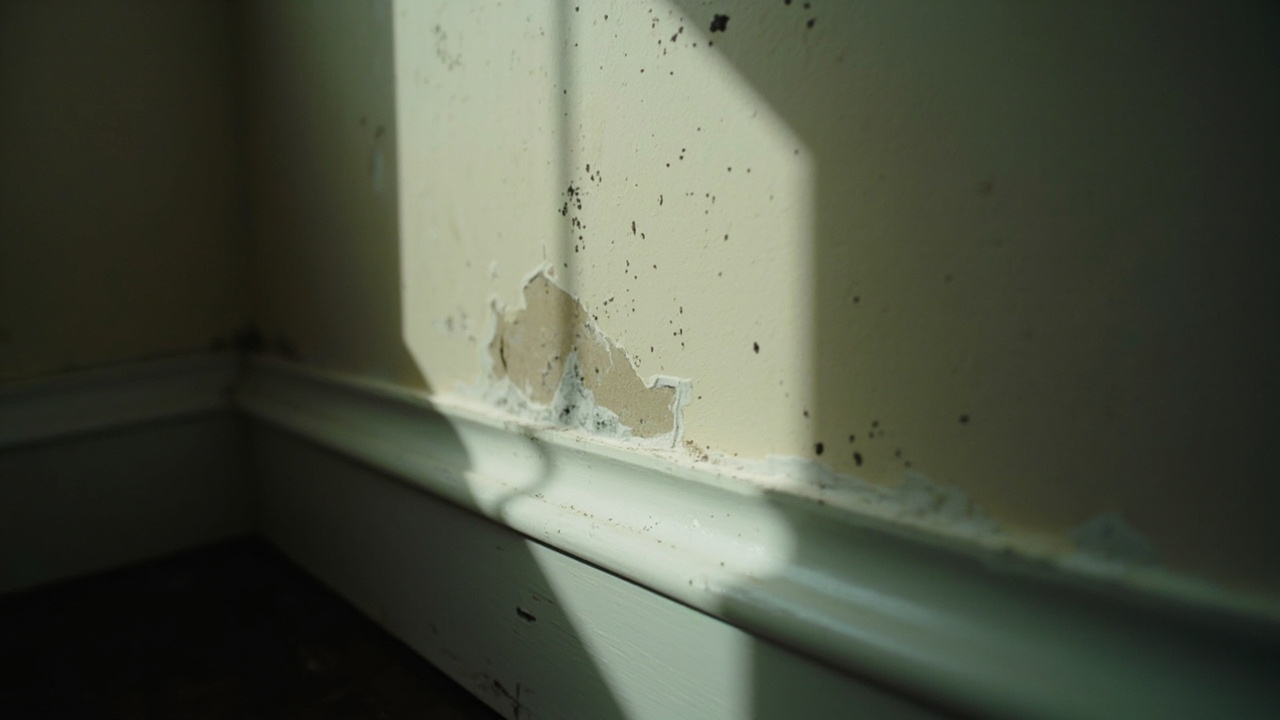
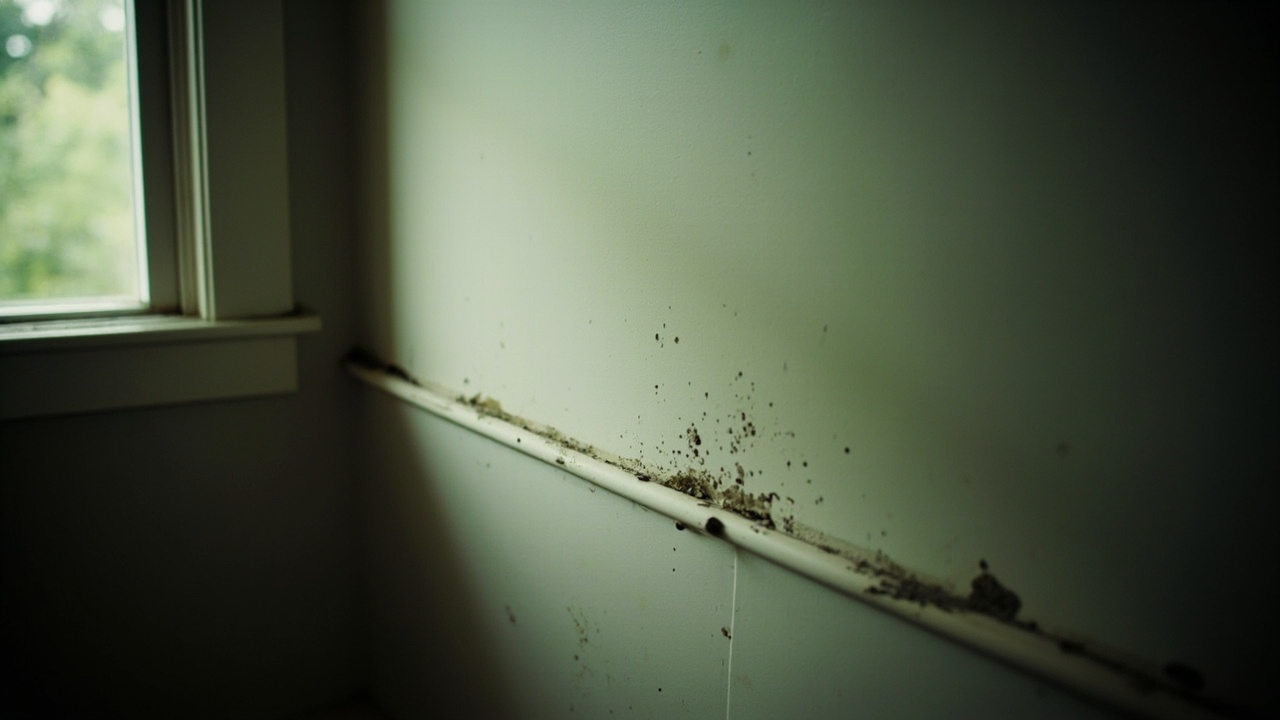
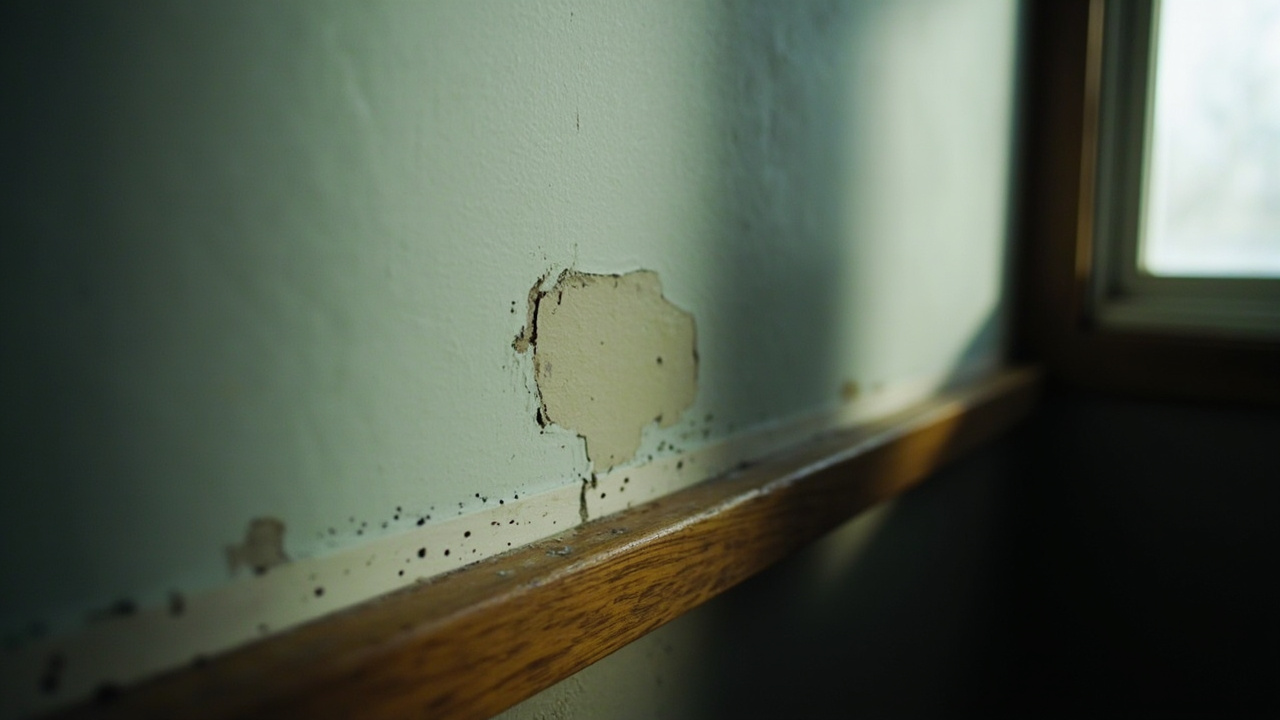
The signs of mold behind walls include peeling paint that feels soft to the touch, warped baseboards near exterior walls, or HVAC vents that blow stale air even after filter changes. Water stains on ceilings from old roof leaks create perfect growth zones in attic insulation. Riverside's dust storms coat surfaces and mask the visual symptoms of concealed mold until the problem becomes structural.

Why Mold Hides So Easily in Riverside Homes
How We Find Mold Other Companies Miss

How We Find Mold Other Companies Miss

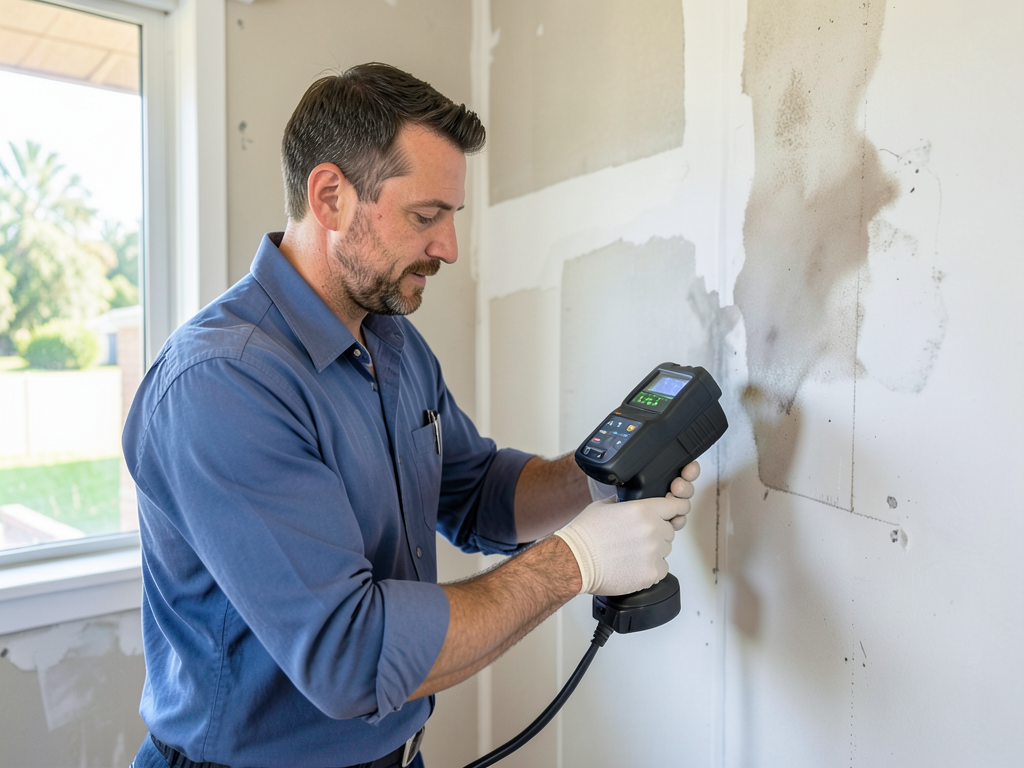
Surface inspections fail because mold grows in three dimensions. We use FLIR thermal imaging cameras to map temperature differentials across wall surfaces. Cold spots indicate moisture accumulation behind drywall. A two-degree temperature drop signals active evaporation from wet building materials.

Our moisture meters penetrate up to three-quarters of an inch into drywall and wood framing. Readings above 17 percent moisture content confirm conditions for mold growth. We document every measurement with photos and written reports for insurance claims.

Air sampling captures airborne spore concentrations in parts per cubic meter. We compare indoor readings against outdoor baseline samples. Elevated indoor counts prove colonization even when no visible growth appears. Lab analysis identifies specific mold species, distinguishing between common Cladosporium and toxic Stachybotrys chartarum.

Borescope cameras inspect inside wall cavities through quarter-inch holes drilled near baseboards. The fiber optic lens reveals hidden growth on the back side of drywall and insulation without demolition. This targeted approach prevents unnecessary wall removal and reduces restoration costs.

We pressure-test HVAC ductwork to find leaks that pull humid attic air into your living spaces. Condensation on cold supply ducts creates drip points that saturate insulation and drywall. Riverside homes built before 1990 often have uninsulated ducts in attics where summer temperatures exceed 140 degrees.

Our reports include moisture maps showing problem areas color-coded by severity. You get a written remediation protocol specifying which materials need removal versus treatment. This documentation satisfies insurance adjusters and proves the scope of work before demolition starts.

What Happens During a Hidden Mold Inspection

Signs of Hidden Mold in Riverside – Expert Detection Before Health Problems Start
01

Initial Assessment and Mapping

We walk your property with you to document health symptoms, water damage history, and areas of concern. Thermal imaging scans every exterior wall, ceiling, and floor to build a moisture map. We photograph temperature anomalies and mark wall cavities for moisture meter testing. This creates a baseline showing where hidden growth is most likely.
02

Sampling and Laboratory Analysis

Air samples collect spores from multiple rooms and outdoor control locations. Surface swabs test visible discoloration to identify species. We drill access holes for borescope inspection when thermal scans show suspicious cold zones. Samples ship to an accredited microbiology lab for spore identification and concentration analysis. Results return within 48 hours with written recommendations.
03

Remediation Protocol and Documentation

You receive a written report with lab results, moisture readings, and thermal images. We outline which materials require removal and which areas need antimicrobial treatment. The protocol includes containment procedures to prevent cross-contamination during remediation. This documentation satisfies insurance requirements and provides a clear scope of work before any demolition begins.

Why Riverside Homeowners Choose Liberty Water Damage Restoration

Riverside's building stock spans seven decades of construction methods. We understand how post-war tract homes with redwood framing behave differently than 1980s homes with engineered lumber. This knowledge determines where moisture accumulates and how aggressively mold spreads.

Local humidity patterns create specific risk zones. Homes near the Santa Ana River corridor experience higher overnight condensation than properties in the La Sierra Hills. We adjust inspection protocols based on your neighborhood's microclimate and typical home construction.

Our technicians hold IICRC certifications in water damage restoration and applied microbial remediation. We follow EPA and California Department of Public Health protocols for containment and disposal. This protects your family during remediation and satisfies insurance compliance requirements.

We work directly with your insurance adjuster to document pre-existing conditions versus new damage. Riverside's older homes often have multiple water events layered over years. Our reports separate current mold growth from historic staining, preventing claim denials based on maintenance exclusions.

Equipment matters when finding hidden problems. Our FLIR cameras detect temperature differences down to 0.1 degrees Fahrenheit. Penetrating moisture meters measure wood framing behind tile and stucco without destructive testing. These tools find problems other companies miss because they rely only on visual inspection.

You get same-day scheduling for mold inspections. We understand the anxiety that comes with unexplained health symptoms or musty odors. Our reports include clear next steps, not just data dumps. You know exactly what needs fixing, what it will cost, and how long remediation takes before we start work.

What to Expect During Your Mold Inspection

Inspection Timeline and Availability

Most inspections take two to four hours depending on home size and complexity. We schedule appointments within 24 hours of your call, including weekends. You stay present during the entire process as we explain findings in real time. Thermal imaging and moisture testing happen room by room so you understand exactly where problems exist. Lab results return within two business days with a written remediation plan. Emergency inspections for active water damage or severe health symptoms get priority scheduling.

Comprehensive Testing Methodology

We collect air samples from living areas, bedrooms, and suspected problem zones. Surface samples test visible discoloration to identify species. Moisture meters penetrate drywall, wood framing, and concrete to measure water content. Thermal imaging scans identify temperature anomalies indicating hidden moisture. Borescope cameras inspect wall cavities through minimal access holes when thermal scans show cold spots. You receive photos of every test location with written documentation of findings. This comprehensive approach finds problems other inspectors miss by only looking at visible surfaces.

Detailed Reporting and Next Steps

Your report includes lab results identifying mold species and spore concentrations. Color-coded moisture maps show problem areas by severity level. We provide a written remediation protocol specifying which materials need removal versus antimicrobial treatment. Cost estimates break down by room and scope of work. The report satisfies insurance documentation requirements and includes photos proving the extent of contamination. You get clear recommendations on whether remediation is urgent or can be scheduled within normal timeframes based on spore counts and species toxicity.

Post-Remediation Verification Testing

After remediation completes, we perform clearance testing to confirm spore counts return to normal levels. Air samples compare treated areas against outdoor baseline readings. Visual inspection with thermal imaging verifies moisture sources are eliminated. You receive a clearance certificate proving the remediation was successful. This documentation is required for insurance claim closure and protects you if health symptoms persist. We provide recommendations for preventing future mold growth through improved ventilation, dehumidification, or moisture barrier upgrades specific to Riverside's climate.

Frequently Asked Questions

You Have Questions,
We Have Answers

How do I tell if my house has hidden mold? +

Look for musty odors, discoloration on walls or ceilings, and warping of baseboards or drywall. Riverside's dry climate can mask mold growth in HVAC systems, attics, and crawl spaces where humidity concentrates. Check behind appliances, under sinks, and around water heaters. Peeling wallpaper, bubbling paint, and condensation on windows signal moisture problems. If you notice increased allergy symptoms indoors or water stains without visible mold, hidden colonies may be growing. Professional moisture meters and thermal imaging cameras detect problems invisible to the naked eye. Schedule an inspection if you smell mold but cannot locate the source.

What are signs of mold sickness? +

Respiratory symptoms like persistent coughing, wheezing, and sinus congestion are common. You may experience headaches, fatigue, and difficulty concentrating. Skin rashes, itchy eyes, and throat irritation appear frequently. Some people develop nosebleeds or chronic sneezing. Symptoms often worsen indoors and improve when you leave the house. In Riverside homes, mold exposure from hidden water damage in air ducts can circulate spores throughout living spaces. Immune-compromised individuals may experience more severe reactions. If multiple household members develop unexplained respiratory issues simultaneously, hidden mold contamination is a likely cause requiring professional assessment.

Can mold make a baby cough? +

Yes. Babies are particularly vulnerable to mold exposure because their respiratory systems are still developing. Mold spores trigger coughing, wheezing, and respiratory distress in infants. In Riverside's older housing stock, hidden mold in walls or HVAC systems can circulate continuously through nurseries. Watch for persistent nighttime coughing, difficulty breathing, or increased congestion. Babies cannot communicate discomfort, so monitor for labored breathing or chest retractions. Black mold and other toxic species pose serious health risks to infants. If your baby develops unexplained respiratory symptoms at home that improve elsewhere, schedule a professional mold inspection immediately to protect their health.

Can mold cause twitching? +

Certain toxic molds produce mycotoxins that affect the nervous system. While less common, neurological symptoms like muscle twitching, tremors, and numbness can occur with prolonged exposure to species like Stachybotrys. These symptoms typically appear alongside respiratory issues and cognitive problems. Riverside homes with long-term water damage in walls or subfloors may harbor high mycotoxin levels. Twitching alone rarely indicates mold exposure, but combined with headaches, memory issues, or mood changes, hidden contamination becomes more likely. Consult a physician to rule out other causes. Professional mold testing identifies species and concentration levels to determine if remediation is necessary.

Can I test for mold in the air myself? +

Consumer-grade air quality monitors and DIY mold test kits provide limited information. These products can detect spore presence but cannot identify species, concentration levels, or source locations. Mold spores exist in all air samples, so results often cause unnecessary alarm. Riverside's wind patterns can introduce outdoor spores that skew readings. Professional mold inspectors use calibrated equipment, take multiple samples, and interpret results accurately. They identify moisture sources using thermal imaging and moisture meters. DIY testing wastes money if you need professional remediation anyway. If you suspect hidden mold, invest in a proper inspection rather than unreliable consumer products that provide incomplete data.

How do you get rid of mold that you can't see? +

Hidden mold requires professional remediation because you cannot access it safely. Technicians use moisture meters and thermal imaging to locate colonies behind walls, under flooring, or in ceiling cavities. They establish containment barriers and negative air pressure to prevent spore spread during removal. Affected materials like drywall, insulation, and subflooring get removed and replaced. HEPA filtration captures airborne spores. In Riverside, professionals address both the mold and underlying moisture sources like plumbing leaks or poor ventilation. Antimicrobial treatments prevent regrowth. Attempting DIY removal of hidden mold spreads contamination and exposes you to health risks. Professional remediation ensures complete elimination and prevents future problems.

How Riverside's Climate and Soil Create Hidden Mold Risks

Riverside's expansive clay soil swells during winter rains and shrinks during summer droughts. This cycling cracks slab foundations and creates gaps where groundwater enters. Homes in the Orangecrest and Wood Streets neighborhoods built on deeper clay deposits experience more foundation movement. The cracks allow soil moisture to wick into baseboards and carpet padding where mold colonizes unseen. Summer temperatures above 100 degrees drive residents to overcool homes, creating condensation on cold surfaces when humid outdoor air infiltrates through gaps. This seasonal pattern makes detecting hidden mold critical before spore counts reach levels that trigger respiratory problems.

Riverside's older housing stock in the Northside and Casa Blanca neighborhoods includes homes built before modern moisture barriers became standard practice. Stucco exteriors without proper weep screeds trap water against wood framing during rare but intense winter storms. Local building codes now require moisture testing before closing walls during renovations, but most homes predate these standards. Liberty Water Damage Restoration Riverside understands these construction vulnerabilities and targets inspections to high-risk areas. Our familiarity with local building methods and climate patterns means we find evidence of unseen mold that generic inspectors miss because they do not account for Riverside-specific risk factors.
Water Damage Restoration Services in The Riverside Area

We are dedicated to serving the entire Riverside area and its neighboring communities with fast and reliable water damage restoration services. Whether you’re a resident or a business owner, our team is ready to respond to your call. Use the map below to see our service area, or call us directly to confirm if we can dispatch a team to your location for an immediate emergency response.

Address:
Liberty Water Damage Restoration Riverside, 11801 Pierce St, Riverside, CA, 92505

Additional Services We Offer

Our news updates

Latest Articles & News from The Blogs

Why your ice maker line is a ticking time bomb for your kitchen floor Ice maker supply lines are one…

Why your ice maker line is a ticking time bomb for your kitchen floor

Why your ice maker line is a ticking time bomb for your kitchen floor Ice maker supply lines are one…

How to spot the signs of a chimney leak before it ruins your Riverside living room

How to spot the signs of a chimney leak before it ruins your Riverside living room Your chimney is more…

The most common plumbing mistakes Riverside DIYers make that lead to floods

The most common plumbing mistakes Riverside DIYers make that lead to floods DIY plumbing projects in Riverside often start with…

Contact Us

Do not wait for visible growth or worsening health symptoms. Call Liberty Water Damage Restoration Riverside at (951) 309-5499 for same-day inspection scheduling. We find the mold other companies miss and provide the documentation you need for insurance claims and peace of mind.