menu

Fire Sprinkler Water Cleanup in Riverside – 60-Minute Emergency Response, 24/7 Dispatch

When fire suppression systems discharge accidentally or burst, Liberty Water Damage Restoration Riverside arrives within the hour to extract standing water, prevent structural damage, and restore your property before ceiling collapse or electrical hazards escalate.

Slider Image 1
Slider Image 2
Slider Image 3
Slider Image 4
Slider Image 5
Slider Image 7
Slider Image 8
Slider Image 9
Slider Image 10
Slider Image 11

What Happens When a Fire Sprinkler Floods Your Property

A single fire sprinkler head discharges 15 to 100 gallons of water per minute. In a commercial building or residential complex near the Riverside Plaza or downtown lofts, that means thousands of gallons flooding offices, apartments, or retail spaces before the system shuts down. The panic is immediate. Water pours through ceilings, ruins electronics, saturates drywall, and pools on tile or carpet.

Riverside's inland heat compounds the problem. Temperatures regularly hit 95 degrees in summer, turning stagnant water into a breeding ground for mold within 24 to 48 hours. The humidity trapped inside sealed commercial buildings accelerates microbial growth. Wood framing in older buildings along Market Street or near the Mission Inn absorbs moisture fast, warping studs and compromising structural integrity.

Accidental sprinkler discharge cleanup is not a mop-and-bucket job. Fire suppression system water extraction requires truck-mounted vacuums, industrial dehumidifiers, and moisture meters to map hidden water pockets inside walls and subflooring. Burst fire sprinkler flood remediation means inspecting the system for faulty heads, corrosion, or pressure malfunctions before reactivating it. Emergency sprinkler water removal must happen immediately to prevent ceiling collapse, electrical shorts, and category-three contamination if the system sat dormant for years.

You need fire sprinkler water damage restoration that starts now, not tomorrow morning. Every hour water sits, the damage multiplies. Drywall softens, flooring buckles, and insurance adjusters document avoidable losses. Liberty Water Damage Restoration Riverside deploys within 60 minutes, extracts water on-site, and begins drying the same day.

What Happens When a Fire Sprinkler Floods Your Property
How We Stop Sprinkler Damage Before It Spreads

How We Stop Sprinkler Damage Before It Spreads

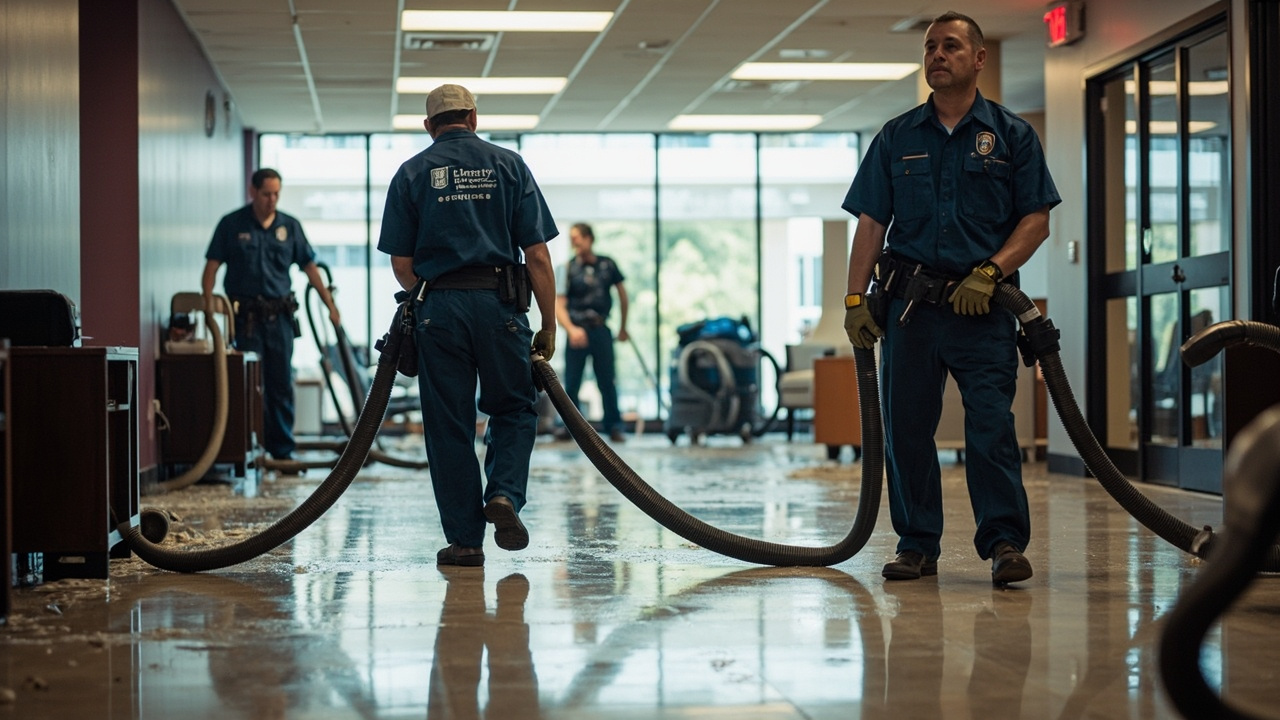
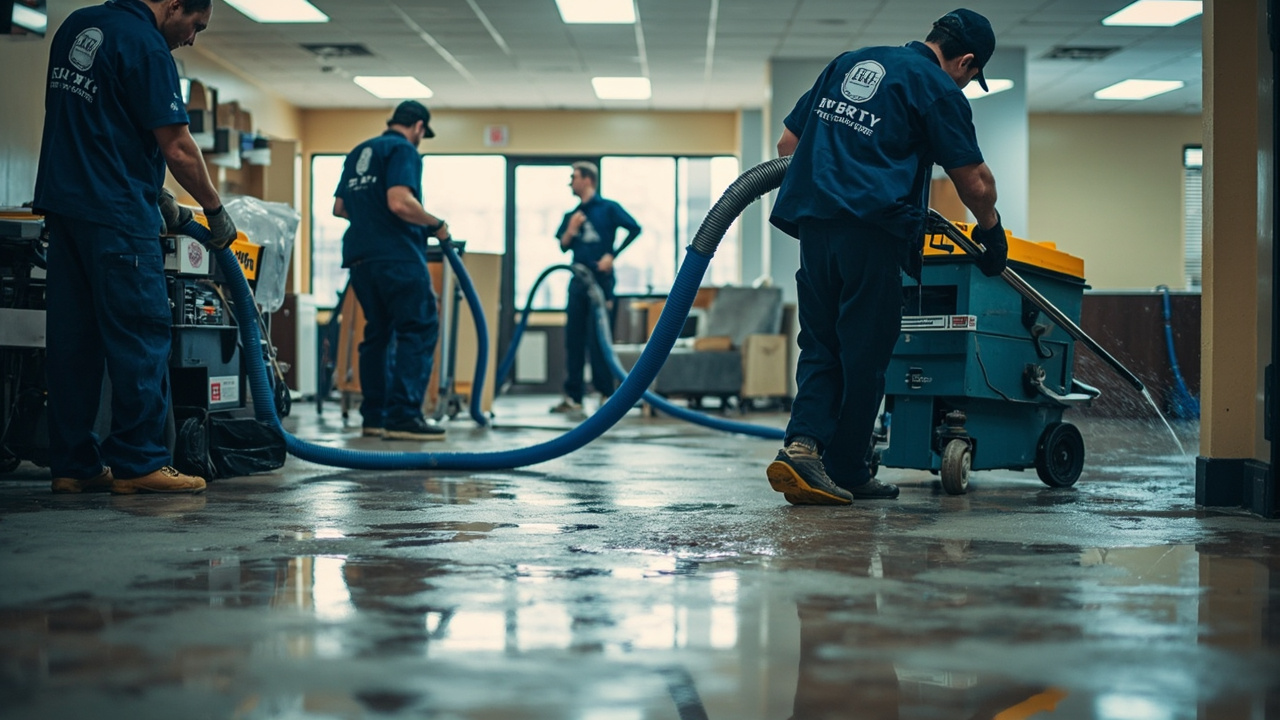
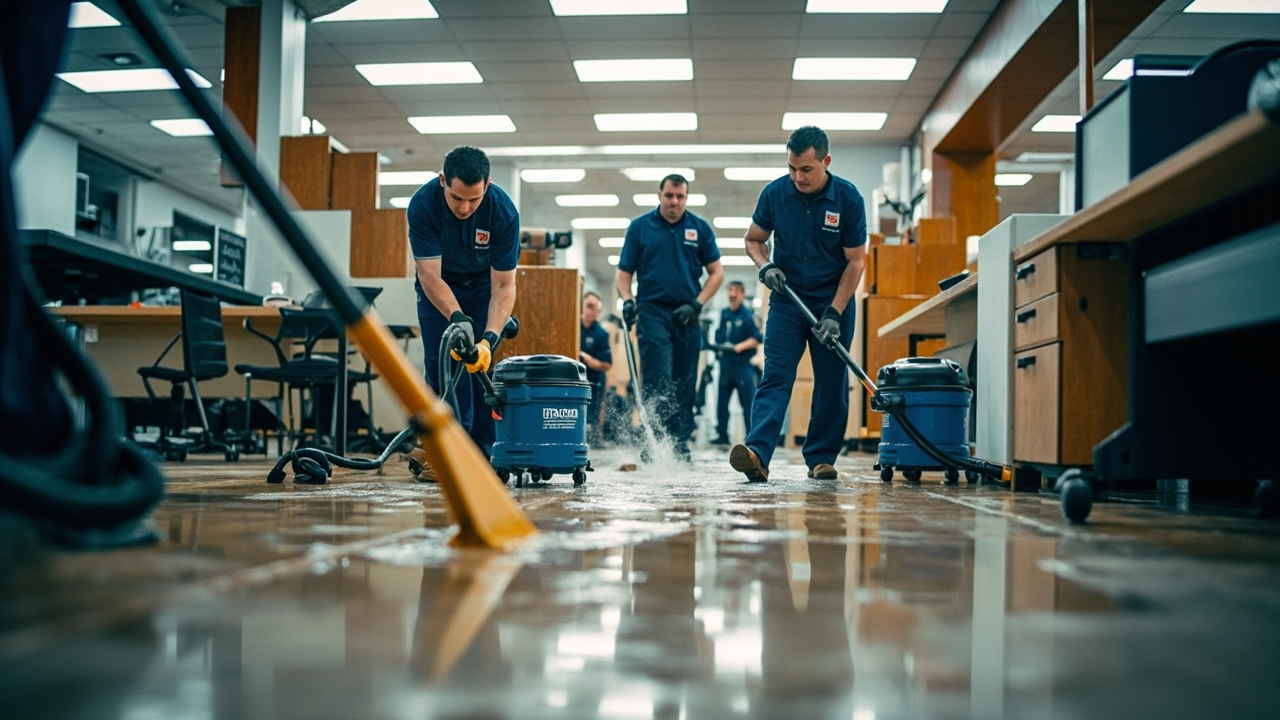
Fire sprinkler water cleanup begins with containment. We arrive with truck-mounted extraction units capable of pulling 200 gallons per minute from carpet, tile, or concrete slab. The first objective is stopping migration. Water flows downhill, seeping through grout lines, under baseboards, and into stud cavities. If we do not extract it within two hours, gravity pulls it into lower levels, saturating insulation and pooling above suspended ceilings.

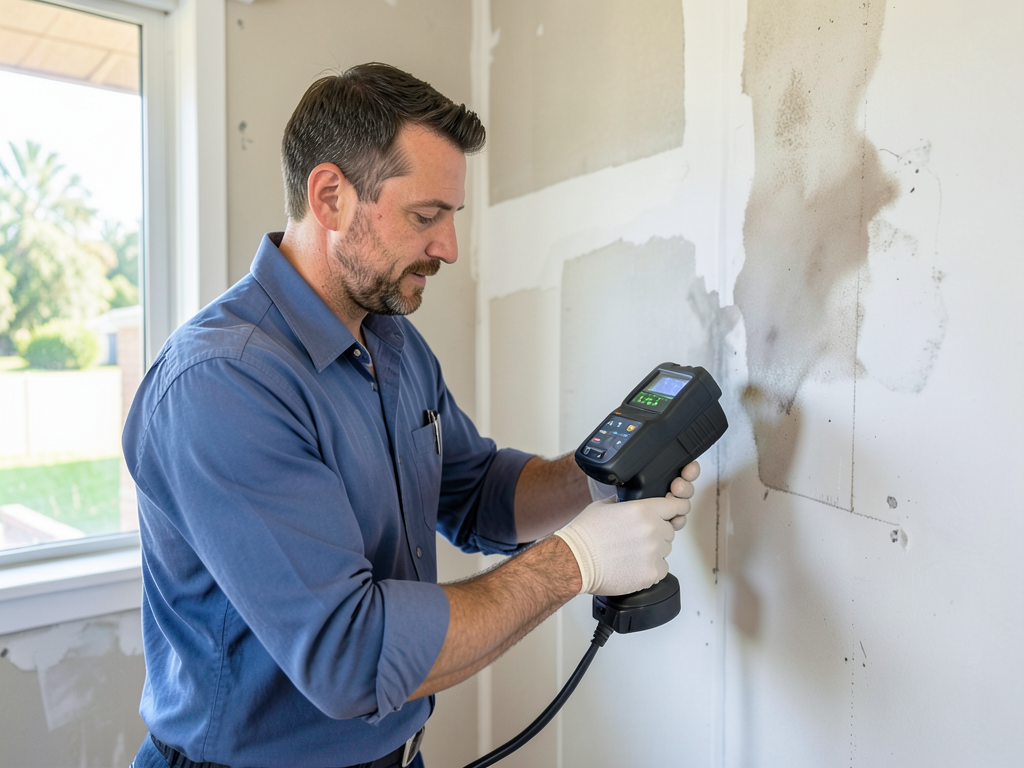
We use infrared thermal imaging cameras to trace water paths inside walls. Sprinkler water soaks drywall from the inside out, so surface drying is useless. We drill weep holes at baseboard level to release trapped water from wall cavities, then inject heated air to accelerate evaporation. Dehumidifiers pull moisture from the air at a rate of 150 pints per day per unit. We place them strategically based on airflow patterns and psychrometric readings, cycling air through the space every 20 minutes.

Emergency sprinkler water removal requires documenting the source. We inspect the sprinkler head for mechanical failure, corrosion, or tampering. If a tenant or contractor accidentally struck the head, we photograph the damage for insurance claims. If the system discharged due to a faulty heat sensor or pressure surge, we coordinate with fire safety contractors to certify repairs before reopening the building.

Fire suppression system water extraction also means checking for contaminants. If the sprinkler line sat stagnant for years, the water may carry rust sediment, biofilm, or stagnant particulates. We test for category-two or category-three contamination, then adjust protocols. Category-two water requires antimicrobial treatment. Category-three water requires full removal of porous materials like drywall and insulation. Liberty Water Damage Restoration Riverside handles both.

What Happens During Emergency Sprinkler Flood Response

Fire Sprinkler Water Cleanup in Riverside – 60-Minute Emergency Response, 24/7 Dispatch
01

Immediate Water Extraction

We deploy truck-mounted extraction units within 60 minutes of your call. These systems pull standing water at 200 gallons per minute, removing the bulk of the flood before it saturates subflooring or penetrates wall cavities. We prioritize high-risk areas like server rooms, electrical panels, and load-bearing walls. Extraction continues until moisture readings drop below 15 percent on our meters, the threshold for safe drying.
02

Structural Drying and Monitoring

After extraction, we place industrial air movers and dehumidifiers to create controlled airflow across saturated surfaces. Thermal imaging maps moisture inside walls, ceilings, and floors. We drill ventilation points to release trapped humidity from stud cavities and check moisture levels every four hours. Drying typically takes 48 to 72 hours depending on material density and airflow. We adjust equipment placement as readings drop to prevent overdrying or warping.
03

Final Inspection and Clearance

Once moisture readings stabilize below 12 percent across all tested areas, we conduct a final walkthrough. We document drying progress with photos and moisture maps for your insurance adjuster. If mold growth began before we arrived, we coordinate remediation with certified technicians. We verify the sprinkler system is repaired and functional before signing off. You receive a completion report and clearance certificate the same day.

Why Riverside Properties Need Local Sprinkler Flood Experts

Riverside's climate creates unique challenges for fire sprinkler water damage restoration. Summer temperatures exceed 95 degrees for weeks at a time, and interior humidity spikes when HVAC systems shut down during a flood. Water trapped inside commercial buildings near the University Avenue corridor or the Riverside Auto Center stagnates fast. Mold colonizes drywall paper and wood framing within 24 hours if airflow stops.

We know the building stock in Riverside. Older properties near the Mission Inn Historic District and downtown lofts often have plaster walls, which absorb water differently than modern drywall. Plaster does not sag like drywall, so moisture hides longer. We adjust drying protocols to account for these differences, using lower heat and longer drying cycles to prevent cracking. Newer construction along the Arlington Heights area uses OSB subflooring, which delaminates if water sits for more than 12 hours. We prioritize those materials during extraction.

Liberty Water Damage Restoration Riverside also understands local insurance requirements. Many commercial policies require moisture documentation every 24 hours during drying. We provide real-time moisture logs and photos for adjusters, ensuring you meet claim deadlines. If your property manager needs a certificate of occupancy before tenants return, we coordinate inspections with the Riverside Building Department to expedite approvals.

Burst fire sprinkler flood remediation also means working with fire safety contractors certified by the California State Fire Marshal. We coordinate system inspections and repairs before you reoccupy the building, ensuring compliance with NFPA 25 standards for sprinkler maintenance. If your insurance adjuster requires third-party verification, we bring in certified hygienists to test for mold or contaminants. You get one team managing the entire process, not five contractors asking the same questions.

What to Expect During Sprinkler Water Cleanup

How Fast We Respond

We dispatch within 60 minutes of your call, 24 hours a day, seven days a week. Our trucks carry extraction equipment, dehumidifiers, and moisture detection tools, so work starts immediately upon arrival. You do not wait for scheduling or equipment rentals. If your sprinkler floods at 2 a.m., we are on-site by 3 a.m. extracting water. Speed matters because every hour delays drying, increases demolition costs, and extends business downtime. Emergency sprinkler water removal happens the moment we arrive, not the next business day.

How We Assess the Damage

We use thermal imaging cameras and penetrating moisture meters to map water inside walls, ceilings, and subflooring. Surface inspections miss 60 percent of trapped moisture. We drill test holes at strategic points to check insulation and framing, then document readings for insurance claims. If the sprinkler system discharged contaminated water from stagnant lines, we test for bacteria and adjust protocols. You receive a written assessment within two hours of our arrival, outlining drying timelines, demolition needs, and restoration costs. No surprises.

What the Finished Work Looks Like

Fire sprinkler water cleanup ends when moisture readings stabilize below 12 percent and airflow restores normal humidity levels. We remove all drying equipment, repair access holes in walls, and clean debris from extraction. If drywall required removal, we coordinate replacement and painting through our restoration partners. You receive a completion report with before-and-after moisture readings, photos, and a certificate of drying for your insurance adjuster. If mold remediation occurred, we provide clearance testing from a certified hygienist. The space is ready for occupancy.

Follow-Up After Restoration

We return seven days after completion to recheck moisture levels and verify no secondary damage developed. If you notice new stains, odors, or soft spots, we investigate at no charge. Many commercial properties require annual sprinkler inspections after a discharge event. We coordinate those inspections with certified fire safety contractors and provide documentation for your insurance carrier. If your policy includes loss-of-use coverage, we supply the timeline documentation needed to claim business interruption losses. Follow-up is included in every job.

Frequently Asked Questions

You Have Questions,
We Have Answers

Is fire sprinkler water clean? +

No, fire sprinkler water is not clean. Water sits stagnant in pipes for months or years, collecting rust, bacteria, sediment, and biofilm. When a sprinkler discharges in Riverside homes or commercial buildings, the water is often brown, black, or foul-smelling. This contaminated water can damage floors, walls, and belongings quickly. You need immediate extraction and antimicrobial treatment to prevent secondary mold growth and structural damage. Do not attempt cleanup yourself. Contact a professional water damage restoration team that understands fire sprinkler contamination and can handle both water removal and sanitization properly.

What is the 3x rule for sprinklers? +

The 3x rule for sprinklers means you should water your lawn three times per week during hot Riverside summers. Each watering session should run long enough to penetrate 6 to 8 inches deep into the soil. This promotes deeper root growth and drought resistance. However, this rule does not apply to fire sprinkler system maintenance or emergency water cleanup. If your fire sprinkler system activates, you face a different problem entirely. You need rapid water extraction and drying to prevent permanent damage to your property, not irrigation advice.

How often do sprinkler systems need to be flushed? +

Commercial fire sprinkler systems should be flushed and tested annually per NFPA 25 standards. Riverside property owners must ensure inspections include water flow tests, valve checks, and pipe flushing to remove sediment buildup. Residential systems need inspection every one to two years. Neglecting maintenance increases the risk of malfunction or pipe corrosion. If your sprinkler system discharges accidentally or during a fire, you face immediate water damage that spreads fast through ceilings, walls, and floors. Call a water damage restoration team right away to extract standing water and start drying before mold develops.

How to drain water from a fire sprinkler system? +

Draining a fire sprinkler system requires professional expertise. You must shut off the water supply valve, open drain valves at the lowest point in the system, and use compressed air to clear remaining water from pipes. This is not a DIY task. Mistakes can cause pipe damage or system failure. If your Riverside property experienced an accidental discharge or fire activation, standing water needs immediate extraction. Focus on minimizing damage now. Contact a certified restoration company to handle water removal, structural drying, and antimicrobial treatment before secondary damage sets in.

Why does fire sprinkler water smell bad? +

Fire sprinkler water smells bad because it sits stagnant in pipes for months or years, breeding bacteria, collecting rust, and forming biofilm. When discharged, the water is contaminated with organic matter, metal corrosion, and microbial growth. The smell is often described as rotten eggs or sewage. This foul odor signals contamination that can damage your Riverside property and pose health risks. You need professional water extraction, antimicrobial cleaning, and odor neutralization. Do not ignore the smell or attempt cleanup yourself. Call a restoration team immediately to prevent mold growth and permanent damage.

Should you still water your lawn in October? +

This question is not related to fire sprinkler water cleanup. If your fire sprinkler system discharged, you have an emergency that requires immediate action. Water from sprinklers spreads rapidly through Riverside homes and commercial buildings, saturating drywall, flooring, insulation, and belongings. Every hour you wait increases damage and mold risk. Stop worrying about lawn care right now. Contact a professional water damage restoration company to extract standing water, dry structural materials, and prevent secondary damage. Speed is everything in fire sprinkler water cleanup. Act now to save your property.

What is the 18 rule for fire sprinklers? +

The 18-inch rule for fire sprinklers means you must maintain 18 inches of clearance below sprinkler heads to ensure proper water distribution during a fire. Riverside property owners who store items too close to sprinkler heads risk obstructing spray patterns, reducing system effectiveness. This is a critical safety and code compliance issue. If your sprinkler system activates and floods your building, you face immediate water damage. Standing water spreads fast through walls and floors. Contact a professional restoration team right away to extract water, dry structural materials, and prevent mold growth.

Will vaping set off a sprinkler system? +

No, vaping will not set off a fire sprinkler system. Sprinkler heads activate from heat, not smoke or vapor. They release water only when temperatures reach 135 to 165 degrees Fahrenheit, depending on the head rating. Smoke detectors respond to particles, but sprinklers require direct heat exposure. If your sprinkler system does activate in your Riverside property, you have a serious water emergency. Water discharge from sprinklers can pump hundreds of gallons per minute. Call a water damage restoration company immediately to stop flooding, extract water, and begin structural drying before mold develops.

What is the NFPA rule for sprinkler obstruction? +

NFPA 13 and NFPA 25 require 18 inches of clearance below sprinkler heads and 36 inches laterally from walls or obstructions. This ensures proper spray pattern coverage during a fire. Riverside commercial property owners must comply with these standards during inspections. Obstructions reduce system effectiveness and violate fire codes. If your sprinkler system discharges due to fire or malfunction, you face rapid water damage. Standing water spreads through ceilings, walls, and floors fast. Contact a professional water damage restoration team immediately to extract water, dry materials, and prevent secondary mold damage.

What is the life expectancy of a fire sprinkler system? +

Fire sprinkler systems last 50 to 100 years with proper maintenance. However, pipes can corrode, valves can fail, and heads can malfunction over time. Riverside property owners should schedule annual inspections per NFPA 25 to catch issues early. Older systems face higher risk of accidental discharge or leaks. If your sprinkler system activates unexpectedly, you face immediate water damage. Water flows at high volume and spreads fast through your building. Call a professional water damage restoration company right away to extract standing water, dry structural materials, and prevent mold growth before permanent damage occurs.

Why Riverside's Inland Heat Accelerates Sprinkler Flood Damage

Riverside sits 50 miles inland from the coast, so summer temperatures regularly exceed 95 degrees with low humidity. When fire suppression systems discharge inside commercial buildings or apartment complexes, the heat accelerates evaporation but traps moisture inside sealed spaces. Water vapor condenses on cooler surfaces like concrete slabs and metal studs, creating hidden pockets of saturation. Buildings near the Riverside Auto Center or Arlington Heights often lack central air during off-hours, allowing interior temperatures to spike. Mold colonizes drywall and insulation within 24 hours if airflow stops. Accidental sprinkler discharge cleanup in Riverside requires faster drying cycles and continuous dehumidification to prevent microbial growth in high-heat environments.

Liberty Water Damage Restoration Riverside understands the local building codes and fire safety regulations enforced by the Riverside Fire Department. Many commercial properties near downtown or the University Avenue corridor require NFPA 25 compliance for sprinkler system maintenance after a discharge event. We coordinate inspections with certified fire safety contractors and provide documentation for occupancy permits. Our team also works with adjusters familiar with Riverside's high desert climate, ensuring your claim reflects the accelerated drying timelines and increased mold risk unique to this area. Choosing a local team means faster approvals and fewer delays.
Water Damage Restoration Services in The Riverside Area

We are dedicated to serving the entire Riverside area and its neighboring communities with fast and reliable water damage restoration services. Whether you’re a resident or a business owner, our team is ready to respond to your call. Use the map below to see our service area, or call us directly to confirm if we can dispatch a team to your location for an immediate emergency response.

Address:
Liberty Water Damage Restoration Riverside, 11801 Pierce St, Riverside, CA, 92505

Additional Services We Offer

Our news updates

Latest Articles & News from The Blogs

Why your ice maker line is a ticking time bomb for your kitchen floor Ice maker supply lines are one…

Why your ice maker line is a ticking time bomb for your kitchen floor

Why your ice maker line is a ticking time bomb for your kitchen floor Ice maker supply lines are one…

How to spot the signs of a chimney leak before it ruins your Riverside living room

How to spot the signs of a chimney leak before it ruins your Riverside living room Your chimney is more…

The most common plumbing mistakes Riverside DIYers make that lead to floods

The most common plumbing mistakes Riverside DIYers make that lead to floods DIY plumbing projects in Riverside often start with…

Contact Us

Water is spreading through your property right now. Call Liberty Water Damage Restoration Riverside at (951) 309-5499 for immediate dispatch. We extract water, stop structural damage, and restore your property the same day. Available 24/7.