menu

Water Damage Restoration in Riverside – Complete Structural Drying and Mold Prevention for Homes and Businesses

Expert water damage remediation using thermal imaging and commercial-grade dehumidification to protect your property from hidden moisture, structural decay, and mold growth in Riverside's variable climate conditions.

Slider Image 1
Slider Image 2
Slider Image 3
Slider Image 4
Slider Image 5
Slider Image 7
Slider Image 8
Slider Image 9
Slider Image 10
Slider Image 11

Why Riverside Properties Face Unique Water Damage Risks

Riverside sits at the intersection of dry inland heat and unpredictable storm patterns that create perfect conditions for water intrusion. When the Santa Ana winds shift and winter rains arrive, aging roof systems and older plumbing infrastructure in neighborhoods like Canyon Crest and Mission Grove fail without warning. The result is flooding that seeps into drywall, subfloors, and structural cavities where you cannot see it.

The real danger is not the water you can see. It is the moisture trapped inside wall cavities and beneath flooring that causes long-term structural decay. Riverside's temperature swings between 40-degree winter nights and 100-degree summer days create expansion and contraction cycles that stress building materials already weakened by water exposure.

Water damage repair requires immediate action. Within 24 to 48 hours, standing water begins promoting microbial growth. Within 72 hours, you face potential mold colonization that requires specialized remediation beyond simple water removal services. The porous stucco exterior common in Riverside homes wicks moisture into wall systems where it remains trapped, creating hidden damage zones that standard cleanup misses.

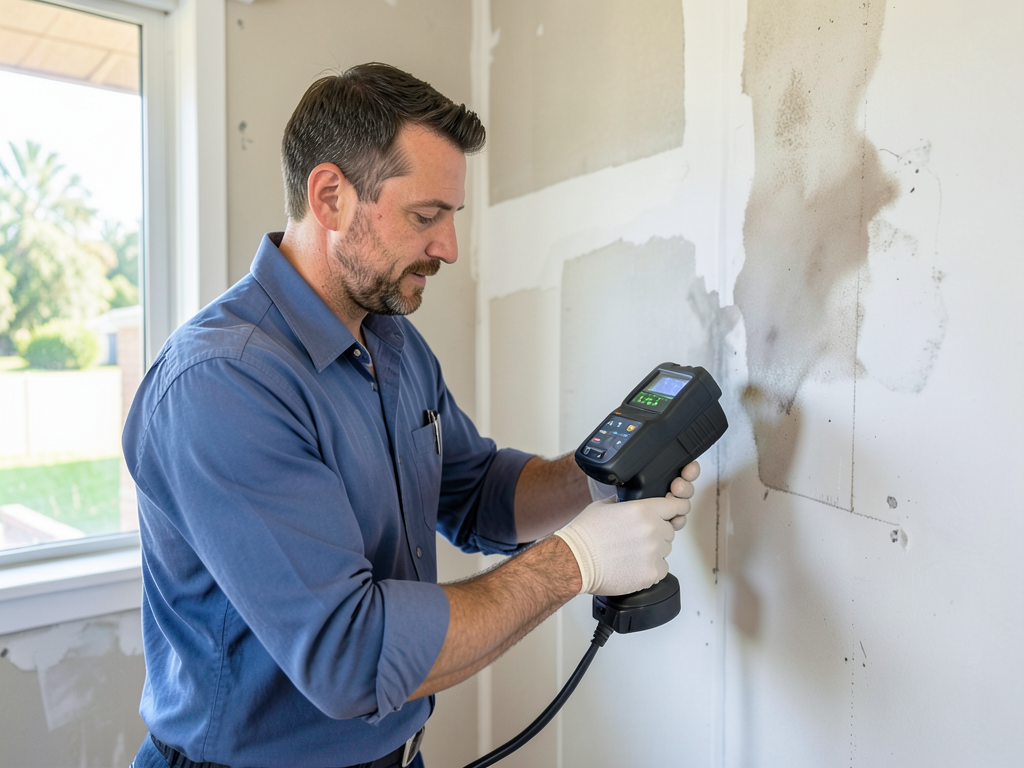
Liberty Water Damage Restoration Riverside responds to these specific challenges with equipment designed for California construction methods. We extract water, then verify complete moisture removal using thermal imaging that maps temperature differentials indicating trapped water. This is water damage mitigation done correctly, preventing the secondary damage that creates insurance claim complications and long-term structural problems. The difference between water damage cleanup and proper water damage remediation is whether you are addressing the symptom or eliminating the cause.

Why Riverside Properties Face Unique Water Damage Risks
Our Structural Drying and Moisture Mapping Process

Our Structural Drying and Moisture Mapping Process

Water damage restoration is not about pushing water toward a drain and setting up fans. Proper remediation requires understanding building science, vapor pressure dynamics, and how moisture migrates through different materials at different rates.

We start with moisture mapping using calibrated hygrometers that measure relative humidity inside structural cavities. This data tells us where water has traveled beyond the visible damage zone. Baseboards come off to inspect wall cavities. Flooring samples are pulled to check subfloor moisture content. This diagnostic phase determines the full scope of water intrusion before extraction begins.

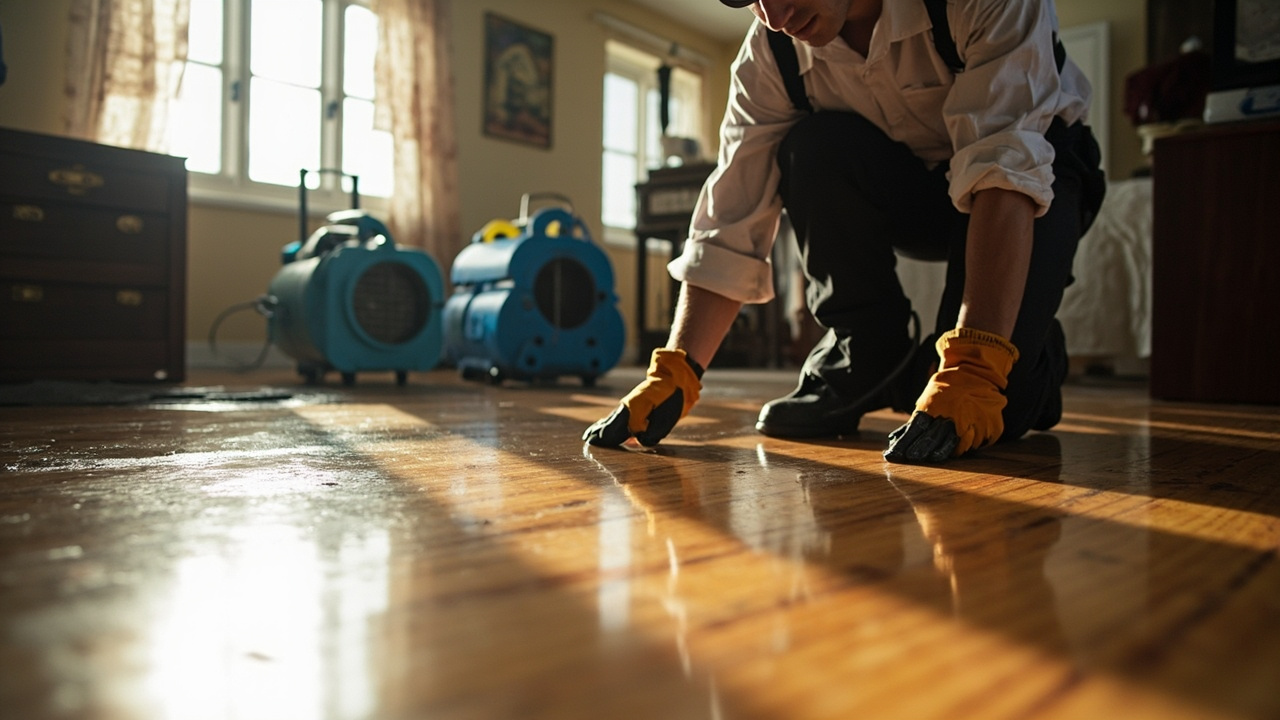
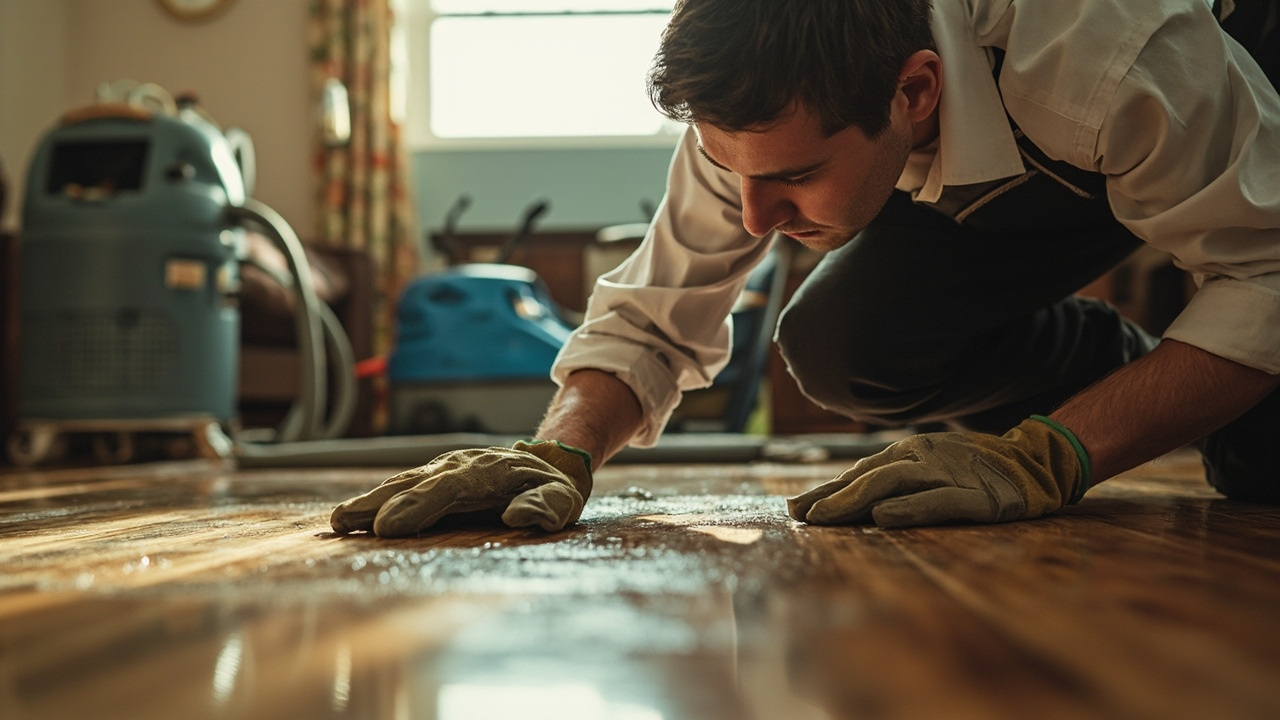
Extraction uses truck-mounted pumps for standing water, followed by specialized extractors for carpeting and padding. But extraction only removes bulk water. The critical phase is structural drying, where we create controlled environments using commercial dehumidifiers and air movers positioned based on psychrometric calculations. We are manipulating air temperature, humidity levels, and circulation patterns to pull moisture from building materials back into the air where dehumidifiers can capture it.

Daily moisture readings track the drying process. We are looking for equilibrium moisture content, the point where building materials return to their pre-loss moisture levels. Drywall should read below 1% moisture content. Wood framing should return to 12-15% depending on species. These are measurable targets, not guesswork.

Liberty Water Damage Restoration Riverside uses this methodology because insurance carriers require documentation proving complete drying. More importantly, incomplete drying leads to callback situations where mold appears weeks later, turning a manageable water damage claim into a complex remediation scenario. We prevent that outcome by verifying results with data, not assumptions.

What Happens During Your Water Damage Emergency

Water Damage Restoration in Riverside – Complete Structural Drying and Mold Prevention for Homes and Businesses
01

Emergency Contact and Dispatch

You call our 24-hour emergency line at (951) 309-5499 and speak with a dispatcher who logs your property location, water source if known, and visible damage extent. We dispatch a crew immediately, typically arriving within 60 to 90 minutes for Riverside addresses. This initial response window determines whether you are dealing with Category 1 clean water or whether contamination has elevated the situation to Category 2 or 3, requiring biohazard protocols.
02

Damage Assessment and Extraction

Our technicians perform a complete property assessment, documenting damage with photos and moisture readings that support your insurance claim. We identify the water source and stop ongoing intrusion if possible. Truck-mounted extractors remove standing water while air movers begin surface drying. Affected contents are moved to dry areas or placed on block supports. This phase focuses on preventing additional damage while conditions stabilize. You receive a scope of work outlining the drying plan and estimated timeline.
03

Monitored Drying and Verification

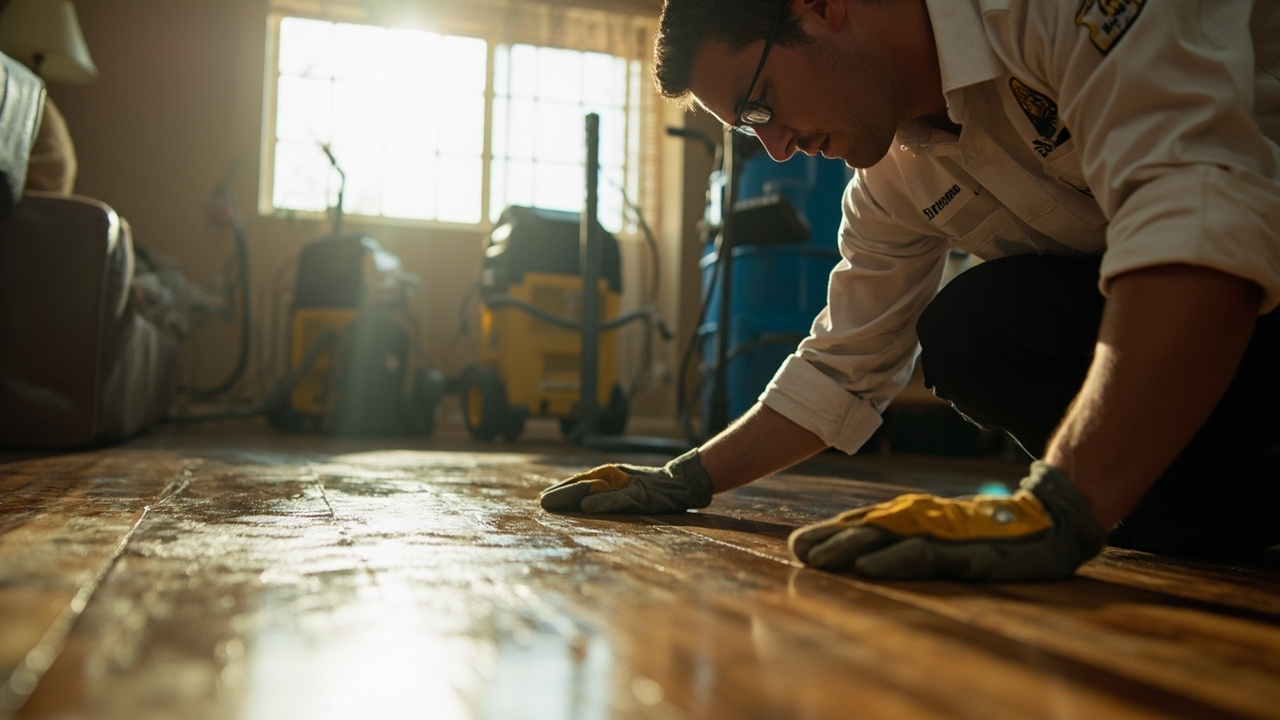
Dehumidifiers and air movers run continuously while technicians return daily to log moisture readings and adjust equipment placement based on drying progress. This phase typically requires three to five days depending on materials affected and saturation levels. Once all areas reach target moisture content, equipment is removed and final documentation is provided to you and your insurance adjuster. The property is certified dry and ready for reconstruction if structural repairs are needed.

Why Riverside Property Owners Choose Local Water Damage Experts

Water damage response requires understanding local building methods and climate conditions that affect drying times and remediation strategies. Riverside's housing stock includes everything from 1950s ranch homes with slab foundations to newer two-story constructions with engineered floor systems. Each building type responds differently to water intrusion and requires adapted drying protocols.

Slab foundation homes common in older Riverside neighborhoods present specific challenges when water migrates beneath flooring into the concrete. Standard surface drying misses this moisture, requiring specialized drying mats and extended drying times. Two-story homes with water damage on upper levels create cascading problems as water travels through ceiling assemblies into first-floor wall cavities. Identifying these migration patterns requires experience with local construction methods.

Liberty Water Damage Restoration Riverside maintains relationships with Riverside insurance adjusters and understands local claim documentation requirements. We provide the detailed moisture logs, thermal imaging documentation, and equipment manifests that support full claim approval. This local knowledge prevents the claim disputes that occur when national franchise operators submit generic documentation that does not meet adjuster expectations.

Response time matters in water damage scenarios. We maintain equipment staging in Riverside, which means we are not dispatching from San Bernardino or Corona when you call. You get local crews familiar with your neighborhood who arrive quickly and understand the specific challenges your property type presents.

Building code compliance becomes relevant if reconstruction is required. Riverside has specific requirements for permits, and we coordinate with local contractors who understand these regulations. This integration prevents delays when repairs move from drying to rebuilding, keeping your property restoration on schedule.

What You Can Expect During the Restoration Process

Emergency Response Time

Our dispatch system operates 24 hours daily, including weekends and holidays. Riverside calls typically receive crew arrival within 60 to 90 minutes of initial contact. This response window is critical because the first three hours after water intrusion determine whether you face simple extraction or complex remediation. Faster response means less water migration into building cavities and lower overall restoration costs. Night and weekend calls receive the same priority as business hour emergencies because water damage does not wait for convenient timing. You call, we respond, equipment arrives, and mitigation begins immediately.

Initial Property Assessment

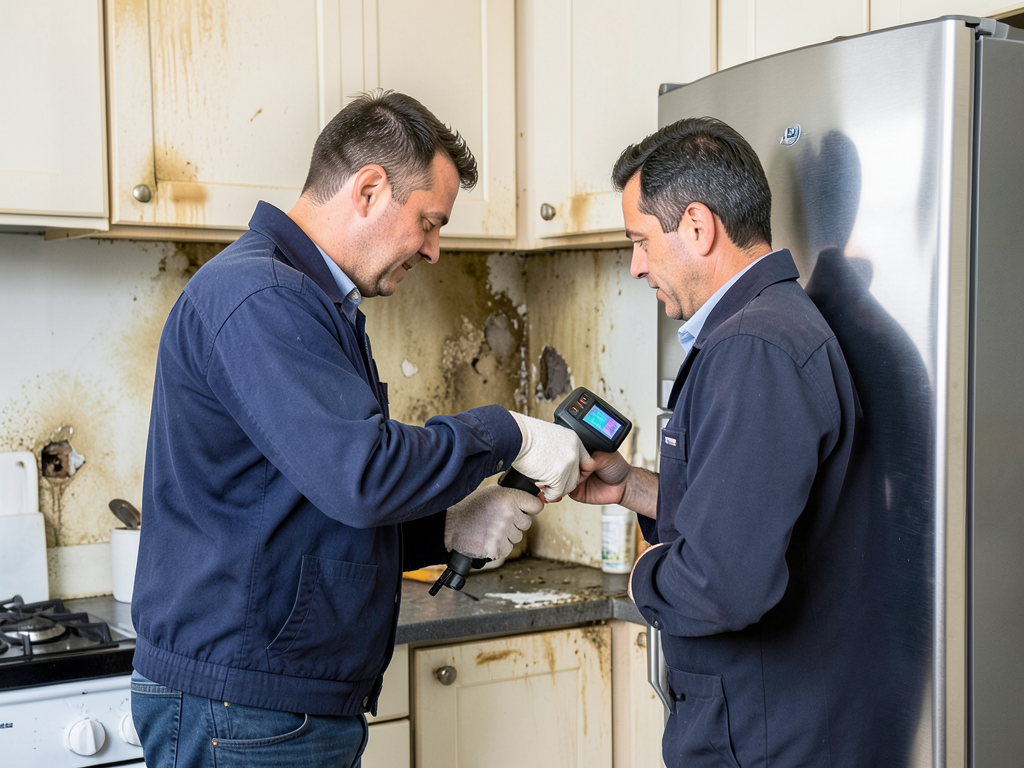
The first site visit includes comprehensive moisture mapping using thermal cameras and penetrating moisture meters that read humidity levels inside walls without creating additional damage. We classify water category based on contamination level, identify safety hazards like electrical risks or structural instability, and determine which materials require removal versus drying in place. You receive detailed photo documentation suitable for insurance submission and a written scope outlining affected areas, equipment requirements, and estimated drying timeline. This assessment drives the entire restoration strategy and provides the transparency needed to make informed decisions about your property.

Certified Dry Standards

Complete restoration means returning all building materials to their pre-loss moisture content, not just eliminating visible water. We measure this outcome using daily moisture readings compared against industry standards for different material types. Drywall must reach below 1% moisture content. Wood framing should stabilize between 12-15%. Concrete slabs require extended monitoring to ensure deep moisture has fully evaporated. You receive final documentation showing these measurements, providing proof of proper drying that satisfies insurance requirements and protects against future mold claims. This verification process is what separates professional water damage remediation from inadequate cleanup that creates long-term problems.

Post-Restoration Monitoring

After equipment removal and final verification, we provide guidelines for monitoring your property during the weeks following restoration. You receive information about what normal conditions should look like, warning signs that might indicate incomplete drying, and direct contact numbers if concerns arise. While proper structural drying prevents future problems, we remain available for follow-up moisture checks if you notice unusual odors or suspect hidden moisture remained undetected. This ongoing support ensures your confidence in the restoration outcome and provides recourse if unexpected issues develop. Professional water damage restoration includes accountability that extends beyond equipment removal.

Frequently Asked Questions

You Have Questions,
We Have Answers

How much does restoration cost for water damage? +

Water damage restoration costs vary based on the source, category, and extent of damage. A small leak affecting one room may run $1,000 to $4,000, while severe flooding throughout a home can reach $10,000 or more. Riverside properties often face unique challenges from irrigation system failures and seasonal storms, which impact pricing. Factors include water extraction complexity, structural drying time, antimicrobial treatment, and materials requiring replacement. Category 3 water damage costs more due to contamination hazards. Most reputable restoration companies offer free inspections and work directly with your insurance adjuster to clarify coverage and out-of-pocket expenses.

What does water damage restoration include? +

Water damage restoration includes emergency water extraction, structural drying, dehumidification, antimicrobial treatment, and restoration of damaged materials. Technicians first assess the damage category and moisture levels using thermal imaging and hygrometers. They remove standing water with pumps and extractors, then place industrial air movers and dehumidifiers to dry walls, floors, and subfloors. In Riverside's climate, proper ventilation prevents secondary mold growth. The process includes removing unsalvageable materials like drywall or insulation, treating affected areas with antimicrobial solutions, and coordinating repairs. Documentation throughout supports your insurance claim and ensures your property returns to pre-loss condition.

Can water damage be repaired? +

Yes, water damage can be repaired when addressed quickly. The first 24 to 48 hours are critical. Prompt water extraction and drying prevent permanent structural damage and mold colonization. Hardwood floors, drywall, and insulation can often be saved if dried properly. Riverside homeowners benefit from fast response due to our dry climate, which aids evaporation when paired with professional equipment. Porous materials like carpet padding or soaked drywall may require replacement. Structural elements like framing can be salvaged if dried before rot sets in. Professional restoration teams use moisture meters to verify complete drying before rebuilding begins.

Is water damage restoration worth it? +

Water damage restoration is worth it to protect your home's structural integrity, health, and resale value. Untreated water damage leads to mold growth within 24 to 48 hours, wood rot, foundation issues, and decreased property value. In Riverside's real estate market, undisclosed water damage can derail a sale or reduce offers. Professional restoration costs less than replacing entire floor systems, framing, or remediating widespread mold. Insurance typically covers sudden and accidental water damage, reducing your financial burden. Restoration also provides documentation proving the issue was properly addressed, which protects you legally and financially if you sell your home.

How much does it cost to fix water damage in a house? +

Fixing water damage in a house costs between $1,200 and $5,000 for most residential projects, but extensive flooding can exceed $10,000. Costs depend on water category, affected square footage, and materials damaged. A burst pipe in one bathroom costs less than a slab leak affecting multiple rooms. Riverside homes with older plumbing or clay soil foundation shifts face higher repair costs. Structural drying, antimicrobial treatment, and material replacement drive expenses. Hardwood floor drying differs from carpet removal. Insurance often covers sudden pipe breaks but excludes gradual leaks or maintenance issues. Get a detailed estimate and clarify coverage before work begins.

How much money is it to fix water damage? +

Water damage repair costs range from a few hundred dollars for minor leaks to over $10,000 for major flooding. The price reflects water source, contamination level, and restoration scope. Clean water from a supply line costs less to remediate than sewage backups. Riverside properties may incur additional costs if water migrates through stucco or affects HVAC systems in attics. Emergency services, structural drying equipment, mold prevention, demolition, and reconstruction all factor into the total. Reputable companies provide transparent estimates and work with insurance adjusters. Delaying restoration increases costs as damage spreads and mold establishes, requiring more invasive remediation.

Does insurance pay for water restoration? +

Insurance typically pays for water restoration from sudden and accidental events like burst pipes, appliance malfunctions, or roof leaks during storms. Policies exclude damage from neglect, gradual leaks, or flood events requiring separate flood insurance. In Riverside, wind-driven rain during Santa Ana conditions may be covered, but rising groundwater is not. Your policy's water damage clause and deductible determine your out-of-pocket cost. Restoration companies document everything and communicate directly with adjusters to streamline claims. Review your policy annually and photograph damage immediately. Filing promptly and providing thorough documentation increases approval likelihood and speeds reimbursement.

How likely is mold after water damage? +

Mold growth is highly likely within 24 to 48 hours after water damage if conditions favor it. Riverside's warm temperatures accelerate mold colonization when moisture is present. Porous materials like drywall, insulation, and carpet padding provide ideal growth environments. Category 2 and 3 water introduce mold spores and organic matter, increasing risk. Professional restoration prevents mold by extracting water quickly, using dehumidifiers to lower humidity below 60 percent, and applying antimicrobial treatments. Visible mold indicates deeper contamination requiring remediation. If you smell musty odors or see discoloration after water damage, mold is already growing and needs immediate attention.

What does category 3 damage look like? +

Category 3 water damage involves grossly contaminated water containing harmful bacteria, viruses, and pathogens. It looks like sewage backups, toilet overflows with feces, or floodwater from rivers. The water appears dark, murky, and foul-smelling. Affected materials show heavy staining and contamination. In Riverside, Category 3 events occur from sewer line backups or Santa Ana River flooding in low-lying areas. This water requires immediate professional remediation with personal protective equipment. All porous materials like drywall, insulation, and carpeting must be removed and discarded. Structural elements need antimicrobial treatment and thorough drying before reconstruction begins.

What not to do after water damage? +

Do not delay calling a professional restoration company. Do not use household vacuums on standing water, as this creates electrical hazards and damages equipment. Avoid walking through contaminated water without protective gear. Do not turn on HVAC systems, which spread moisture and potential mold spores. In Riverside homes, do not assume the drywall will air-dry on its own. Our climate helps, but professional drying prevents hidden mold in wall cavities. Do not dispose of damaged items before documenting them for insurance. Avoid using fans without dehumidifiers, which just circulates moisture. Quick professional intervention prevents secondary damage and reduces costs.

How Riverside's Aging Infrastructure Creates Water Damage Vulnerabilities

Riverside's housing boom occurred primarily between 1950 and 1990, which means thousands of homes now operate with original galvanized steel piping and cast iron drain systems reaching the end of their functional lifespan. When these systems fail, they create sudden flooding events that saturate building materials quickly. The concrete slab foundations common in neighborhoods like Arlanza and La Sierra trap water beneath flooring, requiring specialized drying techniques that standard water removal services cannot provide. Properties near the Santa Ana River corridor face additional risks from seasonal flooding that tests aging flood control systems, making comprehensive water damage remediation planning essential for property owners in flood zone areas.

Local water damage restoration in Riverside requires understanding the specific construction methods and materials used during the city's major development periods. The stucco exterior and minimal roof overhang design popular in 1970s construction creates water intrusion points that require targeted inspection during restoration assessments. Liberty Water Damage Restoration Riverside maintains working relationships with local building inspectors and understands Riverside Municipal Code requirements for properties requiring reconstruction after water damage events. This local expertise prevents permit complications and ensures restoration work meets current code standards while respecting the architectural characteristics of your neighborhood.
Water Damage Restoration Services in The Riverside Area

We are dedicated to serving the entire Riverside area and its neighboring communities with fast and reliable water damage restoration services. Whether you’re a resident or a business owner, our team is ready to respond to your call. Use the map below to see our service area, or call us directly to confirm if we can dispatch a team to your location for an immediate emergency response.

Address:
Liberty Water Damage Restoration Riverside, 11801 Pierce St, Riverside, CA, 92505

Additional Services We Offer

Our news updates

Latest Articles & News from The Blogs

Why your ice maker line is a ticking time bomb for your kitchen floor Ice maker supply lines are one…

Why your ice maker line is a ticking time bomb for your kitchen floor

Why your ice maker line is a ticking time bomb for your kitchen floor Ice maker supply lines are one…

How to spot the signs of a chimney leak before it ruins your Riverside living room

How to spot the signs of a chimney leak before it ruins your Riverside living room Your chimney is more…

The most common plumbing mistakes Riverside DIYers make that lead to floods

The most common plumbing mistakes Riverside DIYers make that lead to floods DIY plumbing projects in Riverside often start with…

Contact Us

Every hour you wait allows water to migrate deeper into building materials and increases restoration costs. Call Liberty Water Damage Restoration Riverside now at (951) 309-5499 for immediate dispatch and protect your property from permanent damage.