


Hemet sits in the San Jacinto Valley where extreme temperature swings between 100-degree summers and near-freezing winters create constant stress on plumbing systems. Homes near the San Jacinto River and Diamond Valley Lake face seasonal flood risks when winter rains overwhelm drainage infrastructure. The valley's clay-heavy soil expands and contracts with moisture changes, putting pressure on foundation walls and creating cracks where water seeps in during rare but intense storm events.
Many Hemet properties were built between the 1960s and 1980s with galvanized steel pipes now reaching end-of-life. These aging pipes corrode from the inside, causing pinhole leaks and sudden failures that flood homes without warning. The Hemet-San Jacinto area also sees hard water with high mineral content that accelerates pipe deterioration and water heater failure.
Mobile homes and manufactured housing make up a significant portion of Hemet residences, particularly in communities east of Sanderson Avenue. These structures sit closer to ground level with different ventilation systems than traditional homes, making them vulnerable to humidity accumulation and mold growth after water intrusion. Quick response matters even more in these properties where water can compromise structural supports and flooring systems within hours.
Liberty Water Damage Restoration Riverside has restored over 3,000 water-damaged properties across Riverside County, with rapid response teams stationed to serve Hemet within one hour of your call. We understand the valley's unique challenges because we work here every day, from flooded homes near Simpson Park to burst pipes in Valle Vista and sewage backups in the communities surrounding Whittier Avenue.
Our technicians hold IICRC Water Damage Restoration Technician certifications and complete continuous training on the latest extraction and drying science. We use thermal imaging cameras to find hidden moisture in wall cavities and ceilings, moisture meters to verify complete dryness before reconstruction begins, and negative air machines to prevent mold spores from spreading during the remediation process. Every restoration follows strict protocols because incomplete drying leads to mold growth in as little as 48 hours.
We own our equipment instead of renting it, which means we arrive with truck-mounted extractors capable of removing thousands of gallons per hour, commercial dehumidifiers sized for complete home drying, and air movers positioned according to psychrometric calculations, not guesswork. This is not a franchise operation where quality varies by location. You get the same senior technicians and the same professional-grade equipment on every job.
Our direct insurance billing relationship with every major carrier in California means you pay only your deductible while we handle the claims process, documentation, and negotiations. We photograph every stage, document moisture readings daily, and provide your adjuster with exactly what they need to approve your claim quickly. Most customers never write a check beyond their deductible because we manage the entire insurance workflow from first call to final inspection.

We dispatch to Hemet properties within one hour of your emergency call, 24 hours a day including holidays. Our response vehicles carry extraction equipment, moisture detection tools, and emergency board-up materials so we can stop water damage immediately upon arrival. Fast response prevents secondary damage that triples restoration costs.

Every technician on your property holds Institute of Inspection, Cleaning and Restoration Certification credentials in water damage restoration. They follow science-based drying protocols, not shortcuts. Certification means your restoration meets insurance industry standards and prevents mold growth that voids coverage if done wrong.
We work directly with your insurance company to handle claims documentation, damage assessment, and payment coordination. You pay only your deductible while we manage the entire claims process. We know what adjusters require for approval and document every step to prevent claim delays or denials.
We own truck-mounted extractors, commercial dehumidifiers, thermal imaging cameras, and moisture detection equipment instead of renting it per job. This means we arrive with professional-grade tools sized correctly for complete water removal and structural drying. Equipment ownership ensures consistent quality and faster response because we are never waiting for rental availability.
Water damage restoration involves far more than removing standing water. Complete remediation requires emergency water extraction, structural drying using psychrometric calculations, antimicrobial treatment to prevent mold growth, content pack-out and storage, and reconstruction of damaged materials. Liberty Water Damage Restoration Riverside provides every phase of this process under one contract so you work with a single team from emergency response through final repairs.
We categorize water damage by contamination level, which determines proper remediation protocols. Clean water from supply line breaks requires different treatment than gray water from washing machine overflows or black water from sewage backups. Each category follows specific safety and sanitization procedures mandated by the IICRC S500 Standard for Professional Water Damage Restoration.
Our service range covers emergency mitigation that stops damage from spreading, complete structural drying that prevents mold and rot, and full reconstruction that returns your property to pre-loss condition. We handle small incidents like isolated bathroom floods and major disasters like whole-house flooding from storm events. The size of your loss does not change our response time or quality standards.
Emergency mitigation stops water damage from spreading when minutes matter. We extract standing water with truck-mounted pumps, remove saturated materials that cannot be saved, and set up drying equipment within hours of your call. This includes emergency board-up for broken windows or damaged roofs, temporary power if needed, and coordination with plumbers or roofers to stop the water source. Quick mitigation reduces overall damage by up to 70 percent compared to waiting until morning or next business day.
Structural drying removes moisture from walls, floors, ceilings, and building cavities using commercial dehumidifiers and air movers positioned according to airflow science. We monitor drying progress daily with moisture meters and thermal imaging, adjusting equipment placement until all materials reach dry standard. This process takes three to seven days depending on the extent of saturation and building materials involved. Complete drying prevents mold growth, wood rot, and structural damage that happens when restoration companies rush the drying phase.
Reconstruction returns your property to pre-loss condition after drying completes. This includes drywall replacement, flooring installation, cabinet work, painting, and any other repairs needed. We handle the entire rebuild under your insurance claim so you avoid managing multiple contractors. Our construction teams coordinate with local building inspectors to ensure all repairs meet Riverside County code requirements. You get one project manager, one timeline, and one company responsible for quality from water extraction through final walkthrough.
Hemet's combination of aging housing stock, extreme temperature swings, and clay soil creates specific water damage patterns we see repeatedly. Homes built during the valley's rapid growth between 1960 and 1990 now face plumbing failures, roof leaks, and foundation issues that cause sudden flooding. Understanding these common problems helps property owners recognize warning signs before minor issues become major losses.
The valley's temperature extremes cause daily expansion and contraction in building materials, particularly older plumbing systems not designed for these stress cycles. When summer temperatures hit 105 degrees and winter nights drop to 30 degrees, pipes expand and contract daily. After decades of this cycle, joints fail and pinhole leaks develop. Many Hemet residents discover these leaks only after water damage appears on ceilings or walls.
Mobile home communities face additional challenges because manufactured housing uses different construction methods than site-built homes. Water heaters and washing machines sit on subfloors with less structural support, making leaks more likely to cause floor damage. Heating and cooling systems in manufactured homes also create different humidity patterns that require specialized drying approaches.
Homes built before 1980 often contain galvanized steel pipes now reaching 40 to 60 years old. These pipes corrode from inside as minerals in Hemet's hard water create buildup that restricts flow and weakens pipe walls. Failures happen without warning, flooding homes while residents sleep or are away at work. Replacing galvanized plumbing before failure prevents devastating water damage.
Water heaters in Hemet face hard water with high mineral content that accelerates tank corrosion. Most tanks fail between years eight and twelve, either through slow leaks at the bottom or catastrophic ruptures that release 40 to 80 gallons instantly. Water heaters in garages often leak unnoticed for days before homeowners discover damage. Regular inspection catches corrosion before tanks fail.
Rubber washing machine hoses deteriorate in Hemet's heat, particularly in garages where temperatures exceed 120 degrees in summer. These hoses carry household water pressure and release hundreds of gallons when they burst. Many failures happen during wash cycles when homeowners are away, flooding laundry rooms and adjacent living spaces. Replacing rubber hoses with braided steel lines every five years prevents this common source of water damage.
Summer monsoon storms bring intense rainfall that overwhelms valley drainage systems designed for desert conditions. Properties near the San Jacinto River and in low-lying areas around Florida Avenue see flooding when storm channels cannot handle sudden water volume. Flash floods carry contaminated water requiring specialized cleanup protocols. Homes in flood-prone areas benefit from sump pump systems and proper grading around foundations.
Water damage creates panic. Your home is flooding, you do not know if you should shut off power, and you worry about what insurance will cover. Liberty Water Damage Restoration Riverside takes control of the situation from your first call. You reach a real person who asks specific questions about your situation, dispatches a response team immediately, and walks you through emergency steps to take while crews are en route.
When our team arrives, the lead technician conducts a damage assessment, identifies the water source, and explains the restoration process in detail before starting work. You receive a written scope of work, timeline estimate, and explanation of what insurance typically covers. We handle properties with active flooding differently than homes where water sat for days, and we explain why timing matters for preventing mold growth and structural damage.
Throughout the restoration process, you receive daily updates on drying progress, equipment adjustments, and timeline changes. We do not disappear after placing equipment and return days later. Our project managers visit your property daily to take moisture readings, photograph progress, and answer questions. You have direct phone access to the technician managing your job, not a call center that takes messages.
When you call, we dispatch a response team within 60 minutes regardless of time or day. The first technician on site stops the water source if possible, assesses damage extent, and begins emergency water extraction. You receive a detailed explanation of what happened, what must be done, and realistic timeline expectations. We photograph and document everything for your insurance claim before moving or removing any damaged materials.
Structural drying requires three to seven days of equipment operation with daily moisture monitoring. Our technicians visit your property every day to take readings, adjust equipment placement, and verify drying progress. You receive text or email updates showing moisture levels dropping toward dry standard. This daily oversight catches problems early and prevents shortcuts that lead to mold growth after we leave your property.
We communicate directly with your insurance adjuster, providing documentation, photos, moisture logs, and estimates they need to approve your claim. Most homeowners do not know what information adjusters require or how to document damage properly. We handle this coordination so you avoid claim delays or disputes. You pay only your deductible while we manage the insurance billing and payment process completely.
Water damage restoration follows specific protocols that cannot be shortened without risking mold growth or structural problems. We structure every project around these proven steps regardless of damage size or property type.
We dispatch within 60 minutes of your call with truck-mounted extraction equipment and emergency supplies. The response team stops active water intrusion if possible, extracts standing water, removes saturated materials that cannot be saved, and sets up initial drying equipment. Emergency response also includes protecting undamaged areas from moisture migration and coordinating with plumbers or other trades to repair the water source. This phase happens within the first four to six hours of your call.
Complete drying takes three to seven days depending on materials affected and saturation extent. We place commercial dehumidifiers and air movers based on psychrometric calculations, not guesswork. Technicians monitor moisture levels daily using meters and thermal imaging, adjusting equipment placement until all materials reach dry standard. This phase cannot be rushed without risking mold growth in wall cavities and under flooring. We verify complete dryness before moving to reconstruction.
After drying verification, reconstruction begins with antimicrobial treatment of affected areas, followed by drywall replacement, flooring installation, cabinet work, and painting. We handle all repairs needed to return your property to pre-loss condition. Final inspection includes moisture verification testing to confirm no hidden dampness remains and walkthrough with you to ensure satisfaction before project closeout. Your insurance claim closes only after you approve all completed work.
Professional water damage restoration follows the IICRC S500 Standard for Professional Water Damage Restoration, which establishes science-based protocols for water extraction, structural drying, and contamination control. These standards exist because improper restoration leads to mold growth, structural rot, and indoor air quality problems that appear months after crews leave. Liberty Water Damage Restoration Riverside trains all technicians in S500 protocols and follows them strictly on every project regardless of size.
Water damage falls into three categories based on contamination level. Category 1 clean water comes from supply lines, broken pipes, or rainwater. Category 2 gray water contains biological or chemical contamination from washing machines, dishwashers, or toilet bowls without feces. Category 3 black water includes sewage, flooding from rivers or storm channels, and any water contaminated with harmful bacteria. Each category requires different safety equipment, disposal procedures, and sanitization protocols. Treating Category 3 sewage backup with Category 1 protocols puts occupants at serious health risk.
Structural drying follows psychrometric principles that calculate how much moisture air can hold at specific temperatures and humidity levels. Dehumidifiers remove moisture from air while air movers increase evaporation rates from wet materials. Proper drying requires specific equipment placement based on room size, saturation extent, and materials affected. Placing equipment randomly or removing it before materials reach dry standard guarantees mold growth within two weeks. We measure moisture content daily until readings confirm all materials meet or exceed dry standard specifications.
California requires contractors performing restoration work to hold appropriate licenses. Water damage work falls under general contractor licensing requirements when it involves structural repairs. Liberty Water Damage Restoration Riverside maintains proper licensing, liability insurance, and workers compensation coverage required by California state law. Many homeowners discover after damage occurs that unlicensed restoration companies cannot pull permits or coordinate with insurance companies, leaving homeowners liable for code violations and claim disputes.
The IICRC S500 Standard establishes dry standard as the moisture content materials had before water damage occurred. Drywall should measure 10 to 12 percent moisture content, wood framing 12 to 15 percent. We verify these levels using moisture meters and thermal imaging before removing equipment. Insurance companies require documentation showing materials reached dry standard before they approve final payment.
Category 1 clean water becomes Category 2 after 48 hours if not extracted. Category 2 becomes Category 3 if it contacts sewage or sits more than 72 hours. Higher categories require more aggressive antimicrobial treatment and disposal procedures. We classify water damage correctly on arrival because improper classification leads to inadequate sanitization and health risks after restoration completes.
Air holds different amounts of moisture at different temperatures. Dehumidifiers work efficiently only when air temperature, humidity, and circulation rates balance correctly. We calculate these factors daily and adjust equipment accordingly. Hemet's low humidity helps drying, but high summer temperatures require different dehumidifier settings than winter conditions. Proper psychrometric management reduces drying time and prevents mold growth.
California requires general contractor licenses for water damage work involving structural repairs. We maintain proper licensing, insurance, and bonding required by state law. Licensed contractors can pull building permits, coordinate with insurance adjusters, and provide warranty protection unlicensed operators cannot offer. Always verify contractor licensing before allowing restoration work to begin.
Professional water damage restoration process explained for Hemet CA homeowners. Covers emergency water extraction, structural drying protocols, moisture monitoring procedures, and reconstruction services. Learn why rapid response prevents mold growth and secondary damage, how IICRC-certified teams handle different water contamination categories, and what to expect during the restoration timeline. Includes information about insurance coordination, equipment requirements, and common water damage causes affecting Hemet valley properties.
Liberty Water Damage Restoration Riverside serves the entire Hemet area with the same rapid response and professional standards regardless of property location. We respond to emergencies throughout the historic downtown area near Harvard Street and Florida Avenue where older homes face plumbing failures common to properties built in the 1950s and 1960s. These neighborhoods see frequent water heater leaks and supply line failures in homes with original galvanized piping now reaching end of useful life.
East Hemet communities between Sanderson Avenue and Kirby Street include many manufactured home parks where water damage requires specialized approaches. These properties sit closer to ground level and use different construction methods than site-built homes. We understand how water moves through manufactured housing and adjust drying equipment placement accordingly to prevent subfloor damage and humidity buildup in confined crawl spaces.
Properties near Valle Vista along the eastern edge of the valley face storm water challenges when monsoon rains overwhelm drainage systems designed for typical desert conditions. Homes in low-lying areas around Stetson Avenue and Johnston Avenue see occasional flooding from overwhelmed storm channels. We work with homeowners in these areas to address immediate water damage and recommend preventive measures like improved grading and sump pump systems.
The neighborhoods surrounding Diamond Valley Lake and along the Highway 74 corridor toward Mountain Center serve as bedroom communities where many residents commute to surrounding areas for work. Water damage often goes undetected in these homes during business hours, allowing flooding to continue for eight to ten hours before discovery. We respond quickly to these areas and understand that extended flooding requires more aggressive drying approaches than incidents caught early.
San Jacinto, Menifee, and Perris residents also receive the same 60-minute response time and professional service we provide throughout Hemet. Our location allows rapid deployment throughout the San Jacinto Valley and surrounding Riverside County communities. We know the area roads, understand local building patterns, and maintain relationships with plumbers, electricians, and other trades throughout the region for coordinated emergency response.
North Hemet properties approaching the foothills along Stetson Avenue and Devonshire Avenue face different challenges than valley floor homes. These slightly elevated areas drain better during storm events but see more roof damage from wind exposure. We respond to these neighborhoods for storm damage restoration and understand how foothill properties require different moisture control than homes in lower valley areas where humidity tends to settle.
Water damage restoration in Hemet typically takes 3 to 7 days for most residential projects. Simple water removal and drying take 2 to 3 days. Extensive flooding or sewage damage extends the timeline to 1 to 2 weeks. Your restoration timeline depends on water category, affected square footage, and materials involved. Carpet and drywall dry faster than hardwood or plaster. Professionals use moisture meters to confirm complete drying before reconstruction begins. Rushing the process leads to mold growth and structural problems. Your restoration team provides a detailed timeline after initial assessment.
Water damage restoration expenses in Hemet vary based on damage severity and affected areas. Minor water extraction and drying for a single room differs significantly from whole-home flooding restoration. Category 3 water damage requires specialized cleaning and disposal procedures. Your final expense includes water removal, structural drying, antimicrobial treatment, and repairs. Most Hemet homeowners pay through insurance claims when damage results from sudden incidents. Get written estimates from multiple restoration companies before work begins. Ask about itemized pricing for each service phase to understand your total investment.
Choose a Hemet water damage restoration company with 24/7 emergency response and local availability. Verify the company holds IICRC certification for water damage restoration. Check online reviews focusing on response time and communication quality. Ask about their equipment inventory and whether they own or rent industrial dryers. Request references from recent Hemet clients with similar damage types. Confirm they provide direct insurance billing to simplify your claims process. A reputable company offers free damage assessments and detailed written estimates before starting work.
Water damage restoration in Hemet typically takes 3 to 7 days for most residential projects. Simple water removal and drying take 2 to 3 days. Extensive flooding or sewage damage extends the timeline to 1 to 2 weeks. Your restoration timeline depends on water category, affected square footage, and materials involved. Carpet and drywall dry faster than hardwood or plaster. Professionals use moisture meters to confirm complete drying before reconstruction begins. Rushing the process leads to mold growth and structural problems. Your restoration team provides a detailed timeline after initial assessment.
Water damage restoration expenses in Hemet vary based on damage severity and affected areas. Minor water extraction and drying for a single room differs significantly from whole-home flooding restoration. Category 3 water damage requires specialized cleaning and disposal procedures. Your final expense includes water removal, structural drying, antimicrobial treatment, and repairs. Most Hemet homeowners pay through insurance claims when damage results from sudden incidents. Get written estimates from multiple restoration companies before work begins. Ask about itemized pricing for each service phase to understand your total investment.
Choose a Hemet water damage restoration company with 24/7 emergency response and local availability. Verify the company holds IICRC certification for water damage restoration. Check online reviews focusing on response time and communication quality. Ask about their equipment inventory and whether they own or rent industrial dryers. Request references from recent Hemet clients with similar damage types. Confirm they provide direct insurance billing to simplify your claims process. A reputable company offers free damage assessments and detailed written estimates before starting work.
Your homeowners insurance typically covers sudden water damage from burst pipes, appliance malfunctions, or roof leaks in Hemet. Policies exclude gradual damage from neglected maintenance or flooding from external sources. Review your policy declarations page to understand coverage limits and deductibles. Standard policies require prompt reporting and immediate mitigation efforts. Document all damage with photos before cleanup begins. Your insurance adjuster evaluates the claim and determines covered expenses. Flood insurance through FEMA covers damage from natural flooding events.
You might stay home during minor water damage restoration affecting one or two rooms in your Hemet property. Extensive damage requiring whole-house drying makes staying uncomfortable and impractical. Industrial dehumidifiers and air movers create loud noise 24 hours daily. Category 3 sewage damage requires temporary relocation for health protection. Your restoration company advises whether staying is safe based on affected areas and contamination levels. Plan alternative accommodations for major projects lasting multiple days. Your insurance policy includes additional living expenses for necessary displacement.
Hemet water damage restoration companies use truck-mounted water extractors to remove standing water quickly. Industrial air movers create airflow across wet surfaces to accelerate evaporation. Commercial dehumidifiers pull moisture from the air and building materials. Moisture meters and thermal imaging cameras detect hidden water in walls and floors. HEPA air scrubbers remove airborne contaminants during cleanup. Professionals apply antimicrobial treatments to prevent mold growth. Advanced companies use injectidry systems for hardwood floors and wall cavities. Equipment selection depends on your specific damage type and materials affected.
Call for water damage restoration in Hemet within the first hour after discovering water damage. Water spreads rapidly through building materials and causes progressive damage. Mold spores begin colonizing within 24 to 48 hours in wet conditions. Immediate response prevents secondary damage and reduces overall restoration expenses. Your insurance policy requires prompt mitigation to maintain coverage. Professional teams arrive quickly to stop water flow and begin extraction. Waiting even a few hours allows water to penetrate deeper into floors, walls, and furnishings.
Burst pipes cause most water damage in Hemet homes during winter temperature drops. Aging water heaters fail suddenly and release 40 to 80 gallons into living spaces. Washing machine supply hoses deteriorate and rupture without warning. Clogged gutters and downspouts direct water into foundations and crawl spaces. Air conditioning condensate line blockages cause ceiling and wall damage. Toilet supply line failures and wax ring leaks damage bathroom floors. Dishwasher connection failures leak slowly behind cabinets. Regular plumbing inspections and appliance maintenance prevent most common causes.
Most Hemet water damage restoration companies work directly with insurance providers to streamline your claims process. Experienced companies document damage with photos and detailed reports for adjusters. They provide itemized estimates matching insurance company software and pricing standards. Many offer direct billing so you pay only your deductible. Professional restoration companies communicate with adjusters throughout the project. They advocate for complete coverage of necessary services. Ask your restoration company about their insurance experience before signing contracts. This partnership simplifies the stressful claims process for homeowners.
Hidden water damage in your Hemet home shows warning signs before becoming obvious. Musty odors indicate mold growth from concealed moisture. Warped baseboards or bubbling paint reveal water behind walls. Water stains on ceilings point to roof leaks or upstairs plumbing problems. Soft or spongy floors indicate subfloor water damage. Increased water bills suggest hidden leaks in walls or under slabs. Condensation on windows or walls signals high indoor humidity from moisture problems. Schedule professional moisture testing if you notice these signs.
Your homeowners insurance typically covers sudden water damage from burst pipes, appliance malfunctions, or roof leaks in Hemet. Policies exclude gradual damage from neglected maintenance or flooding from external sources. Review your policy declarations page to understand coverage limits and deductibles. Standard policies require prompt reporting and immediate mitigation efforts. Document all damage with photos before cleanup begins. Your insurance adjuster evaluates the claim and determines covered expenses. Flood insurance through FEMA covers damage from natural flooding events.
You might stay home during minor water damage restoration affecting one or two rooms in your Hemet property. Extensive damage requiring whole-house drying makes staying uncomfortable and impractical. Industrial dehumidifiers and air movers create loud noise 24 hours daily. Category 3 sewage damage requires temporary relocation for health protection. Your restoration company advises whether staying is safe based on affected areas and contamination levels. Plan alternative accommodations for major projects lasting multiple days. Your insurance policy includes additional living expenses for necessary displacement.
Hemet water damage restoration companies use truck-mounted water extractors to remove standing water quickly. Industrial air movers create airflow across wet surfaces to accelerate evaporation. Commercial dehumidifiers pull moisture from the air and building materials. Moisture meters and thermal imaging cameras detect hidden water in walls and floors. HEPA air scrubbers remove airborne contaminants during cleanup. Professionals apply antimicrobial treatments to prevent mold growth. Advanced companies use injectidry systems for hardwood floors and wall cavities. Equipment selection depends on your specific damage type and materials affected.
Call for water damage restoration in Hemet within the first hour after discovering water damage. Water spreads rapidly through building materials and causes progressive damage. Mold spores begin colonizing within 24 to 48 hours in wet conditions. Immediate response prevents secondary damage and reduces overall restoration expenses. Your insurance policy requires prompt mitigation to maintain coverage. Professional teams arrive quickly to stop water flow and begin extraction. Waiting even a few hours allows water to penetrate deeper into floors, walls, and furnishings.
Burst pipes cause most water damage in Hemet homes during winter temperature drops. Aging water heaters fail suddenly and release 40 to 80 gallons into living spaces. Washing machine supply hoses deteriorate and rupture without warning. Clogged gutters and downspouts direct water into foundations and crawl spaces. Air conditioning condensate line blockages cause ceiling and wall damage. Toilet supply line failures and wax ring leaks damage bathroom floors. Dishwasher connection failures leak slowly behind cabinets. Regular plumbing inspections and appliance maintenance prevent most common causes.
Most Hemet water damage restoration companies work directly with insurance providers to streamline your claims process. Experienced companies document damage with photos and detailed reports for adjusters. They provide itemized estimates matching insurance company software and pricing standards. Many offer direct billing so you pay only your deductible. Professional restoration companies communicate with adjusters throughout the project. They advocate for complete coverage of necessary services. Ask your restoration company about their insurance experience before signing contracts. This partnership simplifies the stressful claims process for homeowners.
Hidden water damage in your Hemet home shows warning signs before becoming obvious. Musty odors indicate mold growth from concealed moisture. Warped baseboards or bubbling paint reveal water behind walls. Water stains on ceilings point to roof leaks or upstairs plumbing problems. Soft or spongy floors indicate subfloor water damage. Increased water bills suggest hidden leaks in walls or under slabs. Condensation on windows or walls signals high indoor humidity from moisture problems. Schedule professional moisture testing if you notice these signs.
We are dedicated to serving the entire Riverside area and its neighboring communities with fast and reliable water damage restoration services. Whether you’re a resident or a business owner, our team is ready to respond to your call. Use the map below to see our service area, or call us directly to confirm if we can dispatch a team to your location for an immediate emergency response.
Address:
Hemet, CA, 92543

How hydrostatic pressure from Riverside's wet soil can force water through your foundation\n\nHeavy rains in Riverside's Inland Empire create a hidden threat to your home's foundation. When water saturates the clay-heavy soil around your property…
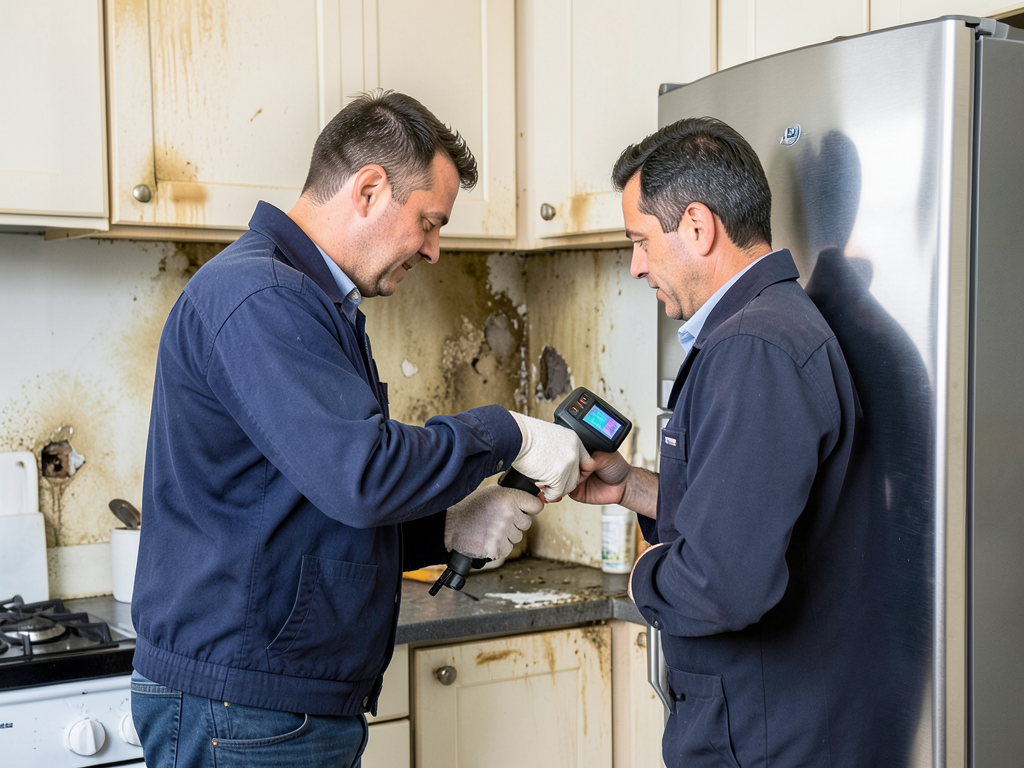
Why your ice maker line is a ticking time bomb for your kitchen floor Ice…
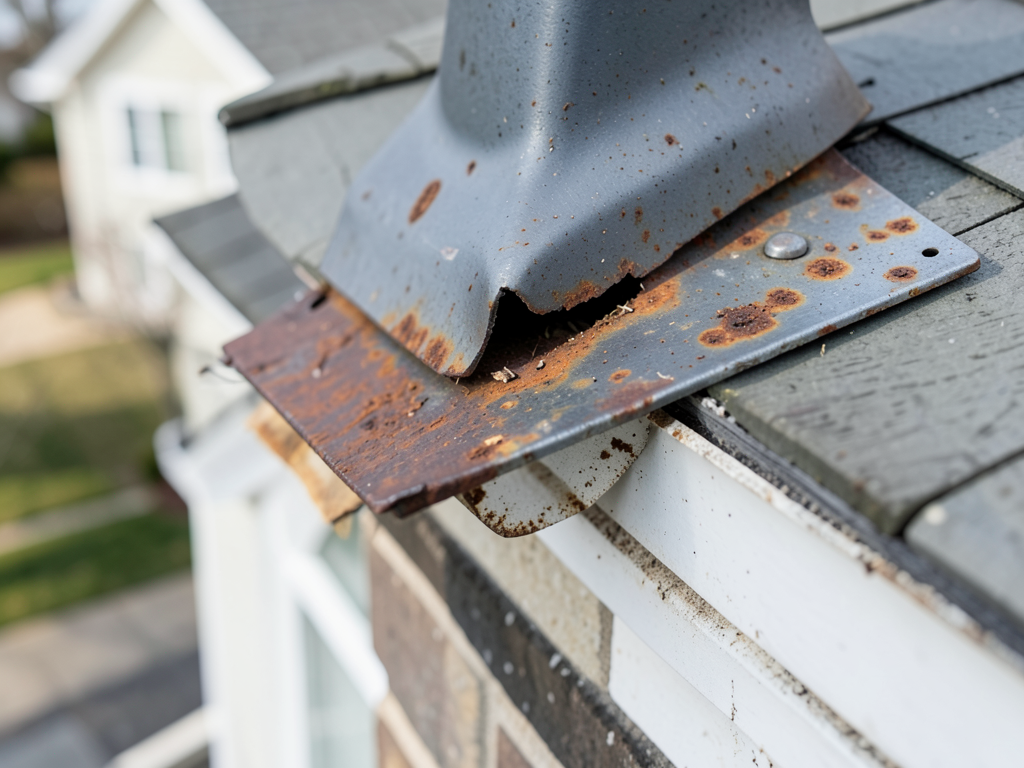
How to spot the signs of a chimney leak before it ruins your Riverside living…
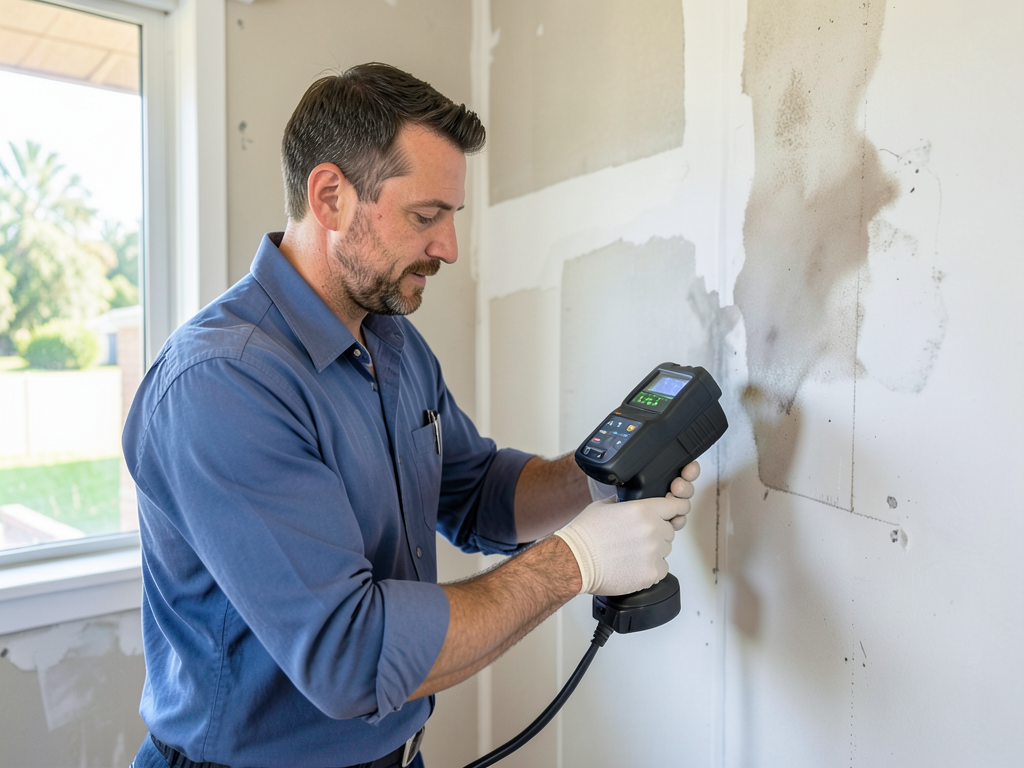
The most common plumbing mistakes Riverside DIYers make that lead to floods DIY plumbing projects…
Water damage gets worse every hour you wait. Call Liberty Water Damage Restoration Riverside at (951) 309-5499 right now for 60-minute emergency response anywhere in Hemet. Our IICRC-certified teams are standing by 24/7 with truck-mounted extraction equipment and commercial drying tools that stop damage before it spreads.