


Jurupa Valley sits in the Santa Ana River floodplain with expansive clay soil that holds moisture against foundations. When pipes burst or appliances leak, water pools on slab foundations common in neighborhoods like Rubidoux and Belltown. The clay underneath prevents natural drainage, pushing water laterally through drywall and into adjacent rooms.
Summer heat reaching 105 degrees creates humidity trapped inside walls, accelerating mold growth within 48 hours. Winter rain events overwhelm aging drainage systems in homes built during Jurupa Valley's 1960s and 1980s construction booms. Galvanized pipes in older properties near Mission Boulevard corrode faster in hard water conditions, leading to sudden failures.
Properties near Flabob Airport and along the 60 Freeway corridor face additional risk from ancient citrus grove irrigation systems still buried in yards. These forgotten clay pipes crack under ground settlement, creating hidden water intrusion that surfaces inside homes. Jurupa Valley's low elevation also means groundwater sits closer to the surface, making crawl spaces and basements vulnerable during wet seasons.
Water damage here requires immediate extraction before clay soil saturation creates foundation settling. The combination of older housing stock, expansive soil, and temperature extremes makes rapid response critical for Jurupa Valley homeowners.
Liberty Water Damage Restoration Riverside maintains a dispatch hub specifically serving the Inland Empire, putting our teams within 15 minutes of most Jurupa Valley addresses. We know the difference between water damage in a 1960s ranch near Rubidoux and a 2000s tract home in Belltown because we've dried out both. Our technicians carry soil moisture meters to test ground saturation levels around your foundation, not just interior damage.
We built our reputation responding to Jurupa Valley's unique water emergencies. When the Santa Ana River threatens properties near the floodplain, we're already staged with pumps and barriers. When summer monsoons overwhelm valley drainage, we run multiple crews simultaneously. When winter freeze events crack exterior hose bibs, we're answering calls at 3 AM.
Every truck carries thermal imaging cameras that detect hidden moisture in double-wall construction common to this area. We document everything with insurance-grade photography because we submit claims to Inland Empire adjusters weekly. They know our reports, which speeds your claim approval.
Our technicians hold IICRC Water Damage Restoration certification and California contractor licenses. We pull permits when structural drying requires wall removal. We coordinate with Jurupa Valley building inspectors who recognize our work quality. Most importantly, we never leave a job until moisture readings hit acceptable levels, even if it takes extra days.
We're not a franchise sending different technicians each visit. You get the same certified crew from start to final clearance testing. That consistency matters when you're trusting someone with your home's structural integrity.

Our Jurupa Valley dispatch guarantees arrival within one hour of your call. We stage equipment throughout the Inland Empire so trucks reach your property while water is still spreading. Fast containment prevents thousands in additional damage. When you call, we roll immediately.

We handle your claim from documentation through final payment. Our estimates match insurance company standards because we work with Riverside County adjusters daily. You pay only your deductible while we manage the paperwork, negotiations, and follow-up required to close your claim successfully.
Every technician holds IICRC Water Damage Restoration certification and completes continuing education on drying science. We use thermal imaging, moisture meters, and hygrometers to verify complete drying before declaring a job finished. Our documentation protects you from future mold claims and structural issues.
We understand clay soil drainage problems, Santa Ana River flood risks, and how water moves through construction styles common to this valley. Our crews dry homes in Rubidoux, Belltown, and Mira Loma weekly. That local experience means faster assessment and better protection for your specific property type.
Water emergencies require different responses depending on the source, contamination level, and affected materials. Liberty Water Damage Restoration Riverside provides the full spectrum of water removal services from initial extraction through final restoration. We handle clean water from supply line breaks, gray water from appliance overflows, and black water from sewage backups that require hazmat protocols.
Our service categories follow IICRC standards for water damage remediation. Each situation gets classified by contamination category and drying class, which determines equipment needs and safety procedures. We explain these classifications during our initial assessment so you understand the scope and timeline.
Jurupa Valley properties often need multiple service types within one event. A washing machine overflow might start as clean water but become gray water as it picks up contaminants from flooring. A roof leak might require both water extraction and mold remediation if it went undetected. We assess the complete situation and provide integrated solutions rather than treating symptoms in isolation.
Our trucks carry equipment for all water damage mitigation scenarios. We don't need to schedule return visits for specialized equipment because we arrive prepared for the worst-case situation. This preparation means faster containment and less secondary damage to your property.
When water is actively flooding your property, our first priority is stopping the source and removing standing water. We deploy truck-mounted extractors that pull thousands of gallons per hour from carpets, pads, and flooring. Submersible pumps handle deep water in basements or crawl spaces. We contain affected areas with plastic barriers to prevent water migration into dry sections. Our teams work through the night if needed because water continues damaging materials every hour it remains.
After extraction, moisture remains trapped in walls, subfloors, and framing. We install commercial dehumidifiers and air movers in strategic positions based on airflow science. Thermal imaging identifies wet cavities that require focused drying. We monitor moisture levels twice daily using pin and pinless meters, adjusting equipment until readings reach acceptable levels. Drywall, insulation, and framing get removed when moisture content exceeds drying capacity. The process continues until your property passes final clearance testing.
Jurupa Valley's heat accelerates mold growth in water-damaged materials. We contain affected areas with negative air pressure systems to prevent spore spread. HEPA filtration captures airborne particles while we remove contaminated materials following California mold remediation standards. Antimicrobial treatments kill remaining spores on surfaces that can't be removed. We verify clearance with air quality testing before reconstruction begins. Fast water damage cleanup within 48 hours often prevents mold entirely.
Jurupa Valley's combination of aging infrastructure, clay soil, and temperature extremes creates specific water damage patterns. Properties built during the 1960s through 1980s construction boom now face pipe failures as galvanized plumbing reaches end-of-life. Hard water conditions accelerate corrosion in supply lines, leading to pinhole leaks that spread through walls before detection.
The valley's expansive clay soil shifts with moisture changes, stressing pipe joints and creating foundation cracks that channel water inside. Summer temperatures above 100 degrees stress air conditioning systems, causing condensate line overflows and drain pan failures. Winter freezes crack exterior fixtures and underground irrigation lines.
Proximity to the Santa Ana River means properties in low-lying areas near Rubidoux face periodic flood risks during heavy rain events. Older neighborhoods lack modern drainage systems, so street flooding backs up through storm drains into yards and garages. These localized flooding events happen fast and require immediate response.
Understanding these patterns helps homeowners recognize warning signs before catastrophic failure. Small water stains, musty odors, or unexplained increases in water bills often indicate hidden leaks requiring professional detection and repair.
Galvanized pipes installed before 1980 corrode from inside, creating pinhole leaks that spray water into wall cavities. These hidden failures cause extensive damage before visible signs appear. Hard water accelerates corrosion rates in Jurupa Valley, making repiping necessary for properties over 40 years old.
Clay soil expands when wet and contracts when dry, creating constant pressure on slab foundations. Cracks develop that channel groundwater and irrigation runoff directly under homes. Water enters through foundation gaps during rain events, flooding crawl spaces and damaging subfloors before homeowners notice.
Summer temperatures force AC systems to run continuously, generating gallons of condensate daily. Clogged drain lines or cracked pans overflow into attics and interior walls. Fiberglass insulation absorbs water and loses R-value while supporting mold growth. Ceiling stains indicate damage already spread through insulation and drywall.
Rubber supply hoses fail without warning after five to seven years of use. A burst hose releases water at full pressure, flooding laundry rooms and adjacent spaces within minutes. Water travels under baseboards into living areas, damaging flooring and lower wall sections throughout ground-floor rooms.
Water damage creates chaos and panic. You need someone who answers immediately, arrives fast, and takes control of the situation. When you call Liberty Water Damage Restoration Riverside, you speak directly with a dispatcher who begins your case file while you're still on the phone. We gather critical information about water source, affected areas, and safety concerns. We also contact your insurance company to start the claim process if you authorize it.
Our technician calls you within minutes with an estimated arrival time and initial action steps you can take safely. We guide you through shutting off water sources and moving valuable items if possible. We never tell you to wait hours for an assessment. Our goal is boots on the ground within 60 minutes of your call.
When we arrive, you get a certified water damage restoration technician, not a salesperson. We assess damage severity, classify the water category, and explain the required scope of work in plain language. We start extraction and containment immediately, even before paperwork is complete. Stopping damage takes priority over contracts and signatures.
You receive daily updates on drying progress with moisture readings and photos. We explain what equipment is running and why. We coordinate with insurance adjusters and schedule their inspections at your convenience. When drying is complete, we provide final clearance documentation that protects you from future claims.
Our dispatcher takes your call 24 hours a day and launches a crew to your location immediately. While our team drives to your property, we gather information about the water source and affected areas. We contact your insurance company if you request. Our technician arrives within 60 minutes with extraction equipment and begins damage assessment using moisture meters and thermal imaging. We explain the situation clearly and start containment before water spreads further.
You receive twice-daily updates during active drying with moisture readings from affected materials. We explain what the numbers mean and how long until clearance levels are reached. Photos document progress for your records and insurance claim. We coordinate adjuster visits, contractor access, and any required inspections. You always know what equipment is running, why it's necessary, and when it will be removed from your property.
We don't call a job complete until moisture readings meet IICRC standards for your materials and construction type. Final testing verifies dry conditions throughout affected areas. You receive detailed documentation including moisture logs, equipment records, and clearance certificates. This paperwork protects you if future issues arise and satisfies insurance requirements. We also provide referrals for reconstruction contractors if repairs are needed beyond our scope.
Every water damage situation is unique, but our response follows a proven three-phase process that prioritizes immediate damage control, complete structural drying, and final verification. This systematic approach ensures nothing gets missed while preventing unnecessary delays.
We arrive with truck-mounted extractors and submersible pumps to remove standing water immediately. Our crews shut off water sources, contain affected areas with plastic barriers, and begin pulling water from carpets, pads, and flooring. We remove saturated contents to climate-controlled storage if needed. Furniture gets blocked up on foam to prevent wicking. We document pre-existing conditions and damage extent with photos and moisture readings before equipment deployment begins.
Commercial dehumidifiers and air movers run continuously in strategic positions to create optimal drying conditions. We monitor moisture levels twice daily in walls, subfloors, and framing using calibrated meters. Thermal imaging identifies hidden moisture pockets requiring focused attention. Equipment positions get adjusted based on readings to maximize efficiency. Drywall and insulation get removed when moisture content exceeds safe drying thresholds. The process continues until all materials reach acceptable moisture levels.
We perform comprehensive final moisture testing throughout affected areas before declaring the job complete. All readings must meet IICRC standards for your specific materials and construction type. You receive detailed documentation including moisture logs, equipment run times, and clearance certificates. We walk you through the final report and answer questions about reconstruction needs. Equipment gets removed only after you approve final conditions and understand next steps.
The Institute of Inspection Cleaning and Restoration Certification sets industry standards for water damage restoration that protect both property owners and restoration contractors. These standards classify water damage by contamination category and material affected, which determines proper equipment, safety protocols, and drying techniques. Liberty Water Damage Restoration Riverside follows IICRC S500 standards on every project because they represent proven science for preventing secondary damage and mold growth.
Water gets classified into three categories based on contamination level. Category 1 is clean water from supply lines or rainwater that hasn't contacted contaminated surfaces. Category 2 is gray water from appliances, washing machines, or clean toilets that contains some contamination. Category 3 is black water from sewage, flooding, or any water that contacted contaminated surfaces, requiring hazmat protocols and PPE.
Drying classes range from Class 1 through Class 4 based on evaporation rate and affected materials. Class 1 affects limited areas with minimal absorption. Class 2 involves entire rooms with significant carpet and wall wicking. Class 3 means water came from above, saturating walls, ceilings, insulation, and subfloors. Class 4 involves specialty materials like hardwood, plaster, or concrete that require extended drying times and focused techniques.
Proper drying follows psychrometric principles that measure temperature, humidity, and moisture content relationships. We create optimal drying conditions by controlling these variables through equipment placement and airflow management. Simply running fans doesn't work because air must move across wet surfaces at correct temperature and humidity levels to promote evaporation.
Jurupa Valley's climate affects drying calculations. Summer heat and low humidity accelerate surface drying but can trap moisture in wall cavities. Winter humidity slows evaporation rates. We adjust equipment and timelines based on ambient conditions and material types. Concrete slab foundations common here retain moisture longer than pier and beam construction, extending drying times.
Moisture meters verify drying progress using two methods. Pin-type meters measure electrical resistance by inserting probes into materials. Pinless meters use electromagnetic signals to scan surfaces without damage. Both types get calibrated daily and used together for accurate readings. We test multiple locations and depths to verify uniform drying throughout affected materials.
IICRC classifies water by contamination level, which determines safety protocols and affected material disposal. Clean water from supply lines requires standard drying. Gray water from appliances needs antimicrobial treatment. Black water from sewage requires hazmat suits, complete material removal, and specialized disinfection before reconstruction can begin.
Water damage restoration costs depend on contamination category, affected square footage, material types, and required demolition. Clean water affecting surface areas costs less than sewage requiring wall removal. Hardwood flooring and tile take longer to dry than carpet. Insurance typically covers sudden pipe failures but may exclude long-term leaks or maintenance issues.
Standard drying takes three to five days for carpets and drywall when addressed immediately. Hardwood requires seven to ten days. Concrete and tile can take two weeks. Hidden moisture in wall cavities extends timelines. Winter humidity and summer monsoons affect evaporation rates. We never remove equipment based on timelines, only verified moisture readings.
Water damage restoration requiring demolition or reconstruction needs a valid California contractor license. Liberty Water Damage Restoration Riverside holds proper licensing and insurance to perform structural work. We pull permits when required by Jurupa Valley building departments. Our IICRC certifications demonstrate technical competency beyond basic licensing requirements.
This video explains the professional water damage restoration process in Jurupa Valley, California. Liberty Water Damage Restoration Riverside demonstrates emergency response procedures, extraction techniques, and structural drying methods used to mitigate water damage in local homes. Topics include IICRC standards, moisture testing, equipment deployment, insurance coordination, and timeline expectations for complete water removal and property drying in Jurupa Valley's unique climate and construction conditions.
Liberty Water Damage Restoration Riverside maintains rapid response capability throughout Jurupa Valley and adjacent Inland Empire communities. Our dispatch hub positions us within 15 minutes of most addresses in the valley, from Rubidoux in the north to Mira Loma in the south. We know the distinct characteristics of each neighborhood because we respond to water emergencies across all areas weekly.
The Rubidoux area features older homes built in the 1950s and 1960s with galvanized plumbing now reaching failure age. Properties near Mission Boulevard and the base of Mount Rubidoux face unique drainage challenges during rain events. Clay soil holds water against foundations while hillside runoff channels through yards. We stage extra pumps during winter storms because this area floods fast.
Belltown and the neighborhoods along Pedley Road contain tract homes from the 1970s and 1980s construction boom. These properties share common plumbing layouts and HVAC configurations, making us familiar with typical failure points. Slab foundations and double-wall construction require specific drying approaches we've perfected through repeated service in these communities.
Areas near Flabob Airport and along the 60 Freeway corridor mix residential and light industrial properties. Older commercial buildings converted to mixed use present unique water damage challenges when plumbing designed for different purposes fails. We carry specialized equipment for these situations because standard residential approaches don't work in modified structures.
The Van Buren Boulevard corridor running through central Jurupa Valley connects to Riverside and contains newer developments mixed with agricultural properties. Hidden irrigation lines from former citrus groves create underground water intrusion risks. We use thermal imaging to trace water sources in these areas because traditional visual inspection misses buried pipe failures.
Mira Loma in the southern section features both established neighborhoods and newer construction near distribution centers and warehouses. Water damage here often involves newer plumbing with installation defects rather than age-related failures. We work with builders and plumbers to identify defects requiring warranty coverage versus standard repairs.
Our service area extends beyond Jurupa Valley into Riverside, Corona, Norco, and Eastvale. We maintain the same rapid response standards across all communities because water damage doesn't respect city boundaries. Properties near county lines receive identical service quality and response times as central Jurupa Valley addresses.
Water damage restoration in Jurupa Valley takes 3 to 7 days for most residential projects. Simple water extraction and drying take 2 to 4 days. Extensive damage involving structural repairs and mold remediation takes 1 to 2 weeks. The timeline depends on water category, affected square footage, and material types. Clean water from supply lines dries faster than contaminated water. Your restoration team will assess the damage and provide a specific timeline within hours of arrival.
Water damage restoration pricing in Jurupa Valley depends on several factors. The water source affects treatment requirements. Clean water extraction needs less intensive cleaning than sewage contamination. Square footage of affected areas impacts labor and equipment needs. Structural repairs and mold remediation add to the scope. Most restoration companies offer free inspections and provide detailed estimates before starting work. Your homeowners insurance often covers restoration expenses when the damage results from sudden incidents.
Your homeowners insurance typically covers water damage restoration in Jurupa Valley when damage occurs suddenly and accidentally. Burst pipes, appliance malfunctions, and storm damage usually qualify for coverage. Gradual damage from poor maintenance or neglected repairs gets denied. Flood damage requires separate flood insurance through FEMA. Review your policy for specific exclusions and coverage limits. Contact your insurance provider immediately after discovering water damage. Document everything with photos and keep all receipts from emergency repairs.
Water damage restoration in Jurupa Valley takes 3 to 7 days for most residential projects. Simple water extraction and drying take 2 to 4 days. Extensive damage involving structural repairs and mold remediation takes 1 to 2 weeks. The timeline depends on water category, affected square footage, and material types. Clean water from supply lines dries faster than contaminated water. Your restoration team will assess the damage and provide a specific timeline within hours of arrival.
Water damage restoration pricing in Jurupa Valley depends on several factors. The water source affects treatment requirements. Clean water extraction needs less intensive cleaning than sewage contamination. Square footage of affected areas impacts labor and equipment needs. Structural repairs and mold remediation add to the scope. Most restoration companies offer free inspections and provide detailed estimates before starting work. Your homeowners insurance often covers restoration expenses when the damage results from sudden incidents.
Your homeowners insurance typically covers water damage restoration in Jurupa Valley when damage occurs suddenly and accidentally. Burst pipes, appliance malfunctions, and storm damage usually qualify for coverage. Gradual damage from poor maintenance or neglected repairs gets denied. Flood damage requires separate flood insurance through FEMA. Review your policy for specific exclusions and coverage limits. Contact your insurance provider immediately after discovering water damage. Document everything with photos and keep all receipts from emergency repairs.
Call a water damage restoration company in Jurupa Valley within 24 hours of discovering water damage. Water spreads quickly through porous materials like drywall, insulation, and flooring. Mold begins growing within 24 to 48 hours in warm, moist conditions. Immediate action prevents secondary damage and reduces restoration needs. Contact professionals even for small leaks. They use moisture meters to detect hidden water in walls and subfloors. Quick response saves money and protects your property from extensive deterioration.
You might stay in your Jurupa Valley home during water damage restoration depending on the damage extent and location. Small, contained projects in one room allow normal occupancy. Extensive damage affecting multiple rooms or essential areas like kitchens and bathrooms makes staying difficult. Sewage contamination requires temporary relocation for health and safety. Your restoration company will advise you after assessing the situation. Some homeowners insurance policies cover temporary housing expenses during major restoration projects.
Hidden water damage in Jurupa Valley homes shows several warning signs. Musty odors indicate mold growth behind walls or under flooring. Discoloration or water stains on ceilings and walls signal active or past leaks. Warped or buckling floors mean moisture damage to subflooring. Peeling paint or wallpaper suggests trapped moisture. Higher than normal water bills indicate hidden leaks. Soft or spongy spots in floors and walls mean water has compromised structural materials. Call professionals immediately if you notice these signs.
Most water damage restoration companies in Jurupa Valley work directly with insurance providers. They submit documentation, photos, and detailed estimates to your insurer. Many companies handle claims paperwork and communicate with adjusters throughout the restoration process. This service simplifies the claims process for homeowners. Restoration professionals understand insurance requirements and provide proper documentation for claims approval. Direct billing arrangements let you pay only your deductible while the company receives payment from your insurer for covered damages.
Prevent mold after water damage in Jurupa Valley by removing standing water immediately. Use fans and dehumidifiers to dry affected areas within 24 to 48 hours. Remove wet materials like carpeting, padding, and damaged drywall promptly. Increase air circulation by opening windows and running HVAC systems. Monitor humidity levels and keep them below 50 percent. Professional restoration companies use specialized drying equipment and antimicrobial treatments to prevent mold growth. Address the water source to prevent recurring moisture problems.
Water damage restoration companies in Jurupa Valley use specialized equipment for effective drying and restoration. Industrial-grade water extractors remove standing water quickly. Commercial air movers and fans promote rapid evaporation. Dehumidifiers remove moisture from the air and materials. Moisture meters and thermal imaging cameras detect hidden water in walls and floors. Air scrubbers filter contaminants and improve air quality. Professionals also use antimicrobial treatments, sanitizers, and specialized drying mats for hardwood floors and under carpeting.
Yes, water damage restoration services are available 24/7 in Jurupa Valley. Water emergencies happen at any time and require immediate response. Most restoration companies maintain emergency response teams around the clock. They answer calls, dispatch crews, and begin mitigation work day or night, including weekends and holidays. Quick response minimizes damage and prevents mold growth. Emergency services include water extraction, temporary repairs, and initial drying to protect your property until full restoration begins.
Call a water damage restoration company in Jurupa Valley within 24 hours of discovering water damage. Water spreads quickly through porous materials like drywall, insulation, and flooring. Mold begins growing within 24 to 48 hours in warm, moist conditions. Immediate action prevents secondary damage and reduces restoration needs. Contact professionals even for small leaks. They use moisture meters to detect hidden water in walls and subfloors. Quick response saves money and protects your property from extensive deterioration.
You might stay in your Jurupa Valley home during water damage restoration depending on the damage extent and location. Small, contained projects in one room allow normal occupancy. Extensive damage affecting multiple rooms or essential areas like kitchens and bathrooms makes staying difficult. Sewage contamination requires temporary relocation for health and safety. Your restoration company will advise you after assessing the situation. Some homeowners insurance policies cover temporary housing expenses during major restoration projects.
Hidden water damage in Jurupa Valley homes shows several warning signs. Musty odors indicate mold growth behind walls or under flooring. Discoloration or water stains on ceilings and walls signal active or past leaks. Warped or buckling floors mean moisture damage to subflooring. Peeling paint or wallpaper suggests trapped moisture. Higher than normal water bills indicate hidden leaks. Soft or spongy spots in floors and walls mean water has compromised structural materials. Call professionals immediately if you notice these signs.
Most water damage restoration companies in Jurupa Valley work directly with insurance providers. They submit documentation, photos, and detailed estimates to your insurer. Many companies handle claims paperwork and communicate with adjusters throughout the restoration process. This service simplifies the claims process for homeowners. Restoration professionals understand insurance requirements and provide proper documentation for claims approval. Direct billing arrangements let you pay only your deductible while the company receives payment from your insurer for covered damages.
Prevent mold after water damage in Jurupa Valley by removing standing water immediately. Use fans and dehumidifiers to dry affected areas within 24 to 48 hours. Remove wet materials like carpeting, padding, and damaged drywall promptly. Increase air circulation by opening windows and running HVAC systems. Monitor humidity levels and keep them below 50 percent. Professional restoration companies use specialized drying equipment and antimicrobial treatments to prevent mold growth. Address the water source to prevent recurring moisture problems.
Water damage restoration companies in Jurupa Valley use specialized equipment for effective drying and restoration. Industrial-grade water extractors remove standing water quickly. Commercial air movers and fans promote rapid evaporation. Dehumidifiers remove moisture from the air and materials. Moisture meters and thermal imaging cameras detect hidden water in walls and floors. Air scrubbers filter contaminants and improve air quality. Professionals also use antimicrobial treatments, sanitizers, and specialized drying mats for hardwood floors and under carpeting.
Yes, water damage restoration services are available 24/7 in Jurupa Valley. Water emergencies happen at any time and require immediate response. Most restoration companies maintain emergency response teams around the clock. They answer calls, dispatch crews, and begin mitigation work day or night, including weekends and holidays. Quick response minimizes damage and prevents mold growth. Emergency services include water extraction, temporary repairs, and initial drying to protect your property until full restoration begins.
We are dedicated to serving the entire Riverside area and its neighboring communities with fast and reliable water damage restoration services. Whether you’re a resident or a business owner, our team is ready to respond to your call. Use the map below to see our service area, or call us directly to confirm if we can dispatch a team to your location for an immediate emergency response.
Address:
Jurupa Valley, CA, 92509

How hydrostatic pressure from Riverside's wet soil can force water through your foundation\n\nHeavy rains in Riverside's Inland Empire create a hidden threat to your home's foundation. When water saturates the clay-heavy soil around your property…
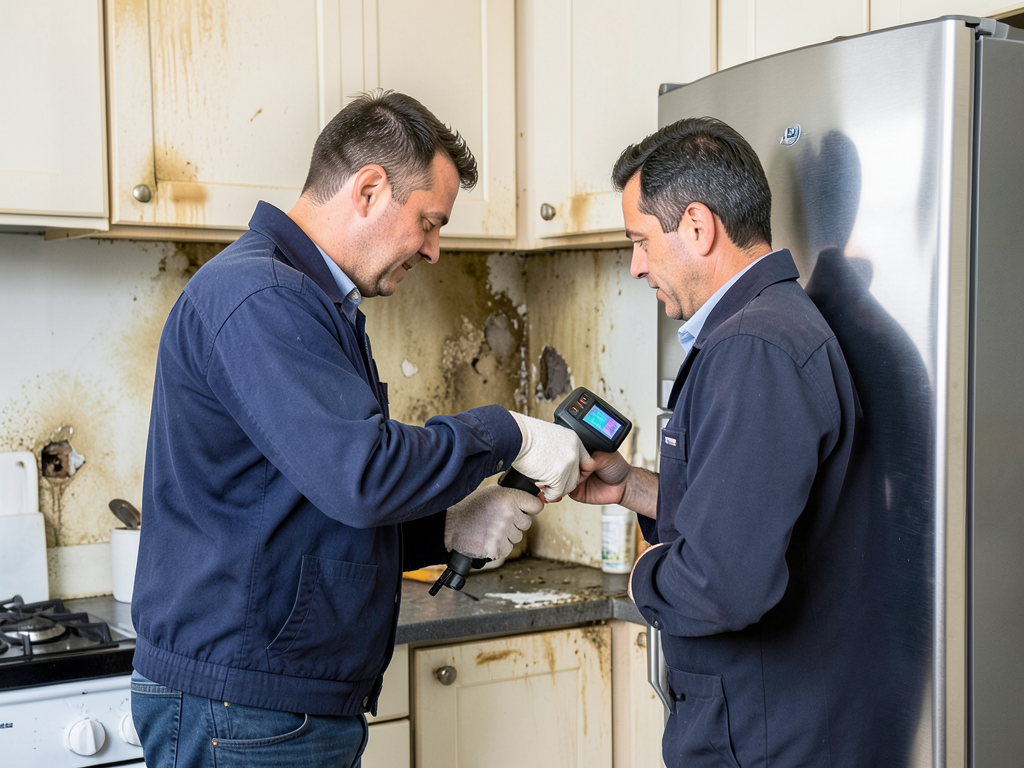
Why your ice maker line is a ticking time bomb for your kitchen floor Ice…
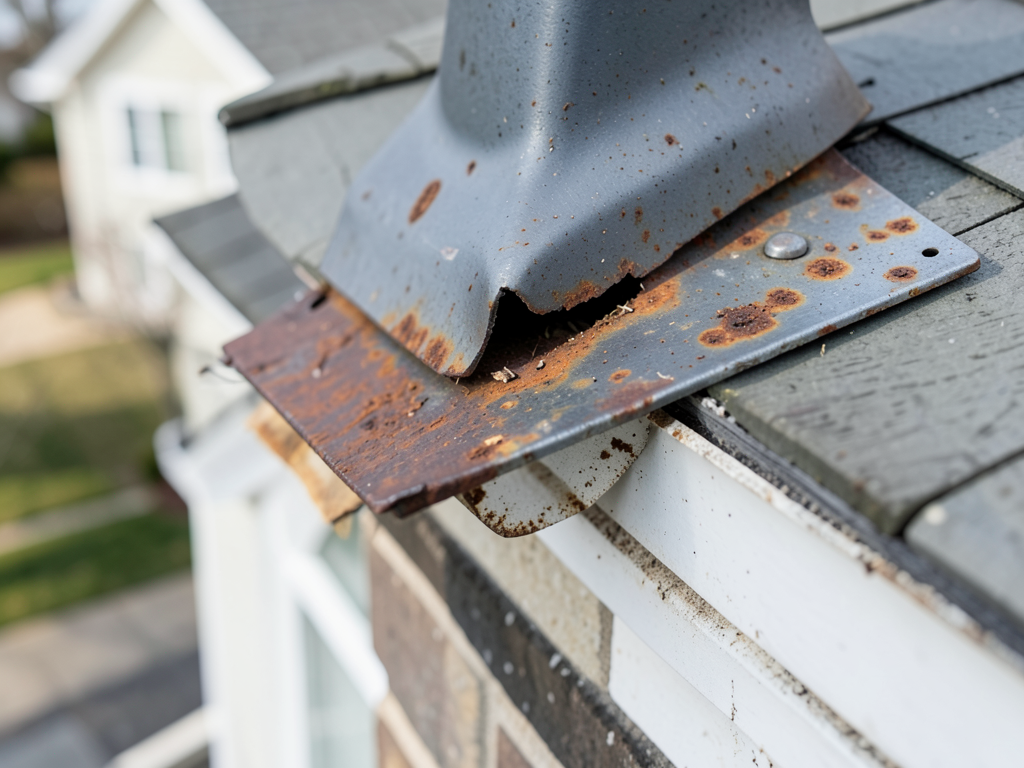
How to spot the signs of a chimney leak before it ruins your Riverside living…
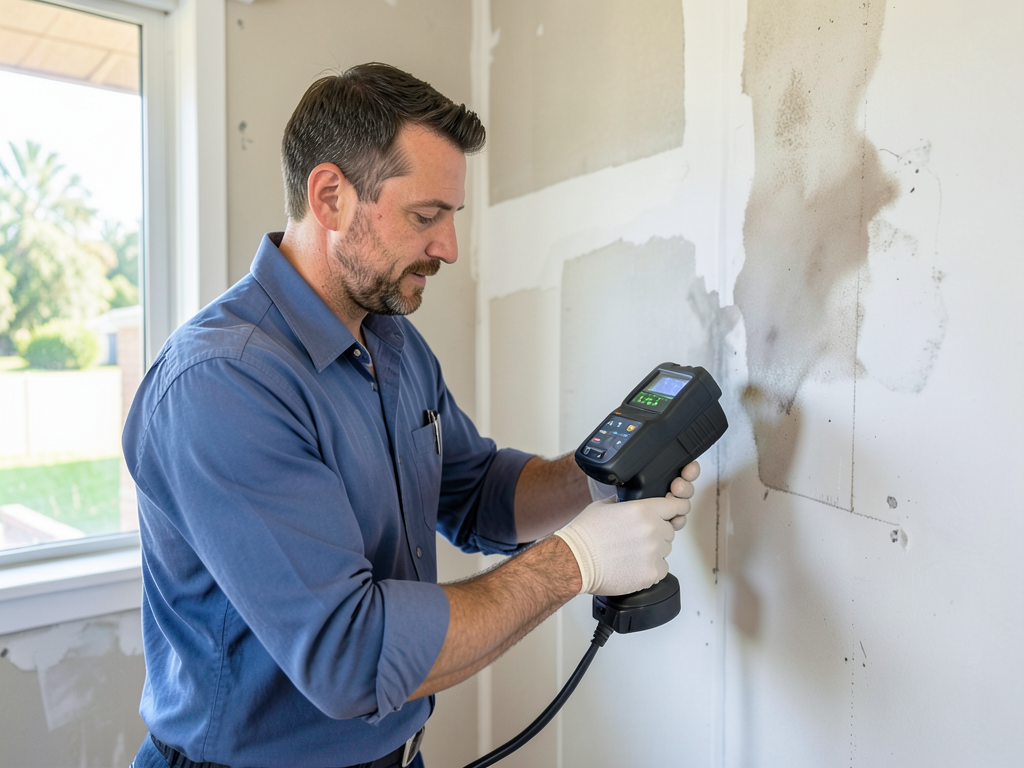
The most common plumbing mistakes Riverside DIYers make that lead to floods DIY plumbing projects…
Every hour matters when water invades your Jurupa Valley property. Call Liberty Water Damage Restoration Riverside now at (951) 309-5499 for rapid response and expert water removal services. Our certified technicians arrive within 60 minutes to stop damage and start the drying process immediately.