
Warning signs of a slab leak that every Riverside homeowner should know
A sudden spike in your water bill. A warm spot on your living room floor. The sound of running water when all taps are off. These are not minor annoyances in Riverside homes. They are the first warning signs of a slab leak, a hidden plumbing failure that can destroy your foundation and flood your home from below. Riverside Public Utilities.
Slab leaks happen when water pipes under your concrete foundation crack or corrode. In Riverside, the combination of expansive clay soil, hard water, and aging plumbing systems creates the perfect conditions for these failures. The water seeps into the ground beneath your home, eroding the soil and causing the foundation to shift. Left untreated, a slab leak can lead to cracked walls, warped flooring, mold growth, and tens of thousands in structural repairs. What to do when a pipe bursts in your Riverside home.
The Inland Empire’s clay soil expands when wet and contracts when dry. This constant movement puts pressure on buried pipes. Add Riverside’s hard water, which contains high levels of calcium and magnesium, and you have pipes that corrode from the inside out. Many homes in Canyon Crest, Orangecrest, and Woodcrest were built in the 1980s and 1990s with copper pipes that are now reaching the end of their lifespan. Top-rated water damage repair and restoration in Corona.
California Building Code Section 5-1 requires proper soil compaction and pipe protection during construction, but even code-compliant installations can fail decades later. When a leak starts, it often goes unnoticed for weeks or months because the water disappears into the ground beneath your home. California Building Code Section 5-1.
Top 7 warning signs of a slab leak
Recognizing these symptoms early can save you from catastrophic damage. Here are the seven most common signs that you may have a slab leak in your Riverside home. Getting your Riverside water damage insurance claim approved.
- Sudden increase in water bills – If your usage habits haven’t changed but your bill jumps by 30% or more, you likely have a hidden leak. A small crack can waste 100 gallons per day.
- Hot spots on floors – If you feel warm areas on tile or hardwood floors, especially in bathrooms or kitchens, you may have a hot water line leaking under the slab.
- Sound of running water – When all fixtures are off, listen for the sound of water flowing through pipes. This indicates water is escaping somewhere in the system.
- Damp carpets or warped flooring – Water seeping up through the slab can cause carpets to feel damp or hardwood to warp and buckle.
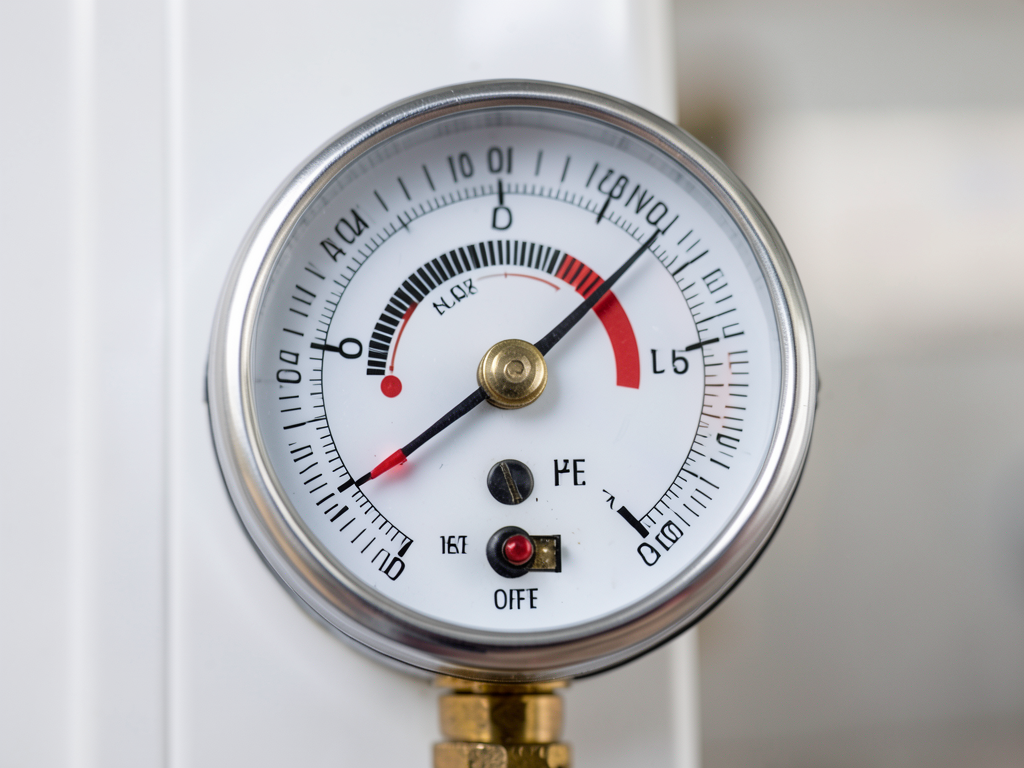
- Low water pressure – A leak under the slab reduces the water available to your fixtures, causing noticeable pressure drops.
- Cracks in walls or floors – As the foundation shifts due to soil erosion, you may see new cracks appearing in drywall or tile.
- Mold or mildew smell – Persistent dampness under floors creates perfect conditions for mold growth, which produces a musty odor.
These symptoms often appear gradually. You might notice your water bill creeping up over several months, or feel a slightly warm spot that you ignore. By the time you see visible water damage, the leak has often been active for weeks. Riverside water restoration teams that can be at your door in an hour.
Why Riverside homes are prone to slab leaks
Riverside’s geology and climate create unique challenges for home plumbing. The area sits on expansive clay soil that behaves like a sponge. When this soil gets wet from a slab leak, it expands and pushes against your foundation. When it dries, it contracts and leaves voids. This constant expansion and contraction creates stress on buried pipes.. Read more about Why your Riverside water heater is leaking from the bottom and what it means.
The Inland Empire also experiences seismic activity. Even small earthquakes can shift the ground enough to crack aging pipes. The 1994 Northridge earthquake damaged thousands of homes throughout Southern California, and many of those same neighborhoods are now seeing slab leaks as those pipes finally fail.
Riverside Public Utilities reports that local water has a hardness level of 12-15 grains per gallon, which is considered very hard. This mineral content builds up inside pipes over time, creating rough surfaces where corrosion can start. Copper pipes, common in homes built before 2000, are particularly vulnerable to this type of damage.. Read more about Why we use thermal imaging to find water leaks in Highgrove houses.
Many Riverside neighborhoods were developed during the housing boom of the 1980s and 1990s. Homes in Mission Grove, La Sierra, and Canyon Crest often have original plumbing that’s now 30-40 years old. The combination of age, hard water, and soil movement means these neighborhoods are seeing an increasing number of slab leaks.. Read more about How to prevent future water damage in an older Eastside Riverside home.
The dangers of delay: foundation and mold risks
A small slab leak might seem like a minor inconvenience, but the damage compounds quickly. Water escaping under your foundation erodes the supporting soil. This erosion creates voids that cause the concrete slab to settle unevenly. The result is cracked foundations, uneven floors, and doors that no longer close properly.. Read more about How Riverside’s hard water leads to pinhole leaks in your copper pipes.
Moisture from slab leaks creates perfect conditions for mold growth. Mold can begin growing within 24-48 hours of water exposure. Once established, mold spreads through drywall, insulation, and wood framing. Black mold, which thrives in damp conditions, poses serious health risks including respiratory problems, allergic reactions, and in severe cases, neurological symptoms.
The cost of ignoring a slab leak multiplies over time. A simple pipe repair might cost $500-1,000 if caught early. Foundation repairs can run $5,000-20,000. Mold remediation often costs $3,000-10,000. The longer you wait, the more expensive the damage becomes.. Read more about Signs of a pool leak that might be flooding your Alessandro Heights backyard.
California law requires disclosure of known water damage when selling a home. A slab leak that goes unaddressed can reduce your home’s value by 10-30% and complicate the selling process. Insurance companies may deny claims for damage that resulted from neglected maintenance.
Professional leak detection vs. DIY observation
You can check for obvious signs of a slab leak yourself, but finding the exact location requires professional equipment. Here’s how the two approaches compare.
| Method | Cost Range | Accuracy | Time Required |
|---|---|---|---|
| DIY Observation | Free | Low – can confirm a problem exists but not locate it | Hours to days of monitoring |
| Electronic Leak Detection | $200-500 | High – pinpoints leak location within inches | 1-2 hours |
| Thermal Imaging | $300-600 | Very High – shows temperature differences indicating leaks | 1-3 hours |
| Acoustic Sonar | $400-800 | Excellent – hears water movement through concrete | 2-4 hours |
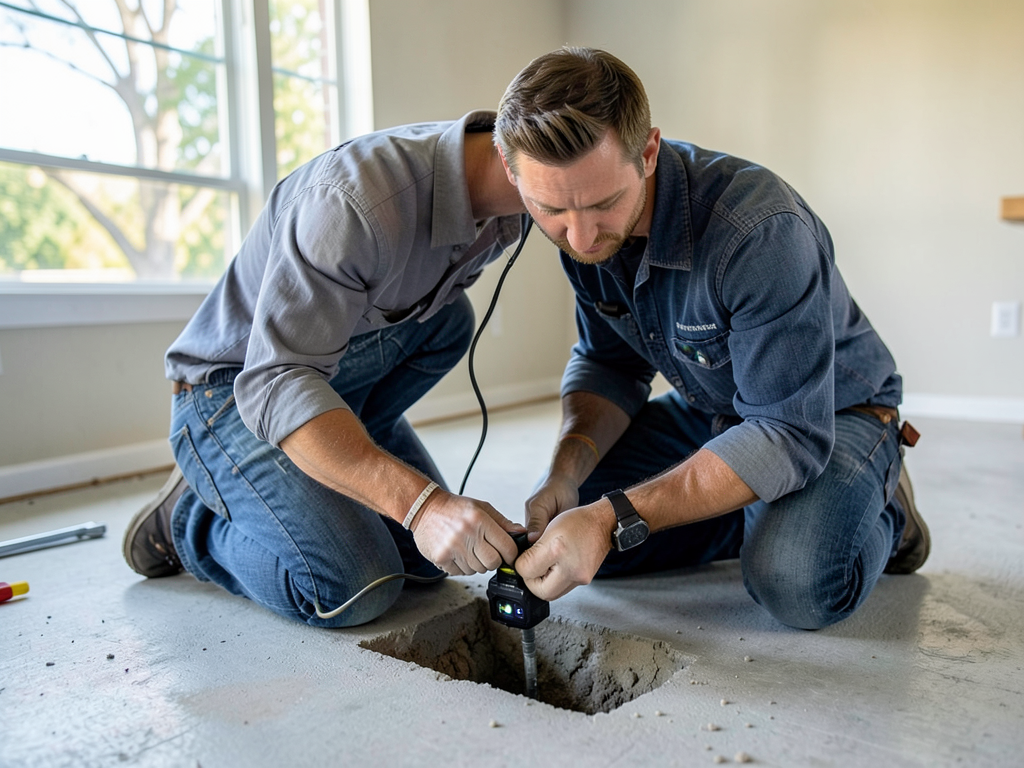
Professional water damage restoration companies use electronic leak detection equipment that can find leaks without destructive testing. These devices use sensitive microphones to listen for the sound of water escaping under pressure. Thermal imaging cameras detect temperature differences caused by hot or cold water leaks. Moisture meters measure the amount of water in building materials.
The key advantage of professional detection is precision. Instead of tearing up large sections of flooring to find a leak, technicians can locate it exactly and minimize repair damage. This precision saves thousands in unnecessary demolition and reconstruction costs.
Next steps: what to do if you suspect a leak
If you notice any of the warning signs above, take these steps immediately. Every hour counts when dealing with a slab leak.
- Check your water meter – Turn off all water in your home and watch the meter’s leak indicator. If it’s moving, you have a leak somewhere in your system.
- Shut off the main water valve – Locate your home’s main shutoff valve, typically near the front of the house where the water line enters. Turn it clockwise to stop water flow.
- Document everything – Take photos of any visible signs like damp spots, warped flooring, or cracks. Note when you first noticed symptoms and any changes in your water bill.
- Call a professional immediately – Time is critical. A slab leak can cause thousands in damage within days.
Don’t wait to see if the problem gets worse. By the time you notice visible water damage, the leak has often been active for weeks. Professional water damage restoration companies offer 24/7 emergency service because they understand the urgency of these situations. Emergency flood cleanup and restoration in Jurupa Valley.
When you call for help, be prepared to describe what you’ve observed. Mention any recent changes in your water bill, sounds you’ve heard, or temperature differences you’ve felt. This information helps technicians prepare the right equipment and approach.
Insurance coverage for slab leaks varies by policy. Many homeowners policies cover sudden, accidental water damage but not damage from long-term leaks or poor maintenance. Document everything and contact your insurance company as soon as you confirm a leak. Some restoration companies can help with insurance documentation and claims processing.
Preventing future slab leaks
While you can’t eliminate the risk entirely, you can take steps to reduce the likelihood of slab leaks in your Riverside home.
Install a water softener if your home has hard water. Softened water reduces mineral buildup in pipes and extends their lifespan. The initial cost of $1,000-2,500 can save thousands in future repairs.
Have your plumbing inspected every 5-7 years if your home is over 20 years old. A professional can identify early signs of corrosion or stress that might lead to leaks. They can also check for proper pipe support and insulation.
Monitor your water bill monthly. Even small increases can indicate developing problems. Many Riverside residents don’t notice gradual increases until they’re substantial.
Consider repiping if your home has galvanized steel pipes, which are prone to corrosion and typically last only 40-50 years. Modern PEX or copper piping systems last longer and resist corrosion better.
Maintain proper drainage around your home’s foundation. Ensure downspouts direct water away from the house and that the ground slopes away from the foundation. This reduces soil moisture that can cause expansion and contraction.
Slab leaks are a serious threat to Riverside homes, but they’re manageable with quick action and professional help. The key is recognizing the warning signs early and responding immediately. Don’t let a small leak turn into a major disaster.
Call (951) 309-5499 today to schedule your inspection. Our team is ready to help you protect your home from the hidden dangers of slab leaks.
Frequently Asked Questions
How much does slab leak detection cost in Riverside?
Professional slab leak detection typically costs $200-800 in Riverside, depending on the method used and the complexity of your home’s plumbing system. Thermal imaging and acoustic detection methods are more expensive but provide more accurate results than basic electronic detection.
Will my insurance cover slab leak damage?
Most standard homeowners insurance policies cover sudden, accidental water damage from slab leaks but not damage from long-term leaks or poor maintenance. You’ll need to document the sudden nature of the leak and show you weren’t aware of it before it caused damage.
How long does it take to repair a slab leak?
Once located, a slab leak repair typically takes 1-3 days. This includes breaking through the concrete, repairing the pipe, testing the repair, and patching the slab. Additional time is needed for water damage restoration if the leak has caused secondary damage.
Can I stay in my home during slab leak repairs?
Often yes, but it depends on the extent of the work. Minor repairs might allow you to stay, but major foundation work or extensive water damage restoration may require temporary relocation for safety and to allow proper drying and repair.
You may also find this helpful. Why your bathroom tiles are cracking and what it says about hidden moisture.
{
“@context”: “https://schema.org”,
“@type”: “BlogPosting”,
“headline”: “Warning signs of a slab leak that every Riverside homeowner should know”,
“description”: “Riverside homeowners: Learn 7 warning signs of slab leaks before they destroy your foundation. Call (951) 309-5499 for 24/7 emergency detection.”,
“wordCount”: 1896,
“datePublished”: “2026-03-20T12:44:00.000Z”,
“dateModified”: “2026-03-20T12:44:00.000Z”,
“inLanguage”: “en-US”,
“mainEntityOfPage”: {
“@type”: “WebPage”,
“@id”: “https://libertywaterdamagerestorationriverside.com”
},
“publisher”: {
“@type”: “LocalBusiness”,
“name”: “Liberty Water Damage Restoration Riverside”,
“url”: “https://libertywaterdamagerestorationriverside.com”
},
“author”: {
“@type”: “Organization”,
“name”: “Liberty Water Damage Restoration Riverside”,
“url”: “https://libertywaterdamagerestorationriverside.com”
},
“image”: {
“@type”: “ImageObject”,
“url”: “https://libertywaterdamagerestorationriverside.com/wp-content/uploads/2026/03/warning-signs-of-a-slab-leak-that-every-riverside-1.png”
}
}
{
“@context”: “https://schema.org”,
“@type”: “LocalBusiness”,
“name”: “Liberty Water Damage Restoration Riverside”,
“url”: “https://libertywaterdamagerestorationriverside.com”,
“address”: {
“@type”: “PostalAddress”,
“addressLocality”: “Riverside”
},
“areaServed”: {
“@type”: “City”,
“name”: “Riverside”
}
}
{
“@context”: “https://schema.org”,
“@type”: “FAQPage”,
“mainEntity”: [
{
“@type”: “Question”,
“name”: “How much does slab leak detection cost in Riverside?”,
“acceptedAnswer”: {
“@type”: “Answer”,
“text”: “Professional slab leak detection typically costs $200-800 in Riverside, depending on the method used and the complexity of your home’s plumbing system. Thermal imaging and acoustic detection methods are more expensive but provide more accurate results than basic electronic detection.”
}
},
{
“@type”: “Question”,
“name”: “Will my insurance cover slab leak damage?”,
“acceptedAnswer”: {
“@type”: “Answer”,
“text”: “Most standard homeowners insurance policies cover sudden, accidental water damage from slab leaks but not damage from long-term leaks or poor maintenance. You’ll need to document the sudden nature of the leak and show you weren’t aware of it before it caused damage.”
}
},
{
“@type”: “Question”,
“name”: “How long does it take to repair a slab leak?”,
“acceptedAnswer”: {
“@type”: “Answer”,
“text”: “Once located, a slab leak repair typically takes 1-3 days. This includes breaking through the concrete, repairing the pipe, testing the repair, and patching the slab. Additional time is needed for water damage restoration if the leak has caused secondary damage.”
}
},
{
“@type”: “Question”,
“name”: “Can I stay in my home during slab leak repairs?”,
“acceptedAnswer”: {
“@type”: “Answer”,
“text”: “Often yes, but it depends on the extent of the work. Minor repairs might allow you to stay, but major foundation work or extensive water damage restoration may require temporary relocation for safety and to allow proper drying and repair.”
}
}
]
}
{
“@context”: “https://schema.org”,
“@type”: “BreadcrumbList”,
“itemListElement”: [
{
“@type”: “ListItem”,
“position”: 1,
“name”: “Home”,
“item”: “https://libertywaterdamagerestorationriverside.com”
},
{
“@type”: “ListItem”,
“position”: 2,
“name”: “Blog”,
“item”: “https://libertywaterdamagerestorationriverside.com/blog”
},
{
“@type”: “ListItem”,
“position”: 3,
“name”: “Warning signs of a slab leak that every Riverside homeowner should know”
}
]
}
{
“@context”: “https://schema.org”,
“@type”: “Service”,
“serviceType”: “Water Damage Restoration”,
“provider”: {
“@type”: “LocalBusiness”,
“name”: “Liberty Water Damage Restoration Riverside”,
“url”: “https://libertywaterdamagerestorationriverside.com”
},
“areaServed”: {
“@type”: “City”,
“name”: “Riverside”
},
“description”: “Riverside homeowners: Learn 7 warning signs of slab leaks before they destroy your foundation. Call (951) 309-5499 for 24/7 emergency detection.”
}