
Why we use thermal imaging to find water leaks in Highgrove houses
Water leaks in Highgrove homes often hide behind walls, under floors, or in ceilings where you can’t see them. These hidden leaks waste water, damage your home’s structure, and create perfect conditions for mold growth. Thermal imaging technology lets us find these problems without tearing apart your walls or floors. We use specialized infrared cameras that detect temperature differences caused by moisture, showing us exactly where leaks are hiding. Top-rated water damage repair and restoration in Corona.
Highgrove’s older homes, many built in the 1960s and 1970s, often have aging copper pipes that develop pinhole leaks over time. The area’s hard water also accelerates pipe corrosion, making thermal imaging especially valuable for local homeowners. Our infrared cameras can spot these hidden leaks before they cause thousands of dollars in damage. Riverside water restoration teams that can be at your door in an hour.
How thermal imaging works for leak detection
Thermal imaging cameras detect infrared radiation that all objects emit based on their temperature. When water leaks into building materials, it changes how those materials hold and release heat. Wet materials cool differently than dry ones, creating a temperature pattern our cameras can see. This evaporative cooling effect shows up as darker or lighter areas on the thermal image, depending on whether we’re looking at heat loss or heat retention.. Read more about Dealing with ceiling leaks caused by AC condensation during a Riverside heatwave.
Our FLIR E-series cameras can detect temperature differences as small as 0.05 degrees Fahrenheit. This sensitivity lets us find moisture problems that would be invisible to the naked eye. The cameras create real-time images showing exactly where water has penetrated building materials, helping us pinpoint the source without destructive testing.
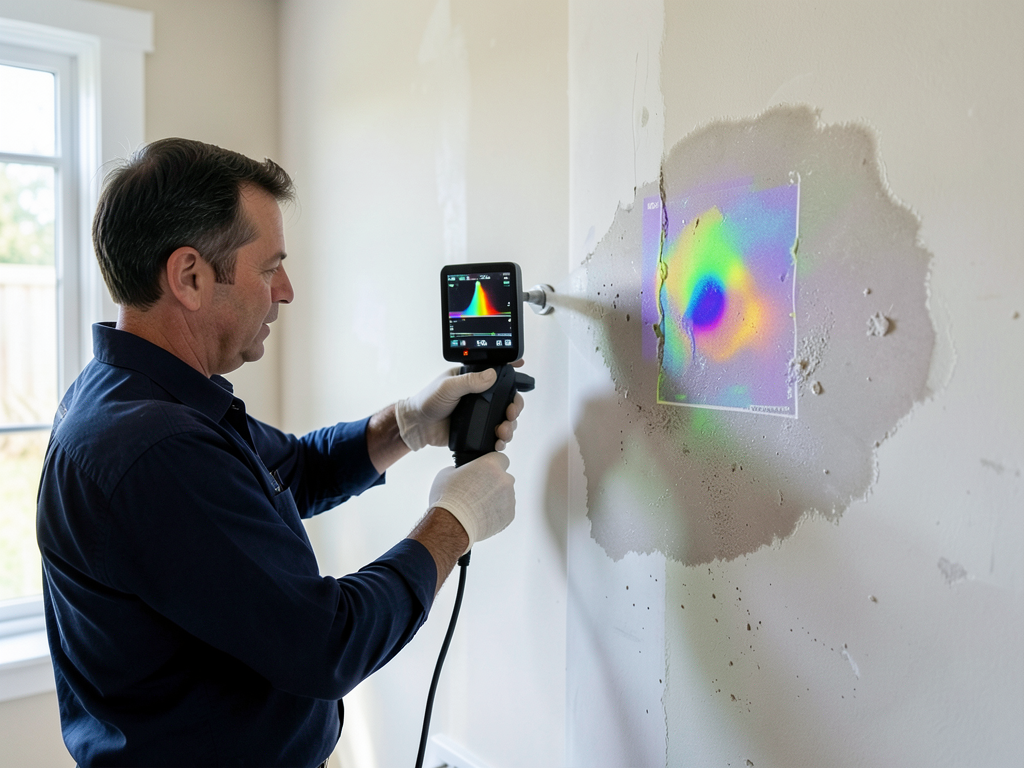
A thermal imaging technician scanning a Highgrove home’s interior wall, with the infrared camera display showing temperature variations that indicate hidden moisture behind the drywall.
Common causes of hidden water leaks in Riverside homes
Highgrove’s geographic location creates specific challenges for homeowners. The area sits on expansive clay soils that shift with moisture changes, putting stress on underground pipes. During dry summers, soil contracts away from pipes, and when winter rains return, the soil expands rapidly. This movement causes pipe joints to separate and creates stress fractures in older plumbing. EPA mold prevention guidelines.
Local water chemistry also plays a major role. Riverside’s water contains high mineral content that builds up inside pipes over decades. This scale buildup reduces pipe diameter and creates rough surfaces where corrosion can start. Copper pipes particularly suffer from this process, developing pinhole leaks that spray water into wall cavities. What to do when a pipe bursts in your Riverside home.
Another common issue in Highgrove involves the area’s older water pressure systems. Many homes still have pressure regulators that are past their 10-15 year lifespan. When these fail, water pressure can spike to levels that stress pipe joints and fixtures, causing sudden leaks that thermal imaging can quickly locate.
The benefits of non-invasive infrared surveys
Traditional leak detection methods often require cutting into walls, removing flooring, or digging up yards to find problems. This destructive approach adds repair costs and creates more mess for homeowners to deal with. Thermal imaging eliminates this damage by letting us see through building materials to find the exact location of moisture.. Read more about How to spot a leaking pipe inside your walls before it becomes a disaster.
The technology also saves time. What might take days of trial-and-error testing with traditional methods can be completed in hours with thermal imaging. This speed is crucial when dealing with active leaks that continue causing damage while we search for them.. Read more about Dealing with a slow bathroom leak in your Arlanza home before it ruins the floor.
Thermal surveys also help prevent future problems. By creating a complete moisture map of your home, we can identify areas at risk for future leaks before they become emergencies. This proactive approach saves money and prevents the stress of unexpected water damage.
Our step-by-step leak detection process
- Initial Assessment
We start by examining your home’s plumbing layout and reviewing any visible signs of water damage. This helps us determine the most likely areas where leaks might occur based on your home’s age and construction.
- Thermal Scan Setup
Our technicians prepare the area by controlling environmental factors that could affect readings. This might include adjusting HVAC settings or waiting for optimal temperature conditions.
- Infrared Survey
We systematically scan walls, ceilings, floors, and other surfaces using our FLIR thermal cameras. The cameras record both visual and thermal data for comprehensive analysis.
- Data Analysis
Back in our mobile lab, we analyze the thermal images using specialized software that enhances temperature variations and identifies moisture patterns.
- Verification Testing
We use moisture meters and other diagnostic tools to confirm the thermal imaging findings, ensuring accurate results.
- Detailed Reporting
We provide you with a comprehensive report showing all findings, including thermal images with problem areas clearly marked and recommendations for repairs.
Why Riverside homeowners trust our thermal imaging services
Highgrove residents choose our services because we combine advanced technology with local expertise. We understand the specific challenges that Riverside’s climate and geology create for home plumbing systems. Our technicians have completed over 500 successful leak detections in the area, giving us deep knowledge of common failure patterns. Getting your Riverside water damage insurance claim approved.
Our IICRC certification ensures we follow industry best practices for moisture detection and water damage assessment. We also maintain ITC (Infrared Training Center) certification for our thermal imaging work, demonstrating our commitment to using this technology correctly and effectively. IICRC certification standards.
We back our work with a satisfaction guarantee. If we can’t find your leak using our thermal imaging process, the inspection is free. This confidence comes from our proven track record and the reliability of our equipment and methods.
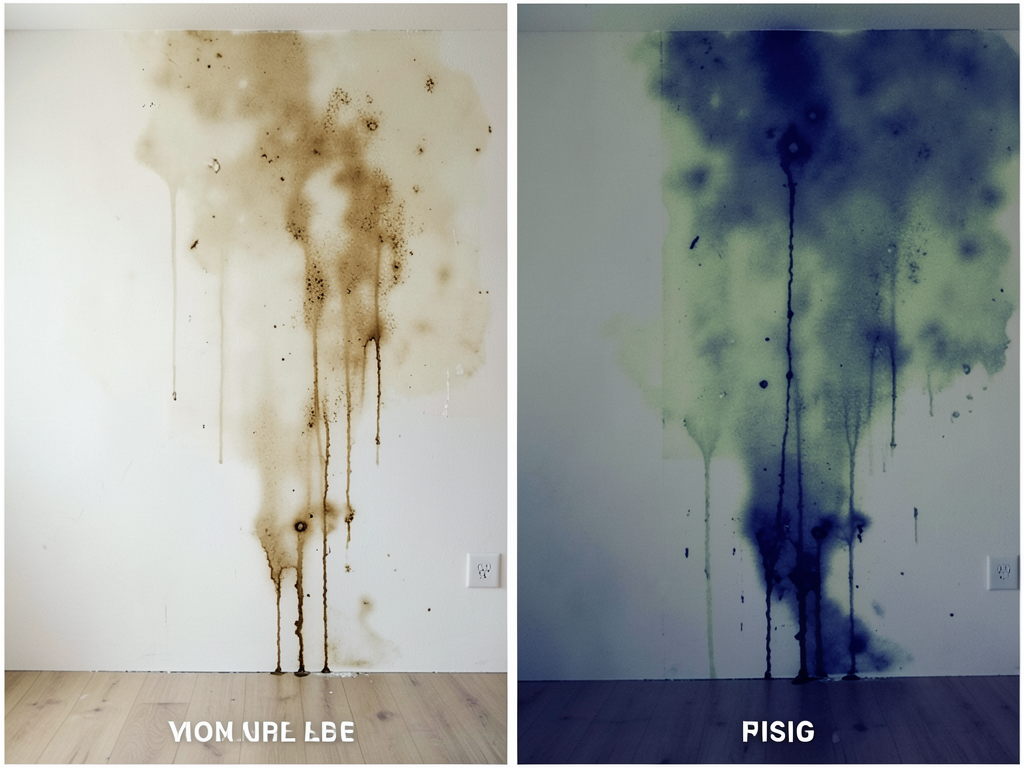
Side-by-side comparison showing a regular photo of a wall next to its thermal image, revealing hidden moisture patterns that indicate a slow leak behind the drywall.
Slab leak detection in Southern California homes
Slab foundations are common in Highgrove homes, and they present unique challenges for leak detection. When pipes under concrete slabs develop leaks, the water has nowhere to go but up through the foundation. This creates moisture that can travel horizontally before showing signs at the surface.
Thermal imaging excels at finding slab leaks because it can detect the temperature changes that occur when water moves through or under concrete. The water’s cooling effect creates distinct thermal patterns that show us exactly where to look for the source, even when it’s buried under inches of concrete.
California building codes require specific insulation standards for slab foundations under Title 24. Our thermal imaging process takes these requirements into account, helping us distinguish between normal insulation patterns and abnormal moisture signatures.
Roof and ceiling moisture mapping
Roof leaks in Highgrove often start small and grow over months or years before causing visible damage inside your home. By the time you see water stains on your ceiling, the damage is already extensive. Thermal imaging can detect these leaks while they’re still minor, saving you from expensive repairs.
We scan roof assemblies from inside your attic or from the exterior when safe access is available. The thermal patterns show us where water has penetrated roofing materials, even when the entry point is far from where water appears inside your home.
Highgrove’s occasional Santa Ana wind events can damage roof flashing and create entry points for water. Our thermal surveys can identify these vulnerabilities before the next storm hits, allowing you to make preventive repairs.
A technician using a thermal camera to scan a ceiling in a Highgrove home, with the camera display showing temperature variations that reveal hidden water damage from an undetected roof leak.
Wall and insulation inspection
Water that enters wall cavities can cause extensive damage before you notice any signs. Thermal imaging lets us see moisture in walls without removing drywall or siding. This is especially important for Highgrove’s many stucco-clad homes, where water intrusion behind the stucco can rot wood framing before it becomes visible.
Our cameras can also detect missing or damaged insulation, which affects your home’s energy efficiency. We often find that what homeowners think is a plumbing leak is actually an insulation problem causing condensation and moisture buildup.
The technology works particularly well for finding leaks around windows and doors, common problem areas in older Highgrove homes where caulking has failed or flashing has deteriorated.
Our certifications and training
Our team holds multiple certifications that ensure professional, accurate leak detection. Our IICRC certification (Institute of Inspection, Cleaning and Restoration Certification) demonstrates our expertise in water damage assessment and restoration procedures. This certification requires ongoing education and adherence to industry standards.
We maintain ITC (Infrared Training Center) certification for all our thermal imaging technicians. This specialized training covers proper camera operation, interpretation of thermal data, and understanding of building science principles that affect thermal patterns.
Our technicians also complete annual training on the latest thermal imaging software and analysis techniques, ensuring we use the most current methods for finding and documenting water leaks.
Cost comparison: professional vs. DIY leak detection
| Method | Initial Cost | Time Required | Accuracy Rate | Potential Additional Costs |
|---|---|---|---|---|
| Professional Thermal Imaging | $350-600 | 2-4 hours | 95%+ accurate | None (if leak found) |
| Consumer Moisture Meter | $50-200 | 1-2 days | 60-70% accurate | $500-2,000 (if walls damaged) |
| Traditional Plumbing Detection | $200-400 | 1-3 days | 80% accurate | $1,000-5,000 (if walls cut) |
| Wait for Visible Damage | $0 | Weeks to months | 100% (when visible) | $3,000-15,000 (repair costs) |
Insurance documentation and thermal reporting
When water damage occurs, insurance companies require detailed documentation to process claims. Our thermal imaging reports provide the professional documentation insurers need, including thermal images, moisture readings, and expert analysis of the damage extent.
These reports help establish the cause and timing of water damage, which is crucial for claim approval. They also document the scope of damage, supporting your claim for restoration costs. Many insurance companies now specifically request thermal imaging documentation because of its accuracy and reliability.
We work directly with insurance adjusters, providing them with the technical data they need to process your claim efficiently. This expertise can make the difference between a claim that’s approved quickly and one that faces delays or denials.
Preventing mold growth after leak detection
Finding a leak is only half the battle. Water that sits in walls, floors, or ceilings for more than 24-48 hours creates conditions for mold growth. Our thermal imaging process includes moisture mapping that shows exactly where water has spread, allowing for targeted drying that prevents mold before it starts.
We follow EPA guidelines for mold prevention, which recommend drying water-damaged areas within 24-48 hours. Our thermal imaging helps us verify that all moisture has been removed, even from areas you can’t see or access.
Highgrove’s warm climate can accelerate mold growth, making fast, accurate leak detection and thorough drying even more critical for local homeowners.
Emergency response times for the Inland Empire
Water leaks don’t wait for convenient times, and neither do we. Our emergency response team is available 24/7 for Highgrove and surrounding Riverside County areas. We guarantee arrival within 60 minutes for emergency calls in most of the Inland Empire. Emergency flood cleanup and restoration in Jurupa Valley.
Quick response is crucial because every hour a leak continues increases damage and repair costs. Our thermal imaging equipment is mounted in our service vehicles, allowing us to begin detection work immediately upon arrival.
We maintain a fleet of fully equipped vehicles strategically positioned throughout Riverside County to ensure rapid response times when you need help most.
Hidden pipe bursts and pinhole leaks
Not all water leaks are dramatic pipe bursts. Many are slow, persistent pinhole leaks that waste water and cause damage over months or years. These small leaks can account for thousands of gallons of wasted water annually and create perfect conditions for mold growth behind walls.
Thermal imaging is particularly effective at finding these slow leaks because it can detect the subtle temperature changes they create. The evaporative cooling effect of even small amounts of water is enough for our sensitive cameras to detect and pinpoint.
Highgrove’s older neighborhoods, particularly areas with homes built before 1980, are especially susceptible to these types of leaks due to aging plumbing materials and corrosion from local water chemistry.
Call us before the next storm hits
Don’t wait for visible water damage to appear. Call (951) 309-5499 today to schedule your thermal imaging leak inspection. Our advanced technology can find hidden problems before they cause major damage, saving you money and preventing the stress of unexpected water emergencies.
Whether you suspect a leak, want peace of mind about your home’s condition, or need documentation for insurance purposes, our thermal imaging services provide the accurate, non-invasive detection you need. Pick up the phone and call (951) 309-5499 before the next storm hits or that small leak becomes a big problem.
Frequently Asked Questions
How accurate is thermal imaging for finding water leaks?
Professional thermal imaging is 95% accurate or higher when performed by certified technicians using commercial-grade equipment. The technology detects temperature differences caused by moisture, making it extremely reliable for finding hidden leaks.
Will thermal imaging damage my walls or floors?
No. Thermal imaging is completely non-invasive. The cameras detect infrared radiation without any physical contact with your home’s surfaces, so there’s no damage to walls, floors, or other building materials.
How long does a thermal leak inspection take?
A typical residential inspection takes 2-4 hours, depending on your home’s size and the complexity of the plumbing system. We systematically scan all areas where leaks commonly occur to ensure thorough coverage.
What areas do you serve in Riverside County?
We serve Highgrove and all of Riverside County, including Jurupa Valley, Eastvale, Riverside proper, and surrounding communities. Our emergency response team can typically arrive within 60 minutes for urgent situations.
Can thermal imaging find all types of water leaks?
Thermal imaging is highly effective for most leaks, including slab leaks, roof leaks, and hidden pipe leaks. However, very slow leaks or leaks in certain materials may require additional diagnostic methods to confirm.
{
“@context”: “https://schema.org”,
“@type”: “BlogPosting”,
“headline”: “Why we use thermal imaging to find water leaks in Highgrove houses”,
“description”: “Discover how thermal imaging technology helps Riverside homeowners detect hidden water leaks before they cause major damage. Learn about infrared leak detection in Highgrove.”,
“wordCount”: 2326,
“datePublished”: “2026-03-19T15:12:00.000Z”,
“dateModified”: “2026-03-19T15:12:00.000Z”,
“inLanguage”: “en-US”,
“mainEntityOfPage”: {
“@type”: “WebPage”,
“@id”: “https://libertywaterdamagerestorationriverside.com”
},
“publisher”: {
“@type”: “LocalBusiness”,
“name”: “Liberty Water Damage Restoration Riverside”,
“url”: “https://libertywaterdamagerestorationriverside.com”
},
“author”: {
“@type”: “Organization”,
“name”: “Liberty Water Damage Restoration Riverside”,
“url”: “https://libertywaterdamagerestorationriverside.com”
},
“image”: {
“@type”: “ImageObject”,
“url”: “https://libertywaterdamagerestorationriverside.com/wp-content/uploads/2026/03/why-we-use-thermal-imaging-to-find-water-leaks-in-1.png”
}
}
{
“@context”: “https://schema.org”,
“@type”: “LocalBusiness”,
“name”: “Liberty Water Damage Restoration Riverside”,
“url”: “https://libertywaterdamagerestorationriverside.com”,
“address”: {
“@type”: “PostalAddress”,
“addressLocality”: “Riverside”
},
“areaServed”: {
“@type”: “City”,
“name”: “Riverside”
}
}
{
“@context”: “https://schema.org”,
“@type”: “FAQPage”,
“mainEntity”: [
{
“@type”: “Question”,
“name”: “How accurate is thermal imaging for finding water leaks?”,
“acceptedAnswer”: {
“@type”: “Answer”,
“text”: “Professional thermal imaging is 95% accurate or higher when performed by certified technicians using commercial-grade equipment. The technology detects temperature differences caused by moisture, making it extremely reliable for finding hidden leaks.”
}
},
{
“@type”: “Question”,
“name”: “Will thermal imaging damage my walls or floors?”,
“acceptedAnswer”: {
“@type”: “Answer”,
“text”: “No. Thermal imaging is completely non-invasive. The cameras detect infrared radiation without any physical contact with your home’s surfaces, so there’s no damage to walls, floors, or other building materials.”
}
},
{
“@type”: “Question”,
“name”: “How long does a thermal leak inspection take?”,
“acceptedAnswer”: {
“@type”: “Answer”,
“text”: “A typical residential inspection takes 2-4 hours, depending on your home’s size and the complexity of the plumbing system. We systematically scan all areas where leaks commonly occur to ensure thorough coverage.”
}
},
{
“@type”: “Question”,
“name”: “What areas do you serve in Riverside County?”,
“acceptedAnswer”: {
“@type”: “Answer”,
“text”: “We serve Highgrove and all of Riverside County, including Jurupa Valley, Eastvale, Riverside proper, and surrounding communities. Our emergency response team can typically arrive within 60 minutes for urgent situations.”
}
},
{
“@type”: “Question”,
“name”: “Can thermal imaging find all types of water leaks?”,
“acceptedAnswer”: {
“@type”: “Answer”,
“text”: “Thermal imaging is highly effective for most leaks, including slab leaks, roof leaks, and hidden pipe leaks. However, very slow leaks or leaks in certain materials may require additional diagnostic methods to confirm.”
}
}
]
}
{
“@context”: “https://schema.org”,
“@type”: “HowTo”,
“name”: “How to detect water leaks using thermal imaging”,
“step”: [
{
“@type”: “HowToStep”,
“position”: 1,
“name”: “Initial Assessment”,
“text”: “We start by examining your home’s plumbing layout and reviewing any visible signs of water damage. This helps us determine the most likely areas where leaks might occur based on your home’s age and construction.”
},
{
“@type”: “HowToStep”,
“position”: 2,
“name”: “Thermal Scan Setup”,
“text”: “Our technicians prepare the area by controlling environmental factors that could affect readings. This might include adjusting HVAC settings or waiting for optimal temperature conditions.”
},
{
“@type”: “HowToStep”,
“position”: 3,
“name”: “Infrared Survey”,
“text”: “We systematically scan walls, ceilings, floors, and other surfaces using our FLIR thermal cameras. The cameras record both visual and thermal data for comprehensive analysis.”
},
{
“@type”: “HowToStep”,
“position”: 4,
“name”: “Data Analysis”,
“text”: “Back in our mobile lab, we analyze the thermal images using specialized software that enhances temperature variations and identifies moisture patterns.”
},
{
“@type”: “HowToStep”,
“position”: 5,
“name”: “Verification Testing”,
“text”: “We use moisture meters and other diagnostic tools to confirm the thermal imaging findings, ensuring accurate results.”
},
{
“@type”: “HowToStep”,
“position”: 6,
“name”: “Detailed Reporting”,
“text”: “We provide you with a comprehensive report showing all findings, including thermal images with problem areas clearly marked and recommendations for repairs.”
}
],
“image”: “https://libertywaterdamagerestorationriverside.com/wp-content/uploads/2026/03/why-we-use-thermal-imaging-to-find-water-leaks-in-1.png”
}
{
“@context”: “https://schema.org”,
“@type”: “BreadcrumbList”,
“itemListElement”: [
{
“@type”: “ListItem”,
“position”: 1,
“name”: “Home”,
“item”: “https://libertywaterdamagerestorationriverside.com”
},
{
“@type”: “ListItem”,
“position”: 2,
“name”: “Blog”,
“item”: “https://libertywaterdamagerestorationriverside.com/blog”
},
{
“@type”: “ListItem”,
“position”: 3,
“name”: “Why we use thermal imaging to find water leaks in Highgrove houses”
}
]
}
{
“@context”: “https://schema.org”,
“@type”: “Service”,
“serviceType”: “Water Damage Restoration”,
“provider”: {
“@type”: “LocalBusiness”,
“name”: “Liberty Water Damage Restoration Riverside”,
“url”: “https://libertywaterdamagerestorationriverside.com”
},
“areaServed”: {
“@type”: “City”,
“name”: “Riverside”
},
“description”: “Discover how thermal imaging technology helps Riverside homeowners detect hidden water leaks before they cause major damage. Learn about infrared leak detection in Highgrove.”
}