
Professional Dehumidifiers vs Consumer Models: Why the Difference Matters for Riverside Homes
When water damage strikes your Riverside home the equipment used to dry it can mean the difference between complete restoration and lingering moisture problems. Consumer-grade dehumidifiers simply cannot match the performance of professional restoration equipment especially in our Inland Empire climate where humidity levels and temperature swings create unique drying challenges. What to do when a pipe bursts in your Riverside home.
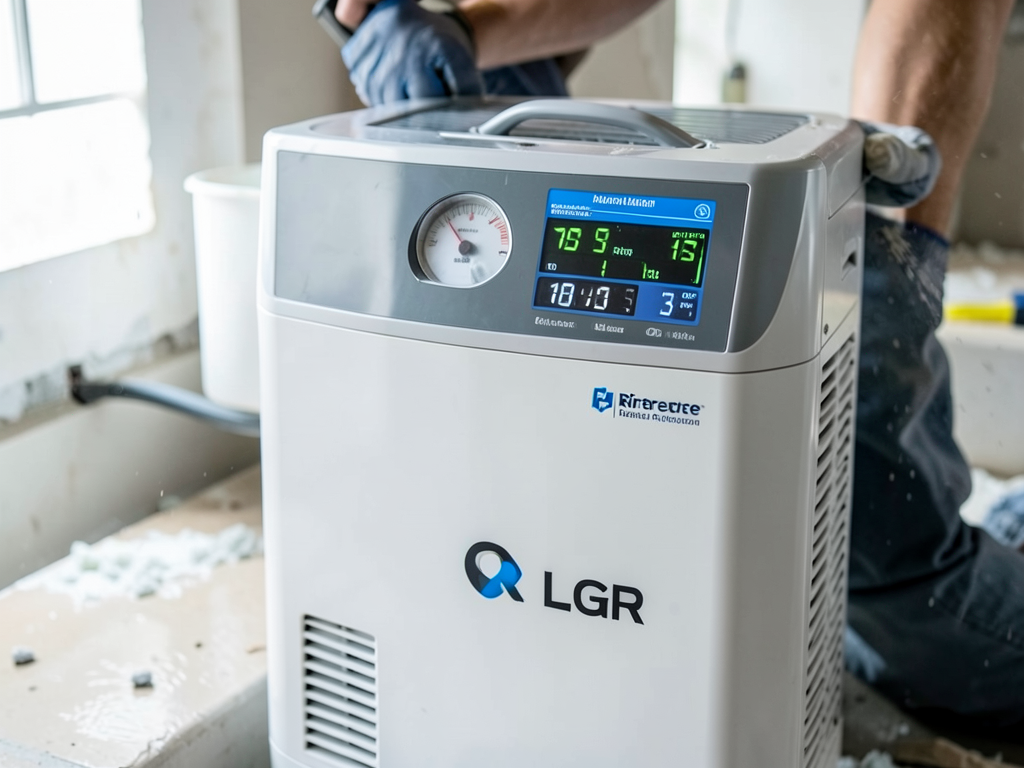
Professional restoration teams use industrial-grade Low Grain Refrigerant (LGR) dehumidifiers that extract 20 to 30 gallons of water per day compared to consumer models that remove only 1 to 2 gallons. This massive difference in capacity means professional equipment can dry structural materials like wall studs and subfloors within the critical 72-hour window before mold begins to grow. Top-rated water damage repair and restoration in Corona.
How Professional Dehumidifiers Work Differently
Professional LGR dehumidifiers use advanced refrigeration technology to create extremely low vapor pressure inside the unit. This allows them to extract moisture from materials with very low moisture content something consumer models cannot achieve. The refrigeration system in professional units operates at temperatures as low as 33°F allowing continuous operation in cooler conditions where consumer units would freeze up and stop working.
The airflow design also differs significantly. Professional units move 400 to 2000 cubic feet of air per minute through high-efficiency filters while consumer models typically move only 150 to 200 CFM. This higher airflow ensures moisture is pulled from deep within wall cavities and under flooring where hidden damage often occurs.. Read more about The hidden dangers of secondary water damage and how to stop it in its tracks.
Key Technical Differences Between Professional and Consumer Equipment
| Feature | Professional LGR Dehumidifier | Consumer Dehumidifier |
|---|---|---|
| Daily Water Removal | 20-30 gallons (AHAM rated) | 1-2 gallons |
| Airflow (CFM) | 400-2000 | 150-200 |
| Operating Temperature Range | 33°F to 100°F+ | 65°F to 90°F |
| Moisture Extraction Efficiency | Low Grain Refrigerant technology | Standard refrigeration |
| Monitoring Capabilities | Digital hygrometers built-in | Basic humidistat only |
Why Riverside’s Climate Demands Professional Equipment
Riverside’s unique climate creates specific challenges for water damage restoration. During summer months our average relative humidity ranges from 20% to 40% but can spike to 70% during monsoon season. These rapid humidity changes mean moisture migrates quickly through building materials requiring equipment that can respond instantly to changing conditions. Getting your Riverside water damage insurance claim approved.
The Santa Ana winds that sweep through the Inland Empire can accelerate evaporation but also spread moisture to previously unaffected areas. Professional restoration teams use thermal imaging cameras and moisture meters to track this moisture migration something consumer dehumidifiers cannot address since they lack the sensors needed to detect hidden moisture pockets.
The Science Behind Proper Structural Drying
Professional restoration follows the IICRC S500 Standard which requires specific conditions for effective drying. This standard mandates maintaining relative humidity below 40% and ensuring air movers create airflow across all wet surfaces at 600 feet per minute. Consumer dehumidifiers cannot achieve these precise conditions. IICRC S500 Standard.
The science involves psychrometrics – the study of air and water vapor mixtures. Professional technicians measure Grains Per Pound (GPP) of moisture in the air using specialized instruments. This measurement tells them exactly how much moisture remains in the structure and whether drying goals are being met. Consumer units lack this diagnostic capability. Riverside water restoration teams that can be at your door in an hour.
Hidden Moisture Detection Methods
Professional restoration teams use multiple diagnostic tools that consumer equipment cannot match. Thermal imaging cameras detect temperature differences caused by moisture presence allowing technicians to find water behind walls without destructive testing. Pin and pinless moisture meters measure moisture content in wood and other materials to determine if drying goals have been achieved.. Read more about The science of structural drying and why fans alone won’t save your drywall.
Professional teams also use air quality monitoring equipment to detect elevated moisture levels that could indicate hidden leaks or areas where drying is incomplete. These tools provide documentation required by insurance companies to approve claims something consumer dehumidifiers cannot provide.
Cost-Benefit Analysis for Riverside Property Owners
While renting or purchasing a consumer dehumidifier might seem cost-effective initially the long-term costs often exceed professional service fees. A typical consumer unit rental costs $30 to $50 per day while professional restoration services average $1500 to $3000 for complete water damage mitigation.
However professional services include equipment that would cost $5000 to $10000 to purchase retail plus the expertise to use it correctly. More importantly professional drying prevents secondary damage like mold growth which can add $3000 to $10000 in remediation costs if left untreated for more than 72 hours.
Emergency Response Timeline Importance
In Riverside water damage requires immediate professional response. Mold can begin growing within 24 to 48 hours in our climate especially during humid summer months. Professional restoration teams guarantee arrival within 60 minutes and can begin moisture extraction immediately using truck-mounted extraction units that remove 100 times more water than consumer shop vacuums.
The first 24 hours are critical for preventing secondary damage. Professional teams set up containment barriers to prevent moisture migration create negative air pressure to control airborne contaminants and establish drying chambers with precise environmental controls. Consumer dehumidifiers cannot create these controlled conditions.
Insurance Documentation and Compliance
Professional restoration companies provide detailed documentation required by insurance companies including moisture mapping before and after readings and drying logs. This documentation proves that proper drying standards were followed which is often required for claim approval. Consumer dehumidifier use provides no such documentation.
Many insurance policies require that water damage be mitigated by certified professionals to maintain coverage. Using consumer equipment when professional services are available could potentially void coverage for secondary damage that occurs due to incomplete drying.
Professional Equipment Integration
Professional restoration involves more than just dehumidifiers. Industrial air movers create the airflow needed to evaporate moisture from surfaces while air scrubbers remove airborne contaminants. Desiccant dehumidifiers are used in specific situations where LGR units cannot achieve the required low humidity levels such as in cold crawl spaces or during winter months.
The equipment is strategically placed based on moisture mapping results and continuously monitored using data loggers that track temperature humidity and moisture content. This systematic approach ensures complete drying something impossible with consumer equipment that lacks monitoring capabilities.
When Consumer Dehumidifiers Might Be Appropriate
Consumer dehumidifiers can be useful for minor water incidents like small spills or condensation issues in bathrooms. They work well for maintaining comfortable humidity levels in finished basements or preventing musty odors in closets. However they should never be used as the primary drying method for significant water damage.
For Riverside residents consumer units can help maintain humidity between 40% and 50% during our dry summer months which helps prevent static electricity and protects wooden furniture. But during actual water damage events they cannot remove moisture fast enough to prevent secondary damage.
Local Building Code Considerations
Riverside County building codes require that water-damaged structures be dried according to specific standards before reconstruction can begin. The California Building Code Section 1203.4 mandates that all structural elements be dried to within 5% moisture content of normal equilibrium before installing new materials. Professional moisture meters can verify this compliance while consumer equipment cannot.
Additionally Riverside Public Utilities requires documentation of proper drying procedures for any work involving their water systems. Professional restoration companies maintain the required documentation and certifications to comply with these local requirements.
Long-Term Benefits of Professional Restoration
Professional water damage restoration provides benefits that extend far beyond immediate drying. Complete structural drying prevents warping of wood floors and cabinetry prevents delamination of laminate materials and prevents the growth of mold and bacteria that can cause health problems.
Professional teams also identify and address the source of water intrusion whether it is a plumbing leak roof damage or foundation issue. This comprehensive approach prevents repeat damage and protects your investment in your Riverside home.
Call for Professional Help Today
Water damage waits for no one and every hour counts when moisture threatens your home. Our certified restoration technicians are standing by with professional-grade equipment ready to respond to your emergency 24 hours a day 7 days a week throughout Riverside and the surrounding areas. Emergency flood cleanup and restoration in Jurupa Valley.
Don’t risk incomplete drying and the costly problems that follow. Call (951) 309-5499 now for immediate professional assessment and begin the restoration process before secondary damage occurs. Our team will arrive quickly with the right equipment to protect your home and your health.
Frequently Asked Questions
How long does professional water damage drying take in Riverside?
Most residential water damage jobs require 3 to 5 days of professional drying depending on the extent of damage and materials affected. Our team monitors progress daily and adjusts equipment as needed to ensure complete drying within the IICRC S500 standard timeframe.
Will my insurance cover professional water damage restoration?
Most homeowner insurance policies cover sudden and accidental water damage including the professional drying process. We work directly with all major insurance companies and provide the documentation they require to process your claim quickly and efficiently.
What areas do you serve in Riverside County?
We serve all of Riverside County including Riverside Corona Moreno Valley Jurupa Valley and surrounding communities. Our dispatch center is centrally located to ensure rapid response times throughout the Inland Empire region.
How do I know if I need professional help or can handle it myself?
If water has affected more than 10 square feet of material or if you cannot completely dry the area within 24 hours you need professional help. Also if you see water behind walls or under flooring professional equipment is necessary to prevent hidden damage.
What certifications do your technicians hold?
Our technicians are IICRC certified in Water Damage Restoration Applied Structural Drying and Mold Remediation. We maintain current certifications and follow all industry standards for safe and effective restoration procedures. For more information, visit EPA mold guidelines.
{
“@context”: “https://schema.org”,
“@type”: “BlogPosting”,
“headline”: “Professional dehumidifiers vs consumer models and why the difference matters for your home”,
“description”: “Discover why industrial-grade dehumidifiers outperform consumer models in Riverside water damage restoration. Learn about LGR technology, IICRC standards, and proper drying science.”,
“wordCount”: 1633,
“datePublished”: “2026-03-17T09:00:00.000Z”,
“dateModified”: “2026-03-17T09:00:00.000Z”,
“inLanguage”: “en-US”,
“mainEntityOfPage”: {
“@type”: “WebPage”,
“@id”: “https://libertywaterdamagerestorationriverside.com”
},
“publisher”: {
“@type”: “LocalBusiness”,
“name”: “Liberty Water Damage Restoration Riverside”,
“url”: “https://libertywaterdamagerestorationriverside.com”
},
“author”: {
“@type”: “Organization”,
“name”: “Liberty Water Damage Restoration Riverside”,
“url”: “https://libertywaterdamagerestorationriverside.com”
},
“image”: {
“@type”: “ImageObject”,
“url”: “https://libertywaterdamagerestorationriverside.com/wp-content/uploads/2026/03/professional-dehumidifiers-vs-consumer-models-and-1.png”
}
}
{
“@context”: “https://schema.org”,
“@type”: “LocalBusiness”,
“name”: “Liberty Water Damage Restoration Riverside”,
“url”: “https://libertywaterdamagerestorationriverside.com”,
“address”: {
“@type”: “PostalAddress”,
“addressLocality”: “Riverside”
},
“areaServed”: {
“@type”: “City”,
“name”: “Riverside”
}
}
{
“@context”: “https://schema.org”,
“@type”: “FAQPage”,
“mainEntity”: [
{
“@type”: “Question”,
“name”: “How long does professional water damage drying take in Riverside?”,
“acceptedAnswer”: {
“@type”: “Answer”,
“text”: “Most residential water damage jobs require 3 to 5 days of professional drying depending on the extent of damage and materials affected. Our team monitors progress daily and adjusts equipment as needed to ensure complete drying within the IICRC S500 standard timeframe.”
}
},
{
“@type”: “Question”,
“name”: “Will my insurance cover professional water damage restoration?”,
“acceptedAnswer”: {
“@type”: “Answer”,
“text”: “Most homeowner insurance policies cover sudden and accidental water damage including the professional drying process. We work directly with all major insurance companies and provide the documentation they require to process your claim quickly and efficiently.”
}
},
{
“@type”: “Question”,
“name”: “What areas do you serve in Riverside County?”,
“acceptedAnswer”: {
“@type”: “Answer”,
“text”: “We serve all of Riverside County including Riverside Corona Moreno Valley Jurupa Valley and surrounding communities. Our dispatch center is centrally located to ensure rapid response times throughout the Inland Empire region.”
}
},
{
“@type”: “Question”,
“name”: “What certifications do your technicians hold?”,
“acceptedAnswer”: {
“@type”: “Answer”,
“text”: “Our technicians are IICRC certified in Water Damage Restoration Applied Structural Drying and Mold Remediation. We maintain current certifications and follow all industry standards for safe and effective restoration procedures. For more information, visit EPA mold guidelines.”
}
}
]
}
{
“@context”: “https://schema.org”,
“@type”: “BreadcrumbList”,
“itemListElement”: [
{
“@type”: “ListItem”,
“position”: 1,
“name”: “Home”,
“item”: “https://libertywaterdamagerestorationriverside.com”
},
{
“@type”: “ListItem”,
“position”: 2,
“name”: “Blog”,
“item”: “https://libertywaterdamagerestorationriverside.com/blog”
},
{
“@type”: “ListItem”,
“position”: 3,
“name”: “Professional dehumidifiers vs consumer models and why the difference matters for your home”
}
]
}
{
“@context”: “https://schema.org”,
“@type”: “Service”,
“serviceType”: “Water Damage Restoration”,
“provider”: {
“@type”: “LocalBusiness”,
“name”: “Liberty Water Damage Restoration Riverside”,
“url”: “https://libertywaterdamagerestorationriverside.com”
},
“areaServed”: {
“@type”: “City”,
“name”: “Riverside”
},
“description”: “Discover why industrial-grade dehumidifiers outperform consumer models in Riverside water damage restoration. Learn about LGR technology, IICRC standards, and proper drying science.”
}