
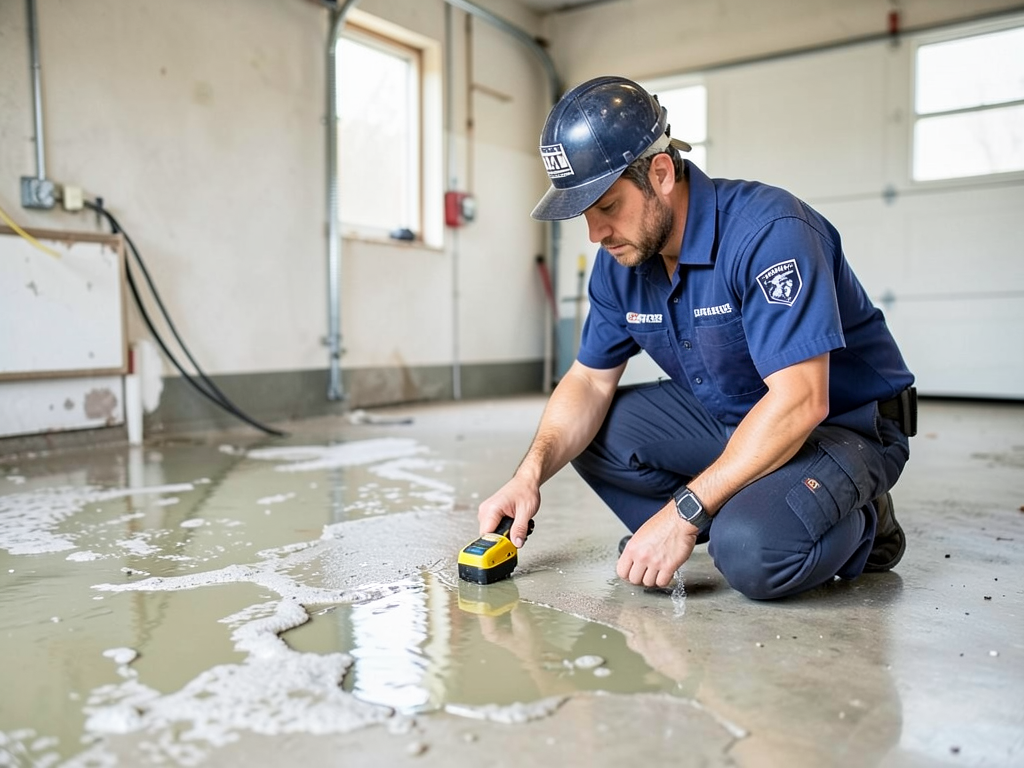
Why your garage is the most vulnerable spot for water damage in a Riverside rainstorm
During a Riverside rainstorm your garage often becomes ground zero for water damage. The combination of flat terrain poor drainage and aging construction makes garages the first place water enters your home. Understanding why this happens helps you prevent costly repairs and protect your belongings. EPA mold information.
Most Riverside homes sit on expansive clay soil that shifts during wet weather. This movement creates gaps around garage door seals and foundation walls. When heavy rain hits these vulnerabilities water finds its way inside quickly. The damage often goes unnoticed until it spreads to living areas. What to do when a pipe bursts in your Riverside home.
Professional water damage restoration teams see this pattern repeatedly. Homeowners discover soaked carpets warped drywall and damaged tools only after the storm passes. By then moisture has already begun creating the perfect conditions for mold growth. Top-rated water damage repair and restoration in Corona.
How Riverside’s climate creates garage flooding risks
Riverside experiences intense seasonal rainfall concentrated in short periods. The Santa Ana River watershed and local drainage systems struggle to handle sudden water volume. When retention basins overflow water seeks the path of least resistance often flowing toward residential garages. Getting your Riverside water damage insurance claim approved.
Winter storms in 2026 have already shown how quickly garage flooding can occur. Heavy downpours overwhelm aging storm drains in neighborhoods like Canyon Crest and Orangecrest. Water backs up and pools against garage doors where it finds entry points. Riverside water restoration teams that can be at your door in an hour.
Heat expansion and contraction from Riverside’s extreme temperature swings also weaken garage structures. Concrete slabs develop hairline cracks that widen during rainy seasons. These cracks become direct pathways for water intrusion during storms.
Common garage water entry points in Riverside homes
The garage door bottom seal represents the most frequent failure point. Over time rubber seals dry out crack and separate from the concrete floor. Even small gaps allow significant water entry during heavy rain.
Side and top weatherstripping also deteriorate from UV exposure. Riverside’s intense sunlight accelerates rubber breakdown causing seals to lose flexibility and create gaps. Water then enters through these compromised areas.
Foundation wall cracks provide another major entry route. Many Riverside garages built before 2000 lack proper waterproofing. Water pressure against these walls forces moisture through concrete pores and existing cracks.. Read more about How hydrostatic pressure from Riverside’s wet soil can force water through your foundation.
Floor drains in older garages often clog with debris or fail completely. When working properly these drains prevent water accumulation. When blocked water has nowhere to go but into your stored belongings.
Warning signs your garage is at risk
Musty odors in your garage indicate existing moisture problems. These smells mean mold or mildew has already begun growing somewhere in the space. The odor becomes stronger after rain events.
Water stains on garage walls or ceilings show past water intrusion. These stains may appear as discolored patches or bubbling paint. They indicate your garage has already experienced water damage.
Cracks in the garage floor wider than 1/8 inch suggest serious foundation movement. These cracks create direct channels for water entry during storms. The wider the crack the more water can enter.
Puddles that form near the garage door after light rain demonstrate poor drainage. Water should flow away from your home not toward it. Standing water near entry points signals immediate risk.
Immediate steps to protect your garage
Inspect and replace worn garage door seals before storm season. Look for cracks tears or separation from the floor. Quality rubber seals typically last 5-7 years in Riverside’s climate. Replace them sooner if damage appears.
Clear debris from garage floor drains and test their function. Pour water into the drain and verify it flows freely. If water backs up the drain needs cleaning or repair.
Apply concrete sealant to garage floor cracks wider than 1/8 inch. Clean the crack thoroughly then fill it with hydraulic cement or epoxy. This prevents water from using cracks as entry points.
Install a threshold seal if your garage sits lower than surrounding ground. These seals create a barrier that blocks water flow under the door. They work especially well for garages with negative slope toward the home.
When water damage requires professional restoration
Water that penetrates drywall or insulation demands immediate professional attention. Moisture trapped in wall cavities creates mold growth within 24-48 hours. The damage spreads quickly beyond visible areas.
Electrical systems exposed to water pose serious safety hazards. Water can corrode wiring connections and create fire risks. Any garage with water near electrical panels needs professional evaluation.
Water under floating garage floors indicates severe moisture intrusion. This water often indicates problems extending beyond the garage into adjacent living spaces. Professional moisture mapping reveals the true extent of damage.
Mold growth visible on garage walls or stored items requires remediation. Mold spores spread rapidly through HVAC systems affecting indoor air quality. Professional remediation prevents health issues and further property damage.
Professional water damage restoration process
Emergency response teams arrive within hours to assess damage. They use moisture meters and thermal imaging to locate hidden water pockets. This diagnostic process reveals damage extent beyond what homeowners can see. Emergency flood cleanup and restoration in Jurupa Valley.
Water extraction removes standing water using commercial-grade pumps and vacuums. This step prevents further absorption into building materials. Fast extraction limits secondary damage to unaffected areas.
Structural drying involves industrial air movers and dehumidifiers. These machines remove moisture from walls floors and contents. The process typically takes 3-5 days depending on damage severity.
Mold prevention treatments protect against future growth. Antimicrobial solutions eliminate existing spores and prevent new growth. This step is crucial in Riverside’s humid climate where mold thrives.
Preventing future garage flooding
Improve exterior drainage around your garage. Grade soil away from the structure creating a 6-inch drop over 10 feet. This simple fix directs water away from vulnerable entry points.
Clean gutters and downspouts regularly especially before rainy seasons. Clogged drainage systems cause water to overflow and pool near foundations. Extend downspouts at least 5 feet from your home.
Install a French drain system if your property has persistent drainage issues. These systems collect and redirect subsurface water away from structures. They work particularly well in areas with high water tables.
Consider garage floor coatings that provide moisture barriers. Epoxy and polyurea coatings create waterproof surfaces that resist water penetration. These coatings also make cleaning easier after minor water events.
Insurance considerations for garage water damage
Most homeowners insurance policies cover sudden water damage but exclude flooding. Review your policy to understand what water events qualify for coverage. Document all damage with photos and videos for claims.
Separate structures like detached garages may have different coverage limits. These structures often have lower coverage amounts than main dwellings. Verify your garage coverage meets replacement cost requirements.
Flood insurance through the National Flood Insurance Program covers water entering from outside sources. This coverage is essential for properties in flood-prone areas near the Santa Ana River or low-lying drainage areas.
Document regular maintenance and repairs to demonstrate responsible property ownership. Insurance companies favor claims from homeowners who show proactive maintenance efforts. Keep receipts for seal replacements drainage improvements and waterproofing projects.
Emergency response for active garage flooding
Shut off electricity to the affected garage immediately if water contacts outlets or appliances. Water and electricity create deadly hazards. Locate your main breaker panel and turn off power to the garage circuit.
Move valuable items to higher ground as quickly as possible. Focus on electronics documents and irreplaceable belongings. Elevate items on blocks or shelves to prevent water contact.
Begin water removal using wet vacuums mops or towels. Remove as much standing water as possible to limit damage spread. This immediate action can save thousands in restoration costs.
Open garage doors and windows to improve air circulation. This ventilation helps moisture evaporate and reduces humidity levels. However avoid this step during active rain to prevent additional water entry.
Professional assessment tools and techniques
Moisture meters measure water content in building materials. These devices detect moisture levels that appear dry to the touch. Professional restoration teams use penetrating and non-penetrating meters for comprehensive assessment.
Thermal imaging cameras reveal temperature differences indicating moisture presence. Wet materials appear cooler than dry materials on infrared scans. This technology locates hidden water without destructive testing.
Hygrometers measure relative humidity levels in affected spaces. High humidity indicates ongoing moisture problems even after visible water removal. These readings guide drying equipment placement and operation.
Air quality testing identifies mold spore levels in garage environments. Elevated spore counts indicate active mold growth requiring remediation. Professional testing provides documentation for insurance claims and health concerns.
Long-term garage protection strategies
Install water alarms near garage door thresholds and floor drains. These devices alert you to water presence before significant damage occurs. Early warning systems provide crucial response time during storms.
Consider garage door upgrades with better sealing systems. Modern doors feature improved weatherstripping and threshold designs. These upgrades provide superior protection against water intrusion.
Apply waterproof coatings to garage walls and floors. These treatments create barriers that resist water penetration. Professional application ensures complete coverage and maximum effectiveness.
Maintain trees and landscaping to prevent root damage to foundations. Tree roots can crack concrete and create water entry points. Regular trimming and root barriers protect structural integrity.
Local building codes and water damage prevention
Riverside County building codes require proper grading and drainage for all structures. New construction must include positive drainage away from buildings. Existing homes should meet these standards through retrofitting when possible.
California Title 24 energy standards affect garage construction and ventilation. Proper ventilation prevents moisture accumulation and reduces mold growth risk. Compliance with these standards improves overall garage health.
Local plumbing codes mandate proper floor drain installation in garages. These codes specify drain sizing slope requirements and trap installation. Non-compliant drains often fail during heavy rainfall events.
Building permits may be required for major garage waterproofing projects. Check with Riverside County Building and Safety before undertaking structural modifications. Permit compliance ensures work meets current safety standards.
Cost factors in garage water damage restoration
Restoration costs vary based on water category and damage extent. Clean water from rain requires less intensive treatment than contaminated water from sewage backups. Category classification affects both process and pricing.
Square footage of affected area directly impacts restoration costs. Larger spaces require more equipment time and materials. However per-square-foot costs often decrease for extensive damage due to economies of scale.
Material types in your garage affect restoration complexity. Concrete floors dry quickly while wooden structures require longer drying times. Specialty materials like insulation or drywall may need complete replacement.
Emergency response timing influences overall costs. Fast action limits damage spread and reduces restoration needs. Delayed response often results in higher costs due to secondary damage like mold growth.
Choosing the right restoration company
Verify restoration company certifications and insurance coverage. IICRC certification ensures technicians follow industry best practices. Proper insurance protects you from liability during restoration work.
Check local references and online reviews specifically for garage water damage cases. Experience with similar situations indicates capability to handle your specific problem. Local knowledge of Riverside’s unique challenges proves valuable.
Confirm 24/7 emergency response availability. Water damage requires immediate action to prevent escalation. Companies without round-the-clock service may leave you waiting during critical response windows.
Request detailed written estimates before work begins. Professional companies provide scope descriptions and cost breakdowns. Avoid companies that demand large upfront payments or refuse written documentation.
DIY vs professional restoration decisions
Small clean water spills on concrete floors may be suitable for DIY cleanup. Use wet vacuums fans and dehumidifiers for minor incidents. However monitor for signs of hidden moisture that DIY methods miss.
Water affecting drywall insulation or electrical systems requires professional intervention. These materials hide moisture that leads to mold growth and structural damage. Professional equipment detects and addresses these hidden problems.
Contaminated water from outside sources demands professional handling. This water may contain bacteria chemicals or other hazards. Professional teams use proper safety equipment and disposal methods.
Time considerations often favor professional restoration. DIY efforts typically take longer and may not achieve complete drying. Professional teams work faster with better results reducing overall disruption to your life.
Environmental factors affecting garage water damage
Riverside’s high summer temperatures accelerate mold growth after water events. Heat combined with moisture creates ideal conditions for rapid mold colonization. Fast response becomes even more critical during warm months.
Seasonal Santa Ana winds can drive rain horizontally against garage doors. This wind-driven rain penetrates seals that withstand normal rainfall. Garage designs must account for these extreme weather patterns.
Local soil composition affects foundation stability and water movement. Expansive clay soils in Riverside swell when wet creating pressure against garage walls. This pressure forces water through even minor cracks.
Nearby construction or development can alter local drainage patterns. New buildings may redirect water flow toward your property. Monitor changes in water behavior around your garage after nearby construction.
Technology in modern water damage restoration
Advanced moisture detection tools provide accurate damage assessment. Pinless moisture meters scan large areas quickly without surface damage. These tools identify problem areas that visual inspection misses.
Desiccant dehumidifiers work effectively in cooler temperatures where refrigerant units struggle. These machines excel at removing moisture from concrete and masonry. They prove valuable during Riverside’s cooler winter months.
Air scrubbers filter airborne contaminants during restoration work. These machines remove mold spores dust and other particles from the air. Clean air promotes faster drying and better indoor air quality.
Digital monitoring systems track drying progress remotely. Technicians can check moisture levels and equipment performance from anywhere. This technology ensures optimal drying conditions throughout the restoration process.
Health impacts of garage water damage
Mold exposure from garage water damage causes respiratory issues headaches and allergic reactions. Sensitive individuals may experience severe symptoms from mold spore exposure. Children elderly and immunocompromised persons face highest risk.
Standing water in garages breeds mosquitoes and other pests. These insects carry diseases and create additional health hazards. Quick water removal prevents pest infestations and associated health risks.
Chemical contaminants in flood water pose serious health threats. Automotive fluids pesticides and other chemicals mix with flood water creating toxic solutions. Professional handling prevents dangerous exposure.
Structural damage from water can create physical hazards. Weakened floors ceilings or walls may collapse causing injuries. Professional assessment identifies and addresses these safety concerns.
Business continuity for garage-based businesses
Home-based businesses operating from garages face unique water damage challenges. Equipment inventory and documents stored in garages require special protection. Business interruption from garage flooding can be financially devastating.
Commercial-grade water detection systems provide early warning for business owners. These systems alert you to water presence through smartphone notifications. Early detection allows faster response and less damage.
Off-site data backup protects against document loss from water damage. Cloud storage and external hard drives keep critical information safe. This redundancy proves invaluable during restoration work.
Business interruption insurance covers lost income during restoration periods. Review your policy to understand coverage limits and requirements. Document business operations to support interruption claims.
Seasonal preparation for garage water protection
Pre-storm season inspections identify and address vulnerabilities before rain arrives. Check seals weatherstripping and drainage systems in early fall. This preparation prevents many common water intrusion issues.
Store valuable items on elevated platforms during rainy seasons. Even well-sealed garages can experience minor water entry during extreme events. Elevation keeps belongings safe from unexpected water contact.
Test backup power systems for sump pumps and water alarms. Power outages during storms can disable critical protection systems. Battery backups ensure continuous operation during emergencies.
Review and update emergency response plans with family members. Everyone should know how to shut off power and respond to water events. Clear communication prevents confusion during actual emergencies.
Community resources for water damage prevention
Riverside County offers flood prevention resources and information through local government websites. These resources include flood maps drainage improvement programs and emergency notification systems. Stay informed about local flood risks and prevention programs.
Neighborhood associations often coordinate group purchases of flood protection materials. Bulk buying reduces costs for items like sandbags water barriers and sealants. Community cooperation improves overall flood resilience.
Local hardware stores provide seasonal workshops on water damage prevention. These free classes teach practical skills for home protection. Attend these workshops to learn current best practices and new products.
Utility companies offer rebates for flood prevention improvements. Riverside Public Utilities may provide incentives for backflow preventers sump pumps and other protective measures. Check for available programs before making improvements.
Future trends in garage water protection
Smart home integration brings advanced water detection to residential garages. Connected sensors monitor moisture levels and send alerts to smartphones. These systems provide real-time monitoring and faster response capabilities.
Self-healing materials show promise for water damage prevention. These materials automatically seal small cracks when exposed to water. While still developing this technology could revolutionize garage waterproofing.
Green infrastructure solutions help manage stormwater at the source. Rain gardens permeable pavements and bioswales reduce runoff volume. These approaches work with nature rather than against it.
Improved building codes continue raising water protection standards. New construction requirements include better sealing systems and drainage designs. These improvements reduce future water damage risks for all homeowners.
Frequently Asked Questions
How quickly should I respond to garage water damage?
Immediate response within 24 hours prevents most secondary damage. Water spreads quickly and mold begins growing within 48 hours. Fast action limits damage extent and restoration costs.
Can I dry my garage myself after minor flooding?
Small clean water spills on concrete may be suitable for DIY drying. Use fans dehumidifiers and wet vacuums. However monitor for hidden moisture that DIY methods often miss. Professional assessment ensures complete drying.
What does garage water damage restoration typically cost?
Costs range from $500 for minor clean water incidents to $10000+ for extensive damage. Factors include water category damage extent and materials affected. Professional assessment provides accurate cost estimates for your specific situation.
How can I tell if my garage has hidden water damage?
Musty odors water stains and elevated humidity indicate hidden moisture. Professional moisture meters and thermal imaging reveal water in walls floors and ceilings. These tools detect problems before visible damage appears.
Does homeowners insurance cover garage water damage?
Most policies cover sudden accidental water damage but exclude flooding and neglect. Review your specific policy for coverage details. Document damage thoroughly and contact your insurance company promptly after incidents.
How long does professional garage water damage restoration take?
Typical restoration takes 3-7 days depending on damage extent. Emergency water extraction happens immediately. Complete drying and repairs may require additional time. Your restoration company provides specific timelines based on your situation.
What should I do first if my garage floods during a storm?
Shut off electricity if water contacts outlets or appliances. Move valuable items to higher ground. Begin water removal if safe to do so. Contact professional restoration services immediately. Quick action prevents further damage.
Take action before the next storm hits
Your garage represents your home’s first line of defense against water damage. Simple preventive measures like seal inspection and drainage improvement can save thousands in restoration costs. Don’t wait for the next storm to discover your vulnerabilities.
Professional assessment identifies risks you might miss. Our experienced teams use advanced moisture detection equipment to find hidden problems. We provide specific recommendations for your unique situation and budget.
Water damage waits for no one. When storms hit Riverside your garage needs to be ready. Contact our emergency response team today for a comprehensive garage assessment. We’ll help you develop a protection plan that keeps your home dry and your belongings safe.
Pick up the phone and call (951) 309-5499 today to schedule your garage inspection. Our certified technicians are ready to help you prevent water damage before it starts. Don’t let the next storm catch you unprepared.
Remember water damage restoration costs increase dramatically with each passing hour. Early detection and prevention cost far less than emergency repairs. Take control of your garage’s water protection now and enjoy peace of mind during every rainstorm.
Your home deserves professional protection. Call (951) 309-5499 now and let our experts secure your garage against water damage. We’re here to help Riverside homeowners stay dry and protected year-round. For more information, visit FEMA flood insurance.
{
“@context”: “https://schema.org”,
“@type”: “BlogPosting”,
“headline”: “Why your garage is the most vulnerable spot for water damage in a Riverside rainstorm”,
“description”: “Learn why Riverside garages flood first during storms and how to protect your home. Expert water damage restoration advice for Inland Empire homeowners.”,
“wordCount”: 3399,
“datePublished”: “2026-06-07T09:04:00.000Z”,
“dateModified”: “2026-06-07T09:04:00.000Z”,
“inLanguage”: “en-US”,
“mainEntityOfPage”: {
“@type”: “WebPage”,
“@id”: “https://libertywaterdamagerestorationriverside.com”
},
“publisher”: {
“@type”: “LocalBusiness”,
“name”: “Liberty Water Damage Restoration Riverside”,
“url”: “https://libertywaterdamagerestorationriverside.com”
},
“author”: {
“@type”: “Organization”,
“name”: “Liberty Water Damage Restoration Riverside”,
“url”: “https://libertywaterdamagerestorationriverside.com”
},
“image”: {
“@type”: “ImageObject”,
“url”: “https://libertywaterdamagerestorationriverside.com/wp-content/uploads/2026/03/why-your-garage-is-the-most-vulnerable-spot-for-wa-1.png”
}
}
{
“@context”: “https://schema.org”,
“@type”: “LocalBusiness”,
“name”: “Liberty Water Damage Restoration Riverside”,
“url”: “https://libertywaterdamagerestorationriverside.com”,
“address”: {
“@type”: “PostalAddress”,
“addressLocality”: “Riverside”
},
“areaServed”: {
“@type”: “City”,
“name”: “Riverside”
}
}
{
“@context”: “https://schema.org”,
“@type”: “FAQPage”,
“mainEntity”: [
{
“@type”: “Question”,
“name”: “How quickly should I respond to garage water damage?”,
“acceptedAnswer”: {
“@type”: “Answer”,
“text”: “Immediate response within 24 hours prevents most secondary damage. Water spreads quickly and mold begins growing within 48 hours. Fast action limits damage extent and restoration costs.”
}
},
{
“@type”: “Question”,
“name”: “Can I dry my garage myself after minor flooding?”,
“acceptedAnswer”: {
“@type”: “Answer”,
“text”: “Small clean water spills on concrete may be suitable for DIY drying. Use fans dehumidifiers and wet vacuums. However monitor for hidden moisture that DIY methods often miss. Professional assessment ensures complete drying.”
}
},
{
“@type”: “Question”,
“name”: “What does garage water damage restoration typically cost?”,
“acceptedAnswer”: {
“@type”: “Answer”,
“text”: “Costs range from $500 for minor clean water incidents to $10000+ for extensive damage. Factors include water category damage extent and materials affected. Professional assessment provides accurate cost estimates for your specific situation.”
}
},
{
“@type”: “Question”,
“name”: “How can I tell if my garage has hidden water damage?”,
“acceptedAnswer”: {
“@type”: “Answer”,
“text”: “Musty odors water stains and elevated humidity indicate hidden moisture. Professional moisture meters and thermal imaging reveal water in walls floors and ceilings. These tools detect problems before visible damage appears.”
}
},
{
“@type”: “Question”,
“name”: “Does homeowners insurance cover garage water damage?”,
“acceptedAnswer”: {
“@type”: “Answer”,
“text”: “Most policies cover sudden accidental water damage but exclude flooding and neglect. Review your specific policy for coverage details. Document damage thoroughly and contact your insurance company promptly after incidents.”
}
},
{
“@type”: “Question”,
“name”: “How long does professional garage water damage restoration take?”,
“acceptedAnswer”: {
“@type”: “Answer”,
“text”: “Typical restoration takes 3-7 days depending on damage extent. Emergency water extraction happens immediately. Complete drying and repairs may require additional time. Your restoration company provides specific timelines based on your situation.”
}
},
{
“@type”: “Question”,
“name”: “What should I do first if my garage floods during a storm?”,
“acceptedAnswer”: {
“@type”: “Answer”,
“text”: “Shut off electricity if water contacts outlets or appliances. Move valuable items to higher ground. Begin water removal if safe to do so. Contact professional restoration services immediately. Quick action prevents further damage.”
}
}
]
}
{
“@context”: “https://schema.org”,
“@type”: “BreadcrumbList”,
“itemListElement”: [
{
“@type”: “ListItem”,
“position”: 1,
“name”: “Home”,
“item”: “https://libertywaterdamagerestorationriverside.com”
},
{
“@type”: “ListItem”,
“position”: 2,
“name”: “Blog”,
“item”: “https://libertywaterdamagerestorationriverside.com/blog”
},
{
“@type”: “ListItem”,
“position”: 3,
“name”: “Why your garage is the most vulnerable spot for water damage in a Riverside rainstorm”
}
]
}
{
“@context”: “https://schema.org”,
“@type”: “Service”,
“serviceType”: “Water Damage Restoration”,
“provider”: {
“@type”: “LocalBusiness”,
“name”: “Liberty Water Damage Restoration Riverside”,
“url”: “https://libertywaterdamagerestorationriverside.com”
},
“areaServed”: {
“@type”: “City”,
“name”: “Riverside”
},
“description”: “Learn why Riverside garages flood first during storms and how to protect your home. Expert water damage restoration advice for Inland Empire homeowners.”
}