
The risks of buying a Riverside house with a history of slab leaks
Buying a Riverside home with a history of slab leaks can feel like stepping into a hidden minefield. The Inland Empire’s expansive clay soils and aging plumbing infrastructure create a perfect storm for foundation damage. Before you sign on the dotted line, understanding these risks could save you thousands in unexpected repairs and protect your family from health hazards like toxic mold growth. EPA mold remediation guidelines.
Why Riverside homes are especially vulnerable to slab leaks
Riverside’s unique geology creates a perfect environment for slab leaks. The area sits on expansive clay soil that swells when wet and shrinks when dry. This constant movement puts tremendous pressure on copper pipes running through concrete slabs. When pipes rub against the shifting foundation, corrosion and pinhole leaks develop. These leaks often go undetected for months, saturating the soil beneath your home. What to do when a pipe bursts in your Riverside home.
Local building codes in Riverside County require specific mitigation measures for slab-on-grade construction, but many homes built before 2010 lack modern leak detection systems. The Santa Ana winds compound the problem by drying out soil rapidly, causing sudden foundation shifts that can rupture weakened pipes. Getting your Riverside water damage insurance claim approved.
Hidden structural damage that thermal imaging reveals
Standard home inspections often miss the subtle signs of past slab leaks. Water can travel laterally through concrete for dozens of feet before emerging as visible damage. By the time you see warped flooring or damp carpet, the real problem may be buried deep in your slab. Top-rated water damage repair and restoration in Corona.
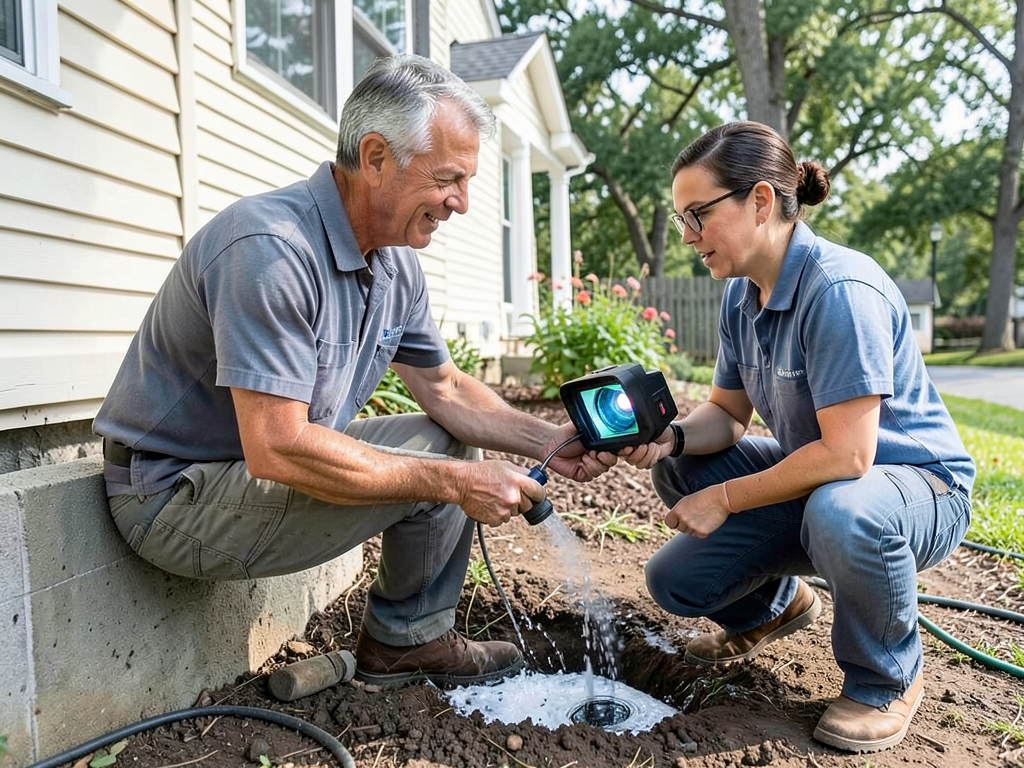
Professional thermal imaging cameras detect temperature variations that indicate moisture presence. Cold spots on walls or floors often signal active leaks. The technology also reveals previous repair areas where epoxy injections or pipe rerouting occurred. These thermal signatures appear as distinct color patterns that trained technicians can interpret immediately.
Moisture meters confirm thermal findings by measuring water content in building materials. Readings above 16% indicate active moisture problems requiring immediate attention. The combination of thermal imaging and moisture testing provides a complete picture of your home’s water damage history. Riverside water restoration teams that can be at your door in an hour.
Health risks from hidden mold growth
Where there’s moisture, mold follows. Riverside’s warm climate accelerates mold growth once water becomes trapped in wall cavities or under flooring. Black mold species like Stachybotrys chartarum thrive in the constant moisture provided by slow slab leaks.
Mold exposure can trigger respiratory problems, allergic reactions, and in severe cases, neurological symptoms. Children, elderly residents, and those with compromised immune systems face the highest risks. The musty odor often associated with mold becomes noticeable only after colonies have established themselves extensively.
Professional mold testing involves air sampling and surface swabs to identify species and spore counts. Laboratory analysis determines whether toxic varieties are present and guides remediation strategies. Without proper testing, you cannot know if your home poses health risks to your family.
Foundation integrity and long-term property value
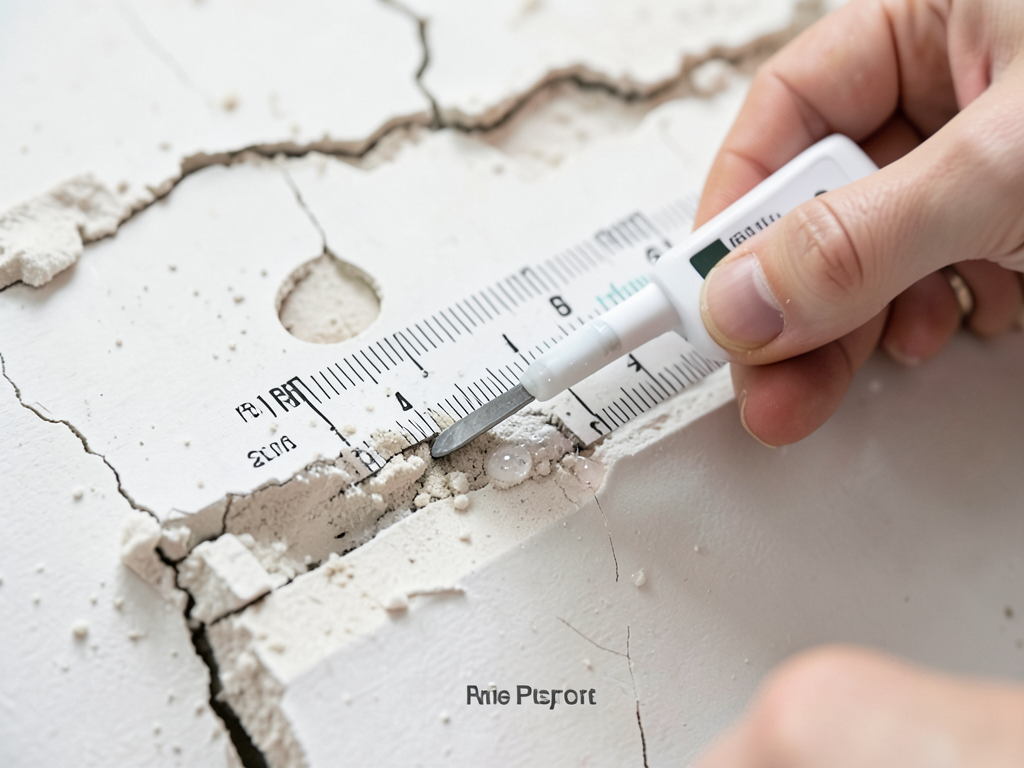
Repeated slab leaks weaken concrete foundations over time. Water erodes the soil beneath your home, creating voids that cause settling and cracking. Doors that stick, windows that won’t close properly, and diagonal cracks in walls often indicate foundation movement from past water damage.
The California Building Code Section 1808.5.4 requires specific reinforcement for slabs in expansive soil areas. Homes lacking these upgrades face higher failure rates. A compromised foundation can reduce property values by 15-30% and make future sales extremely difficult.
Professional foundation inspections include elevation surveys to detect uneven settling. Technicians measure floor slopes and check for signs of differential movement. These assessments reveal whether your home’s structure remains sound or requires extensive repairs.
Negotiating repairs during escrow
Discovering slab leak history during your home inspection doesn’t mean you should walk away. Instead, use this information as leverage to negotiate repairs or price reductions. Request documentation of all previous repairs, including contractor licenses and permit numbers.
Ask for a CLUE report from the seller’s insurance company. This Comprehensive Loss Underwriting Exchange report details all insurance claims filed on the property, including water damage incidents. A pattern of repeated claims suggests ongoing problems that require attention.
Include a professional restoration estimate in your counteroffer. This document outlines necessary repairs and establishes a baseline for negotiations. Sellers often prefer credit at closing over making repairs themselves, giving you control over contractor selection and quality standards.
Red flags during home tours
Several warning signs indicate past slab leaks during property walkthroughs. Look for freshly painted areas on walls or ceilings, which may conceal water stains. Warped baseboards, especially in bathrooms and kitchens, suggest moisture damage. Efflorescence on garage floors appears as white powdery deposits from mineral deposits left by evaporating water.
Musty odors in enclosed spaces like closets or under sinks indicate hidden moisture problems. Soft spots in flooring, particularly near toilets or appliances, suggest subfloor damage from prolonged water exposure. Water heater age matters too. Units over 10 years old pose higher leak risks.
Check the water meter for movement when all fixtures are off. Even small leaks register on modern meters. This simple test can reveal active problems before you commit to purchase.
Professional inspection requirements
Standard home inspections provide basic assessments but often miss specialized issues like slab leaks. Hire a restoration company with IICRC certification for comprehensive moisture evaluation. These technicians use industry-standard protocols from the S500 Standard for water damage restoration. IICRC certification standards.
Request a detailed moisture map of the property showing problem areas. This document becomes invaluable for planning repairs and negotiating with sellers. Ask about the inspector’s experience with Riverside’s specific soil conditions and common failure patterns.
Professional inspections include pressure testing of plumbing systems to identify active leaks. Acoustic listening devices detect water movement through pipes, while helium testing pinpoints exact leak locations. These advanced techniques save thousands compared to exploratory demolition.. Read more about How hydrostatic pressure from Riverside’s wet soil can force water through your foundation.
Insurance considerations for buyers
Insurance companies view homes with slab leak history as higher risks. Some carriers may refuse coverage or charge premium rates. Before closing, contact your insurance provider to discuss coverage options and potential exclusions.
Document all repairs and remediation work thoroughly. Keep receipts, contractor licenses, and inspection reports. This paperwork proves professional mitigation occurred and helps maintain insurability. Some policies require annual inspections for homes with water damage history.
Consider adding water leak detection systems as a preventive measure. These devices monitor moisture levels and can automatically shut off water supply when leaks occur. Many insurance companies offer discounts for properties with these safety features installed.
Cost factors for remediation
Repair costs vary dramatically based on damage extent and repair methods. Simple epoxy injections might cost $500-1,500 per leak, while complete repiping can exceed $10,000. Foundation repairs add another layer of expense if soil erosion has occurred.
Mold remediation costs depend on contamination area and species present. Small areas might require $500-2,000 in treatment, while whole-house contamination can exceed $30,000. The key is addressing problems early before damage compounds.
Request multiple estimates from licensed contractors. Compare approaches, warranties, and references. The cheapest option rarely provides the best long-term value when dealing with water damage restoration.
Protecting your investment
After purchasing a home with slab leak history, implement preventive measures immediately. Install water pressure regulators to reduce stress on aging pipes. Monitor water bills for unexplained increases that might indicate new leaks.
Schedule annual inspections with restoration professionals who understand Riverside’s unique challenges. These checkups identify developing problems before they cause major damage. Keep detailed maintenance records to support future insurance claims or property sales.
Consider upgrading to PEX piping if your home still has original copper lines. Modern materials resist corrosion and handle foundation movement better. While expensive upfront, repiping often prevents costly emergency repairs later. Emergency flood cleanup and restoration in Jurupa Valley.
Frequently Asked Questions
How common are slab leaks in Riverside homes?
Slab leaks affect approximately 20-25% of homes in Riverside built before 2000. The combination of expansive clay soils and aging copper plumbing creates high failure rates in older neighborhoods.
Can slab leaks cause foundation collapse?
While complete collapse is rare, slab leaks can cause significant foundation settlement and cracking. Water erosion beneath the slab creates voids that lead to uneven settling and structural damage over time.
How long does mold take to grow after a slab leak?
Mold can begin growing within 24-48 hours of water exposure in Riverside’s warm climate. Once established, colonies spread rapidly through wall cavities and under flooring where moisture persists.
Are seller disclosures required for past slab leaks?
California law requires sellers to disclose known material defects, including past water damage. However, sellers may not be aware of all previous issues, making professional inspections essential.
What’s the best way to detect hidden slab leaks?
Professional thermal imaging combined with moisture meters provides the most accurate detection. These tools identify moisture patterns that visual inspections miss, allowing targeted repairs rather than exploratory demolition.
- Visual inspection
Check for water stains, warped flooring, and musty odors in bathrooms, kitchens, and utility areas.
- Water meter test
Turn off all water sources and watch the meter for 30 minutes. Movement indicates active leaks.
- Professional thermal imaging
Hire certified technicians to scan walls and floors for moisture patterns using infrared cameras.
- Moisture meter testing
Measure moisture content in suspect areas. Readings above 16% require immediate attention.
- Pressure testing
Have plumbers pressure test the system to identify active leaks and weak points.
Don’t let hidden water damage sink your dream home
Buying a Riverside home with slab leak history requires careful evaluation and professional expertise. The risks are real but manageable with proper due diligence. Thermal imaging inspections, mold testing, and foundation assessments provide the information you need to make informed decisions.
Don’t let water damage turn your investment into a money pit. Call (951) 309-5499 today to schedule a comprehensive moisture inspection before you buy. Our certified technicians use industry-standard protocols to uncover hidden problems and give you peace of mind about your Riverside home purchase.
Pick up the phone and call (951) 309-5499 now. The longer you wait, the more damage those hidden slab leaks can cause. Protect your family and your investment with professional water damage restoration expertise that only comes from 15+ years serving Riverside County homeowners.
{
“@context”: “https://schema.org”,
“@type”: “BlogPosting”,
“headline”: “The risks of buying a Riverside house with a history of slab leaks”,
“description”: “Discover the hidden dangers of buying a Riverside home with past slab leaks. Learn about mold risks, foundation damage, and how thermal imaging inspections protect your investment.”,
“wordCount”: 1727,
“datePublished”: “2026-06-06T12:17:00.000Z”,
“dateModified”: “2026-06-06T12:17:00.000Z”,
“inLanguage”: “en-US”,
“mainEntityOfPage”: {
“@type”: “WebPage”,
“@id”: “https://libertywaterdamagerestorationriverside.com”
},
“publisher”: {
“@type”: “LocalBusiness”,
“name”: “Liberty Water Damage Restoration Riverside”,
“url”: “https://libertywaterdamagerestorationriverside.com”
},
“author”: {
“@type”: “Organization”,
“name”: “Liberty Water Damage Restoration Riverside”,
“url”: “https://libertywaterdamagerestorationriverside.com”
},
“image”: {
“@type”: “ImageObject”,
“url”: “https://libertywaterdamagerestorationriverside.com/wp-content/uploads/2026/03/the-risks-of-buying-a-riverside-house-with-a-histo-1.png”
}
}
{
“@context”: “https://schema.org”,
“@type”: “LocalBusiness”,
“name”: “Liberty Water Damage Restoration Riverside”,
“url”: “https://libertywaterdamagerestorationriverside.com”,
“address”: {
“@type”: “PostalAddress”,
“addressLocality”: “Riverside”
},
“areaServed”: {
“@type”: “City”,
“name”: “Riverside”
}
}
{
“@context”: “https://schema.org”,
“@type”: “FAQPage”,
“mainEntity”: [
{
“@type”: “Question”,
“name”: “How common are slab leaks in Riverside homes?”,
“acceptedAnswer”: {
“@type”: “Answer”,
“text”: “Slab leaks affect approximately 20-25% of homes in Riverside built before 2000. The combination of expansive clay soils and aging copper plumbing creates high failure rates in older neighborhoods.”
}
},
{
“@type”: “Question”,
“name”: “Can slab leaks cause foundation collapse?”,
“acceptedAnswer”: {
“@type”: “Answer”,
“text”: “While complete collapse is rare, slab leaks can cause significant foundation settlement and cracking. Water erosion beneath the slab creates voids that lead to uneven settling and structural damage over time.”
}
},
{
“@type”: “Question”,
“name”: “How long does mold take to grow after a slab leak?”,
“acceptedAnswer”: {
“@type”: “Answer”,
“text”: “Mold can begin growing within 24-48 hours of water exposure in Riverside’s warm climate. Once established, colonies spread rapidly through wall cavities and under flooring where moisture persists.”
}
},
{
“@type”: “Question”,
“name”: “Are seller disclosures required for past slab leaks?”,
“acceptedAnswer”: {
“@type”: “Answer”,
“text”: “California law requires sellers to disclose known material defects, including past water damage. However, sellers may not be aware of all previous issues, making professional inspections essential.”
}
},
{
“@type”: “Question”,
“name”: “What’s the best way to detect hidden slab leaks?”,
“acceptedAnswer”: {
“@type”: “Answer”,
“text”: “Professional thermal imaging combined with moisture meters provides the most accurate detection. These tools identify moisture patterns that visual inspections miss, allowing targeted repairs rather than exploratory demolition.”
}
}
]
}
{
“@context”: “https://schema.org”,
“@type”: “HowTo”,
“name”: “How to inspect for slab leaks”,
“step”: [
{
“@type”: “HowToStep”,
“position”: 1,
“name”: “Visual inspection”,
“text”: “Check for water stains, warped flooring, and musty odors in bathrooms, kitchens, and utility areas.”
},
{
“@type”: “HowToStep”,
“position”: 2,
“name”: “Water meter test”,
“text”: “Turn off all water sources and watch the meter for 30 minutes. Movement indicates active leaks.”
},
{
“@type”: “HowToStep”,
“position”: 3,
“name”: “Professional thermal imaging”,
“text”: “Hire certified technicians to scan walls and floors for moisture patterns using infrared cameras.”
},
{
“@type”: “HowToStep”,
“position”: 4,
“name”: “Moisture meter testing”,
“text”: “Measure moisture content in suspect areas. Readings above 16% require immediate attention.”
},
{
“@type”: “HowToStep”,
“position”: 5,
“name”: “Pressure testing”,
“text”: “Have plumbers pressure test the system to identify active leaks and weak points.”
}
],
“image”: “https://libertywaterdamagerestorationriverside.com/wp-content/uploads/2026/03/the-risks-of-buying-a-riverside-house-with-a-histo-1.png”
}
{
“@context”: “https://schema.org”,
“@type”: “BreadcrumbList”,
“itemListElement”: [
{
“@type”: “ListItem”,
“position”: 1,
“name”: “Home”,
“item”: “https://libertywaterdamagerestorationriverside.com”
},
{
“@type”: “ListItem”,
“position”: 2,
“name”: “Blog”,
“item”: “https://libertywaterdamagerestorationriverside.com/blog”
},
{
“@type”: “ListItem”,
“position”: 3,
“name”: “The risks of buying a Riverside house with a history of slab leaks”
}
]
}
{
“@context”: “https://schema.org”,
“@type”: “Service”,
“serviceType”: “Water Damage Restoration”,
“provider”: {
“@type”: “LocalBusiness”,
“name”: “Liberty Water Damage Restoration Riverside”,
“url”: “https://libertywaterdamagerestorationriverside.com”
},
“areaServed”: {
“@type”: “City”,
“name”: “Riverside”
},
“description”: “Discover the hidden dangers of buying a Riverside home with past slab leaks. Learn about mold risks, foundation damage, and how thermal imaging inspections protect your investment.”
}