menu

Soggy Insulation in Riverside – Expert Detection and Safe Removal Before Mold Takes Hold

Saturated insulation breeds toxic mold within 48 hours. Liberty Water Damage Restoration Riverside identifies hidden moisture pockets in attics and crawlspaces, removes compromised material, and restores thermal efficiency before your health and energy bills suffer.

Slider Image 1
Slider Image 2
Slider Image 3
Slider Image 4
Slider Image 5
Slider Image 7
Slider Image 8
Slider Image 9
Slider Image 10
Slider Image 11

Why Riverside Homes Face Persistent Insulation Saturation Problems

You walk into your attic and the fiberglass batts sag like wet sponges. Or you notice a musty smell creeping through vents but cannot locate the source. Soggy insulation does not announce itself until the damage spreads.

Riverside's microclimate creates the perfect storm for wet insulation. Winter storms push moisture through aging roof penetrations around Santa Ana Avenue and the historic Mission Inn District, where many homes predate modern ventilation standards. Summer monsoon humidity compounds the issue. When attic temperatures spike above 140 degrees, any trapped moisture condenses on cooler surfaces at night, saturating insulation from the inside out.

Water damaged insulation loses all thermal value. A soaked batt provides zero R-value, turning your attic into a heat conductor that forces your HVAC system to run nonstop. Worse, damp insulation becomes a microbial incubator. Mold colonies establish within 24 to 48 hours, releasing spores into your ductwork and living spaces.

The problem hides. Most homeowners discover saturated insulation only after noticing ceiling stains, skyrocketing utility bills, or respiratory symptoms. By that point, soaked insulation has compromised structural wood, corroded electrical wiring, and contaminated adjacent materials.

Riverside's older housing stock near Magnolia Center and Arlington often features insufficient attic ventilation, trapping moisture year-round. New construction in Orangecrest sometimes suffers from improper vapor barrier installation during rushed builds. Both scenarios lead to the same outcome: damp insulation that quietly destroys your home's envelope and indoor air quality.

Ignoring soggy insulation does not make it dry out. It makes the problem exponentially worse.

Why Riverside Homes Face Persistent Insulation Saturation Problems
How We Eliminate Saturated Insulation and Stop the Damage Cycle

How We Eliminate Saturated Insulation and Stop the Damage Cycle

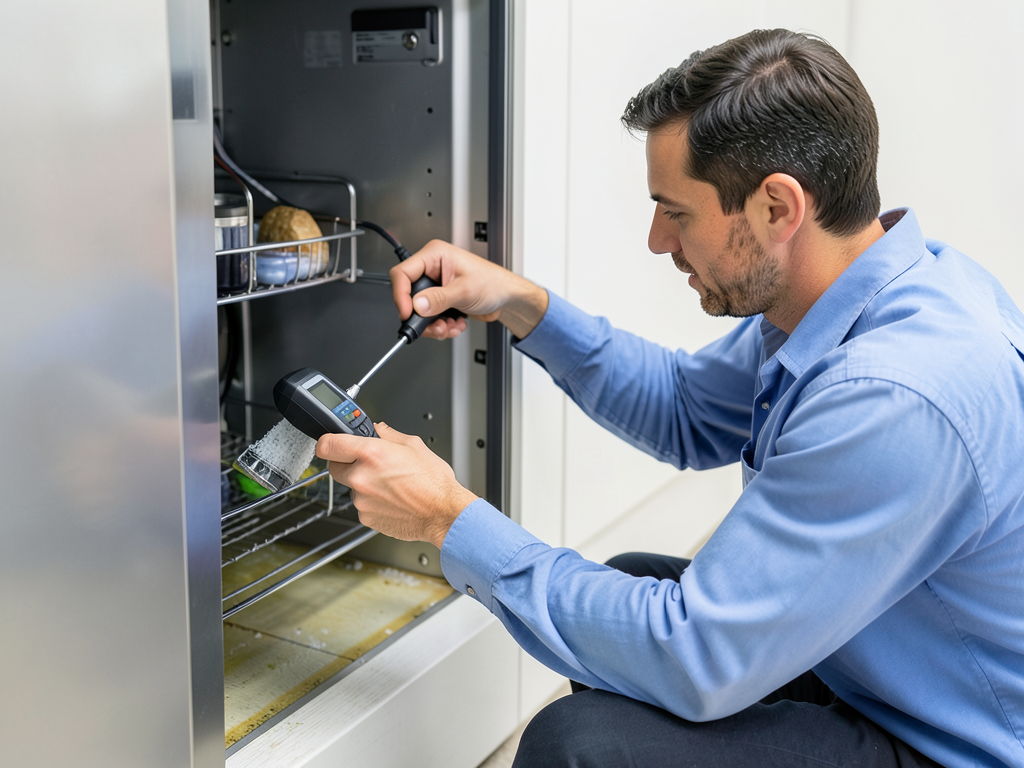
We do not guess. We measure. Our technicians use thermal imaging cameras to map temperature differentials across your ceiling plane, identifying wet insulation pockets invisible to the naked eye. Cold spots indicate saturated material holding moisture. Moisture meters quantify exact water content in cellulose, fiberglass, or spray foam, giving us baseline data for remediation scope.

Water damaged insulation cannot be salvaged. We perform complete removal of compromised material, bagging and disposing of it according to California Title 24 waste protocols. If mold is present, we establish negative air pressure containment zones using HEPA air scrubbers to prevent cross-contamination during extraction.

The source must be eliminated. We trace moisture intrusion paths using blower door tests and infrared scanning. Roof leaks, plumbing failures, HVAC condensation, and ventilation defects all leave thermal signatures. We document the origin, coordinate repairs if needed, and verify the envelope is watertight before installing new insulation.

Drying precedes reinstallation. We deploy commercial dehumidifiers and air movers to reduce cavity moisture content below 15 percent, the threshold for microbial growth. Wood framing receives antifungal treatment. We verify dryness with penetrating moisture meters before introducing new material.

New insulation gets installed to current Title 24 energy code minimums for Riverside's Climate Zone 10. We ensure proper ventilation ratios, seal penetrations with fire-rated caulk, and install vapor barriers on the correct thermal side. Our work restores your thermal envelope to designed performance, stopping heat transfer and eliminating condensation risk.

Every job includes photo documentation showing pre-existing damage, source identification, contaminated material removal, and final installation. You receive a moisture map proving your attic or crawlspace is dry and safe.

What Happens When You Call Us About Soaked Insulation

Soggy Insulation in Riverside – Expert Detection and Safe Removal Before Mold Takes Hold
01

Diagnostic Moisture Mapping

We arrive with thermal imaging equipment and penetrating moisture meters. Our technicians scan your attic, crawlspace, and wall cavities to locate every pocket of saturated insulation. You receive a visual moisture map showing affected zones, water content percentages, and the likely intrusion source. This eliminates guesswork and prevents incomplete remediation that leaves hidden damage.
02

Contaminated Material Removal

We establish containment barriers and negative air pressure to isolate the work area. Soaked insulation is pulled, bagged, and removed according to hazardous material handling protocols if mold or contamination is present. We treat exposed framing with EPA-registered antimicrobial solutions, then deploy desiccant dehumidifiers to reduce cavity moisture below microbial growth thresholds. This phase stops further damage and prepares the space for restoration.
03

Code-Compliant Reinstallation

Once structural moisture drops below 15 percent, we install new insulation to meet or exceed California Title 24 energy standards for your climate zone. We verify proper ventilation ratios, seal thermal bridges, and install vapor barriers on the correct side of the thermal envelope. You receive documentation proving your home's insulation system is dry, mold-free, and performing at designed R-value efficiency.

Why Riverside Homeowners Trust Liberty Water Damage Restoration

Wet insulation problems in Riverside require local knowledge. We understand how the Santa Ana winds drive rain through mission tile roof penetrations common in the historic districts. We know that homes near the Santa Ana River corridor face elevated humidity from riparian microclimates. We have seen how Orangecrest's rapid development led to ventilation shortcuts that trap moisture in attics year after year.

Generic restoration companies treat soggy insulation as a commodity problem. They pull, dispose, and reinstall without identifying why it got wet in the first place. That approach guarantees the problem returns. Liberty Water Damage Restoration Riverside treats saturated insulation as a symptom of envelope failure. We find the source, eliminate it, and restore your thermal barrier to code-compliant performance.

Our team holds IICRC Water Damage Restoration Technician certifications and follows ANSI/IICRC S500 standards for every project. We understand Riverside's Climate Zone 10 requirements under Title 24, ensuring your new insulation meets current energy mandates. If your home is in a historic district near the Mission Inn or along Magnolia Avenue, we coordinate with city preservation guidelines to maintain architectural integrity while solving moisture problems.

You get transparent documentation at every phase. Pre-loss photos, moisture readings, scope reports, and post-restoration verification testing all go into your project file. If you are filing an insurance claim for water damage, we provide the technical evidence adjusters require to approve coverage.

We have restored insulation systems in Ranch-style homes throughout Arlington, mid-century properties near La Sierra, and newer construction in Sycamore Canyon. We have seen every failure mode insulation can experience in this region, and we know how to fix it permanently.

Choosing a restoration contractor is about trust. You are inviting someone into your attic, your walls, and the hidden spaces that protect your family. We take that responsibility seriously.

What to Expect When We Restore Your Insulation System

Rapid Response and Scheduling

We dispatch technicians within two hours for emergency saturation events, such as active roof leaks or pipe failures. For non-emergency assessments, we schedule diagnostic visits within 24 hours of your call. Our team works efficiently to minimize disruption. Most attic insulation removal and reinstallation projects finish within two to three days, depending on home size and contamination extent. We coordinate with roofers or plumbers if source repairs are needed, acting as your single point of contact throughout the restoration process.

Comprehensive Moisture Assessment

Your consultation begins with thermal imaging and moisture meter testing across all suspect areas. We inspect attic spaces, crawlspaces, wall cavities, and HVAC plenums. You receive a written assessment detailing moisture levels, affected square footage, contamination presence, and recommended scope. We explain findings in plain language, showing you thermal images and moisture readings so you understand the problem extent. There is no pressure. You get factual data to make an informed decision about remediation.

Quality and Performance Verification

We do not consider the job complete until your insulation system performs as designed. After installation, we conduct blower door testing to verify air sealing effectiveness and thermal imaging to confirm uniform coverage with no gaps or thermal bridges. You receive documentation showing R-values, ventilation ratios, and moisture readings proving your envelope meets California Title 24 standards. Your attic or crawlspace will be cleaner and more energy-efficient than before the damage occurred. We also provide care instructions to help you maintain proper ventilation and prevent future moisture accumulation.

Ongoing Support and Maintenance Guidance

Saturated insulation typically results from preventable envelope failures. After restoration, we provide a maintenance checklist covering roof inspection intervals, gutter cleaning schedules, and signs of ventilation problems. If you experience any concerns within the first year, we return to reassess at no charge. We do not offer warranties on insulation longevity because durability depends on maintaining your roof, plumbing, and HVAC systems. However, we stand behind our workmanship. If our installation fails due to improper technique, we correct it immediately.

Frequently Asked Questions

You Have Questions,
We Have Answers

Will wet insulation ever dry out? +

Wet insulation can technically dry, but it rarely returns to full effectiveness. Fiberglass and cellulose insulation compress when saturated, losing R-value permanently. In Riverside's climate, trapped moisture inside walls or attics creates ideal conditions for mold growth before materials fully dry. Drying time depends on ventilation, humidity levels, and extent of saturation. If water exposure came from contaminated sources like sewage backups or roof leaks, the insulation holds bacteria and pathogens even after drying. Professional assessment determines if drying is viable or if removal is necessary to prevent structural damage and health risks.

Will mold grow in wet insulation? +

Yes. Mold thrives on wet insulation materials, especially organic types like cellulose and paper-backed fiberglass. Riverside homes face elevated mold risk due to seasonal temperature swings and occasional humidity spikes from Santa Ana winds. Wet insulation provides both moisture and organic material mold needs to colonize. Once spores establish, they spread rapidly through porous insulation fibers, contaminating surrounding building materials. The hidden nature of attic and wall insulation means mold often grows undetected for weeks. Professional water damage restoration includes moisture meters and thermal imaging to locate hidden wet insulation before mold takes hold.

How long does it take for mold to grow on wet insulation? +

Mold can begin growing on wet insulation within 24 to 48 hours under the right conditions. Temperature between 60 and 80 degrees, combined with moisture and organic material, triggers rapid spore germination. Riverside attics often exceed these temperatures, accelerating growth during warmer months. The timeline varies based on insulation type, water source, and ventilation. Cellulose insulation molds faster than fiberglass due to higher organic content. Contaminated water from roof leaks or plumbing failures introduces existing mold spores, shortening the timeline further. Immediate response within the first 24 hours prevents mold establishment and protects your property.

Does it matter if insulation gets wet during build? +

Yes. Wet insulation during construction compromises long-term performance and creates hidden problems. Materials installed damp never achieve rated R-values and trap moisture inside wall cavities or attic spaces. Riverside's building codes require dry materials for proper installation, and moisture barriers lose effectiveness when insulation is pre-saturated. The enclosed environment prevents adequate drying, leading to mold growth, wood rot, and structural deterioration before you occupy the home. Builders should protect insulation from rain exposure and verify dryness before enclosing cavities. If your new construction insulation got wet, demand replacement before final inspections to avoid expensive remediation later.

How to fix wet insulation? +

Fixing wet insulation requires immediate moisture extraction and damage assessment. First, identify and stop the water source, whether it is a roof leak, burst pipe, or HVAC condensation. Use moisture meters to map saturation extent through walls and ceilings. In most cases, wet insulation removal is necessary, especially for cellulose and fiberglass materials that compress and harbor contaminants. Riverside homes often need attic ventilation improvements during repairs to prevent future moisture accumulation. After removal, dry structural components completely using commercial dehumidifiers and air movers. Install replacement insulation only after confirming moisture levels below 15 percent to prevent recurring problems.

Should you throw away wet insulation? +

Yes, in most situations. Wet insulation loses effectiveness and becomes a contamination risk. Fiberglass insulation compresses when saturated, permanently reducing thermal performance. Cellulose insulation absorbs water like a sponge, creating heavy, moldy masses that damage ceiling drywall. If water came from Category 2 or 3 sources like toilet overflows or sewage backups, contaminated insulation poses serious health risks and must be removed immediately. Even clean water creates mold problems in Riverside's climate if insulation stays damp longer than 48 hours. Professional restoration teams bag and dispose of contaminated materials properly, then replace with new insulation after structural drying is complete.

Why is it hard to sell a house with spray foam insulation? +

Spray foam insulation creates buyer concerns due to removal difficulty, moisture trapping potential, and inspection limitations. When improperly installed, closed-cell foam traps moisture against wood framing, causing hidden rot that standard home inspections miss. Lenders sometimes flag homes with spray foam because removal costs thousands if problems develop. In Riverside's real estate market, buyers worry about roof leak detection since foam conceals water damage until major structural issues appear. The material also complicates future renovations and electrical work. Open-cell foam absorbs water, creating the same soggy insulation problems as traditional materials but with much higher replacement costs.

How long does it take wet insulation to dry an attic? +

Wet attic insulation takes one to five weeks to dry completely, depending on ventilation, insulation type, humidity levels, and saturation extent. Riverside's low humidity helps, but summer attic temperatures exceeding 150 degrees slow moisture evaporation by creating condensation cycles. Fiberglass dries faster than cellulose, though both lose insulating value during the process. Natural drying rarely succeeds because insulation compression traps water inside material cores. Professional water damage restoration uses commercial dehumidifiers, air movers, and moisture monitoring to accelerate drying to 72 hours or less. Without proper equipment, mold colonizes before insulation dries, requiring complete removal anyway.

What are the 10 warning signs of mold toxicity? +

Mold toxicity warning signs include persistent respiratory issues, chronic fatigue, headaches, difficulty concentrating, memory problems, joint pain, skin rashes, sinus congestion, sensitivity to light, and unexplained mood changes. These symptoms often worsen inside the home and improve when you leave. Riverside residents with wet insulation in attics or walls breathe mold spores circulating through HVAC systems. Children, elderly individuals, and those with compromised immune systems face higher risks. Symptoms mimic other conditions, making diagnosis difficult without professional mold testing. If multiple household members experience these issues simultaneously, hidden mold from water-damaged insulation is a likely culprit requiring immediate investigation.

Will mold go away if it dries out? +

No. Mold goes dormant when it dries but does not die or disappear. Dormant spores reactivate immediately when moisture returns, and dead mold fragments still trigger allergic reactions and respiratory problems. The allergenic proteins remain potent for years after drying. Riverside homes with previous water damage often have hidden dormant mold in dried insulation that reactivates during seasonal humidity changes. Professional remediation removes mold-contaminated materials entirely rather than just drying them. Surface cleaning does not eliminate mold embedded in porous insulation fibers. Proper resolution requires removing affected insulation, treating structural components with antimicrobial solutions, and installing fresh materials in a dry environment.

How Riverside's Desert Humidity and Winter Rain Create Insulation Failure Cycles

Riverside sits at the intersection of coastal moisture and inland desert heat, creating unique condensation dynamics. Winter storms dump heavy rain on roofs that bake under 100-degree summers, causing expansion and contraction that opens flashing seams and tile gaps. Homes near the Santa Ana River face elevated nighttime humidity from riparian vegetation, while properties in the Arlington Heights and La Sierra areas experience thermal inversions that trap moisture in attic spaces. Many older homes lack ridge vents or soffit intake ventilation, turning attics into pressure cookers where damp insulation never fully dries. These localized factors make proactive moisture monitoring essential for Riverside homeowners.

Riverside enforces California Title 24 energy standards, requiring specific R-values and ventilation ratios for Climate Zone 10. Our technicians understand these mandates and ensure every insulation replacement meets or exceeds code minimums. We work regularly with city inspectors on projects in historic districts where preservation rules limit ventilation modifications. Choosing a local contractor means working with professionals who understand Riverside's building department requirements, seasonal weather patterns, and the specific envelope challenges your neighborhood faces. We have restored insulation in homes from Magnolia Center to Orangecrest, and we know what works in your microclimate.

Water Damage Restoration Services in The Riverside Area

We are dedicated to serving the entire Riverside area and its neighboring communities with fast and reliable water damage restoration services. Whether you’re a resident or a business owner, our team is ready to respond to your call. Use the map below to see our service area, or call us directly to confirm if we can dispatch a team to your location for an immediate emergency response.

Address:
Liberty Water Damage Restoration Riverside, 11801 Pierce St, Riverside, CA, 92505

Additional Services We Offer

Our news updates

Latest Articles & News from The Blogs

Restoring water damaged lath and plaster in historic Riverside homes\n\nHistoric Riverside homes with lath and plaster walls require specialized restoration…

Restoring water damaged lath and plaster in historic Riverside homes

Restoring water damaged lath and plaster in historic Riverside homes\n\nHistoric Riverside homes with lath and plaster walls require specialized restoration…

What to do if your refrigerator water line starts leaking in the kitchen

What to do if your refrigerator water line starts leaking in the kitchen Water leaking from your refrigerator can quickly…

Protecting your University City home from foundation water damage caused by poor drainage

Protecting your University City home from foundation water damage caused by poor drainage \n\n Foundation water damage in University City…

Contact Us

Soggy insulation gets worse every day you wait. Call Liberty Water Damage Restoration Riverside at (951) 309-5499 for same-day moisture assessment. We identify hidden saturation, remove contaminated material, and restore your thermal envelope to code-compliant performance.