menu

Sanitization & Odor Removal in Riverside – Complete Pathogen Control and Contamination Elimination

Liberty Water Damage Restoration Riverside delivers targeted sanitization and odor removal using EPA-registered antimicrobial treatments and advanced deodorization protocols to eliminate bacteria, viruses, mold spores, and persistent odors from water-damaged structures throughout Riverside County.

Slider Image 1
Slider Image 2
Slider Image 3
Slider Image 4
Slider Image 5
Slider Image 7
Slider Image 8
Slider Image 9
Slider Image 10
Slider Image 11

Why Water Damage Creates Hidden Health Hazards in Riverside Properties

Water intrusion never arrives alone. Within 24 to 48 hours of exposure, standing water becomes a breeding ground for bacteria, mold spores, and pathogens that threaten your family's health and your property's structural integrity. Riverside's warm climate accelerates microbial growth, especially during summer months when indoor temperatures climb and humidity lingers after storm events or plumbing failures.

The Santa Ana River corridor and proximity to the Jurupa Mountains create temperature inversions that trap moisture near ground level. This microclimate makes Riverside homes particularly vulnerable to secondary contamination after floods, sewage backups, or appliance failures. You cannot see the contamination, but you can smell it. That musty odor is not just unpleasant. It signals active microbial growth releasing mycotoxins and volatile organic compounds into your indoor air.

Standard cleaning does not eliminate these threats. Surface-level disinfection leaves contamination embedded in porous materials like drywall, insulation, and subflooring. Without proper antimicrobial treatment and odor control services, you face recurring problems. Mold returns. Odors persist. Health symptoms worsen.

Professional sanitizing and deodorizing addresses contamination at the molecular level. We target the source, not just the symptoms. Our disinfection and deodorization protocols follow IICRC S500 standards for water damage restoration, ensuring complete pathogen elimination and odor abatement. You need more than air fresheners and bleach. You need structural sanitization that protects your investment and your health.

Why Water Damage Creates Hidden Health Hazards in Riverside Properties
How Professional Antimicrobial Treatment Eliminates Contamination

How Professional Antimicrobial Treatment Eliminates Contamination

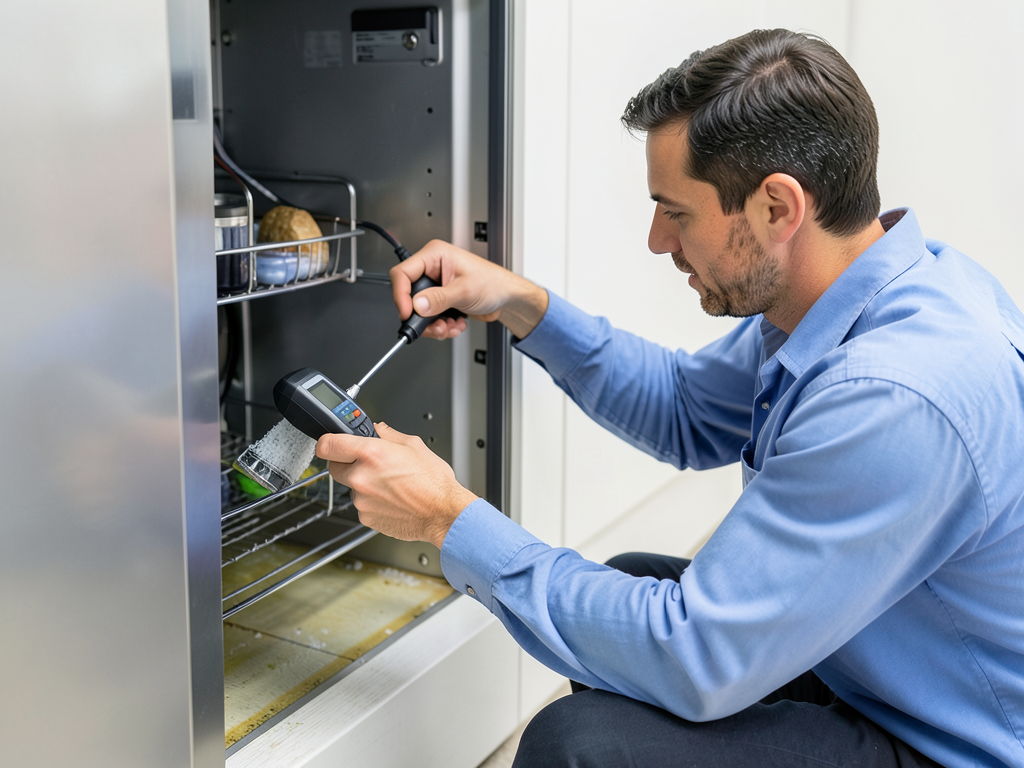
Effective sanitization starts with identification. We use moisture meters, infrared thermal imaging, and ATP bioluminescence testing to map contamination across affected areas. This tells us where bacteria colonies have established, which materials harbor mold growth, and where odor-causing compounds have penetrated building materials.

Next comes source removal. We extract all contaminated water using truck-mounted extraction units that pull 150 PSI of vacuum pressure. This removes not just surface water but also contamination embedded in carpet backing, pad underlayment, and concrete micropores. Removing the moisture source stops microbial reproduction immediately.

Then we apply EPA-registered antimicrobial agents formulated specifically for post-water-damage environments. These hospital-grade solutions eliminate bacteria, viruses, mold spores, and fungal growth on contact. We use both surface application and Ultra-Low Volume fogging to reach hidden cavities behind baseboards, inside wall cavities, and throughout HVAC ductwork where contamination spreads but remains invisible.

Odor abatement requires different chemistry. We deploy hydroxyl generators and thermal fogging with odor-neutralizing compounds that break down volatile organic compounds at the molecular level. This is not masking. We chemically alter the odor-causing molecules so they can no longer bind to olfactory receptors. The smell disappears because the source no longer exists.

Final verification uses ATP testing to confirm microbial reduction to acceptable levels and direct-read particle counters to measure airborne spore counts. You receive documentation proving your property meets health and safety standards before we close the project.

What Happens During Your Sanitization Project

Sanitization & Odor Removal in Riverside – Complete Pathogen Control and Contamination Elimination
01

Contamination Assessment

Our technicians arrive within hours of your call to document the scope of contamination using moisture mapping, thermal imaging, and microbiological sampling. We identify Category 2 gray water versus Category 3 black water to determine appropriate antimicrobial protocols. You receive a written scope detailing all affected materials, recommended treatments, and timeline for complete sanitization and deodorization.
02

Antimicrobial Application

We apply EPA-registered disinfectants using electrostatic sprayers that wrap antimicrobial agents around surfaces at 360 degrees for complete coverage. ULV fogging equipment pushes sanitizing agents into wall cavities, crawlspaces, and attic spaces where contamination hides. All solutions meet NSF/ANSI 60 standards for safety in occupied spaces. We treat structural cavities, HVAC systems, and all porous materials requiring disinfection and deodorization.
03

Verification and Clearance

Post-treatment testing confirms microbial reduction using ATP bioluminescence meters and air quality monitoring. We document baseline readings before treatment and post-treatment results proving contamination elimination. Hydroxyl generators run continuously for 72 hours to neutralize remaining volatile organic compounds. You receive clearance documentation suitable for insurance claims, real estate transactions, or tenant disclosure requirements before we demobilize equipment.

Why Riverside Property Owners Trust Our Sanitization Expertise

Not all restoration companies understand the difference between cleaning and sanitizing. Surface wiping removes visible dirt but leaves microscopic contamination that continues growing inside your walls. Liberty Water Damage Restoration Riverside holds IICRC certifications in Applied Microbial Remediation and Water Damage Restoration, meaning our technicians understand pathogen behavior, contamination transfer, and proper disinfection protocols.

We work throughout Riverside County, from the Arlington Heights neighborhood near Victoria Avenue to properties along the Magnolia Center corridor and Canyon Crest areas near UC Riverside. This experience teaches us how local construction methods affect contamination patterns. Riverside's mix of 1950s concrete slab homes and newer wood-frame construction requires different sanitization approaches. Slab foundations trap moisture beneath flooring, creating hidden mold reservoirs. Wood-frame structures allow contamination to wick vertically through wall cavities if not properly treated.

Our relationship with Riverside building inspectors and code enforcement means we understand local requirements for post-water-damage sanitization. Some restoration companies skip proper antimicrobial treatment to save time. That creates liability for you when odors return or mold reappears weeks later. We follow California Department of Public Health guidelines for indoor air quality and microbial remediation because your health matters more than our schedule.

You also need someone who communicates clearly with insurance adjusters. We document contamination using the same terminology and standards your carrier expects. Our detailed photo documentation, moisture logs, and microbial testing results support your claim and prevent disputes over covered services. Most claims settle faster because we provide the evidence adjusters need to approve sanitization and odor removal as necessary restoration costs.

What to Expect During Sanitization and Odor Removal

Response Time and Availability

We dispatch crews within two hours of your call, 24 hours a day including weekends and holidays. Microbial growth accelerates rapidly in Riverside's climate, so speed determines outcomes. Our trucks carry complete antimicrobial treatment systems, hydroxyl generators, and ATP testing equipment so we can begin sanitization immediately without waiting for specialty equipment. Emergency response matters because contamination spreads exponentially. What affects one room today can contaminate your entire HVAC system by tomorrow. Fast response limits damage and reduces your total restoration costs.

Initial Contamination Assessment

Your assessment takes 60 to 90 minutes depending on property size. We use moisture meters to map affected areas, thermal imaging to identify hidden water intrusion, and ATP bioluminescence testing to measure microbial contamination levels. You receive immediate feedback on contamination severity and which materials require antimicrobial treatment versus replacement. We explain Category 1, 2, and 3 water classifications so you understand the health risks and appropriate response protocols. This assessment includes detailed photo documentation and moisture readings that support insurance claims and protect you from future disputes.

Sanitization Quality Standards

Our antimicrobial treatments achieve a 99.9999% reduction in bacteria, viruses, and mold spores on treated surfaces. We use EPA-registered disinfectants with proven kill claims against pathogens including E. coli, Staphylococcus aureus, and Aspergillus niger. Odor removal continues until direct-read particle counters show airborne spore counts below 500 CFU per cubic meter, which matches outdoor ambient air quality. You receive post-treatment ATP testing results and air quality reports documenting successful contamination elimination. These results meet standards required for healthcare facilities, food service operations, and sensitive environments like schools and daycare centers.

Post-Treatment Monitoring

We return at seven-day and 30-day intervals to retest moisture levels and confirm no microbial rebound has occurred. If odors return or moisture readings increase, we investigate and retreat affected areas at no additional charge. You receive written documentation of all follow-up testing suitable for real estate disclosure requirements or future insurance claims. This ongoing monitoring protects your investment and catches problems before they escalate. Most sanitization failures occur because companies skip post-treatment verification. We build accountability into every project because contamination elimination must be permanent, not temporary.

Frequently Asked Questions

You Have Questions,
We Have Answers

What is the most powerful odor eliminator? +

Industrial hydroxyl generators and ozone machines are the most effective odor eliminators for severe contamination. Hydroxyl technology breaks down odor molecules at a molecular level without requiring evacuation, making it ideal for occupied spaces in Riverside homes. Ozone generators work faster but require empty rooms. For consumer-level solutions, enzymatic cleaners target organic odors like pet urine or sewage by digesting odor-causing bacteria. Thermal fogging penetrates porous materials like drywall and insulation. The right choice depends on odor source and severity. Water damage often requires professional-grade equipment to eliminate mold and mildew smells permanently.

What do nursing homes use to get rid of urine smell? +

Nursing homes use hospital-grade enzymatic cleaners that break down uric acid crystals in carpet, padding, and subflooring. They combine this with oxidizing agents like hydrogen peroxide or sodium hypochlorite for hard surfaces. Many facilities use hydroxyl generators for continuous air purification without evacuating residents. In Riverside's dry climate, urine can crystallize quickly in carpet backing, making enzymatic treatment critical. Professional sanitization involves extracting contaminated padding, sealing subfloors with odor-blocking primers, and applying antimicrobial treatments. Surface cleaning alone fails because urine penetrates deep into porous materials. Complete odor removal requires addressing contamination at every layer.

How do I permanently get rid of a bad smell in my house? +

Permanent odor removal requires identifying and eliminating the source, not masking it. Common culprits in Riverside homes include hidden water damage from slab leaks, HVAC mold growth, or rodent contamination in attics. Start by inspecting crawl spaces, behind appliances, and inside ductwork. Remove contaminated materials like water-damaged drywall or urine-soaked carpet padding. Clean all surfaces with appropriate agents, then treat with enzymatic or oxidizing cleaners. Seal porous surfaces like concrete with odor-blocking primers. Finally, use hydroxyl generators or ozone treatment to neutralize airborne molecules. Air purifiers and ventilation help maintain freshness after source removal.

What do nurses use to block smells? +

Nurses commonly use mentholated ointments like Vicks VapoRub applied under the nose to block unpleasant smells during patient care. Peppermint or eucalyptus oil on surgical masks provides similar relief. Some use coffee beans or grounds in break rooms to neutralize lingering odors. These are temporary personal solutions, not sanitization methods. For home odor issues in Riverside, blocking smells fails to address contamination. Biological hazards like sewage, decomposition, or bodily fluids require professional decontamination and sanitization. Masking agents create health risks by hiding problems like mold growth or bacterial contamination that worsen over time without proper remediation.

What kills all smells? +

No single product kills all smells because different odors require different chemistry. Enzymatic cleaners digest organic matter like pet waste and food decomposition. Oxidizing agents like chlorine dioxide neutralize chemical odors and kill bacteria. Hydroxyl generators break down virtually any airborne odor molecule through advanced oxidation. Ozone destroys odor-causing compounds but requires empty spaces. Activated charcoal absorbs gases and volatile compounds. For severe contamination in Riverside homes after water damage or sewage backups, professionals combine multiple methods. Surface cleaning, source removal, antimicrobial treatment, and air scrubbing work together. Single-product solutions fail on complex odor problems requiring layered approaches.

What do hotels use to make the room smell good? +

Hotels use commercial HVAC scent diffusion systems that disperse signature fragrances through air handlers. Many use cold-air diffusion technology that nebulizes essential oil blends without heat or water. Between guests, housekeeping sprays odor neutralizers containing enzymes and oxidizers, not just perfumes. Ozone generators treat smoking rooms during vacant periods. Hotels also maintain strict protocols: deep carpet extraction, mattress sanitization, and duct cleaning. In Riverside's hospitality market, properties prevent odors through aggressive ventilation and quick water damage response. Home scenting differs from remediation. If your Riverside home needs persistent air fresheners, you have an underlying contamination issue requiring professional assessment.

What is the old lady's smell called? +

The musty smell associated with aging is called nonenal, a chemical compound produced when omega-7 unsaturated fatty acids in skin break down through oxidation. This odor clings to fabrics, bedding, and porous surfaces. In Riverside homes with elderly residents, the smell intensifies in poorly ventilated spaces or where water damage has occurred. Regular laundering, ventilation, and enzymatic fabric treatments help manage nonenal. However, if the smell persists despite cleaning, check for underlying issues like hidden mold growth, carpet contamination, or HVAC system problems. Professional air scrubbing and hydroxyl treatment can eliminate stubborn organic odors embedded in building materials.

How do professionals remove urine smells? +

Professionals locate all contaminated areas using moisture meters and UV lights that reveal urine deposits invisible to the eye. They extract carpet and remove padding completely because urine saturates backing and subfloor. Concrete or wood subfloors get treated with enzymatic cleaners that break down uric acid crystals, then sealed with odor-blocking primers like BIN or Kilz. Walls receive similar treatment if contamination wicked upward. After reconstruction, hydroxyl generators run for 24 to 72 hours to neutralize remaining airborne molecules. In Riverside's low-humidity environment, urine dries quickly but crystallizes deep in materials. Surface cleaning fails. Complete removal requires demolition and professional-grade treatment.

What do morticians use to block smells? +

Morticians use formaldehyde-based embalming fluids that mask decomposition odors, plus topical compounds like phenol or glutaraldehyde. For personal protection during preparation, they apply mentholated barriers under masks. Facilities use negative air pressure ventilation and industrial air scrubbers with activated carbon filters. For home situations involving decomposition in Riverside, these methods are inappropriate and unsafe. Biohazard remediation requires EPA-registered disinfectants, complete removal of contaminated materials, and professional decontamination following OSHA bloodborne pathogen standards. Decomposition penetrates subflooring, drywall, and HVAC systems. DIY attempts spread contamination and create serious health hazards. Professional biohazard teams use specialized equipment and disposal protocols required by California regulations.

What is the hardest smell to get rid of in a house? +

Smoke odor from fires is the hardest smell to eliminate because combustion embeds microscopic soot particles deep into every porous surface. The particles are oily and bond to drywall, insulation, ductwork, and framing. In Riverside homes, secondhand smoke and kitchen fires create similar challenges. Complete removal requires HEPA vacuuming all surfaces, thermal fogging to penetrate materials, ozone or hydroxyl treatment, and sealing with encapsulating primers. HVAC systems need complete duct cleaning or replacement. Contents require specialized pack-out and ozone chambers. Decomposition and cat urine rank second because they penetrate subflooring. All three require professional remediation, not consumer products.

How Riverside's Climate and Infrastructure Complicate Sanitization Projects

Riverside averages 277 sunny days annually with summer temperatures exceeding 95 degrees, creating ideal conditions for rapid microbial amplification after water intrusion. The city's aging water infrastructure, particularly in neighborhoods near Downtown and Casa Blanca, experiences frequent pipe failures that introduce Category 3 black water contamination into homes. When sewage backups or floodwater from the Santa Ana River watershed enters structures, standard cleaning cannot eliminate parasites, viruses, and antibiotic-resistant bacteria present in contaminated water. Professional antimicrobial treatment using hospital-grade disinfectants becomes essential, not optional. Riverside's soil composition, predominantly sandy loam with pockets of clay, allows groundwater intrusion during winter rains that saturates foundation perimeters and introduces soil-borne pathogens into crawlspaces and basements.

Riverside County Environmental Health requires documentation of proper sanitization for rental properties and commercial buildings following water damage events. Liberty Water Damage Restoration Riverside maintains relationships with local inspectors and understands documentation requirements that satisfy code enforcement. Our familiarity with Riverside's diverse housing stock, from historic Mission Revival homes in the Wood Streets to modern developments in Orangecrest, means we adapt sanitization protocols to each structure's unique characteristics. Local expertise matters when HVAC systems need sanitizing or when mold remediation requires coordination with city permits. We document every step using the same standards Riverside County expects, protecting you from compliance issues and ensuring your property meets health and safety requirements.

Water Damage Restoration Services in The Riverside Area

We are dedicated to serving the entire Riverside area and its neighboring communities with fast and reliable water damage restoration services. Whether you’re a resident or a business owner, our team is ready to respond to your call. Use the map below to see our service area, or call us directly to confirm if we can dispatch a team to your location for an immediate emergency response.

Address:
Liberty Water Damage Restoration Riverside, 11801 Pierce St, Riverside, CA, 92505

Additional Services We Offer

Our news updates

Latest Articles & News from The Blogs

Restoring water damaged lath and plaster in historic Riverside homes\n\nHistoric Riverside homes with lath and plaster walls require specialized restoration…

Restoring water damaged lath and plaster in historic Riverside homes

Restoring water damaged lath and plaster in historic Riverside homes\n\nHistoric Riverside homes with lath and plaster walls require specialized restoration…

What to do if your refrigerator water line starts leaking in the kitchen

What to do if your refrigerator water line starts leaking in the kitchen Water leaking from your refrigerator can quickly…

Protecting your University City home from foundation water damage caused by poor drainage

Protecting your University City home from foundation water damage caused by poor drainage \n\n Foundation water damage in University City…

Contact Us

Contamination spreads every hour you wait. Call Liberty Water Damage Restoration Riverside now at (951) 309-5499 for immediate antimicrobial treatment and complete odor elimination. Our crews respond 24/7 with hospital-grade disinfection systems ready to deploy.