menu

Large Scale Water Extraction in Riverside – Industrial-Grade Solutions That Keep Your Business Operating

When flooding or pipe failures threaten your facility, you need bulk water removal services that deploy high-capacity equipment within hours to minimize downtime, protect inventory, and maintain operational continuity across Riverside's commercial and industrial districts.

Slider Image 1
Slider Image 2
Slider Image 3
Slider Image 4
Slider Image 5
Slider Image 7
Slider Image 8
Slider Image 9
Slider Image 10
Slider Image 11

Why Riverside Commercial Properties Face High-Volume Water Intrusion Risks

Riverside's commercial corridor along University Avenue and the warehouse districts near I-215 house thousands of square feet of retail space, manufacturing facilities, and distribution centers. These structures face unique vulnerabilities. Flat membrane roofing systems common in commercial construction develop pooling issues during winter rain events. Underground infrastructure aging across the Eastside and La Sierra neighborhoods increases the likelihood of catastrophic main breaks. When a sprinkler malfunction floods a 40,000-square-foot warehouse or a cooling tower leak saturates multiple floors in a mid-rise office building, standard residential extraction equipment cannot handle the volume.

Large scale water extraction requires industrial water extraction pumps capable of moving thousands of gallons per hour. Liberty Water Damage Restoration Riverside deploys trailer-mounted extraction units and high volume water pumping systems that clear standing water from expansive floor plans in a fraction of the time smaller units require. The difference between 24 hours and 72 hours of downtime can mean hundreds of thousands in lost revenue, damaged inventory, and regulatory compliance issues.

Riverside's commercial real estate operates on tight margins. Every hour your facility remains offline compounds financial exposure. Large loss water mitigation is not just about removing water. It addresses structural drying, contamination control, and documentation for insurance claims. The sooner commercial water removal begins, the less secondary damage occurs to drywall, subfloors, electrical systems, and HVAC infrastructure.

Why Riverside Commercial Properties Face High-Volume Water Intrusion Risks
How Industrial Water Extraction Differs from Residential Response

How Industrial Water Extraction Differs from Residential Response

Commercial facilities require a different operational approach than single-family homes. Liberty Water Damage Restoration Riverside uses truck-mounted extraction systems with submersible pumps rated for continuous duty cycles. These units handle contaminated water from sewage backups or chemical storage areas without cross-contamination risk. For multi-story buildings, we deploy portable diesel-powered pumps that can lift water vertically through discharge hoses, eliminating the need to transport water through interior spaces.

Bulk water removal services begin with a facility assessment to identify load-bearing capacity, electrical panel locations, and HVAC system integration points. We map extraction zones to prioritize high-value areas like server rooms, inventory storage, and production lines. Air movers and commercial dehumidifiers staged in strategic locations create negative air pressure environments that pull moisture from building materials without disrupting unaffected areas.

Documentation is critical. We photograph moisture readings at 12-inch intervals across affected surfaces, log equipment placement and runtime hours, and generate daily progress reports for property managers and insurance adjusters. This level of detail supports business interruption claims and demonstrates compliance with IICRC S500 standards for water damage restoration.

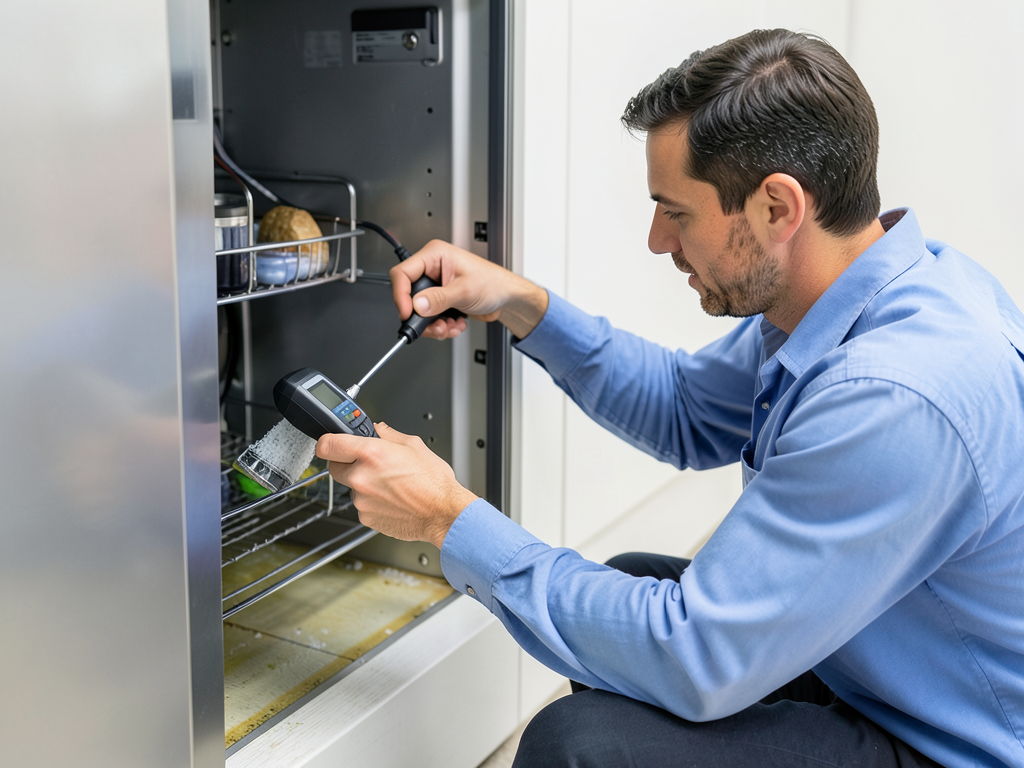
High volume water pumping operations often run 24 hours during the initial extraction phase. Our teams rotate shifts to maintain continuous monitoring. Thermal imaging cameras identify trapped moisture in wall cavities and ceiling plenums that visual inspection misses. Moisture meters measure material saturation levels to confirm when drying goals are met. This data-driven approach eliminates guesswork and prevents premature equipment removal that leads to mold growth weeks later.

What Happens During Emergency Commercial Water Removal

Large Scale Water Extraction in Riverside – Industrial-Grade Solutions That Keep Your Business Operating
01

Rapid Facility Containment

Within two hours of your call, our team arrives with trailer-mounted extraction units and begins water removal from the most critical zones. We establish containment barriers using polyethylene sheeting and negative air machines to prevent water migration into unaffected areas. Source identification and shut-off occurs simultaneously to stop additional water intrusion while pumps clear standing water at rates exceeding 500 gallons per minute.
02

Structural Drying Deployment

After bulk water removal, we place industrial dehumidifiers and air movers based on psychrometric calculations specific to your facility's cubic footage and material composition. Moisture mapping using thermal imaging and non-invasive meters establishes baseline readings. We monitor these data points every 12 hours to adjust equipment placement and ensure drying progresses according to commercial timelines. Documentation includes equipment logs and environmental readings for insurance purposes.
03

Verification and Clearance

Drying continues until all materials reach moisture content levels consistent with pre-loss conditions. We perform final inspections using calibrated moisture detection equipment to confirm structural elements, flooring systems, and wall assemblies meet industry standards. You receive a comprehensive report with before and after readings, equipment runtime totals, and photographic evidence. This documentation supports your insurance claim and provides verification for regulatory compliance if required by your industry.

Why Riverside Businesses Choose Liberty Water Damage Restoration for Large Loss Events

Riverside's commercial real estate market includes everything from cold storage facilities in the industrial zones near Highway 91 to Class A office space in the downtown core. Each property type requires specialized knowledge. Liberty Water Damage Restoration Riverside maintains relationships with commercial property managers throughout the Canyon Crest, Magnolia Center, and Arlington neighborhoods. We understand the operational constraints you face and the liability exposure that comes with water intrusion events.

Our equipment inventory includes redundant systems. If a primary pump fails or additional capacity is needed, we have backup units staged and ready to deploy. This redundancy matters when you are facing strict contractual deadlines or perishable inventory timelines. We coordinate with your facilities team, insurance adjuster, and any third-party environmental consultants to ensure everyone works from the same remediation plan.

Local expertise extends to understanding Riverside's building codes and commercial construction methods. Many facilities built in the 1970s and 1980s use concrete slab foundations with post-tension cables. Water extraction methods must account for these structural elements to avoid creating additional problems. We know which materials require removal versus drying in place, and we can identify when structural engineers need to assess load-bearing components before restoration proceeds.

Commercial water removal often involves coordination with other trades. If electrical panels were submerged, if HVAC ductwork was contaminated, or if fire suppression systems need recertification, we work alongside licensed contractors to streamline the restoration process. You get a single point of contact instead of managing multiple vendors during an already stressful situation.

What to Expect During Large Scale Water Extraction Services

Immediate Response Protocols

Our dispatch team operates around the clock. When you call reporting a commercial water emergency, we gather facility details including square footage, water source, and access restrictions. A crew supervisor and equipment operator are en route within 90 minutes. For facilities exceeding 20,000 square feet or multiple-story buildings, we dispatch additional teams simultaneously. Initial assessment typically takes 30 minutes. Extraction begins immediately after source control is confirmed. You receive hourly updates during the first 24 hours and twice-daily briefings as drying progresses. Response speed directly correlates with total restoration costs and business interruption duration.

Comprehensive Damage Assessment

After initial water removal, our technicians conduct room-by-room inspections using thermal imaging cameras and moisture meters. We document affected materials, identify concealed moisture in wall cavities and above ceilings, and classify water contamination levels according to IICRC standards. This assessment determines equipment needs and provides the foundation for your insurance claim. We generate a detailed scope of work that separates emergency mitigation costs from reconstruction expenses. If your facility requires environmental testing for mold or bacteria, we coordinate with certified laboratories and incorporate results into the remediation plan. Assessment documentation includes floor plans with color-coded moisture maps and material-specific saturation readings.

Verified Drying Standards

Commercial drying timelines vary based on construction type, ventilation capacity, and seasonal humidity levels. Riverside's winter humidity averages 65 percent, which extends drying time compared to summer conditions. We establish moisture reduction goals for each material category and track progress using daily meter readings. Concrete slabs typically require seven to ten days to reach acceptable moisture levels. Drywall and insulation dry faster but demand aggressive air movement to prevent mold colonization. You receive detailed progress reports showing moisture trend lines and equipment runtime data. Drying is complete only when all materials fall below IICRC threshold levels and visual inspection confirms no signs of secondary damage.

Post-Mitigation Documentation

When large scale water extraction and drying are complete, you receive a comprehensive project file including all moisture readings, equipment logs, photographic documentation, and certificates of completion. This package supports insurance claims and demonstrates due diligence for liability protection. We provide recommendations for preventive maintenance to reduce future water intrusion risks, such as backflow preventer testing or roof drainage improvements. If your facility requires ongoing monitoring during reconstruction, we offer moisture management services to verify conditions remain stable. Final documentation meets insurance carrier requirements and satisfies commercial property management standards for vendor performance verification.

Frequently Asked Questions

You Have Questions,
We Have Answers

How to purify water on a large scale? +

Large scale water purification for commercial properties in Riverside involves multi-stage systems combining filtration, disinfection, and separation processes. Industrial reverse osmosis, UV treatment, and activated carbon filtration remove contaminants, sediment, and biological threats. For water damage restoration scenarios, extraction must occur before purification. Commercial facilities require professional-grade equipment to handle volume and meet California health codes. Systems scale based on gallons per minute capacity and specific contaminant profiles. Riverside businesses dealing with floodwater or contaminated extraction need certified restoration professionals who understand both water removal and post-extraction sanitation protocols to prevent liability issues and ensure safe reoccupation.

What is large scale water treatment? +

Large scale water treatment refers to industrial processes designed to handle high-volume water extraction, filtration, and processing for commercial or municipal applications. In water damage restoration for Riverside businesses, this means deploying truck-mounted extractors, submersible pumps, and industrial dehumidifiers capable of removing thousands of gallons per hour. The treatment phase includes antimicrobial application, structural drying, and air quality restoration. Commercial properties face stricter regulations than residential sites. Treatment must address contamination categories, document moisture readings, and meet IICRC standards. Riverside's dry climate aids evaporation, but concrete slab foundations common in commercial buildings require specialized drying techniques to prevent long-term structural compromise.

What is the machine that extracts water? +

The primary machine for water extraction in commercial settings is the truck-mounted extractor, which combines powerful vacuum suction with heated water recovery. Submersible pumps handle standing water in basements or flooded spaces, moving up to 5,000 gallons per hour. Portable extractors target specific areas like carpeted offices or retail spaces. Riverside commercial properties often require weighted extractors for low-pile commercial carpet and trailer-mounted systems for warehouses. Professionals select equipment based on water category, square footage, and material type. Industrial wet vacuums handle final extraction phases. Equipment choice directly impacts drying time, which minimizes business interruption and reduces secondary damage costs.

What is excessive water extraction? +

Excessive water extraction in commercial restoration refers to over-application of vacuum pressure or prolonged extraction that damages flooring substrates, delaminates materials, or creates uneven drying patterns. In Riverside warehouses with concrete floors, excessive extraction can pull moisture from the slab itself, causing efflorescence or surface spalling. For businesses, the real concern is extended downtime from improper technique. Professional restoration balances extraction speed with material preservation. Excessive extraction also applies to environmental contexts where groundwater depletion occurs, but in restoration, it means equipment misuse that creates new damage. Proper moisture mapping and controlled extraction prevent substrate failure and liability exposure.

How to purify 100 gallons of water? +

Purifying 100 gallons of extracted water from a commercial property is not standard restoration practice. In Riverside water damage scenarios, extracted water is contaminated with sewage, chemicals, or biological matter and requires proper disposal per California wastewater regulations. Restoration focuses on removing water, not purifying it for reuse. If a business needs emergency drinking water during restoration, commercial filtration systems with sediment filters, activated carbon, and UV sterilization treat clean source water. Tank capacity and flow rate determine treatment speed. Restoration companies do not purify floodwater. They extract, dispose, dry structures, and restore air quality. Wastewater goes to approved disposal sites.

Can you drink any water with LifeStraw? +

LifeStraw personal filters are designed for backcountry hiking, not commercial water damage scenarios in Riverside. They filter bacteria and protozoa from natural water sources but do not address chemical contaminants, heavy metals, or Category 3 black water common in commercial floods. Businesses cannot rely on consumer filtration devices during restoration. Commercial properties require EPA-compliant water sources or bottled water during downtime. LifeStraw technology has no application in structural water extraction or damage mitigation. Restoration professionals focus on removing contaminated water and restoring safe building conditions, not providing potable water substitutes. For emergency operations, businesses need proper temporary water supplies that meet health codes.

How to remove large amounts of water? +

Removing large amounts of water from Riverside commercial properties requires staged extraction using truck-mounted systems, submersible pumps, and industrial air movers. Start with pumps for standing water exceeding two inches, then deploy weighted extractors for carpets and porous materials. Air movers and dehumidifiers accelerate evaporation in enclosed spaces. Commercial buildings need moisture monitoring with thermal imaging to locate hidden water in wall cavities or under slab foundations. Riverside's low humidity aids drying, but HVAC systems must be assessed for water intrusion. Professional teams work in zones, extracting and drying sequentially to minimize business interruption. Documentation of moisture levels protects against mold liability and insurance disputes.

What is 7 stage water purification? +

Seven stage water purification is an industrial filtration process combining sediment removal, activated carbon, reverse osmosis, remineralization, UV sterilization, alkaline adjustment, and final polishing. This applies to drinking water systems, not water damage restoration. Riverside businesses experiencing flooding do not purify extracted water. Restoration focuses on structural drying and contamination control. If your facility requires purified water for operations during restoration, seven stage systems provide high-quality output for manufacturing or food service applications. These systems require professional installation and maintenance. In restoration contexts, the focus remains on rapid extraction, antimicrobial treatment, and documentation to limit liability and resume operations quickly without attempting to reclaim floodwater.

What are the 5 methods of purifying water? +

The five primary water purification methods are boiling, filtration, chemical disinfection, UV treatment, and reverse osmosis. These apply to potable water sources, not water damage restoration in Riverside commercial buildings. Restoration professionals do not purify extracted floodwater. They remove it, treat affected structures with antimicrobials, and ensure safe reoccupancy. For businesses needing clean water during restoration, municipal sources or bottled supplies are required. Industrial facilities with process water needs may use multi-stage filtration, but this is separate from damage mitigation. Restoration priorities are extraction speed, structural drying, moisture documentation, and preventing secondary damage. Contaminated water goes to approved disposal facilities per California regulations.

How do the Amish collect water? +

Amish water collection typically involves hand-dug wells, windmill pumps, gravity-fed cisterns, and manual hauling systems that avoid electrical infrastructure. This question does not relate to commercial water damage restoration in Riverside. Businesses facing flooding need industrial extraction equipment, not historical water collection methods. Professional restoration uses truck-mounted extractors, submersible pumps, and dehumidification systems to remove thousands of gallons quickly and prevent structural damage. The focus is minimizing downtime, protecting assets, and meeting California building codes. Manual water removal is inefficient and increases mold risk. Riverside commercial properties require certified restoration teams with equipment that handles high-volume extraction and documents moisture levels for insurance and liability protection.

How Riverside's Commercial Infrastructure Age Impacts Water Extraction Demands

Riverside's commercial building stock includes structures dating to the 1940s, particularly in the downtown historic district and along Market Street. These buildings feature cast iron drain lines, galvanized supply piping, and outdated waterproofing systems. When pipe failures occur in multi-tenant buildings, water travels through shared wall cavities and affects multiple suites. Large scale water extraction in these older structures requires careful material assessment to determine what can be dried in place versus complete removal. Understanding how water moves through lath and plaster walls versus modern drywall systems prevents costly mistakes during the mitigation phase.

Liberty Water Damage Restoration Riverside works extensively with commercial property owners throughout the University Avenue corridor and the industrial parks near Alessandro Boulevard. These relationships give us insight into recurring infrastructure issues specific to Riverside's commercial real estate market. We understand the pressure commercial property managers face when coordinating emergency repairs while maintaining tenant relationships and meeting lease obligations. Local expertise means faster mobilization, familiarity with building access protocols, and established relationships with commercial insurance adjusters who work the Riverside market regularly. This local knowledge translates to faster claim resolution and reduced total loss exposure.

Water Damage Restoration Services in The Riverside Area

We are dedicated to serving the entire Riverside area and its neighboring communities with fast and reliable water damage restoration services. Whether you’re a resident or a business owner, our team is ready to respond to your call. Use the map below to see our service area, or call us directly to confirm if we can dispatch a team to your location for an immediate emergency response.

Address:
Liberty Water Damage Restoration Riverside, 11801 Pierce St, Riverside, CA, 92505

Additional Services We Offer

Our news updates

Latest Articles & News from The Blogs

Restoring water damaged lath and plaster in historic Riverside homes\n\nHistoric Riverside homes with lath and plaster walls require specialized restoration…

Restoring water damaged lath and plaster in historic Riverside homes

Restoring water damaged lath and plaster in historic Riverside homes\n\nHistoric Riverside homes with lath and plaster walls require specialized restoration…

What to do if your refrigerator water line starts leaking in the kitchen

What to do if your refrigerator water line starts leaking in the kitchen Water leaking from your refrigerator can quickly…

Protecting your University City home from foundation water damage caused by poor drainage

Protecting your University City home from foundation water damage caused by poor drainage \n\n Foundation water damage in University City…

Contact Us

Every hour counts when your facility is flooded. Call Liberty Water Damage Restoration Riverside now at (951) 309-5499 for immediate large scale water extraction services. Our industrial equipment and commercial expertise minimize business interruption and protect your bottom line.