
How to Spot a Leaking Pipe Inside Your Walls Before It Becomes a Disaster
Hidden water leaks can cause thousands of dollars in damage before you even know they exist. In Riverside’s older neighborhoods like Wood Streets and Canyon Crest, aging plumbing systems combined with our hard water make homes particularly vulnerable to slow leaks that destroy walls, floors, and foundations. This guide will help you identify the warning signs of a hidden pipe leak before it turns into a major disaster. What to do when a pipe bursts in your Riverside home.
The key to preventing catastrophic water damage is early detection. Most homeowners discover leaks only after they’ve caused visible damage, mold growth, or foundation issues. By learning to recognize the subtle signs of a leaking pipe inside your walls, you can address problems while they’re still manageable and save yourself from expensive repairs. EPA Fix a Leak Week.
Early Warning Signs of a Hidden Pipe Leak
Water leaks inside walls often develop slowly, giving you time to catch them if you know what to look for. Here are the most common indicators that you might have a hidden plumbing problem: Top-rated water damage repair and restoration in Corona.
Unusual Water Bill Increases
A sudden spike in your water bill without any change in usage patterns is often the first sign of a hidden leak. Riverside Public Utilities reports that even a small pinhole leak can waste 90 gallons of water per day, adding $30-50 to your monthly bill. Compare your current bill to the same month last year to spot unusual increases. Getting your Riverside water damage insurance claim approved.
Musty Odors and Mold Growth
Water trapped inside walls creates the perfect environment for mold and mildew. If you notice a persistent musty smell in certain rooms, especially bathrooms or laundry areas, you might have a hidden leak. Mold often appears as dark spots on walls or ceilings, but it can grow behind surfaces where you can’t see it. Riverside water restoration teams that can be at your door in an hour.
Discolored or Warped Walls and Ceilings
Water damage causes drywall to stain, bubble, or warp. Look for yellowish-brown spots, areas that feel soft to the touch, or paint that’s peeling without an obvious cause. In Riverside’s older homes, water can travel along wall studs, making the actual leak location several feet away from visible damage.. Read more about Restoring water damaged lath and plaster in historic Riverside homes.
Warm Spots on Floors
If you feel warm areas on your floor, especially in concrete slab homes common in Riverside’s newer developments, you might have a hot water line leak underneath. These leaks can raise floor temperatures by several degrees and waste significant energy while damaging your foundation.. Read more about The common causes of kitchen sink leaks and how to catch them early.
Sound of Running Water
When all fixtures are turned off, listen for the sound of running water. A hissing or whooshing noise coming from walls or floors often indicates water moving through a cracked pipe. This is particularly noticeable at night when your home is quiet.. Read more about How a history of water damage affects your Riverside home’s resale value.
Common Types of Hidden Leaks in Riverside Homes
Different types of leaks require different detection methods. Understanding what you might be dealing with helps you identify the problem faster.
Slab Leaks
Slab leaks occur when pipes under your concrete foundation develop cracks or holes. Riverside’s expansive clay soils put pressure on underground pipes, causing them to shift and break. These leaks are particularly dangerous because they can undermine your home’s structural integrity before you notice any signs.
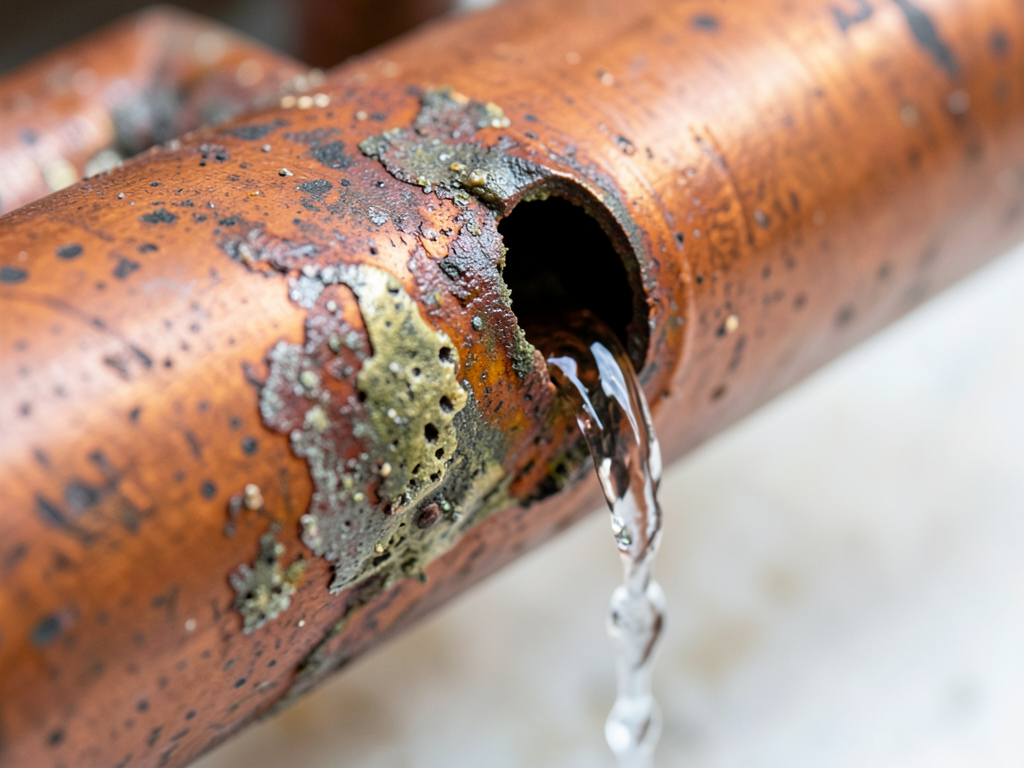
Pinhole Leaks in Copper Pipes
Riverside’s hard water, which contains high levels of calcium and magnesium, accelerates corrosion in copper plumbing. Over time, this creates tiny holes that allow water to seep out slowly. These leaks often appear in homes built between the 1970s and 1990s when copper piping was standard.
Corrosion in Galvanized Steel Pipes
Older Riverside homes, particularly in historic districts near downtown, may still have galvanized steel pipes. These pipes corrode from the inside out, creating weak spots that eventually leak. The corrosion is often invisible until water damage appears on walls or ceilings.
Joint Failures
Plumbing connections and joints are vulnerable points in any system. Temperature changes, water pressure fluctuations, and normal settling can cause these connections to fail, especially in areas with poor initial installation or low-quality materials.
Professional Leak Detection Methods
When you suspect a hidden leak but can’t locate it visually, professional detection methods can pinpoint the problem without destructive testing. Here’s how experts find hidden leaks:. Read more about Professional moisture testing vs. DIY meters for Arlington homeowners.
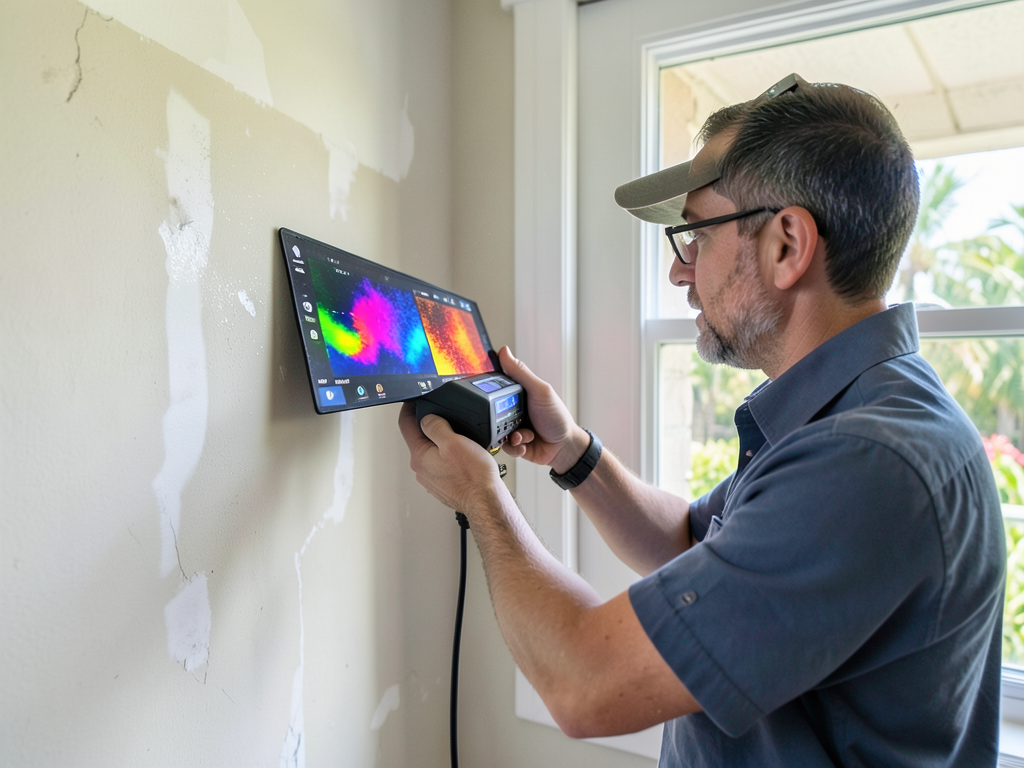
Thermal Imaging Technology
Infrared cameras detect temperature differences caused by moisture. Water cools surfaces it contacts, creating visible temperature patterns that trained technicians can interpret. This non-invasive method can scan entire walls in minutes and identify moisture patterns that indicate leak locations.
Acoustic Leak Detection
Specialized microphones and listening devices can detect the sound of water escaping from pipes. Even tiny leaks create distinctive sounds that these devices can amplify and locate. This method works particularly well for slab leaks where water moves through concrete.
Moisture Meters
Non-invasive moisture meters use radio frequencies to detect water content in building materials. Technicians can scan walls, floors, and ceilings to create moisture maps that show exactly where water has accumulated, helping locate the source of leaks.
Pressure Testing
Plumbers can isolate sections of your plumbing system and pressurize them with air or water. A drop in pressure indicates a leak, and the isolated section helps narrow down the location. This method is particularly useful for finding leaks in pressurized supply lines.
Video Pipe Inspection
For accessible pipes, small cameras can travel through plumbing lines to visually inspect for damage, corrosion, or blockages. This method is especially useful for main sewer lines and can identify problems before they cause backups or leaks.. Read more about What happens if you leave a small leak under your sink for too long.
What to Do When You Find a Leak
Discovering a leak requires immediate action to minimize damage. Follow these steps as soon as you confirm a problem:
- Shut Off Water Supply
Locate your main water shutoff valve and turn off the water immediately. In most Riverside homes, this valve is near the front of the house where the main line enters, often in a buried box near the street or in the garage.
- Document the Damage
Take photos and videos of all visible damage before cleanup begins. This documentation is crucial for insurance claims and helps restoration professionals assess the full scope of the problem.. Read more about How to document your property for an insurance claim before a leak happens.
- Remove Standing Water
Use towels, mops, or a wet vacuum to remove any standing water. The faster you remove moisture, the less damage it will cause to floors, walls, and personal belongings.
- Improve Air Circulation
Open windows, run fans, and use dehumidifiers to begin drying affected areas. This helps prevent mold growth, which can start within 24-48 hours of water exposure.
- Call a Professional
Contact a licensed plumber and water damage restoration specialist immediately. In Riverside, quick response is essential due to our climate and building materials.
Riverside-Specific Plumbing Challenges
Understanding local conditions helps you prevent and identify leaks more effectively. Riverside’s unique environment creates specific plumbing challenges:
Hard Water Effects
Riverside’s water contains high mineral content that accelerates pipe corrosion and scale buildup. This shortens the lifespan of plumbing fixtures and creates conditions for pinhole leaks. Installing a water softener can extend the life of your plumbing system by 50% or more.
Soil Movement and Foundation Shifts
The Inland Empire’s clay soils expand when wet and contract when dry, causing foundations to shift throughout the year. This movement puts stress on buried pipes, leading to cracks and joint failures. Homes in areas near the Santa Ana River are particularly vulnerable to these soil-related issues.
Temperature Fluctuations
Riverside experiences significant temperature swings between day and night, especially in summer. These fluctuations cause pipes to expand and contract, weakening joints and creating stress points where leaks eventually develop.
Older Infrastructure in Established Neighborhoods
Many Riverside homes, particularly in historic districts and older suburbs, still have original plumbing from the 1950s-1970s. These systems are reaching the end of their useful life and require proactive replacement to prevent catastrophic failures.
Prevention Strategies for Riverside Homeowners
Taking preventive measures can save you thousands in potential damage. Here are practical steps to protect your home:
Regular Plumbing Inspections
Schedule annual plumbing inspections with a licensed professional who understands Riverside’s specific challenges. They can identify early signs of corrosion, pressure problems, and aging components before they fail.
Water Pressure Monitoring
High water pressure stresses pipes and fixtures, leading to premature failures. Install a pressure gauge on your main line and ensure pressure stays between 40-60 psi. Riverside’s municipal system can fluctuate, especially during high-demand periods.
Water Softener Installation
Installing a whole-house water softener reduces mineral buildup in pipes and fixtures. This investment typically pays for itself through extended appliance life, reduced soap usage, and fewer plumbing repairs.
Upgrade Aging Components
Replace old galvanized steel pipes, corroded fittings, and outdated fixtures before they fail. Modern PEX and copper piping offer better corrosion resistance and longer lifespans than older materials.
Install Leak Detection Systems
Smart water monitors can detect unusual flow patterns and alert you to potential leaks through your smartphone. Some systems can automatically shut off water when they detect problems, preventing extensive damage.. Read more about Who to call when your smart leak sensor triggers an alarm in Riverside.
When to Call a Professional
While some minor leaks are DIY-friendly, many require professional expertise. Call a professional immediately if you notice:
- Multiple signs of water damage across different rooms
- Leaks that you cannot locate despite visible damage
- Water in electrical areas or near outlets
- Sewer odors or backup issues
- Foundation cracks or significant structural concerns
- Repeated leaks in the same area
Professional water damage restoration companies in Riverside have specialized equipment and training to handle complex water intrusion problems. They can also coordinate with insurance companies and ensure proper drying to prevent mold growth.. Read more about The best way to handle an upstairs bathroom leak in your Ramona neighborhood home.
Understanding Your Insurance Coverage
Most homeowners insurance policies cover sudden and accidental water damage, but they may not cover damage from neglected maintenance or gradual leaks. Document everything and contact your insurance company as soon as you discover a significant leak.
Riverside homes often face unique insurance considerations due to our climate and soil conditions. Some policies may have specific exclusions or requirements for homes in flood-prone areas or those with certain construction types. Emergency flood cleanup and restoration in Jurupa Valley.
Cost Considerations
The cost of leak detection and repair varies widely based on the leak’s location and severity. Simple surface repairs might cost $150-300, while complex slab leak repairs can exceed $2,000. Professional detection services typically range from $100-500 but can save you thousands by accurately locating problems without unnecessary demolition.
Remember that the cost of prevention and early detection is always less than emergency repairs and water damage restoration. A $200 inspection could prevent a $10,000 repair bill.
Frequently Asked Questions
How can I tell if my high water bill is from a leak or just increased usage?
Turn off all water fixtures and check your water meter. If the meter continues moving, you likely have a leak. Compare your usage to previous months and look for patterns that don’t match your actual water consumption.
How long does it take for mold to grow after a water leak?
Mold can begin growing within 24-48 hours of water exposure. In Riverside’s climate, warm temperatures and occasional humidity create ideal conditions for rapid mold growth, making quick water removal essential.
Can I fix a leaking pipe inside my wall myself?
Small, accessible leaks might be DIY-friendly, but most wall leaks require professional repair to ensure proper sealing and prevent future problems. Hidden leaks often indicate larger system issues that need expert diagnosis.
What’s the difference between a slab leak and a regular pipe leak?
A slab leak occurs under your home’s concrete foundation, making it more difficult to access and repair. These leaks can cause foundation damage and require specialized detection and repair methods compared to above-ground pipe leaks.
How accurate are those electronic leak detectors I see advertised?
Professional-grade electronic leak detectors are highly accurate when used by trained technicians. Consumer-grade devices vary in quality and may give false readings. Professional services use multiple detection methods to confirm findings.
Take Action Before Disaster Strikes
Hidden pipe leaks don’t fix themselves – they only get worse over time. If you’ve noticed any of the warning signs mentioned in this article, don’t wait for a small problem to become a major disaster. Early detection and professional repair can save you thousands of dollars and prevent extensive property damage.
Riverside homeowners face unique plumbing challenges due to our local water quality, soil conditions, and aging infrastructure. Having a trusted professional who understands these local factors can make all the difference when dealing with hidden leaks.
Call (951) 309-5499 today to schedule a comprehensive leak detection inspection. Our experienced technicians use advanced equipment to find hidden leaks quickly and provide you with clear options for repair. Don’t let a small leak turn into a major disaster – take action now to protect your home and your peace of mind.
Remember, the best time to address a potential leak is before it causes visible damage. Whether you’re in Canyon Crest, Woodcrest, or anywhere else in the Riverside area, we’re here to help you keep your home safe and dry. For more information, visit IICRC Water Damage Restoration Standards.
You may also find this helpful. Why wet insulation needs to be replaced after a Riverside house flood.
You may also find this helpful. Why your bathroom tiles are cracking and what it says about hidden moisture.
{
“@context”: “https://schema.org”,
“@type”: “BlogPosting”,
“headline”: “How to spot a leaking pipe inside your walls before it becomes a disaster”,
“description”: “Learn to identify hidden pipe leaks in your Riverside home before they cause costly water damage. Discover warning signs, detection methods, and when to call professionals.”,
“wordCount”: 2203,
“datePublished”: “2026-04-08T13:55:00.000Z”,
“dateModified”: “2026-04-08T13:55:00.000Z”,
“inLanguage”: “en-US”,
“mainEntityOfPage”: {
“@type”: “WebPage”,
“@id”: “https://libertywaterdamagerestorationriverside.com”
},
“publisher”: {
“@type”: “LocalBusiness”,
“name”: “Liberty Water Damage Restoration Riverside”,
“url”: “https://libertywaterdamagerestorationriverside.com”
},
“author”: {
“@type”: “Organization”,
“name”: “Liberty Water Damage Restoration Riverside”,
“url”: “https://libertywaterdamagerestorationriverside.com”
},
“image”: {
“@type”: “ImageObject”,
“url”: “https://libertywaterdamagerestorationriverside.com/wp-content/uploads/2026/03/how-to-spot-a-leaking-pipe-inside-your-walls-befor-1.png”
}
}
{
“@context”: “https://schema.org”,
“@type”: “LocalBusiness”,
“name”: “Liberty Water Damage Restoration Riverside”,
“url”: “https://libertywaterdamagerestorationriverside.com”,
“address”: {
“@type”: “PostalAddress”,
“addressLocality”: “Riverside”
},
“areaServed”: {
“@type”: “City”,
“name”: “Riverside”
}
}
{
“@context”: “https://schema.org”,
“@type”: “FAQPage”,
“mainEntity”: [
{
“@type”: “Question”,
“name”: “How can I tell if my high water bill is from a leak or just increased usage?”,
“acceptedAnswer”: {
“@type”: “Answer”,
“text”: “Turn off all water fixtures and check your water meter. If the meter continues moving, you likely have a leak. Compare your usage to previous months and look for patterns that don’t match your actual water consumption.”
}
},
{
“@type”: “Question”,
“name”: “How long does it take for mold to grow after a water leak?”,
“acceptedAnswer”: {
“@type”: “Answer”,
“text”: “Mold can begin growing within 24-48 hours of water exposure. In Riverside’s climate, warm temperatures and occasional humidity create ideal conditions for rapid mold growth, making quick water removal essential.”
}
},
{
“@type”: “Question”,
“name”: “Can I fix a leaking pipe inside my wall myself?”,
“acceptedAnswer”: {
“@type”: “Answer”,
“text”: “Small, accessible leaks might be DIY-friendly, but most wall leaks require professional repair to ensure proper sealing and prevent future problems. Hidden leaks often indicate larger system issues that need expert diagnosis.”
}
},
{
“@type”: “Question”,
“name”: “What’s the difference between a slab leak and a regular pipe leak?”,
“acceptedAnswer”: {
“@type”: “Answer”,
“text”: “A slab leak occurs under your home’s concrete foundation, making it more difficult to access and repair. These leaks can cause foundation damage and require specialized detection and repair methods compared to above-ground pipe leaks.”
}
},
{
“@type”: “Question”,
“name”: “How accurate are those electronic leak detectors I see advertised?”,
“acceptedAnswer”: {
“@type”: “Answer”,
“text”: “Professional-grade electronic leak detectors are highly accurate when used by trained technicians. Consumer-grade devices vary in quality and may give false readings. Professional services use multiple detection methods to confirm findings.”
}
}
]
}
{
“@context”: “https://schema.org”,
“@type”: “HowTo”,
“name”: “Emergency Leak Response”,
“step”: [
{
“@type”: “HowToStep”,
“position”: 1,
“name”: “Shut Off Water Supply”,
“text”: “Locate your main water shutoff valve and turn off the water immediately. In most Riverside homes, this valve is near the front of the house where the main line enters, often in a buried box near the street or in the garage.”
},
{
“@type”: “HowToStep”,
“position”: 2,
“name”: “Document the Damage”,
“text”: “Take photos and videos of all visible damage before cleanup begins. This documentation is crucial for insurance claims and helps restoration professionals assess the full scope of the problem.”
},
{
“@type”: “HowToStep”,
“position”: 3,
“name”: “Remove Standing Water”,
“text”: “Use towels, mops, or a wet vacuum to remove any standing water. The faster you remove moisture, the less damage it will cause to floors, walls, and personal belongings.”
},
{
“@type”: “HowToStep”,
“position”: 4,
“name”: “Improve Air Circulation”,
“text”: “Open windows, run fans, and use dehumidifiers to begin drying affected areas. This helps prevent mold growth, which can start within 24-48 hours of water exposure.”
},
{
“@type”: “HowToStep”,
“position”: 5,
“name”: “Call a Professional”,
“text”: “Contact a licensed plumber and water damage restoration specialist immediately. In Riverside, quick response is essential due to our climate and building materials.”
}
],
“image”: “https://libertywaterdamagerestorationriverside.com/wp-content/uploads/2026/03/how-to-spot-a-leaking-pipe-inside-your-walls-befor-1.png”
}
{
“@context”: “https://schema.org”,
“@type”: “BreadcrumbList”,
“itemListElement”: [
{
“@type”: “ListItem”,
“position”: 1,
“name”: “Home”,
“item”: “https://libertywaterdamagerestorationriverside.com”
},
{
“@type”: “ListItem”,
“position”: 2,
“name”: “Blog”,
“item”: “https://libertywaterdamagerestorationriverside.com/blog”
},
{
“@type”: “ListItem”,
“position”: 3,
“name”: “How to spot a leaking pipe inside your walls before it becomes a disaster”
}
]
}
{
“@context”: “https://schema.org”,
“@type”: “Service”,
“serviceType”: “Water Damage Restoration”,
“provider”: {
“@type”: “LocalBusiness”,
“name”: “Liberty Water Damage Restoration Riverside”,
“url”: “https://libertywaterdamagerestorationriverside.com”
},
“areaServed”: {
“@type”: “City”,
“name”: “Riverside”
},
“description”: “Learn to identify hidden pipe leaks in your Riverside home before they cause costly water damage. Discover warning signs, detection methods, and when to call professionals.”
}