
How to Dry Out a Flooded Garage or Crawlspace in Canyon Crest
Standing water in your Canyon Crest garage or crawlspace is more than a nuisance—it’s a ticking time bomb for structural damage, mold growth, and hazardous chemical exposure. Riverside’s clay-heavy soil and seasonal storms mean water can pool quickly, especially in older slab-on-grade homes common to the area. The first 24 hours are critical. Acting fast with the right equipment and safety protocols can save thousands in repairs and prevent long-term health risks. EPA Household Hazardous Waste guidelines.
Immediate Safety Steps Before You Start
Before touching any water, shut off the main breaker if your electrical panel is even remotely close to the flooded area. Canyon Crest homes often have panels in the garage, and even a small amount of water near live wiring creates electrocution risk. Wear rubber boots, gloves, and eye protection. If you smell gasoline, oil, or strong chemical odors, do not enter—those vapors can be flammable and toxic. Document everything with photos for insurance before moving anything.
Identify the Water Category
Not all floodwater is equal. Clean water from a broken supply line is far less dangerous than storm runoff or backed-up sewer water. The IICRC S500 standard classifies water into three categories: Category 1 (clean), Category 2 (gray, from appliances), and Category 3 (black, from sewage or river flooding). If the water came from outside—especially near the Santa Ana River flood zones—assume it’s Category 3 and treat it as hazardous. This determines whether you need professional PPE, disposal methods, and antimicrobial treatment. IICRC S500 Standard for water damage restoration.
Remove Standing Water Fast
For water deeper than a quarter-inch, use a submersible pump with a discharge hose routed to the street or storm drain. Never pump directly into your yard in Canyon Crest—clay soil will just push it back under the slab. A wet/dry vacuum works for shallow puddles but expect to empty it frequently. If your garage has a floor drain, check that it’s not clogged with debris from the flood. Riverside’s hard water often leaves mineral scale that blocks drains over time.</n
Extract Moisture from Porous Surfaces
Concrete garage floors are porous and will wick water upward into drywall, wood studs, and stored items. Use a high-efficiency particulate air (HEPA) vacuum to remove fine silt before drying. Place commercial air movers at 45-degree angles to walls to create a vortex effect that pulls moisture from all surfaces. For crawlspaces, axial fans are better than centrifugal ones because they move larger volumes of air through tight spaces. Without this airflow, trapped moisture will stay for weeks and feed mold growth.
Deploy Professional Drying Equipment
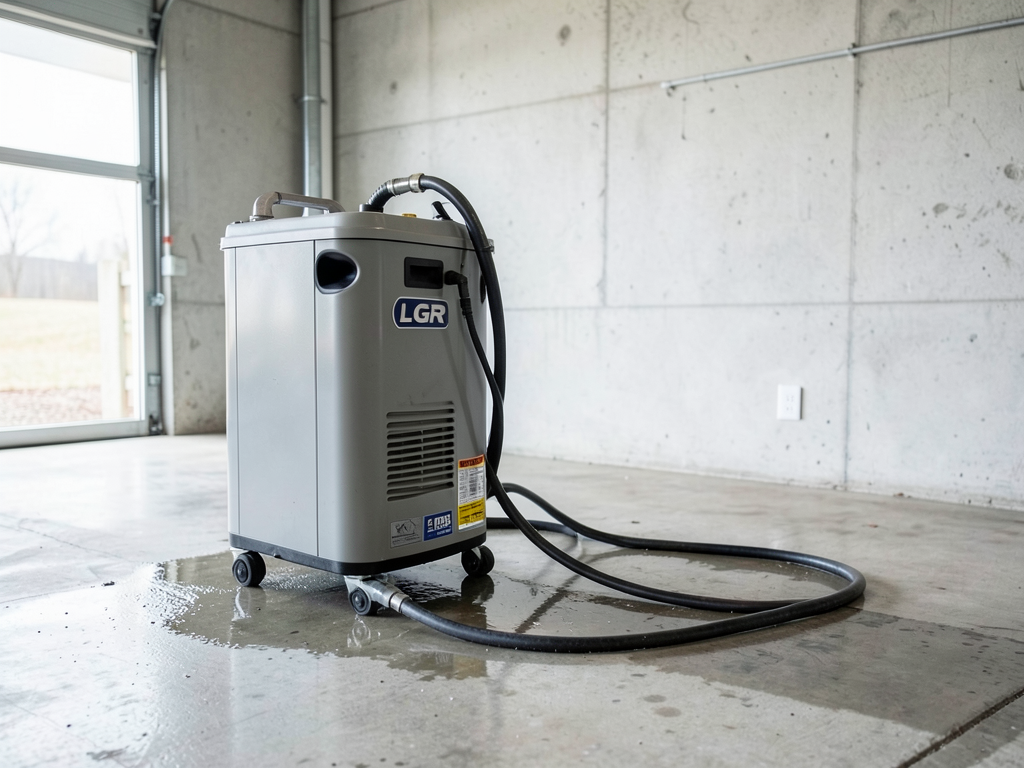
Household fans won’t cut it. Low-grain refrigerant (LGR) dehumidifiers can pull 20-30 gallons of water per day from the air, while standard units manage only 5-10. Place one dehumidifier per 1,000 square feet of wet space. Monitor progress with a penetrating moisture meter—surface dryness is misleading; the slab may still hold water deep inside. In Canyon Crest’s summer heat, evaporation rates spike, but so does humidity, so keep dehumidifiers running 24/7 until moisture content drops below 16%.
Handle Hazardous Materials Safely
Garages in Riverside often store paint, pesticides, motor oil, and cleaning chemicals. Floodwater can mix these into a toxic slurry that stains concrete and releases harmful fumes. Separate intact containers from damaged ones. Place oily rags, contaminated absorbents, and broken chemical bottles in sealed plastic bags. Riverside County’s Household Hazardous Waste facility at 2390 Agua Mansa Road accepts these items free of charge. Do not dump chemicals into drains or onto soil—it’s illegal under California’s Hazardous Waste Control Law.
Inspect and Restore Garage Infrastructure
Once the space is dry, check your garage door opener for water damage. Moisture inside the motor housing can corrode bearings and short the circuit board. Test sensors and auto-reverse functions before using the door. If your home has a raised foundation, inspect crawlspace vents for blockages—mud and debris can seal them shut, trapping moisture underneath. In slab homes, look for efflorescence (white mineral deposits) on the floor; this signals ongoing moisture migration from the soil.
Prevent Future Flooding
Install a trench drain along the garage door opening to capture runoff before it enters. Slope the concrete floor slightly toward a central drain if possible. Seal cracks in the slab with epoxy to block groundwater seepage. In Canyon Crest, where homes sit near the base of the Box Springs Mountains, even minor grading changes can divert thousands of gallons away from your foundation. Consider a sump pump with a battery backup for crawlspaces prone to groundwater.
Document for Insurance Claims
Take clear, well-lit photos of all damage, including water lines on walls and ruined items. Keep receipts for any emergency supplies or equipment rentals. Most homeowners policies cover sudden water events but exclude groundwater or outside flooding unless you have a separate flood policy. If you hire professionals, request a detailed scope of work and moisture readings; insurers often require this to approve structural drying claims.. Read more about Professional basement and subfloor drying in Magnolia Center.
When to Call a Professional
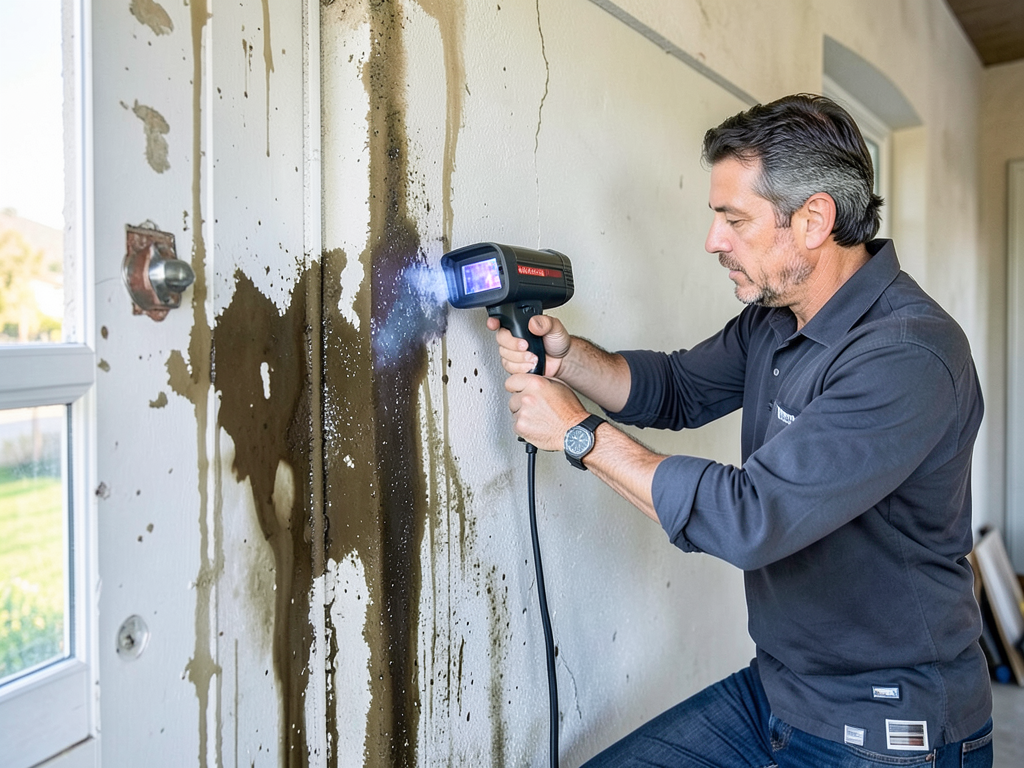
If water has been standing for more than 48 hours, or if you see mold spots, bubbling paint, or a musty smell, stop and call (951) 309-5499. At that point, airborne spores and hidden moisture pockets make DIY drying ineffective. Liberty Water Damage Restoration Riverside uses thermal imaging to find trapped water behind walls and industrial-grade drying to stop mold before it spreads. We handle the insurance paperwork so you can focus on getting your space back.
Frequently Asked Questions
How long does it take to dry out a flooded garage?
Typical drying time ranges from 3 to 7 days depending on water volume, ventilation, and equipment used. Professional drying with LGR dehumidifiers and air movers can cut this to 2-4 days.
Can I save wet drywall in my garage?
Only if it was exposed to clean water for less than 24 hours and shows no swelling or mold. After that, removal and replacement is safer and faster.
Is groundwater seepage covered by insurance?
Standard policies exclude groundwater flooding. You need a separate flood insurance policy for that coverage, but sudden pipe bursts inside the garage are usually covered.
Comparison of Water Removal Methods
| Method | Best For | Speed | Cost Range |
|---|---|---|---|
| Submersible Pump | Deep standing water | Very Fast | $75-$150/day rental |
| Wet/Dry Vacuum | Shallow puddles | Slow | $30-$70 purchase |
| Professional Extraction | Any volume, hazardous water | Immediate | $500-$2,500 |
Moisture Meter Readings by Material
| Material | Safe Moisture Content | Action if Higher |
|---|---|---|
| Concrete Slab | <16% | Continue drying |
| Wood Stud | <15% | Check for mold |
| Gypsum Board | <12% | Remove if higher |
Flooding in your Canyon Crest garage or crawlspace doesn’t have to become a long-term disaster. Quick action, proper equipment, and knowing when to call in professionals can save your home from structural damage and toxic mold. If you’re facing standing water right now, don’t wait—call (951) 309-5499 for fast, local emergency service. For prevention tips and seasonal maintenance advice, visit our homepage.
{
“@context”: “https://schema.org”,
“@type”: “BlogPosting”,
“headline”: “How to dry out a flooded garage or crawlspace in Canyon Crest”,
“description”: “Fast emergency water removal for flooded garages in Canyon Crest. Learn Riverside-specific hazards, drying steps, and when to call (951) 309-5499 for 24/7 service.”,
“wordCount”: 1155,
“datePublished”: “2026-02-21T14:58:00.000Z”,
“dateModified”: “2026-02-21T14:58:00.000Z”,
“inLanguage”: “en-US”,
“mainEntityOfPage”: {
“@type”: “WebPage”,
“@id”: “https://libertywaterdamagerestorationriverside.com”
},
“publisher”: {
“@type”: “LocalBusiness”,
“name”: “Liberty Water Damage Restoration Riverside”,
“url”: “https://libertywaterdamagerestorationriverside.com”
},
“author”: {
“@type”: “Organization”,
“name”: “Liberty Water Damage Restoration Riverside”,
“url”: “https://libertywaterdamagerestorationriverside.com”
},
“image”: {
“@type”: “ImageObject”,
“url”: “https://libertywaterdamagerestorationriverside.com/wp-content/uploads/2026/03/how-to-dry-out-a-flooded-garage-or-crawlspace-in-c-1.png”
}
}
{
“@context”: “https://schema.org”,
“@type”: “LocalBusiness”,
“name”: “Liberty Water Damage Restoration Riverside”,
“url”: “https://libertywaterdamagerestorationriverside.com”,
“address”: {
“@type”: “PostalAddress”,
“addressLocality”: “Riverside”
},
“areaServed”: {
“@type”: “City”,
“name”: “Riverside”
}
}
{
“@context”: “https://schema.org”,
“@type”: “FAQPage”,
“mainEntity”: [
{
“@type”: “Question”,
“name”: “How long does it take to dry out a flooded garage?”,
“acceptedAnswer”: {
“@type”: “Answer”,
“text”: “Typical drying time ranges from 3 to 7 days depending on water volume, ventilation, and equipment used. Professional drying with LGR dehumidifiers and air movers can cut this to 2-4 days.”
}
},
{
“@type”: “Question”,
“name”: “Can I save wet drywall in my garage?”,
“acceptedAnswer”: {
“@type”: “Answer”,
“text”: “Only if it was exposed to clean water for less than 24 hours and shows no swelling or mold. After that, removal and replacement is safer and faster.”
}
},
{
“@type”: “Question”,
“name”: “Is groundwater seepage covered by insurance?”,
“acceptedAnswer”: {
“@type”: “Answer”,
“text”: “Standard policies exclude groundwater flooding. You need a separate flood insurance policy for that coverage, but sudden pipe bursts inside the garage are usually covered.”
}
}
]
}
{
“@context”: “https://schema.org”,
“@type”: “BreadcrumbList”,
“itemListElement”: [
{
“@type”: “ListItem”,
“position”: 1,
“name”: “Home”,
“item”: “https://libertywaterdamagerestorationriverside.com”
},
{
“@type”: “ListItem”,
“position”: 2,
“name”: “Blog”,
“item”: “https://libertywaterdamagerestorationriverside.com/blog”
},
{
“@type”: “ListItem”,
“position”: 3,
“name”: “How to dry out a flooded garage or crawlspace in Canyon Crest”
}
]
}
{
“@context”: “https://schema.org”,
“@type”: “Service”,
“serviceType”: “Water Damage Restoration”,
“provider”: {
“@type”: “LocalBusiness”,
“name”: “Liberty Water Damage Restoration Riverside”,
“url”: “https://libertywaterdamagerestorationriverside.com”
},
“areaServed”: {
“@type”: “City”,
“name”: “Riverside”
},
“description”: “Fast emergency water removal for flooded garages in Canyon Crest. Learn Riverside-specific hazards, drying steps, and when to call (951) 309-5499 for 24/7 service.”
}