
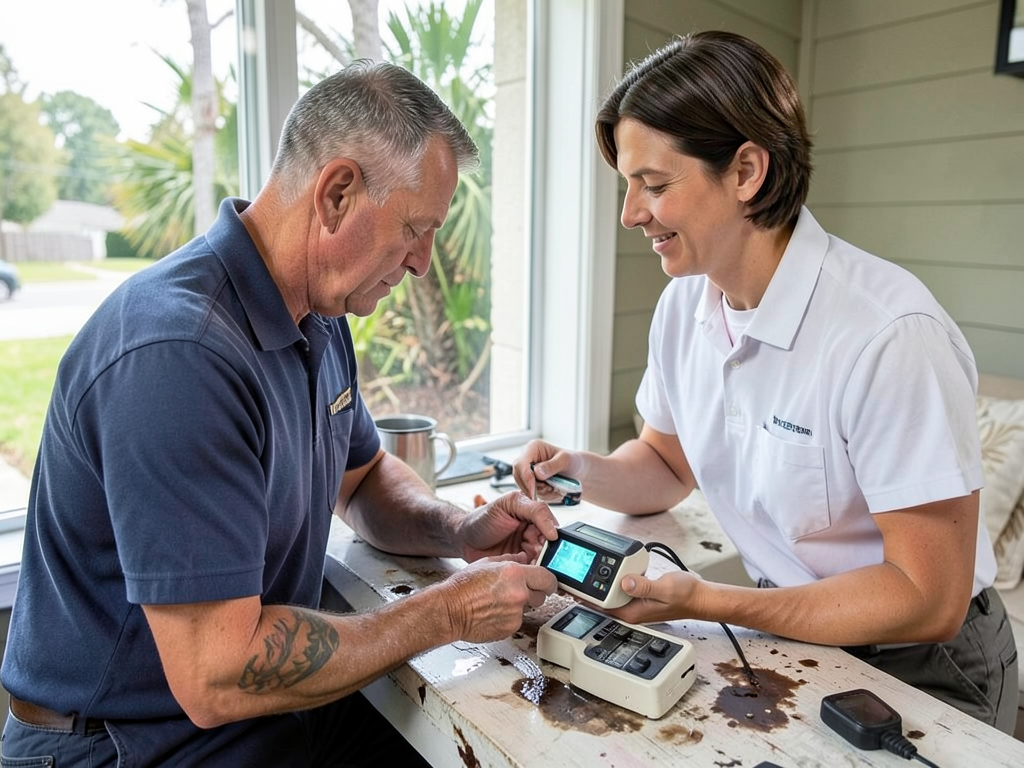
How to document your property for an insurance claim before a leak happens
Water damage strikes without warning in Riverside homes. A burst pipe during a Santa Ana wind event or a failed A/C condensate line in summer heat can destroy thousands in personal property within hours. The difference between a smooth insurance claim and months of frustration often comes down to one thing: documentation. This guide shows you exactly how to create a comprehensive home inventory that proves your losses and gets you paid faster when disaster hits. Insurance Information Institute home inventory guide.
Why proactive documentation matters for Riverside homeowners
Riverside’s unique climate creates specific water damage risks. The Santa Ana winds drive rain under aging roof flashing. The Santa Ana River flood zones put certain neighborhoods at higher risk. Even the high mineral content in local water causes rapid pipe scale buildup that leads to unexpected failures. When these events damage your home, insurance adjusters need proof of what you owned before the damage occurred. Riverside County Environmental Health guidelines.
Most homeowners discover too late that memories and verbal descriptions don’t satisfy insurance requirements. Adjusters need photos, purchase dates, and replacement values. Without this documentation, you might only receive actual cash value for items rather than replacement cost coverage. That means getting pennies on the dollar for your belongings instead of enough to replace them with new items. Getting your Riverside water damage insurance claim approved.
The good news is that creating this documentation takes just a few hours and can save you thousands in out-of-pocket expenses. Let’s walk through exactly what you need to document and how to do it right.
How to create your home inventory system
Start by gathering the right tools. You’ll need a smartphone with a good camera, a notebook or digital document, and a systematic approach. The goal is to document every room as if you’re creating a visual catalog of your possessions.
Begin with one room at a time. Open all drawers, cabinets, and closets. Take wide-angle shots of each wall, then close-up photos of individual items. For electronics, capture the model number and serial number visible on the device. For furniture, photograph any manufacturer tags or labels.
Pay special attention to high-value items like jewelry, artwork, and collectibles. These often have specific coverage limits on standard policies and may need additional riders. Document their condition, any appraisals, and original purchase receipts if available.
For clothing and linens, group similar items together and estimate quantities. You don’t need to photograph every sock, but show the contents of your closet and dresser drawers to establish what you owned.
Store your documentation in multiple places. Use cloud storage like Google Drive or Dropbox, and keep a physical backup on an external hard drive stored outside your home. This ensures you can access your inventory even if your home is damaged.. Read more about How a history of water damage affects your Riverside home’s resale value.
Essential data points for each item
Insurance adjusters need specific information to process claims efficiently. For each item in your inventory, include these key data points:
- Item description and brand name
- Estimated date of purchase or age
- Original purchase price or current replacement cost
- Condition prior to damage
- Receipts or digital bank records if available
- Serial numbers for electronics and appliances
- Appraisal values for jewelry and collectibles
For furniture and household goods, estimate replacement costs based on current retail prices, not what you paid years ago. A couch that cost $800 five years ago might cost $1,200 to replace today.
Organize your inventory by room and category. This makes it easier for adjusters to verify your losses and speeds up the claims process. Consider using a spreadsheet or inventory app that lets you sort and filter items by value, room, or category.
Digital tools that make documentation easier
Several apps and software programs can streamline your home inventory process. Home inventory apps like Encircle or Sortly let you create visual catalogs with photos, descriptions, and values all in one place. These apps often include barcode scanning for electronics and can generate reports for insurance claims.
Google Photos or iCloud can work well for basic documentation. Create albums for each room and add detailed descriptions to each photo. The key is consistency and completeness, not the specific tool you use.
For important documents like receipts and appraisals, consider using a document scanner app to create digital copies. Store these in organized folders by category such as electronics, jewelry, or furniture.
Remember to update your inventory annually or when you make significant purchases. Set a calendar reminder to review and refresh your documentation each year.
Riverside-specific considerations for water damage claims
Riverside County has specific regulations that affect water damage claims. The county’s mold remediation guidelines require professional assessment for any water damage that involves porous materials like drywall or carpeting. If your damage involves Category 3 water (sewage or floodwater), you must follow strict disposal protocols. What to do when a pipe bursts in your Riverside home.
California insurance law requires specific documentation for mold claims. You’ll need proof of the water source, professional assessment of the damage, and documentation of any remediation work. Having your inventory ready makes this process much smoother. Top-rated water damage repair and restoration in Corona.
The Santa Ana River flood zones affect certain Riverside neighborhoods. If you live in these areas, your policy may have specific requirements for flood damage documentation. Check your policy details and document accordingly. Riverside water restoration teams that can be at your door in an hour.
Riverside’s building codes also impact water damage claims. California Title 24 energy standards affect how water-damaged insulation must be handled. Knowing these requirements helps you understand what documentation your adjuster will need.
Creating a room-by-room inventory checklist
Living Room: Document all furniture including sofas, chairs, coffee tables, and entertainment centers. Photograph electronics like TVs, sound systems, and gaming consoles with model numbers visible. Include artwork, lamps, and decorative items.
Kitchen: Inventory all appliances including refrigerator, stove, dishwasher, and microwave. Document small appliances like coffee makers, toasters, and blenders. Photograph dishes, cookware, and utensils in groups.
Bedrooms: Document beds, dressers, nightstands, and any other furniture. Photograph clothing in closets and dressers by category. Include jewelry boxes and personal items.
Bathrooms: Inventory towels, linens, and personal care items. Document any expensive fixtures or features like heated towel racks or specialty lighting.
Home Office: Document computers, printers, monitors, and office equipment. Include books, files, and any specialized equipment related to your work.
Garage: Inventory tools, sporting equipment, and any stored items. Document your vehicle including make, model, year, and VIN number.
Understanding insurance claim types and documentation needs
Replacement Cost Value (RCV) claims require proof of what items cost to replace today. This means documenting current market prices, not what you paid years ago. For electronics, include model numbers and specifications to ensure you get comparable replacement items.
Actual Cash Value (ACV) claims factor in depreciation. While you still need documentation, the payout will be less than replacement cost. Having detailed documentation helps maximize even ACV settlements.
Personal property claims have specific coverage limits. Standard policies often cap coverage for items like jewelry, firearms, or collectibles. If you own items above these limits, you’ll need additional documentation and potentially separate riders.
Structural damage claims require different documentation than personal property. For walls, flooring, and fixtures, you’ll need to show the pre-damage condition and current replacement costs.
Special considerations for valuable collections
If you own collections of art, wine, coins, or other valuable items, standard home insurance may not provide adequate coverage. These items often need scheduled personal property endorsements with specific documentation requirements.
For art collections, document the artist, medium, dimensions, and any provenance information. Include professional appraisals and exhibition history if available. Photograph each piece from multiple angles.. Read more about Professional flood recovery for retail shops and stores in Canyon Springs.
Wine collections require documentation of vintages, producers, and storage conditions. Many policies have specific requirements for wine storage that affect coverage.
Firearms collections need documentation of make, model, serial numbers, and any historical significance. Some policies require separate storage documentation for firearms coverage.
Digital backup and security for your inventory
Store your inventory in at least three locations: cloud storage, an external hard drive, and a physical copy in a safe deposit box or with a trusted relative. This redundancy ensures you can access your documentation even if your home is damaged.
Use strong passwords and two-factor authentication for any cloud storage accounts containing your inventory. Consider using a password manager to generate and store complex passwords securely.
Back up your inventory documentation monthly if you make frequent purchases, or quarterly if your possessions remain relatively stable. Set calendar reminders to maintain this habit.
Consider sharing access to your inventory with a trusted family member or your insurance agent. This ensures someone else can access your documentation if you’re unavailable during a claim.
When to update your inventory
Update your inventory immediately after making significant purchases over $500. This includes furniture, electronics, appliances, and jewelry. Document these items before removing tags or disposing of packaging.
Review your inventory annually to account for depreciation and changing values. Some items may increase in value while others decrease. Update replacement cost estimates based on current market prices.
After major life events like marriage, divorce, or the birth of a child, update your inventory to reflect changes in your possessions and coverage needs.
If you renovate your home or make significant improvements, document these changes and notify your insurance agent. Upgrades may require increased coverage limits.
Working with restoration professionals during claims
When water damage occurs, restoration professionals can help document your losses and coordinate with insurance adjusters. They understand what documentation insurance companies require and can provide detailed damage assessments.
Professional restorers use moisture meters, thermal imaging, and other diagnostic tools to identify hidden damage. This documentation is crucial for insurance claims, especially for Category 3 water damage that requires specific handling.
Restoration companies can also help with content pack-out and storage during the drying process. They’ll inventory items being removed and document their condition, which supports your insurance claim.
Choose restoration professionals who understand insurance processes and can communicate effectively with adjusters. This expertise can significantly speed up your claim resolution.
Common documentation mistakes to avoid
Don’t rely solely on verbal descriptions or memories. Insurance adjusters need visual proof and specific details. A simple statement like “I had a nice TV” won’t support a claim for a specific model.
Don’t forget to document the condition of items before damage. If you’re claiming for a damaged item, you need to show what it looked like when it was in good condition.
Don’t neglect updating your inventory after purchases. Many homeowners create an inventory but fail to maintain it, making it useless when they need it most.
Don’t store all your documentation in one place. If your home is damaged, you need access to your inventory from elsewhere.
Don’t forget to include serial numbers and model information for electronics and appliances. This information is crucial for verifying replacement costs and ensuring you receive comparable items.
Free inventory checklist template
Download our free Riverside home inventory checklist template to get started. This spreadsheet includes all the essential data points insurance adjusters need and is pre-formatted for easy sorting and filtering.
The template includes separate sheets for different room categories and pre-populated fields for common items. You can customize it based on your specific possessions and needs.
Access the template through our website and start documenting your property today. The few hours you invest now could save you thousands and months of stress later.
Frequently Asked Questions
How long should I keep inventory documentation?
Keep your inventory documentation indefinitely, updating it annually. Insurance claims can be filed years after damage occurs, and you may need historical documentation to support your claim.
What if I don’t have receipts for older items?
Use bank statements, credit card records, or online order confirmations to establish purchase dates and prices. For very old items, estimate replacement costs based on current retail prices for comparable items.
Should I document items in storage units?
Yes, include items in storage units, attics, basements, and garages. These areas often contain valuable possessions that would be costly to replace if damaged.
How detailed should my inventory be?
Document items worth more than $100 individually. For lower-value items, group similar items together and estimate quantities. The goal is comprehensive coverage without excessive detail.
Can I use my inventory for tax purposes?
Yes, a detailed home inventory supports casualty loss deductions on your taxes. Keep documentation for at least three years after filing any related tax returns.
Take action before disaster strikes
Water damage can happen to any Riverside homeowner at any time. The Santa Ana winds, aging plumbing, and seasonal storms create constant risk. Don’t wait until you’re standing in a flooded room to realize you lack proper documentation. Emergency flood cleanup and restoration in Jurupa Valley.
Start your home inventory today using our free template. Take photos, gather receipts, and organize your documentation. This simple preparation can make the difference between a quick, full insurance settlement and months of frustrating negotiations.
Remember that Liberty Water Damage Restoration Riverside is here to help when disaster strikes. Our team understands insurance processes and can help document your losses professionally. But the best time to prepare is before you need our services.
Call (951) 309-5499 today to schedule a consultation about your water damage preparedness. We’ll review your documentation needs and help you understand what to expect during the claims process. Don’t let poor documentation cost you thousands in a future claim.
Pick up the phone and call (951) 309-5499 before the next storm hits. Your future self will thank you when disaster strikes and you have everything needed to get your life back to normal quickly.
You may also find this helpful. What to do if your solar panel installation causes a roof leak in Riverside.
{
“@context”: “https://schema.org”,
“@type”: “BlogPosting”,
“headline”: “How to document your property for an insurance claim before a leak happens”,
“description”: “Learn how to create a detailed home inventory for insurance claims before water damage strikes. Riverside homeowners need this guide to protect their property and speed up recovery.”,
“wordCount”: 2296,
“datePublished”: “2026-04-11T15:39:00.000Z”,
“dateModified”: “2026-04-11T15:39:00.000Z”,
“inLanguage”: “en-US”,
“mainEntityOfPage”: {
“@type”: “WebPage”,
“@id”: “https://libertywaterdamagerestorationriverside.com”
},
“publisher”: {
“@type”: “LocalBusiness”,
“name”: “Liberty Water Damage Restoration Riverside”,
“url”: “https://libertywaterdamagerestorationriverside.com”
},
“author”: {
“@type”: “Organization”,
“name”: “Liberty Water Damage Restoration Riverside”,
“url”: “https://libertywaterdamagerestorationriverside.com”
},
“image”: {
“@type”: “ImageObject”,
“url”: “https://libertywaterdamagerestorationriverside.com/wp-content/uploads/2026/03/how-to-document-your-property-for-an-insurance-cla-1.png”
}
}
{
“@context”: “https://schema.org”,
“@type”: “LocalBusiness”,
“name”: “Liberty Water Damage Restoration Riverside”,
“url”: “https://libertywaterdamagerestorationriverside.com”,
“address”: {
“@type”: “PostalAddress”,
“addressLocality”: “Riverside”
},
“areaServed”: {
“@type”: “City”,
“name”: “Riverside”
}
}
{
“@context”: “https://schema.org”,
“@type”: “FAQPage”,
“mainEntity”: [
{
“@type”: “Question”,
“name”: “How long should I keep inventory documentation?”,
“acceptedAnswer”: {
“@type”: “Answer”,
“text”: “Keep your inventory documentation indefinitely, updating it annually. Insurance claims can be filed years after damage occurs, and you may need historical documentation to support your claim.”
}
},
{
“@type”: “Question”,
“name”: “What if I don’t have receipts for older items?”,
“acceptedAnswer”: {
“@type”: “Answer”,
“text”: “Use bank statements, credit card records, or online order confirmations to establish purchase dates and prices. For very old items, estimate replacement costs based on current retail prices for comparable items.”
}
},
{
“@type”: “Question”,
“name”: “Should I document items in storage units?”,
“acceptedAnswer”: {
“@type”: “Answer”,
“text”: “Yes, include items in storage units, attics, basements, and garages. These areas often contain valuable possessions that would be costly to replace if damaged.”
}
},
{
“@type”: “Question”,
“name”: “How detailed should my inventory be?”,
“acceptedAnswer”: {
“@type”: “Answer”,
“text”: “Document items worth more than $100 individually. For lower-value items, group similar items together and estimate quantities. The goal is comprehensive coverage without excessive detail.”
}
},
{
“@type”: “Question”,
“name”: “Can I use my inventory for tax purposes?”,
“acceptedAnswer”: {
“@type”: “Answer”,
“text”: “Yes, a detailed home inventory supports casualty loss deductions on your taxes. Keep documentation for at least three years after filing any related tax returns.”
}
}
]
}
{
“@context”: “https://schema.org”,
“@type”: “BreadcrumbList”,
“itemListElement”: [
{
“@type”: “ListItem”,
“position”: 1,
“name”: “Home”,
“item”: “https://libertywaterdamagerestorationriverside.com”
},
{
“@type”: “ListItem”,
“position”: 2,
“name”: “Blog”,
“item”: “https://libertywaterdamagerestorationriverside.com/blog”
},
{
“@type”: “ListItem”,
“position”: 3,
“name”: “How to document your property for an insurance claim before a leak happens”
}
]
}
{
“@context”: “https://schema.org”,
“@type”: “Service”,
“serviceType”: “Water Damage Restoration”,
“provider”: {
“@type”: “LocalBusiness”,
“name”: “Liberty Water Damage Restoration Riverside”,
“url”: “https://libertywaterdamagerestorationriverside.com”
},
“areaServed”: {
“@type”: “City”,
“name”: “Riverside”
},
“description”: “Learn how to create a detailed home inventory for insurance claims before water damage strikes. Riverside homeowners need this guide to protect their property and speed up recovery.”
}