
How to choose the right flooring materials to resist water damage in your Riverside home
Water damage in Riverside homes often starts with a slab leak or a burst pipe, and your flooring is the first line of defense. The Inland Empire’s clay soil shifts, causing foundation cracks that can lead to hidden water intrusion. Choosing the right material means understanding how moisture moves through concrete and what happens when your home’s foundation is compromised. What to do when a pipe bursts in your Riverside home.
In Riverside’s hot, dry climate, materials that trap moisture underneath can create perfect conditions for mold growth within 24-48 hours. The key is selecting flooring that resists water penetration while allowing the concrete slab to breathe. This guide breaks down which materials actually perform in real-world water damage scenarios and why professional installation matters more than you think. Top-rated water damage repair and restoration in Corona.
Why water resistant flooring matters in Riverside’s climate
Riverside’s expansive clay soils cause foundation movement that creates hairline cracks in concrete slabs. These cracks become entry points for groundwater, especially during seasonal rain events. The Santa Ana River basin’s high water table means many homes sit on soil with moisture levels between 12-18%, well above the 6% threshold for safe flooring installation. Getting your Riverside water damage insurance claim approved.
Temperature swings from 95°F summer days to 45°F winter nights cause concrete to expand and contract. This movement can separate flooring seams if materials aren’t properly acclimated. Most Riverside homes built before 2000 lack vapor barriers under slabs, allowing moisture to wick upward through the concrete. Riverside water restoration teams that can be at your door in an hour.
According to the California Building Code Section 1905.1.5, new construction must include moisture testing before flooring installation. Existing homes rarely meet this standard, making professional moisture assessment critical before any flooring replacement. California Building Code Section 1905.1.5.
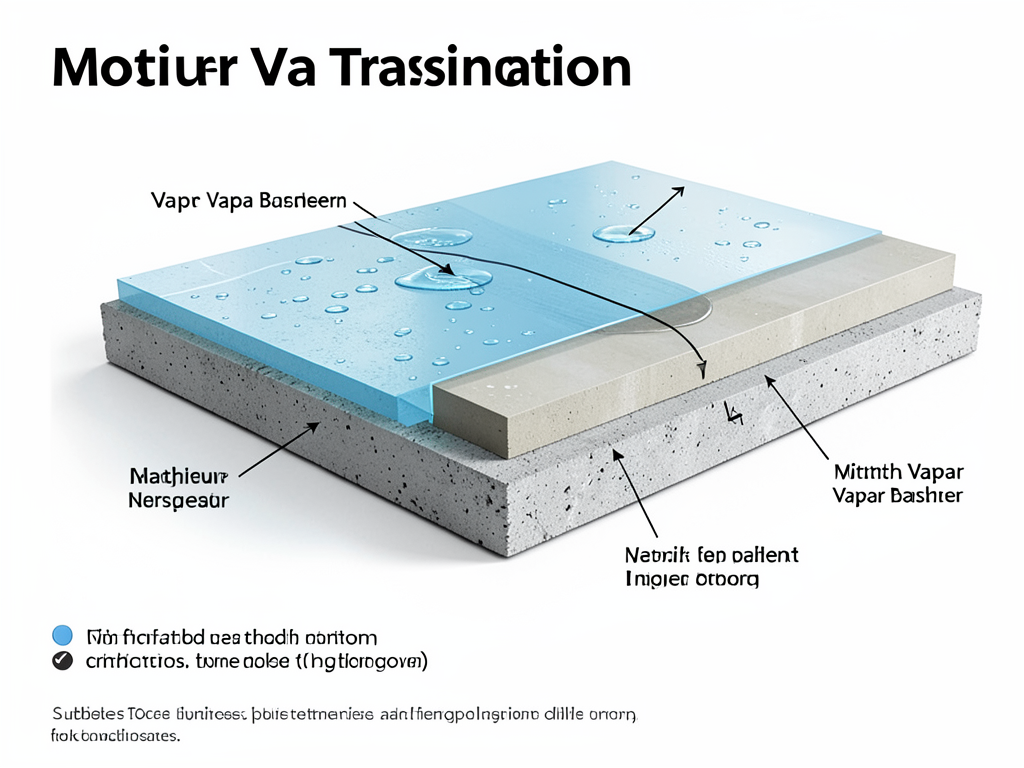
Technical diagram showing moisture vapor transmission through concrete slab with and without vapor barrier. Hidden Moisture Detection.
Waterproof vs. water resistant: what’s best for your home?
Waterproof materials like luxury vinyl plank (LVP) with stone plastic composite (SPC) cores won’t let water penetrate the surface. Water resistant materials like engineered hardwood can handle spills but fail under prolonged exposure. The difference matters when a slab leak goes undetected for days.. Read more about Restoring water damaged marble and specialty stone in Hawarden Hills estates.
| Material Type | Water Resistance Level | Best For Riverside Homes | Lifespan with Water Exposure |
|---|---|---|---|
| LVP (SPC Core) | 100% Waterproof | Slab-on-grade homes | 24+ hours submerged |
| Porcelain Tile | 100% Waterproof | Bathrooms, kitchens | Indefinite |
| Engineered Hardwood | Water Resistant (30-60 min) | Second-floor installations | 2-4 hours exposure |
| WPC Core Vinyl | Waterproof | Basements, ground floors | 24+ hours submerged |
| Laminate | Water Resistant (varies) | Low-moisture areas | 1-3 hours exposure |
SPC core flooring contains limestone powder and PVC, making it dimensionally stable when concrete slabs expand. WPC core includes wood flour, offering a warmer feel but slightly less dimensional stability. Both outperform traditional laminate, which swells and delaminates when water penetrates the fiberboard core.. Read more about Water damage vulnerabilities unique to Riverside’s mid-century modern properties.
The restoration advantage: professional installation post-water damage
After water damage, the subfloor must test below 12% moisture content before new flooring goes down. Using a moisture meter at multiple depths reveals hidden dampness that visual inspection misses. Riverside’s high humidity (average 60% year-round) means concrete can feel dry on the surface while remaining saturated underneath.. Read more about Comparing sump pumps and floor drains for preventing floods in Canyon Crest homes.
The IICRC S500 standard requires drying to within 4 percentage points of normal equilibrium moisture content for the region. For Riverside, this means achieving 10-12% moisture content in wood subfloors and below 12% in concrete. Skipping this step traps moisture under new flooring, leading to mold growth and material failure. IICRC S500 Standard for Professional Water Damage Restoration.
Professional restoration teams use industrial dehumidifiers that remove 20-30 gallons of water per day from affected areas. Standard residential dehumidifiers process only 1-2 gallons daily, leaving residual moisture that destroys flooring within months.
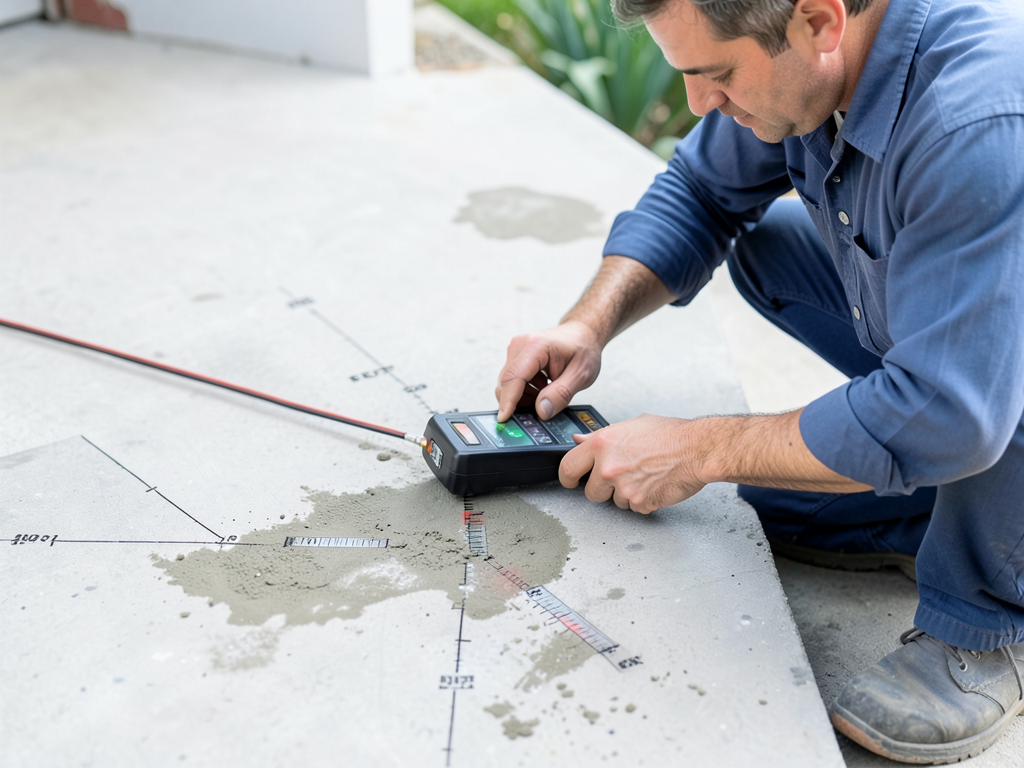
Restoration technician using moisture meter on concrete slab showing moisture readings at different depths.
Best flooring materials for Riverside homes
Luxury Vinyl Plank with SPC core
SPC core LVP handles Riverside’s temperature swings without expanding or contracting. The rigid core prevents seam separation when concrete slabs move. Most SPC products include attached underlayment, eliminating the need for additional vapor barriers on concrete.
Installation requires 48-hour acclimation in the home before laying. This allows the material to adjust to Riverside’s specific temperature and humidity levels. Rushing installation causes buckling when materials expand after exposure to climate-controlled indoor air.
Porcelain and ceramic tile
Non-porous tile doesn’t absorb water, making it ideal for high-moisture areas. The material’s thermal mass helps regulate indoor temperatures, reducing cooling costs during Riverside’s hot summers. However, grout lines can allow water penetration if not properly sealed.
Epoxy grout offers superior water resistance compared to cement-based options. It costs 30-40% more but prevents water from seeping beneath tiles. For slab-on-grade homes, a crack isolation membrane prevents tile cracking when concrete shifts.
Engineered hardwood considerations
Cross-layered construction gives engineered hardwood better moisture stability than solid wood. However, the plywood core still contains organic material that can harbor mold if water penetrates. Riverside’s high humidity means engineered hardwood requires more frequent refinishing than in drier climates.
Only install engineered hardwood over plywood subfloors, never directly on concrete. Use a moisture barrier underlayment rated for your specific subfloor type. Most manufacturers void warranties if installed over concrete without proper barriers.
Moisture barriers and underlayment for concrete slabs
Concrete slabs in Riverside homes built before 2010 rarely include vapor barriers. Without protection, moisture vapor rises through the slab at rates up to 10-12 gallons per 1,000 square feet per day. This invisible moisture destroys flooring from below.
6-mil polyethylene sheeting creates an effective moisture barrier when properly sealed at seams and edges. For higher moisture conditions, use 10-mil or 15-mil barrier films with low permeability ratings (less than 0.01 perms). Install barriers with seams overlapping 6 inches and sealed with moisture-resistant tape.
Cork underlayment provides natural moisture resistance while adding sound insulation. It breathes better than synthetic options, allowing minor moisture fluctuations without trapping water. However, cork compresses over time, potentially creating uneven surfaces under heavy furniture.
Professional installation services in Riverside CA
Professional installation includes moisture testing, proper acclimation, and warranty compliance. DIY installation often voids manufacturer warranties and creates conditions for premature failure. Riverside’s specific climate requires installers familiar with local building practices and moisture challenges.
Liberty Water Damage Restoration Riverside provides both water damage restoration and professional flooring installation. Our technicians hold IICRC certifications in water damage restoration and flooring installation. We test moisture content, install proper barriers, and ensure all materials meet manufacturer specifications.
Call (951) 309-5499 today to schedule your inspection. Our team can assess your home’s moisture conditions and recommend flooring materials that withstand Riverside’s unique challenges.
Before and after installation showing moisture barrier installation and new flooring in Riverside home.
Acclimatization requirements for the Inland Empire climate
Materials must adjust to Riverside’s specific temperature and humidity before installation. Store flooring in the installation space for 48-72 hours with HVAC running at normal levels. This prevents expansion or contraction after installation that causes buckling or gaps.
SPC core products require less acclimation than wood-based materials but still benefit from 24-hour exposure to room conditions. Check manufacturer specifications for exact acclimation times. Some products require up to 96 hours in extreme conditions.
During acclimation, maintain indoor temperature between 60-80°F and humidity between 30-50%. Riverside’s outdoor humidity often exceeds these ranges, making climate control essential during the acclimation period.
Frequently Asked Questions
How long does water resistant flooring last in Riverside homes?
Quality waterproof flooring lasts 15-25 years in Riverside when properly installed over moisture barriers. Water resistant materials typically need replacement after 8-12 years due to moisture damage from slab leaks or high humidity.
Can I install new flooring over existing water damaged subfloor?
No. Water damaged subfloors must be dried to proper moisture content and repaired before new flooring installation. Installing over damaged subfloors traps moisture and creates conditions for mold growth and material failure.
What’s the best flooring for homes with slab leaks?
SPC core luxury vinyl plank or porcelain tile provide the best protection against slab leaks. Both materials resist water penetration and won’t warp or delaminate when exposed to prolonged moisture.
How much does professional flooring installation cost in Riverside?
Professional installation costs $2-8 per square foot depending on material and subfloor conditions. Moisture barrier installation adds $0.50-1.50 per square foot. Complex patterns or difficult access increase costs.
Should I replace flooring after a small water leak?
Small leaks require moisture testing to determine if subfloor replacement is necessary. Even minor water exposure can cause hidden damage that destroys new flooring if not properly addressed before installation.
How do I know if my concrete slab has moisture problems?
Moisture meters reveal hidden dampness in concrete slabs. Signs include efflorescence (white mineral deposits), musty odors, or flooring that feels cold and damp. Professional testing provides accurate moisture content readings.
Don’t wait for the next slab leak to destroy your flooring. Call (951) 309-5499 now to schedule a professional moisture assessment and protect your Riverside home with the right flooring materials.
You may also find this helpful. How to select the most water-resistant subflooring for your next Riverside remodel.
{
“@context”: “https://schema.org”,
“@type”: “BlogPosting”,
“headline”: “How to choose the right flooring materials to resist water damage in your Riverside home”,
“description”: “Learn which flooring materials withstand Riverside’s climate and slab leaks. Expert guide from local restoration pros on waterproof vs water-resistant options.”,
“wordCount”: 1520,
“datePublished”: “2026-04-15T11:51:00.000Z”,
“dateModified”: “2026-04-15T11:51:00.000Z”,
“inLanguage”: “en-US”,
“mainEntityOfPage”: {
“@type”: “WebPage”,
“@id”: “https://libertywaterdamagerestorationriverside.com”
},
“publisher”: {
“@type”: “LocalBusiness”,
“name”: “Liberty Water Damage Restoration Riverside”,
“url”: “https://libertywaterdamagerestorationriverside.com”
},
“author”: {
“@type”: “Organization”,
“name”: “Liberty Water Damage Restoration Riverside”,
“url”: “https://libertywaterdamagerestorationriverside.com”
},
“image”: {
“@type”: “ImageObject”,
“url”: “https://libertywaterdamagerestorationriverside.com/wp-content/uploads/2026/03/how-to-choose-the-right-flooring-materials-to-resi-1.png”
}
}
{
“@context”: “https://schema.org”,
“@type”: “LocalBusiness”,
“name”: “Liberty Water Damage Restoration Riverside”,
“url”: “https://libertywaterdamagerestorationriverside.com”,
“address”: {
“@type”: “PostalAddress”,
“addressLocality”: “Riverside”
},
“areaServed”: {
“@type”: “City”,
“name”: “Riverside”
}
}
{
“@context”: “https://schema.org”,
“@type”: “FAQPage”,
“mainEntity”: [
{
“@type”: “Question”,
“name”: “Waterproof vs. water resistant: what’s best for your home?”,
“acceptedAnswer”: {
“@type”: “Answer”,
“text”: “Waterproof materials like luxury vinyl plank (LVP) with stone plastic composite (SPC) cores won’t let water penetrate the surface. Water resistant materials like engineered hardwood can handle spills but fail under prolonged exposure. The difference matters when a slab leak goes undetected for days.”
}
},
{
“@type”: “Question”,
“name”: “How long does water resistant flooring last in Riverside homes?”,
“acceptedAnswer”: {
“@type”: “Answer”,
“text”: “Quality waterproof flooring lasts 15-25 years in Riverside when properly installed over moisture barriers. Water resistant materials typically need replacement after 8-12 years due to moisture damage from slab leaks or high humidity.”
}
},
{
“@type”: “Question”,
“name”: “Can I install new flooring over existing water damaged subfloor?”,
“acceptedAnswer”: {
“@type”: “Answer”,
“text”: “No. Water damaged subfloors must be dried to proper moisture content and repaired before new flooring installation. Installing over damaged subfloors traps moisture and creates conditions for mold growth and material failure.”
}
},
{
“@type”: “Question”,
“name”: “What’s the best flooring for homes with slab leaks?”,
“acceptedAnswer”: {
“@type”: “Answer”,
“text”: “SPC core luxury vinyl plank or porcelain tile provide the best protection against slab leaks. Both materials resist water penetration and won’t warp or delaminate when exposed to prolonged moisture.”
}
},
{
“@type”: “Question”,
“name”: “How much does professional flooring installation cost in Riverside?”,
“acceptedAnswer”: {
“@type”: “Answer”,
“text”: “Professional installation costs $2-8 per square foot depending on material and subfloor conditions. Moisture barrier installation adds $0.50-1.50 per square foot. Complex patterns or difficult access increase costs.”
}
},
{
“@type”: “Question”,
“name”: “Should I replace flooring after a small water leak?”,
“acceptedAnswer”: {
“@type”: “Answer”,
“text”: “Small leaks require moisture testing to determine if subfloor replacement is necessary. Even minor water exposure can cause hidden damage that destroys new flooring if not properly addressed before installation.”
}
},
{
“@type”: “Question”,
“name”: “How do I know if my concrete slab has moisture problems?”,
“acceptedAnswer”: {
“@type”: “Answer”,
“text”: “Moisture meters reveal hidden dampness in concrete slabs. Signs include efflorescence (white mineral deposits), musty odors, or flooring that feels cold and damp. Professional testing provides accurate moisture content readings.”
}
}
]
}
{
“@context”: “https://schema.org”,
“@type”: “BreadcrumbList”,
“itemListElement”: [
{
“@type”: “ListItem”,
“position”: 1,
“name”: “Home”,
“item”: “https://libertywaterdamagerestorationriverside.com”
},
{
“@type”: “ListItem”,
“position”: 2,
“name”: “Blog”,
“item”: “https://libertywaterdamagerestorationriverside.com/blog”
},
{
“@type”: “ListItem”,
“position”: 3,
“name”: “How to choose the right flooring materials to resist water damage in your Riverside home”
}
]
}
{
“@context”: “https://schema.org”,
“@type”: “Service”,
“serviceType”: “Water Damage Restoration”,
“provider”: {
“@type”: “LocalBusiness”,
“name”: “Liberty Water Damage Restoration Riverside”,
“url”: “https://libertywaterdamagerestorationriverside.com”
},
“areaServed”: {
“@type”: “City”,
“name”: “Riverside”
},
“description”: “Learn which flooring materials withstand Riverside’s climate and slab leaks. Expert guide from local restoration pros on waterproof vs water-resistant options.”
}