
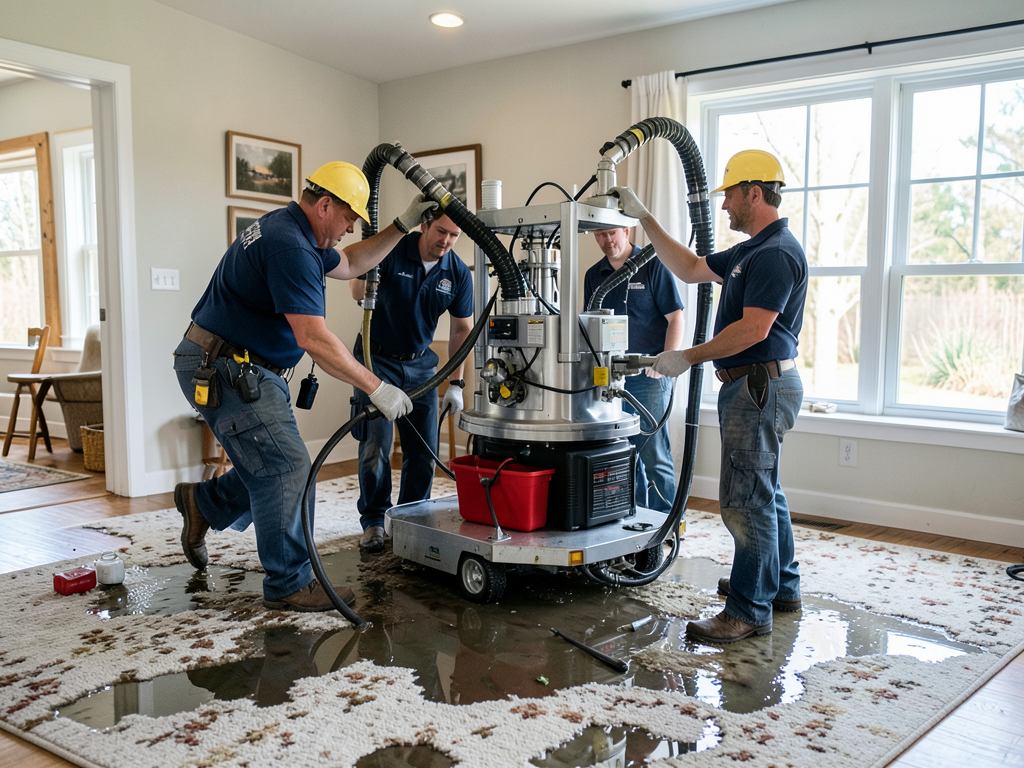
Can your wet carpet be saved or should you replace it after a flood?
Wet carpet after a flood in Riverside can sometimes be saved but often needs replacement depending on the water source and how long it sat. Clean water from a broken pipe has a 48-hour window for successful restoration while black water from sewage requires immediate removal. The decision hinges on water category, IICRC S500 standards, drying time, and subfloor condition. This guide breaks down exactly when to save and when to replace so you can act fast and avoid mold growth. Riverside water restoration teams.
Acting within the first 24 hours is critical because mold can begin growing in as little as 24 to 48 hours in Riverside’s warm climate. The longer carpet stays wet the more damage occurs to both the fibers and the padding underneath. Professional water extraction and drying equipment can often save carpets exposed to clean water but gray and black water contamination usually means replacement is the only safe option. What to do when a pipe bursts in your Riverside home.
Understanding water categories and your carpet’s fate
Water damage professionals classify flood water into three categories based on contamination level. Category 1 clean water comes from broken supply lines or rainwater and poses minimal health risk if addressed quickly. Category 2 gray water contains some contamination from washing machines or dishwasher leaks. Category 3 black water includes sewage, groundwater, and floodwater from rivers carrying bacteria and pathogens. Top-rated water damage repair and restoration in Corona.
Clean water damage gives you the best chance to save your carpet. If you catch it within 24 to 48 hours and the water did not wick into walls or subfloor you can often extract and dry the carpet successfully. Gray water requires more aggressive treatment and black water almost always means the carpet and padding must be removed for health reasons. Riverside water restoration teams that can be at your door in an hour.
The Inland Empire’s clay soil can cause slab leaks that introduce minerals and bacteria into Category 1 water turning it into Category 2 within hours. Riverside’s high summer temperatures also accelerate bacterial growth in standing water. These local conditions make rapid response even more critical than in cooler climates. Getting your Riverside water damage insurance claim approved.
The 24-hour rule for carpet restoration
Time is your enemy when carpet gets wet. The first 24 hours determine whether you can save it or need to replace it. During this window clean water has not had time to promote mold growth or cause delamination where the carpet backing separates from the fibers. After 48 hours even clean water can support mold colonies that release spores into your home.
Professional restoration teams use moisture meters to check if water has wicked up walls or into subfloor. If moisture readings show water beyond the surface you likely need to replace the carpet even if the visible surface appears dry. Subfloor moisture can cause warping and create a breeding ground for mold behind walls.
In Riverside’s climate the combination of heat and occasional humidity creates perfect conditions for rapid mold growth. A carpet that might survive 72 hours in a cool climate could develop mold in 48 hours here. This makes the 24-hour response window even more critical for local homeowners.
Professional vs DIY drying in Riverside
Many homeowners try to save money by using household fans and shop vacs to dry wet carpet. While this might work for small clean water spills it rarely succeeds for larger floods. Professional restoration companies use industrial air movers that create high-velocity airflow across carpet surfaces and LGR low grain refrigerant dehumidifiers that remove moisture more effectively than standard home units. Emergency flood cleanup and restoration in Jurupa Valley.
Professional equipment can extract up to 20 times more water than a shop vac and reduces drying time from several days to 24 to 48 hours. This speed is crucial for preventing mold growth. Riverside’s Santa Ana winds can actually help with natural drying but they also spread mold spores if contamination exists.
DIY drying often fails because homeowners cannot see moisture trapped in carpet padding or subfloor. A moisture meter reading showing elevated levels means hidden water remains even when the carpet surface feels dry. This hidden moisture will eventually cause mold growth and structural damage.
Riverside water restoration teams arrive with truck-mounted extraction units that remove water before it can spread. They also apply antimicrobial treatments that prevent mold growth during the drying process. These steps are nearly impossible to replicate with household equipment.
The mold factor in carpet restoration
Mold growth is the primary reason carpet must be replaced after flooding. Even clean water can support mold growth within 24 to 48 hours in Riverside’s climate. Once mold establishes it releases spores that spread throughout your home and create health hazards especially for children, elderly, and those with respiratory conditions.. Read more about Why wet insulation needs to be replaced after a Riverside house flood.
Professional restoration teams test for mold using air quality sampling and surface swabs. They follow Riverside County health department guidelines for mold remediation which require containment, negative air pressure, and HEPA filtration during removal. These standards protect your family from exposure during the restoration process.
The smell of musty odor indicates active mold growth even if you cannot see it. This smell comes from microbial volatile organic compounds released by growing mold colonies. If your carpet smells musty after a flood it likely needs replacement regardless of how long it has been wet.
Antimicrobial treatments applied during professional drying can prevent mold growth in clean water situations. These treatments are not effective once mold has already started growing. This makes early professional intervention crucial for saving your carpet and protecting your family’s health.
Insurance tips for Riverside homeowners
Documenting water damage properly helps your insurance claim succeed. Take photos and videos of all affected areas before starting any cleanup. Include close-ups of water levels and wide shots showing the extent of damage. Keep all receipts for emergency services and temporary repairs.
Most homeowner insurance policies cover sudden accidental water damage like burst pipes but exclude flooding from external sources. Riverside residents should check if they need separate flood insurance through the National Flood Insurance Program. This is especially important for homes near the Santa Ana River or in low-lying areas.
Insurance adjusters look for evidence of prompt response to water damage. If you wait several days to address a flood your claim might be denied due to negligence. Having professional documentation of your immediate response strengthens your position with the insurance company.
Getting your Riverside water damage insurance claim approved requires understanding your policy limits and exclusions. Professional restoration companies often help with documentation and can communicate directly with adjusters about the scope of necessary repairs. Getting your Riverside water damage insurance claim approved.
When carpet padding must be replaced
Carpet padding acts like a giant sponge absorbing water and contaminants. Even if the carpet surface dries quickly the padding often stays wet for days. This trapped moisture creates ideal conditions for mold growth and can cause the subfloor to warp or rot.
Professional moisture meters can detect elevated readings in padding even when the carpet surface appears dry. This hidden moisture is why restoration experts often recommend replacing padding regardless of water category. New padding costs much less than the potential health risks and structural damage from keeping wet padding.
The age of your carpet also affects the replacement decision. Padding compressed over years of use does not bounce back well after getting wet. Even if you successfully dry old padding it may never regain its original cushioning and support properties.
In Riverside’s climate where temperatures regularly exceed 90 degrees padding that stays even slightly damp can develop mold within 48 hours. The cost of new padding is minimal compared to the expense of mold remediation and potential health issues from exposure.
Subfloor inspection and testing
Water that reaches your subfloor creates serious problems that go beyond carpet replacement. Plywood subfloors can delaminate, warp, and lose structural integrity when exposed to moisture. Concrete slabs can develop efflorescence and create perfect conditions for mold growth in the carpet padding above.
Professional restoration teams use penetrating moisture meters to check subfloor moisture levels at different depths. They also look for signs of warping or discoloration that indicate water damage. If moisture readings show elevated levels throughout the subfloor replacement becomes necessary regardless of carpet condition.
Older Riverside homes with crawl spaces face additional risks. Water under the home can cause foundation issues and create mold problems that affect the entire house. Professional inspection of crawl spaces is essential after any significant flooding.
The cost of subfloor replacement often exceeds carpet replacement costs. This makes early professional assessment crucial for understanding the full scope of damage and making informed decisions about restoration versus replacement.
Cost comparison: restoration vs replacement
Professional carpet restoration for clean water damage typically costs 30 to 50 percent of replacement costs. This includes water extraction, antimicrobial treatment, and professional drying. However if padding needs replacement or subfloor damage exists costs can approach replacement levels.
Replacement costs include removing old carpet and padding, disposing of contaminated materials, installing new materials, and addressing any subfloor repairs. For a standard 12 by 15 foot bedroom replacement often costs 1200 to 2000 dollars while restoration might cost 400 to 800 dollars if successful.
The age and condition of existing carpet affects this calculation. If your carpet is older than 7 years restoration might not be worth the cost even if technically possible. New carpet installation also gives you the opportunity to upgrade to more water resistant materials or improve indoor air quality with low VOC options.
Insurance coverage plays a major role in this decision. If your policy covers the full replacement cost restoration might seem unnecessary. However if you have a high deductible or limited coverage the lower cost of restoration becomes more attractive.
Professional restoration process step by step
Professional water damage restoration follows a systematic process that maximizes your chances of saving carpet. The first step involves emergency response and water extraction using truck mounted units that can remove thousands of gallons per hour. This immediate action prevents water from spreading to unaffected areas.
Next technicians assess water category and test moisture levels throughout the affected area. They use moisture meters to check walls, subfloor, and padding not just the carpet surface. This comprehensive testing reveals the true extent of damage that might not be visible to homeowners.
The drying phase uses industrial air movers and dehumidifiers strategically placed to create optimal airflow patterns. Technicians monitor moisture levels daily and adjust equipment placement as areas dry. This monitoring continues until all materials return to normal moisture content typically 72 hours for clean water damage.
Final steps include applying antimicrobial treatments, cleaning the carpet surface, and conducting air quality tests to ensure no mold growth occurred during the drying process. This thorough approach gives you the best chance of successful restoration while protecting your family’s health.
DIY emergency steps before professionals arrive
If you discover wet carpet and cannot get professional help immediately take these steps to minimize damage. First stop the water source if possible by turning off the main water valve or blocking the leak. Then remove as much standing water as you can using towels, mops, or a wet dry vac.
Elevate furniture legs using aluminum foil or plastic blocks to prevent staining and water wicking. Remove colored rugs and items that could bleed onto the wet carpet. Open windows and run fans if weather permits to start air circulation.
Do not use a regular vacuum cleaner to remove water as this can cause electrical shock and damage the equipment. Also avoid walking on wet carpet more than necessary as this can push water deeper into padding and subfloor.
These emergency steps can buy you valuable time but they do not replace professional restoration. Even if the carpet feels dry to touch moisture likely remains in padding and subfloor where it can cause mold growth and structural damage.
Special considerations for Riverside homes
Riverside’s unique climate and building patterns create specific challenges for carpet restoration. The area’s Santa Ana winds can accelerate drying but also spread mold spores if contamination exists. Summer temperatures regularly exceeding 90 degrees create perfect conditions for rapid mold growth in wet materials.
Many Riverside homes built in the 1970s and 1980s have slab on grade construction with minimal moisture barriers. This makes them more vulnerable to water wicking up from concrete slabs during flooding. Homes in areas like Canyon Crest and Orangecrest often have newer construction with better moisture protection but still face risks from plumbing failures.
The local water quality also affects restoration decisions. Riverside’s water contains minerals that can leave deposits in carpet fibers and padding when water evaporates. These deposits can create stiff areas and attract dirt making professional cleaning essential even for clean water damage.
Understanding these local factors helps you make better decisions about restoration versus replacement. What works in a humid climate or older home might not apply to your Riverside property.
Making the final decision
The decision to save or replace flooded carpet ultimately depends on several factors. Water category, exposure time, and subfloor condition are the primary considerations. Clean water caught within 24 hours on a concrete slab with no wall wicking gives you the best chance of successful restoration.
Gray water or exposure exceeding 48 hours significantly reduces your chances of successful restoration. Black water contamination means replacement is the only safe option regardless of other factors. The presence of moisture in subfloor or walls also pushes the decision toward replacement.
Consider your family’s health needs when making this decision. If anyone in your home has allergies, asthma, or compromised immune systems the risks of keeping potentially contaminated carpet outweigh the cost savings of restoration.
Professional assessment provides the information you need to make this decision. Moisture readings, air quality tests, and visual inspection of subfloor condition give you a clear picture of whether restoration can succeed or replacement is necessary.
Frequently Asked Questions
How long can wet carpet sit before it gets ruined?
Clean water on carpet should be addressed within 24 to 48 hours to prevent mold growth and delamination. After 48 hours even clean water can support mold colonies that release spores into your home. Gray and black water require immediate action within hours not days.
Can I dry wet carpet with a regular fan?
Household fans alone cannot effectively dry wet carpet. They lack the air velocity and coverage area needed to evaporate moisture trapped in padding and subfloor. Professional air movers create high velocity airflow across carpet surfaces while industrial dehumidifiers remove moisture from the air preventing condensation.
Will my insurance cover carpet replacement after a flood?
Most homeowner insurance policies cover sudden accidental water damage like burst pipes but exclude flooding from external sources. You need separate flood insurance for river or storm flooding. Document damage promptly and respond quickly to maximize your chances of coverage approval.
How can I tell if mold is growing under my carpet?
Musty odors indicate active mold growth even if you cannot see it. Other signs include increased allergy symptoms, discolored spots on carpet surface, and moisture readings showing elevated levels in padding or subfloor. Professional testing can confirm mold presence before it becomes visible.
Call for professional assessment today
Wet carpet creates a race against time where every hour matters. The combination of Riverside’s warm climate and the health risks of mold growth means you cannot afford to wait. Professional assessment within the first 24 hours gives you the best chance of saving your carpet while protecting your family’s health.
Liberty Water Damage Restoration Riverside provides 24/7 emergency response with certified technicians who understand local conditions and building codes. We use industrial grade equipment to extract water, dry materials, and prevent mold growth. Our team can be at your door within an hour to start the restoration process.
Don’t gamble with your family’s health or your home’s structure. Call (951) 309-5499 today to schedule your inspection. We’ll test moisture levels, assess damage, and give you clear options for restoration or replacement. Every hour you wait increases the risk of permanent damage and mold growth.
Pick up the phone and call (951) 309-5499 before the next storm hits. Our emergency teams are standing by to protect your home and your family’s health from the dangers of wet carpet and hidden moisture damage.
You may also find this helpful. How to choose the right flooring materials to resist water damage in your Riverside home.
{
“@context”: “https://schema.org”,
“@type”: “BlogPosting”,
“headline”: “Can your wet carpet be saved or should you replace it after a flood?”,
“description”: “Find out if your wet carpet can be saved or needs replacement after a flood. Learn about water categories, mold risks, and Riverside’s unique restoration challenges.”,
“wordCount”: 2762,
“datePublished”: “2026-03-25T10:14:00.000Z”,
“dateModified”: “2026-03-25T10:14:00.000Z”,
“inLanguage”: “en-US”,
“mainEntityOfPage”: {
“@type”: “WebPage”,
“@id”: “https://libertywaterdamagerestorationriverside.com”
},
“publisher”: {
“@type”: “LocalBusiness”,
“name”: “Liberty Water Damage Restoration Riverside”,
“url”: “https://libertywaterdamagerestorationriverside.com”
},
“author”: {
“@type”: “Organization”,
“name”: “Liberty Water Damage Restoration Riverside”,
“url”: “https://libertywaterdamagerestorationriverside.com”
},
“image”: {
“@type”: “ImageObject”,
“url”: “https://libertywaterdamagerestorationriverside.com/wp-content/uploads/2026/03/can-your-wet-carpet-be-saved-or-should-you-replace-1.png”
}
}
{
“@context”: “https://schema.org”,
“@type”: “LocalBusiness”,
“name”: “Liberty Water Damage Restoration Riverside”,
“url”: “https://libertywaterdamagerestorationriverside.com”,
“address”: {
“@type”: “PostalAddress”,
“addressLocality”: “Riverside”
},
“areaServed”: {
“@type”: “City”,
“name”: “Riverside”
}
}
{
“@context”: “https://schema.org”,
“@type”: “FAQPage”,
“mainEntity”: [
{
“@type”: “Question”,
“name”: “How long can wet carpet sit before it gets ruined?”,
“acceptedAnswer”: {
“@type”: “Answer”,
“text”: “Clean water on carpet should be addressed within 24 to 48 hours to prevent mold growth and delamination. After 48 hours even clean water can support mold colonies that release spores into your home. Gray and black water require immediate action within hours not days.”
}
},
{
“@type”: “Question”,
“name”: “Can I dry wet carpet with a regular fan?”,
“acceptedAnswer”: {
“@type”: “Answer”,
“text”: “Household fans alone cannot effectively dry wet carpet. They lack the air velocity and coverage area needed to evaporate moisture trapped in padding and subfloor. Professional air movers create high velocity airflow across carpet surfaces while industrial dehumidifiers remove moisture from the air preventing condensation.”
}
},
{
“@type”: “Question”,
“name”: “Will my insurance cover carpet replacement after a flood?”,
“acceptedAnswer”: {
“@type”: “Answer”,
“text”: “Most homeowner insurance policies cover sudden accidental water damage like burst pipes but exclude flooding from external sources. You need separate flood insurance for river or storm flooding. Document damage promptly and respond quickly to maximize your chances of coverage approval.”
}
},
{
“@type”: “Question”,
“name”: “How can I tell if mold is growing under my carpet?”,
“acceptedAnswer”: {
“@type”: “Answer”,
“text”: “Musty odors indicate active mold growth even if you cannot see it. Other signs include increased allergy symptoms, discolored spots on carpet surface, and moisture readings showing elevated levels in padding or subfloor. Professional testing can confirm mold presence before it becomes visible.”
}
}
]
}
{
“@context”: “https://schema.org”,
“@type”: “BreadcrumbList”,
“itemListElement”: [
{
“@type”: “ListItem”,
“position”: 1,
“name”: “Home”,
“item”: “https://libertywaterdamagerestorationriverside.com”
},
{
“@type”: “ListItem”,
“position”: 2,
“name”: “Blog”,
“item”: “https://libertywaterdamagerestorationriverside.com/blog”
},
{
“@type”: “ListItem”,
“position”: 3,
“name”: “Can your wet carpet be saved or should you replace it after a flood?”
}
]
}
{
“@context”: “https://schema.org”,
“@type”: “Service”,
“serviceType”: “Water Damage Restoration”,
“provider”: {
“@type”: “LocalBusiness”,
“name”: “Liberty Water Damage Restoration Riverside”,
“url”: “https://libertywaterdamagerestorationriverside.com”
},
“areaServed”: {
“@type”: “City”,
“name”: “Riverside”
},
“description”: “Find out if your wet carpet can be saved or needs replacement after a flood. Learn about water categories, mold risks, and Riverside’s unique restoration challenges.”
}