
The surprising link between Riverside windstorms and hidden roof leak damage
Riverside homeowners often discover water stains on ceilings days after a windstorm, with no visible roof damage from the ground. Santa Ana winds reaching 60+ mph can lift shingles just enough to create slow leaks that go unnoticed until mold appears. This connection between wind events and hidden water damage affects hundreds of homes across Riverside County each year. What to do when a pipe bursts in your Riverside home.
Wind-driven rain exploits weaknesses in roof flashing, shingle edges, and attic vents. Once moisture enters the attic space, it can travel along rafters and insulation before dripping through ceiling drywall days later. The delay between storm and visible damage makes diagnosis difficult for homeowners who assume their roof survived intact.. Read more about How to spot the signs of a chimney leak before it ruins your Riverside living room.
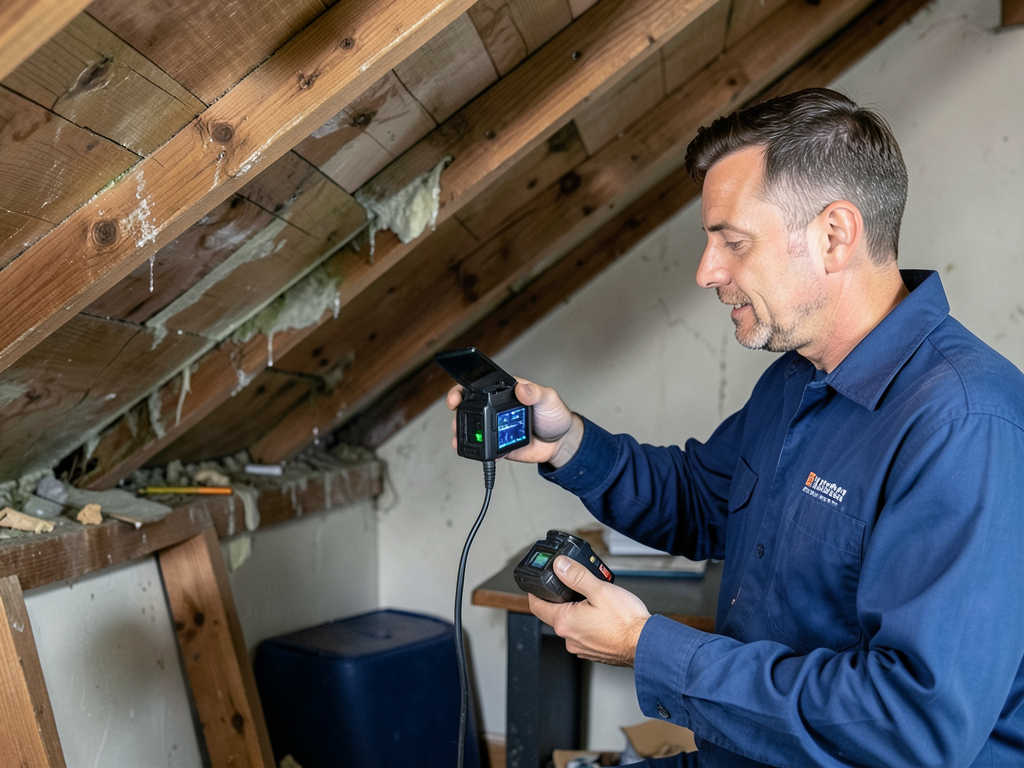
Understanding this link helps Riverside residents take immediate action during wind events and recognize early warning signs before extensive damage occurs. Professional restoration teams use moisture meters and thermal imaging to detect hidden water paths that standard visual inspections miss. Top-rated water damage repair and restoration in Corona.
Emergency steps to take when wind causes roof leaks
Taking quick action during a windstorm can prevent thousands in secondary damage. Move valuable items away from walls and ceilings where water might travel. Place buckets under active drips and use towels to contain spreading moisture. Riverside water restoration teams that can be at your door in an hour.
Document all damage with photos and videos before cleanup begins. This evidence proves essential for insurance claims covering both roof repairs and interior restoration. Note the time and date of the wind event, as many policies require storm verification.
Cover exposed areas with tarps if safe to access the roof. Temporary plastic sheeting prevents additional rain from entering through lifted shingles or damaged flashing. However, avoid walking on wet roofs during storms due to slip hazards.
- Safety First
Avoid wet roofs during storms. Document damage from ground level with photos.
- Contain Water
Place buckets under drips, move furniture away from affected areas, use towels to absorb moisture.
- Prevent Further Entry
Cover damaged areas with tarps if safely accessible, secure with boards or bricks.
- Document Everything
Take timestamped photos of all visible damage, water paths, and affected belongings.. Read more about Why your garage is the most vulnerable spot for water damage in a Riverside rainstorm.
- Call Professionals
Contact restoration teams with 24/7 emergency response for immediate tarping and assessment. Emergency flood cleanup and restoration in Jurupa Valley.
How Santa Ana winds damage Riverside roofs
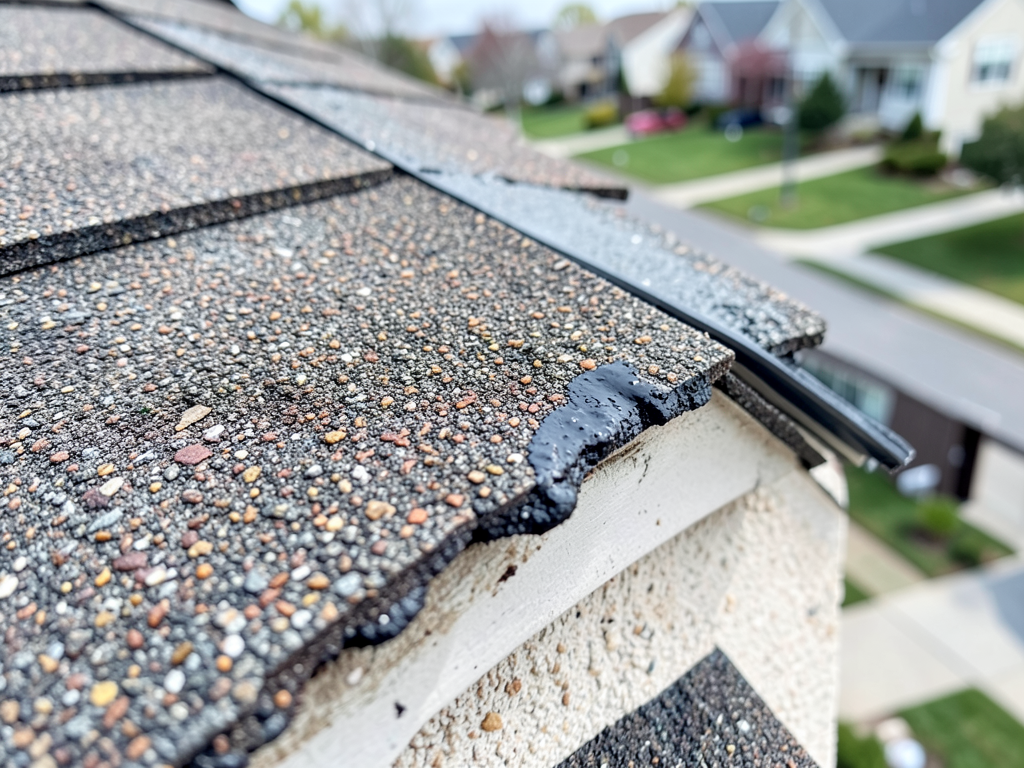
Santa Ana winds create unique roof stress patterns across Riverside’s varied neighborhoods. These hot, dry winds accelerate through mountain passes, creating pressure differentials that lift shingle edges without completely removing them. The resulting gaps allow wind-driven rain to penetrate underlayment layers. Getting your Riverside water damage insurance claim approved.
Roof age significantly affects vulnerability. Homes in Canyon Crest and Woodcrest with asphalt shingles over 15 years old experience higher failure rates during wind events. Granule loss from UV exposure weakens shingle adhesion, making them more susceptible to uplift forces.
Building orientation matters in Riverside’s climate. South-facing roofs receive more sun exposure, causing greater thermal expansion and contraction cycles. This repeated movement weakens sealant bonds around flashing and vent pipes, creating entry points for wind-driven moisture.
Wind speed thresholds for shingle damage vary by roof pitch and material. According to the International Building Code Section 1609, sustained winds over 50 mph create uplift forces exceeding typical shingle fastener capacities. Riverside’s Santa Ana events frequently exceed these speeds, particularly in areas near the Santa Ana River corridor. International Building Code Section 1609.
Professional roof inspections after wind events should include checking for:
- Lifted shingle edges along windward roof sections
- Cracked or separated flashing around chimneys and vents
- Damaged soffit vents that allow rain entry
- Missing or displaced ridge cap shingles
- Debris accumulation in roof valleys that blocks drainage
Hidden water damage progression in Inland Empire homes
Water entering through wind-damaged roofs follows predictable paths through attic spaces. Insulation absorbs moisture like a sponge, with cellulose materials holding up to 200% of their weight in water. This hidden saturation can persist for weeks before creating visible ceiling stains.
Attic mold growth begins within 24-48 hours of moisture exposure in Riverside’s warm climate. The combination of elevated temperatures and organic materials creates ideal conditions for mold spore germination. By the time visible mold appears, colonies may have already spread across multiple rafters.
Structural components face progressive damage from trapped moisture. Roof decking swells when wet, causing nails to loosen and creating additional entry points for future storms. Plywood delamination can occur within 72 hours of sustained moisture exposure, compromising roof structural integrity.
Electrical systems in attic spaces face serious hazards from water intrusion. Junction boxes, wiring connections, and lighting fixtures can short circuit when exposed to moisture. Riverside building codes require GFCI protection for attic circuits, but older homes may lack this safety feature.
Moisture mapping technology reveals hidden water paths that visual inspections miss. Professional restoration teams use infrared cameras to detect temperature variations caused by moisture presence. These tools identify affected areas behind drywall and within wall cavities before secondary damage occurs.
Riverside restoration process from tarping to complete drying
Professional restoration follows a systematic approach to address both immediate and secondary damage from wind-driven leaks. Emergency tarping prevents additional water entry while assessment teams evaluate the full extent of damage using moisture meters and thermal imaging.
Water extraction begins with removing standing water from affected areas. Professional-grade extractors remove moisture from carpets, padding, and hard surfaces more effectively than shop vacuums. The extraction phase typically removes 90% of bulk water before drying equipment deployment.
Structural drying involves strategic placement of air movers and dehumidifiers based on moisture readings. The IICRC S500 standard requires achieving specific moisture content levels in different materials before considering restoration complete. Wood framing typically needs to reach 12% moisture content or less. IICRC S500 standard for water damage restoration.
Content manipulation protects belongings during restoration. Furniture is elevated on blocks, documents are freeze-dried if necessary, and electronics are removed to prevent corrosion. Many Riverside homeowners underestimate the extent of content damage from even small roof leaks.
Final inspection includes moisture mapping to verify all affected areas have been properly dried. Third-party testing may be required for insurance documentation, particularly in cases involving mold remediation. The entire process typically takes 3-7 days depending on the extent of damage and materials involved.
Navigating insurance claims for wind damage in California
California homeowners insurance policies generally cover wind damage under “peril of wind” provisions. However, the distinction between primary roof damage and secondary interior damage affects claim approval rates. Insurance adjusters look for clear documentation linking wind events to specific damage patterns.
Wind speed verification strengthens claims in Riverside County. The National Weather Service maintains historical wind data for major Santa Ana events. Providing specific dates and wind speeds from official sources helps establish the timing and severity of the storm that caused damage.
Roof age affects claim outcomes. Most policies exclude damage to roofs over 20 years old unless specific extended coverage was purchased. However, secondary interior damage from wind-driven rain typically remains covered regardless of roof age, as the wind event triggered the damage sequence.
Documentation requirements include:
- Professional inspection reports with moisture readings
- Photos showing damage progression over time
- Receipts for emergency services like tarping
- Estimates for both roof repair and interior restoration
- Proof of regular roof maintenance if applicable
Direct insurance billing through restoration companies simplifies the claims process. Many Riverside restoration teams work directly with insurance adjusters, providing detailed documentation and meeting industry standards for water damage restoration. This coordination reduces homeowner stress during an already difficult situation.
Preventing future wind damage to Riverside homes
Regular roof maintenance significantly reduces wind damage risk. Annual inspections should check for loose shingles, deteriorated flashing, and proper attic ventilation. Riverside’s intense UV exposure accelerates material degradation, making biannual inspections advisable for homes over 10 years old.
Tree maintenance near homes prevents debris impact during wind events. Overhanging branches can damage shingles and gutters, creating vulnerabilities that wind-driven rain exploits. Professional trimming keeps branches at least 10 feet from roof surfaces.
Attic ventilation improvements reduce moisture buildup that exacerbates wind damage. Proper soffit and ridge vent systems create balanced airflow that prevents heat and moisture accumulation. Riverside’s hot climate makes adequate ventilation essential for roof longevity.
Impact-resistant shingles provide additional protection in wind-prone areas. Class 4 shingles withstand hail and debris impact better than standard materials. While more expensive initially, they often qualify for insurance discounts and provide longer service life in Riverside’s challenging climate.
Emergency preparedness planning includes maintaining contact information for restoration services. Riverside homeowners should have 24/7 restoration contacts programmed into phones before storm seasons begin. Quick response times prevent secondary damage from escalating into major restoration projects.
Local building codes and wind damage requirements
Riverside County building codes incorporate wind load requirements based on California Building Standards Code Chapter 16. Section 1609.1 specifies design wind pressures for different roof zones, with edge zones requiring higher uplift resistance than field areas. Homes built before 2001 may not meet current wind resistance standards.
Roof deck attachment requirements have evolved significantly. Modern codes require minimum 8d nails at 6-inch intervals in field areas and 4-inch intervals at edges. Many older Riverside homes were built with 4d nails at 12-inch spacing, creating vulnerabilities during high-wind events.
Underlayment requirements have also changed. California Title 24 now mandates synthetic underlayment in most applications, providing better moisture protection than traditional felt paper. Homes with older felt underlayment face higher risks of wind-driven rain penetration.
Flashing installation must meet specific standards for wind resistance. Metal flashing should be mechanically fastened rather than relying solely on adhesive sealants. Riverside’s temperature swings cause expansion and contraction that can separate poorly installed flashing from roof surfaces.
Permit requirements for wind damage repairs vary by extent. Riverside County requires permits for roof replacements and major structural repairs. However, emergency tarping and temporary repairs typically don’t require permits, allowing for immediate response to active leaks.
Frequently Asked Questions
How long after a windstorm can roof leaks appear?
Roof leaks from wind damage can appear immediately during the storm or up to several days later. Wind-driven rain often travels along rafters and insulation before dripping through ceiling drywall. The delay makes diagnosis difficult for homeowners who assume their roof survived intact.
Does homeowners insurance cover wind-driven roof leaks?
Yes, standard homeowners insurance policies cover wind damage under “peril of wind” provisions. This includes both primary roof damage and secondary interior damage from wind-driven rain. However, roof age and maintenance history may affect claim approval for the roof itself.
What wind speed causes roof damage in Riverside?
Sustained winds over 50 mph typically create enough uplift force to damage asphalt shingles, according to International Building Code standards. Riverside’s Santa Ana winds frequently exceed these speeds, particularly in areas near mountain passes and the Santa Ana River corridor.
How can I tell if my roof has wind damage?
Signs include lifted shingle edges, cracked or separated flashing, missing ridge cap shingles, and debris accumulation in roof valleys. However, many wind damage signs require close inspection from the roof surface or ladder. Professional inspections often reveal damage not visible from the ground.
How quickly should I respond to a roof leak?
Immediate response prevents secondary damage. Contact restoration professionals within 24 hours of discovering a leak. The first 48 hours are critical for preventing mold growth and structural damage. Emergency tarping can prevent additional water entry while assessment and drying plans are developed.
Can wind damage cause mold growth?
Yes, wind-driven rain creates moisture conditions ideal for mold growth within 24-48 hours. Riverside’s warm climate accelerates mold spore germination and colony development. Professional drying and antimicrobial treatment prevent mold from establishing in affected areas.
Take action before the next windstorm hits
Hidden roof leaks from windstorms can cause thousands in damage before homeowners notice visible signs. Riverside’s Santa Ana wind patterns create unique vulnerabilities that standard roof inspections often miss. Professional assessment identifies these weaknesses before the next storm arrives.
Don’t wait for water stains to appear on your ceiling. Call (951) 309-5499 today to schedule a comprehensive wind damage inspection. Our team uses thermal imaging and moisture meters to detect hidden vulnerabilities that could lead to costly repairs.
Emergency response available 24/7 throughout Riverside County. When wind damages your roof, every hour counts in preventing secondary water damage and mold growth. Pick up the phone and call (951) 309-5499 before the next Santa Ana event turns a small vulnerability into a major restoration project.
{
“@context”: “https://schema.org”,
“@type”: “BlogPosting”,
“headline”: “The surprising link between Riverside windstorms and hidden roof leak damage”,
“description”: “Discover how Riverside’s Santa Ana winds cause hidden roof leaks and water damage. Learn emergency response steps, insurance claims, and local restoration solutions.”,
“wordCount”: 2093,
“datePublished”: “2026-05-31T06:19:00.000Z”,
“dateModified”: “2026-05-31T06:19:00.000Z”,
“inLanguage”: “en-US”,
“mainEntityOfPage”: {
“@type”: “WebPage”,
“@id”: “https://libertywaterdamagerestorationriverside.com”
},
“publisher”: {
“@type”: “LocalBusiness”,
“name”: “Liberty Water Damage Restoration Riverside”,
“url”: “https://libertywaterdamagerestorationriverside.com”
},
“author”: {
“@type”: “Organization”,
“name”: “Liberty Water Damage Restoration Riverside”,
“url”: “https://libertywaterdamagerestorationriverside.com”
},
“image”: {
“@type”: “ImageObject”,
“url”: “https://libertywaterdamagerestorationriverside.com/wp-content/uploads/2026/03/the-surprising-link-between-riverside-windstorms-a-1.png”
}
}
{
“@context”: “https://schema.org”,
“@type”: “LocalBusiness”,
“name”: “Liberty Water Damage Restoration Riverside”,
“url”: “https://libertywaterdamagerestorationriverside.com”,
“address”: {
“@type”: “PostalAddress”,
“addressLocality”: “Riverside”
},
“areaServed”: {
“@type”: “City”,
“name”: “Riverside”
}
}
{
“@context”: “https://schema.org”,
“@type”: “FAQPage”,
“mainEntity”: [
{
“@type”: “Question”,
“name”: “How long after a windstorm can roof leaks appear?”,
“acceptedAnswer”: {
“@type”: “Answer”,
“text”: “Roof leaks from wind damage can appear immediately during the storm or up to several days later. Wind-driven rain often travels along rafters and insulation before dripping through ceiling drywall. The delay makes diagnosis difficult for homeowners who assume their roof survived intact.”
}
},
{
“@type”: “Question”,
“name”: “Does homeowners insurance cover wind-driven roof leaks?”,
“acceptedAnswer”: {
“@type”: “Answer”,
“text”: “Yes, standard homeowners insurance policies cover wind damage under \”peril of wind\” provisions. This includes both primary roof damage and secondary interior damage from wind-driven rain. However, roof age and maintenance history may affect claim approval for the roof itself.”
}
},
{
“@type”: “Question”,
“name”: “What wind speed causes roof damage in Riverside?”,
“acceptedAnswer”: {
“@type”: “Answer”,
“text”: “Sustained winds over 50 mph typically create enough uplift force to damage asphalt shingles, according to International Building Code standards. Riverside’s Santa Ana winds frequently exceed these speeds, particularly in areas near mountain passes and the Santa Ana River corridor.”
}
},
{
“@type”: “Question”,
“name”: “How can I tell if my roof has wind damage?”,
“acceptedAnswer”: {
“@type”: “Answer”,
“text”: “Signs include lifted shingle edges, cracked or separated flashing, missing ridge cap shingles, and debris accumulation in roof valleys. However, many wind damage signs require close inspection from the roof surface or ladder. Professional inspections often reveal damage not visible from the ground.”
}
},
{
“@type”: “Question”,
“name”: “How quickly should I respond to a roof leak?”,
“acceptedAnswer”: {
“@type”: “Answer”,
“text”: “Immediate response prevents secondary damage. Contact restoration professionals within 24 hours of discovering a leak. The first 48 hours are critical for preventing mold growth and structural damage. Emergency tarping can prevent additional water entry while assessment and drying plans are developed.”
}
},
{
“@type”: “Question”,
“name”: “Can wind damage cause mold growth?”,
“acceptedAnswer”: {
“@type”: “Answer”,
“text”: “Yes, wind-driven rain creates moisture conditions ideal for mold growth within 24-48 hours. Riverside’s warm climate accelerates mold spore germination and colony development. Professional drying and antimicrobial treatment prevent mold from establishing in affected areas.”
}
}
]
}
{
“@context”: “https://schema.org”,
“@type”: “HowTo”,
“name”: “Emergency Roof Leak Response”,
“step”: [
{
“@type”: “HowToStep”,
“position”: 1,
“name”: “Safety First”,
“text”: “Avoid wet roofs during storms. Document damage from ground level with photos.”
},
{
“@type”: “HowToStep”,
“position”: 2,
“name”: “Contain Water”,
“text”: “Place buckets under drips, move furniture away from affected areas, use towels to absorb moisture.”
},
{
“@type”: “HowToStep”,
“position”: 3,
“name”: “Prevent Further Entry”,
“text”: “Cover damaged areas with tarps if safely accessible, secure with boards or bricks.”
},
{
“@type”: “HowToStep”,
“position”: 4,
“name”: “Document Everything”,
“text”: “Take timestamped photos of all visible damage, water paths, and affected belongings.”
},
{
“@type”: “HowToStep”,
“position”: 5,
“name”: “Call Professionals”,
“text”: “Contact restoration teams with 24/7 emergency response for immediate tarping and assessment. Emergency flood cleanup and restoration in Jurupa Valley.”
}
],
“image”: “https://libertywaterdamagerestorationriverside.com/wp-content/uploads/2026/03/the-surprising-link-between-riverside-windstorms-a-1.png”
}
{
“@context”: “https://schema.org”,
“@type”: “BreadcrumbList”,
“itemListElement”: [
{
“@type”: “ListItem”,
“position”: 1,
“name”: “Home”,
“item”: “https://libertywaterdamagerestorationriverside.com”
},
{
“@type”: “ListItem”,
“position”: 2,
“name”: “Blog”,
“item”: “https://libertywaterdamagerestorationriverside.com/blog”
},
{
“@type”: “ListItem”,
“position”: 3,
“name”: “The surprising link between Riverside windstorms and hidden roof leak damage”
}
]
}
{
“@context”: “https://schema.org”,
“@type”: “Service”,
“serviceType”: “Water Damage Restoration”,
“provider”: {
“@type”: “LocalBusiness”,
“name”: “Liberty Water Damage Restoration Riverside”,
“url”: “https://libertywaterdamagerestorationriverside.com”
},
“areaServed”: {
“@type”: “City”,
“name”: “Riverside”
},
“description”: “Discover how Riverside’s Santa Ana winds cause hidden roof leaks and water damage. Learn emergency response steps, insurance claims, and local restoration solutions.”
}