
How to tell if your LVP flooring is actually waterproof or just water-resistant
When water hits your floor, the difference between waterproof and water-resistant LVP flooring can mean the difference between a quick cleanup and thousands in hidden damage. In Riverside’s climate, where seasonal storms and slab leaks are common, understanding this distinction is crucial for protecting your investment. What to do when a pipe bursts in your Riverside home.
Waterproof flooring creates an impermeable barrier that prevents any moisture penetration, while water-resistant flooring only delays absorption for a limited time. This fundamental difference affects not just cleanup time but whether your subfloor stays dry or develops mold and rot beneath the surface. Top-rated water damage repair and restoration in Corona.
The Fundamental Difference: Definitions vs. Reality
Waterproof LVP flooring uses a solid polymer core that water cannot penetrate, even when submerged. Water-resistant LVP features a wood-plastic composite core that absorbs moisture over time, typically within 24-72 hours of exposure. Riverside water restoration teams that can be at your door in an hour.
The key diagnostic test: place a damp paper towel on your floor for 24 hours. If the towel leaves no mark and the floor shows no swelling, you likely have true waterproof flooring. If you see discoloration, swelling, or the paper towel sticks to the surface, your flooring is water-resistant.
In Riverside homes, this matters because our expansive clay soils cause slab movement that can create hairline cracks in flooring joints. Water-resistant floors will allow moisture into these cracks, while waterproof floors maintain their barrier. Getting your Riverside water damage insurance claim approved.
Material Comparison Table
| Feature | Waterproof LVP | Water-Resistant LVP | Laminate | Engineered Hardwood |
|---|---|---|---|---|
| Core Material | Solid polymer | Wood-plastic composite | High-density fiberboard | Plywood with veneer |
| Submersion Time | Indefinite | 24-72 hours | 2-4 hours | 30 minutes |
| Restorability After Flood | Can dry in place | Requires tear-out | Always requires replacement | Requires replacement |
| Permeability Rating | 0.00 perms | 0.5-2.0 perms | 3.0-5.0 perms | 5.0-10.0 perms |
Permeability Note: Lower perm ratings indicate better moisture resistance. Waterproof LVP’s 0.00 perms means zero moisture transmission, while water-resistant options allow gradual moisture movement.
The Restoration Perspective: Can it be Saved?
From a restoration standpoint, the difference between waterproof and water-resistant flooring determines whether we can save your floor or must tear it out. This distinction affects both cost and timeline for recovery.
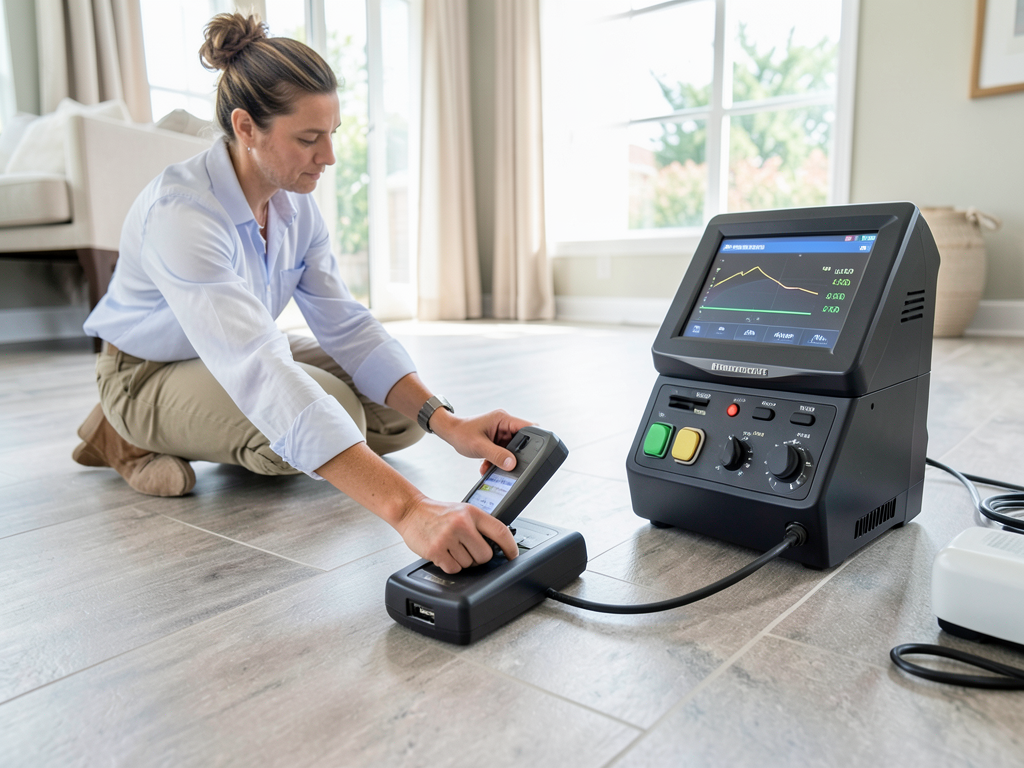
Waterproof LVP can often be dried in place using professional-grade equipment. We use moisture meters to verify the subfloor stays dry, then employ air movers and dehumidifiers to remove surface moisture. Most waterproof floors can be restored within 24-48 hours.
Water-resistant LVP requires immediate tear-out after water exposure. Even if the surface looks fine, moisture has likely penetrated the core. The IICRC S500 Standard for Professional Water Damage Restoration mandates removing water-resistant materials exposed to Category 2 or 3 water to prevent mold growth. IICRC S500 Standard for Professional Water Damage Restoration.
In Riverside’s slab-on-grade construction, this becomes critical. Our high-alkaline soil creates mineral deposits that can wick moisture upward through concrete. Water-resistant flooring allows this moisture to accumulate beneath the surface, creating perfect conditions for mold growth.. Read more about The risks of buying a Riverside house with a history of slab leaks.
Common Riverside Flooring Issues
Riverside’s unique climate and soil conditions create specific challenges for LVP flooring. Our Santa Ana wind season brings sudden temperature changes that cause flooring expansion and contraction. Water-resistant floors develop gaps during these cycles, allowing moisture intrusion.
Slab leaks are particularly problematic in Riverside’s older neighborhoods like Canyon Crest and Woodcrest. The high mineral content in our local water creates scale buildup inside pipes. When these pipes fail, water-resistant flooring allows moisture to migrate into the subfloor before homeowners notice the problem.
During monsoon season, our relative humidity can spike to 70%, creating condensation issues. Water-resistant floors absorb this ambient moisture, leading to cupping and buckling that appears days or weeks after the humidity event.
Commercial properties in Riverside’s business district face additional challenges. Retail spaces experience higher foot traffic and more frequent spills. Water-resistant flooring in these environments often shows premature wear patterns where moisture has compromised the core structure.
Testing Your Current Flooring
Before the next water event, test your flooring to understand its true nature. This simple diagnostic process takes 15 minutes and could save you thousands in restoration costs.
- Inspect the flooring edges where they meet walls. Waterproof LVP typically has a click-lock system with minimal visible gaps. Water-resistant options often show slight separation over time.
- Check the wear layer thickness. Waterproof LVP usually features a 20-mil or thicker wear layer. Water-resistant options typically have 12-mil layers.
- Look for manufacturer labeling. Waterproof products explicitly state “100% waterproof” on packaging and product specifications.
- Perform the moisture test: Place a sealed water bottle on the floor for 24 hours. Waterproof floors show no condensation underneath. Water-resistant floors may show slight moisture accumulation.
For accurate testing, we use moisture meters that measure both surface and subsurface moisture levels. These professional tools can detect moisture that’s invisible to the naked eye, revealing whether water has penetrated your flooring system.. Read more about What to do if your reverse osmosis system leaks under the kitchen sink.
Maintenance & Prevention
Whether you have waterproof or water-resistant flooring, proper maintenance extends lifespan and prevents costly damage. In Riverside’s climate, these preventive measures are essential.
Regular moisture testing should be part of your home maintenance routine. We recommend professional moisture inspections annually, especially for homes in areas like Eastvale and Jurupa Valley where newer construction meets older infrastructure.
Install moisture barriers in high-risk areas. Bathrooms, kitchens, and laundry rooms benefit from additional protection beneath LVP flooring. These barriers provide extra insurance against plumbing failures and appliance leaks.. Read more about Why your ice maker line is a ticking time bomb for your kitchen floor.
Monitor your water bill for unusual increases. A sudden spike often indicates a hidden leak that could be damaging water-resistant flooring before you notice visible signs.
Consider upgrading to waterproof LVP if you currently have water-resistant flooring. The initial investment typically pays for itself within 3-5 years through reduced restoration costs and extended flooring lifespan.
When to Call a Professional
Certain situations require immediate professional assessment. If you notice any of these warning signs, don’t wait for visible damage to appear.
Musty odors indicate active mold growth beneath flooring. In Riverside’s climate, mold can establish within 24-48 hours of moisture exposure. Professional testing can identify hidden contamination before it spreads through your home.
Cupping or buckling suggests moisture has compromised the flooring structure. This damage often extends beyond what’s visible on the surface. Professional assessment determines whether restoration or replacement is necessary.. Read more about Why baseboard replacement is usually better than trying to save wet MDF in Mission Grove homes.
After any flooding event, even minor ones, professional moisture testing ensures your flooring system remains intact. Surface dryness doesn’t guarantee subfloor conditions are safe. Emergency flood cleanup and restoration in Jurupa Valley.
For commercial properties, any moisture detection requires immediate professional response. Business interruption costs and liability concerns make rapid, professional assessment essential.
Call (951) 309-5499 today to schedule your moisture inspection. Our certified technicians use industry-standard equipment to assess your flooring’s true condition and recommend appropriate protection strategies.
Frequently Asked Questions
How can I tell if my LVP flooring is waterproof or water-resistant?
Check the manufacturer specifications for “100% waterproof” labeling. Perform a simple test by placing a damp paper towel on the floor for 24 hours. Waterproof flooring shows no swelling or discoloration, while water-resistant flooring may show signs of moisture absorption.
Does waterproof LVP cost significantly more than water-resistant options?
Waterproof LVP typically costs 15-30% more upfront than water-resistant options. However, when factoring in potential restoration costs from water damage, waterproof flooring often proves more economical over a 10-year period, especially in Riverside’s climate.
Can I install waterproof LVP myself, or do I need professional installation?
While DIY installation is possible with click-lock systems, professional installation ensures proper moisture barriers and acclimation to Riverside’s climate conditions. Improper installation can void warranties and create moisture traps beneath the flooring.
How long does waterproof LVP last compared to water-resistant options?
Waterproof LVP typically lasts 15-25 years with proper maintenance, while water-resistant options may show wear after 8-12 years, especially in high-moisture areas. The solid polymer core in waterproof flooring resists wear patterns that develop in water-resistant materials.
Ready to protect your home from water damage? Call (951) 309-5499 to schedule your professional moisture assessment. Our Riverside-based team understands local conditions and can recommend the best flooring solutions for your specific situation.
Don’t wait until water damage becomes visible. Early detection and proper flooring selection can save you thousands in restoration costs and protect your home’s structural integrity for years to come. For more information, visit EPA Mold Guidelines.
You may also find this helpful. Comparing the best moisture-resistant paint for Riverside bathrooms and kitchens.
{
“@context”: “https://schema.org”,
“@type”: “BlogPosting”,
“headline”: “How to tell if your LVP flooring is actually waterproof or just water-resistant”,
“description”: “Discover the key differences between waterproof and water-resistant LVP flooring. Learn how to test your floors and protect your Riverside home from hidden moisture damage.”,
“wordCount”: 1401,
“datePublished”: “2026-05-28T15:54:00.000Z”,
“dateModified”: “2026-05-28T15:54:00.000Z”,
“inLanguage”: “en-US”,
“mainEntityOfPage”: {
“@type”: “WebPage”,
“@id”: “https://libertywaterdamagerestorationriverside.com”
},
“publisher”: {
“@type”: “LocalBusiness”,
“name”: “Liberty Water Damage Restoration Riverside”,
“url”: “https://libertywaterdamagerestorationriverside.com”
},
“author”: {
“@type”: “Organization”,
“name”: “Liberty Water Damage Restoration Riverside”,
“url”: “https://libertywaterdamagerestorationriverside.com”
},
“image”: {
“@type”: “ImageObject”,
“url”: “https://libertywaterdamagerestorationriverside.com/wp-content/uploads/2026/03/how-to-tell-if-your-lvp-flooring-is-actually-water-1.png”
}
}
{
“@context”: “https://schema.org”,
“@type”: “LocalBusiness”,
“name”: “Liberty Water Damage Restoration Riverside”,
“url”: “https://libertywaterdamagerestorationriverside.com”,
“address”: {
“@type”: “PostalAddress”,
“addressLocality”: “Riverside”
},
“areaServed”: {
“@type”: “City”,
“name”: “Riverside”
}
}
{
“@context”: “https://schema.org”,
“@type”: “FAQPage”,
“mainEntity”: [
{
“@type”: “Question”,
“name”: “The Restoration Perspective: Can it be Saved?”,
“acceptedAnswer”: {
“@type”: “Answer”,
“text”: “From a restoration standpoint, the difference between waterproof and water-resistant flooring determines whether we can save your floor or must tear it out. This distinction affects both cost and timeline for recovery.”
}
},
{
“@type”: “Question”,
“name”: “How can I tell if my LVP flooring is waterproof or water-resistant?”,
“acceptedAnswer”: {
“@type”: “Answer”,
“text”: “Check the manufacturer specifications for \”100% waterproof\” labeling. Perform a simple test by placing a damp paper towel on the floor for 24 hours. Waterproof flooring shows no swelling or discoloration, while water-resistant flooring may show signs of moisture absorption.”
}
},
{
“@type”: “Question”,
“name”: “Does waterproof LVP cost significantly more than water-resistant options?”,
“acceptedAnswer”: {
“@type”: “Answer”,
“text”: “Waterproof LVP typically costs 15-30% more upfront than water-resistant options. However, when factoring in potential restoration costs from water damage, waterproof flooring often proves more economical over a 10-year period, especially in Riverside’s climate.”
}
},
{
“@type”: “Question”,
“name”: “Can I install waterproof LVP myself, or do I need professional installation?”,
“acceptedAnswer”: {
“@type”: “Answer”,
“text”: “While DIY installation is possible with click-lock systems, professional installation ensures proper moisture barriers and acclimation to Riverside’s climate conditions. Improper installation can void warranties and create moisture traps beneath the flooring.”
}
},
{
“@type”: “Question”,
“name”: “How long does waterproof LVP last compared to water-resistant options?”,
“acceptedAnswer”: {
“@type”: “Answer”,
“text”: “Waterproof LVP typically lasts 15-25 years with proper maintenance, while water-resistant options may show wear after 8-12 years, especially in high-moisture areas. The solid polymer core in waterproof flooring resists wear patterns that develop in water-resistant materials.”
}
}
]
}
{
“@context”: “https://schema.org”,
“@type”: “BreadcrumbList”,
“itemListElement”: [
{
“@type”: “ListItem”,
“position”: 1,
“name”: “Home”,
“item”: “https://libertywaterdamagerestorationriverside.com”
},
{
“@type”: “ListItem”,
“position”: 2,
“name”: “Blog”,
“item”: “https://libertywaterdamagerestorationriverside.com/blog”
},
{
“@type”: “ListItem”,
“position”: 3,
“name”: “How to tell if your LVP flooring is actually waterproof or just water-resistant”
}
]
}
{
“@context”: “https://schema.org”,
“@type”: “Service”,
“serviceType”: “Water Damage Restoration”,
“provider”: {
“@type”: “LocalBusiness”,
“name”: “Liberty Water Damage Restoration Riverside”,
“url”: “https://libertywaterdamagerestorationriverside.com”
},
“areaServed”: {
“@type”: “City”,
“name”: “Riverside”
},
“description”: “Discover the key differences between waterproof and water-resistant LVP flooring. Learn how to test your floors and protect your Riverside home from hidden moisture damage.”
}