
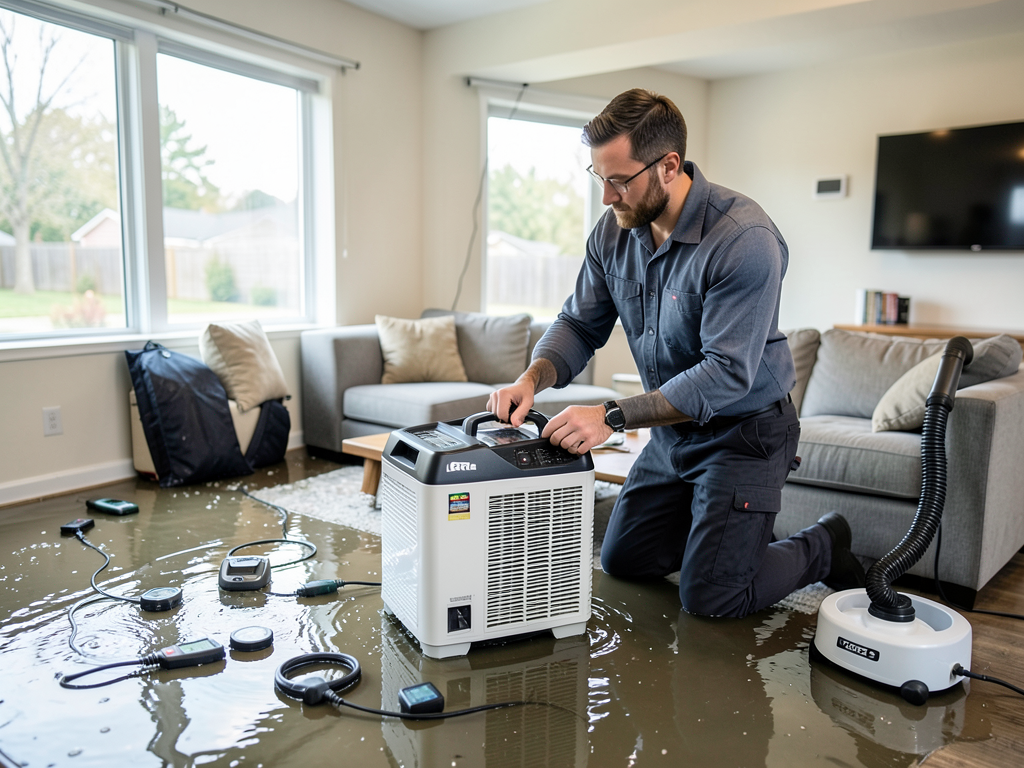
Comparing LGR dehumidifiers and desiccant drying for heavy water damage in Riverside
When your Riverside property faces heavy water damage, choosing the right drying equipment can make the difference between a quick recovery and a prolonged disaster. Low Grain Refrigerant (LGR) dehumidifiers and desiccant drying systems each have unique strengths that matter in our local climate. What to do when a pipe bursts in your Riverside home.
LGR units excel in Riverside’s typical warm, dry conditions by pulling moisture from the air using refrigerated coils. They work best when temperatures stay above 70°F and can remove 20-25 gallons of water per day from a flooded space. Desiccant systems use silica gel to absorb moisture and perform better in colder environments or when you need to reach extremely low humidity levels quickly. Top-rated water damage repair and restoration in Corona.
Your choice depends on several factors specific to Riverside properties. The Inland Empire’s summer heat makes LGR units highly efficient for most residential water damage scenarios. However, desiccant systems become valuable for large commercial buildings, cold storage areas, or when you need to dry materials like hardwood flooring that are sensitive to high temperatures. Getting your Riverside water damage insurance claim approved.
Understanding these differences helps you make informed decisions about restoration equipment. This guide breaks down how each system works, when to use them, and what to expect during the drying process in Riverside’s unique environment. Riverside water restoration teams that can be at your door in an hour.
How LGR dehumidifiers work in Riverside’s climate
LGR dehumidifiers operate by drawing wet air across cold evaporator coils. As air passes over these coils, moisture condenses and collects in a reservoir or drains away through a hose. The now-dry air gets reheated and circulated back into the space.
The ‘Low Grain’ technology refers to the unit’s ability to produce very dry air with low specific humidity. This matters because drier air can absorb more moisture from wet materials. In Riverside’s summer conditions, LGR units typically achieve 35-45% relative humidity, which accelerates evaporation from soaked carpets, drywall, and wood.
Most LGR units used in Riverside range from 70 to 200 pints per day capacity. A 100-pint unit can handle about 1,000 square feet of moderately wet space. For severe flooding, you might need multiple units or larger commercial-grade equipment. Emergency flood cleanup and restoration in Jurupa Valley.
The efficiency of LGR systems drops when temperatures fall below 65°F or when humidity already sits below 30%. This is why they work so well in Riverside’s climate but might struggle during unusually cold snaps or in heavily air-conditioned buildings.. Read more about How to keep your pets safe and comfortable during a water restoration project.
Desiccant drying systems explained
Desiccant dehumidifiers use moisture-absorbing materials, typically silica gel, to remove water from the air. Wet air passes through a rotating wheel coated with silica gel. The gel absorbs moisture, and a separate heated air stream regenerates the gel by driving off the collected water. EPA mold guidelines.
This process creates extremely dry air, often achieving 10-20% relative humidity. The ability to reach such low moisture levels makes desiccant systems ideal for specialty applications in Riverside, such as drying hardwood floors, preserving documents, or preparing spaces for immediate occupancy.
Desiccant units don’t rely on temperature as much as LGR systems do. They work effectively in cold conditions where LGR units would freeze up. This makes them valuable for Riverside’s occasional winter water damage or for drying crawl spaces and basements that stay cool year-round.
Commercial desiccant systems can handle much larger spaces than typical LGR units. A single desiccant unit might dry 10,000 square feet of space or more, making them cost-effective for large commercial properties, warehouses, or multi-story buildings.
Key differences between LGR and desiccant systems
Energy efficiency represents a major difference between these systems. LGR units use refrigeration technology similar to air conditioners and typically consume 6-10 amps at 120 volts. Desiccant systems require more power, often needing 220-volt connections and drawing 15-30 amps due to the heating elements needed for regeneration.
Operating temperature ranges differ significantly. LGR units perform best between 70-90°F and struggle below 65°F. Desiccant systems operate effectively from 20-120°F, making them more versatile across Riverside’s seasonal temperature variations.
Moisture removal capacity varies by application. LGR units excel at removing large volumes of water quickly from warm spaces. Desiccant systems remove less total water but achieve much lower humidity levels, which matters for sensitive materials or when you need to prevent secondary damage like swelling or warping.
Noise levels also differ. LGR units typically operate at 50-65 decibels, similar to a normal conversation. Desiccant systems can be louder due to the air movement and heating elements, often reaching 65-75 decibels.
When to choose LGR dehumidification in Riverside
LGR dehumidification makes the most sense for typical Riverside residential water damage scenarios. When a pipe bursts in your Eastvale home or a washing machine overflows in your Canyon Crest condo, LGR units can remove the moisture quickly and efficiently.
The warm summer temperatures in Riverside actually enhance LGR performance. During July and August, when temperatures regularly exceed 90°F, LGR units operate at peak efficiency. This timing often coincides with increased plumbing failures due to thermal expansion in pipes.
LGR systems work particularly well for carpet drying, drywall restoration, and general structural drying. They can typically dry a water-damaged room in 3-5 days, depending on the severity and materials involved. The warm, dry air they produce helps prevent mold growth during the drying process.
For most Riverside homeowners, LGR dehumidification offers the best combination of cost, efficiency, and effectiveness. The equipment is widely available, relatively affordable to operate, and produces excellent results in our local climate conditions.
When desiccant drying becomes necessary
Desiccant systems become essential when you need to achieve extremely low humidity levels or when dealing with temperature-sensitive materials. If your Riverside business suffers water damage in a climate-controlled server room, desiccant drying prevents damage to electronics that could occur with the heat generated by LGR units.
Hardwood flooring represents another scenario where desiccant systems shine. Riverside’s many homes with hardwood floors, particularly in older neighborhoods like Wood Streets, benefit from desiccant drying’s gentle, low-temperature operation. The system can pull moisture from wood without causing the cupping or buckling that heat might trigger.
Large commercial properties often require desiccant systems due to their greater capacity and ability to handle high-volume air exchange. A warehouse in Jurupa Valley or a retail space in Downtown Riverside might need the continuous operation and high capacity that only desiccant systems can provide.
Emergency situations also favor desiccant technology. When you need to dry a space quickly for immediate reoccupation, such as a hotel or hospital, desiccant systems can achieve the required dryness levels faster than LGR units.
Cost comparison for Riverside property owners
Equipment rental costs differ significantly between these systems. LGR dehumidifiers typically rent for $30-75 per day, depending on size and capacity. A 100-pint unit suitable for most residential applications costs around $50 per day to rent.
Desiccant systems command higher rental rates, usually $150-400 per day. The price difference reflects their larger size, greater complexity, and higher operating costs. However, for large spaces or specialty applications, the higher cost may be justified by faster drying times and better results.
Operating costs also vary. LGR units consume 600-1500 watts and cost approximately $0.08-0.20 per hour to operate, depending on local electricity rates. Desiccant systems use 2000-4000 watts and cost $0.25-0.50 per hour to run.
For a typical residential water damage scenario in Riverside, using LGR dehumidification for 4-5 days might cost $200-400 in rental fees plus $30-50 in electricity. The same job with desiccant drying could cost $600-1600 in rental fees plus $100-200 in electricity.
IICRC standards for professional drying
The Institute of Inspection Cleaning and Restoration Certification (IICRC) S500 Standard guides professional water damage restoration. This standard establishes specific moisture content levels that materials must reach before drying can be considered complete. IICRC S500 Standard.
For wood materials in Riverside’s climate, the standard typically requires moisture content below 16% for structural stability. The standard also specifies that drying should achieve a 4% difference between the moisture content of wet materials and unaffected materials in the same area.
Professional restorers use moisture meters to track progress and ensure compliance with these standards. The meters measure moisture content in wood, drywall, and other materials to verify when drying targets have been achieved.
The S500 standard also addresses documentation requirements. Professional restoration companies must maintain records of moisture readings, equipment placement, and drying progress to demonstrate compliance with industry standards and support insurance claims.
Common mistakes in equipment selection
Many property owners make the mistake of using residential dehumidifiers for water damage restoration. These units typically remove only 30-70 pints per day compared to the 100-200 pints that professional LGR units handle. This means it could take weeks instead of days to dry a water-damaged space.
Another common error involves inadequate air movement. Dehumidifiers work by creating a moisture gradient, but without sufficient air movers to circulate dry air across wet surfaces, the process becomes extremely slow. Professionals typically use one air mover for every 10-14 linear feet of wall space.
People often underestimate the importance of temperature control. While LGR units work well in Riverside’s warm climate, they struggle in air-conditioned spaces or during cold weather. Some property owners try to speed drying by increasing heat, but this can cause secondary damage like paint blistering or material warping.
Ignoring hidden moisture represents another critical mistake. Water can travel through walls, under flooring, and into ceiling cavities. Professional restoration involves moisture mapping to identify all affected areas, not just the visible damage.
Professional restoration process in Riverside
Professional water damage restoration follows a systematic approach that maximizes drying efficiency. The process begins with water extraction using truck-mounted or portable extraction units that can remove hundreds of gallons per hour.
After extraction, technicians place moisture meters throughout the affected area to establish baseline readings. They then position dehumidifiers and air movers based on the specific materials affected and the extent of water migration. The goal is creating optimal conditions for rapid moisture removal.
Monitoring continues throughout the drying process. Technicians take moisture readings twice daily, adjusting equipment placement and settings as materials dry at different rates. This dynamic approach ensures efficient drying while preventing over-drying or secondary damage.
Once materials reach the target moisture content specified by IICRC standards, the equipment is removed and the area is cleaned. Professional restoration companies provide documentation of the entire process, including before-and-after moisture readings and equipment logs.
Local considerations for Riverside properties
Riverside’s unique climate and building practices affect how water damage restoration proceeds. The area’s hard water, with high mineral content, can leave deposits on surfaces during the drying process. These deposits may require additional cleaning steps.
Many Riverside homes feature slab-on-grade construction, which affects how water migrates during flooding. Water can spread laterally through the slab before surfacing, making it appear that damage is more extensive than initially visible. This requires thorough moisture mapping to identify all affected areas.
The region’s occasional Santa Ana wind conditions can actually aid drying by increasing air exchange rates. However, these same winds can also drive moisture into wall cavities through small openings, complicating the restoration process.
Riverside’s building age diversity also matters. Older homes in neighborhoods like Magnolia Center may have plaster walls that dry differently than modern drywall. Understanding these material differences helps technicians choose the right equipment and drying strategies.
Insurance and documentation requirements
Insurance companies typically require specific documentation for water damage claims. This includes detailed damage assessments, moisture mapping, and records of the drying process. Professional restoration companies provide this documentation as part of their service.
The documentation should include photos of the damage, moisture readings from affected and unaffected areas, equipment placement diagrams, and daily progress reports. This comprehensive record helps ensure claim approval and prevents disputes about the extent of damage or the necessity of restoration procedures.
Insurance policies often specify coverage limits and exclusions for water damage. Understanding these details helps property owners make informed decisions about restoration approaches and potential out-of-pocket expenses.
Professional restoration companies work directly with insurance adjusters, providing the technical documentation needed to support claims. This expertise can make the difference between a smooth claim process and a prolonged dispute.
Emergency response timing
The first 24-48 hours after water damage occurs are critical. Mold can begin growing within 24-48 hours in warm, moist conditions. Riverside’s summer temperatures create ideal conditions for rapid microbial growth, making quick response essential.
Professional restoration companies typically guarantee arrival within 60 minutes of emergency calls. This rapid response allows for immediate water extraction and the start of the drying process before secondary damage occurs.
During the initial response, technicians assess safety hazards, identify the water source, and begin extraction. They also document the damage with photos and moisture readings, which becomes important for insurance purposes.
The speed of response can significantly impact restoration costs. A property that receives professional attention within hours might require $2,000-5,000 in restoration work. The same property left untreated for 48-72 hours could require $10,000-20,000 in mold remediation and structural repairs.
Maintenance and prevention tips
Preventing water damage is always better than restoring it. Regular maintenance of plumbing systems, water heaters, and appliances can prevent many common water damage scenarios. In Riverside’s hard water conditions, annual plumbing inspections become particularly important.
Installing water leak detection systems provides early warning of potential problems. These systems can automatically shut off water supply when leaks are detected, preventing extensive damage. Many modern systems connect to smartphone apps for real-time monitoring.
Proper drainage around foundations prevents basement and crawl space flooding. This includes maintaining gutters, extending downspouts, and ensuring proper grading away from structures. In Riverside’s occasional heavy rain events, these measures become especially important.
Understanding your property’s vulnerabilities helps prevent damage. Older homes may have outdated plumbing that’s more prone to failure. Properties near the Santa Ana River or in flood-prone areas need additional protective measures.
Choosing the right restoration company
Selecting a qualified restoration company affects the quality and speed of your recovery. Look for companies with IICRC certification, proper licensing, and insurance. Experience with Riverside’s specific conditions and building types also matters.
Ask about equipment availability and response times. A company with adequate equipment can start work immediately, while one that needs to rent or transport equipment may cause delays that increase damage and costs.
Request references and check online reviews, but also verify the company’s physical location and local presence. A company based in Riverside or the surrounding area will have better knowledge of local conditions and faster response times.
Clear communication about the restoration process, timeline, and costs helps prevent misunderstandings. A professional company should provide detailed estimates, explain their procedures, and keep you informed throughout the restoration process.
Future trends in drying technology
Drying technology continues to evolve with new developments in energy efficiency and effectiveness. Heat drying systems that use infrared technology are becoming more common, offering faster drying times with less energy consumption.
Smart monitoring systems now allow remote tracking of moisture levels and equipment performance. These systems can alert technicians to problems before they become serious, improving efficiency and reducing restoration times.
Eco-friendly desiccants and more efficient regeneration systems are reducing the environmental impact of desiccant drying. These developments make desiccant systems more attractive for environmentally conscious property owners.
Integration with building management systems allows for more coordinated responses to water damage. Future systems may automatically activate drying equipment when moisture is detected, minimizing damage before it becomes extensive.
Making the right choice for your situation
The decision between LGR and desiccant drying depends on your specific circumstances. For most Riverside residential water damage situations, LGR dehumidification offers the best combination of cost, efficiency, and effectiveness.
Consider factors like the extent of damage, affected materials, temperature conditions, and your timeline requirements. A professional assessment can help determine which approach will work best for your situation.
Don’t hesitate to ask questions about the restoration process, equipment choices, and expected outcomes. A qualified restoration professional should be able to explain their recommendations and provide clear reasoning for their approach.
Remember that proper drying is essential for preventing secondary damage like mold growth, structural weakening, and material degradation. The right equipment choice helps ensure complete restoration and protects your property’s value.
Frequently Asked Questions
How long does water damage restoration typically take in Riverside?
Most residential water damage restoration projects in Riverside take 3-7 days, depending on the extent of damage and materials affected. Category 1 clean water damage might dry in 3-4 days, while Category 3 sewage damage could require 5-7 days plus additional cleaning and disinfection.
Can I use my household dehumidifier instead of professional equipment?
Household dehumidifiers remove only 30-70 pints of water per day compared to 100-200 pints for professional LGR units. They also lack the airflow and temperature control needed for effective structural drying. Using household equipment typically extends drying time from days to weeks and may result in incomplete drying.
What’s the difference between water mitigation and water restoration?
Water mitigation involves emergency services to prevent further damage, including water extraction and initial drying. Water restoration encompasses the complete process of returning the property to pre-loss condition, including thorough drying, cleaning, and repairs as needed.
How do I know if materials are dry enough?
Professional restorers use moisture meters to verify that materials have reached appropriate moisture content levels. For wood in Riverside’s climate, this typically means moisture content below 16%. The IICRC S500 standard requires a 4% difference between affected and unaffected materials.
Will my insurance cover water damage restoration?
Most homeowner insurance policies cover sudden and accidental water damage from sources like burst pipes or appliance failures. Coverage typically excludes gradual damage, flooding, or damage from lack of maintenance. Review your specific policy or consult with your insurance agent for details.
How much does professional water damage restoration cost in Riverside?
Professional water damage restoration in Riverside typically costs $2,000-8,000 for residential properties, depending on the extent of damage and required services. Category 1 clean water damage costs less to restore than Category 3 sewage contamination. Your insurance may cover much of this cost.
Should I stay in my home during the drying process?
For minor damage affecting only part of your home, you can often remain in unaffected areas. However, for extensive damage or Category 3 contamination, temporary relocation may be necessary. The noise from equipment and air movement can also make staying uncomfortable.
How can I prevent mold growth after water damage?
Quick response is essential for preventing mold growth. Professional restoration within 24-48 hours typically prevents mold problems. Maintaining proper temperature and humidity during drying, along with thorough cleaning of affected areas, also helps prevent microbial growth.
What should I do immediately after discovering water damage?
First, ensure safety by turning off electricity to affected areas if safe to do so. Stop the water source if possible, and begin removing valuable items from the affected area. Contact a professional restoration company immediately, as quick response significantly reduces damage and restoration costs.
How do I choose between LGR and desiccant drying for my situation?
Choose LGR dehumidification for most Riverside residential scenarios, especially in warm conditions above 70°F. Select desiccant systems for cold environments, when you need extremely low humidity, for sensitive materials like hardwood, or for large commercial spaces requiring high-capacity drying.
- Ensure Safety
Turn off electricity to affected areas and identify the water source before entering damaged spaces.
- Stop the Water
Shut off the main water supply or stop the source of flooding to prevent additional damage.
- Document the Damage
Take photos and videos of all affected areas for insurance purposes before beginning cleanup.
- Extract Standing Water
Use wet vacuums or pumps to remove as much standing water as possible immediately.
- Begin Drying Process
Set up professional-grade dehumidifiers and air movers, focusing on the most severely affected areas first.
- Monitor Progress
Check moisture levels twice daily and adjust equipment placement as materials dry at different rates.
- Verify Completion
Use moisture meters to confirm that all materials have reached appropriate dryness levels per IICRC standards.
Water damage in Riverside requires quick, professional attention to prevent further problems. Whether you need LGR dehumidification for typical residential flooding or desiccant drying for specialty applications, understanding your options helps you make informed decisions about restoration.
The warm, dry climate in Riverside generally favors LGR dehumidification for most water damage scenarios. These systems work efficiently in our typical temperature ranges and can remove large volumes of water quickly. However, desiccant systems become valuable for specific situations like hardwood floor drying or when you need extremely low humidity levels.
Professional restoration involves more than just setting up equipment. It requires understanding building materials, local climate conditions, and industry standards. The IICRC S500 standard guides professional restorers in achieving complete drying while preventing secondary damage like mold growth or material warping.
When facing water damage in your Riverside property, don’t wait to get professional help. The first 24-48 hours are critical for preventing further damage and controlling restoration costs. Call (951) 309-5499 today to schedule your inspection and get your property drying process started immediately.
Remember that proper documentation throughout the restoration process helps with insurance claims and ensures that all affected areas receive appropriate treatment. Professional restoration companies provide this documentation as part of their comprehensive service.
Your property’s value and your family’s health depend on complete, professional water damage restoration. Make the right choice by understanding your equipment options and selecting qualified professionals who know how to handle Riverside’s specific conditions.
Don’t let water damage become a long-term problem. Contact us now at (951) 309-5499 for emergency response and professional restoration services throughout Riverside and the surrounding areas.
{
“@context”: “https://schema.org”,
“@type”: “BlogPosting”,
“headline”: “Comparing LGR dehumidifiers and desiccant drying for heavy water damage in Riverside”,
“description”: “Learn how LGR and desiccant drying systems work for Riverside water damage restoration. Compare efficiency, costs, and applications for your property.”,
“wordCount”: 3627,
“datePublished”: “2026-05-17T08:59:00.000Z”,
“dateModified”: “2026-05-17T08:59:00.000Z”,
“inLanguage”: “en-US”,
“mainEntityOfPage”: {
“@type”: “WebPage”,
“@id”: “https://libertywaterdamagerestorationriverside.com”
},
“publisher”: {
“@type”: “LocalBusiness”,
“name”: “Liberty Water Damage Restoration Riverside”,
“url”: “https://libertywaterdamagerestorationriverside.com”
},
“author”: {
“@type”: “Organization”,
“name”: “Liberty Water Damage Restoration Riverside”,
“url”: “https://libertywaterdamagerestorationriverside.com”
},
“image”: {
“@type”: “ImageObject”,
“url”: “https://libertywaterdamagerestorationriverside.com/wp-content/uploads/2026/03/comparing-lgr-dehumidifiers-and-desiccant-drying-f-1.png”
}
}
{
“@context”: “https://schema.org”,
“@type”: “LocalBusiness”,
“name”: “Liberty Water Damage Restoration Riverside”,
“url”: “https://libertywaterdamagerestorationriverside.com”,
“address”: {
“@type”: “PostalAddress”,
“addressLocality”: “Riverside”
},
“areaServed”: {
“@type”: “City”,
“name”: “Riverside”
}
}
{
“@context”: “https://schema.org”,
“@type”: “FAQPage”,
“mainEntity”: [
{
“@type”: “Question”,
“name”: “How long does water damage restoration typically take in Riverside?”,
“acceptedAnswer”: {
“@type”: “Answer”,
“text”: “Most residential water damage restoration projects in Riverside take 3-7 days, depending on the extent of damage and materials affected. Category 1 clean water damage might dry in 3-4 days, while Category 3 sewage damage could require 5-7 days plus additional cleaning and disinfection.”
}
},
{
“@type”: “Question”,
“name”: “Can I use my household dehumidifier instead of professional equipment?”,
“acceptedAnswer”: {
“@type”: “Answer”,
“text”: “Household dehumidifiers remove only 30-70 pints of water per day compared to 100-200 pints for professional LGR units. They also lack the airflow and temperature control needed for effective structural drying. Using household equipment typically extends drying time from days to weeks and may result in incomplete drying.”
}
},
{
“@type”: “Question”,
“name”: “What’s the difference between water mitigation and water restoration?”,
“acceptedAnswer”: {
“@type”: “Answer”,
“text”: “Water mitigation involves emergency services to prevent further damage, including water extraction and initial drying. Water restoration encompasses the complete process of returning the property to pre-loss condition, including thorough drying, cleaning, and repairs as needed.”
}
},
{
“@type”: “Question”,
“name”: “How do I know if materials are dry enough?”,
“acceptedAnswer”: {
“@type”: “Answer”,
“text”: “Professional restorers use moisture meters to verify that materials have reached appropriate moisture content levels. For wood in Riverside’s climate, this typically means moisture content below 16%. The IICRC S500 standard requires a 4% difference between affected and unaffected materials.”
}
},
{
“@type”: “Question”,
“name”: “Will my insurance cover water damage restoration?”,
“acceptedAnswer”: {
“@type”: “Answer”,
“text”: “Most homeowner insurance policies cover sudden and accidental water damage from sources like burst pipes or appliance failures. Coverage typically excludes gradual damage, flooding, or damage from lack of maintenance. Review your specific policy or consult with your insurance agent for details.”
}
},
{
“@type”: “Question”,
“name”: “How much does professional water damage restoration cost in Riverside?”,
“acceptedAnswer”: {
“@type”: “Answer”,
“text”: “Professional water damage restoration in Riverside typically costs $2,000-8,000 for residential properties, depending on the extent of damage and required services. Category 1 clean water damage costs less to restore than Category 3 sewage contamination. Your insurance may cover much of this cost.”
}
},
{
“@type”: “Question”,
“name”: “Should I stay in my home during the drying process?”,
“acceptedAnswer”: {
“@type”: “Answer”,
“text”: “For minor damage affecting only part of your home, you can often remain in unaffected areas. However, for extensive damage or Category 3 contamination, temporary relocation may be necessary. The noise from equipment and air movement can also make staying uncomfortable.”
}
},
{
“@type”: “Question”,
“name”: “How can I prevent mold growth after water damage?”,
“acceptedAnswer”: {
“@type”: “Answer”,
“text”: “Quick response is essential for preventing mold growth. Professional restoration within 24-48 hours typically prevents mold problems. Maintaining proper temperature and humidity during drying, along with thorough cleaning of affected areas, also helps prevent microbial growth.”
}
},
{
“@type”: “Question”,
“name”: “What should I do immediately after discovering water damage?”,
“acceptedAnswer”: {
“@type”: “Answer”,
“text”: “First, ensure safety by turning off electricity to affected areas if safe to do so. Stop the water source if possible, and begin removing valuable items from the affected area. Contact a professional restoration company immediately, as quick response significantly reduces damage and restoration costs.”
}
},
{
“@type”: “Question”,
“name”: “How do I choose between LGR and desiccant drying for my situation?”,
“acceptedAnswer”: {
“@type”: “Answer”,
“text”: “Choose LGR dehumidification for most Riverside residential scenarios, especially in warm conditions above 70°F. Select desiccant systems for cold environments, when you need extremely low humidity, for sensitive materials like hardwood, or for large commercial spaces requiring high-capacity drying.”
}
}
]
}
{
“@context”: “https://schema.org”,
“@type”: “HowTo”,
“name”: “How to Handle Water Damage in Riverside”,
“step”: [
{
“@type”: “HowToStep”,
“position”: 1,
“name”: “Ensure Safety”,
“text”: “Turn off electricity to affected areas and identify the water source before entering damaged spaces.”
},
{
“@type”: “HowToStep”,
“position”: 2,
“name”: “Stop the Water”,
“text”: “Shut off the main water supply or stop the source of flooding to prevent additional damage.”
},
{
“@type”: “HowToStep”,
“position”: 3,
“name”: “Document the Damage”,
“text”: “Take photos and videos of all affected areas for insurance purposes before beginning cleanup.”
},
{
“@type”: “HowToStep”,
“position”: 4,
“name”: “Extract Standing Water”,
“text”: “Use wet vacuums or pumps to remove as much standing water as possible immediately.”
},
{
“@type”: “HowToStep”,
“position”: 5,
“name”: “Begin Drying Process”,
“text”: “Set up professional-grade dehumidifiers and air movers, focusing on the most severely affected areas first.”
},
{
“@type”: “HowToStep”,
“position”: 6,
“name”: “Monitor Progress”,
“text”: “Check moisture levels twice daily and adjust equipment placement as materials dry at different rates.”
},
{
“@type”: “HowToStep”,
“position”: 7,
“name”: “Verify Completion”,
“text”: “Use moisture meters to confirm that all materials have reached appropriate dryness levels per IICRC standards.”
}
],
“image”: “https://libertywaterdamagerestorationriverside.com/wp-content/uploads/2026/03/comparing-lgr-dehumidifiers-and-desiccant-drying-f-1.png”
}
{
“@context”: “https://schema.org”,
“@type”: “BreadcrumbList”,
“itemListElement”: [
{
“@type”: “ListItem”,
“position”: 1,
“name”: “Home”,
“item”: “https://libertywaterdamagerestorationriverside.com”
},
{
“@type”: “ListItem”,
“position”: 2,
“name”: “Blog”,
“item”: “https://libertywaterdamagerestorationriverside.com/blog”
},
{
“@type”: “ListItem”,
“position”: 3,
“name”: “Comparing LGR dehumidifiers and desiccant drying for heavy water damage in Riverside”
}
]
}
{
“@context”: “https://schema.org”,
“@type”: “Service”,
“serviceType”: “Water Damage Restoration”,
“provider”: {
“@type”: “LocalBusiness”,
“name”: “Liberty Water Damage Restoration Riverside”,
“url”: “https://libertywaterdamagerestorationriverside.com”
},
“areaServed”: {
“@type”: “City”,
“name”: “Riverside”
},
“description”: “Learn how LGR and desiccant drying systems work for Riverside water damage restoration. Compare efficiency, costs, and applications for your property.”
}