
Why you should check your window seals before the next Riverside windstorm
Wind-driven rain in Riverside can force water through failing window seals before you even hear the first drop inside. The Santa Ana winds that sweep through the Inland Empire don’t just rattle your windows—they pressurize your home’s envelope and exploit every crack in aging caulking or degraded flashing. A quick inspection now can prevent thousands in water damage repairs later. EPA mold guidelines.
Most Riverside homes sit in stucco-clad developments built during the 1990s and 2000s boom. Stucco expands and contracts with temperature swings that can exceed 40 degrees between day and night. Over time, this movement pulls window seals apart, creating invisible gaps where wind-driven rain can penetrate. If your home is in Eastvale, Orangecrest, or Canyon Crest, your window seals face the same Southern California climate stressors as every other home in the area. What to do when a pipe bursts in your Riverside home.
Water that gets past a failing seal doesn’t just drip onto your sill. It wicks into the drywall, soaks into insulation, and creates the perfect dark, damp environment for mold to grow within 24-48 hours. By the time you see discoloration or feel soft drywall, the damage has already spread behind the wall. Thermal imaging can reveal these hidden moisture pockets, but only if you catch the problem before mold colonization begins. Top-rated water damage repair and restoration in Corona.
Checking your window seals takes less than 15 minutes per window. Look for cracked, peeling, or missing caulking around the exterior frame. Press gently on the caulking—if it feels brittle or powdery, it has lost its elasticity. Check for gaps where the window frame meets the stucco or siding. Even a 1/8-inch gap can let in gallons of water during a heavy storm. Pay special attention to windows on the windward side of your home, which face the brunt of Santa Ana-driven rain. Riverside water restoration teams that can be at your door in an hour.
If you find failing seals, don’t wait for the next storm. Remove old caulking with a utility knife, clean the surface thoroughly, and apply a fresh bead of high-quality, elastomeric sealant designed for exterior use. For windows with damaged flashing or stucco cracks, a professional assessment is critical—improper repairs can trap water inside the wall cavity and make the problem worse.
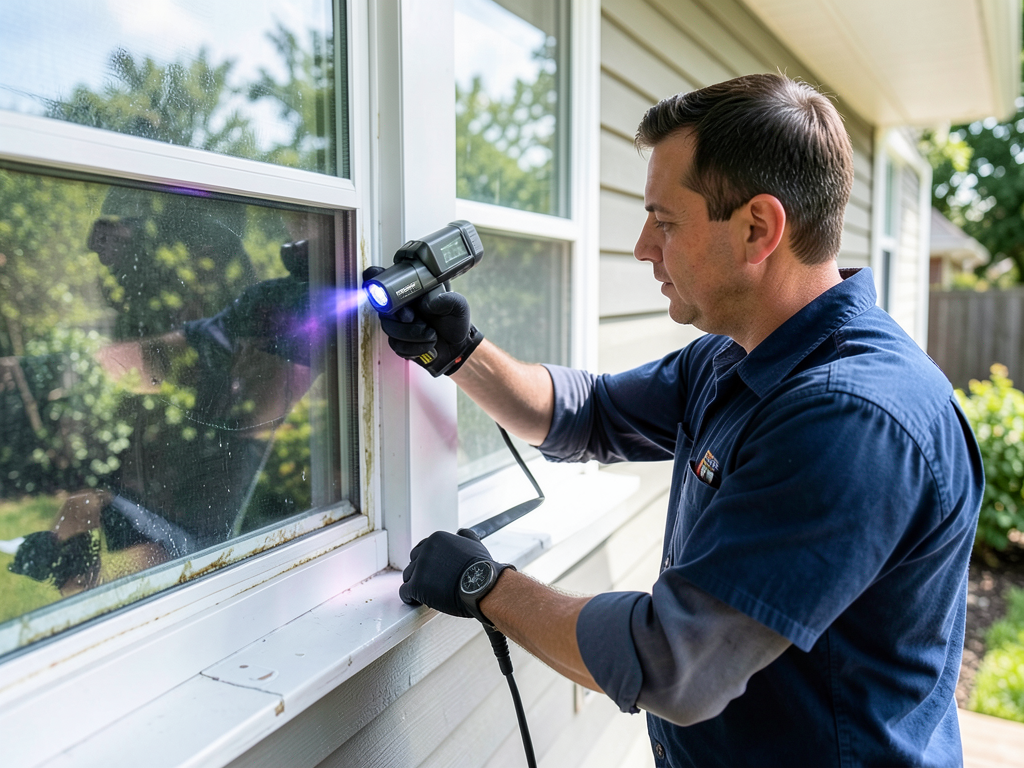
Professional moisture detection uses thermal cameras to scan for temperature differences that indicate water presence, and moisture meters to measure wall cavity dampness. These tools can find problems behind drywall that you can’t see or feel. If elevated moisture is detected, immediate drying with commercial-grade dehumidifiers and air movers prevents mold growth and structural damage.
Insurance companies often require proof of sudden, accidental water damage for coverage. Gradual damage from failing seals is typically excluded. That’s why early detection matters—documenting the condition of your seals and any repairs creates a timeline that supports your claim if a major storm causes sudden failure.
Riverside’s building code requires weather-resistant barriers and proper flashing around windows to prevent water intrusion. However, many homes were built before current standards took effect, or sealants have degraded beyond their intended lifespan. California Title 24 energy standards also affect how tightly homes are sealed, which can trap moisture if ventilation is inadequate. Getting your Riverside water damage insurance claim approved.
Don’t wait until water is dripping onto your floor. A quick seal inspection today can save you from emergency water damage restoration tomorrow. If you find failing seals or suspect hidden moisture, call (951) 309-5499 for a professional assessment before the next storm hits. Emergency flood cleanup and restoration in Jurupa Valley.
Common window seal failure patterns in Riverside homes
Window seal failure in Riverside follows predictable patterns based on home age, construction materials, and exposure to sun and wind. Understanding these patterns helps you know where to look first.
Homes built between 1995 and 2005 in neighborhoods like Orangecrest and Eastvale often used lower-grade sealants that degrade faster under UV exposure. These sealants can fail in as little as 7-10 years, especially on south-facing windows that receive the most sun. The heat causes the sealant to become brittle and crack, while the cooling at night creates movement that widens these cracks.
Stucco homes face additional challenges. Stucco expands and contracts more than other siding materials, and if the window frame wasn’t properly detailed with expansion joints, this movement breaks the seal. You’ll often see caulking that looks intact but has lost its adhesion to either the window frame or the stucco.
Windows installed at roof intersections or under large overhangs can collect debris in the flashing, creating channels for water to bypass the seal. Even with good caulking, clogged weep holes or improper flashing slope can direct water into the wall cavity.
Double-pane windows can also fail internally. The seal between glass panes can break, allowing moisture to enter and create condensation between the panes. While this doesn’t always cause water intrusion into your home, it indicates the window assembly has lost its weather-tight integrity.
Professional inspection looks beyond the obvious. We check for signs of previous water damage, such as staining on interior drywall or swollen window sills. We also examine the exterior for proper flashing installation and adequate sealant coverage around the entire window perimeter.
If your home is in a historic district like downtown Riverside, original wood windows may have failing glazing putty or deteriorated weatherstripping. These older windows require different repair approaches than modern vinyl or aluminum units.
Don’t assume newer windows are immune. Even windows installed in the past five years can fail if they were improperly sealed during installation or if the home experienced foundation movement that stressed the window frame.
Call (951) 309-5499 to schedule a window seal assessment before the next storm reveals hidden problems.
How Santa Ana winds drive water through window seals
Santa Ana winds create a perfect storm for window seal failure. These hot, dry winds from the desert can reach speeds over 60 mph and, when combined with rain, create wind-driven rain that behaves very differently than normal rainfall.
Wind-driven rain doesn’t just fall straight down—it can be forced horizontally or even upward at a 45-degree angle. This means water can be driven under window sills, over window headers, and through gaps you wouldn’t expect to be vulnerable. The pressure differential created by high winds can also force water through microscopic gaps in caulking.
During a Santa Ana event, your home becomes a pressurized system. Wind hitting one side creates positive pressure, while the lee side experiences negative pressure. This pressure difference can draw water through any available opening, including failed window seals. The effect is similar to how a straw works—pressure differences move water where it wouldn’t normally go.
Rain accompanying Santa Ana winds often comes in intense bursts rather than steady downpours. These bursts can overwhelm drainage systems and create temporary flooding conditions around your home’s foundation. Water that pools near window bases can seep through the lowest point of failure in your window seal.
The heat from Santa Ana winds also dries surfaces quickly, which can make water damage less obvious immediately after a storm. You might not see standing water or wet spots, but moisture could still be trapped in wall cavities where it continues to cause damage unseen.
Windows on upper floors face additional risks. Wind speeds increase with height, and water can be driven under eaves and soffits that normally provide protection. Upper-story windows often have less maintenance attention, so seal failures can go unnoticed longer.
Professional assessment during or immediately after a windstorm can reveal active water intrusion points. We use thermal imaging to detect temperature changes caused by evaporating moisture and moisture meters to quantify water content in building materials.
Understanding how wind-driven rain behaves helps you know where to check first. Focus on windward-facing windows, upper-story units, and areas where wind can create swirling patterns that direct water into unexpected places.
Don’t wait for the next Santa Ana event to test your window seals. Call (951) 309-5499 for a professional assessment before wind-driven rain finds your home’s weak points.
Emergency steps if you discover a window leak
- Stop the water flow
Place towels or buckets under the leak immediately. If water is actively flowing, use plastic sheeting to direct water into containers rather than letting it spread across floors and walls.
- Identify the source
Check if the leak is coming from the window frame, surrounding wall, or from above the window. Water can travel along framing members, so the entry point may not be directly above where you see water.
- Protect contents
Move furniture, electronics, and valuables away from the affected area. Water can wick up through carpet and furniture legs, causing secondary damage.
- Control humidity
If the leak is significant, use fans to circulate air and prevent moisture from settling into materials. However, don’t use heat sources that could worsen the situation if there’s hidden water in wall cavities.
- Document the damage
Take photos of the leak, water spread, and any damaged items. This documentation is crucial for insurance claims.
- Call for professional help
Don’t attempt major repairs yourself. Improper fixes can trap water inside walls and lead to mold growth. Call (951) 309-5499 for emergency assessment and water damage restoration.
Time is critical when dealing with window leaks. Water that sits for more than 24-48 hours creates conditions for mold growth and can cause permanent damage to drywall, wood framing, and flooring materials.
The first 24 hours after discovering a leak are crucial for preventing secondary damage. Mold spores are everywhere and only need moisture and organic material to begin growing. Once established, mold colonies can spread rapidly through wall cavities via airborne spores.
Professional water damage restoration follows a specific protocol. We first identify and stop the water source, then extract standing water using specialized equipment. Next, we use industrial-grade dehumidifiers and air movers to dry the affected area completely. Moisture meters help us verify when materials have returned to safe moisture content levels.
For window leaks, we often need to remove baseboards and cut small inspection holes in drywall to check for hidden moisture. What looks like a small leak can involve gallons of water absorbed into building materials. These materials can hold water for weeks if not properly dried.
Insurance coverage for window leak damage varies by policy. Sudden, accidental damage is typically covered, but gradual damage from neglected maintenance often isn’t. That’s why immediate response and professional documentation matter so much.
Don’t let a small window leak become a major restoration project. Quick action and professional assessment can limit damage and keep repair costs manageable. Call (951) 309-5499 for 24/7 emergency response to window leaks and water damage.
If you’re dealing with an active leak, remember that safety comes first. Don’t stand in water while touching electrical devices, and be aware that wet surfaces can be extremely slippery. If you suspect the leak involves sewage or contaminated water, evacuate the area and call professionals immediately.
Professional restoration technicians wear personal protective equipment to handle contaminated water safely and use antimicrobial treatments to prevent mold growth in affected areas. They also have the equipment to detect moisture in places you can’t see, ensuring complete drying and preventing future problems.
Call (951) 309-5499 now if you’re dealing with an active window leak or water damage emergency.
Professional window seal inspection and repair process
Professional window seal inspection goes far beyond what a homeowner can see. We use specialized tools and techniques to assess the complete condition of your window assemblies and surrounding building envelope.
The inspection begins with a thorough visual examination of both interior and exterior window components. We check for signs of previous water damage, such as staining, warping, or mineral deposits. We also look for proper flashing installation and adequate sealant coverage around the entire window perimeter.
Thermal imaging cameras detect temperature differences that indicate moisture presence. Wet materials conduct heat differently than dry materials, creating visible patterns on the thermal camera. This allows us to find hidden moisture in wall cavities without destructive testing.
Moisture meters measure the actual water content in building materials. We use penetrating meters for wood framing and non-penetrating meters for finished surfaces. These readings help us determine if materials are within safe moisture content levels or if they need drying.
Air quality testing may be recommended if we suspect mold growth. This testing identifies mold spore types and concentrations, helping us determine if remediation is necessary and what scope of work is required.
If seal failure is found, professional repair involves complete removal of old caulking and sealants. We clean the surfaces thoroughly to ensure proper adhesion of new materials. We then apply high-quality, elastomeric sealants designed for exterior use that can flex with building movement.
For windows with damaged flashing or stucco cracks, we may need to involve other specialists. Proper window waterproofing often requires coordination between sealant application, flashing repair, and sometimes stucco patching to create a complete moisture barrier.
Professional repairs come with warranties on both materials and workmanship. We stand behind our repairs because we use commercial-grade materials and follow industry best practices for window waterproofing.
Documentation is a key part of our service. We provide written reports detailing our findings, recommended repairs, and before/after photos of our work. This documentation is valuable for insurance purposes and for tracking maintenance needs over time.
Preventive maintenance programs are available for property managers and homeowners who want to stay ahead of potential problems. Regular inspections can identify failing seals before they cause damage, saving money on emergency repairs and water damage restoration.
Call (951) 309-5499 to schedule a professional window seal inspection and protect your home before the next storm hits.
Long-term protection strategies for Riverside homes
Protecting your Riverside home from window seal failure requires a comprehensive approach that addresses both immediate repairs and long-term prevention. The Inland Empire’s unique climate creates specific challenges that demand targeted solutions.
Annual window seal inspections should be part of your home maintenance routine. Schedule these inspections in late summer or early fall before the rainy season begins. This timing allows you to address any issues before wind-driven rain can exploit failing seals.
Quality matters when selecting sealants and caulking materials. Not all products are created equal, and using the wrong type can lead to premature failure. We recommend polyurethane or silicone-based sealants specifically formulated for exterior window applications. These materials maintain flexibility across temperature ranges and resist UV degradation better than standard caulking.
Proper surface preparation is critical for seal longevity. All old sealant must be completely removed, and surfaces must be clean and dry before applying new materials. Even the best sealant won’t perform well if applied over contaminated or incompatible surfaces.
Consider upgrading to modern window technologies if your home has older windows. Many newer windows feature improved weatherstripping, better drainage systems, and more durable frame materials that resist the temperature swings common in Riverside.
Landscaping can also impact window seal performance. Plants that grow too close to your home can trap moisture against walls and windows, accelerating seal degradation. Maintain proper clearance around your foundation and windows to allow for air circulation and moisture evaporation.
Roof maintenance affects window seals indirectly. Clogged gutters or damaged roof flashing can direct water toward windows rather than away from them. Regular roof inspections and maintenance help protect all exterior openings, including windows.
Foundation movement can stress window seals over time. If you notice cracks in your foundation or uneven floors, these issues can transfer stress to window frames and break seals. Addressing foundation problems can prevent recurring window seal failures.
Professional monitoring systems can alert you to moisture problems before they become visible. These systems use sensors to detect elevated moisture levels in walls and can send alerts to your phone, allowing you to address issues early.
Insurance review is another important strategy. Understand what your policy covers regarding water damage and seal failure. Some policies offer endorsements for water damage that aren’t included in standard coverage.
Documentation of all maintenance and repairs creates a valuable record. This documentation can support insurance claims and helps you track the age and condition of various home components, allowing for proactive replacement before failures occur.
Call (951) 309-5499 to develop a comprehensive protection plan for your Riverside home’s windows and prevent costly water damage before it starts.
Frequently Asked Questions
How can I tell if my window seals are failing?
Look for cracked, peeling, or missing caulking around the exterior frame. Check for drafts near windows, condensation between double-pane glass, or water stains on interior walls near windows. Press on caulking—if it feels brittle or powdery, it has lost its elasticity. Even small gaps can let in significant water during storms.
How often should window seals be inspected in Riverside?
Annual inspections are recommended for Riverside homes due to the extreme temperature variations and Santa Ana wind exposure. Schedule inspections in late summer or early fall before the rainy season. Homes older than 10 years or those in neighborhoods with many stucco-clad houses may need more frequent checks.
Can I repair window seals myself, or should I call a professional?
Minor caulking repairs can be DIY projects if you use the right materials and techniques. However, if you suspect hidden moisture, see signs of previous water damage, or have windows with damaged flashing or stucco cracks, professional assessment is critical. Improper repairs can trap water inside walls and cause mold growth.
How much does professional window seal inspection cost?
Professional inspection costs vary based on home size and number of windows, typically ranging from $150 to $400 for a complete assessment. This includes thermal imaging, moisture testing, and a detailed report. Considering the potential cost of undetected water damage, professional inspection is a worthwhile investment.
What should I do if I find a window leak during a storm?
Immediately place towels or buckets to catch water, move valuables away from the affected area, and document the damage with photos. Don’t attempt major repairs during active weather. Call (951) 309-5499 for emergency assessment and water damage restoration services available 24/7 throughout Riverside County.
Will my insurance cover window seal failure and resulting water damage?
Insurance coverage depends on the cause and timing of the damage. Sudden, accidental water intrusion is typically covered, but gradual damage from neglected maintenance often isn’t. Document the condition of your seals and any repairs you make. Professional assessment and documentation strengthen insurance claims if major damage occurs. For more information, visit IICRC water damage standards.
{
“@context”: “https://schema.org”,
“@type”: “BlogPosting”,
“headline”: “Why you should check your window seals before the next Riverside windstorm”,
“description”: “Don’t wait for the next storm to find out your window seals are failing. Learn how Riverside’s wind-driven rain can cause hidden water damage and what to check now.”,
“wordCount”: 3107,
“datePublished”: “2026-04-03T09:13:00.000Z”,
“dateModified”: “2026-04-03T09:13:00.000Z”,
“inLanguage”: “en-US”,
“mainEntityOfPage”: {
“@type”: “WebPage”,
“@id”: “https://libertywaterdamagerestorationriverside.com”
},
“publisher”: {
“@type”: “LocalBusiness”,
“name”: “Liberty Water Damage Restoration Riverside”,
“url”: “https://libertywaterdamagerestorationriverside.com”
},
“author”: {
“@type”: “Organization”,
“name”: “Liberty Water Damage Restoration Riverside”,
“url”: “https://libertywaterdamagerestorationriverside.com”
},
“image”: {
“@type”: “ImageObject”,
“url”: “https://libertywaterdamagerestorationriverside.com/wp-content/uploads/2026/03/why-you-should-check-your-window-seals-before-the-1.png”
}
}
{
“@context”: “https://schema.org”,
“@type”: “LocalBusiness”,
“name”: “Liberty Water Damage Restoration Riverside”,
“url”: “https://libertywaterdamagerestorationriverside.com”,
“address”: {
“@type”: “PostalAddress”,
“addressLocality”: “Riverside”
},
“areaServed”: {
“@type”: “City”,
“name”: “Riverside”
}
}
{
“@context”: “https://schema.org”,
“@type”: “FAQPage”,
“mainEntity”: [
{
“@type”: “Question”,
“name”: “How can I tell if my window seals are failing?”,
“acceptedAnswer”: {
“@type”: “Answer”,
“text”: “Look for cracked, peeling, or missing caulking around the exterior frame. Check for drafts near windows, condensation between double-pane glass, or water stains on interior walls near windows. Press on caulking—if it feels brittle or powdery, it has lost its elasticity. Even small gaps can let in significant water during storms.”
}
},
{
“@type”: “Question”,
“name”: “How often should window seals be inspected in Riverside?”,
“acceptedAnswer”: {
“@type”: “Answer”,
“text”: “Annual inspections are recommended for Riverside homes due to the extreme temperature variations and Santa Ana wind exposure. Schedule inspections in late summer or early fall before the rainy season. Homes older than 10 years or those in neighborhoods with many stucco-clad houses may need more frequent checks.”
}
},
{
“@type”: “Question”,
“name”: “Can I repair window seals myself, or should I call a professional?”,
“acceptedAnswer”: {
“@type”: “Answer”,
“text”: “Minor caulking repairs can be DIY projects if you use the right materials and techniques. However, if you suspect hidden moisture, see signs of previous water damage, or have windows with damaged flashing or stucco cracks, professional assessment is critical. Improper repairs can trap water inside walls and cause mold growth.”
}
},
{
“@type”: “Question”,
“name”: “How much does professional window seal inspection cost?”,
“acceptedAnswer”: {
“@type”: “Answer”,
“text”: “Professional inspection costs vary based on home size and number of windows, typically ranging from $150 to $400 for a complete assessment. This includes thermal imaging, moisture testing, and a detailed report. Considering the potential cost of undetected water damage, professional inspection is a worthwhile investment.”
}
},
{
“@type”: “Question”,
“name”: “What should I do if I find a window leak during a storm?”,
“acceptedAnswer”: {
“@type”: “Answer”,
“text”: “Immediately place towels or buckets to catch water, move valuables away from the affected area, and document the damage with photos. Don’t attempt major repairs during active weather. Call (951) 309-5499 for emergency assessment and water damage restoration services available 24/7 throughout Riverside County.”
}
},
{
“@type”: “Question”,
“name”: “Will my insurance cover window seal failure and resulting water damage?”,
“acceptedAnswer”: {
“@type”: “Answer”,
“text”: “Insurance coverage depends on the cause and timing of the damage. Sudden, accidental water intrusion is typically covered, but gradual damage from neglected maintenance often isn’t. Document the condition of your seals and any repairs you make. Professional assessment and documentation strengthen insurance claims if major damage occurs. For more information, visit IICRC water damage standards.”
}
}
]
}
{
“@context”: “https://schema.org”,
“@type”: “HowTo”,
“name”: “Emergency Window Leak Response”,
“step”: [
{
“@type”: “HowToStep”,
“position”: 1,
“name”: “Stop the water flow”,
“text”: “Place towels or buckets under the leak immediately. If water is actively flowing, use plastic sheeting to direct water into containers rather than letting it spread across floors and walls.”
},
{
“@type”: “HowToStep”,
“position”: 2,
“name”: “Identify the source”,
“text”: “Check if the leak is coming from the window frame, surrounding wall, or from above the window. Water can travel along framing members, so the entry point may not be directly above where you see water.”
},
{
“@type”: “HowToStep”,
“position”: 3,
“name”: “Protect contents”,
“text”: “Move furniture, electronics, and valuables away from the affected area. Water can wick up through carpet and furniture legs, causing secondary damage.”
},
{
“@type”: “HowToStep”,
“position”: 4,
“name”: “Control humidity”,
“text”: “If the leak is significant, use fans to circulate air and prevent moisture from settling into materials. However, don’t use heat sources that could worsen the situation if there’s hidden water in wall cavities.”
},
{
“@type”: “HowToStep”,
“position”: 5,
“name”: “Document the damage”,
“text”: “Take photos of the leak, water spread, and any damaged items. This documentation is crucial for insurance claims.”
},
{
“@type”: “HowToStep”,
“position”: 6,
“name”: “Call for professional help”,
“text”: “Don’t attempt major repairs yourself. Improper fixes can trap water inside walls and lead to mold growth. Call (951) 309-5499 for emergency assessment and water damage restoration.”
}
],
“image”: “https://libertywaterdamagerestorationriverside.com/wp-content/uploads/2026/03/why-you-should-check-your-window-seals-before-the-1.png”
}
{
“@context”: “https://schema.org”,
“@type”: “BreadcrumbList”,
“itemListElement”: [
{
“@type”: “ListItem”,
“position”: 1,
“name”: “Home”,
“item”: “https://libertywaterdamagerestorationriverside.com”
},
{
“@type”: “ListItem”,
“position”: 2,
“name”: “Blog”,
“item”: “https://libertywaterdamagerestorationriverside.com/blog”
},
{
“@type”: “ListItem”,
“position”: 3,
“name”: “Why you should check your window seals before the next Riverside windstorm”
}
]
}
{
“@context”: “https://schema.org”,
“@type”: “Service”,
“serviceType”: “Water Damage Restoration”,
“provider”: {
“@type”: “LocalBusiness”,
“name”: “Liberty Water Damage Restoration Riverside”,
“url”: “https://libertywaterdamagerestorationriverside.com”
},
“areaServed”: {
“@type”: “City”,
“name”: “Riverside”
},
“description”: “Don’t wait for the next storm to find out your window seals are failing. Learn how Riverside’s wind-driven rain can cause hidden water damage and what to check now.”
}