
Questions you should ask a Riverside water damage contractor before you sign a contract
Water damage strikes without warning. Whether it’s a burst pipe in your Canyon Crest home or a roof leak during a Santa Ana wind storm, the first 24-48 hours determine whether you’re looking at a simple repair or a major reconstruction project. The contractor you choose makes all the difference. Top-rated water damage repair and restoration in Corona.
Before you sign any contract with a water damage restoration company in Riverside, you need to ask the right questions. These seven questions will help you separate qualified professionals from companies that might leave you with hidden damage and mold growth. What to do when a pipe bursts in your Riverside home.
1. Are you licensed and insured to work in Riverside County?
California requires water damage contractors to hold specific licenses through the Contractors State License Board (CSLB). A company working on your home without proper licensing puts you at serious financial risk. California State License Board.
Ask for their CSLB license number and verify it online. The license should be current and in good standing. Also ask about insurance coverage – they need both general liability insurance and workers’ compensation for their employees.
California CSLB law requires contractors to carry a minimum of $2,000,000 in liability coverage. Without this protection, you could be personally liable if someone gets injured on your property.
Call (951) 309-5499 today to verify our Riverside County contractor licenses and insurance coverage.
2. What certifications do your technicians hold?
Water damage restoration requires specialized knowledge about moisture detection, structural drying, and mold prevention. The Institute of Inspection Cleaning and Restoration Certification (IICRC) sets the industry standard for this work. IICRC certification standards.
Ask specifically about IICRC certifications. The S500 standard governs water damage restoration procedures. Technicians certified in this standard understand the science of psychrometry – how temperature and humidity affect drying. Riverside water restoration teams that can be at your door in an hour.
Look for certifications beyond basic water restoration. Applied Structural Drying (ASD) and Applied Microbial Remediation (AMRT) certifications indicate technicians can handle complex situations.. Read more about Is it safe to stay in your home during water damage restoration?.
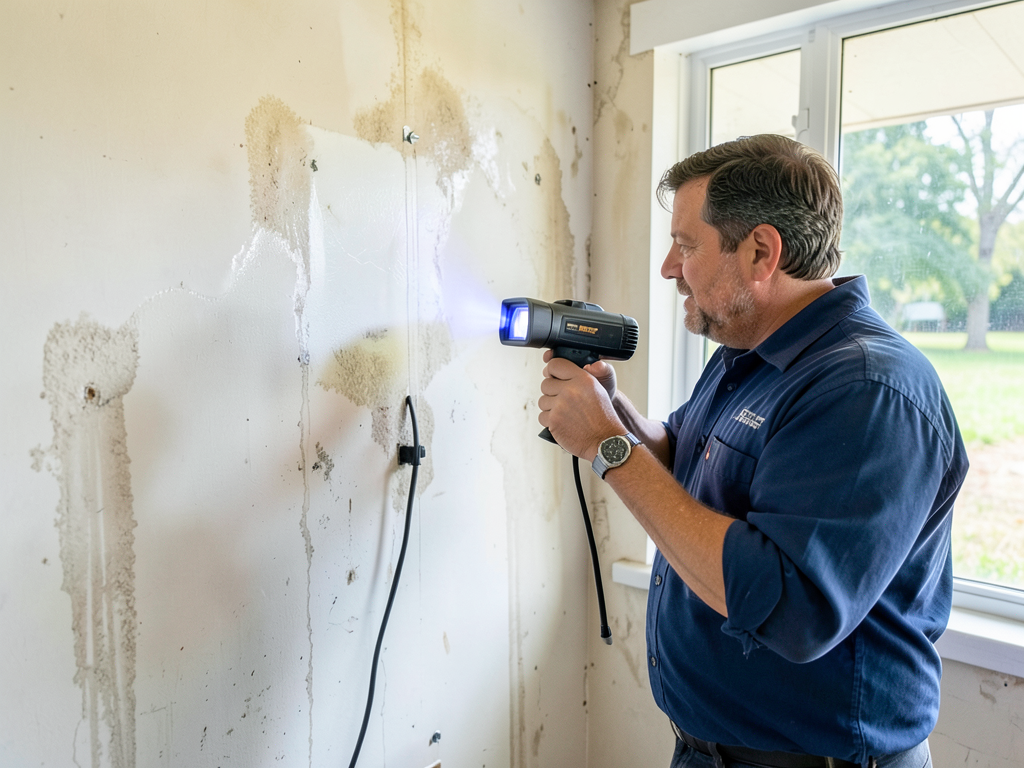
– Technician using thermal imaging camera to detect hidden moisture behind walls in a Riverside home Getting your Riverside water damage insurance claim approved.
3. How quickly can you respond to an emergency?
Water damage worsens by the minute. Mold can begin growing within 24-48 hours in Riverside’s climate. Every hour of delay increases restoration costs and health risks.
A reputable Riverside water damage company should guarantee arrival within 60 minutes for emergency calls. Ask about their on-call schedule – do they have technicians available 24/7 or just during business hours? Emergency flood cleanup and restoration in Jurupa Valley.
Response time matters more than price when water is actively damaging your home. A company that takes 4 hours to arrive might cost you thousands more in preventable damage.
During Santa Ana wind events or winter storms, response times can be affected. Ask how they handle high-demand situations.
4. What equipment will you use and why?
Professional water damage restoration requires specific equipment. Generic fans and dehumidifiers from a hardware store won’t properly dry your home’s structure.
Ask about their equipment inventory. Professional-grade air movers should deliver 3,000+ cubic feet per minute of airflow. Commercial dehumidifiers should remove 20-30 gallons of water per day.
Thermal imaging cameras detect moisture behind walls without destructive testing. Moisture meters measure water content in materials to ensure proper drying.
Professional equipment costs thousands of dollars. A company using cheap equipment likely cuts corners elsewhere.
5. Will you provide a detailed scope of work before starting?
Never accept verbal agreements for water damage restoration. Every aspect of the job should be documented in writing before work begins.
The scope should include specific tasks, materials to be used, and the sequence of work. It should identify which materials will be removed versus dried in place.
Ask about their assessment process. Do they use moisture mapping to identify all affected areas? Do they test materials before deciding what to remove?
A detailed scope protects you from surprise charges and ensures all damage gets addressed.
6. How do you handle insurance claims?
Most water damage in Riverside involves insurance claims. The contractor should have experience working with major insurance providers like State Farm, Allstate, and AAA.
Ask if they provide direct insurance billing. Do they use industry-standard estimating software like Xactimate? Can they meet with your insurance adjuster on-site?
Insurance companies often require specific documentation for claims approval. The contractor should know exactly what’s needed and provide it promptly.
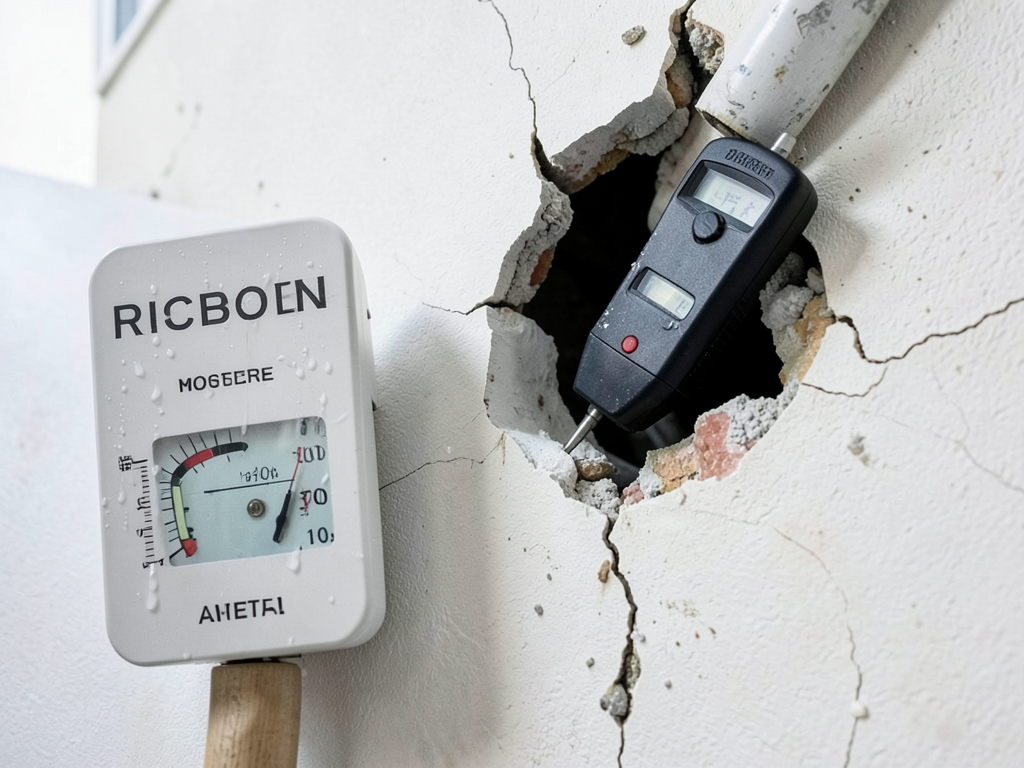
– Moisture meter readings showing water content in drywall after a pipe burst in Riverside
7. What’s your process for ensuring the job is complete?
Water damage restoration isn’t finished when the visible water is gone. Hidden moisture can cause problems for months or years.
Ask about their final testing procedures. Do they conduct moisture readings in multiple locations? Do they provide documentation showing materials returned to normal moisture levels?
Professional companies use psychrometric charts to verify drying goals are met. They should provide you with a final report showing all readings and confirming the home is dry.
Ask about their warranty or guarantee. What happens if problems appear after they leave?
Understanding water damage categories and what they mean for your Riverside home
Not all water damage is equal. The category of water determines the restoration approach and health risks involved.
Category 1: Clean Water – From broken supply lines, rainwater, or appliance malfunctions. This water poses minimal health risks initially but becomes contaminated quickly.
Category 2: Gray Water – Contains significant contamination from washing machines, dishwashers, or toilet overflows (without feces). This water can cause discomfort or illness.
Category 3: Black Water – Grossly contaminated water from sewage, flooding, or standing water that has supported microbial growth. This water poses serious health risks.
The category affects everything from what materials can be saved to what personal protective equipment technicians must wear.
The Riverside water damage restoration process step by step
Understanding the restoration process helps you evaluate contractors and know what to expect.
Emergency Contact and Assessment – The company should respond within 60 minutes, assess the damage, and provide a verbal estimate of costs and timeline.
Water Removal – Using powerful pumps and vacuums, technicians extract standing water. Speed matters – the longer water sits, the more damage it causes.
Drying and Dehumidification – Industrial air movers and dehumidifiers remove moisture from materials and air. This process typically takes 3-5 days depending on conditions.
Cleaning and Sanitizing – All affected areas receive antimicrobial treatment to prevent mold growth. This includes both visible surfaces and hidden cavities.
Restoration – The final step returns your home to pre-loss condition. This might involve minor repairs or major reconstruction.
Throughout this process, the contractor should keep you informed about progress and any changes to the plan.
Common water damage scenarios in Riverside homes
Riverside’s unique climate and housing stock create specific water damage patterns.
Slab Leaks – Many Riverside homes built on concrete slabs develop leaks in water supply lines. These often go unnoticed until significant damage occurs.
A/C Condensate Line Issues – Riverside’s extreme summer heat means air conditioners run constantly. Clogged condensate lines can cause ceiling or wall damage.
Roof Damage from Santa Ana Winds – High winds can tear off shingles or flashing, allowing rain to enter during winter storms.
Pipe Bursts from Temperature Changes – While Riverside doesn’t freeze often, occasional cold snaps can cause pipes to burst in uninsulated areas.
Foundation Cracks – Riverside’s expansive clay soils can cause foundation movement, leading to cracks that allow water intrusion.
Understanding these common scenarios helps you recognize problems early and ask informed questions.
Red flags to watch for when hiring a Riverside water damage contractor
Certain warning signs indicate you should look elsewhere for help.
No physical address – Legitimate companies have offices or warehouses. A P.O. box or just a cell phone number is suspicious.
Demands for large upfront payments – Reputable companies typically bill insurance directly or require minimal deposits.
No written contract – Everything should be documented. Verbal agreements leave you vulnerable.
Generic equipment – Professional restoration requires specialized tools. A company using only box-store fans likely lacks expertise.
Pressure to make quick decisions – While water damage requires prompt action, you should still have time to verify credentials.
No references or reviews – Established companies should have local references and positive reviews from Riverside customers.
Questions about costs and payment
Water damage restoration costs vary widely based on damage extent, materials affected, and required repairs.
Ask about their pricing structure. Do they charge by the square foot, by the hour, or provide flat-rate quotes? Most reputable companies use Xactimate software to generate accurate estimates.
Understand what’s included in the initial quote. Does it cover demolition, drying, cleaning, and basic repairs? Or are those separate line items?
Ask about potential additional costs. What if they discover more damage during demolition? How do they handle change orders?
Payment terms matter too. Do they bill insurance directly? What’s their policy on deductibles? Can you pay with insurance proceeds rather than out-of-pocket?
Why local experience matters in Riverside water damage restoration
Water damage restoration isn’t just about removing water – it’s about understanding local conditions that affect the job.
Riverside’s building codes, permit requirements, and inspection processes differ from other areas. A contractor familiar with local regulations navigates these requirements smoothly.
Local contractors understand Riverside’s climate patterns. They know how humidity levels affect drying times and when Santa Ana winds might complicate restoration efforts.
Established Riverside companies have relationships with local insurance adjusters, building inspectors, and suppliers. These connections can speed up the restoration process.
Local knowledge also means understanding common issues in Riverside homes. A contractor who’s worked on hundreds of local properties recognizes patterns and potential problems others might miss.
– Before and after restoration showing moisture mapping results in a Riverside kitchen
Making your final decision
After asking these questions and gathering information, you need to make a decision. Consider these factors:
Credentials and experience – Do they have proper licensing, certifications, and years of local experience?
Response time – Can they arrive quickly when you need help most?
Communication – Do they explain the process clearly and keep you informed?
Insurance experience – Can they handle claims efficiently and work with your insurance company?
Equipment and methods – Do they use professional-grade equipment and follow industry standards?
References – Do they have positive reviews from other Riverside customers?
Trust your instincts. If something feels off about a contractor, keep looking. The right company will make you feel confident about the restoration process.
Take action before water damage becomes a disaster
Water damage waits for no one. Every hour of delay increases the scope of damage and the cost of restoration.
Don’t wait until you’re standing in water to find a qualified contractor. Research companies now, ask these questions, and have a plan ready.
When water damage strikes, you’ll face enough stress without also worrying whether you’ve hired the right company. Being prepared means you can act quickly and confidently.
Call (951) 309-5499 today to schedule a consultation or to get immediate emergency response. Our certified technicians are ready to protect your Riverside home from water damage.
Don’t let water damage destroy your home and your peace of mind. Pick up the phone and call (951) 309-5499 before the next storm hits or the next pipe bursts.
Frequently Asked Questions
How much does water damage restoration cost in Riverside?
Costs vary based on damage extent, materials affected, and required repairs. Minor water damage might cost $1,000-$3,000, while major flooding can exceed $10,000. Insurance typically covers sudden, accidental damage but not gradual leaks or maintenance issues.
How long does water damage restoration take?
The drying process typically takes 3-5 days. Complete restoration, including repairs, can take anywhere from a few days to several weeks depending on damage extent. Emergency water removal happens within hours of arrival.
Can I stay in my home during water damage restoration?
It depends on the damage extent and affected areas. If the damage is limited to one room or area, you might be able to stay. However, for extensive damage or Category 3 water situations, temporary relocation is often safer and more practical.
Will my insurance cover water damage restoration?
Most homeowner’s insurance policies cover sudden, accidental water damage from sources like burst pipes or appliance malfunctions. They typically don’t cover gradual leaks, flooding from external sources, or damage from lack of maintenance. Review your policy or contact your agent for specifics.
{
“@context”: “https://schema.org”,
“@type”: “BlogPosting”,
“headline”: “Questions you should ask a Riverside water damage contractor before you sign a contract”,
“description”: “Don’t hire a water damage contractor in Riverside without asking these 7 critical questions. Protect your home and avoid costly mistakes.”,
“wordCount”: 2114,
“datePublished”: “2026-03-12T16:07:00.000Z”,
“dateModified”: “2026-03-12T16:07:00.000Z”,
“inLanguage”: “en-US”,
“mainEntityOfPage”: {
“@type”: “WebPage”,
“@id”: “https://libertywaterdamagerestorationriverside.com”
},
“publisher”: {
“@type”: “LocalBusiness”,
“name”: “Liberty Water Damage Restoration Riverside”,
“url”: “https://libertywaterdamagerestorationriverside.com”
},
“author”: {
“@type”: “Organization”,
“name”: “Liberty Water Damage Restoration Riverside”,
“url”: “https://libertywaterdamagerestorationriverside.com”
},
“image”: {
“@type”: “ImageObject”,
“url”: “https://libertywaterdamagerestorationriverside.com/wp-content/uploads/2026/03/questions-you-should-ask-a-riverside-water-damage-1.png”
}
}
{
“@context”: “https://schema.org”,
“@type”: “LocalBusiness”,
“name”: “Liberty Water Damage Restoration Riverside”,
“url”: “https://libertywaterdamagerestorationriverside.com”,
“address”: {
“@type”: “PostalAddress”,
“addressLocality”: “Riverside”
},
“areaServed”: {
“@type”: “City”,
“name”: “Riverside”
}
}
{
“@context”: “https://schema.org”,
“@type”: “FAQPage”,
“mainEntity”: [
{
“@type”: “Question”,
“name”: “1. Are you licensed and insured to work in Riverside County?”,
“acceptedAnswer”: {
“@type”: “Answer”,
“text”: “California requires water damage contractors to hold specific licenses through the Contractors State License Board (CSLB). A company working on your home without proper licensing puts you at serious financial risk. California State License Board.”
}
},
{
“@type”: “Question”,
“name”: “2. What certifications do your technicians hold?”,
“acceptedAnswer”: {
“@type”: “Answer”,
“text”: “Water damage restoration requires specialized knowledge about moisture detection, structural drying, and mold prevention. The Institute of Inspection Cleaning and Restoration Certification (IICRC) sets the industry standard for this work. IICRC certification standards.”
}
},
{
“@type”: “Question”,
“name”: “3. How quickly can you respond to an emergency?”,
“acceptedAnswer”: {
“@type”: “Answer”,
“text”: “Water damage worsens by the minute. Mold can begin growing within 24-48 hours in Riverside’s climate. Every hour of delay increases restoration costs and health risks.”
}
},
{
“@type”: “Question”,
“name”: “4. What equipment will you use and why?”,
“acceptedAnswer”: {
“@type”: “Answer”,
“text”: “Professional water damage restoration requires specific equipment. Generic fans and dehumidifiers from a hardware store won’t properly dry your home’s structure.”
}
},
{
“@type”: “Question”,
“name”: “5. Will you provide a detailed scope of work before starting?”,
“acceptedAnswer”: {
“@type”: “Answer”,
“text”: “Never accept verbal agreements for water damage restoration. Every aspect of the job should be documented in writing before work begins.”
}
},
{
“@type”: “Question”,
“name”: “6. How do you handle insurance claims?”,
“acceptedAnswer”: {
“@type”: “Answer”,
“text”: “Most water damage in Riverside involves insurance claims. The contractor should have experience working with major insurance providers like State Farm, Allstate, and AAA.”
}
},
{
“@type”: “Question”,
“name”: “7. What’s your process for ensuring the job is complete?”,
“acceptedAnswer”: {
“@type”: “Answer”,
“text”: “Water damage restoration isn’t finished when the visible water is gone. Hidden moisture can cause problems for months or years.”
}
},
{
“@type”: “Question”,
“name”: “How much does water damage restoration cost in Riverside?”,
“acceptedAnswer”: {
“@type”: “Answer”,
“text”: “Costs vary based on damage extent, materials affected, and required repairs. Minor water damage might cost $1,000-$3,000, while major flooding can exceed $10,000. Insurance typically covers sudden, accidental damage but not gradual leaks or maintenance issues.”
}
},
{
“@type”: “Question”,
“name”: “How long does water damage restoration take?”,
“acceptedAnswer”: {
“@type”: “Answer”,
“text”: “The drying process typically takes 3-5 days. Complete restoration, including repairs, can take anywhere from a few days to several weeks depending on damage extent. Emergency water removal happens within hours of arrival.”
}
},
{
“@type”: “Question”,
“name”: “Can I stay in my home during water damage restoration?”,
“acceptedAnswer”: {
“@type”: “Answer”,
“text”: “It depends on the damage extent and affected areas. If the damage is limited to one room or area, you might be able to stay. However, for extensive damage or Category 3 water situations, temporary relocation is often safer and more practical.”
}
},
{
“@type”: “Question”,
“name”: “Will my insurance cover water damage restoration?”,
“acceptedAnswer”: {
“@type”: “Answer”,
“text”: “Most homeowner’s insurance policies cover sudden, accidental water damage from sources like burst pipes or appliance malfunctions. They typically don’t cover gradual leaks, flooding from external sources, or damage from lack of maintenance. Review your policy or contact your agent for specifics.”
}
}
]
}
{
“@context”: “https://schema.org”,
“@type”: “BreadcrumbList”,
“itemListElement”: [
{
“@type”: “ListItem”,
“position”: 1,
“name”: “Home”,
“item”: “https://libertywaterdamagerestorationriverside.com”
},
{
“@type”: “ListItem”,
“position”: 2,
“name”: “Blog”,
“item”: “https://libertywaterdamagerestorationriverside.com/blog”
},
{
“@type”: “ListItem”,
“position”: 3,
“name”: “Questions you should ask a Riverside water damage contractor before you sign a contract”
}
]
}
{
“@context”: “https://schema.org”,
“@type”: “Service”,
“serviceType”: “Water Damage Restoration”,
“provider”: {
“@type”: “LocalBusiness”,
“name”: “Liberty Water Damage Restoration Riverside”,
“url”: “https://libertywaterdamagerestorationriverside.com”
},
“areaServed”: {
“@type”: “City”,
“name”: “Riverside”
},
“description”: “Don’t hire a water damage contractor in Riverside without asking these 7 critical questions. Protect your home and avoid costly mistakes.”
}